Brassica napus, rapeseed, rapeseed, and black mustard are four species of yellow flowers in the Brassicaceae family that bloom in spring, and their flower shapes are almost identical. Their habitats are also almost the same. Furthermore, there are many closely related species, making identification very confusing. The complexity is such that even researchers sometimes misidentify them. Recent research has revealed detailed methods of identification. The most important point is how the stems and leaves clasp the stem, which allows for broad classification. From there, the length of the fruit and the presence or absence of a waxy substance on the leaves can be checked to accurately distinguish the four species. In terms of uses, Brassica napus is mainly used as Japanese mustard, rapeseed as a vegetable, and rapeseed as rapeseed oil. The use of black mustard has declined. The complicated classification of the Brassica genus reflects the complex evolutionary history of the genus. Honeybees mainly visit the cruciform flowers of the four species, but they can be said to be relatively generalists. When viewed with an ultraviolet camera, their colors differ from those seen with the human eye. For a long time, the importance of insects has been underestimated in self-pollinating rapeseed and mustard greens, but research has shown that insects are indeed necessary to increase yields. This article will explain the classification, history, pollination ecology, and seed dispersal of the Brassica genus.
- Four species of yellow Brassicaceae flowers that bloom in spring, even researchers sometimes confuse.
- What are the differences between mustard greens, rapeseed, European rapeseed, and black mustard?
- What are the differences in how mustard greens, rapeseed, European rapeseed, and black mustard are used?
- Why did mustard evolve to be spicy? The effects in nature.
- Why is the classification of the Brassica genus so complicated? The complex evolutionary history of mustard and rapeseed.
- Can we see different characteristics in cruciform flowers when viewed with an ultraviolet camera compared to what the human eye sees?
- While mustard greens can self-pollinate, cross-pollination by insects is essential!
- The fruit is a silique and is automatically dispersed.
- References
- Source
Four species of yellow Brassicaceae flowers that bloom in spring, even researchers sometimes confuse.
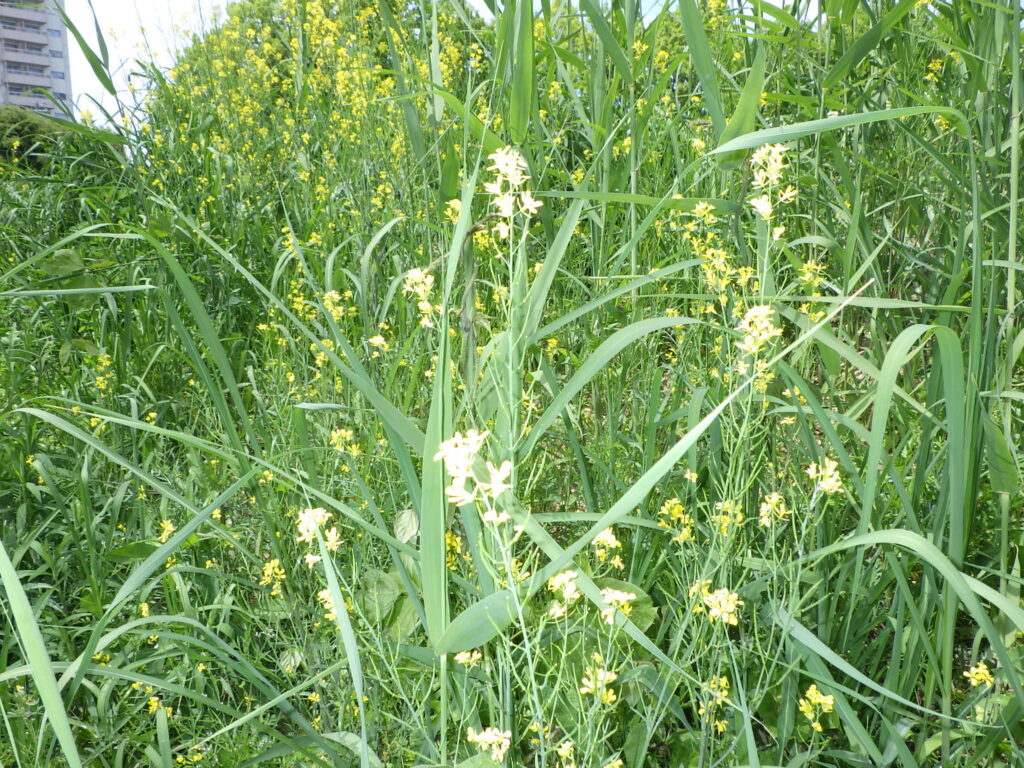
Brassica juncea, also known as mustard greens, is an annual or biennial plant (Tsuda et al., 2016). Because wild Brassica juncea species still grow in the Middle East, it is widely believed to originate from West Asia. Currently, it is widely distributed across Asia, Europe, North Africa, Australia, and North and South America, found in coastal lowlands, sandy beaches, plateaus, and mountainous areas at altitudes of 1,150m or higher, and grows wild along sandy roadsides, in wastelands, and in fields. In Japan, it was introduced before the Heian period and became naturalized after the Meiji era, distributing across Hokkaido, Honshu, Shikoku, Kyushu, and the Ryukyu Islands (extent unknown), forming large colonies in some areas, such as on embankments. The wild type that naturalized after the Meiji era is sometimes called European mustard greens, but the scientific name remains unchanged, and unless specific differences are discovered, this is considered inappropriate.
Brassica rapa var. oleifera is an annual or biennial plant (Tsuda et al., 2016). Native to Europe, it is now widely distributed in temperate regions of North Africa, Asia, Oceania, and North America. It was introduced to Japan as a vegetable during the Nara period and has naturalized, growing along roadsides, cultivated fields, docks, in urban areas, wastelands, and riverbanks. In Japan, it is said to be distributed in parts of Honshu and Kyushu. However, its actual distribution is often confused with rapeseed and is not well understood. In Japan, it is said to grow along roadsides, in grasslands, and on embankments, but recent research suggests that it is more common in riverine environments (Nakayama et al., 2022).
Brassica napus, also known as European rapeseed, is an annual or biennial plant (Tsuda et al., 2016). Native to Europe, it is now widely distributed in temperate regions of Europe, Asia, Africa, Oceania, and North and South America, growing wild along riverbanks and railway lines. In Japan, it is said to be distributed in Hokkaido, Honshu, Shikoku, and Kyushu. Recent research suggests it is common along roads (Nakayama et al., 2022). It was introduced from Europe in the early Meiji period and cultivated for the extraction of rapeseed oil from its seeds.
Black mustard (Brassica nigra) is an annual plant. It is native to Europe and West Asia and grows in barren areas. It has also become naturalized in Japan.
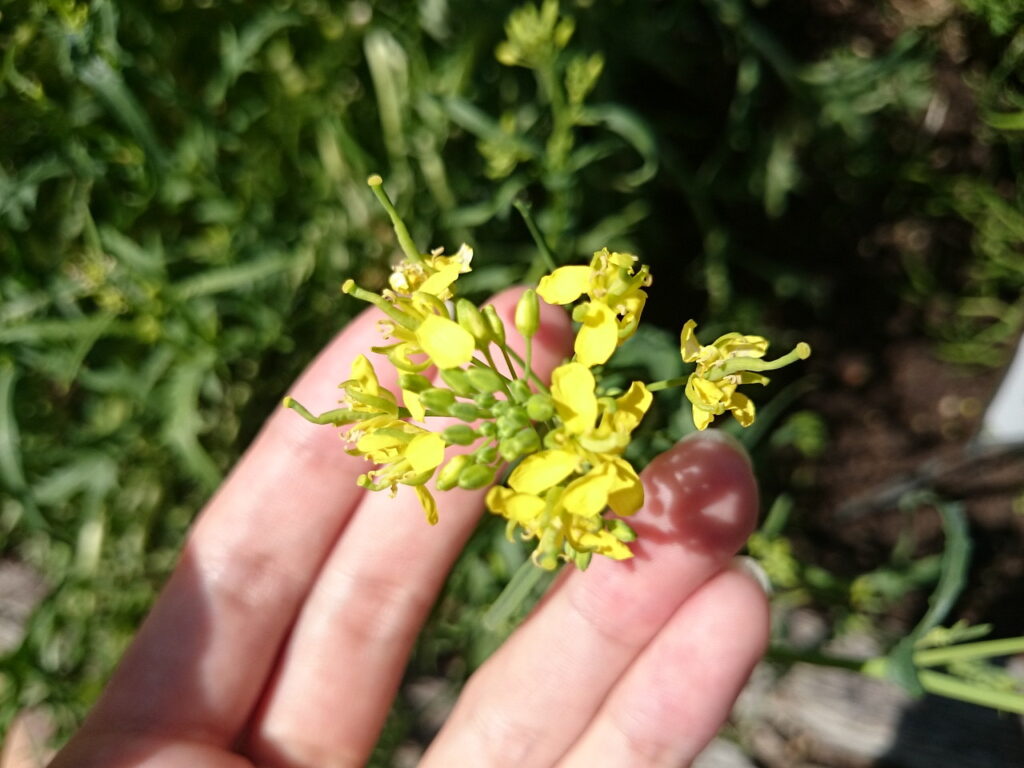
All of these are yellow flowers of the Brassica genus in the Brassicaceae family that bloom in spring, and their flower shapes are almost identical. Their habitats are also nearly the same. Moreover, there are many closely related species, making identification extremely confusing. The complexity is such that even researchers sometimes misidentify them (Nakayama et al., 2022).
What are the differences between mustard greens, rapeseed, European rapeseed, and black mustard?
However, recent research has finally revealed how to distinguish between them (Kanagawa Prefecture Flora Survey Association, 2018; Nakayama et al., 2022).
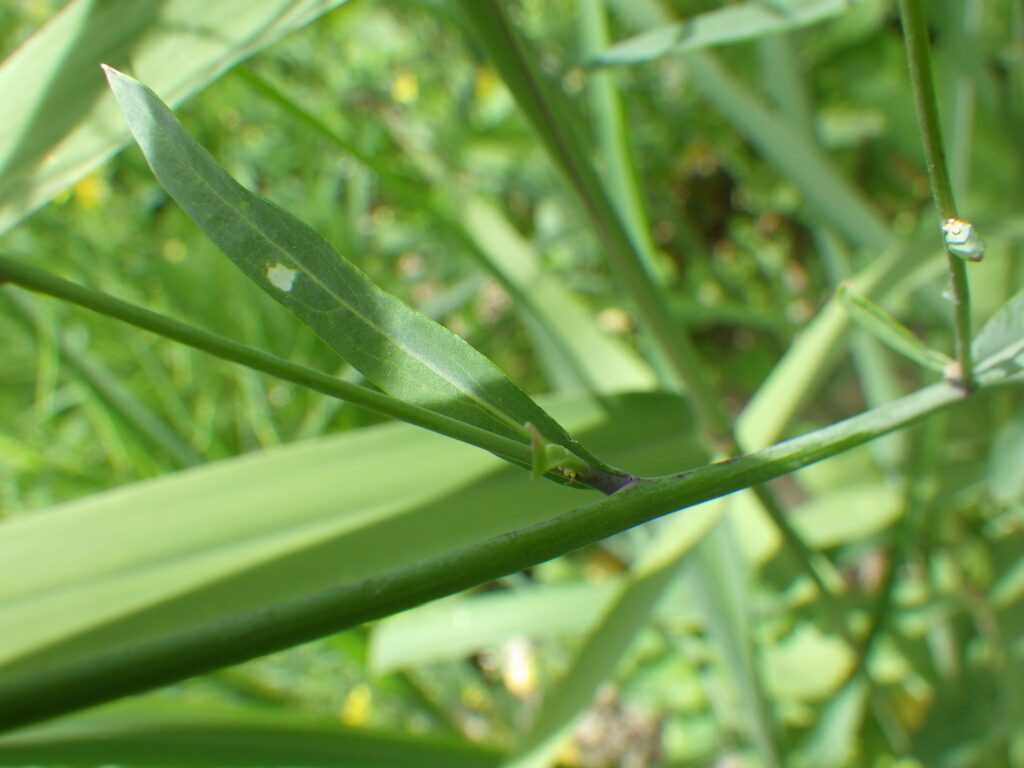
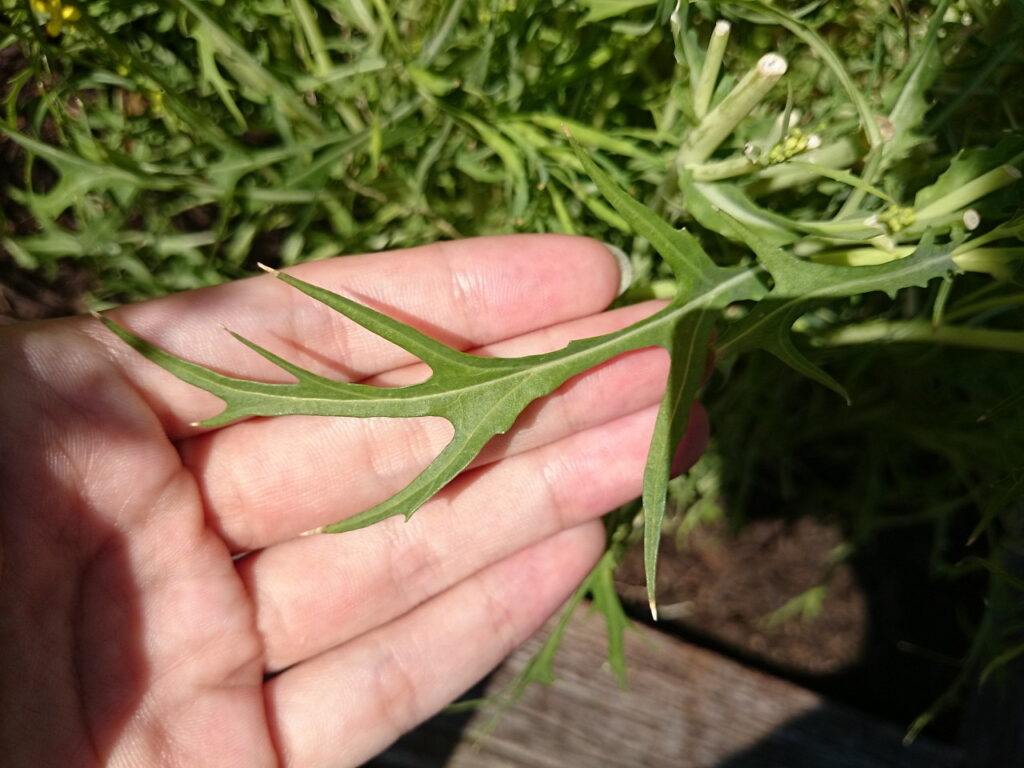
The most important point is how the stem and leaves clasp the stem; this allows us to classify them in broad terms.
In mustard and black mustard, the base of the stem and leaves narrows and does not clasp the stem, whereas in rapeseed and European rapeseed, the base of the stem and leaves clearly clasps the stem.
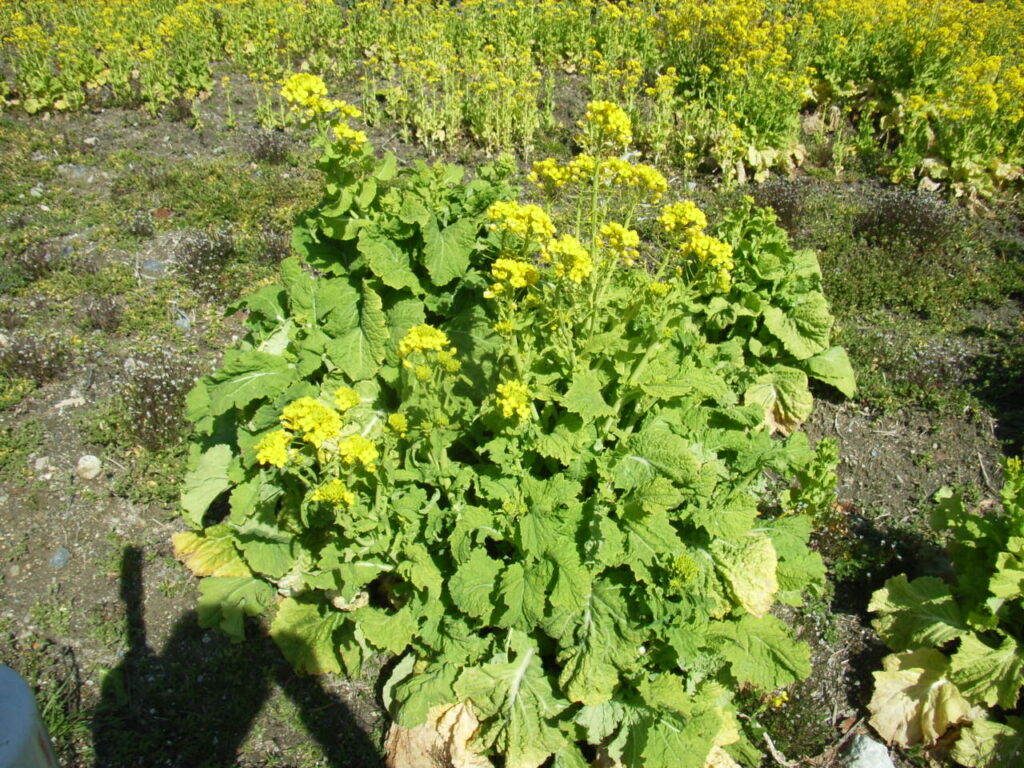
Furthermore, compared to rapeseed, rapeseed has a slightly to moderately wide base that clasps the stem (often earlobe-shaped) and a relatively narrow leaf blade, while rapeseed has a moderately wide base that completely clasps the stem (though sometimes it does not) and a broad leaf blade.
It is (probably) impossible to distinguish between mustard greens and black mustard at the base of the stems and leaves.
Distinguishing between mustard greens (Brassica napus) and rapeseed (Brassica rapa) requires examining different parts of the plant.
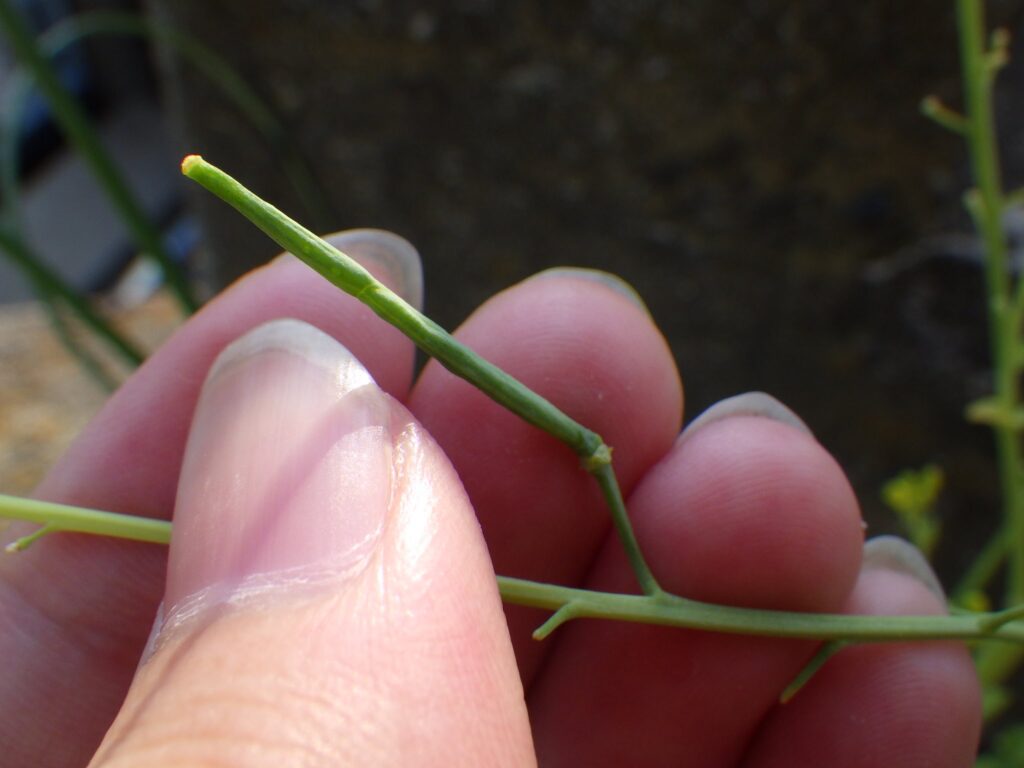
The main difference between mustard greens (Brassica juncea) and black mustard (Brassica oleracea) is that in mustard greens, the pedicels are widely separated from the pedicel (mid-axis), the entire inflorescence appears open, and the fruits are long, over 30 mm in length. In contrast, in black mustard, the pedicels are closely attached to the pedicel (mid-axis) at a narrow angle, the entire inflorescence appears close together, and the fruits are short, 12-20 mm in length. Checking the length of the fruits is the quickest way to tell them apart.
Another difference between rapeseed and European rapeseed is that in rapeseed, the leaves are often covered with a waxy substance, making the underside appear whitish (the waxy substance on the upper surface easily falls off, and the waxy substance on the underside can be removed by rubbing with your fingers), whereas in European rapeseed, there is little to no waxy substance.
I've listed some of the most common differences between Brassica napus and Brassica rapa, but there are also differences in the inflorescence, sepals, pod formation, and siliques. If you're unsure, please refer to the original paper (Nakayama et al., 2022).
It should be noted that "nanohana" (rapeseed flower) is a general term for flowers of the Brassica genus, and is also used as an alternative name for Brassica napus or Brassica rapa in particular, but this name is not appropriate in a biological context.

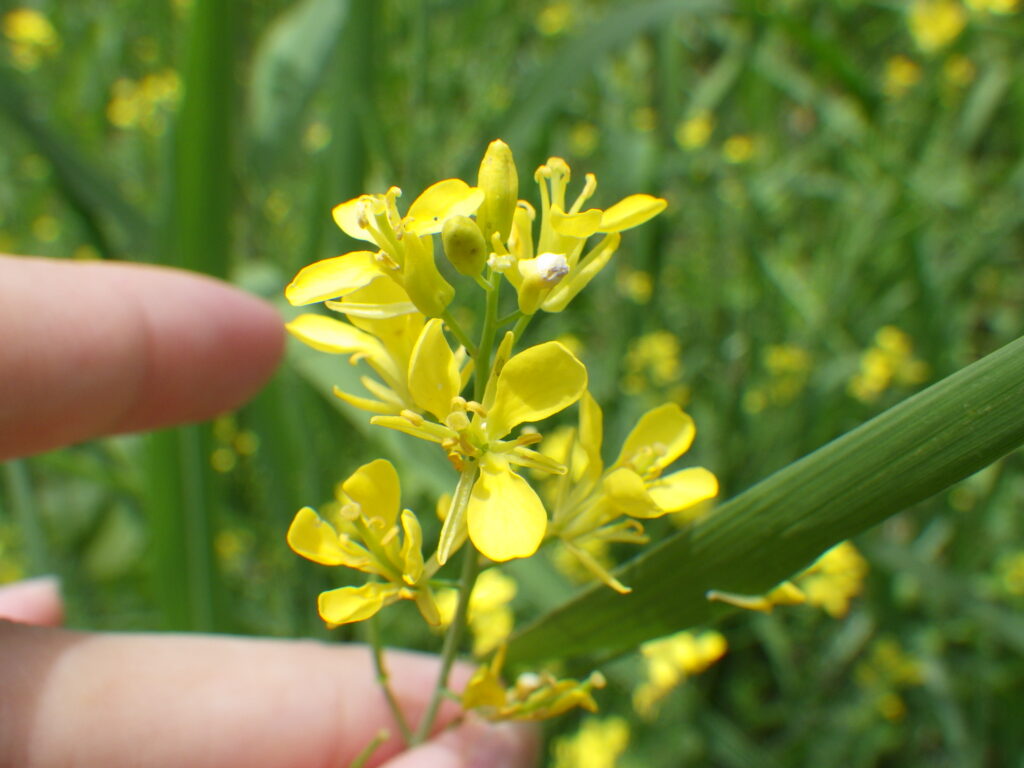
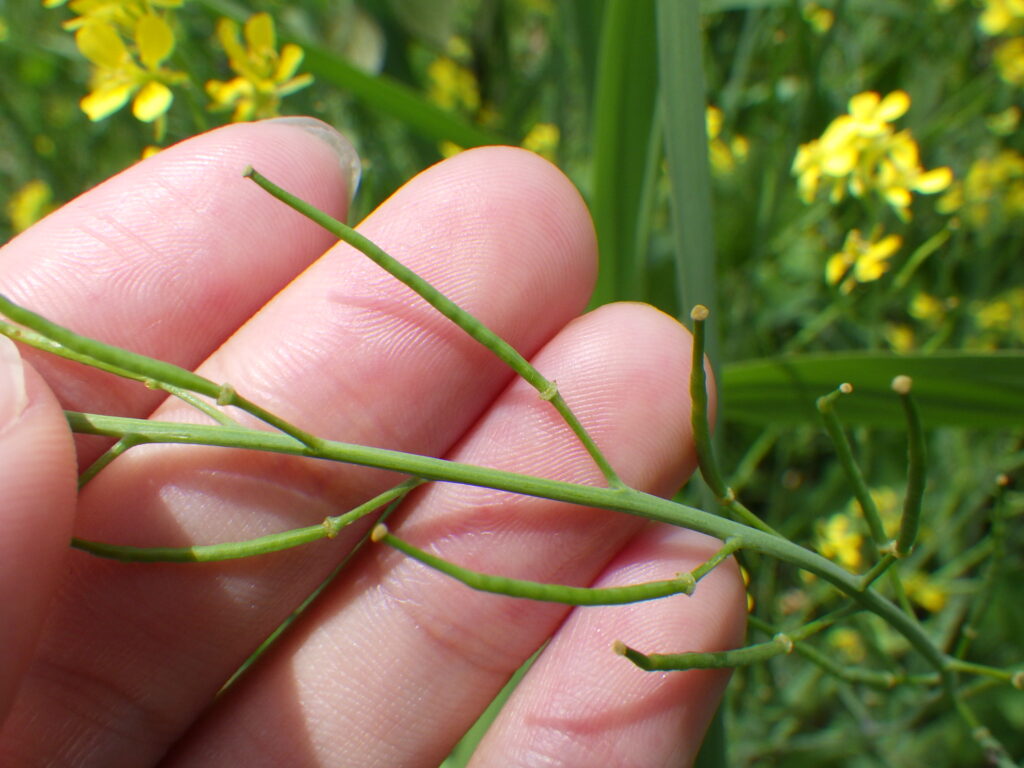
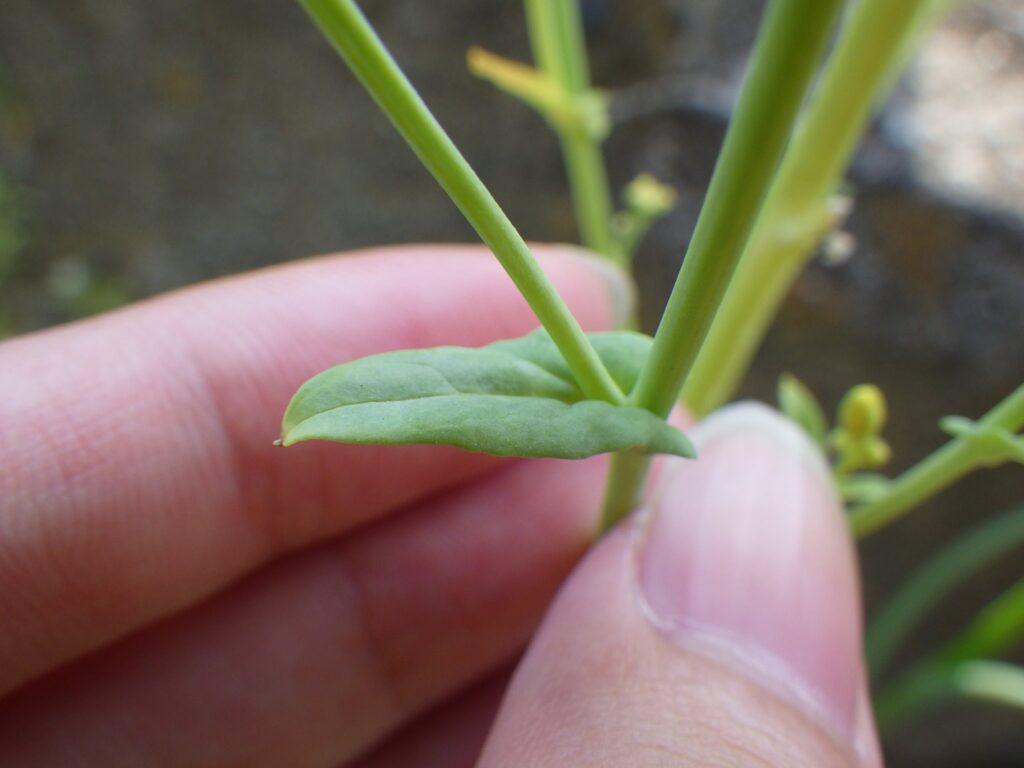
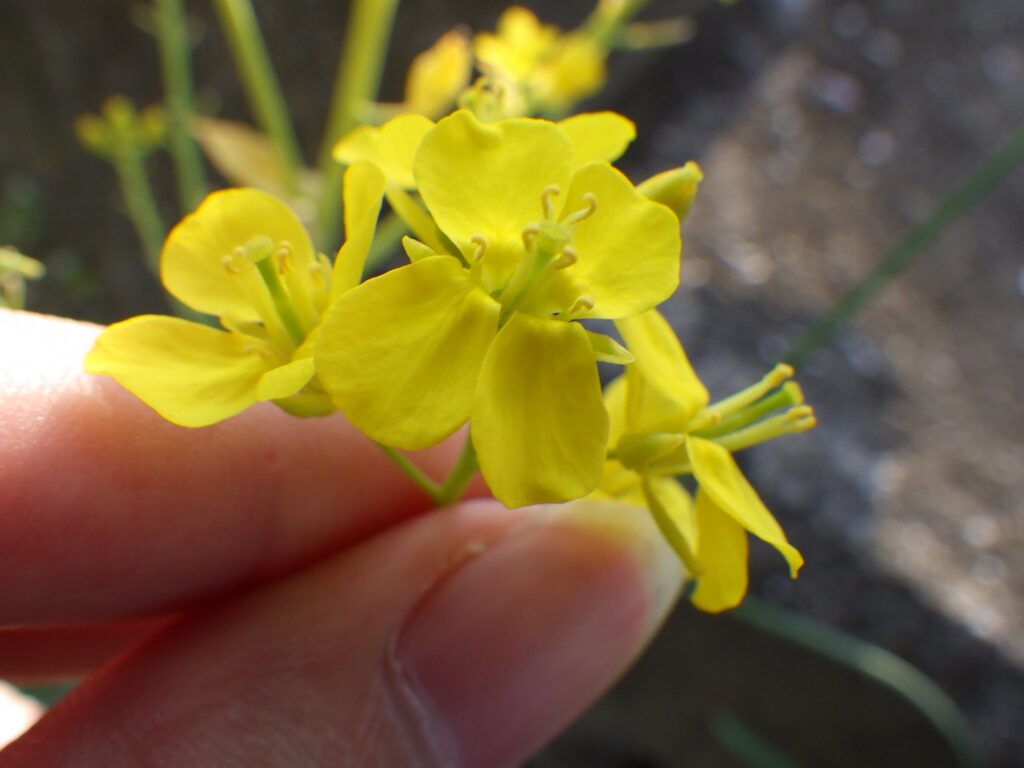
What are the differences in how mustard greens, rapeseed, European rapeseed, and black mustard are used?
How do human usage methods differ?
As its name suggests, mustard greens (Brassica juncea) are used for their seeds, which are used to make Japanese mustard (Oriental mustard). They are also used as vegetables and medicinal herbs, and their form varies depending on their use. Sabellica var. sabellica has round leaves with crinkled tips and is used raw as a garnish for dishes or in pickles. In Japan, takana var. integrifolia is eaten as takana pickles, which are fermented. Zha cai var. tumida has swollen, knob-like stems that are pickled and used in Chinese cuisine. Setsuriko var. multiceps resembles takana pickles and is pickled and used in Chinese cuisine. Other known varieties include ninsuka var. multisecta (silver thread mustard) and nekarashina var. napiformis.
Western mustard is produced from the seeds of the white mustard plant (Sinapis alba) and is said to be milder in spiciness than Japanese mustard.
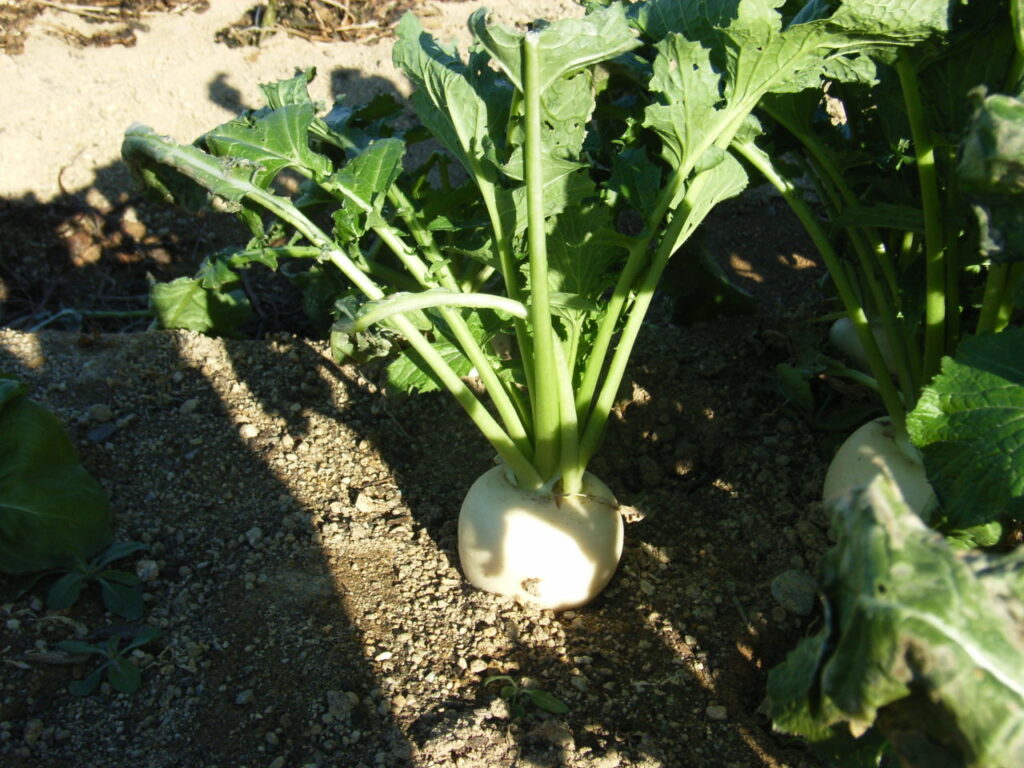
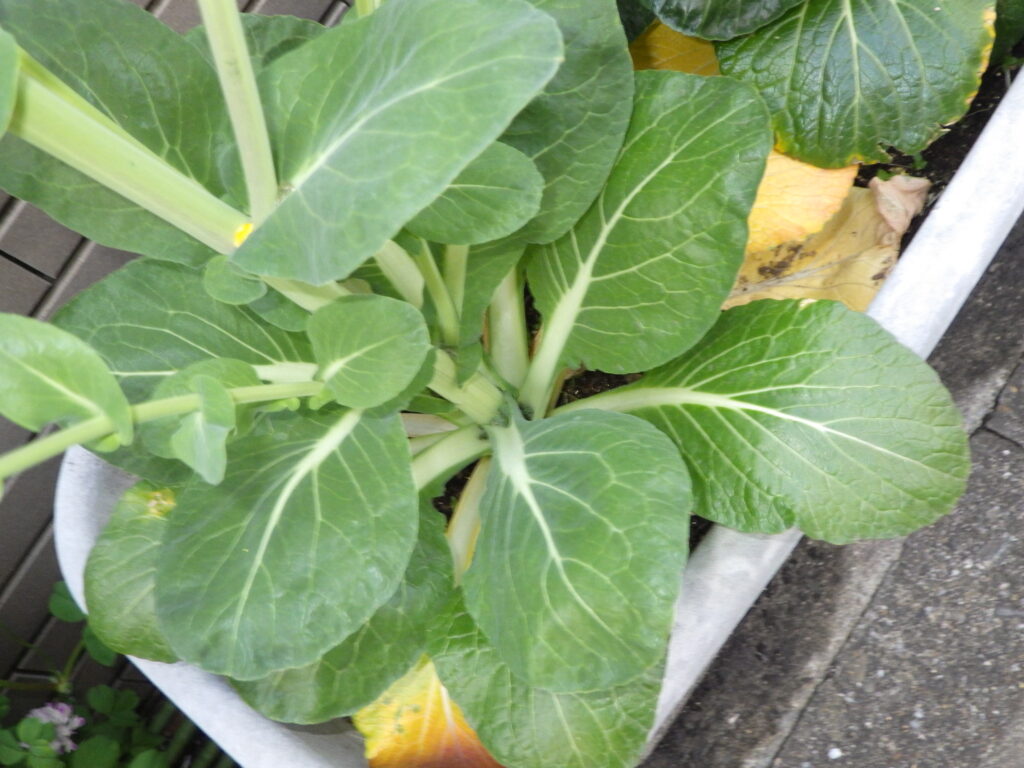
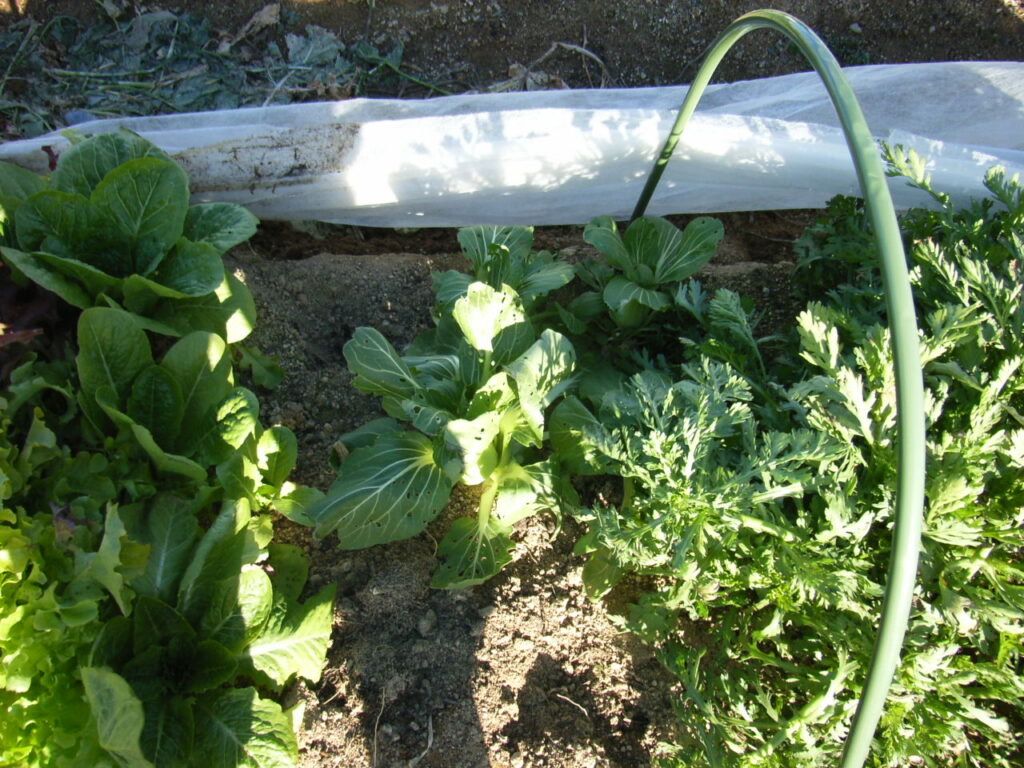
While rapeseed seeds are sometimes used to produce rapeseed oil and canola oil, it is primarily used as a vegetable, and numerous varieties have been developed through repeated selective breeding around the world. In Japan, well-known varieties include turnip var. rapa, Chinese cabbage var. glabra 'Pe-tsai', komatsuna var. perviridis (native to Komatsugawa, Edogawa Ward, Tokyo), mizuna var. nipposinica (native to southwestern Kyoto), nozawana var. hakabura (also said to be native to Nozawa Onsen Village, Nagano Prefecture), and taisai var. chinensis (native to China). Hinona var. akana (Hino vegetable) is a traditional vegetable native to Hino Town, Shiga Prefecture, and is similar to the turnip. Kisaragina var. narinosa (Kisaragi vegetable, taisai) is a Chinese winter vegetable characterized by its dark green, thick leaves with crinkled wrinkles. Sugukina var. neosuguki (sour stem vegetable) is one of Kyoto's traditional vegetables and is eaten as fermented suguki pickles. Santosai var. pekinensis 'Dentata' (mountain cabbage) is said to originate from Shandong Province in China and is mainly cultivated in Saitama Prefecture and eaten as Santosai pickles. Akizaki rapeseed var. dichotoma has seeds that are used for oil production. Kanzaki flower var. amplexicaulis is grown for ornamental purposes.
The main uses of rapeseed are for producing rapeseed oil, canola oil (rapeseed oil made from canola seeds that do not contain erucic acid and glucosinolates), and salad oil (canola oil blended with other plant oils). Rapeseed meal, the residue left over after pressing rapeseed oil, is a high-protein animal feed comparable to soybeans and is used for cattle and pigs. Rapeseed oil is also used for biodiesel in addition to being a food source. As a vegetable, the Swedish turnip var. napobrassica is well-known.
Black mustard was once cultivated for its seeds used as a spice, and it is also used as a leafy vegetable, but there has been little variety development. Compared to other species, its use seems to be declining. The reason for this is said to be that its tall stature and easily dropped seeds make it unsuitable for mechanical harvesting, thus preventing industrialization.
Why did mustard evolve to be spicy? The effects in nature.
Brassicaceae vegetables are generally known to contain mustard oil glycosides (glucosinolates) as characteristic allelopathic substances (Tsuda et al., 2016). Allelopathy refers to the effects of fungicides, insecticides, and inhibits the growth of other plants.
Cells naturally contain a volatile substance called isothiocyanate, and when cell tissue is damaged, the enzyme myrosinase undergoes a hydrolysis reaction to produce glucosinolate.
This glucosinolate is an important chemical component in cruciferous vegetables that affects their taste for humans, but it is also known to have strong physiological activity, such as antibacterial and antiparasitic activity. In nature, it is likely used to combat parasitic fungi, bacteria, and insects.
Furthermore, among isothiocyanates, allyl isothiocyanate in particular is found in black mustard and mustard greens, and is known as the main component responsible for their spiciness.
In other words, spiciness evolved to fight against other fungi and plants.
In fact, allyl isothiocyanate has been reported to inhibit the growth of Fusarium oxysporum, the fungus that causes wilting in spinach, and to exhibit fungicidal effects.
Furthermore, studies have shown that incorporating fresh mustard leaves into the field may have an effect in suppressing the germination of weed seeds.
It's not yet fully understood why only black mustard and mustard greens evolved to be spicy, but it's possible that for some reason, their ancestors faced particularly fierce battles against parasites in their environment.
Why is the classification of the Brassica genus so complicated? The complex evolutionary history of mustard and rapeseed.
Why is the classification of the Brassica genus so complicated?
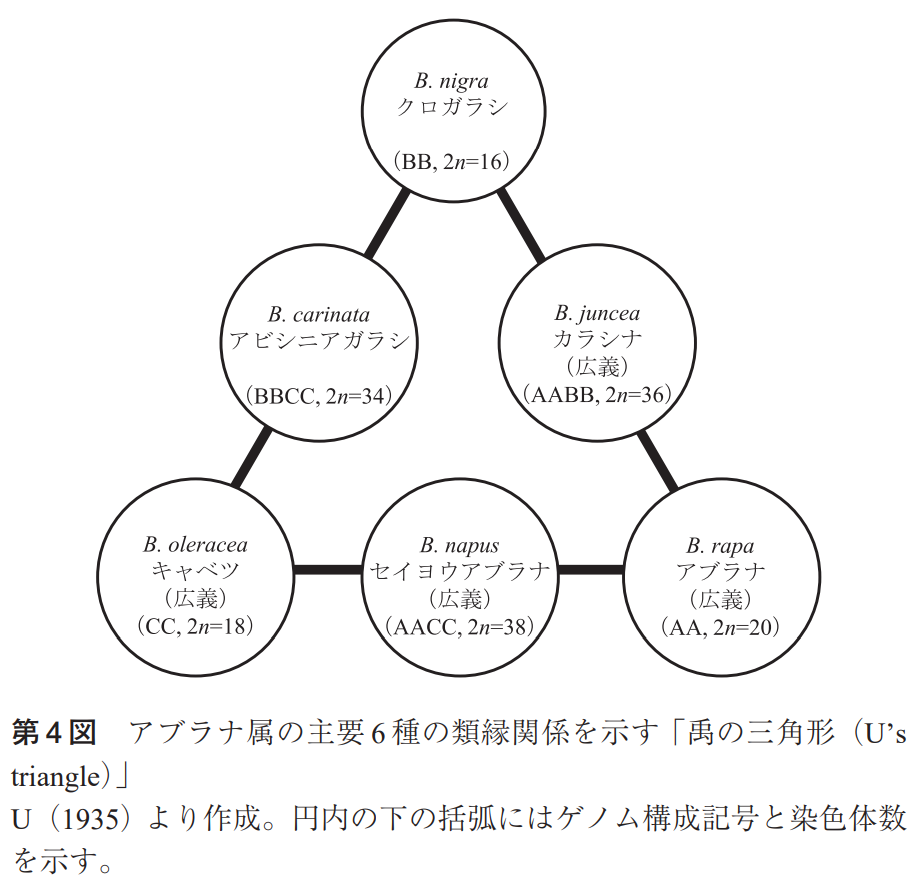
This has a complex evolutionary history known as the "U's triangle" (Tsuda et al., 2016; Nakayama et al., 2022). Originally, the only Brassica species in the world, from Europe to the Middle East, were rapeseed, mustard, and cabbage (the ancestors of cabbage and broccoli).
However, the hybridization of rapeseed and black mustard in the Middle East resulted in Brassica juncea, the hybridization of rapeseed and calyx in Europe resulted in Brassica napus, and the hybridization of black mustard and calyx resulted in Abyssinian mustard (Brassica carinata).
In other words, the three existing species crossbred to create three new species. This was inferred from the genome composition and has been confirmed by genetic studies.
Generally, it is difficult for animals to reproduce and pass on their genes through crossbreeding, but plants can sometimes do so.
Mustard greens have inherited the characteristics of black mustard, so they are spicy.
Brassica napus inherits characteristics from cabbage, such as thick leaves and a waxy substance. This is easier to understand if you imagine cabbage.
The similarities between mustard greens, rapeseed, European rapeseed, and black mustard are to be expected, as they are closely related species, and some hybrids have resulted in species with intermediate characteristics.
Can we see different characteristics in cruciform flowers when viewed with an ultraviolet camera compared to what the human eye sees?
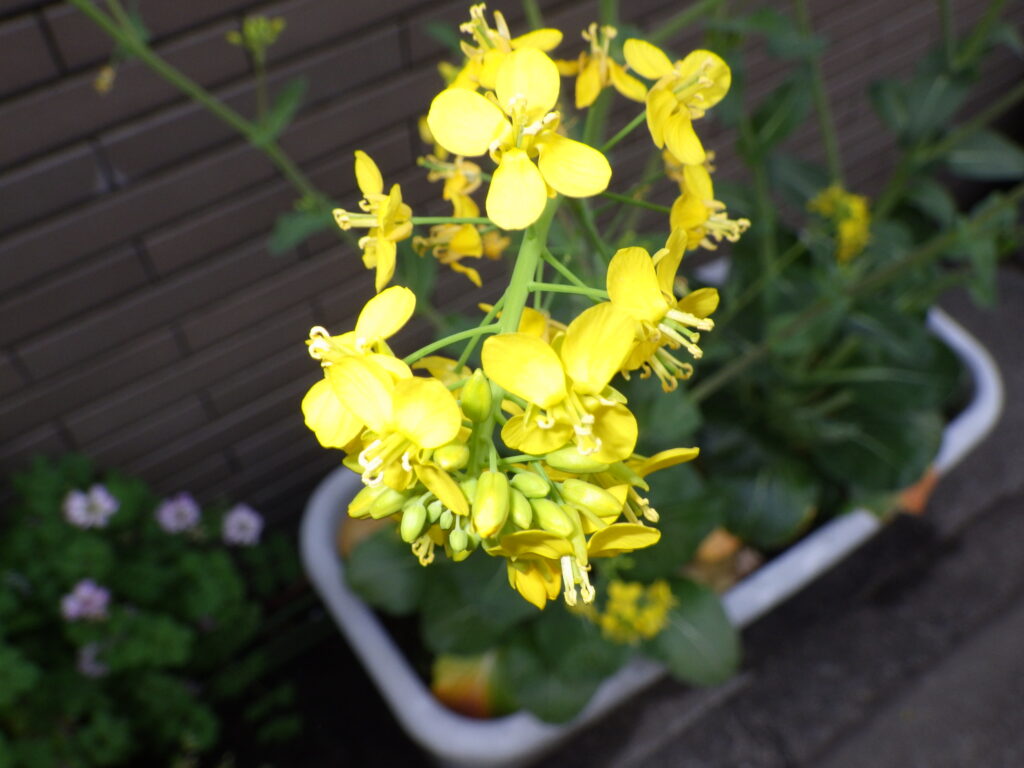
Brassica napus, rapeseed, and European rapeseed all bloom from March to April. The flowering period for black mustard in Japan is unknown, but it is thought that all of them bloom in spring. All of them are yellow and have the characteristic cross shape of the Brassicaceae family. This is called a cruciform flower. What kinds of insects visit these flowers?
Honeybees are the primary visitors to mustard plants, but other species such as bumblebees, syrphidae, and flies have also been observed (Tsuda et al., 2016).
European honeybees (Apis mellifera) and bumblebees (Bombus spp.) have been observed visiting rapeseed plants and are considered to be major pollinators responsible for long-distance pollen dispersal (Tsuda et al., 2016).
Generally, because cruciate flowers are flat, they seem to be most important for bees, but many insects can utilize them, suggesting they may have evolved to be generalists.
However, you might feel that this simple flower doesn't have any other distinguishing features.
However, it has been found that when rapeseed is photographed with a camera that can see ultraviolet light, the center of the flower turns black (Yamaoka, 2009; Tanaka, 2009). The center becomes "ultraviolet-colored," which is visible to insects, and they seem to be attracted to it. Mustard, rapeseed, and black mustard may also have similar coloration. To humans, they are just yellow flowers, but to insects, they may be surprisingly colorful.
While mustard greens can self-pollinate, cross-pollination by insects is essential!
By the way, since rapeseed is self-incompatible, cross-pollination is essential (Tsuda et al., 2016). Therefore, as mentioned above, insect pollination is essential.
On the other hand, mustard greens and rapeseed are self-compatible and can self-pollinate. Therefore, insect pollination is not essential. For a long time, it was thought that insects were unnecessary for mustard greens.
However, subsequent Japanese studies using Nozawana (a variety of rapeseed) and Brassica juncea have shown that this is not the case (Osawa and Ikui, 1987). In this study, researchers created environments with and without the presence of the insect *Eristalis tenax*, and experimented to see how the fruiting rate changed when *Eristalis tenax* visited the flowers.
As a result, in environments without the striped hoverfly, the fruiting rate was 0% for *Chinese nutmeg* and 56% for *Chinese mustard*, whereas in environments with the striped hoverfly, it rose to 75% for *Chinese nutmeg* and 90% for *Chinese mustard*.
These results indicate that even in mustard plants capable of self-pollination, the presence of insects increases the likelihood of fruit set. It can be concluded that wild insects were essential for increasing the yield of mustard plants.
It is believed that, under field conditions, cross-pollination occurs in approximately 30% of cases for rapeseed plants through physical contact between adjacent individuals and pollinating insects.
This kind of unknowing benefit we receive from wildlife is called "ecosystem services." If you enjoy Japanese mustard or cooking with salad oil, please also pay attention to nature conservation that protects the habitats of such insects.
The fruit is a silique and is automatically dispersed.
All fruits are capsules, and those of the Brassicaceae family are specifically called siliques.
Although the length of the silique varies depending on the species, it is composed of two carpels with a septum in between, and the carpels detach as valves, causing it to dehisce. When ripe, stimulation causes the pericarp to instantly separate into two parts and curl up, automatically dispersing the seeds (Kobayashi, 2007).
References
Kanagawa Prefecture Flora Survey Association. 2018. Kanagawa Prefecture Flora 2018 (Electronic Edition). Kanagawa Prefecture Flora Survey Association, Odawara. 1803pp. ISBN: 9784991053726
Kobayashi, Masaaki. 2007. From Flower to Seed: The Science of Seed Dispersal. National Rural Education Association, Tokyo. 247pp. ISBN: 9784881371251
Nakayama, Yuichiro; Gohara, Masashi; and Asai, Motoaki. 2022. Identification of Brassica species growing naturally in riverine environments. Weed Research 67(1): 31-43. https://doi.org/10.3719/weed.67.31
Osawa, R. & Ikui, H. 1987. The role of pollinating insects in the pollination and fruiting of Brassica campestris and Brassica juncea. Journal of Plant Breeding 37(4): 453-463. ISSN: 0536-3683, https://doi.org/10.1270/jsbbs1951.37.453
Tanaka, Hajime. 2009. Handbook of Flowers Attracting Insects. Bun-ichi Sogo Shuppan, Tokyo. 80pp. ISBN: 9784829901397
Tsuda, Mai; Tabei, Yutaka; Osawa, Ryo; Shimono, Ayako; Yoshida, Yasuko; and Yoshimura, Yasuyuki. 2016. A collection of biological information on Brassica juncea, Brassica rapa, and Brassica napus necessary for assessing the biodiversity impact of genetically modified Brassica napus. Bulletin of the National Institute for Agro-Environmental Sciences 36: 1-45. ISSN: 0911-9450, https://doi.org/10.24514/00003021
Yamaoka, K. 2009. Improvement of Biology Teaching Materials for Humanities Students (4) Nectar Guides of Angiosperms (Part 2) Pseudo-ultraviolet Color Images of Nectar Guides. Toyo University Bulletin, Natural Sciences Series 53: 69-87. ISSN: 1346-8987, http://id.nii.ac.jp/1060/00006086
Source
This article is a significantly expanded version of a piece originally published in the following book.