Ophiopogon japonicus, Ophiopogon longifolius, Ophiopogon sieboldii, and Ophiopogon orchid are all evergreen perennial herbs belonging to the genus Ophiopogon in the family Asparagaceae (formerly Asparagaceae), and are often found growing creeping along the ground in forests. Their most striking feature is the dark blue seeds they bear, which are easily mistaken for fruits. However, the four species are quite similar and can be difficult to distinguish. The most important factor to consider is the width of the leaves, which can be used to broadly differentiate Ophiopogon sieboldii and Ophiopogon orchid. Other important factors include the length of the flower stalks, the length of the leaves, and the presence or absence of stolons. However, distinguishing between Ophiopogon japonicus and Ophiopogon longifolius can sometimes be difficult. This article will explain the classification and morphology of the genus Ophiopogon.
- What are Ophiopogon japonicus, Ophiopogon longifolius, Ophiopogon sieboldii, and Ophiopogon orchid?
- What are the differences between Ophiopogon japonicus, Ophiopogon longifolius, Ophiopogon sieboldii, and Ophiopogon orchid?
- What is the difference between Ophiopogon japonicus and Ophiopogon longifolius?
- Are there any other similar species? What are the differences between this and Ophiopogon japonicus or Liriope muscari?
- References
What are Ophiopogon japonicus, Ophiopogon longifolius, Ophiopogon sieboldii, and Ophiopogon orchid?
Ophiopogon japonicus var. japonicus, also known as "snake's beard," is an evergreen perennial herb distributed in Hokkaido, Honshu, Shikoku, and Kyushu in Japan; as well as in Korea, China, and Taiwan, growing under evergreen broad-leaved forests and in grasslands (Kanagawa Prefecture Flora Survey Association, 2018).
Ophiopogon japonicus var. umbrosus, also known as long-leaved snake's beard, is an evergreen perennial herb distributed in Honshu, Shikoku, and Kyushu in Japan; southern Korea; and China, growing on the forest floor and forest edges.
Ophiopogon planiscapus, also known as large-leaved snake's beard, is an evergreen perennial herb that grows on the forest floor and is distributed in Honshu, Shikoku, and Kyushu in Japan.
Ophiopogon jaburan, also known as Noshiran, is an evergreen perennial herb distributed in Honshu (west of Tokai), Shikoku, and Kyushu in Japan, as well as in Korea (Jeju Island), growing in the undergrowth of forests near the sea.
Both belong to the genus Ophiopogon in the family Asparagaceae (formerly known as the family Asparagaceae), and are evergreen perennial herbs that can be seen growing creeping along the ground in forests. They are popular for landscaping and as ornamental plants, and are often seen in urban areas as well.
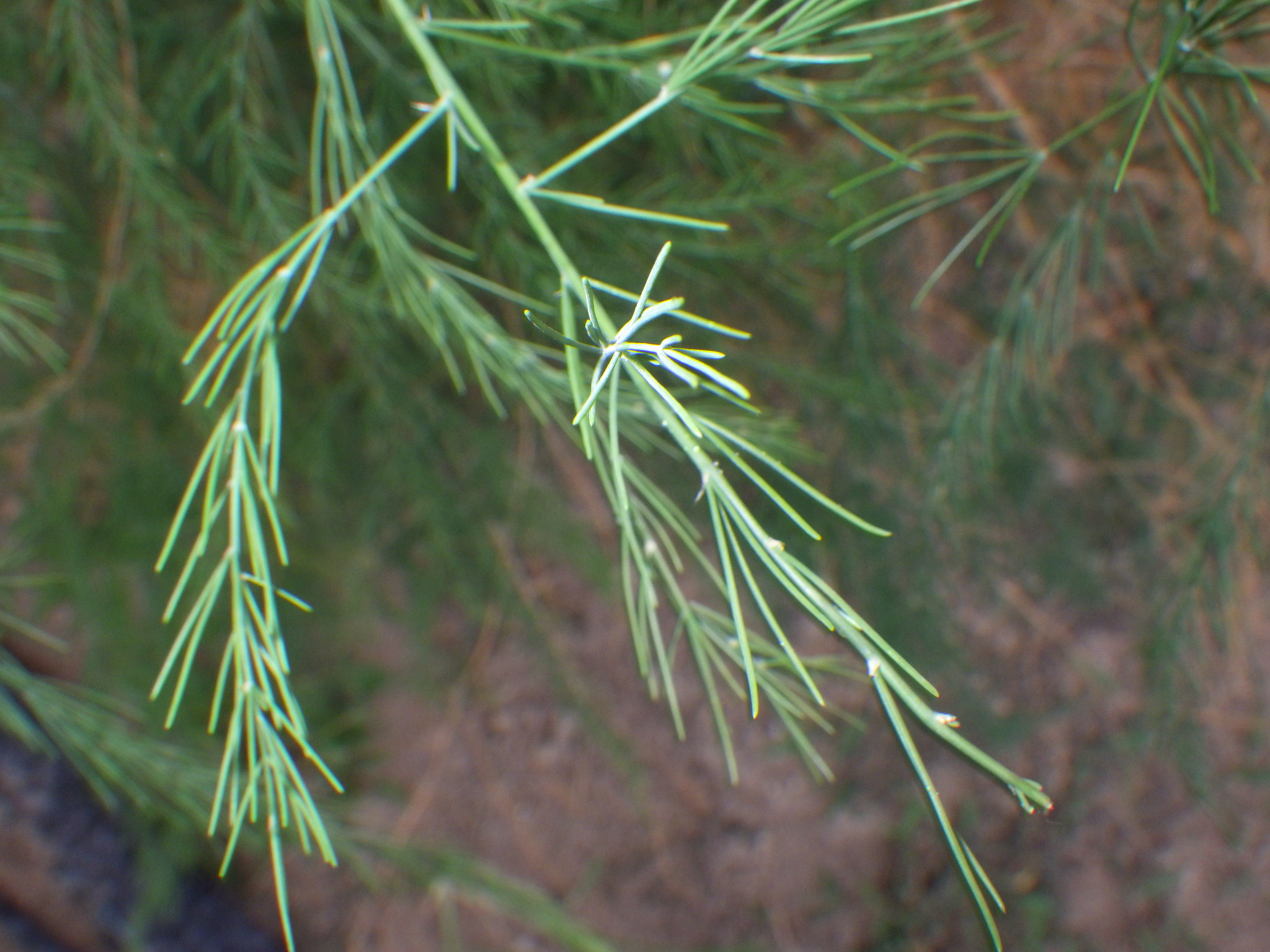
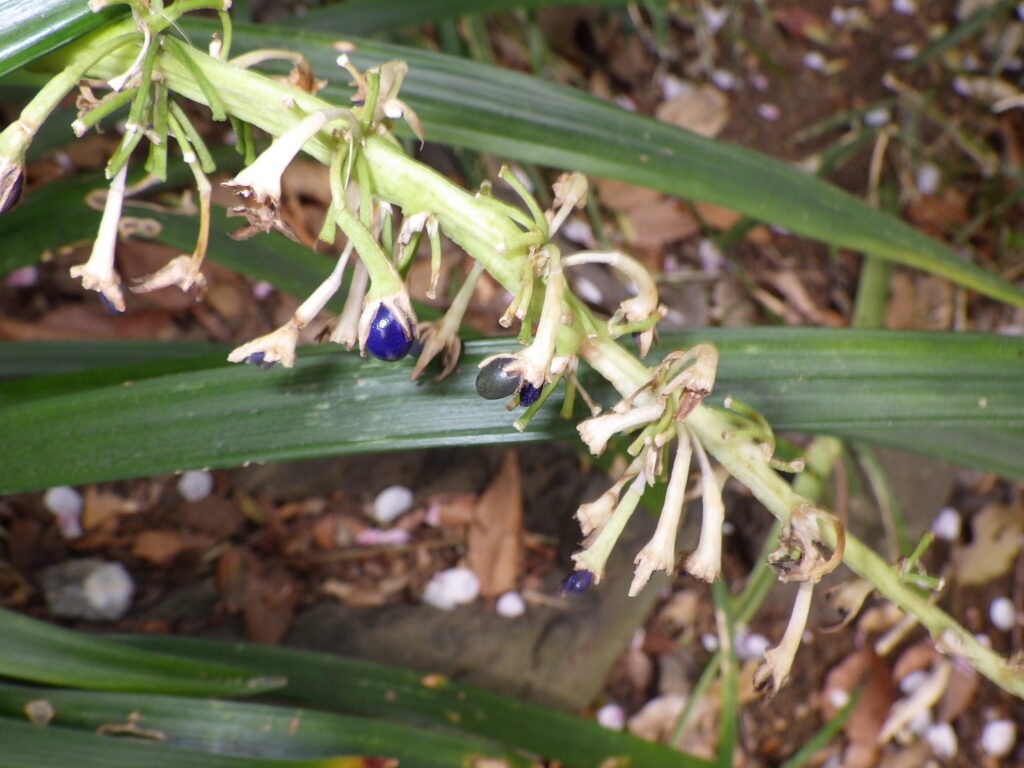
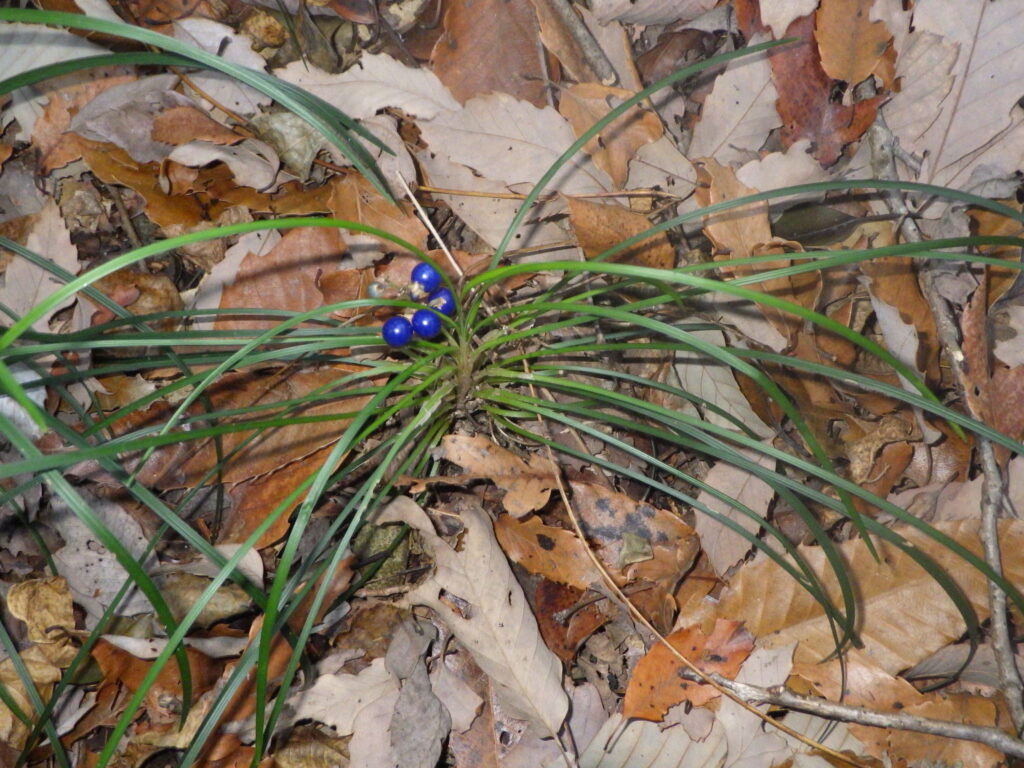
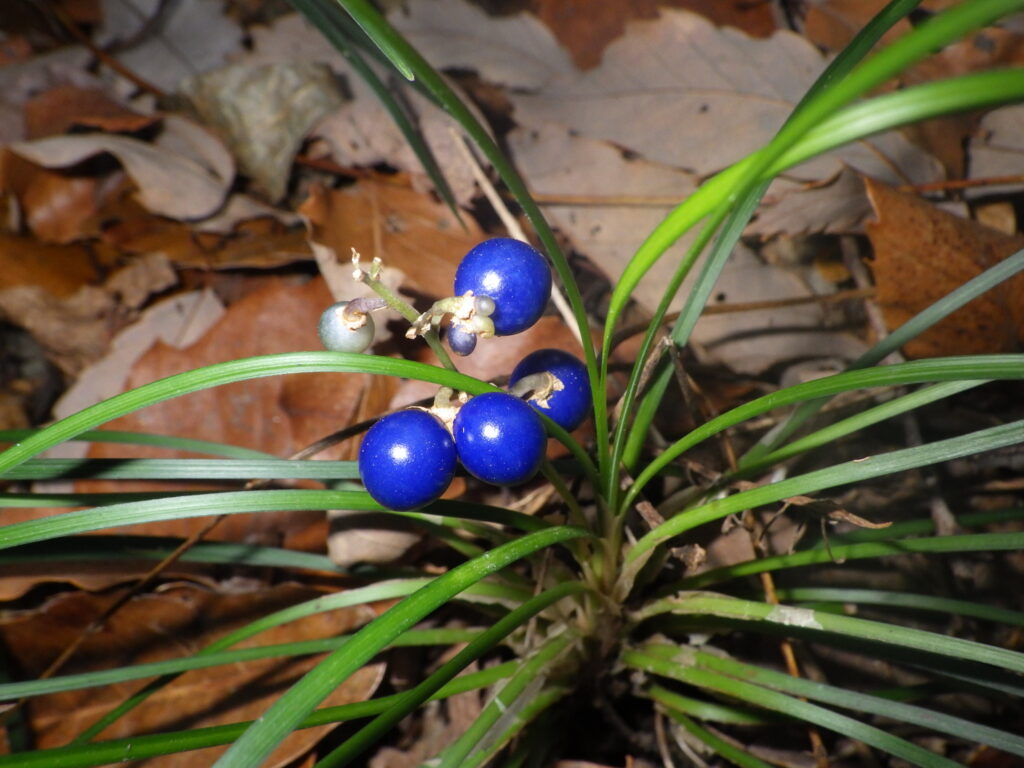
Morphologically, its most striking feature is its dark blue seeds. They are quite noticeable when walking through the forest. It can be distinguished from its close relative, the Liriope genus, which has purplish-black seeds. These blue seeds are often mistakenly identified as fruits and incorrectly presented on gardening websites, but in the Ophiopogon and Liriope genera, the pericarp detaches before ripening, leaving only the seeds. These blue seeds are conspicuous in the dark forest floor and are known to be eaten by birds such as bulbuls, thus aiding in seed dispersal (Ueda and Noma, 1999).
However, many species in the genus Liriope are quite similar, and it can often be difficult to distinguish between them.
What are the differences between Ophiopogon japonicus, Ophiopogon longifolius, Ophiopogon sieboldii, and Ophiopogon orchid?
We will examine the differences between four species: Ophiopogon japonicus, Ophiopogon longifolius, Ophiopogon sieboldii, and Ophiopogon japonicus (Kanagawa Prefecture Flora Survey Association, 2018).
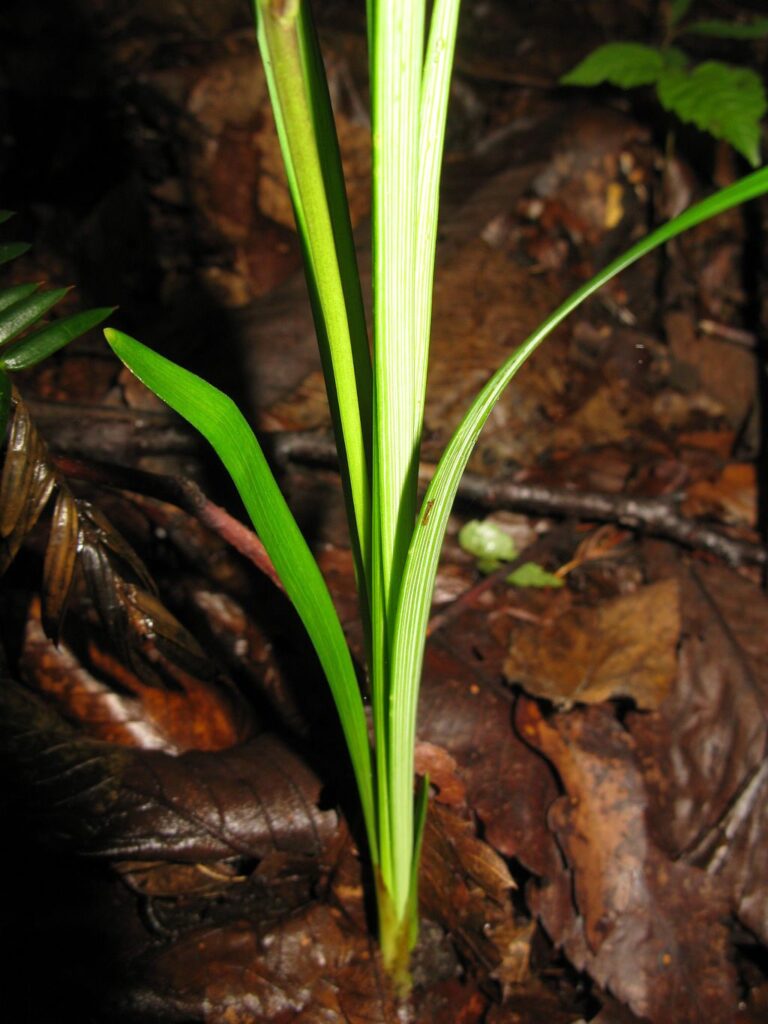
First, while the leaves of Ophiopogon japonicus are 10-15 mm wide and the flower stalks are 1-2 cm long, there is a difference in that the leaves of Ophiopogon japonicus, Ophiopogon longifolius, and Ophiopogon sieboldii are 2-8 mm wide and the flower stalks are 4-10 mm long.
These two points will give you the impression that *Ophiopogon japonicus* is quite different from the other three species.
Regarding the remaining three species, there is a difference in that the leaves of Ophiopogon japonicus are 4-8 mm wide, while those of Ophiopogon japonicus and Ophiopogon longifolius are 2-4 mm wide.

What is the difference between Ophiopogon japonicus and Ophiopogon longifolius?
The most difficult thing is distinguishing between Ophiopogon japonicus and Ophiopogon longifolius.
Basically, the difference between Ophiopogon japonicus and Ophiopogon spp. is that Ophiopogon japonicus has leaves that are 10-20 cm long and its rhizomes usually extend as stolons, while Ophiopogon spp. longifolius has leaves that are 20-40 cm long, its rhizomes grow in clusters, and it produces stolons.
First, I recommend checking the length of the leaves. However, the rhizome is difficult to see and is often not recorded unless you consciously make an effort to do so, and since there are also small individuals, you may not always be able to make a confident judgment.
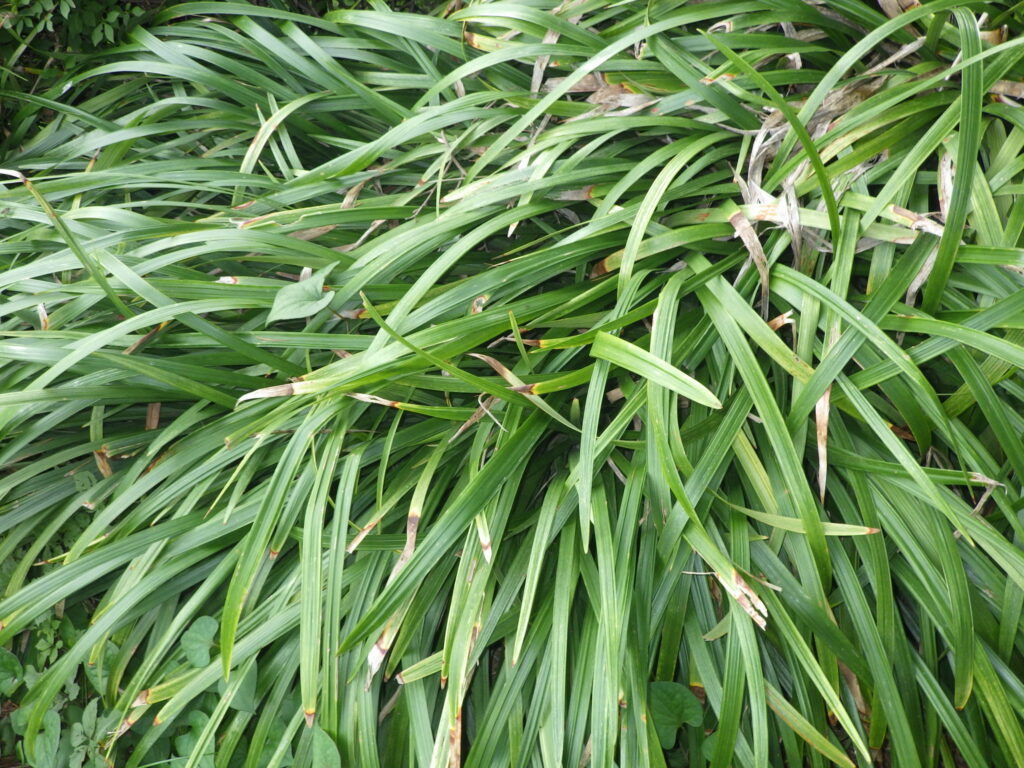
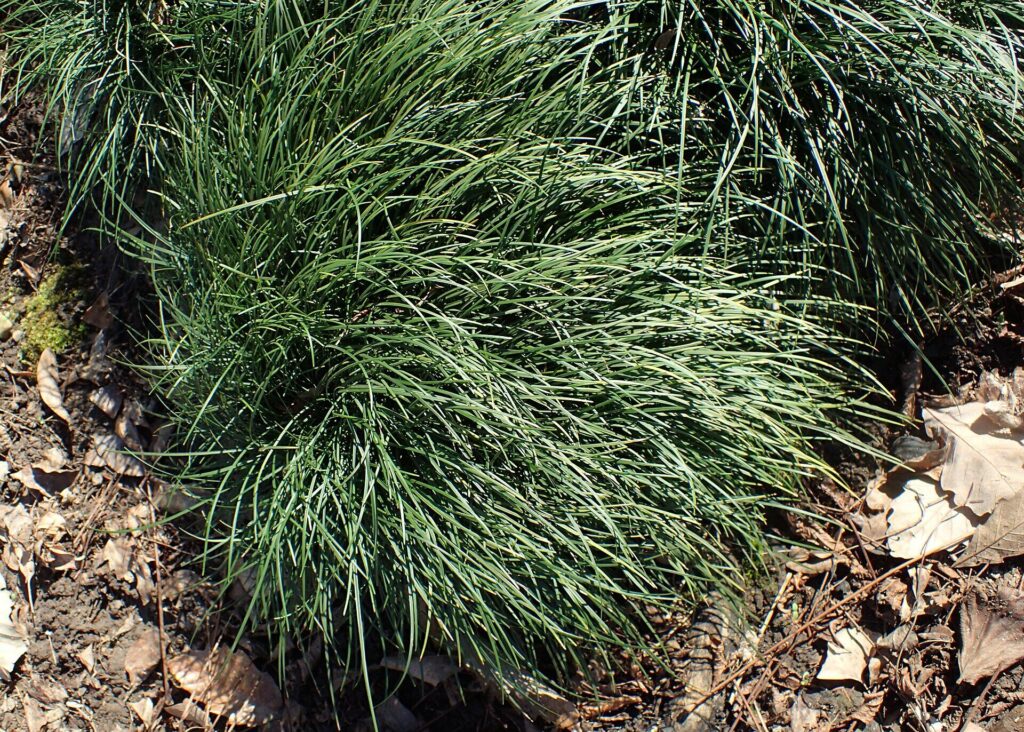
Another important difference is their appearance. In Ophiopogon japonicus, the base of the leaves is in close contact with the ground, and the plants grow densely together as they propagate by sprouting from stolons. In contrast, in Ophiopogon longifolius, the base of the stem stands upright, and since it primarily propagates by seeds, the plants can grow in isolation.
In addition, there is another difference: the leaves of Ophiopogon japonicus are thicker, measuring 2-4 mm in width, while those of Ophiopogon longifolius are thinner, measuring 1.5-2.5 mm in width. However, this should only be considered as a reference.
Regarding habitat, Ophiopogon japonicus often grows in clusters in sunny areas, while Ophiopogon longifolius often grows in clusters in shady areas.
I'd like to say that this makes a definitive determination, but unfortunately, there is a known variety of Ophiopogon japonicus called Ophiopogon caespitosus var. caespitosus, and unlike Ophiopogon japonicus var. caespitosus, this variety has rhizomes that grow in clusters and does not produce stolons.
The difference between Ophiopogon japonicus and Ophiopogon longifolius is that in Ophiopogon japonicus, the leaves are 10-20 cm long and the pedicels are 3-4 mm long, while in Ophiopogon longifolius, the leaves are the same length, but the pedicels are 5-10 mm long.
While wild specimens of Ophiopogon japonicus are currently only known to exist in Chiba Prefecture and are not typically seen in the wild, it's worth noting that there's a possibility they could be found in undiscovered areas or in horticultural populations.
Note that British research institutions do not specifically distinguish between the two varieties (RBG Kew, 2024).

Are there any other similar species? What are the differences between this and Ophiopogon japonicus or Liriope muscari?
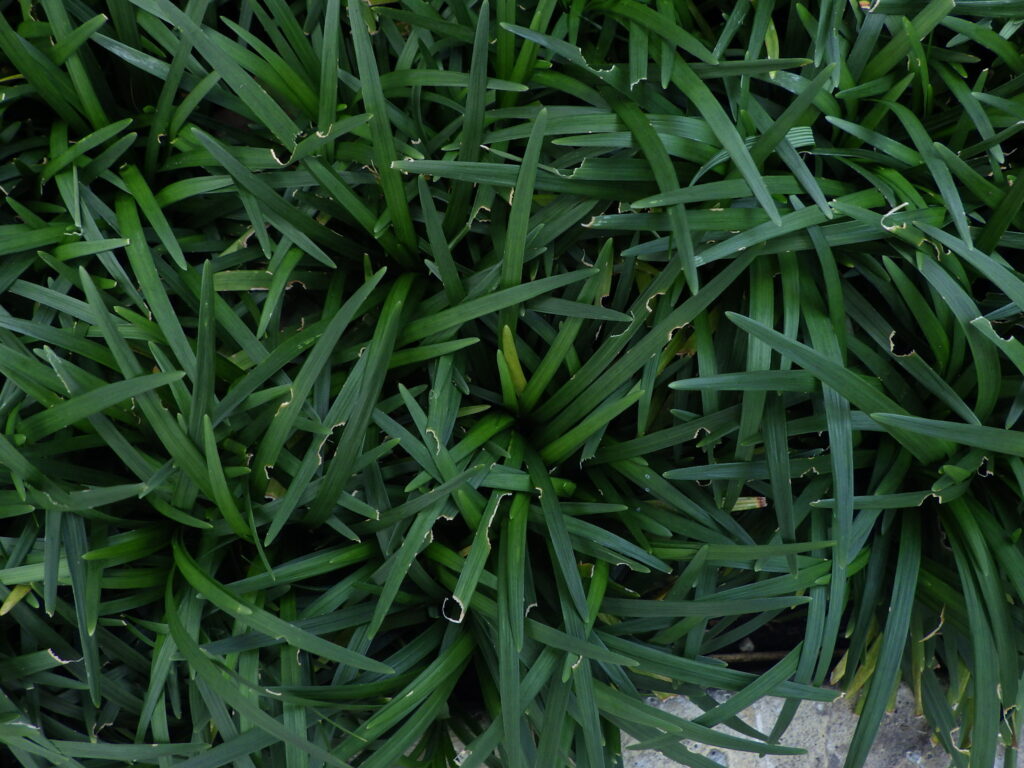
Ophiopogon japonicus var. japonicus f. nanus, also known as Tamaryu (Japanese dwarf mondo grass), is a variety of Ophiopogon with shorter leaves, measuring 5-15 cm in length.
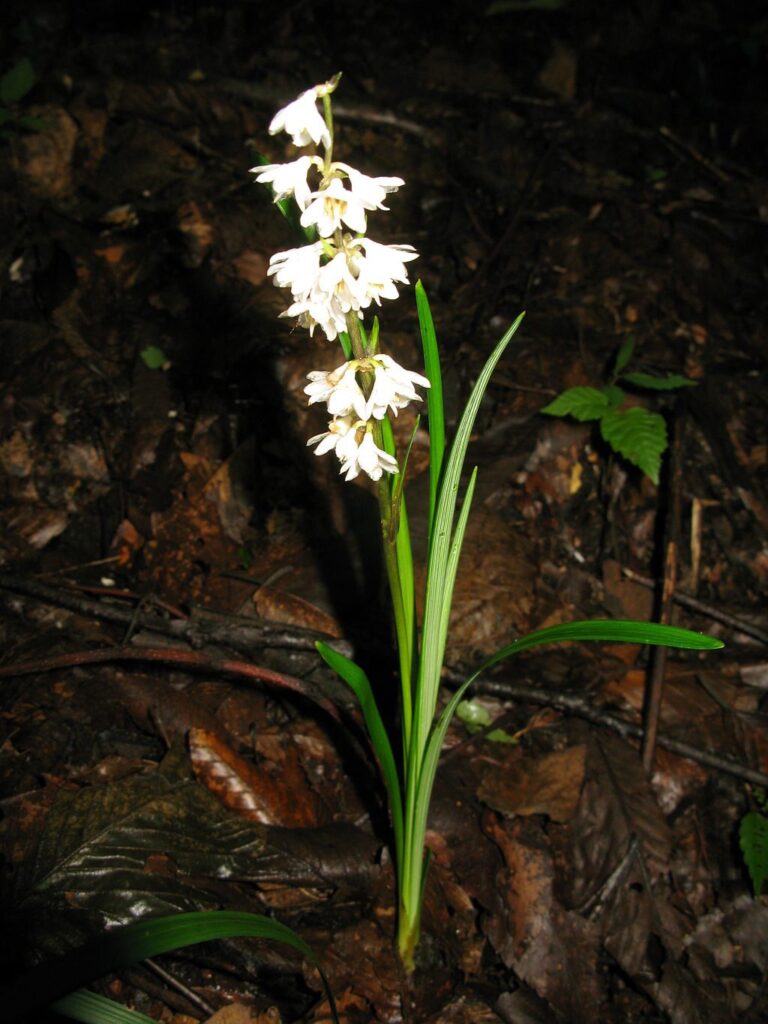
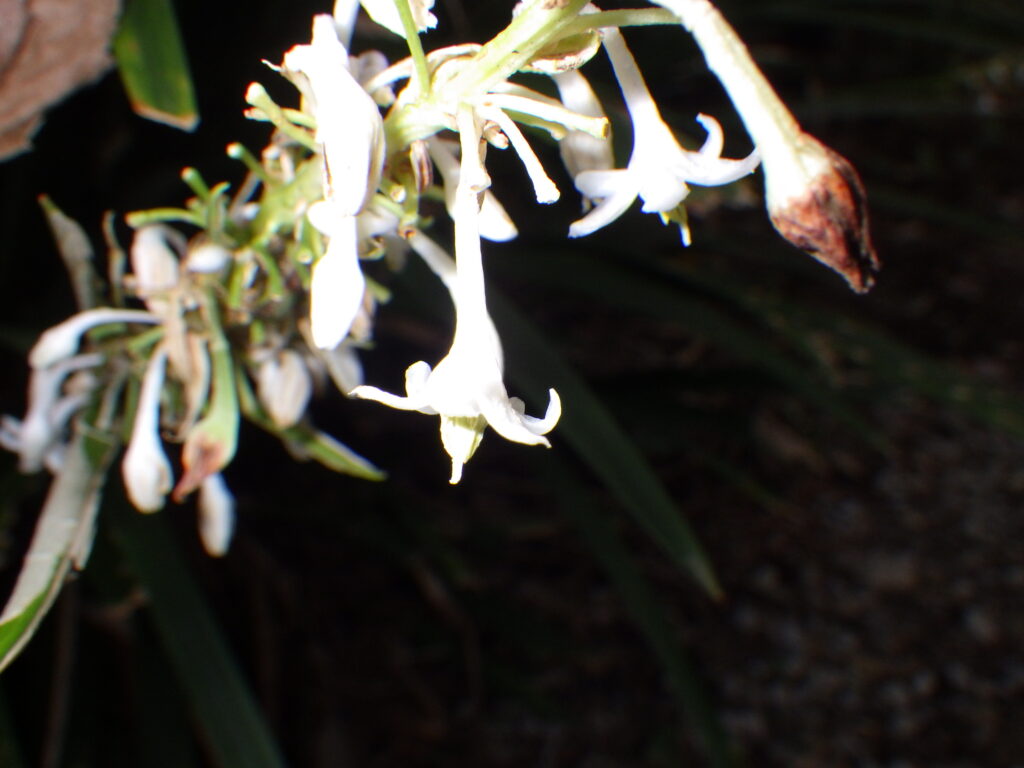
Flowers of the Ophiopogon genus exhibit variation; while they are generally pale purple, they are often white, and these are called white-flowered Ophiopogon f. leucanthus, white-flowered long-leaved Ophiopogon f. leucanthus, and white-flowered large-leaved Ophiopogon f. leucanthus, respectively.
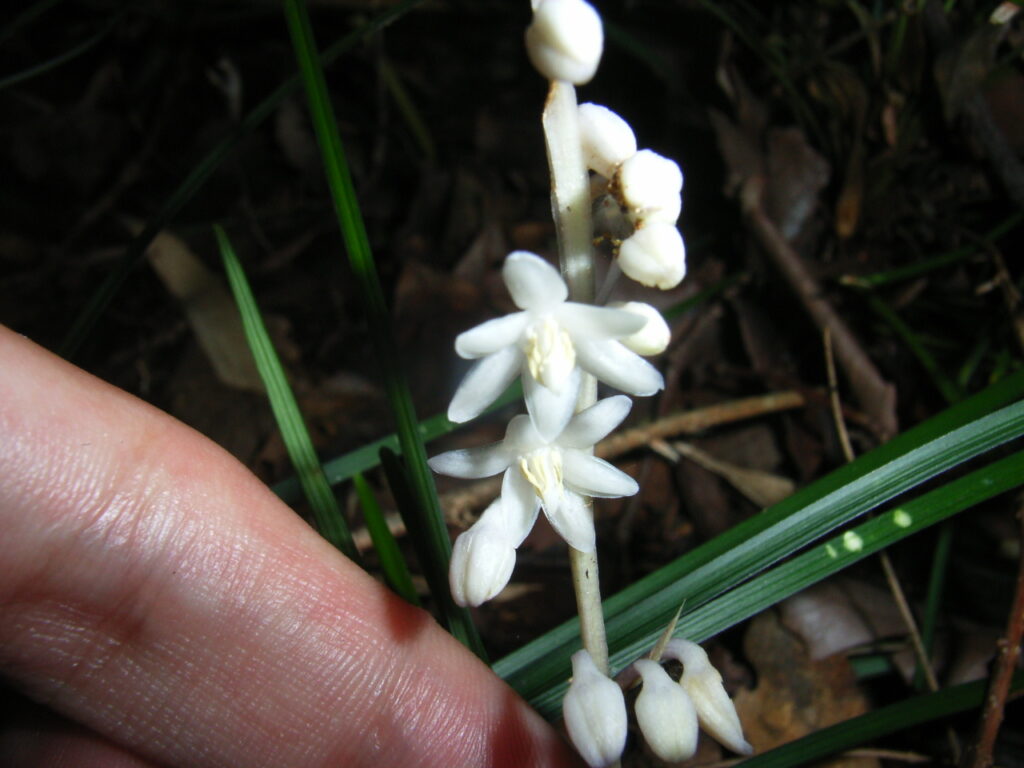
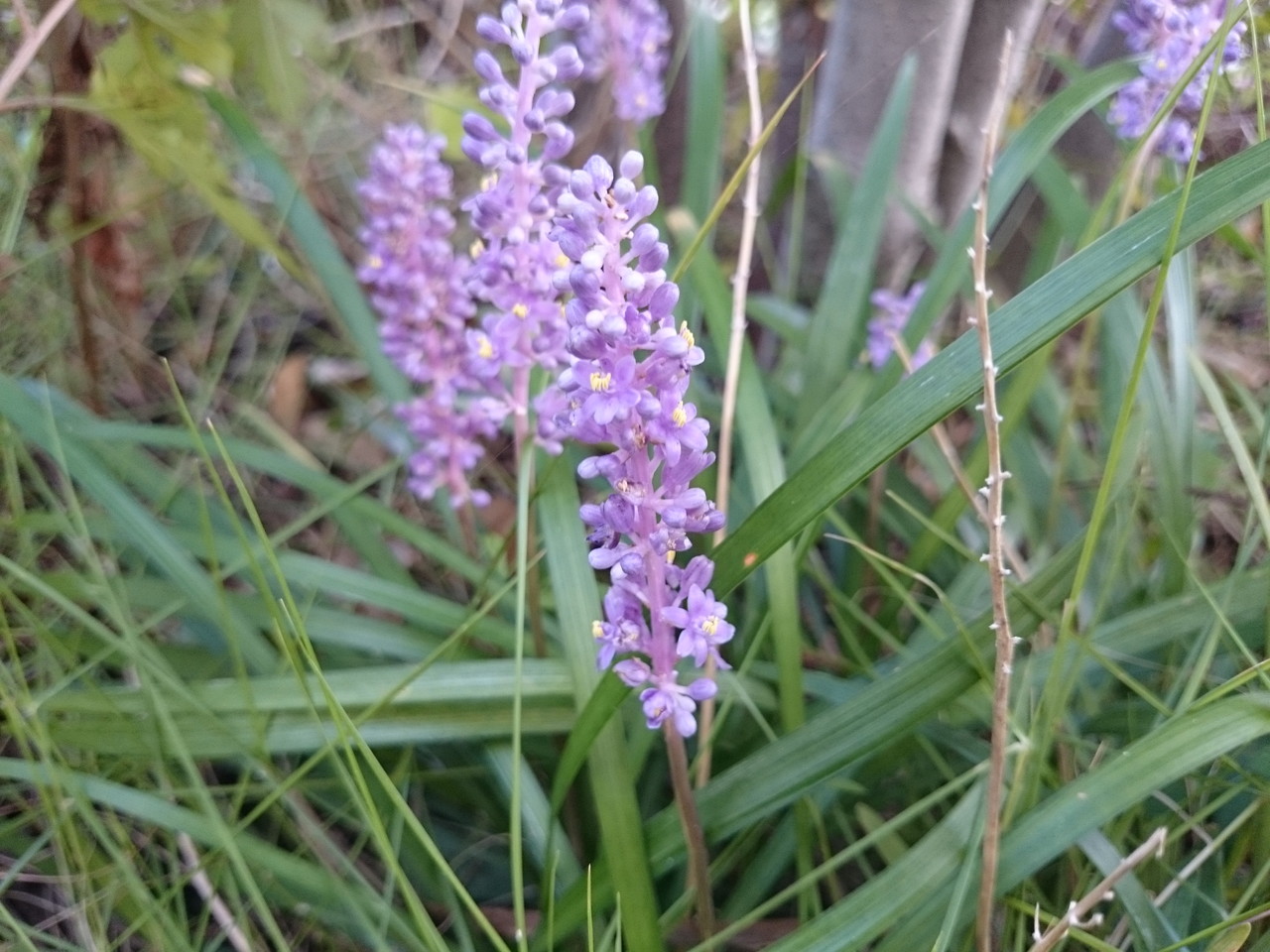
Liriope, which includes Liriope muscari, is taxonomically quite closely related, and its leaves are very similar, and you'll often find that its flowers, depending on the color, are also quite similar.
However, there are differences between the Ophiopogon genus, which includes Ophiopogon, and the Liriope genus, which includes Liriope muscari, in that the ovary is semi-inferior, the filaments are very short, the anthers are pointed, and the seeds ripen to a dark blue color.
For information on the differences between species in the Liriope genus, please see our separate article.
References
Kanagawa Prefecture Flora Survey Association. 2018. Kanagawa Prefecture Flora 2018 (Electronic Edition). Kanagawa Prefecture Flora Survey Association, Odawara. 1803pp. ISBN: 9784991053726
RBG Kew. 2024. The International Plant Names Index and World Checklist of Vascular Plants. Plants of the World Online. http://www.ipni.org and https://powo.science.kew.org/
Ueda, Keisuke & Noma, Naohiko. 1999. What carries "grass seeds" in the forest? In: Ueda, Keisuke (Ed.), Seed Dispersal: The Evolution of Mutual Aid Vol. 1 Seeds Carried by Birds (pp. 76-85). Tsukiji Shokan. ISBN: 9784806711926