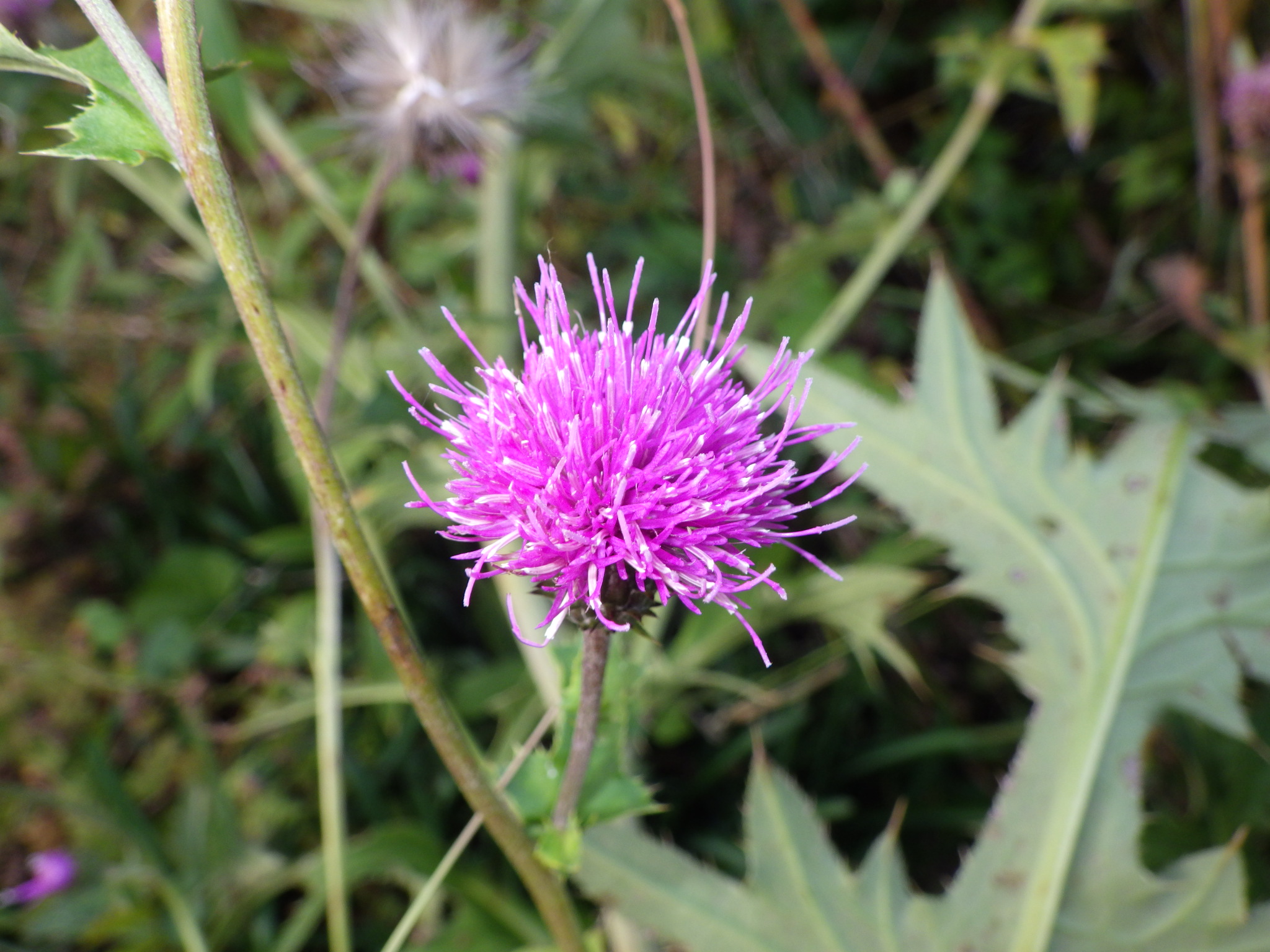
Japanese thistle (Cirsium japonicum), Japanese field thistle (Cirsium nipponicum), and American thistle (Cirsium nipponicum) all belong to the Cirsium genus, and these three species are representative of those found in populated and urban areas. All three have reddish-purple flowers, and their leaves differ in shape between basal and stem leaves, and they are covered in a great many thorns. The Cirsium genus is extremely diverse in Japan, and accurate identification is difficult without careful study, but it is possible to distinguish between these three species. Japanese thistle (Cirsium japonicum) and Japanese field thistle (Cirsium nipponicum) are native species, while American thistle (Cirsium nipponicum) is an introduced species. There are various specific distinguishing features, but the differences can be roughly determined by examining the condition of the thorns and the involucre of the flower head. American thistle is difficult to eradicate due to its numerous thorns and is designated as an invasive species in Japan that causes damage to the ecosystem. Interestingly, some species of thistle have undergone the evolution of being dioecious , meaning they have both male and female reproductive organs. Also, their flowers have a special structure and an interesting property of releasing pollen when touched. This is likely a mechanism to prevent butterflies with long proboscises from stealing only the nectar. However, looking at the records of the insects that have visited the flowers, while butterflies do come, a considerable proportion of bees and other insects also visit, suggesting that the flowers do not necessarily rely solely on butterflies for pollination. The fruit is an achene, very similar to that of a dandelion, and is dispersed by wind. This article will explain the classification, pollination ecology, and seed dispersal of the genus *Cirsium*.
- A herbaceous plant with thorny reddish-purple flowers that grows in populated areas and urban areas.
- What are the differences between field thistle, field jasmine, and American thistle?
- Why is the American thistle disliked?
- What is the structure of a flower in the Thistle genus?
- Are there two types of thistle species: monoecious (having both male and female flowers on the same plant) and dioecious (having both male and female flowers on the same plant)?
- Thistle flowers were expelling pollen due to the weight of insects!?
- Are there a wide variety of insects that visit flowers?
- The fruit is an achene and the seeds are dispersed by wind.
- References
- Source
A herbaceous plant with thorny reddish-purple flowers that grows in populated areas and urban areas.
Cirsium japonicum, also known as wild thistle, is distributed in Honshu, Shikoku, and Kyushu, and is a perennial herb that grows in grasslands from lowlands to mountainous areas (Kanagawa Prefecture Flora Survey Association, 2018).
Cirsium oligophyllum, also known as field thistle, is a perennial herb distributed throughout Honshu (from the Tohoku region to the Kinki region) and grows in rural areas such as rice paddy and field ridges, grasslands, wetland edges, and forest edges.
American thistle (Cirsium vulgare) is native to Europe and has naturalized widely in temperate regions worldwide. It was introduced to Japan by being mixed in with imported grains and pasture grasses from North America. It was first confirmed in Kanagawa Prefecture in 1952 and in Hokkaido in the 1960s. Currently, it is distributed from Hokkaido to Shikoku, growing as an annual or biennial in cultivated fields, orchards, pastures, roadsides, wastelands, and open fields (Kanagawa Prefecture Flora Survey Association, 2018; Natural Environment Research Center, 2019).
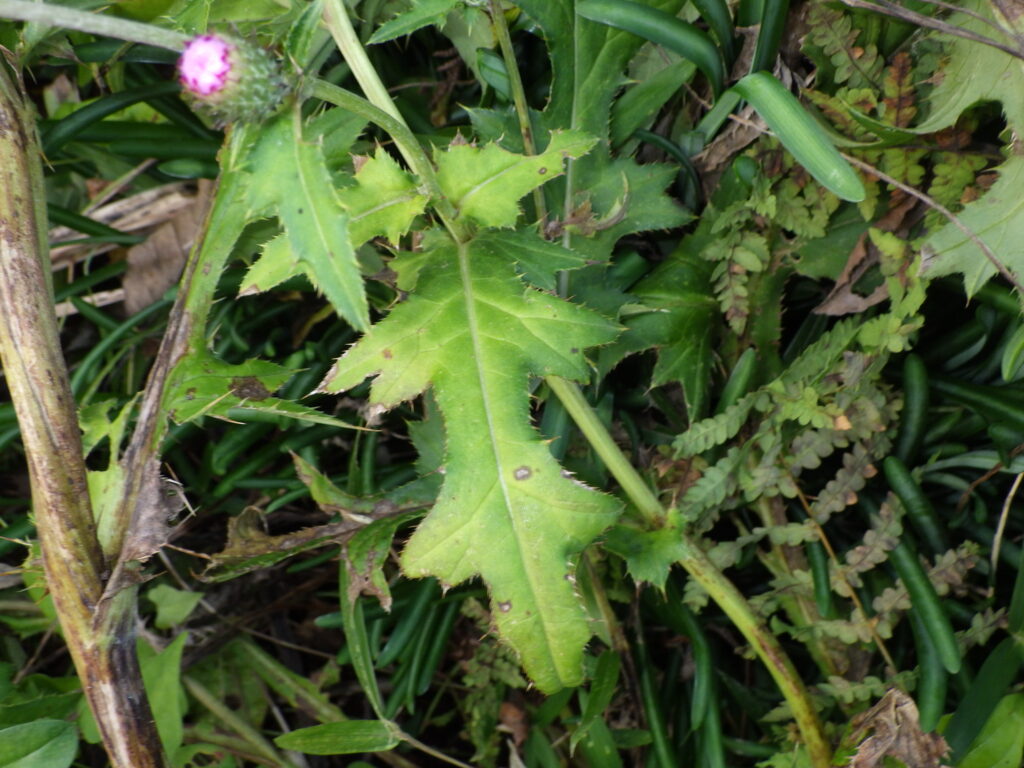
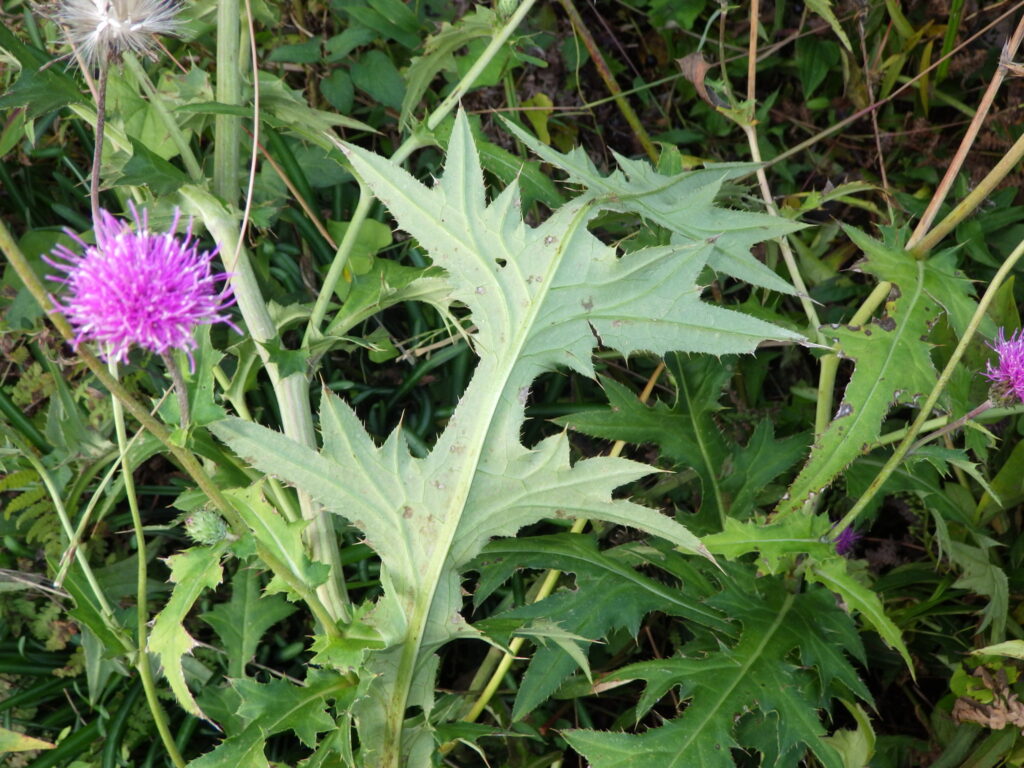
All of these plants belong to the genus Cirsium in the Asteraceae family. While they are extremely diverse in Japan, the species found in populated and urban areas are somewhat limited, and the three species mentioned above are representative. All of them have reddish-purple flowers, their leaves differ in shape between the basal and stem leaves, and they are covered in many thorns, making them a difficult group to distinguish.
What are the differences between field thistle, field jasmine, and American thistle?
While accurately distinguishing species within this genus is impossible without a specialized field guide, differences can be found between *Cirsium japonicum*, *Cirsium nipponicum*, and *Cirsium nipponicum* (Kanagawa Prefecture Flora Survey Association, 2018).
First, while field thistle and field thistle are perennial herbs with only a few or soft thorns on their leaves, stems, and involucral bracts, American thistle is an annual to biennial herb with sharp thorns on its leaves, stems, and involucral bracts that can injure a person if touched. Involucral bracts are the bracts that protect the capitulum, and simply put, they are the parts that appear to have many thorns below the reddish-purple flowers, while the involucre refers to the entire involucral bracts.
The main difference between Cirsium japonicum and Cirsium nipponicum is that Cirsium japonicum flowers in spring or summer to autumn, its involucre is sticky due to well-developed glands, and its basal leaves are inconspicuous when it flowers, while Cirsium nipponicum flowers in autumn, its involucre is not sticky, and its basal leaves are large and conspicuous when it flowers. If you can touch the involucre, you can tell the difference by how sticky it is.
Furthermore, in Cirsium japonicum, the involucral bracts do not open and are tightly attached, while in Cirsium nipponicum, the involucral bracts are open, making it look more like a mass of thorns. However, it is not truly a mass of thorns like Cirsium nipponicum.
Among the Cirsium species, there are two known varieties: Cirsium leucanthum f., which has white flowers, and Cirsium vestitum var. vestitum, which has white undersides of leaves covered in downy hairs and many long, multicellular white hairs on its stems and leaves.
Additionally, a variety of thistle known as *Cirsium japonicum* is also known, specifically *Cirsium japonicum f. albiflorum*, which has white flowers.
The genus *Cirsium* includes about 150 species, including those mentioned above, but most are distributed only in specific regions. We will omit the methods of distinguishing them here, but a few examples are listed below.
Cirsium nipponicum var. yoshinoi is a perennial herb distributed in central to western Honshu (Hokuriku, Kinki, and eastern Chugoku regions) and Shikoku, growing in grasslands at the edges and between forests of deciduous and evergreen forests in low mountains and mountainous areas.
Cirsium nipponicum var. incomptum is a perennial herb distributed in mountainous areas of Honshu (Kanto and southern Chubu regions).
Cirsium brevicaule is a perennial herb distributed from Amami Oshima to Okinawa Island, growing in coastal grasslands, sandy beaches, and rocky areas (Kadawaki, 1990).
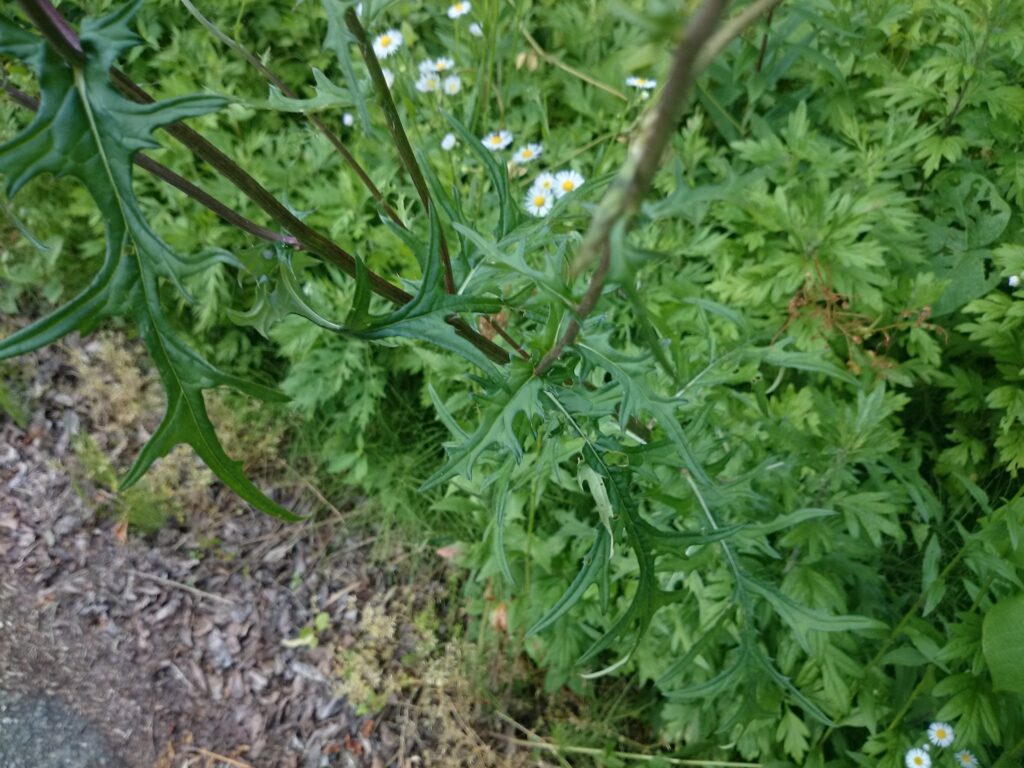
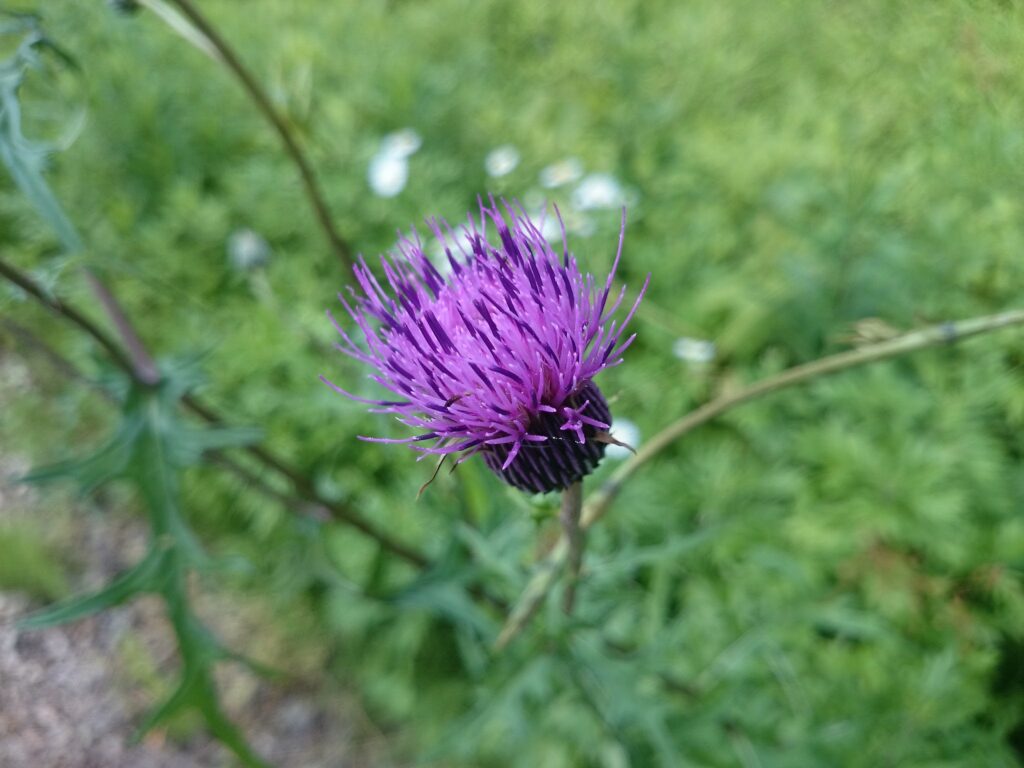
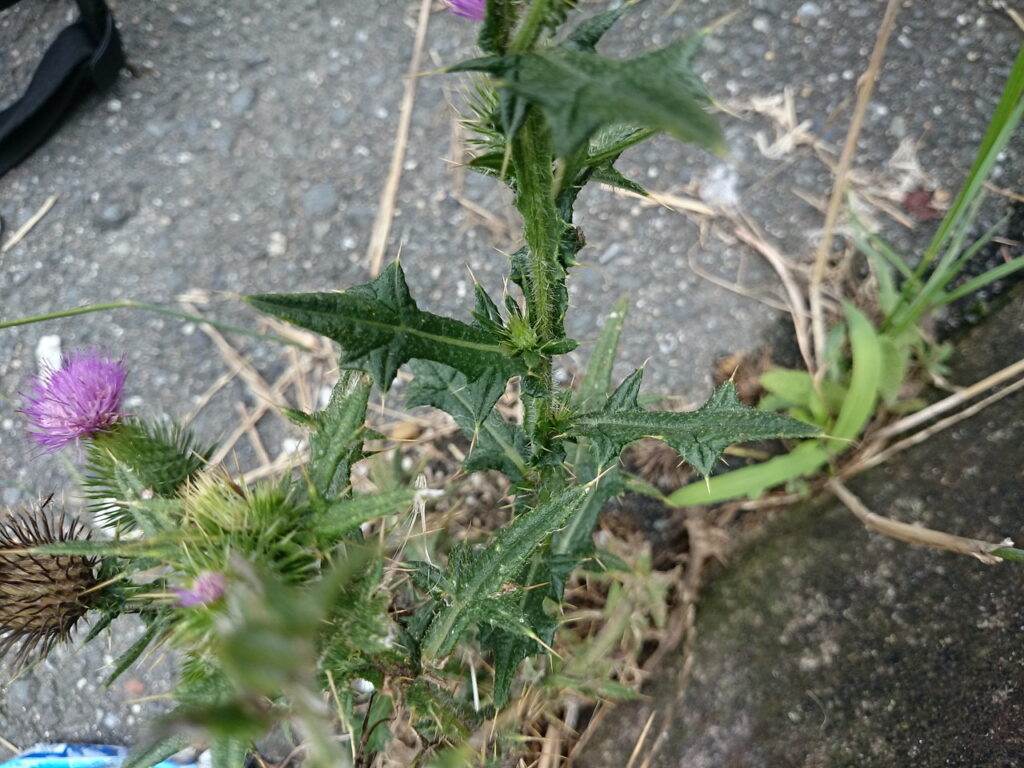
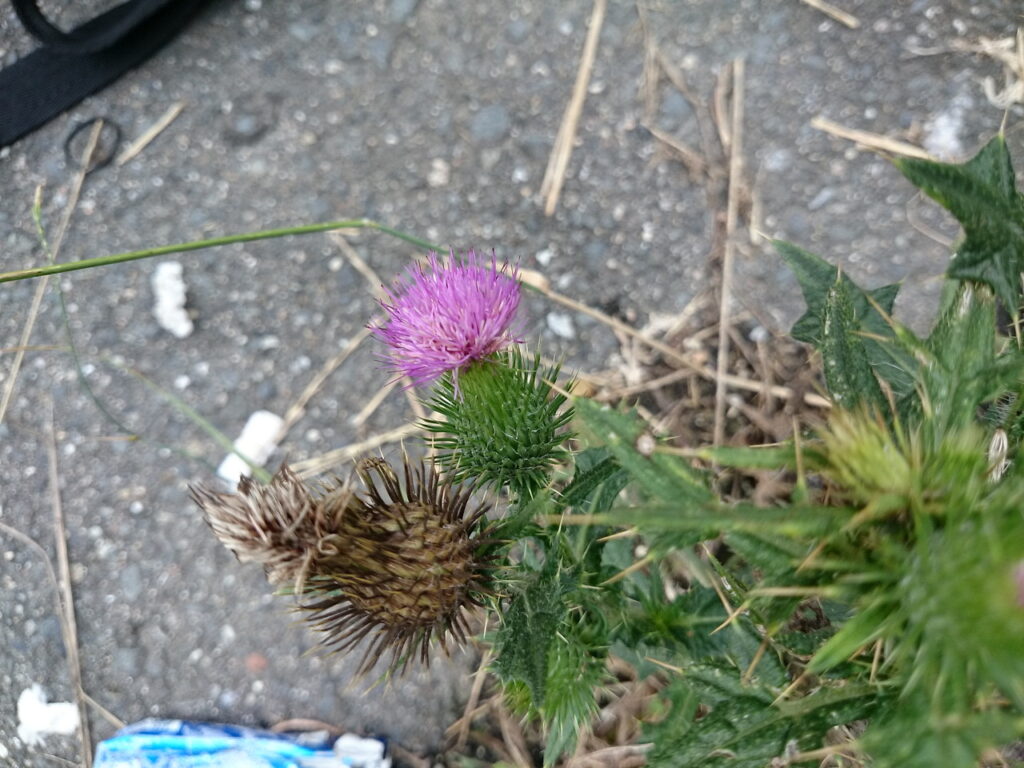
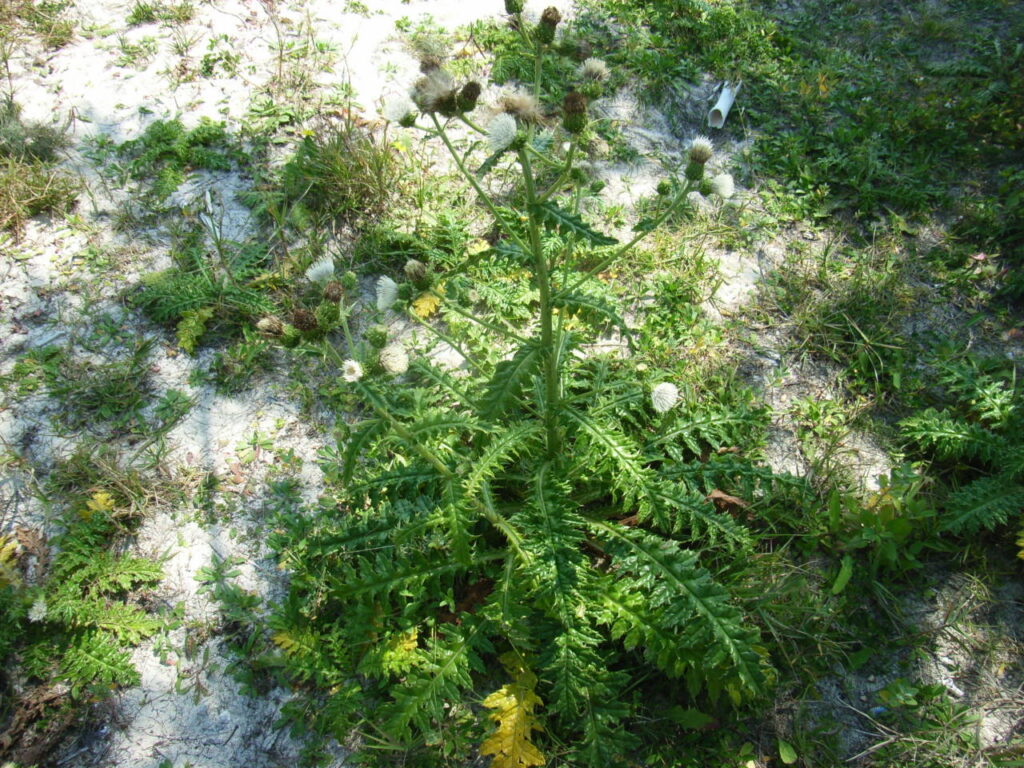
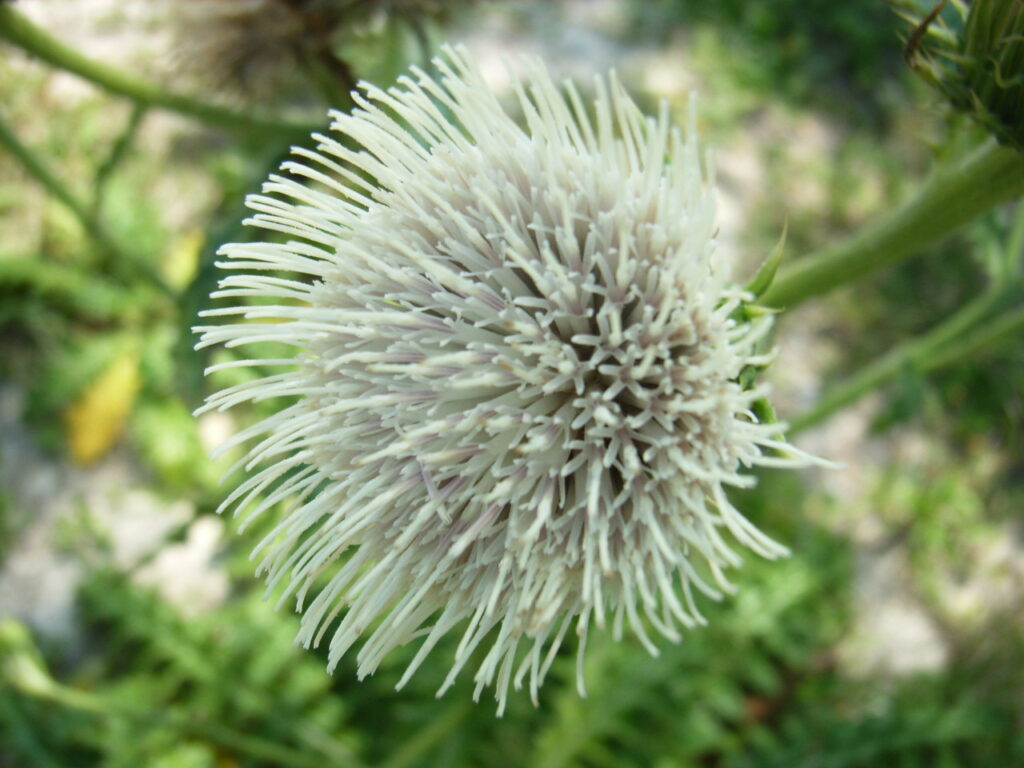
Why is the American thistle disliked?
American thistle is designated as an invasive species that causes damage to the ecosystem under Japan's Invasive Alien Species Act. Why is it so disliked?
Contrary to its name, it is originally native to Europe (Natural Environment Research Center, 2019). It was introduced to Japan mixed in with imported grains and pasture grasses from North America, and was confirmed in Hokkaido in the 1960s. However, recent research has shown that it was already confirmed in Kanagawa Prefecture in 1952, and specimens remain (Kanagawa Prefecture Flora Survey Association, 2018). Since then, it has also become established in Honshu and Shikoku.
The biggest concern is that they are encroaching on highly natural areas such as Rishiri Island and the World Heritage site Shiretoko National Park, competing with and displacing native species. Japanese deer do not eat the thorny American thistle, so the deer population tends to increase in areas with large deer populations (such as Shiretoko). They are also believed to be displacing native species in North America, southern Africa, and Australia.
Furthermore, livestock such as cattle do not eat this species, and it is known as a weed that causes problems in pastures in dairy farming areas.
Furthermore, the thorns make it difficult to remove them by hand.
Furthermore, as will be discussed later, the fact that it can self-pollinate and form a seed bank is a major difference from Japanese thistle species, and is likely the reason for its strong reproductive capacity (CABI, 2021).
What is the structure of a flower in the Thistle genus?
Not only thistles, but all plants in the Asteraceae family produce "flower heads." Flower heads are found only in the Asteraceae family and are a type of inflorescence (arrangement of flowers) that is a cluster of flowers in other plants. As evidence of this, each flower has the structure of stamens and pistils, and is sometimes specifically called a "flora." Most people refer to flower heads as "flowers," but they are actually different.
The small flowers of the Asteraceae family consist of two types: "ray florets," which have a corolla that extends widely to one side, and "disc florets," which have a tubular corolla. The combination of these two types varies depending on the species of the Asteraceae family, but in the Thistle genus, they are generally composed only of disc florets.
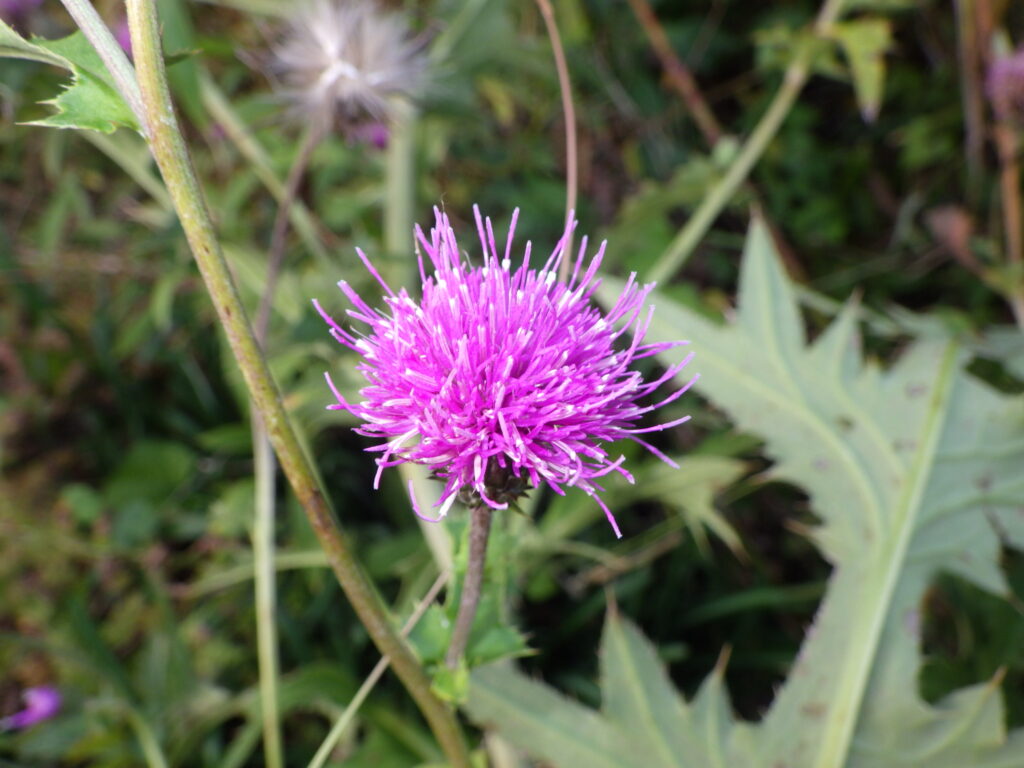
Thistle (Cirsium japonicum) flowers from May to October. Its flower heads are tubular, and the involucral bracts are pressed together and remarkably sticky (Kanagawa Prefecture Flora Survey Association, 2018). There are two forms: a spring form with short pedicels and the flower heads and bracts close together, and a summer form with long pedicels and the bracts attached to the lower part of the flower stalk. The two forms have quite different appearances. The florets are reddish-purple.
Thistle (Cirsium japonicum) flowers from August to October. Its flower heads are tubular, 4-5 cm in diameter, and its involucre is bell-shaped and spherical, covered with many spiderweb-like hairs. The involucral bracts are short and obliquely upward-pointing, and the glands are underdeveloped and not sticky. The florets are reddish-purple.
American thistle (Cirsium nipponicum) flowers from July to October, producing several flower heads 3-4 cm in diameter (Natural Environment Research Center, 2019). The involucral bracts are linear with sharp spines at the tips. The florets are reddish-purple.
While the flowers of the Thistle genus are generally a showy reddish-purple, as mentioned above, there are also known varieties that produce white flowers, and some species, like the striped thistle, have a slightly yellowish-white color.
Are there two types of thistle species: monoecious (having both male and female flowers on the same plant) and dioecious (having both male and female flowers on the same plant)?
Historically, all species of the thistle genus native to Japan were treated as monoecious, meaning they consist only of individuals that produce "hermaphrodite flowers" with both stamens and pistils. This is a characteristic shared by many plants.
However, as research progressed, it became clear that some species are gynodioecy, meaning they have two types: individuals that produce "hermaphrodite flowers" with both stamens and pistils, and individuals that produce "female flowers" with only pistils (Kawakubo, 1995; Azuki et al., 2009).
It is known that about half of the species of thistle distributed in Japan are dioecious (having both male and female flowers on separate plants). *Cirsium japonicum*, *Cirsium nipponicum*, and *Cirsium spp.* are all dioecious.
In hermaphroditic flowers, the tubular florets initially have mature stamens, and the pistil cannot be pollinated (male phase). However, after a neutral phase, it eventually matures, leaving only the pistil (female phase). As the pistil's style elongates, the flower appears longer than in the male phase. This phenomenon of sex change from male to female is called "protandry." This is thought to be a mechanism to prevent self-pollination.
On the other hand, female flowers lack stamens and therefore do not have a male phase. They immediately go through a neutral phase, and then the pistil matures, leading to the female phase. However, sterile, vestigial stamens are present. For this reason, it is thought that these pistils evolved from hermaphroditic flowers.
Why did some species of the thistle genus evolve from monoecious to dioecious?
The reason is not fully understood, but Japanese thistle species deliberately avoid self-pollination, suggesting that the disadvantages of seed production through self-pollination are significant. Due to factors such as the number of individuals and the characteristics of pollinating insects, the rate of self-pollination may increase, and some individuals may have developed female flowers to further reduce the possibility of self-pollination. If this condition progresses, it may eventually evolve into a dioecious state (Sinclair et al., 2016).
Thistle flowers were expelling pollen due to the weight of insects!?
How do thistle flowers rely on insects to carry their pollen? We will consider hermaphroditic flowers below.
The tubular florets of hermaphrodite flowers have a corolla like ordinary flowers, and inside there are stamens and pistils.
The important point is that the anthers (the pollen-releasing parts at the tips) of these multiple stamens are fused together. In other words, the stamens are arranged to surround the pistil, and since all the tips are connected, the pistil is also enveloped by the stamens from above. Furthermore, the style of the pistil (the stalk-like part that connects the "stigma" at the tip to the ovary) has what are called "pollen-collecting hairs."
Interesting things can happen at this time if an insect climbs onto the edge and applies its weight, or if it makes contact with the tubular florets as it tries to insert its mouthparts to seek nectar deep inside (Tanaka, 2001; Azuki et al., 2009).
The insect's force pushes down the anthers of the stamens, exposing the pistil inside. Pollen is then collected from the anthers by pollen-collecting hairs, and the white pollen is simultaneously exposed. This then adheres to the insect's body and is carried to other individuals.
Therefore, if a person gently touches it with their hand or strokes it with a thin, pointed leaf, you can observe it releasing pollen.
Such a mechanism is an effective way to combat nectar robberies that steal only pollen and nectar. For example, butterflies are well-known nectar robberies that often steal only nectar with their long proboscises, but even with their shape, it would be very difficult for them to suck the nectar of thistle flowers without coming into contact with the pollen.
However, while pollen is generally released through contact with insects, the flowers automatically contract by the evening of the first day of blooming even without contact.
Are there a wide variety of insects that visit flowers?
There are quite a lot of studies on specific pollinating insects, perhaps because they are common species, but many of these studies focus on specific taxonomic groups or are qualitative, making it difficult to interpret the overall picture.
Regarding Cirsium japonicum, studies conducted in Kochi and Hyogo prefectures have shown that the hermaphrodite flowers are visited by Papilio xuthus, Graphium sarpedon, Argynnis hyperbius, Lycaena phlaeas, Skipper, Chrysalis japonica, Clearwing moth, European honeybee, Japanese honeybee, and hoverfly, while the female flowers are visited by Papilio xuthus, Lycaena phlaeas, Japanese honeybee, Bombus ignitus, a species of bumblebee, and hoverfly (Azuki et al., 2009). In particular, Papilio xuthus and honeybees frequently visited both hermaphrodite and female flowers to collect nectar. Studies focusing on moths have confirmed records of Noctuidae and Geometridae moths (Ikenoue and Kanai, 2010).
A study by Tokyo Metropolitan Government pointed out that the flower heads of thistles, as a whole, are highly effective in attracting butterflies, and that the individual flowers are also shaped in a way that is suitable for pollination by butterflies. They also found 60 photographs showing pollen adhering to the bodies of butterflies that visited thistles, suggesting that they contribute to pollination (Ebihara et al., 2020).
However, another study conducted in Nara Prefecture that examined the proportion of pollinating insects found that bees alone accounted for 90% of flower visits (Yokoi et al., 2008). Based on this, it is possible that bees are more important pollinators than butterflies and moths. However, it seems certain that both contribute to pollination itself.
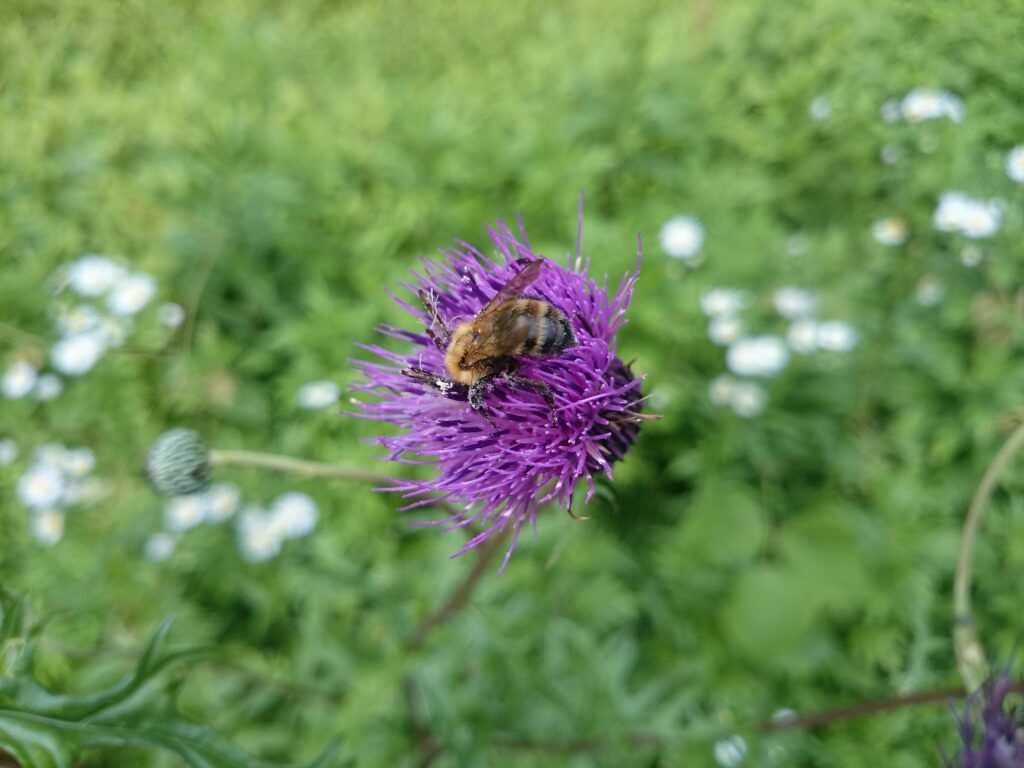
Regarding Cirsium japonicum, studies have shown that it is visited by butterflies (Pieridae), nymphalidae, bumblebees (Bombus genus), syrphidae, and flies, with bumblebees being particularly prominent (Katano, 1972). This is quite similar to the results for Cirsium japonicum.
The situation is largely similar for American thistle, where multiple species of the genus Apis (honeybees) and Bombus (bumblebees) are considered the most important pollinators, but butterflies and hoverflies also function as pollinators (CABI, 2021). A study conducted in the UK from dawn to dusk also showed that bumblebees and honeybees with short central tongues were the ones visiting the flowers.
However, unlike Japanese thistles, the American thistle can self-pollinate, and its ability to produce seeds without insects is noteworthy in terms of its reproductive capacity.
Although it's not the main topic of this article, the flowers of the striped thistle are strangely white. Is there any difference between it and the varieties with reddish-purple flowers?
Intrigued, I did some research and found that Japanese studies have recorded the presence of a beetle called *Muneakahimejoukaimodoki* and a fly called *Ookurobae* (Kato, 2000). On the internet, I also found records of butterflies such as *Papilio memnon*, *Papilio memnon*, *Pieris rapae*, and *Mycalesis gotama*, as well as honeybees and bumblebees. It seems that quite a variety of species visit the flowers, but I couldn't find anything particularly different from other thistle species. Currently, the reason why thistles have turned white is unknown, but the fact that beetles visit them may be unusual. Further detailed research may reveal something in the future.
The fruit is an achene and the seeds are dispersed by wind.
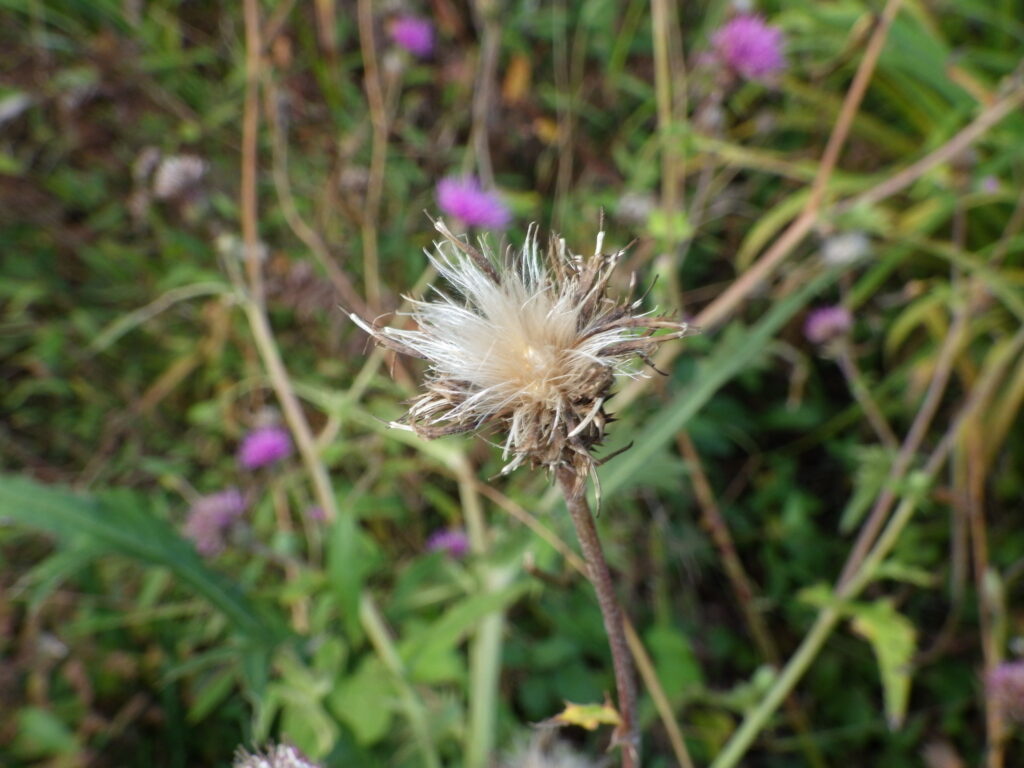
The fruit, common to the thistle genus and like many plants in the Asteraceae family, is an achene. The achene has a hard, membranous pericarp that dries when ripe and contains one seed in each chamber. Although this achene is sometimes called a "seed," strictly speaking, it is a fruit. Inside this achene is the "seed," or "seed."
The achenes of the field thistle are about 3 mm long and hairless. The pappus is about 1.5 cm long, branched in a feathery manner, and fused at the base.
Field thistle and American thistle are also roughly similar.
In all cases, the primary method of seed dispersal is wind dispersal, with the seeds being dispersed by the wind using the pappus.
However, it has been reported that water spraying, animal spraying, and mechanical spraying are also used for American thistle (CABI, 2021). It is likely that these methods are not actively chosen, but rather occur incidentally after wind spraying.
In the case of the American thistle, after dispersal, a "seed bank" is formed in the soil. Until germination, the seeds remain on or just below the soil surface for a short period, surviving for more than a year, and some seeds have been found to survive for up to five years. In other words, even if the American thistle is not visible, it may sprout again when the timing is right for germination. This also demonstrates its remarkable vitality.
References
Azuki, Mutsuko; Fuse, Shizuka; and Takahashi, Akira. 2009. Morphological changes in florets observed during the flowering period of Cirsium japonicum (Asteraceae): A comparison of female and hermaphrodite plants. Human and Nature 20: 73-79. https://doi.org/10.24713/hitotoshizen.20.0_73
CABI. 2021. Cirsium vulgare (spear thistle). CABI Compendium. https://doi.org/10.1079/cabicompendium.13631
Ebihara, K., Yasukawa, M., Nagai, M., Kitsurekawa, Y., & Washitani, I. 2020. The potential of citizen science monitoring of butterfly-plant symbiotic networks in Tokyo. Conservation Ecology Research 25(2): 1929. https://doi.org/10.18960/hozen.1929
Ikenoue, Toshiyuki & Kanai, Hiroo. 2010. Nocturnal moth flower-visiting activity. Journal of the Botanical Society of Japan 85(4): 246-260. ISSN: 0022-2062, https://doi.org/10.51033/jjapbot.85_4_10230
Kadawaki, Y. 1990. Taxonomy and distribution of Cirsium brevicaule A. GRAY and its related species (Asteraceae). Memoirs of the National Museum of Nature and Science 23: 51-61. ISSN: 0082-4755, https://cir.nii.ac.jp/crid/1520009410639141248
Kanagawa Prefecture Flora Survey Association. 2018. Kanagawa Prefecture Flora 2018 (Electronic Edition). Kanagawa Prefecture Flora Survey Association, Odawara. 1803pp. ISBN: 9784991053726
Katano, Hisao. 1972. On the factors of flower species selection by pollinating insects. Research Reports of Niigata Prefectural Education Center, Science Research Series 5: 105-114. http://id.nii.ac.jp/1315/00000719/
Kato, M. 2000. Anthophilous insect community and plant-pollinator interactions on Amami Islands in the Ryukyu Archipelago, Japan. Contributions from the Biological Laboratory, Kyoto University 29(2): 157-254. ISSN: 0452-9987, http://hdl.handle.net/2433/156116
Kawakubo, N. 1995. Male sterility and gynodioecy in Japanese Cirsium. Acta phytotaxonomica et Geobotanica 46(2): 153-164. ISSN: 0001-6799, https://doi.org/10.18942/bunruichiri.KJ00001079098
Sinclair, JP, Kameyama, Y., Shibata, A., & Kudo, G. 2016. Male-biased hermaphrodites in a gynodioecious shrub, Daphne jezoensis. Plant Biology 18(5): 859-867. https://doi.org/10.1111/plb.12463
Natural Environment Research Center. 2019. Latest Information on Invasive Alien Species in Japan. Heibonsha, Tokyo. 591pp. ISBN: 9784582542608
Tanaka, Hajime. 2001. Flowers and Insects: A Collection of Discoveries of Mysterious Deception. Kodansha, Tokyo. 262pp. ISBN: 9784062691437
Yokoi, Tomoyuki; Habe, Akifumi; Katori, Ikuo; and Sakuraya, Yasuyuki. 2008. Diversity of pollinating insect communities at Kinki University Nara Campus. Kinki University Faculty of Agriculture Bulletin 41: 77-94. ISSN: 0453-8889, http://id.nii.ac.jp/1391/00005214/
Source
This article is a significantly expanded version of a piece originally published in the following book.