The Japanese persimmon (kaki) has been cultivated in Japan since ancient times and is a fruit and plant strongly associated with Japanese culture. Although closely related species exist, the Japanese persimmon is easily distinguished by the size of its fruit. However, when distinguishing by leaves alone, it is similar to the Japanese persimmon (mamegaki), Ryukyu Japanese persimmon (ryukyu mamegaki), and evergreen persimmon (tokiwagaki ), and requires careful examination of the details. It can be distinguished from the wild variety, the Japanese persimmon (yamagaki), by the amount of hair on its leaves. The origin of the Japanese persimmon is largely unknown, but recent genetic research is revealing that it evolved in southern China. (Probably) it does not grow wild in Japan. The difference between astringent and sweet persimmons is that astringent persimmons, as the name suggests, contain tannins and are inedible for a long period, while sweet persimmons are from cultivated varieties and become sweet earlier. However, astringent persimmons can also become sweet if they ripen well. Recent research has revealed that bumblebees are the main pollinators of the flowers. In the wild, they may be eaten by mammals. This article will explain the classification, pollination ecology, seed dispersal, and history of the Japanese persimmon.
- Fruit trees that have been passed down in Japan since ancient times
- Are there any species similar to the persimmon tree (kaki)? What are the differences between it, the Japanese persimmon (mamegaki), the Ryukyu Japanese persimmon (ryukyu mamegaki), and the evergreen persimmon (tokiwagaki)?
- What is the difference between a Japanese persimmon (kaki) and a Japanese oak (yamagaki)?
- What is the origin and evolution of the persimmon tree?
- Persimmons weren't popular in China!? Cultivation of persimmon trees in China
- Were persimmon trees native to Japan?
- What are the uses of persimmon trees? What is the difference between astringent and sweet persimmons?
- Persimmon trees were also highly valued for their timber!?
- What insect pollinates persimmon flowers?
- Who disperses seeds in the natural world?
- Why are tannins present?
- References
Fruit trees that have been passed down in Japan since ancient times
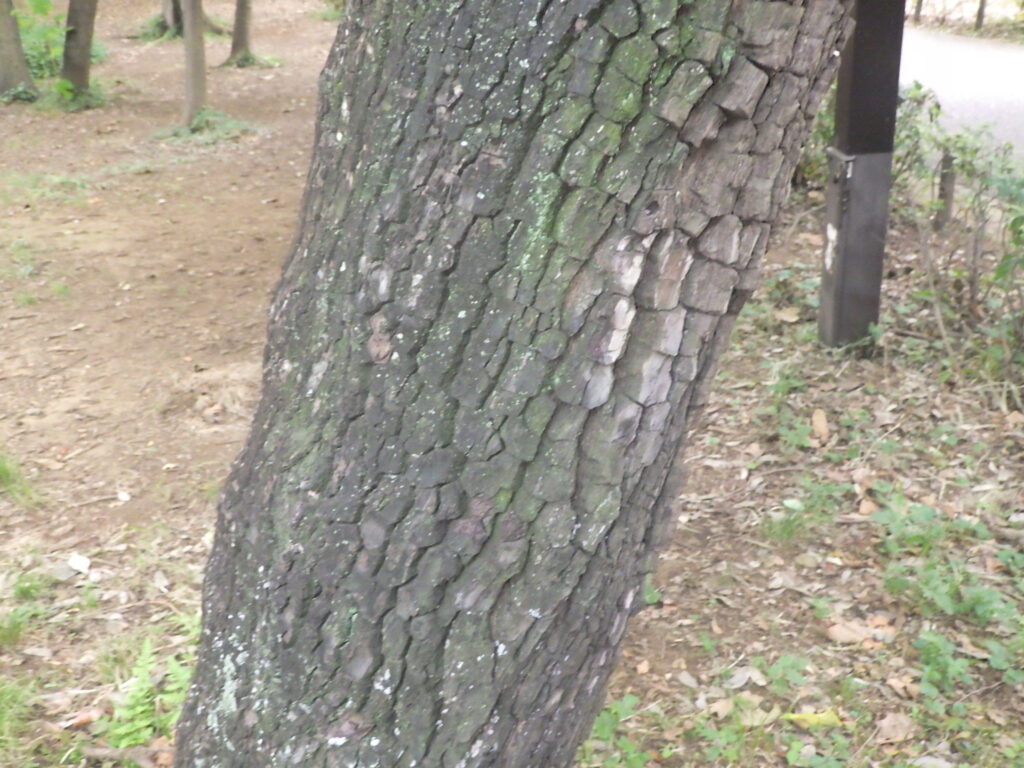
Diospyros kaki is native to China and is distributed in the Yangtze River Valley. In its native habitat, it is a deciduous tree that inhabits primary and secondary forests, shrublands on mountain slopes, and cultivated areas (Wu & Raven, 1996). It belongs to the genus Diospyros in the family Ebenaceae.
There are various theories regarding its natural distribution area, but it has historically been cultivated mainly in Korea and Japan, and is now widely cultivated all over the world.
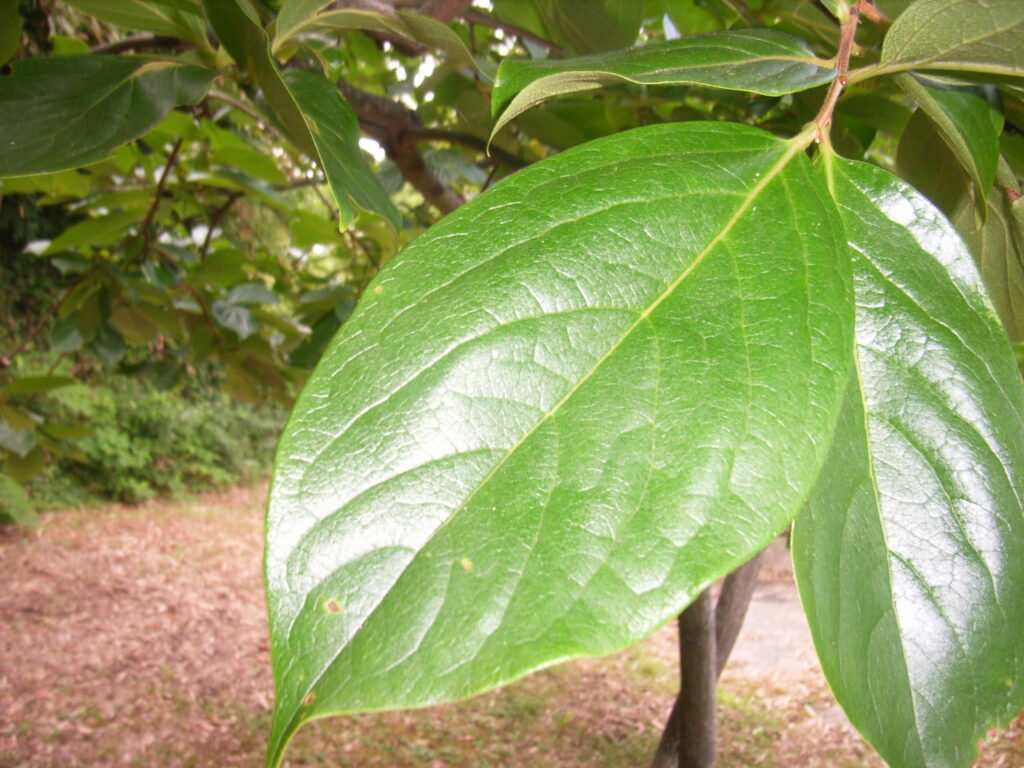
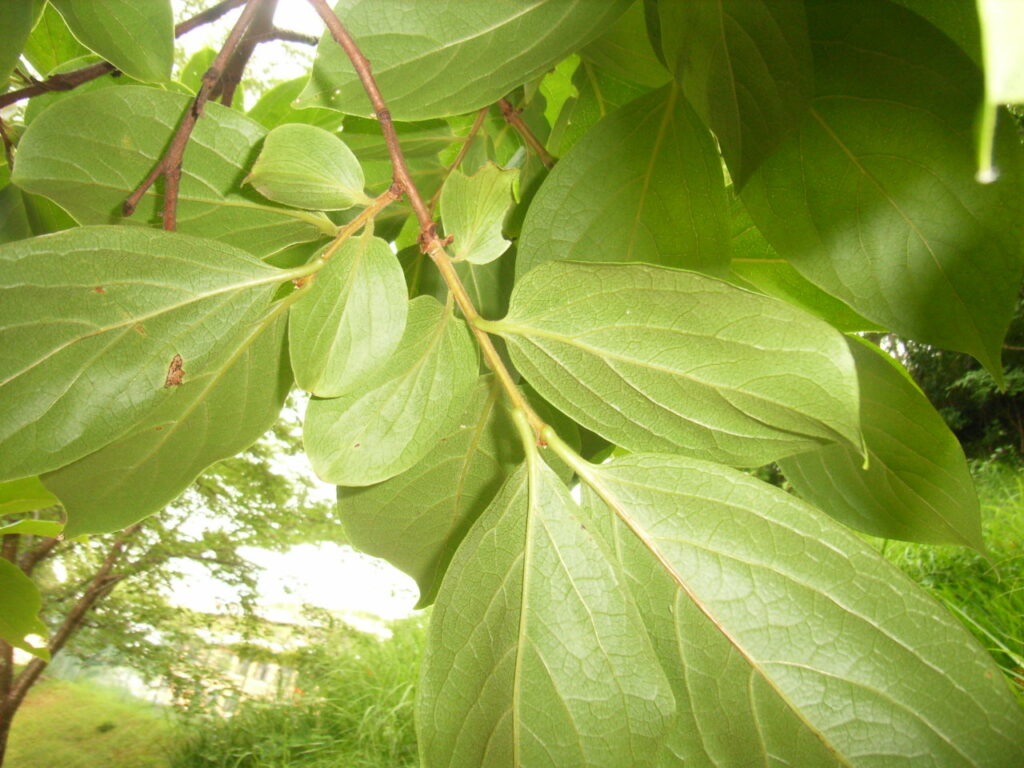
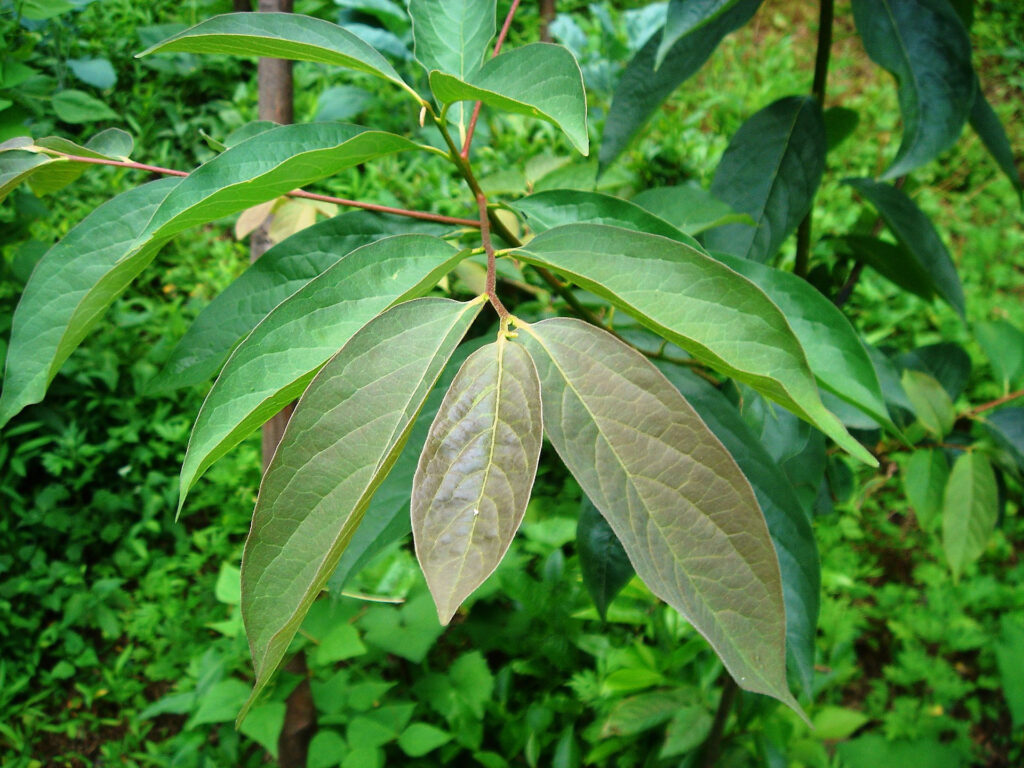
The leaves are alternate, and the leaf blades are broadly elliptic to ovate-elliptic (Mogi et al., 2003), giving them a thick appearance.
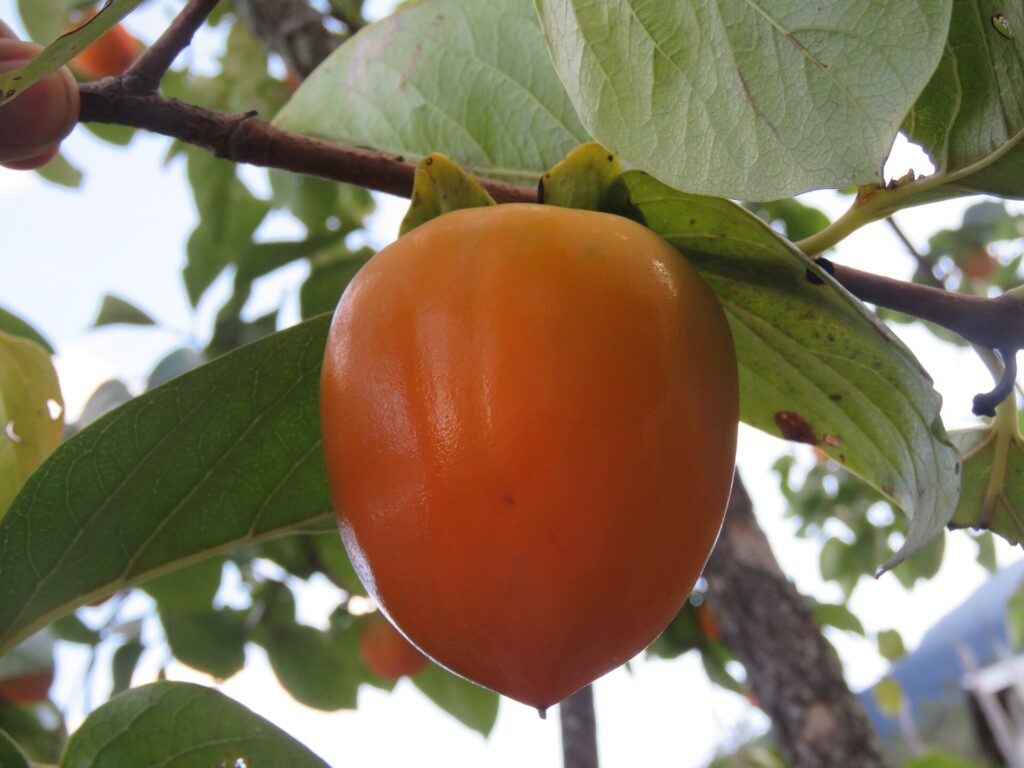
In Japan, fruits that are slightly fibrous, crunchy, and have a refined sweetness are particularly popular.
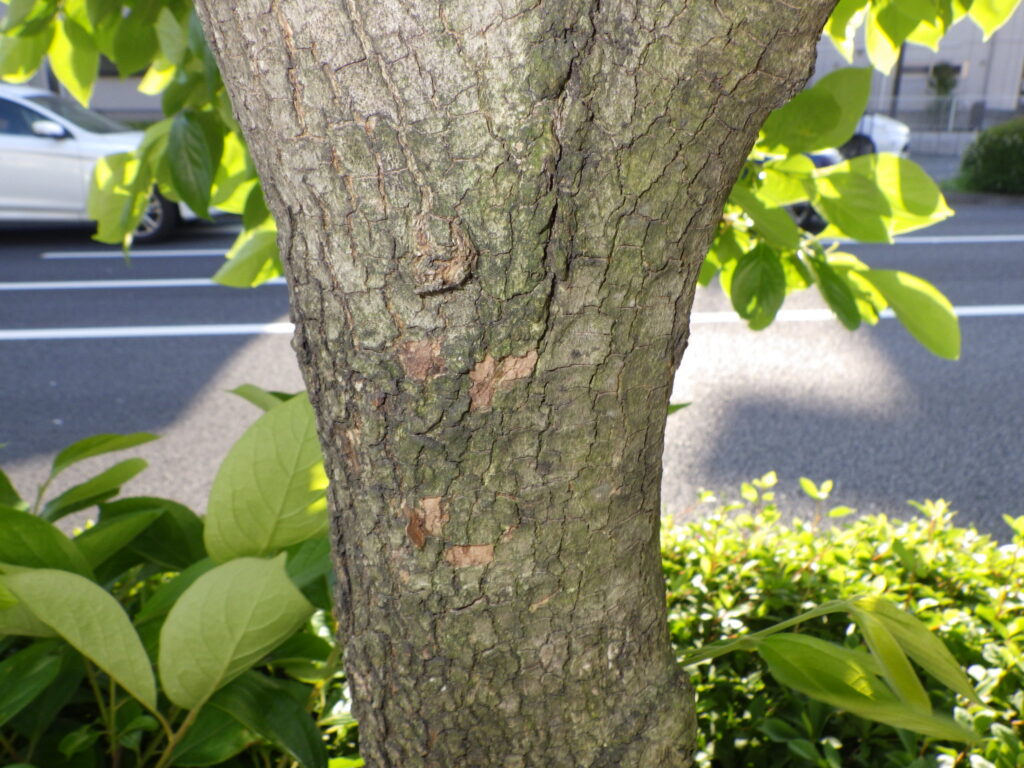
Are there any species similar to the persimmon tree (kaki)? What are the differences between it, the Japanese persimmon (mamegaki), the Ryukyu Japanese persimmon (ryukyu mamegaki), and the evergreen persimmon (tokiwagaki)?
There are only eight native species of the genus Diospyros in Japan (including Diospyros kaki) (Oba and Akiyama, 2016).
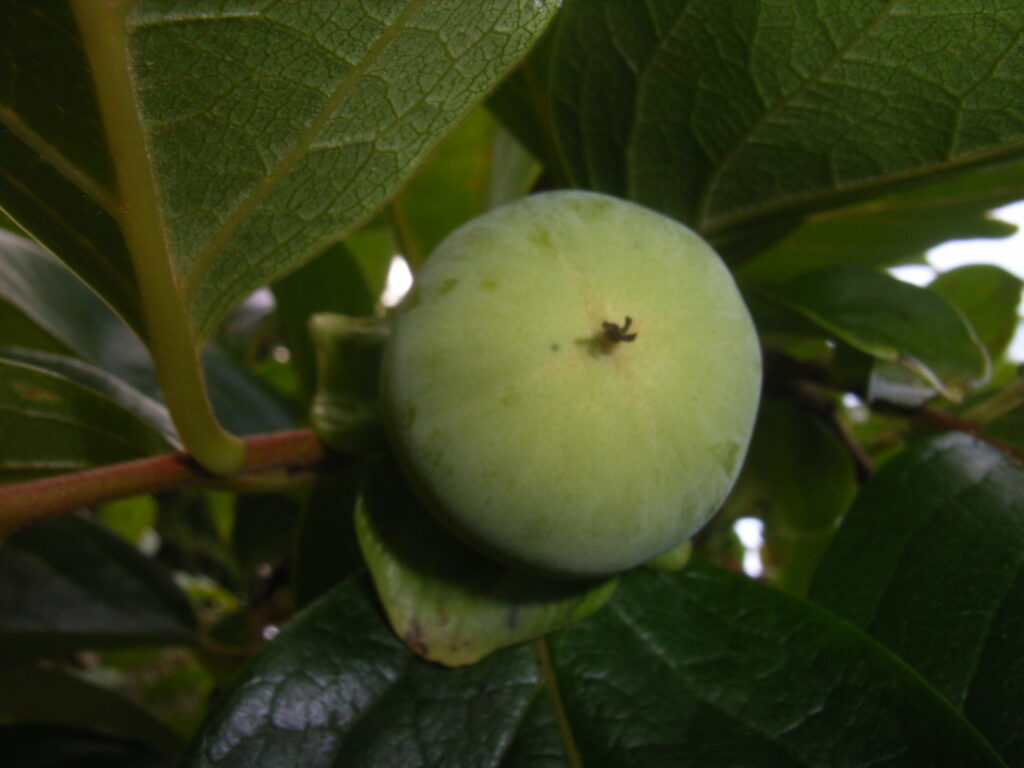
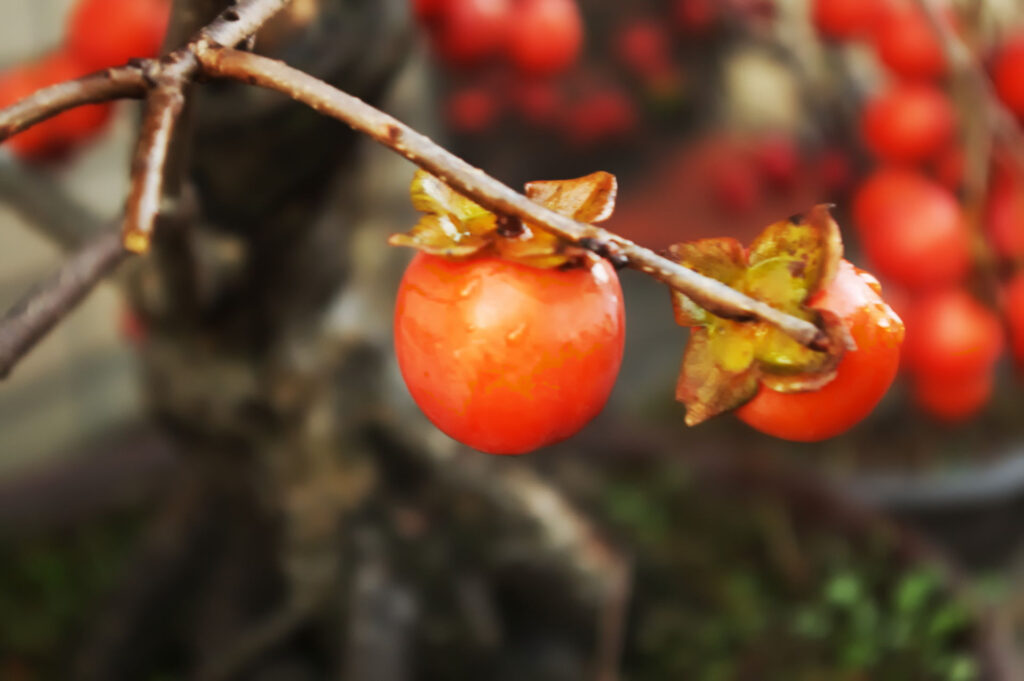
Among these, the persimmon tree can be clearly distinguished by the fact that its one-year-old branches are densely covered with short hairs and its fruit is 3 cm or larger in diameter (Kanagawa Prefecture Flora Survey Association, 2018). If you can confirm these points, there will be no confusion.
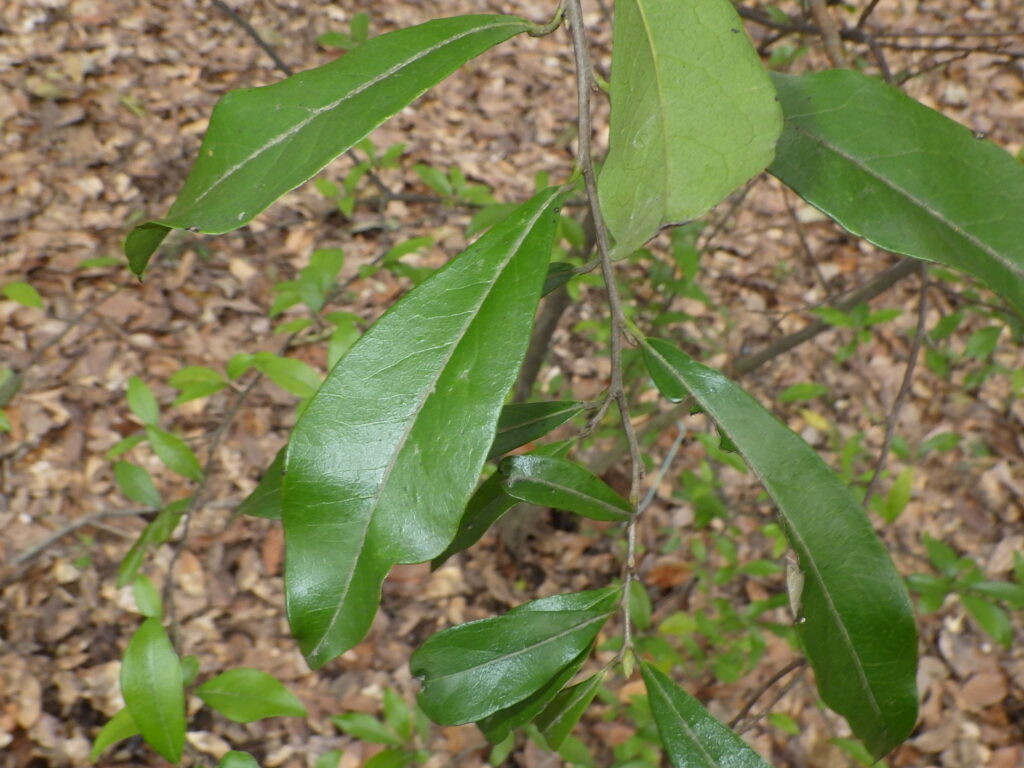
However, if there are no fruits and you need to make a judgment based solely on the leaves, it can be quite difficult.
Known species of the Diospyros genus found on the mainland include the dwarf persimmon (Diospyros lotus var. laevis), the Ryukyu dwarf persimmon (Diospyros japonica), and the evergreen persimmon (Diospyros morrisiana), and it will be necessary to distinguish this species from others (Hayashi, 2019).
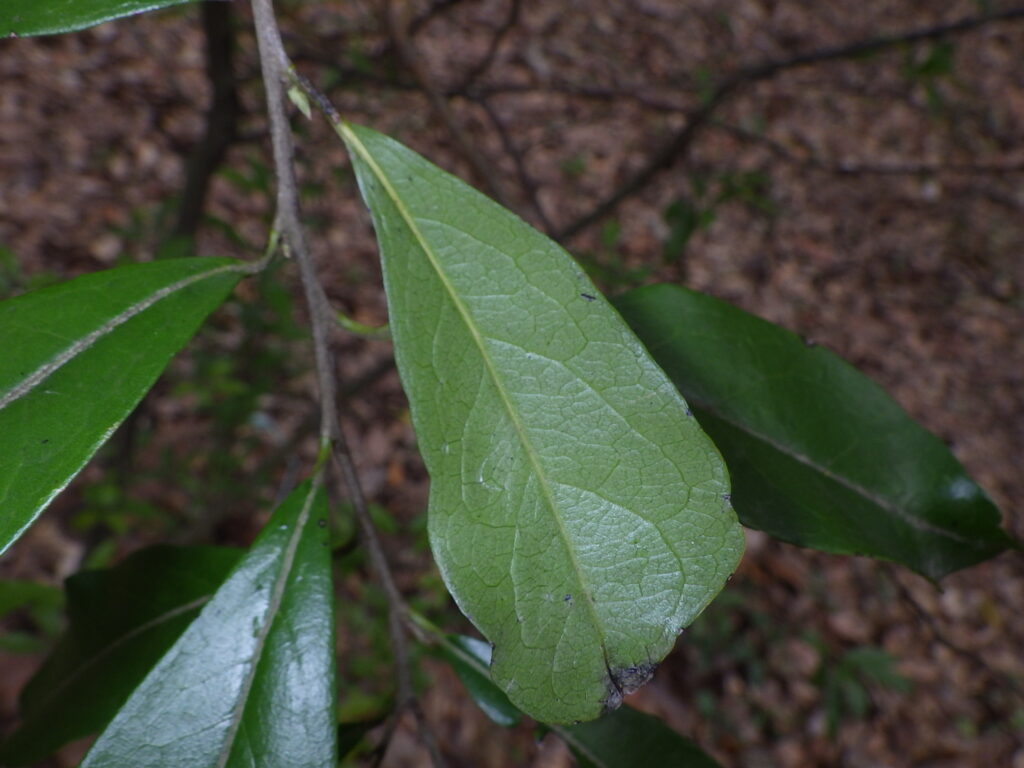
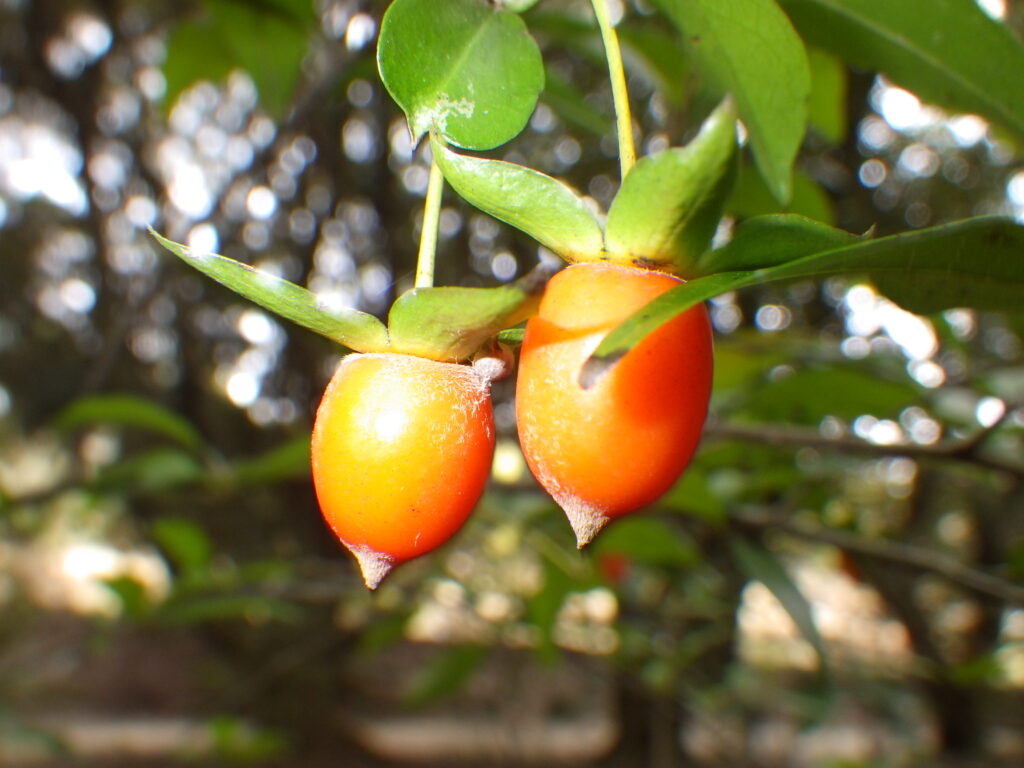
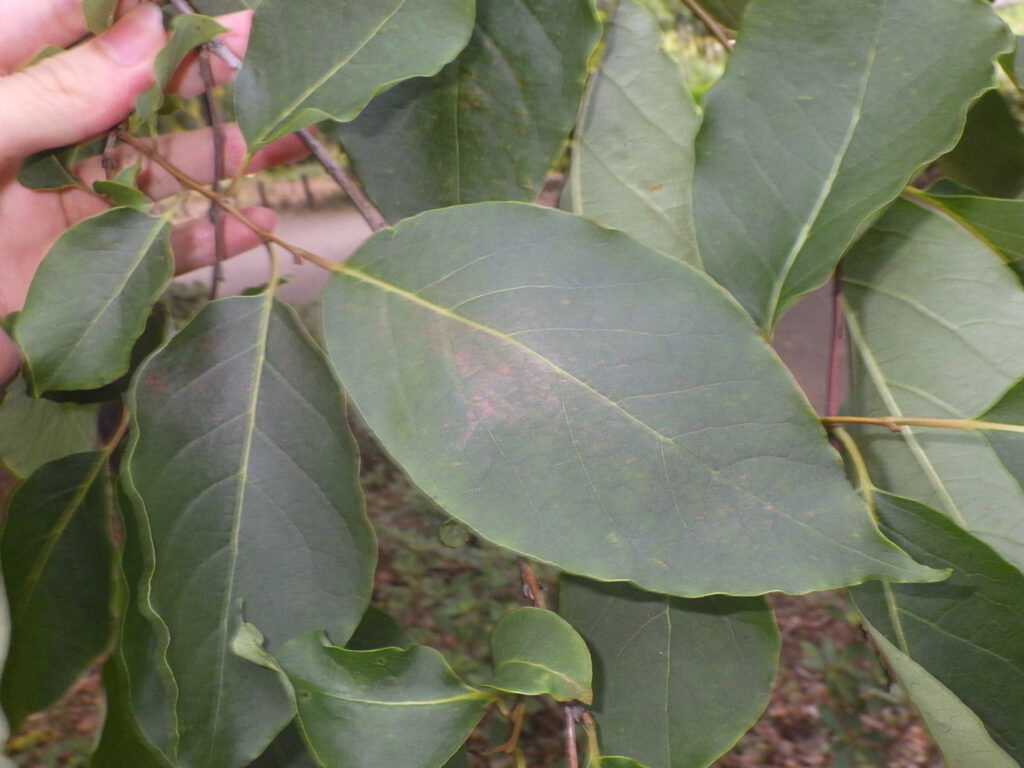
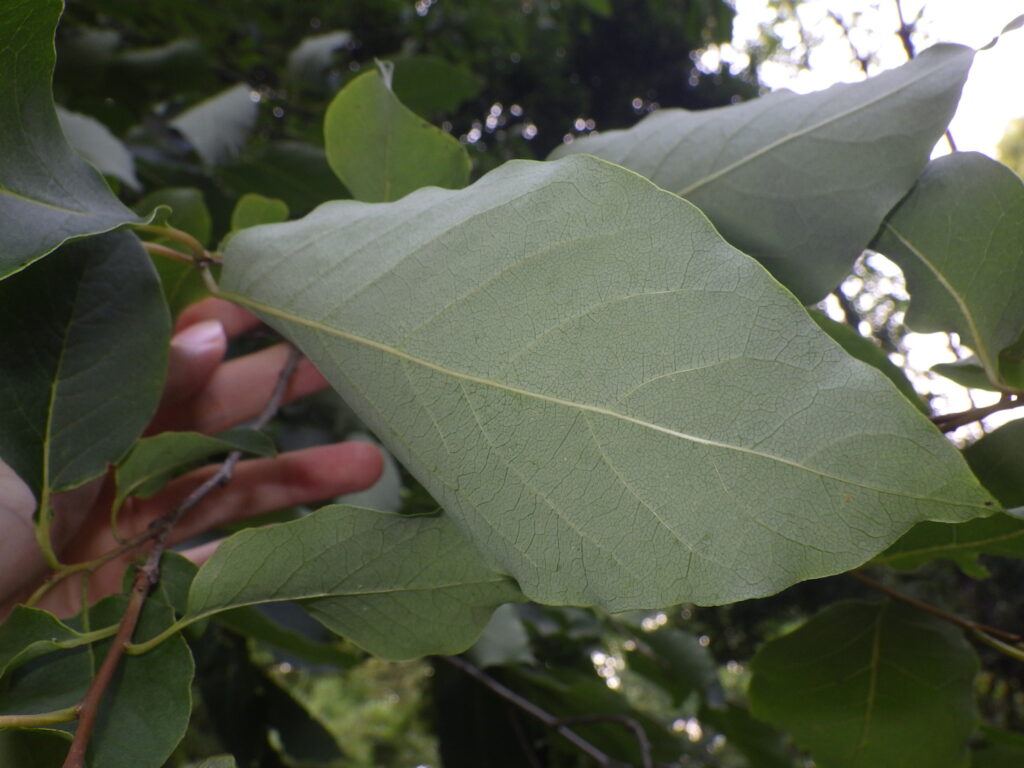
First, these four species can be broadly classified based on the difference that the Japanese persimmon (Diospyros kaki) and the common persimmon (Diospyros kaki) have hairs on the underside of their leaves, while the Ryukyu common persimmon (Diospyros kaki) and evergreen persimmon (Diospyros kaki) do not.
Regarding the Japanese persimmon (Diospyros kaki) and the Japanese dwarf persimmon (Diospyros serrata), the Japanese persimmon has a strong gloss on the upper surface of its leaves and the leaf tips are short and pointed, while the Japanese dwarf persimmon has a weaker gloss on the upper surface of its leaves and the leaf tips are somewhat longer and pointed.
Regarding the Ryukyu persimmon and the evergreen persimmon, the Ryukyu persimmon has long petioles of 1-3 cm and a white underside to its leaves, while the evergreen persimmon has short petioles of 0.5-1 cm and a green underside to its leaves.
In addition, cultivated varieties such as Diospyros rhombifolia and Diospyros virginiana can sometimes be found in parks and botanical gardens.
What is the difference between a Japanese persimmon (kaki) and a Japanese oak (yamagaki)?
As a variety of Diospyros kaki, Diospyros kaki var. sylvestris is sometimes found in the mountains of southwestern Japan and southern Korea (Kanagawa Prefecture Flora Survey Association, 2018).
Compared to the Japanese persimmon (Diospyros kaki), the Japanese persimmon (Diospyros japonica) differs in that "its branches and leaves are densely covered with short, soft yellowish-brown hairs, its leaves and fruits are somewhat smaller, and its ovary is hairy." In short, it's safe to understand it as being covered in hairs all over.
Hearing this alone, you might get the impression that this is a wild persimmon tree. However, as will be explained later, it is unknown whether this is a native Japanese variety or a population of introduced persimmon trees that have become naturalized.
However, it's generally better to think of them as a population of persimmon trees that were introduced and then became wild.
What is the origin and evolution of the persimmon tree?
The genus Diospyros, which includes the persimmon tree, comprises over 700 species, most of which are distributed in tropical and subtropical regions, with few found in temperate zones (Kanzaki, 2016).
To investigate how the Japanese persimmon tree evolved from other members of the Diospyros genus, molecular phylogenetic analysis was conducted to examine genetic similarities. The results showed that it is closely related to the ancestors of Diospyros oligantha, which is distributed in eastern China, and Diospyros glandulosa, which is distributed in northeastern India, Malaysia, Thailand, and Laos.
This suggests that the persimmon tree evolved in southern China from either the ancestors of these two species or from a hybrid.
A noteworthy aspect of the evolution of the persimmon tree is the occurrence of "ploidization." Ploidization is a phenomenon in which the "chromosomes," which are the structures that hold genes together in a cell, increase from the normal two sets to three, four, or even more sets due to some cause.
What happens when polyploidization occurs? Since the number of genes with the same function increases many times over, a large number of extra genes are created. This allows these extra genes to be allocated to other functions, resulting in greater flexibility in adapting to various environments and in evolution (Selmecki et al., 2015).
The persimmon tree is a hexaploid, meaning it has six sets of chromosomes! Most other trees in the Diospyros genus are diploid, so the persimmon is quite unique, which may be the fundamental reason why it can be cultivated in so many different countries.
It is thought that the hexaploid form evolved from the ancestor of the Japanese oyster (Perilla frutescens) and D. glandulosa for some reason, but the exact cause and other details are still not fully understood.
Persimmons weren't popular in China!? Cultivation of persimmon trees in China
The cultivation of persimmon trees also began in China more than 2,500 years ago (Zhang, 2008). Records of propagation by grafting can be found in the oldest existing Chinese agricultural encyclopedia , "Qi Min Yao Shu," and can be traced back to the late Northern Wei period of the Northern and Southern Dynasties (386-534).
In ancient China, persimmon trees were planted in and around home gardens and crop fields for the purpose of self-sufficiency. However, it wasn't until the early 1990s that the commercial value of persimmon trees began to attract attention. With the rapid economic development of the People's Republic of China, led by Deng Xiaoping, which aimed to build a socialist market economy, persimmon consumption and trade surged.
However, a paper written by a Chinese author describes persimmons as a "minor crop." Although China is the world's largest producer of persimmons today, they may not be as popular in China as they are in Japan.
According to a news report by Searchina, which covers information on China, although there are indeed many varieties of persimmons, the majority have now fallen into decline and can only be used to make dried persimmons. The report states that vendors tend to prefer Japanese varieties that are of a high commercial quality (Imaseki, 2020), and this may be the current state of persimmons in China.
Currently, it is cultivated in a wide area from the Eurasian continent to the Americas.
Were persimmon trees native to Japan?
As mentioned above, a variety called *Diospyros kaki* is found in southwestern Japan and southern Korea (Kobayashi, 2014), so it might be thought to be native to Japan. However, it cannot be said for certain, as it is also possible that the persimmon tree has naturalized in Japan and adapted to the environment.
Seeds and woody material belonging to the genus Diospyros have been found in Japan during the Yayoi period, but it is not known whether they were actually from Diospyros trees (Imai, 2021).
The earliest reliable record of the persimmon tree in Japan is the seeds unearthed from the Fujiwara-kyo site, dating back to the Asuka period (late 7th century), where persimmon seeds were found alongside peach and chestnut seeds (Imai, 2021). In addition, a large number of seeds have been found at the Heijo-kyo site, dating back to the Nara period (8th century), and historical documents such as price tags and ledger books discovered there provide evidence that persimmon fruit was traded within Heijo-kyo.
In the oldest comprehensive Japanese historical texts, the Kojiki (compiled in 712), the Nihon Shoki (compiled in 720), and the Manyoshu (compiled in 780), the fruit only appears as a place name or personal name, with no mention of it as a fruit (Kobayashi, 2014). However, its appearance as a place name or personal name may indicate that it was already a common fruit.
The origin of the Japanese word "kaki" is also unknown. There are theories that it may have come from the color of the persimmon fruit ("akaki"), from the fact that it is a tree that bears red fruit ("akagi"), or from the Korean word "kam" (persimmon fruit) combined with the Japanese word for tree ("ki") (Kobayashi, 2014).
Based on all available information, it's currently impossible to say whether or not it grows wild in Japan. However, given the results of molecular phylogenetic analysis suggesting its origin is in southern China, it's questionable whether it was ever native there.
What are the uses of persimmon trees? What is the difference between astringent and sweet persimmons?
The most common use worldwide is, of course, for its edible fruit. In Japan, it has a very long history of selective breeding (Imai, 2021).
The fruit of the persimmon tree, which was introduced from China, is astringent and called "astringent persimmon," while the sweet "sweet persimmon" originated in Japan (Kobayashi, 2014). The astringency is due to tannins, which are contained in tannin cells in the fruit pulp (Ogawa, 2012). Unlike green tea tannins, persimmon tannins have a large molecular weight and a particularly strong binding affinity to proteins. It is thought that they bind to salivary proteins to produce insoluble substances, resulting in astringency.
In both astringent and sweet persimmons, the tannins are water-soluble when unripe, resulting in an astringent taste. However, in sweet persimmons, as they ripen, the tannins become insoluble in water, forming brown spots (black, sesame-seed-like spots on the fruit), and the astringency disappears (Tanaka, 2012; Imai, 2021). Sweet persimmons become delicious only after this transformation.
On the other hand, astringent persimmons can be eaten once they are fully ripe ("ripe persimmons") (Imai, 2021). However, they are generally processed for preservation purposes. When processed with hot water or alcohol in a process called "sawashi," the tannins polymerize, and the bitterness disappears. Also, when dried, the tannins become insoluble, and although the texture changes, they can still be eaten deliciously.
Persimmon trees were also highly valued for their timber!?
In folk medicine, the dried calyx of the fruit was used as a remedy for hiccups called "kaki-tei," and the leaves, harvested in summer, were chopped and sun-dried to make "kaki-ha," which was used as a substitute for tea (Imai, 2021). "Kaki-no-ha sushi," in which mackerel or salmon is wrapped in persimmon leaves, is also well-known.
The wood is dense and hard, and those with a particularly dark core have been used as the finest materials for tea room pillars, tea ceremony utensils, and crafts, and have been highly valued among the imperial court, powerful figures, and the wealthy.
What insect pollinates persimmon flowers?
Because the fruit is so well-known, many people may not know what the flowers of the persimmon tree look like.
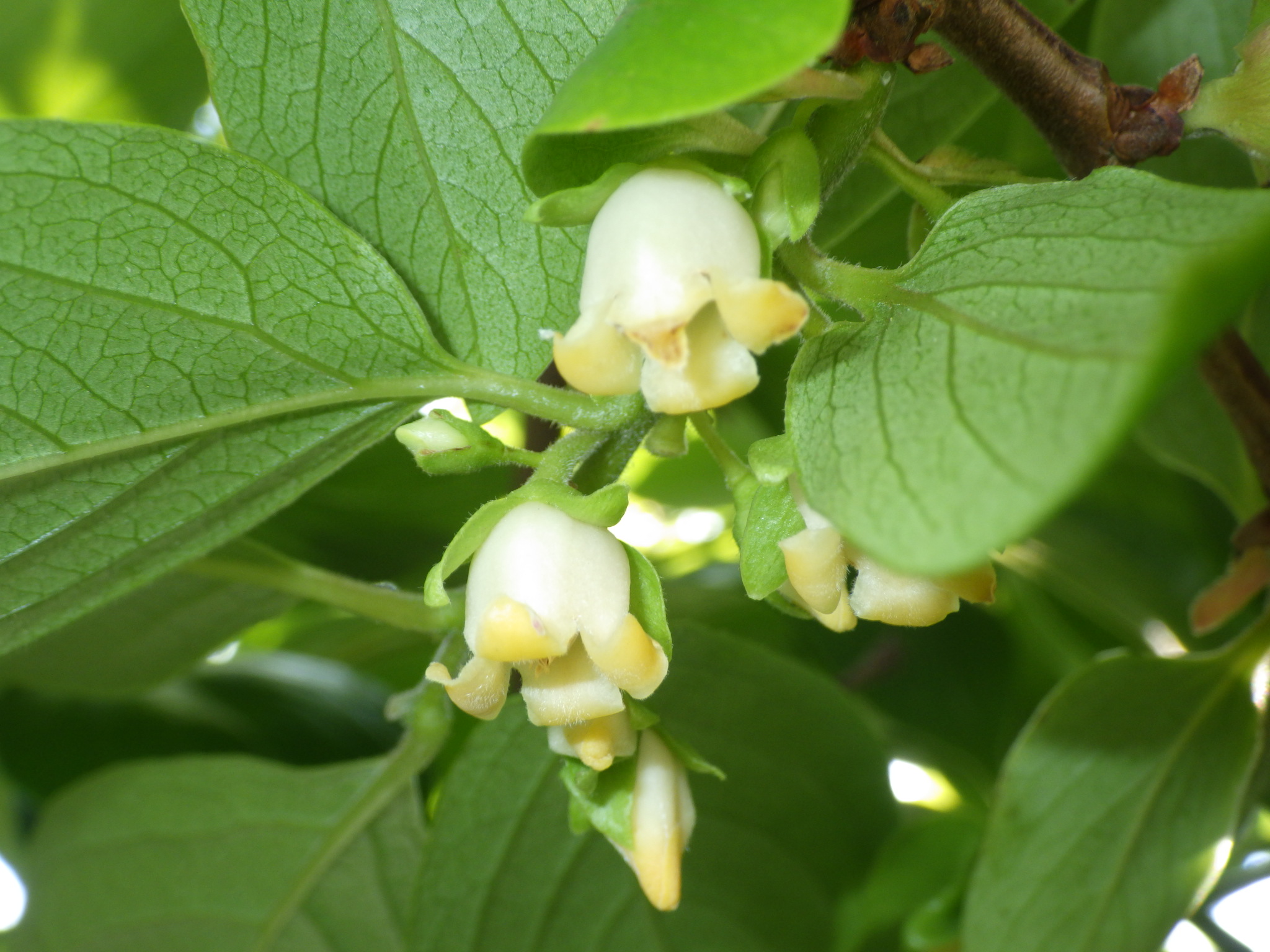
The flowers bloom in May and June, with pale yellow blossoms in the leaf axils of new branches. Male and female flowers bloom separately (Mogi et al., 2003).
Male flowers are borne in clusters of several, are bell-shaped, and have a four-lobed corolla with recurved lobes. There are 16 stamens. Female flowers are borne singly, are broadly bell-shaped, have one pistil, and 8 vestigial stamens.
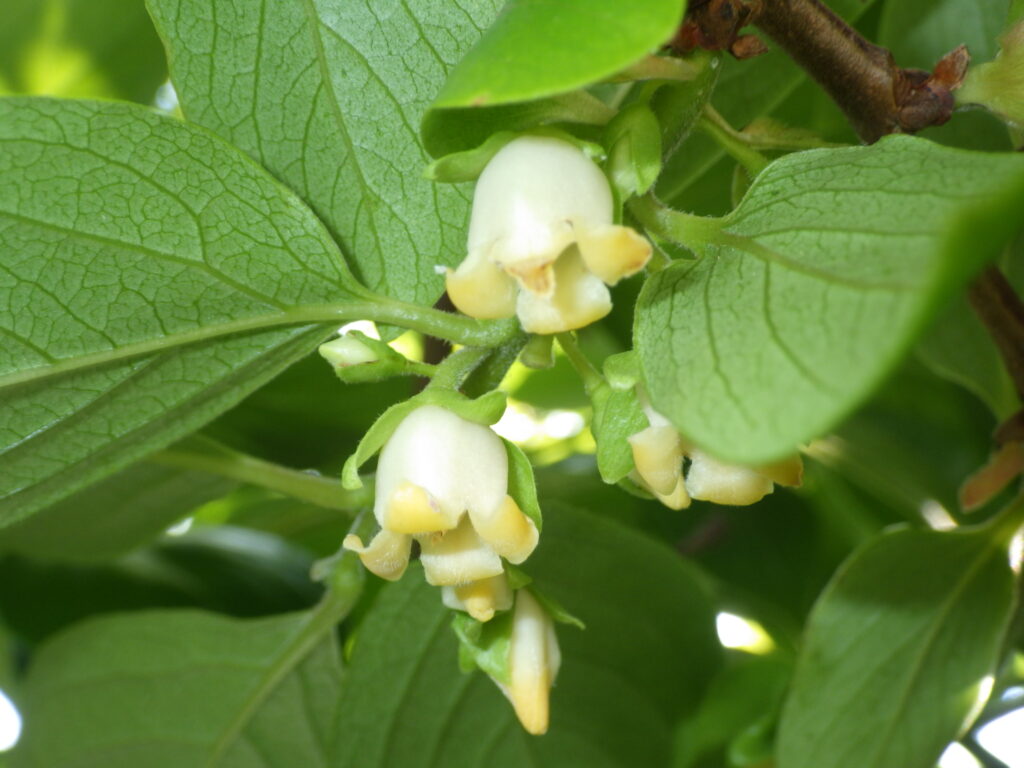
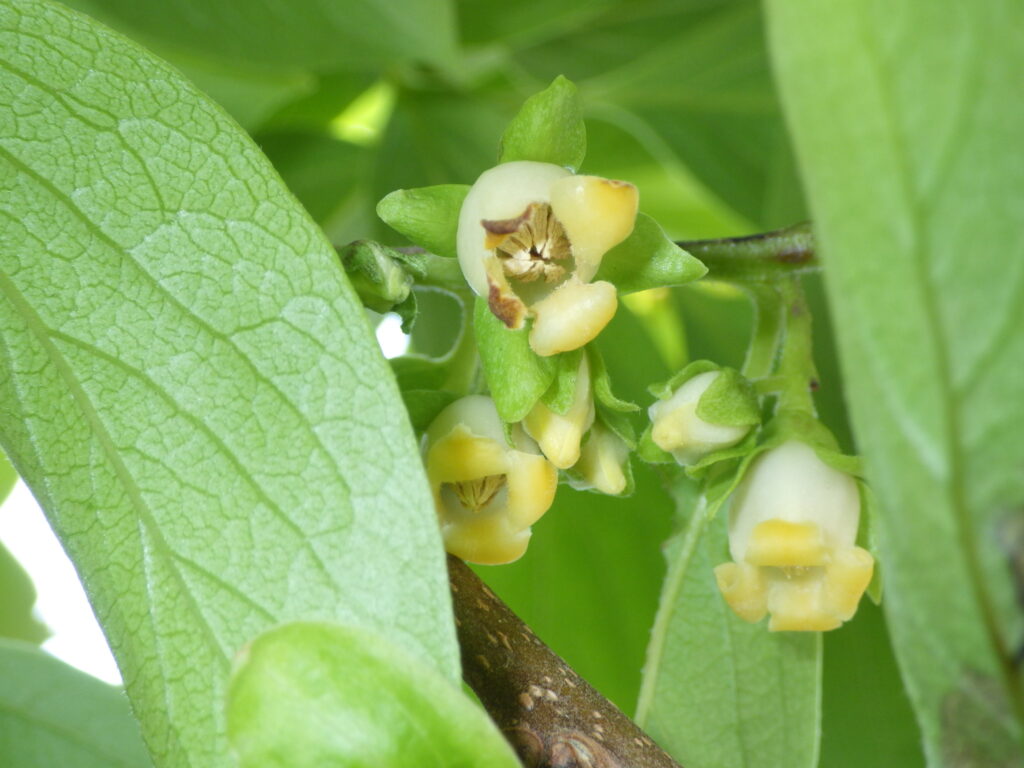
The flowers bloom hidden among the persimmon leaves, and are very small and pretty compared to the fruit that later develops. I wonder what kind of insects come to visit them?
A study conducted in Hiroshima Prefecture, Japan, recorded nearly 1,500 insects visiting a persimmon tree over a total of approximately 15 hours (Nikkeshi et al., 2019). Of these, nearly 1,100 were bumblebees (Bombus ardens ardens) !
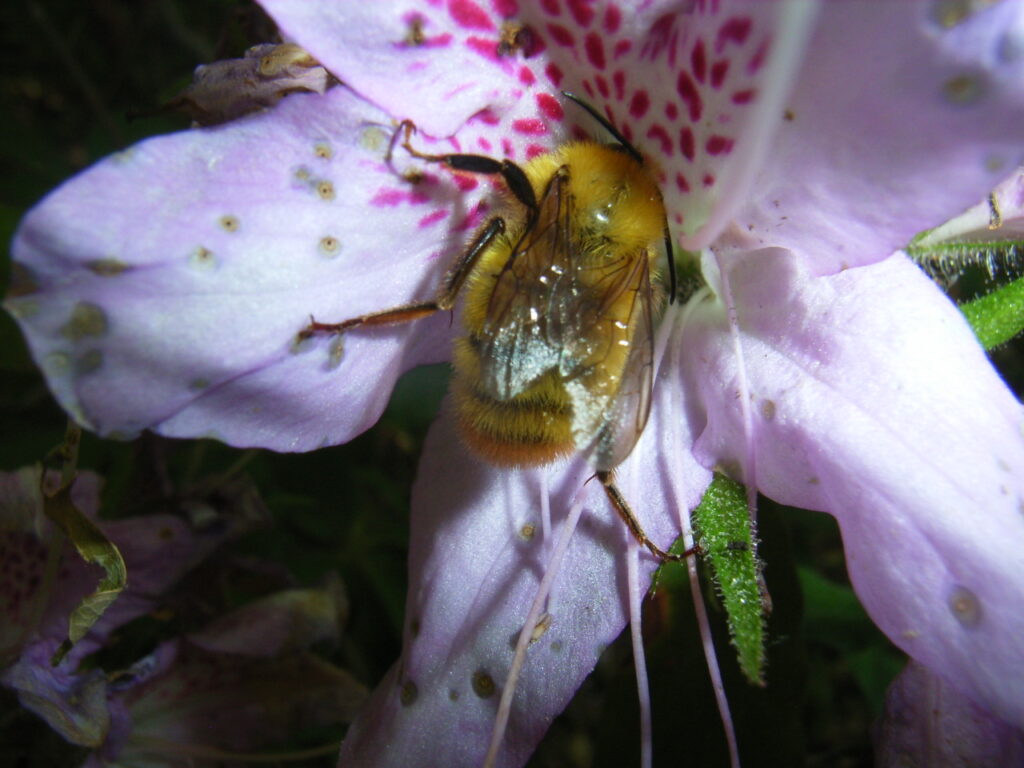
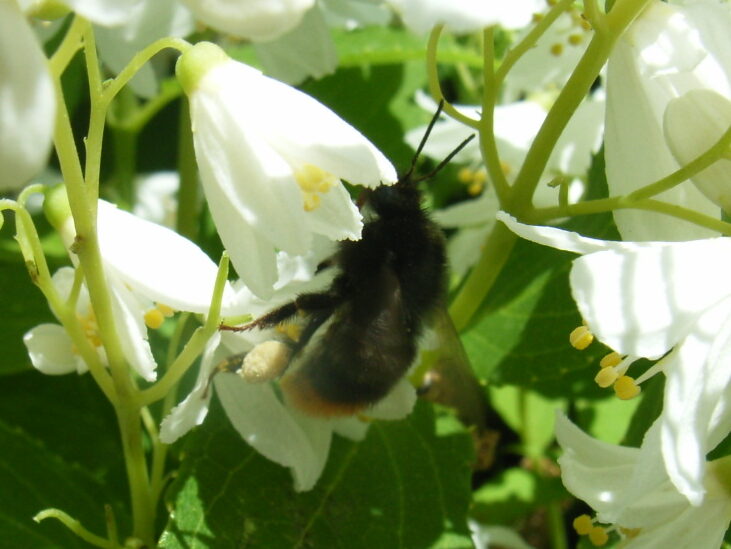
The next most common were medium-sized bees, with the Japanese honeybee (Apis cerana japonica) following closely behind. On the other hand, flies and hoverflies were hardly seen at all.
This indicates that persimmon flowers are almost entirely dependent on bees, especially small bumblebees.
The flowers of the persimmon tree open downwards, a structure commonly found in flowers adapted to attract bumblebees, which are adept at hanging from flowers. It can be said that this was also the case with the persimmon tree.
By the way, persimmon trees generally have a property called "parthenocarpy," which means they produce fruit without pollination. So, you might wonder, what's the point of the flowers?
However, some varieties require pollination, and pollination can increase fruit set and improve fruit quality. Therefore, it's important to pay attention to what kinds of insects visit the flowers!
These results indicate that wild bees are unknowingly helping with pollination, which is essential for the delicious persimmons we eat every day.
Please note that this research was conducted in Japan, so we cannot comment on the situation in its native China. However, since the shape of the flower remains unchanged, it seems likely that bumblebees play a significant role.
Who disperses seeds in the natural world?
The fruit is a berry that ripens to a yellowish-red color in October to November (Mogi et al., 2003).
The persimmon fruit is beloved by people in East Asia, but what kinds of animals in the wild eat this fruit and disperse its seeds?
Studies examining seeds and stomach contents found in feces in Japan have shown that masked palm civets (an invasive species) and raccoons have been recorded (Takatsuki and Tatewaki, 2012; Takatsuki, 2018). In masked palm civets, persimmon fruits were detected with high frequency and proportion (Takatsuki and Tatewaki, 2012), and in raccoons, persimmon fruits were frequently eaten among "large and conspicuous" fruits (Takatsuki, 2018), suggesting that they are quite favored by these animals.
It is also favored by various other mammals, including wild boars (Koba et al., 2009), Asiatic black bears (Arimoto, 2014), raccoons (Takatsuki et al., 2014), and Japanese macaques (Sawa and Oi, 2021). There is also a record of Japanese macaques consuming it (Otani, 2005).
On the other hand, there are some records of martens eating seeds (Arai et al., 2003), but they are quite rare (Takatsuki, 2017). This is thought to be because martens avoid large seeds because they are difficult to swallow and pass through their intestines.
The seeds are large, so you might wonder how animals can swallow them. However, the seeds are covered in a slimy, gelatinous substance (Kusui & Kusui, 1999). This is thought to make them easy to swallow. The sliminess is gone by the time they are excreted in the feces.
Regarding birds, there are records of crows (Inukai & Haga, 1953) and brown-eared bulbuls eating the fruit (Takatsuki, 2021), and many videos of birds eating the fruit can be found on the internet. However, persimmon seeds are large, and a study that examined seeds contained in bird droppings found under persimmon trees has not recorded any persimmon seeds (Takatsuki, 2021), so it seems unlikely that birds disperse the seeds.
These records, too, are all from Japan. While it is doubted whether it is a native species in Japan, the same species or closely related species inhabit China, so they may be dispersing their seeds in China as well.
However, there is one point to note. Japanese records include sweet persimmons that are less astringent even when young. We need to carefully consider whether all mammals truly carry seeds from their native China.
Why are tannins present?
As mentioned above, the astringency is caused by tannins, but why do persimmon fruits contain tannins? It seems like it would be better if they didn't contain tannins if the fruit is to be eaten by mammals.
However, persimmon fruits are large and take a long time to fully mature. The astringency due to tannins is thought to have the effect of preventing animals from eating the fruit before it is fully ripe (Kobayashi, 2014).
Even astringent persimmons are delicious when fully ripe, so it can be said that the human desire to eat persimmon fruit early led to the development of sweet persimmons. However, this likely made them more susceptible to being pecked at by wild animals at an early stage.
References
Arai, A., Adachi, T., Kuwahara, Y., & Yoshida, K. 2003. Diet of the Japanese Marten (Martes melampus) in the Kuju Plateau. Mammalian Science 43(1): 19-28. ISSN: 0385-437X, https://doi.org/10.11238/mammalianscience.43.19
Arimoto, I., Okamura, H., Koike, S., Yamazaki, K., & Kaji, K. 2014. Behavior and habitat use of Asiatic black bears inhabiting areas surrounding settlements. Mammalian Science 54(1): 19-31. ISSN: 0385-437X, https://doi.org/10.11238/mammalianscience.54.19
Hayashi, Masayuki. 2019. Tree Leaves: Expanded and Revised Edition - Identifying 1300 Species Through Real-Life Scans. Yama-kei Publishers, Tokyo. 824pp. ISBN: 9784635070447
Imai, Keijun. 2021. Cultural History of Things and People, Vol. 185: Persimmons. Hosei University Press, Tokyo. 212pp. ISBN: 9784588218514
Tadama Imaseki. October 20, 2020. Why Chinese fruit farmers prefer to cultivate Japanese varieties of persimmon rather than native Chinese varieties = Chinese media. Searchina. https://news.nifty.com/article/world/china/12190-20201020_00003/
Inukai, T. & Haga, R. 1953. A study on crow damage and control in Hokkaido: (III) In particular, the relationship between crow diet and agriculture. Hokkaido University Faculty of Agriculture Bulletin 1(4): 459-482. ISSN: 0367-5726, http://hdl.handle.net/2115/11548
Koba, Yuki; Sakaguchi, Mika; Muraoka, Rika; Kobitsu, Taketo; and Tanida, So. 2009. Diet of wild boars on Kamikamagari Island, Kure City, Hiroshima Prefecture. Mammalian Science 49(2): 207-215. ISSN: 0385-437X, https://doi.org/10.11238/mammalianscience.49.207
Kanagawa Prefecture Flora Survey Association. 2018. Kanagawa Prefecture Flora 2018 (Electronic Edition). Kanagawa Prefecture Flora Survey Association, Odawara. 1803pp. ISBN: 9784991053726
Kanzaki, Shinya. 2016. Origin and variety differentiation of persimmons. Journal of the Japanese Society for Food Science and Technology 63(7): 328-330. ISSN: 1341-027X, https://doi.org/10.3136/nskkk.63.328
Kobayashi, Mikio. 2014. Cultural History of Keisen Fruits (8) Persimmons. Horticultural Culture 10: 119-125. ISSN: 1882-5044, http://id.nii.ac.jp/1294/00000971/
Kusui, Haruo & Kusui, Yoko. 1999. Tree seeds of temperate forests carried by martens. In: Ueda, Keisuke (Ed.), Seed Dispersal: The Evolution of Mutual Aid Vol. 2: Forests Created by Animals (pp. 37-50). Tsukiji Shokan. ISBN: 9784806711933
Mogi, T., Takahashi, H., Katsuyama, T., & Ishii, E. 2003. Flowers Blooming on Trees: Sympetalous Flowers, Monocotyledons, Gymnosperms. Yama-kei Publishers, Tokyo. 719pp. ISBN: 9784635070058
Nikkeshi, A., Inoue, H., Arai, T., Kishi, S., & Kamo, T. 2019. The bumblebee Bombus ardens ardens (Hymenoptera: Apidae) is the most important pollinator of Oriental persimmon, Diospyros kaki (Ericales: Ebenaceae), in Hiroshima, Japan. Applied Entomology and Zoology 54(4): 409-419. ISSN: 0003-6862, https://doi.org/10.1007/s13355-019-00637-x
Ogawa, Kazuki. 2012. The Story of Fruits and Their Processed Products (Part 4): Fruits, Fruit Juices, and Functional Components (2) Functional Components in Grapes and Persimmons. Food and Containers 53(12): 736-740. ISSN: 0911-2278
Oba, Hideaki & Akiyama, Shinobu. 2016. An essay on Diospyros, a species of the Ebenaceae family. Journal of the Botanical Society of Japan 91: 293-313. ISSN: 0022-2062, https://doi.org/10.51033/jjapbot.91_suppl_10736
Otani, T. 2005. Characteristics of medium-sized mammals as seed dispersers of berries—mainly using Japanese macaques as an example—. Nagoya University Journal of Forest Science 24: 7-43. ISSN: 1344-2457, https://doi.org/10.18999/nagufs.24.7
Sawa, Kono & Oi, Toru. 2021. The effects of persimmon fruit and post-harvest rice paddy plowing on the presence of Japanese macaque groups in settlements. Primate Research 37(1): 5-15. ISSN: 0912-4047, https://doi.org/10.2354/psj.37.002
Selmecki, AM, Maruvka, YE, Richmond, PA, Guillet, M., Shoresh, N., Sorenson, AL, … & Pellman, D. 2015. Polyploidy can drive rapid adaptation in yeast. Nature 519(7543): 349-352. ISSN: 0028-0836, https://doi.org/10.1038/nature14187
Takatsuki, Shigeki. 2017. Characteristics of fruits used by martens—a review. Mammalian Science 57(2): 337-347. ISSN: 0385-437X, https://doi.org/10.11238/mammalianscience.57.337
Takatsuki, Shigeki. 2018. Characteristics of fruits used by raccoons—a review. Mammalian Science 58(2): 237-246. ISSN: 0385-437X, https://doi.org/10.11238/mammalianscience.58.237
Takatsuki, Shigeki; Kubozono, Masahiko; and Minami, Masato. 2014. A case study of dietary analysis of raccoons captured in Yokohama City. Conservation Ecology Research 19(1): 87-93. ISSN: 1342-4327, https://doi.org/10.18960/hozen.19.1_87
Takatsuki, Shigeki & Tatewaki, Takafumi. 2012. Evaluation of the point frame method for dietary analysis of omnivorous mammals: A case study of mesomorphic carnivores. Mammalian Science 52(2): 167-177. ISSN: 0385-437X, https://doi.org/10.11238/mammalianscience.52.167
Takatsuki, Seiki. 2021. Seed dispersal by birds to persimmon trees on the Azabu University campus. Azabu University Journal 32: 1-9. ISSN: 1346-5880, http://id.nii.ac.jp/1112/00005374/
Tanaka, Osamu. 2012. Plants are amazing: Mechanisms and ingenuity for survival. Chuokoron-Shinsha, 236pp. ISBN: 9784121021748
Zhang, J. Z. 2008. Anthracnose of persimmon caused by Colletotrichum gloeosporioides in China. Asian and Australasian Journal of Plant Science and Biotechnology 2(2): 50-54. ISSN: 1752-3818, http://www.globalsciencebooks.info/Online/GSBOnline/images/0812/AAJPSB_2(1%262)/AAJPSB_2(2)50-54o.pdf
Wu, ZY, & Raven, PH (Eds.). 1996. Flora of China (Vol. 15 Myrsinaceae through Loganiaceae). Science Press, Beijing, and Missouri Botanical Garden Press, St. Louis. 387pp. ISBN: 9780915279371