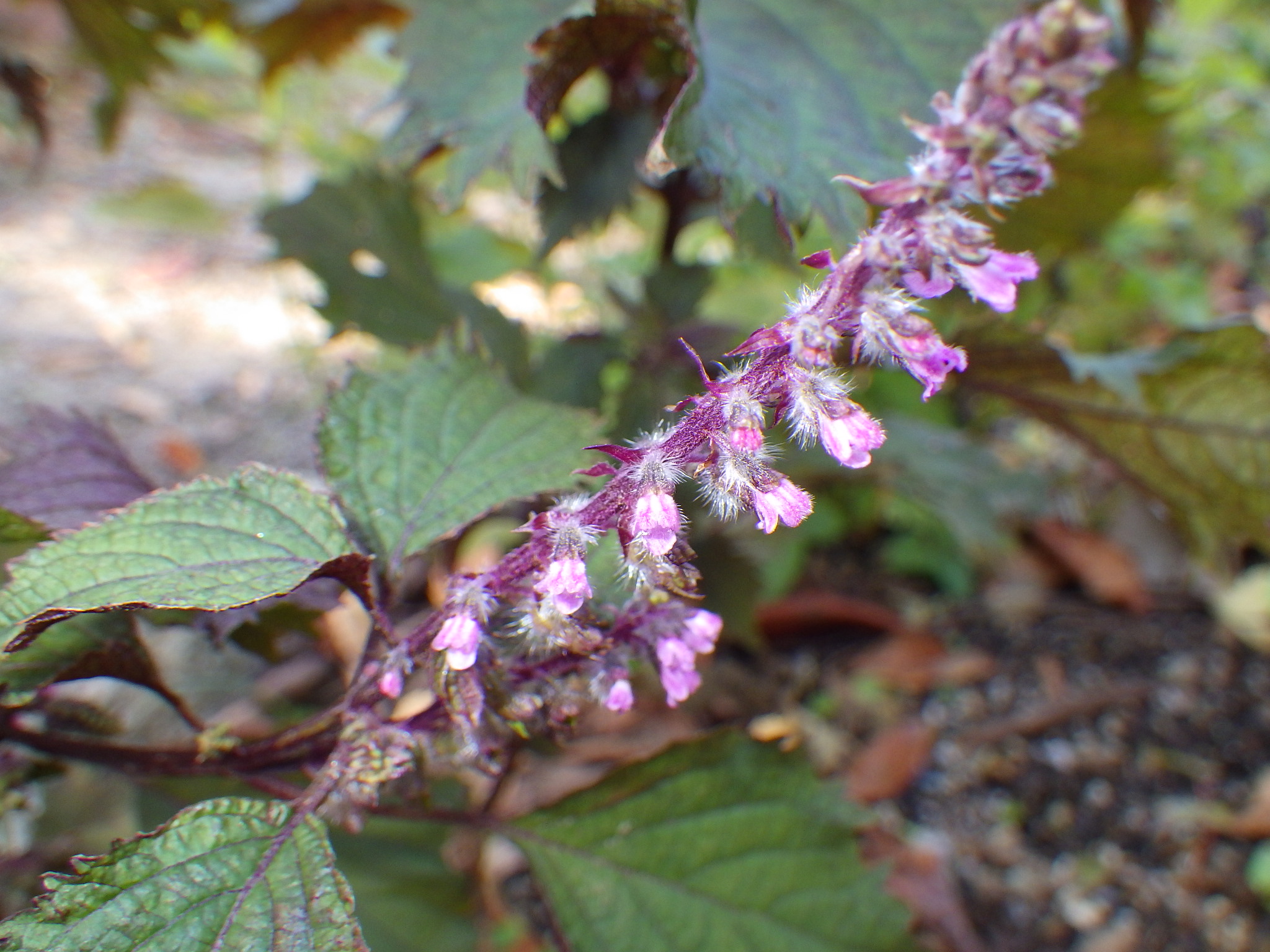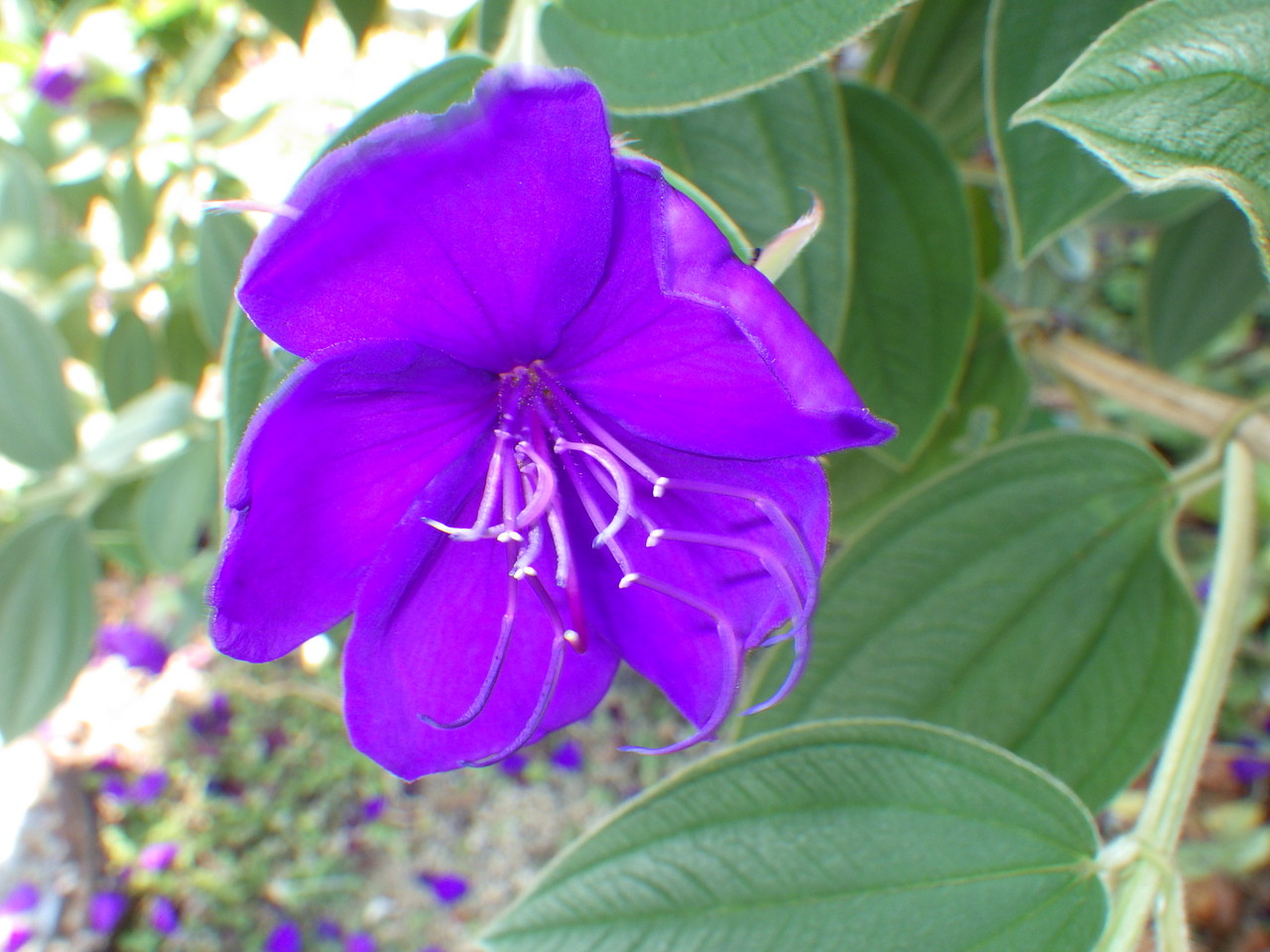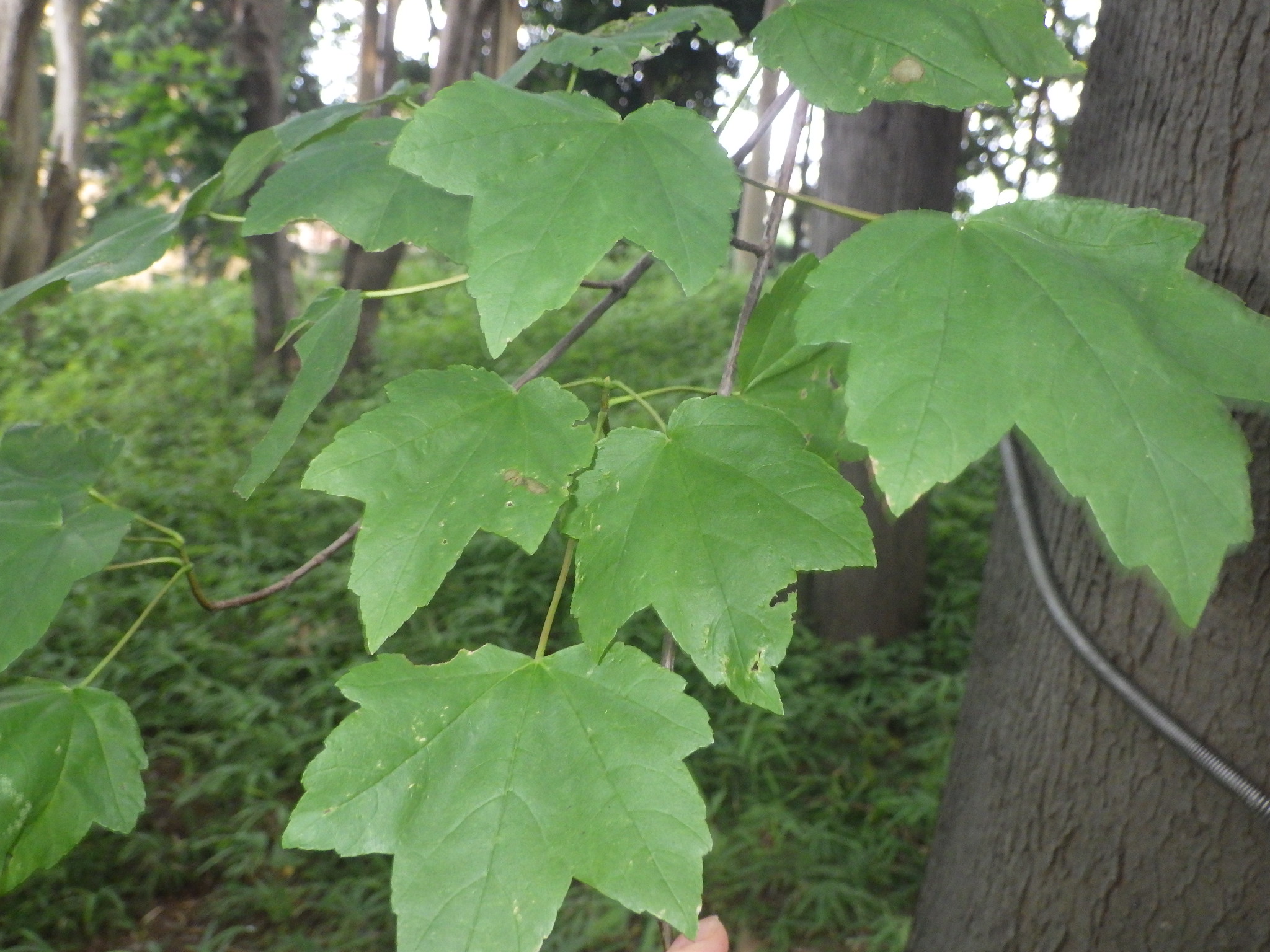
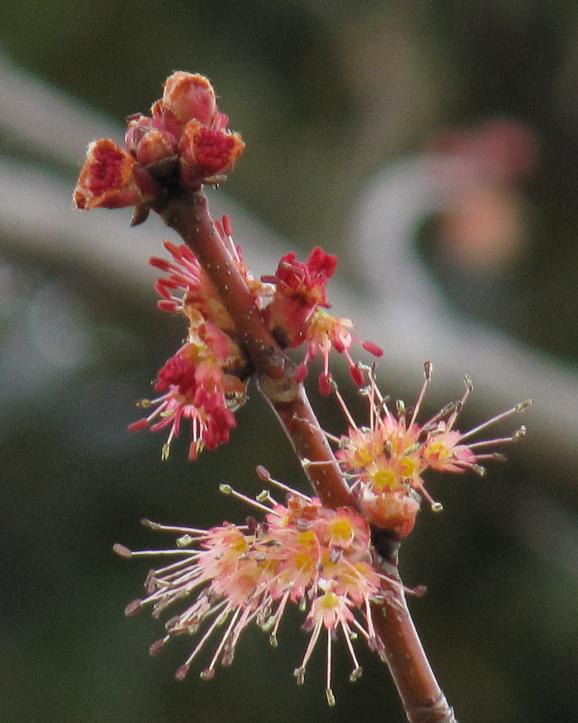
Both the Japanese maple (Acer pycnanthum) and the American maple (Acer pycnanthum) belong to the Acer genus of the Sapindaceae family and are often planted for their beautiful autumn foliage, similar to other maple species. The most distinctive feature is that they bloom with red flowers in spring before their leaves open. This is the origin of their Japanese name, "hananoki" (flower tree). However, when planted, the Japanese maple and the American maple are quite similar, and it is often difficult to distinguish between them. There are differences in leaf size, lobe shape, and serration shape between the two, but they are so similar that there is considerable individual variation, and some theories suggest they are variations of each other, so it is not always possible to distinguish them. Of course, as their names suggest, their original distribution areas are different. This article will explain the classification of the Japanese maple and the American maple.
What are Japanese snowbells and American snowbells?
Acer pycnanthum, also known as the flowering tree, is distributed only in central Honshu, Japan (Nagano, Gifu, and Aichi prefectures), and is a deciduous tree that grows in wetlands such as riverbanks and marshes in mountainous areas (Mogi et al., 2000). In other parts of Japan, it is occasionally planted as an ornamental or landscaping tree in streets and parks (Hayashi, 2019).
The American flowering tree, Acer rubrum, is also known as the red maple. Native to eastern North America (Canada and the United States), it is a deciduous tree that grows in wetlands (RBG Kew, 2023). In Japan, it is sometimes planted as an ornamental or landscaping tree in streets and parks.
All of these are members of the maple genus in the Sapindaceae family, and like other maple species, they are sometimes planted for their beautiful autumn foliage. Their fruits are samaras, meaning they are wing-shaped and fall away from the parent tree when caught by the wind.
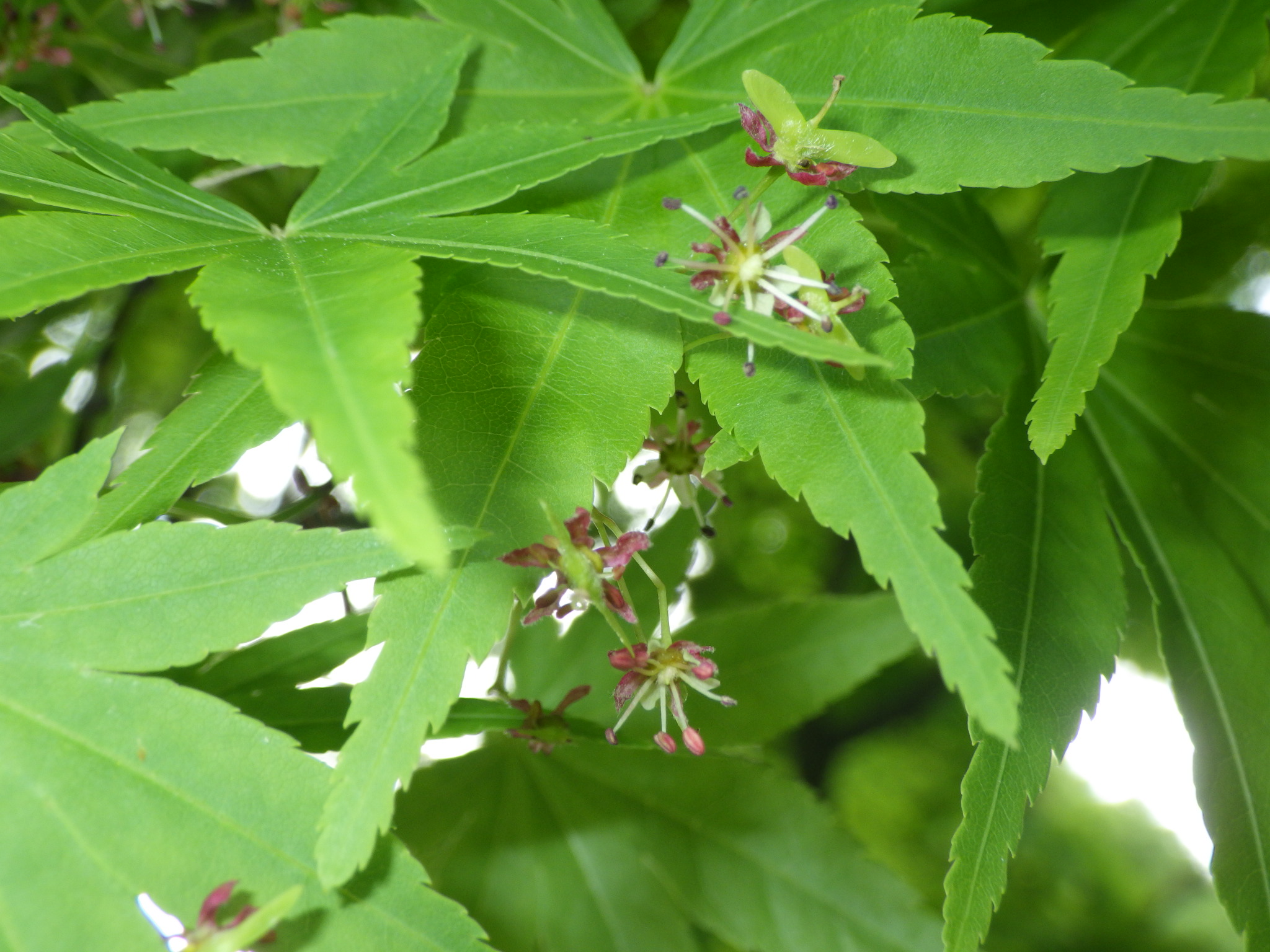
The most distinctive feature of this species is that it blooms with red flowers in spring before its leaves open. The inflorescence is umbel-shaped. This is the origin of its Japanese name, "Hanano-ki" (flower tree). While other species also bloom, they often bloom at the same time as the leaves, and their flowers are not as conspicuous as those of the Hanano-ki or American Hanano-ki, making it truly unique.
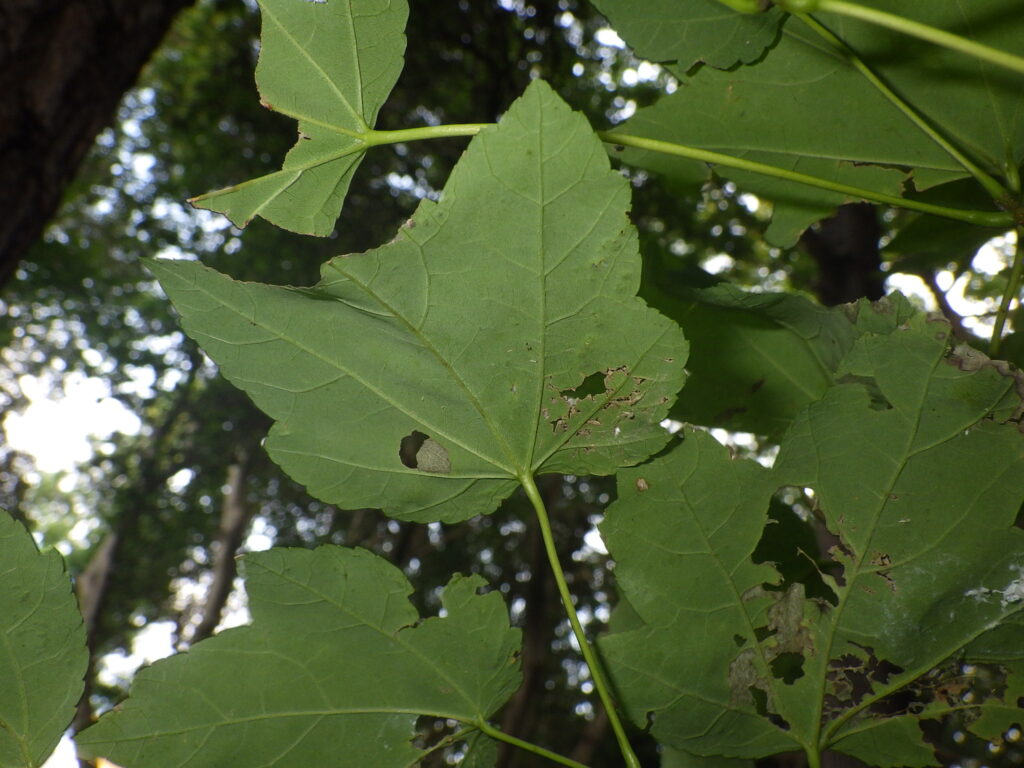
Other important characteristics include its taxonomic status as it is dioecious, meaning both male and female plants exist; the absence of a distinct groove on the petiole; and the powdery white underside of the leaf. The similarly-looking Chinese maple, Acer buergerianum, is monoecious (having both male and female flowers on the same plant).
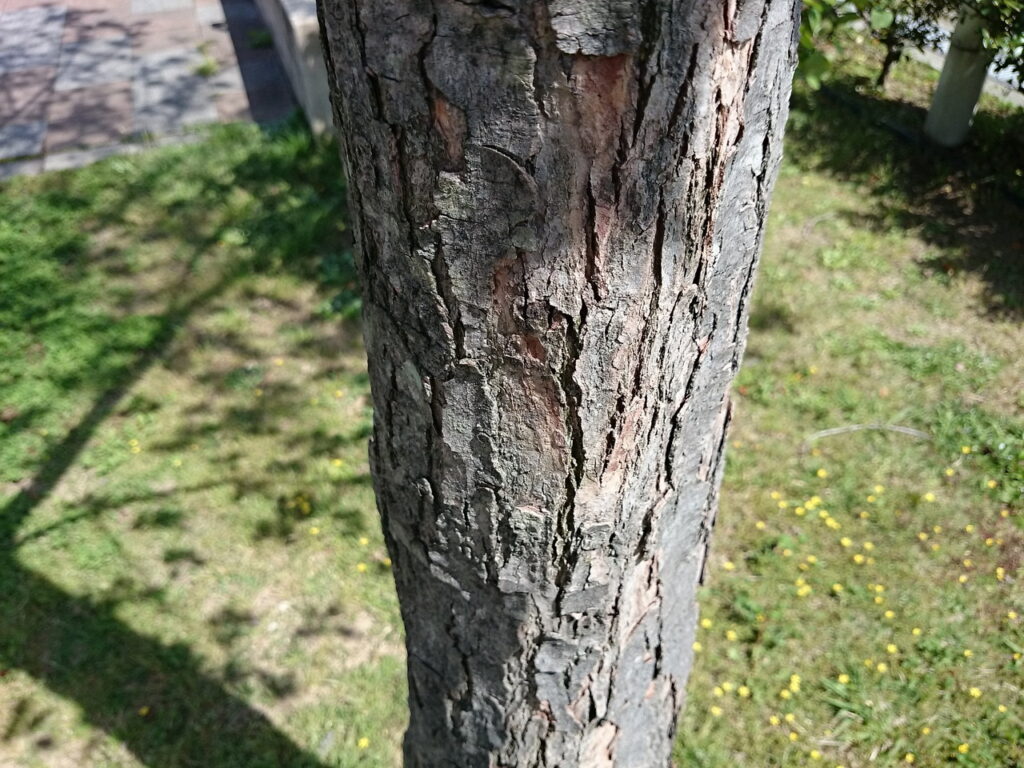
However, not only Japanese maple but also American maple is sometimes planted (Kikuchi et al., 2015), and the two species are quite similar, making it often difficult to distinguish between them.
What is the difference between Japanese honeysuckle and American honeysuckle?
In conclusion, while there are differences between Japanese maple and American maple, they are so similar that there is considerable individual variation, and some theories even suggest they are related as different varieties, so it is not always possible to distinguish between them (Kanagawa Prefecture Flora Survey Association, 2018; Hayashi, 2019).
However, as a fundamental premise, it is thought that the Japanese maple, which is distributed only in parts of Japan, and the American maple, which is distributed only in parts of North America, were isolated from each other for a very long time, so it is more natural to consider them as different species.
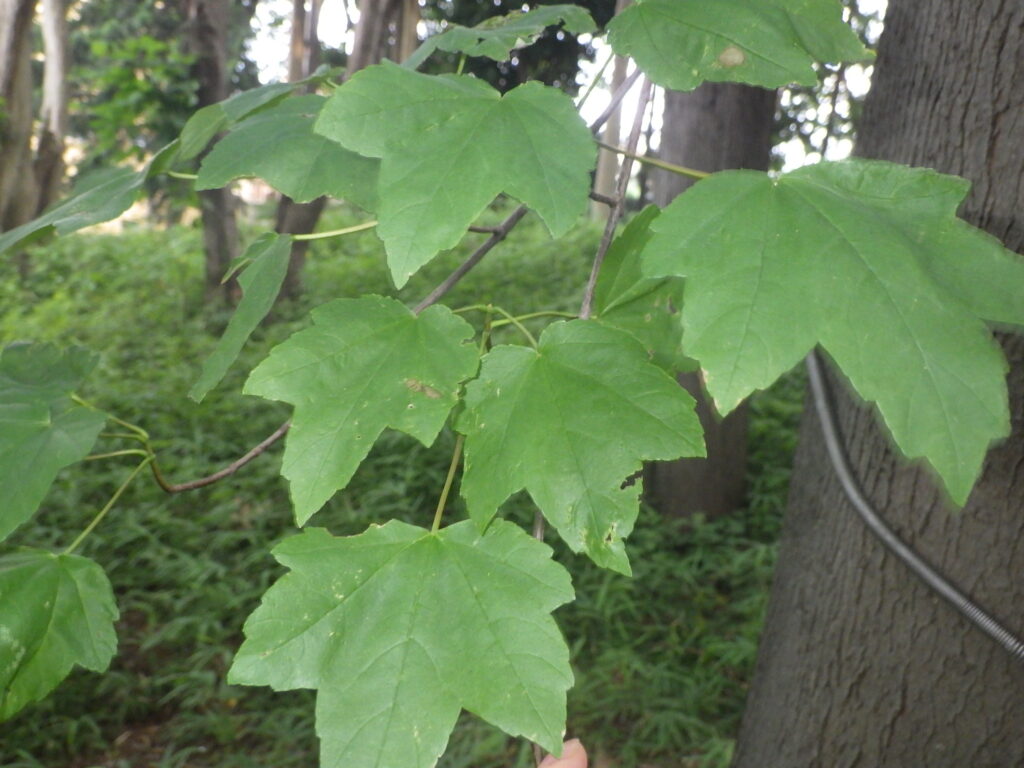
The main difference is thought to be in the leaves: the leaves of the Japanese honeysuckle (Podocarpus cuspidata) are typically three-lobed, while those of the American honeysuckle (Podocarpus umbellata) are often five-lobed.
Furthermore, the leaves of the American flowering tree are said to be larger.
Furthermore, the serrations on the leaves of the Japanese honeysuckle (Acer palmatum) are often blunt, while those on the American honeysuckle (Acer rufinerve) are often pointed.
However, it's important to keep in mind that this is a general trend, and there are exceptions.

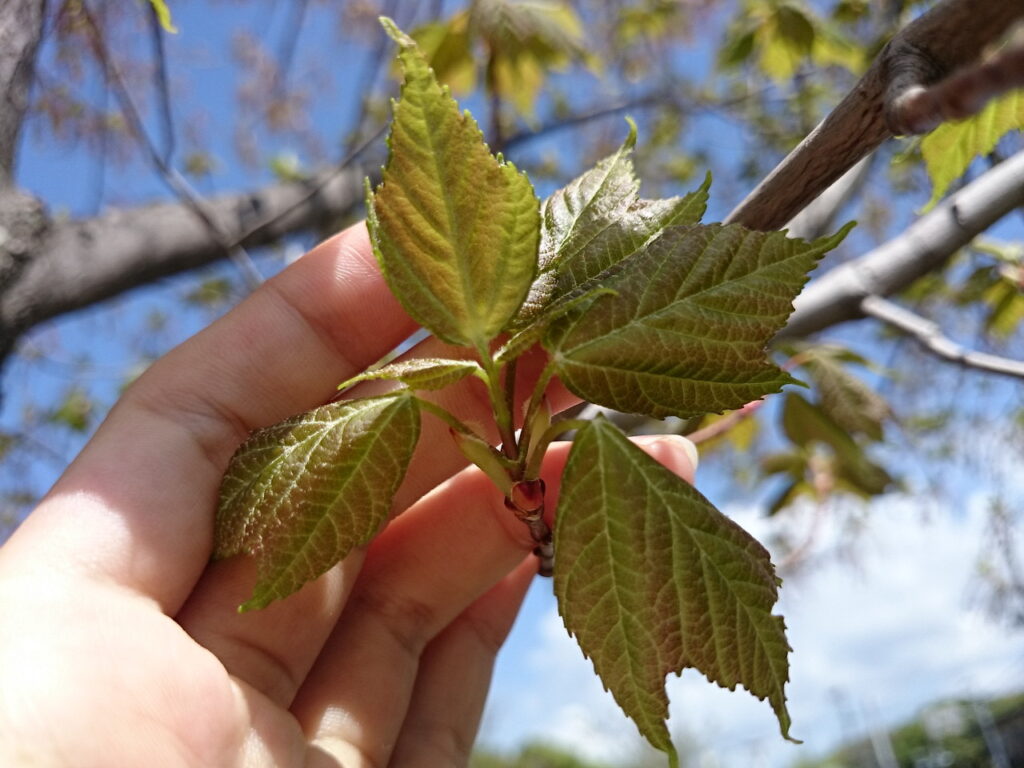
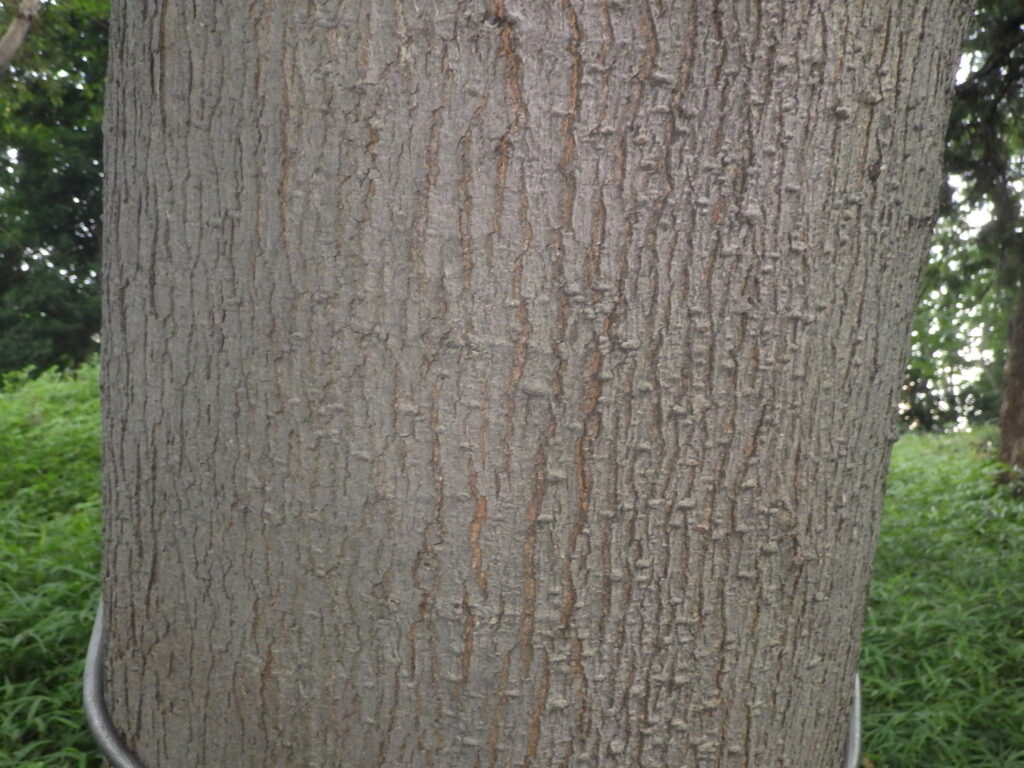
Are there any other similar species?
For information on the differences between other species in the Acer genus, please see our other article.
References
Hayashi, Masayuki. 2019. Tree Leaves: Expanded and Revised Edition - Identifying 1300 Species Through Real-Life Scans. Yama-kei Publishers, Tokyo. 824pp. ISBN: 9784635070447
Kanagawa Prefecture Flora Survey Association. 2018. Kanagawa Prefecture Flora 2018 (Electronic Edition). Kanagawa Prefecture Flora Survey Association, Odawara. 1803pp. ISBN: 9784991053726
Kikuchi, K., Kanazashi, A., Osone, Y., Sawada, K., and Nomura, K. 2015. Invasion of the closely related invasive species, American honeysuckle, into the natural habitat of the endangered Japanese honeysuckle. Journal of the Japanese Society of Landscape Architecture 40(3): 457-464. https://doi.org/10.7211/jjsrt.40.457
Mogi, T., Ota, K., Katsuyama, T., Takahashi, H., Shirokawa, S., Yoshiyama, K., Ishii, E., Sakio, H., and Nakagawa, S. 2000. Flowers Blooming on Trees: Polypetalous Flowers (Vol. 2, 2nd edition). Yama-kei Publishers, Tokyo. 719pp. ISBN: 9784635070041
RBG Kew. 2023. The International Plant Names Index and World Checklist of Vascular Plants. Plants of the World Online. http://www.ipni.org and https://powo.science.kew.org/