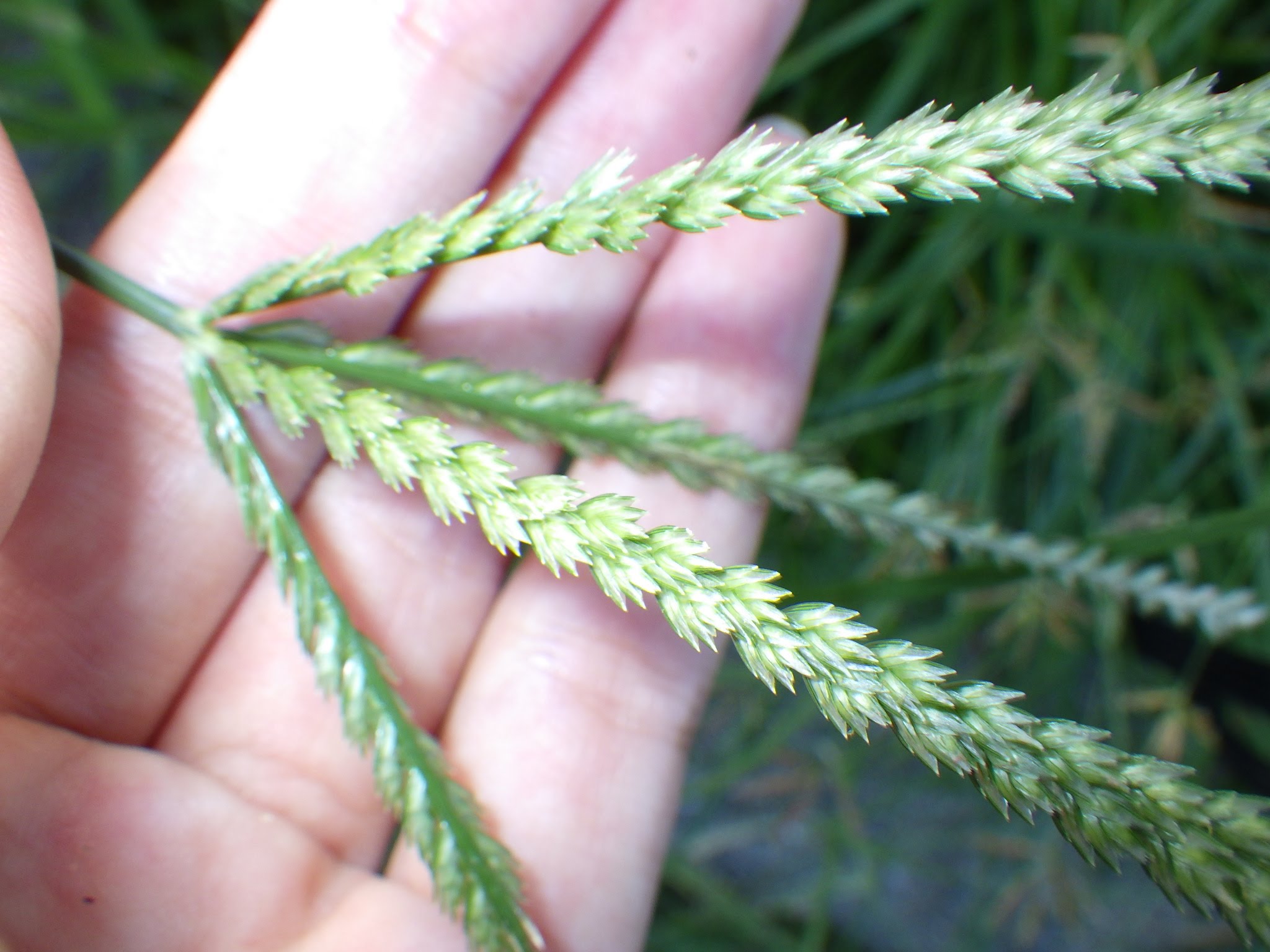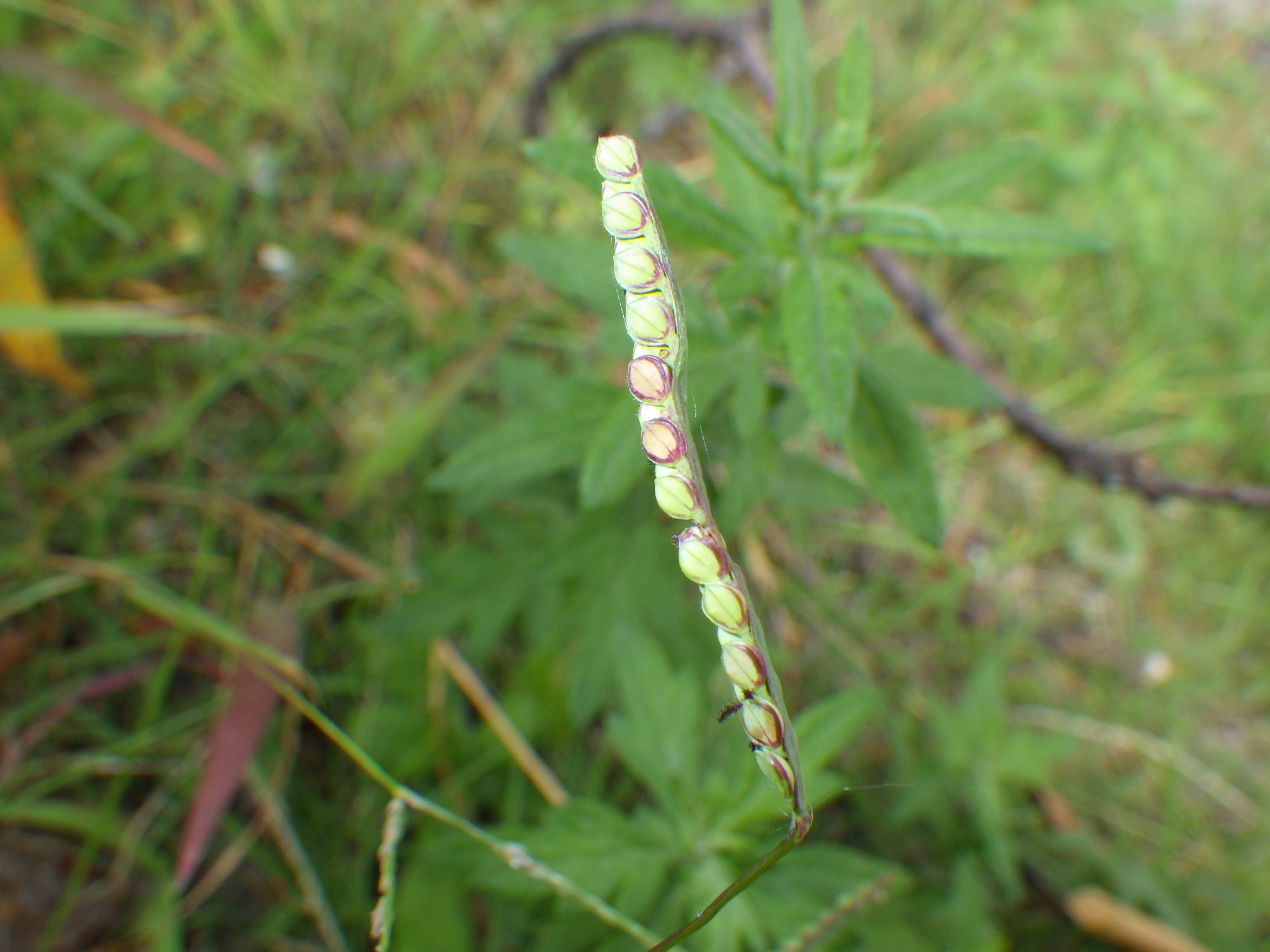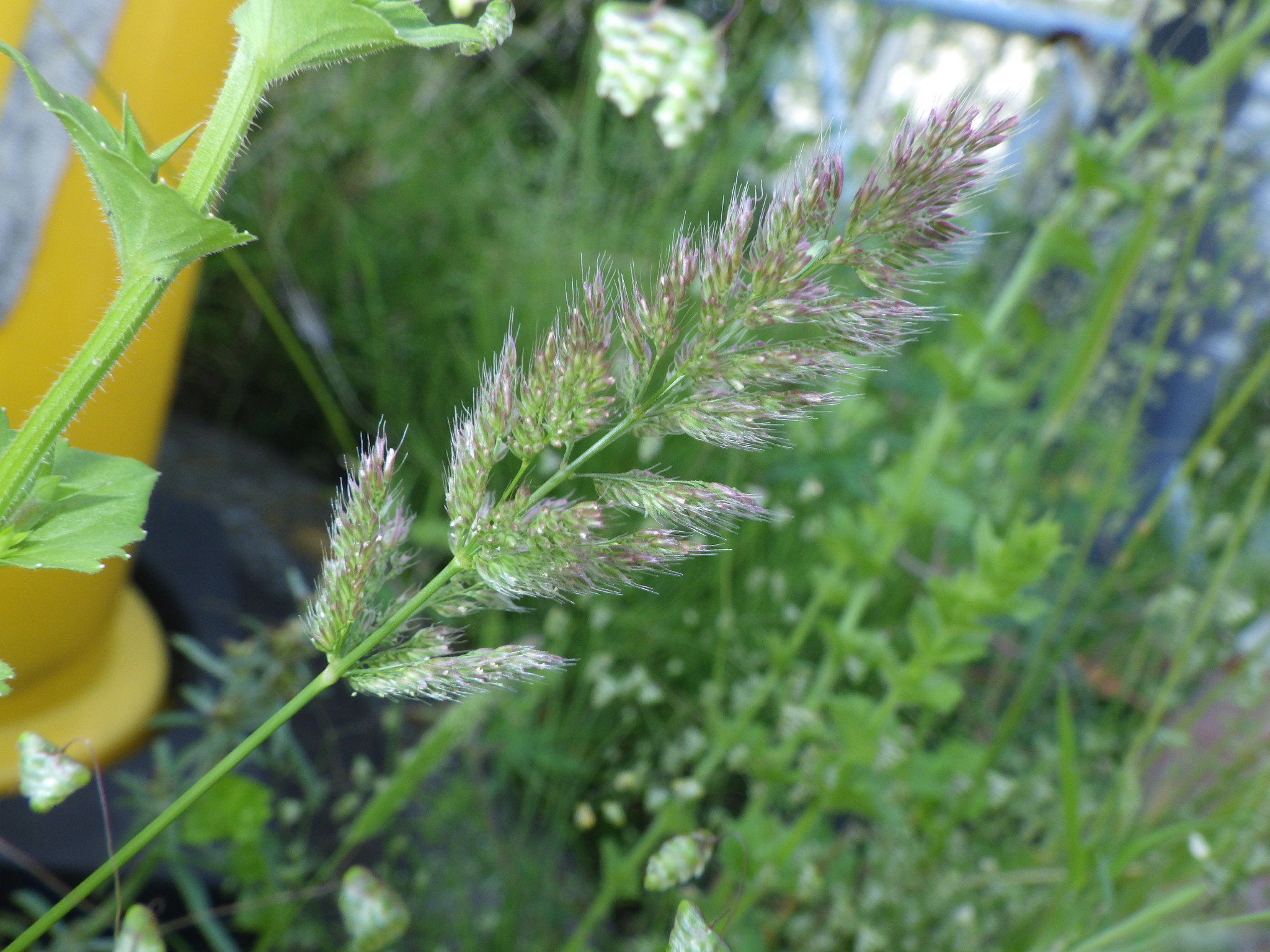
Barnyard grass (Barnyard grass) and sea barnyard grass (Barnyard grass) are both weeds belonging to the genus Barnyard grass in the grass family (Poaceae). They are inconspicuous weeds that generally prefer waterside areas, but can also be found along roadsides. They are characterized by their conical inflorescences and the awns on their spikelets, but some people may have trouble distinguishing between the two species. Distinguishing between the two is easy; basically, you can tell by the length of the awns. This article will explain the classification and morphology of the genus Barnyard grass.
What are barnyard grass and beach barnyard grass?
Barnyard grass (Polypogon fugax) is distributed in Honshu, Shikoku, Kyushu, and the Ryukyu Islands of Japan; as well as in Siberia, Korea, China, Taiwan, India, Nepal, and Africa. It is an annual plant that grows in wetlands, fields, riverbanks, embankments, reclaimed land, wastelands, gardens, vacant lots, rice paddies, fallow fields, and cultivated fields (Kanagawa Prefecture Flora Survey Association, 2018).
Polypogon monspeliensis, also known as beach barnyard grass, is an annual plant distributed in Hokkaido, Honshu, Shikoku, Kyushu, and the Ryukyu Islands in Japan; as well as in temperate to warm temperate regions of Asia, Europe, and North Africa, growing on seashores, wetlands, riverbanks, and roadsides.
Both are weeds belonging to the genus Barnyard grass in the family Poaceae. They are inconspicuous weeds that generally prefer watery areas, but can also be found along roadsides.
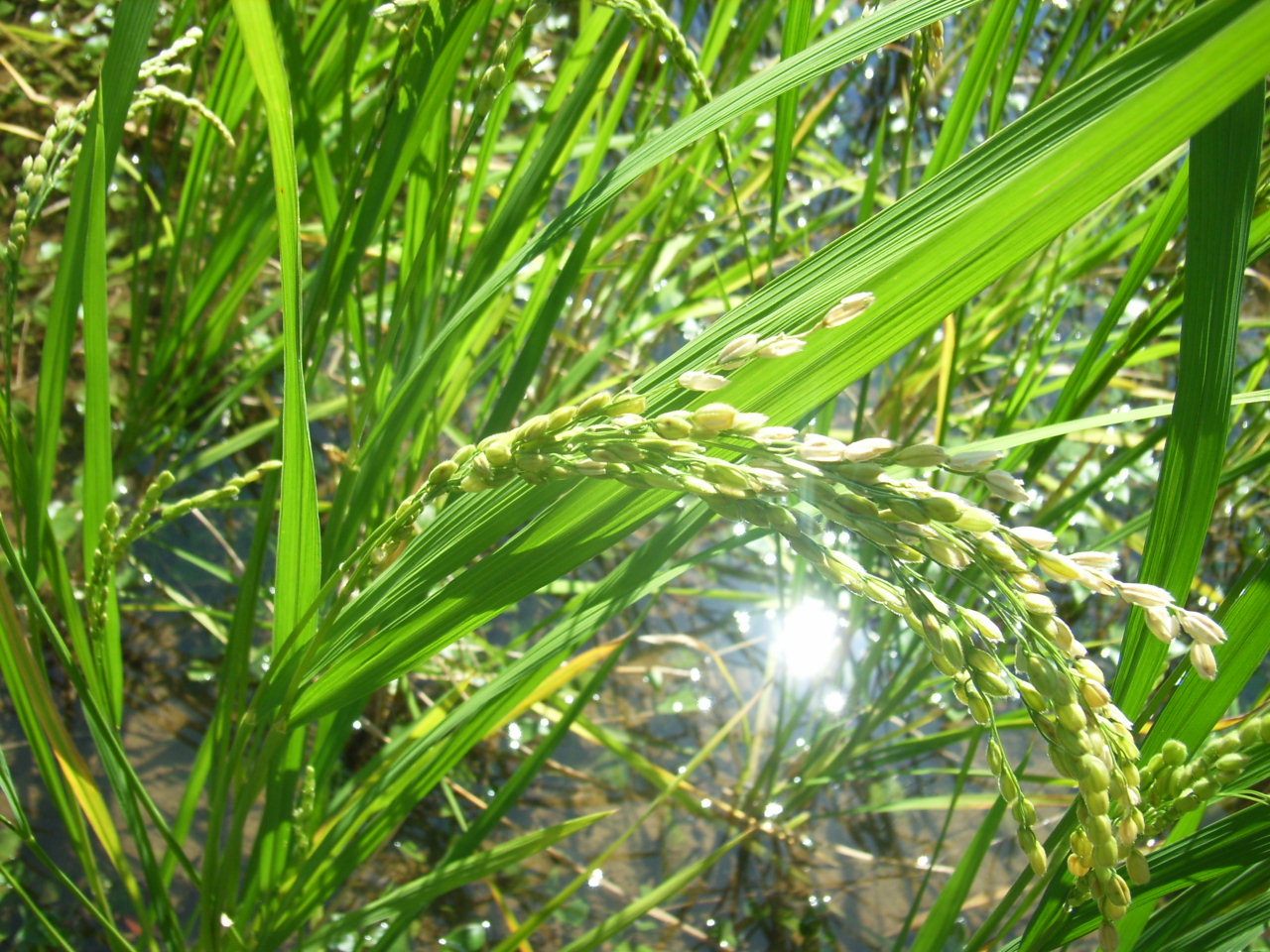
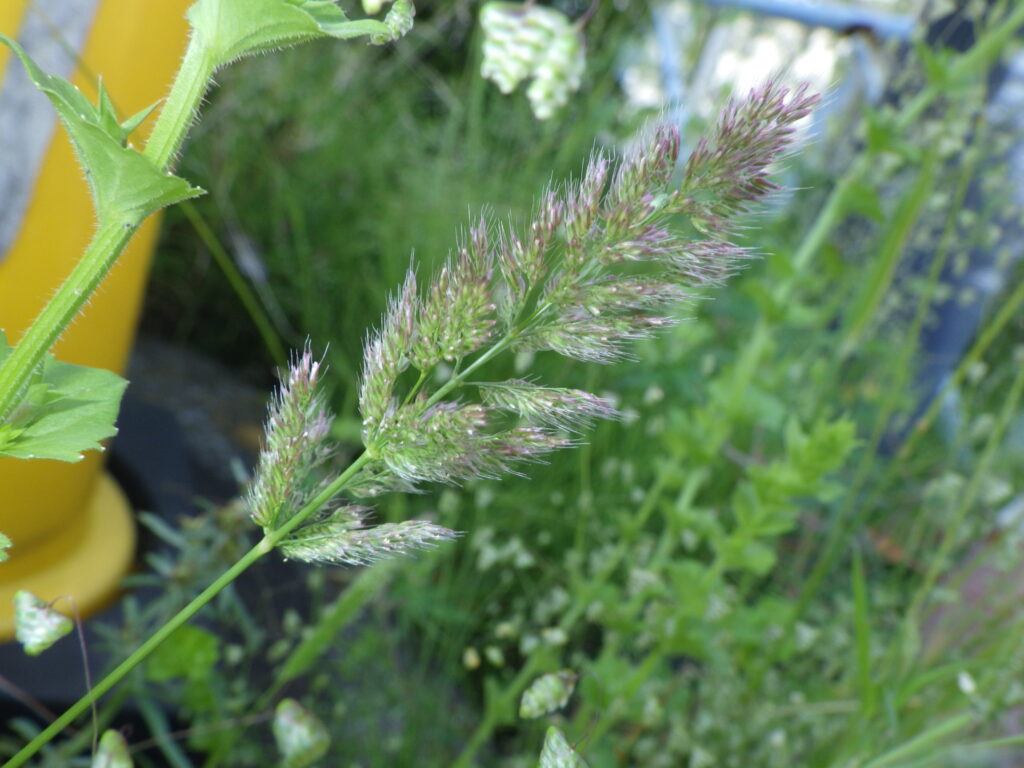
Among grasses, it is characterized by its conical inflorescence, which has long, cylindrical branches that spread outwards, and each spikelet (a small inflorescence unique to grasses) has only one floret, with the tip of the glume becoming an awn.
However, some people may not be able to distinguish between barnyard grass and beach barnyard grass.
What is the difference between barnyard grass and beach barnyard grass?
The distinction between the two species is relatively easy (Kanagawa Prefecture Flora Survey Association, 2018).
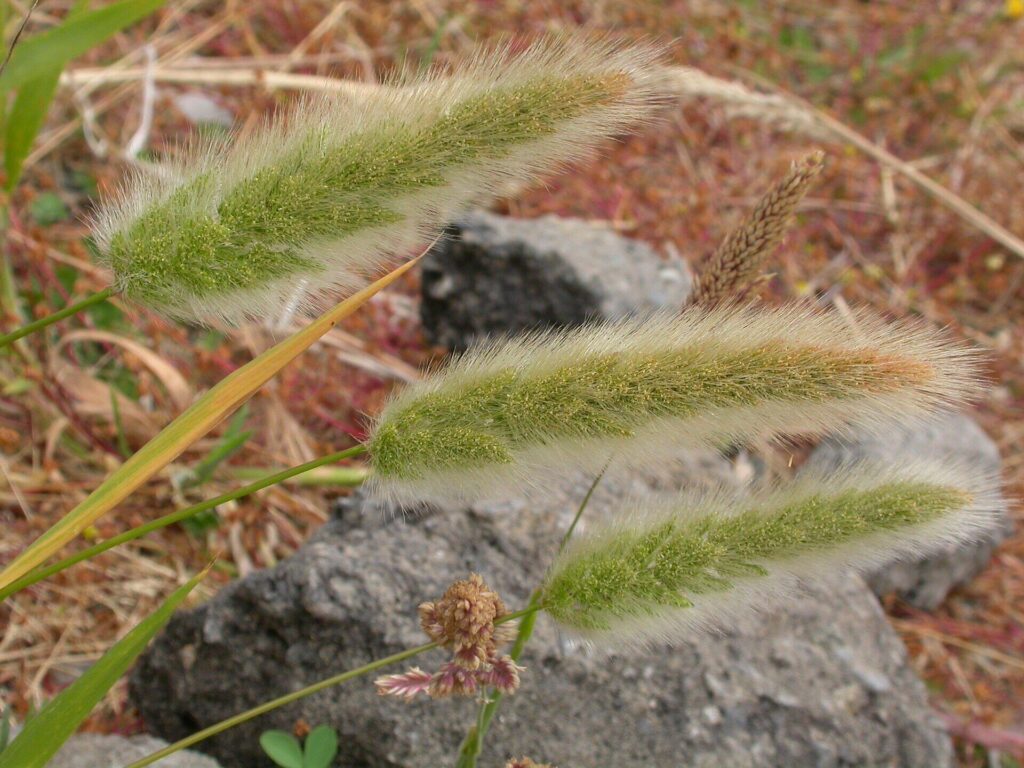
Specifically, in Barnyard grass, the awns of the glumes are roughly the same length as the glumes, whereas in sea barnyard grass, the awns of the glumes are two to three times longer than the glumes.
You might find the technical term "glimmer awn" difficult to understand, but the glume refers to the outermost part of the spikelet (a small inflorescence characteristic of grasses, where flowers and fruits develop). In short, it refers to the long, pointed structure at the tip of the spikelet.
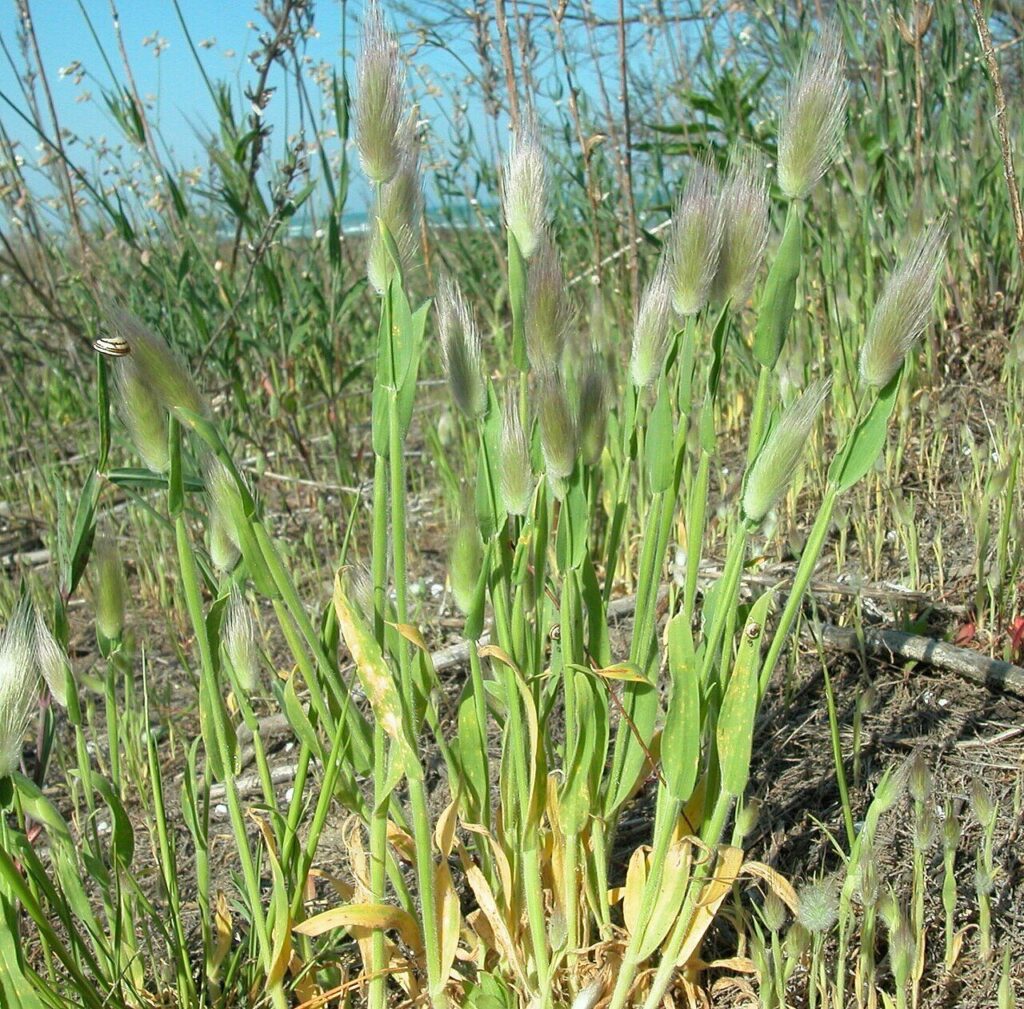
Therefore, the spikelets of *Crocothemis servilia* may give the impression of mammalian hair, covered with stiff hairs. This is similar to that of *Foxtail grass*.
In Japan, barnyard grass is far more commonly found in many areas. Beach barnyard grass prefers coastal areas.
References
Kanagawa Prefecture Flora Survey Association. 2018. Kanagawa Prefecture Flora 2018 (Electronic Edition). Kanagawa Prefecture Flora Survey Association, Odawara. 1803pp. ISBN: 9784991053726