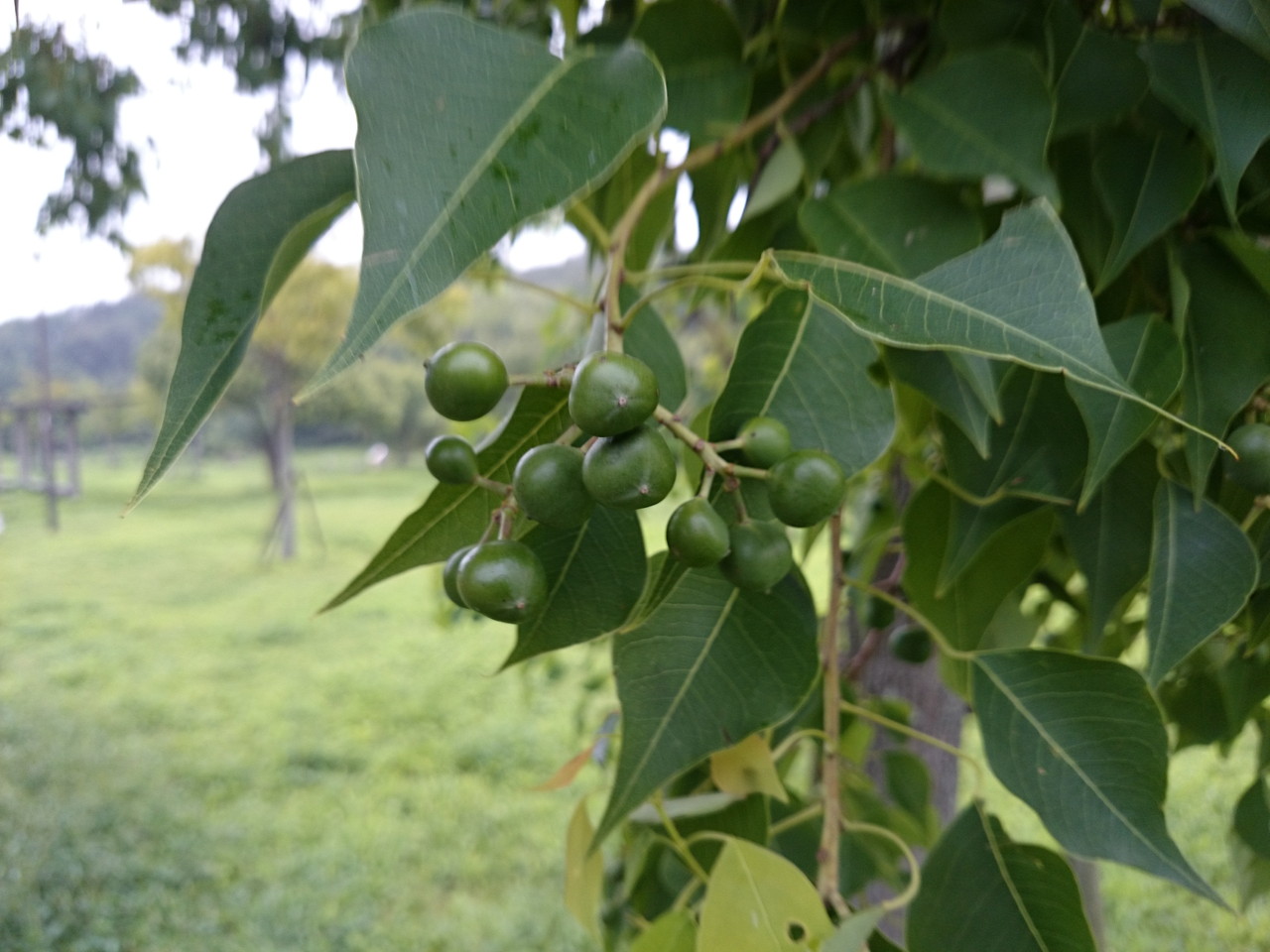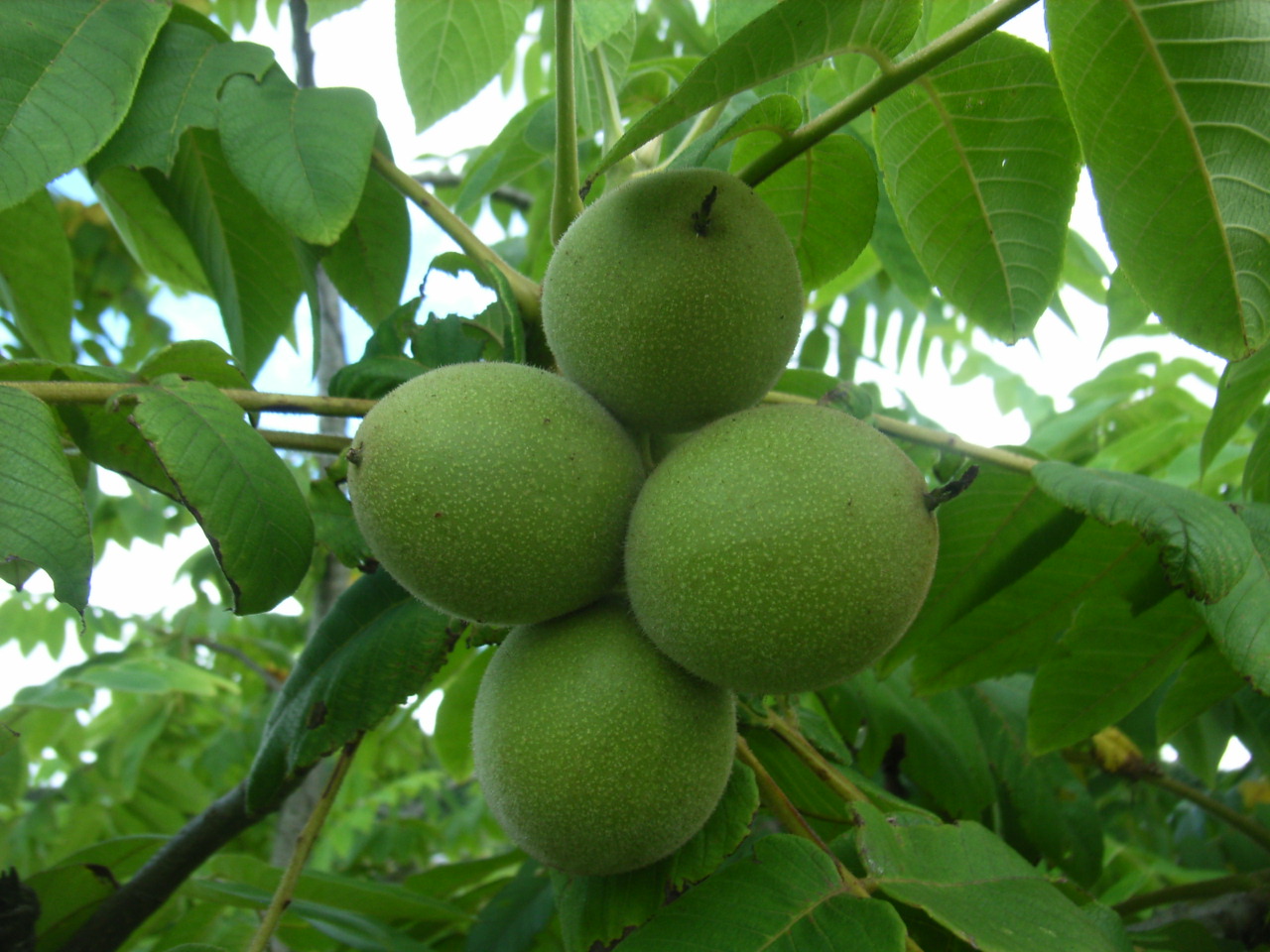
Japanese walnut (Juglans mandshurica), Japanese walnut (Juglans regia), Japanese walnut (Juglans ventricosus), and Japanese walnut (Juglans rhoifolia) all belong to the Juglandaceae family and are deciduous trees characterized by odd-pinnately compound leaves with serrated edges. In addition to growing in Japanese forests, Japanese walnut, Japanese walnut, and Japanese walnut produce seeds called "walnuts" inside false fruits and hard fruits, making them indispensable in sweets and other dishes, although many people may not know the differences between them. The four species can be distinguished mainly by significant differences in their leaves and fruits. Japanese walnut is the one that is commonly sold today, but Japanese walnut and Japanese walnut have been used in Japan since ancient times and are part of local cuisine. This article will explain the classification, morphology, and ecology of the Juglans and Japanese walnut genera.
- What are Japanese walnut, black walnut, small walnut, and Japanese walnut?
- What are the differences between Japanese walnut, black walnut, Japanese walnut, and Japanese walnut?
- What are the differences in uses between Japanese walnut (Juglans mandshurica), Japanese walnut (Juglans regia), Japanese walnut (Juglans mandshurica), and Japanese walnut (Juglans rhoifolia)?
- Are there any other similar types?
- How do they disperse their seeds? They were the food source for 40% of Japanese squirrels!?
- References
What are Japanese walnut, black walnut, small walnut, and Japanese walnut?
The Japanese walnut (Juglans regia), also known as the hand-beaten walnut, Persian walnut, Korean walnut, bear walnut, or Shinano walnut, is a deciduous tree native to Eastern Europe and Western Asia. In Japan, it is cultivated for food in Nagano Prefecture and the Tohoku region. It is cultivated worldwide for its edible seeds.
Japanese walnut (Juglans mandshurica var. sachalinensis) is a deciduous tree distributed in Hokkaido, Honshu, Shikoku, and Kyushu in Japan, as well as Sakhalin, and mainly grows in humid areas along rivers in the oak and chestnut zones.
Juglans mandshurica var. cordiformis, also known as the Japanese walnut (Juglans mandshurica var. cordiformis), is a deciduous tree found only in Japan, and is widely cultivated for its edible fruit.
Pterocarya rhoifolia, also known as Japanese walnut (Pterocarya rhoifolia), is a deciduous tree that grows in sandy and gravelly areas along rivers in mountainous regions, distributed in Hokkaido, Honshu, Shikoku, and Kyushu in Japan, as well as in Shandong Province in China.
Both belong to the walnut family and are deciduous trees characterized by odd-pinnately compound leaves with serrated edges.
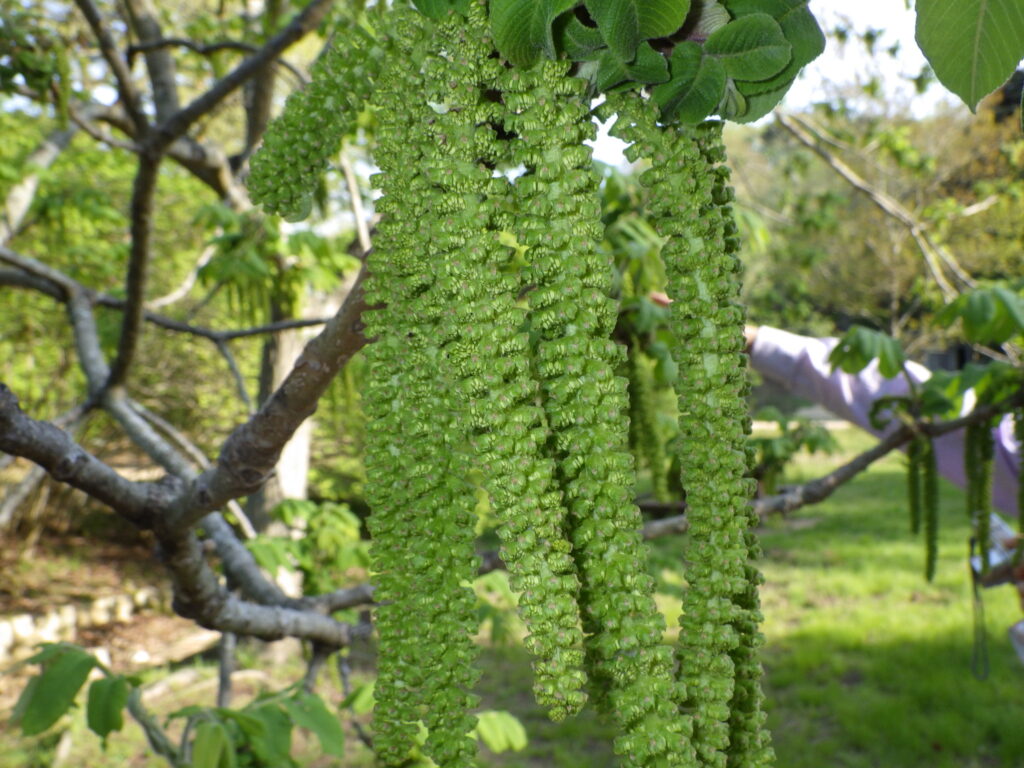
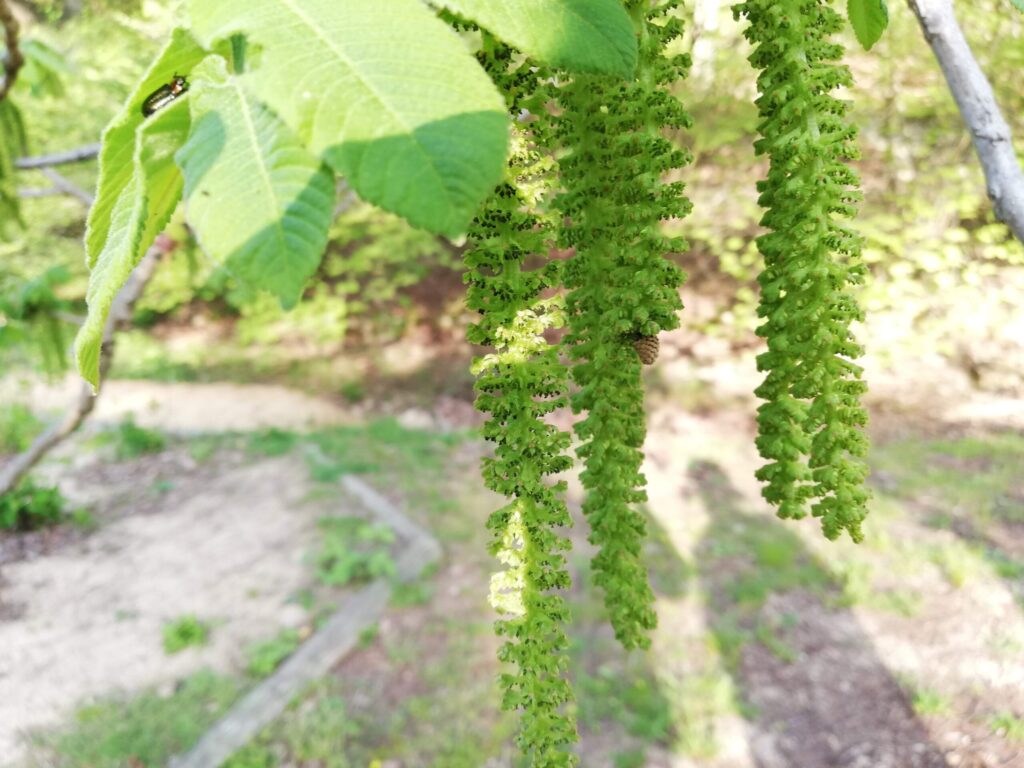
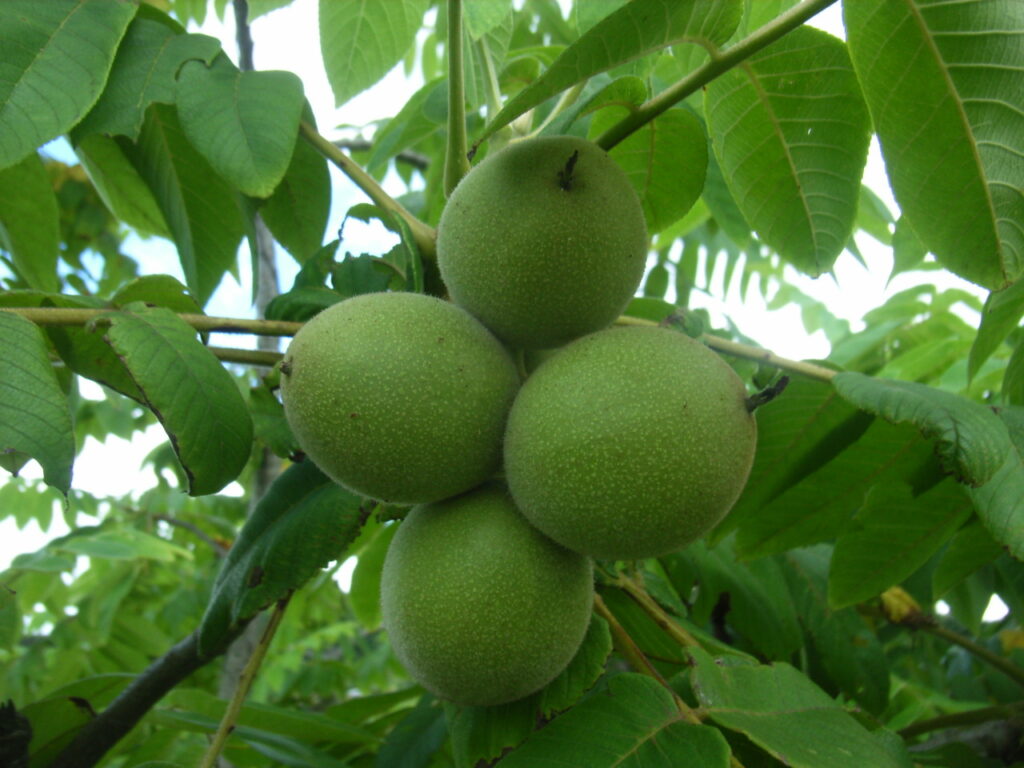
The most distinctive feature is that in walnuts (Juglans mandshurica), Japanese walnuts (Juglans regia), and Japanese walnuts (Juglans spp.), a green outer layer derived from a fleshy receptacle covers the fruit, resulting in the formation of a false fruit (Shimizu, 2001).
This false fruit contains a true fruit (nut), which is a seed (also called a kernel, or what is commonly known as a "walnut") covered by a pericarp (the so-called "walnut shell").
When we think of cracking a nut, we picture a hard shell, but in reality, it's not the whole thing; you need to let the green outer skin of the false fruit rot in order to get it out.
The seeds have a rich flavor and are an essential part of mixed nuts for humans, but in nature, it is known that they are dispersed by caching food by small mammals such as squirrels and mice that can crack open the shells and eat the seeds.
However, there are many similar names, and many people may not know the differences between the species found in the forest, or which species is commonly sold as "walnut" in stores.
What are the differences between Japanese walnut, black walnut, Japanese walnut, and Japanese walnut?
First, although they all belong to the walnut family, they belong to different genera. Japanese walnut, black walnut, and dwarf walnut belong to the genus Juglans, while Japanese walnut belongs to the genus Pterocarya.
Therefore, there are differences in their basic structure (Hirono, 2008; Kanagawa Prefectural Flora Survey Association, 2018; Hayashi, 2019).
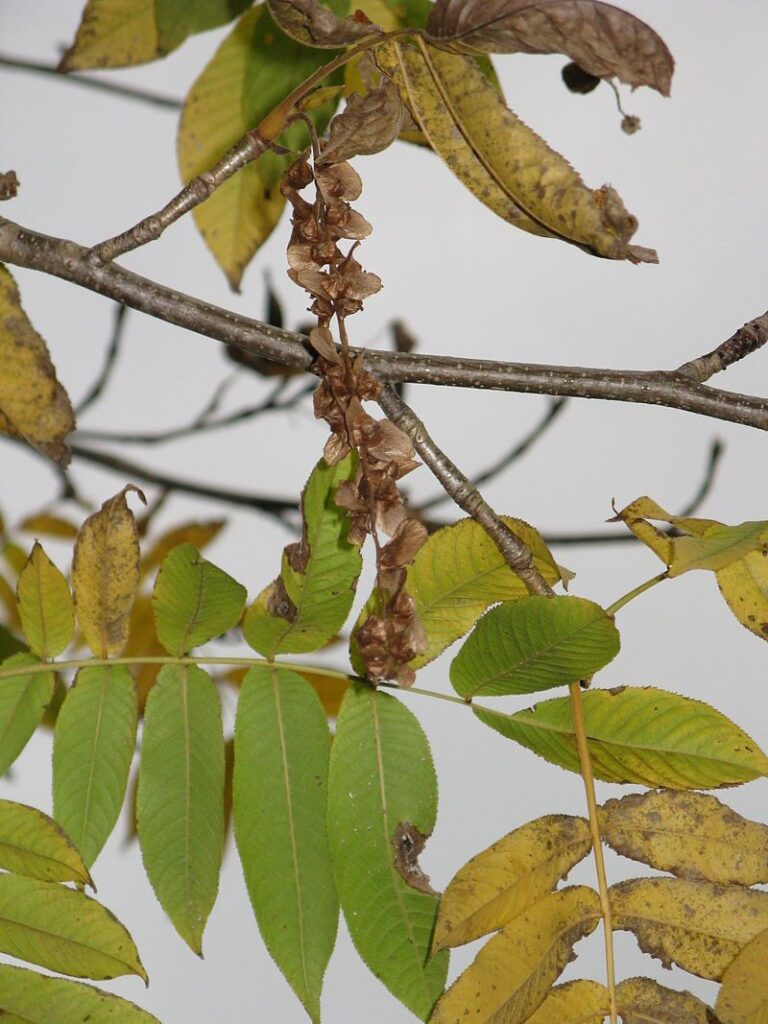
One difference between Japanese walnut (Juglans mandshurica), Japanese walnut (Juglans regia), and Japanese walnut (Juglans serrata) is that Japanese walnut (Juglans rhoifolia) produces drupes within pseudocarps, while Japanese walnut (Juglans mongolica) has samaras as its fruit.
Therefore, Japanese walnut trees are not used for food, and their seeds are dispersed by wind.
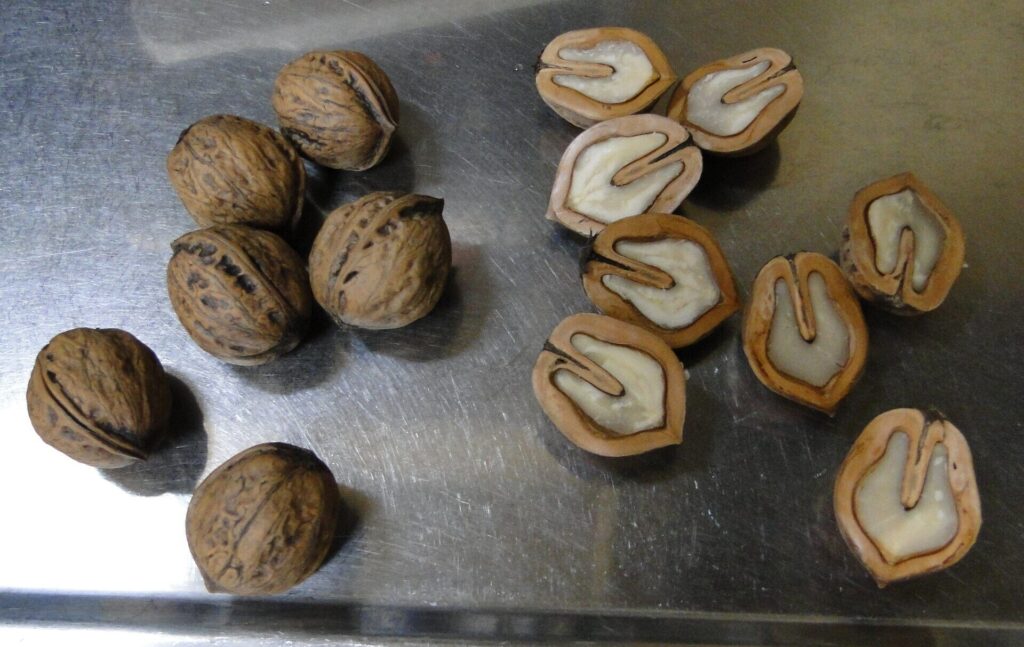
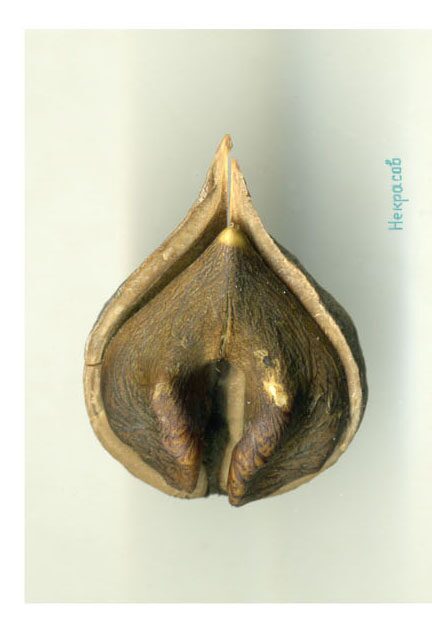
Of the remaining three species, the oak walnut (Juglans mandshurica) has large nuts and seeds that are brain-shaped with wrinkled surfaces, while the Japanese walnut (Juglans mandshurica) and Japanese walnut (Juglans regia) have smaller nuts and seeds that are not wrinkled and have a thick C-shape in cross-section.
Of the remaining two species, Japanese walnut (Onigurumi) has many wrinkles on the surface of its nuts and is round and acorn-shaped overall, while Japanese walnut (Himegurumi) has fewer wrinkles on the surface of its nuts and is flattened overall, with a pointed top, resembling a chestnut.
It is also possible to distinguish some species by their leaves.
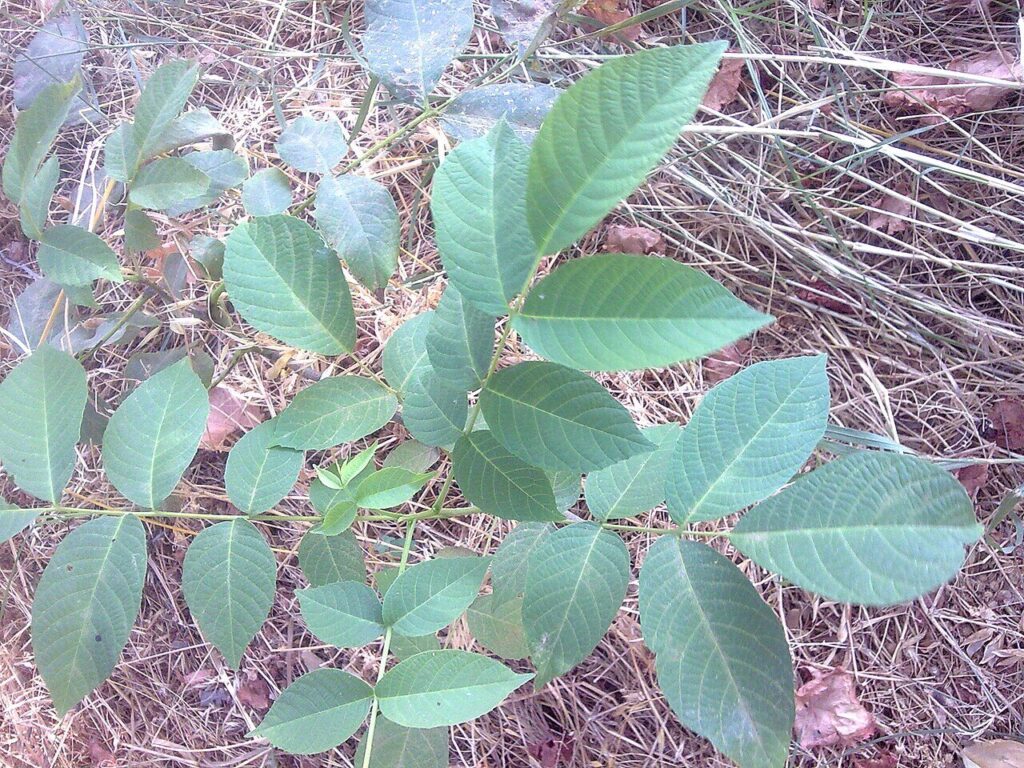
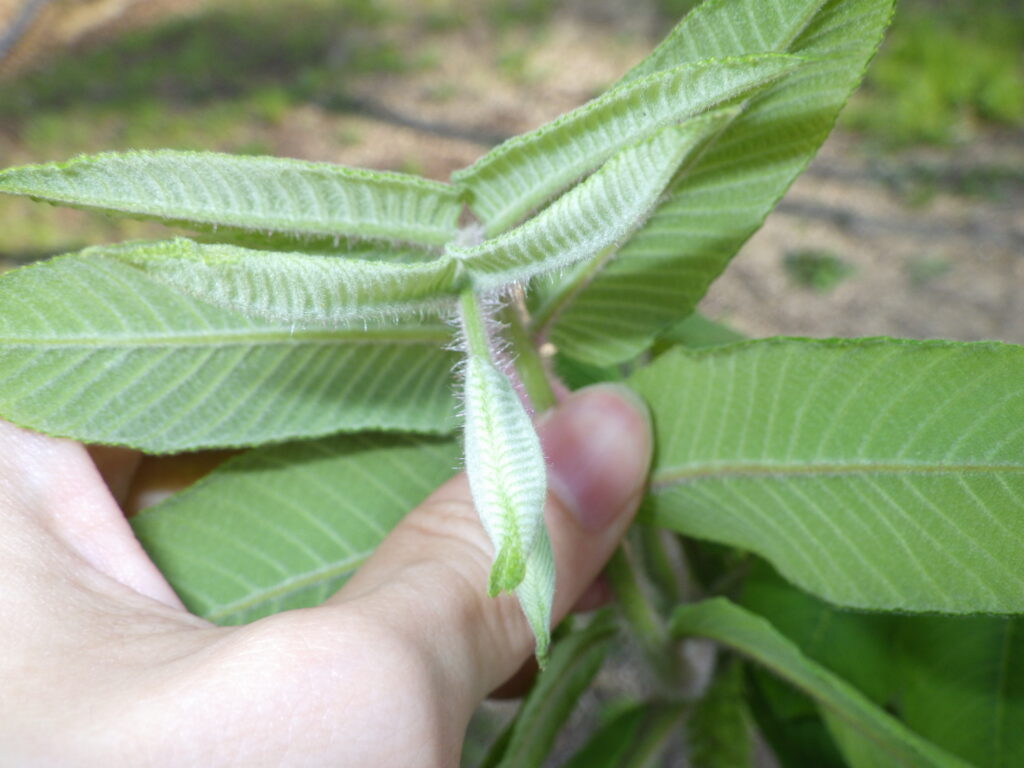
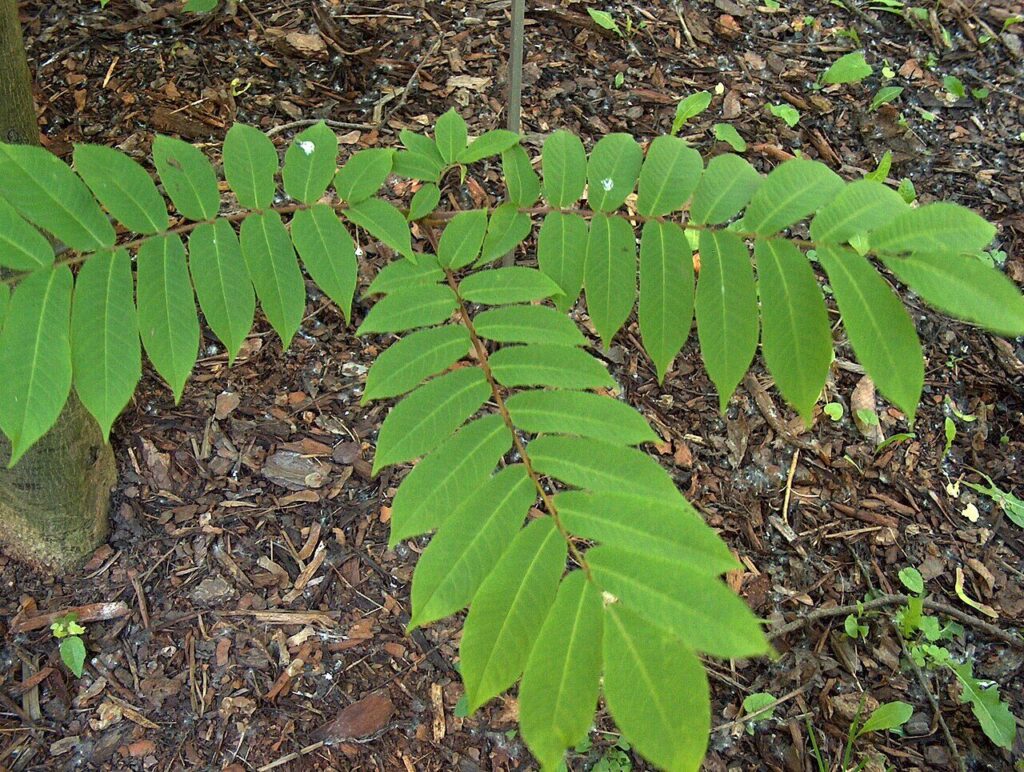
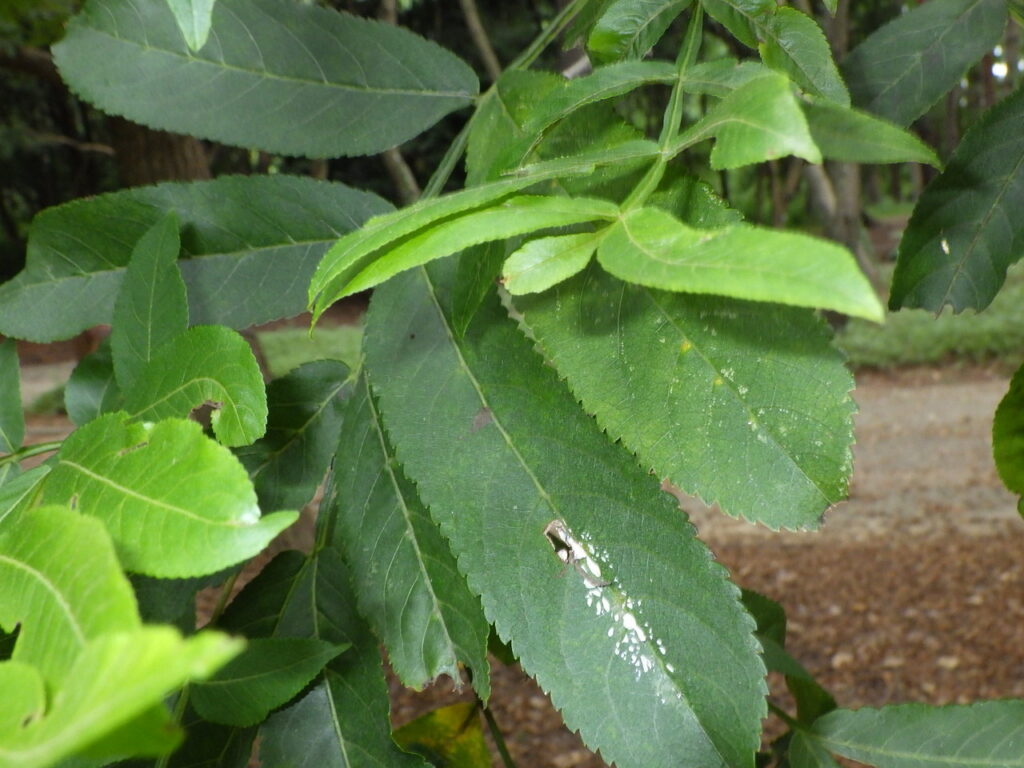
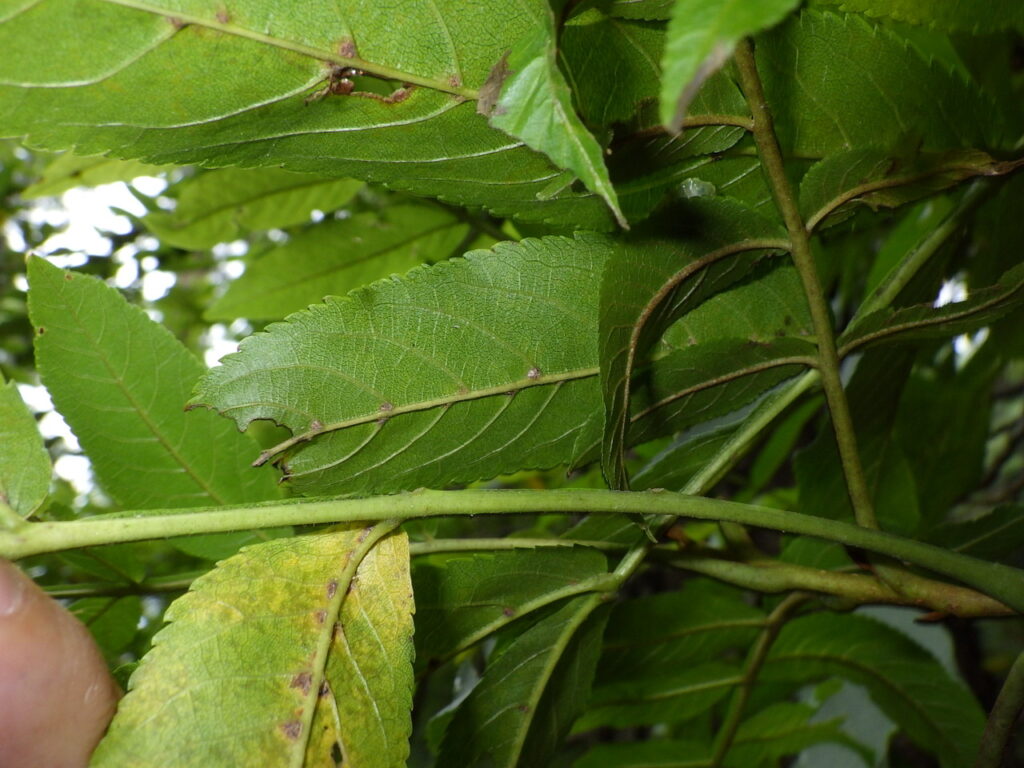
All of these species have odd-pinnately compound leaves, but the difference lies in the leaflets: in Japanese walnut (Juglans mandshurica), the leaflets are entire, while in Japanese walnut (Juglans mandshurica), Japanese walnut (Juglans regia), and Japanese walnut (Juglans serrata), the leaflets have serrated edges.
Of the remaining three species, Japanese walnut and Japanese walnut have thick leaflets, are hairy, and have sparse, blunt serrations, while Japanese walnut has thin leaflets, is hairier, and has fine, blunt serrations.
No leaf-based distinctions have been found between Japanese walnut (Juglans mandshurica) and Japanese walnut (Juglans mandshurica). Therefore, they are considered to be varieties within the same species in terms of classification.
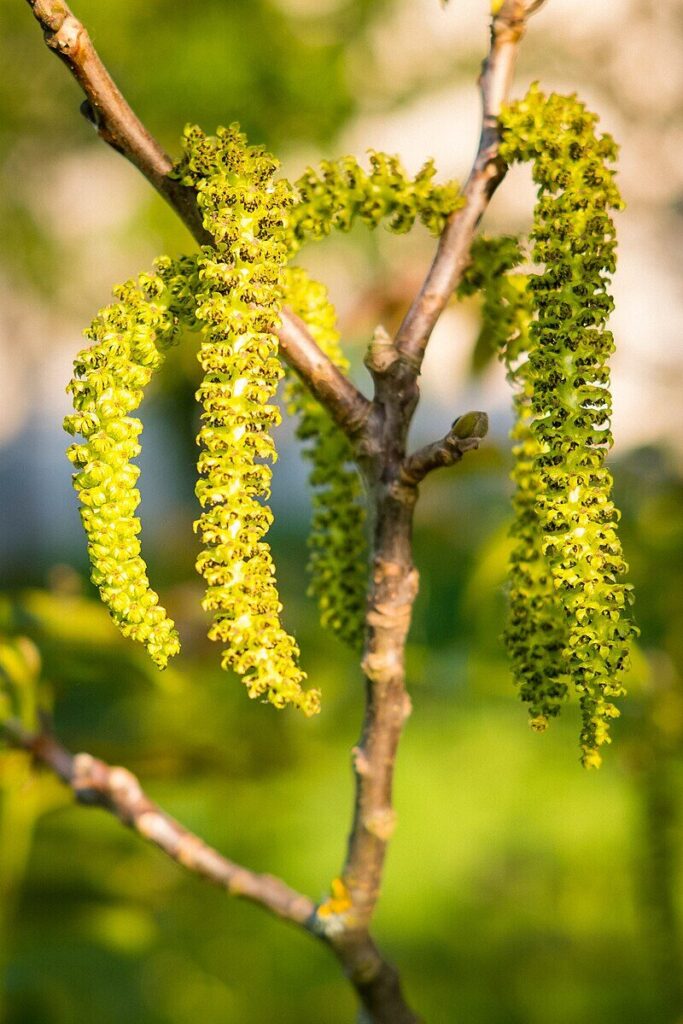
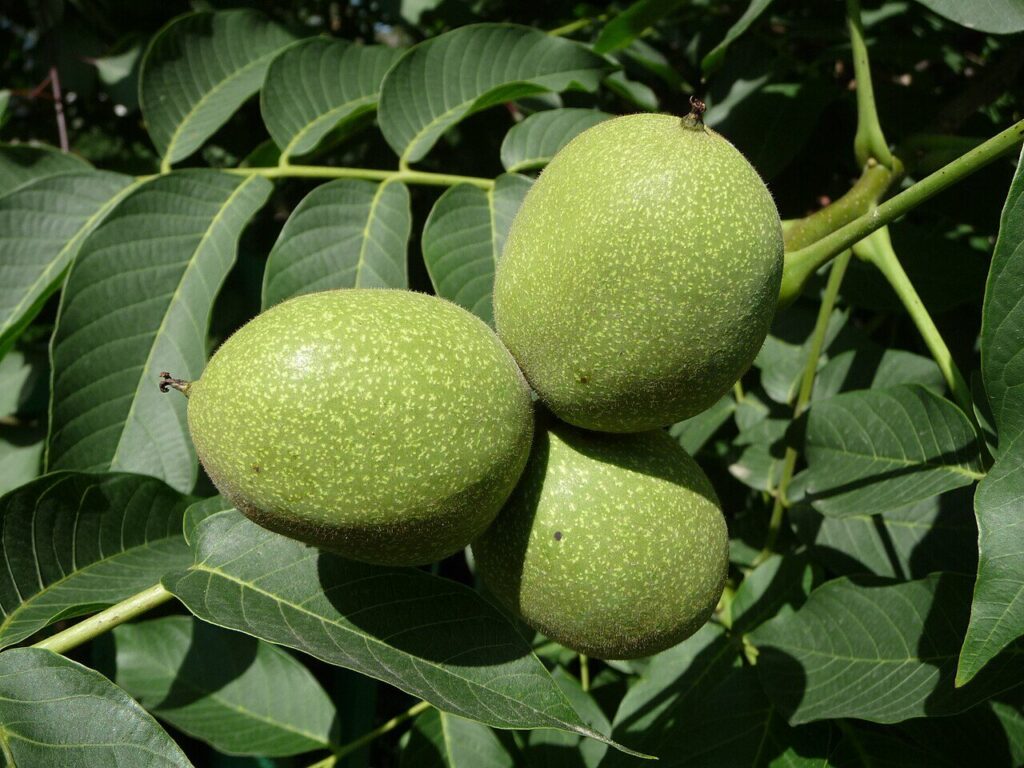
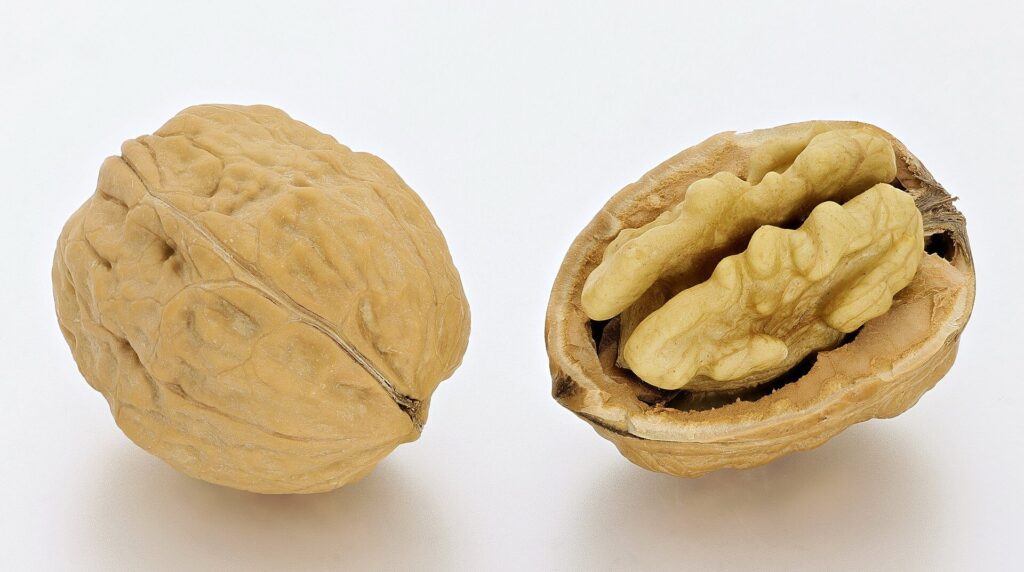
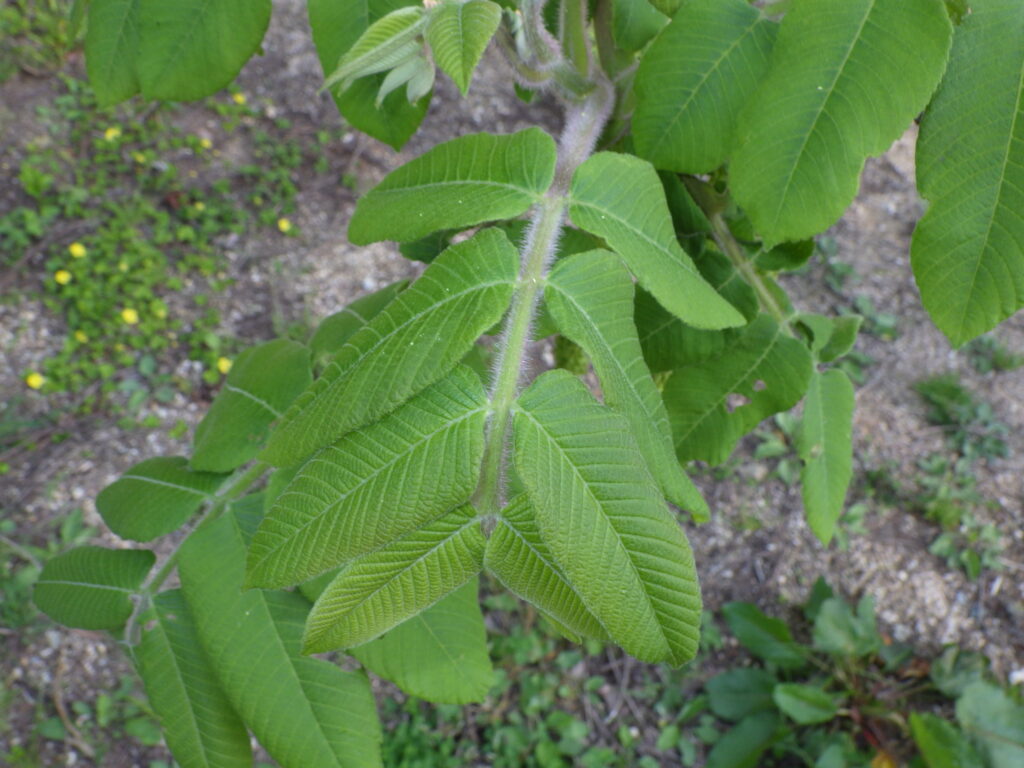
What are the differences in uses between Japanese walnut (Juglans mandshurica), Japanese walnut (Juglans regia), Japanese walnut (Juglans mandshurica), and Japanese walnut (Juglans rhoifolia)?
Walnut seeds are the most commonly eaten nuts worldwide, and mixed nuts usually contain walnuts. They are also eaten in dishes like walnut salad and as a garnish for sweets. As their distribution suggests, they have strong ties to Western culture.
On the other hand, in Japan, where the Japanese walnut (Juglans mandshurica) was not naturally distributed, the seeds of the Japanese walnut (Juglans mandshurica) were used, and large quantities of Japanese walnut shells have been unearthed from Jomon period archaeological sites (Watanabe, 1984). Although its use has decreased now, there are sweets and mochi (rice cakes) made with Japanese walnuts in the Chubu and Tohoku regions. They are sold under the name "Wagurumi" (Japanese walnut). Unlike Japanese walnuts, the seeds cannot be neatly extracted and must be poked out with a stick like an awl. The taste is described on websites as being more flavorful and richer than Japanese walnuts (Yatsugatake Chuo Kogen Shiki no Mori Sales Management Center, 2020).
Japanese walnut (Juglans mandshurica) is found only in Japan, and its seeds have been used as food in Japan. Some say that the seeds are easier to extract than those of the Japanese walnut (Juglans mandshurica), and that the taste is slightly milder compared to the Japanese walnut.
Japanese walnuts have winged fruits and are not typically eaten.
Are there any other similar types?
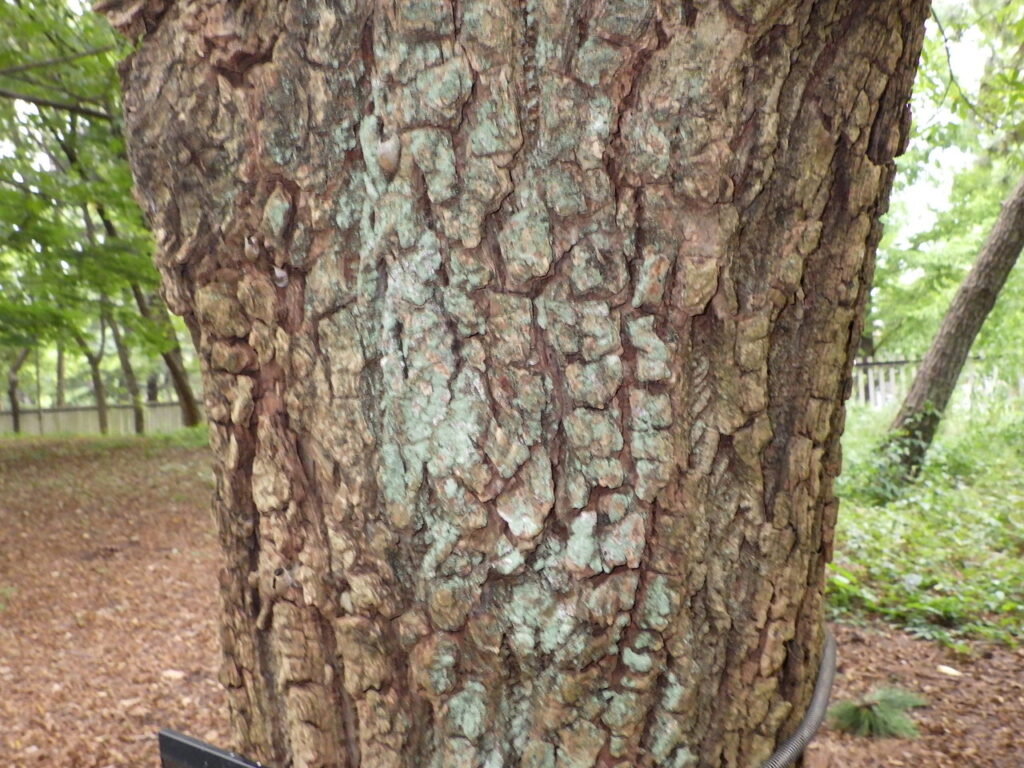
Pterocarya stenoptera resembles Pterocarya rhoifolia, but it is native to China, has even-pinnately compound leaves, and differs in that it has wings (green protrusions) on the leaf axis.
How do they disperse their seeds? They were the food source for 40% of Japanese squirrels!?
It is known that walnut seeds are dispersed by caching, carried out by small mammals such as squirrels and mice that can break the shells and eat the seeds (Tamura, 1997).
Squirrels and mice bury seeds in multiple locations underground as a way to preserve food for the winter. Some of these seeds are edible, but others are forgotten and germinate.
This is thought to be a result of co-evolution, as walnuts are intentionally targeted by the animals, and they also serve as an important winter food source for squirrels and mice.
In Japan, Japanese walnut trees are known to be dispersed by Japanese squirrels and field mice, and these two species are the only ones responsible for seed dispersal.
Some studies suggest that Japanese squirrels consume 40% of their annual diet of Japanese walnuts.
References
Hayashi, Masayuki. (2019). Tree Leaves: Expanded and Revised Edition - Identifying 1300 Species Through Real-Life Scans. Yama-kei Publishers. ISBN: 9784635070447
Hirono, Ikuo. (2008). Various types of walnuts. The names are rather confusing. Tree Walking Path 48. Wooden Notebook. https://kinomemocho.com/sanpo_kurumi.html
Kanagawa Prefecture Flora Survey Association. (2018). Kanagawa Prefecture Flora 2018 Electronic Edition. Kanagawa Prefecture Flora Survey Association. ISBN: 9784991053726
Shimizu, Takemi. (2001). Illustrated Dictionary of Botanical Terms. Yasaka Shobo. ISBN: 9784896944792
Tamura, Noriko. (1997). Storing and dispersal of Japanese walnut seeds by Japanese squirrels. Primate Research, 13 (2), 129-135. https://doi.org/10.2354/psj.13.129
Watanabe, Makoto. (1984). Herbivore in the Jomon Period (3rd enlarged edition). Yuzankaku Publishing. ISBN: 9784639003533, https://doi.org/10.11501/12205491
Yatsugatake Central Highlands Shikinomori Sales Management Center. (October 6, 2020). Japanese Walnut and Oak Walnut. Shikinomori News. https://www.alpico.co.jp/shikinomori/news/2020/10/post-322.php