Pomegranates are native to Iran and northern India and are cultivated worldwide. While there are no closely related species in Japan, making differentiation relatively easy, several cultivated varieties are known, with the dwarf pomegranate and the flowering pomegranate being representative examples. Pomegranates and dwarf pomegranates can be distinguished by differences in the shape of their leaves and the size of various organs. Cultivation began in the fertile crescent region west of their native habitat and spread throughout the world. Initially, they were used for food (seeds and juice) or medicinal purposes, but gradually they became sacred in various religions, and their ornamental value also expanded. In Japan, however, the situation was slightly different; while they were introduced during the Heian period for medicinal purposes, they remained relatively minor due to the unsuitable climate. During the Edo period, there was a boom in the cultivation of ornamental flowering pomegranates, which flourished until the Showa era. However, after World War II, varieties were lost and cultivation declined. Currently, imported edible pomegranates are once again gaining popularity due to health consciousness. Nutritionally, they are rich in vitamin C, vitamin B5, potassium, and phenols, and are scientifically recognized for their nutritional value. Pomegranates contain many other components, and extensive medical research is underway, with some suggesting anti-cancer effects in humans. Pomegranate flowers are red and sturdy, and while they can self-pollinate, cross-pollination by animals increases yield. In Japanese research, it is often said that "birds visit" the flowers, but in fact, overseas research records more often indicate that insects are the ones that visit. However, there is a great deal of regional variation, and it is still unclear whether this is due to a lack of research or whether pomegranates are flexibly choosing their pollinators. The structure of the fruit is often misunderstood, but what grows on the tree is the "fruit," and the edible part is only the "flesh-like seed coat" inside or the "seed with the fleshy seed coat attached." This article will explain the classification, history, medicinal uses, pollination ecology, and seed dispersal of pomegranates.
- What is the difference between a pomegranate and a dwarf pomegranate?
- How did pomegranates spread throughout the world?
- Why are pomegranates treated as sacred?
- When did pomegranates arrive in Japan?
- What are the health benefits of pomegranate juice? Is it effective against breast cancer?
- What is the structure of a pomegranate flower?
- Is the saying "birds come to flowers" a lie, and is it actually bees that come?
- What is the structure of the fruit? What part of it is the true fruit?
- References
- Source
What is the difference between a pomegranate and a dwarf pomegranate?
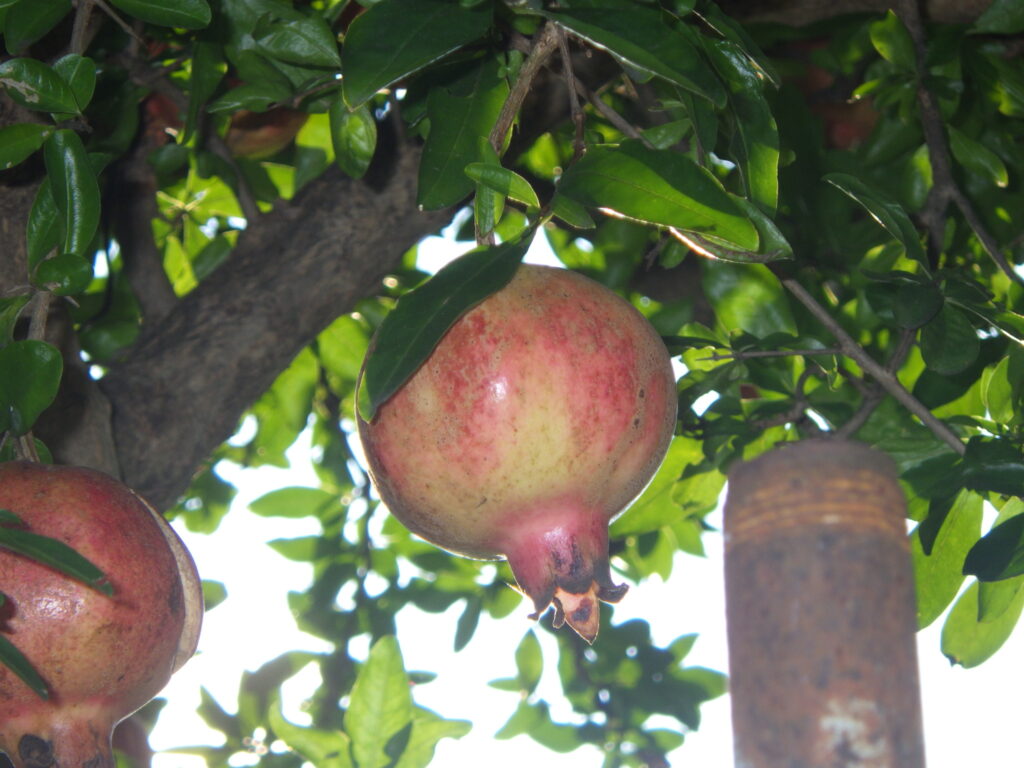
Pomegranate (Punica granatum) is a deciduous small tree native to Iran and northern India, and cultivated in the Mediterranean region of Asia, Africa, and Europe, including Japan (Morton, 1987). It is famous for its bright red fruit, and is primarily cultivated for its fleshy seed coat and seeds, which are eaten raw or used to make juice. Ornamental varieties are also available.
Since there are no closely related species of pomegranate in Japan, you may not have much trouble distinguishing them.
The genus Punica in the Lythraceae family, which includes pomegranates, also includes the Socotra pomegranate (Punica protopunica), but this species is found only on the island of Socotra in Yemen in the Middle East and is rarely seen in Japan.
However, several varieties are known.
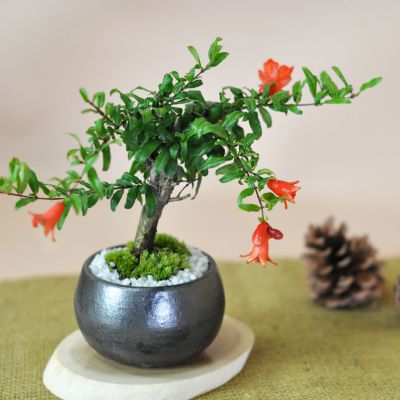
A typical example is the dwarf variety called Punica granatum 'Nana', also known as the dwarf pomegranate.
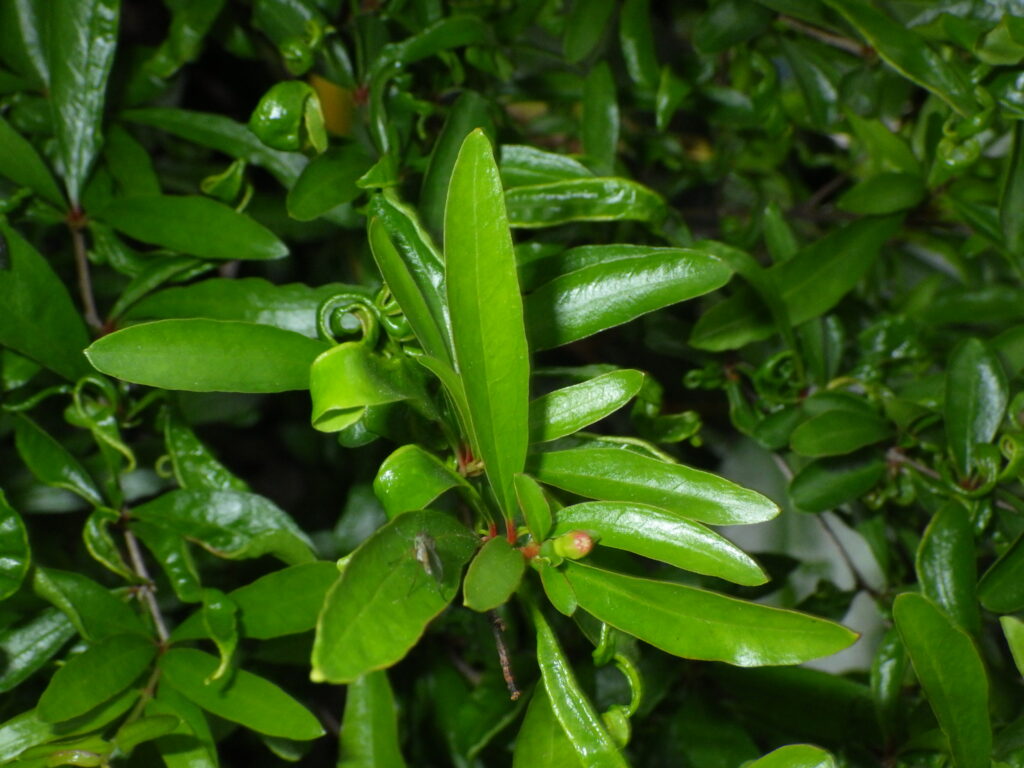
The difference between pomegranates and dwarf pomegranates is that pomegranates grow to a height of 2-6m, have oblong leaves 2-5cm long, and fruits 5-12cm in diameter, while dwarf pomegranates grow to a height of 50-70cm, have linear-lanceolate leaves 1-3cm long, and fruits 3-4cm in diameter.
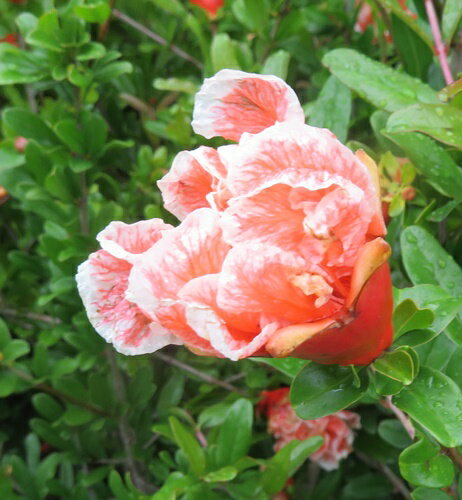
Additionally, Punica granatum 'Pleniflora' (also known as Yaezakura or Hanazakuro) is a variety with double flowers. It is primarily cultivated for ornamental purposes.
In addition, there are countless varieties that have been selectively bred within Japan alone, but accurate identification is difficult, so they will be omitted from this article. It is said that there are more than 3,000 varieties worldwide (Matsumura, 2015).
How did pomegranates spread throughout the world?
How did pomegranates spread throughout the world?
As mentioned above, pomegranates are native to Iran and northern India, but cultivation began in the western "Fertile Crescent," a semicircular region stretching from the Persian Gulf up the Tigris and Euphrates rivers through Syria to Palestine and Egypt. This area is known for its favorable environment and is considered one of the first regions where settled agriculture emerged (Diamond, 1997).
In the Fertile Crescent, wheat, barley, and peas were the first staple foods to be cultivated.
Later, around 5000 BC and again around 4000 BC, pomegranates were cultivated as the second crop, along with olives, figs, and date palms.
Although its exact spread from the Fertile Crescent is not fully understood, it is believed to have spread along the Mediterranean coast to Europe and Africa, and then become widely cultivated in southern China and Southeast Asia through trade along the Silk Road or sea routes.
The primary purpose is to consume the fleshy seed coat and seeds contained within the fruit, or the fleshy seed coat itself, raw. This fleshy seed coat is succulent and has a sweet and sour taste. However, it is also common to eat it as a dried fruit, dried for 10 to 15 days for preservation. This is called "anar dana" and is used as a spice in Indian and Pakistani cuisine.
Pomegranate juice, made by squeezing the fleshy seed husk, is also popular. In the Caucasus and Turkey, it is popular as a juice, and is used not only to drink on its own, but also as a marinade, dressing, or as a condiment for kebabs and fish.
Why are pomegranates treated as sacred?
Pomegranates, which spread across the Eurasian continent, were not only used for food but also held sacred importance in many major religions (Bhandari, 2012). This led to an expansion of their use as ornamental plants.
Why is it treated as sacred?
The reason is often that pomegranates, with their numerous large seeds, are associated with fertility and abundance.
In Greek mythology, it symbolizes life, rebirth, and marriage. It is said that the four seasons were created from the grief of her mother, Demeter, when Persephone ate a pomegranate seed on Earth and was unable to return to the Underworld.
It is used in Zoroastrianism in rituals and households, and is also mentioned in the Avesta.
In Buddhism, peaches, citrus fruits, and pomegranates are known as the "Three Fruits of Citrus" and are believed to attract good fortune. They are frequently depicted on Chinese porcelain. In Buddhism, too, they symbolize fertility, abundance, prosperity of descendants, many virtuous offspring, and a sacred future.
In Judaism, although the actual number of seeds in a pomegranate is not fixed, it is said that there are 613 seeds, each representing one of the "613 Mitzvahs," a list of God's commandments recorded in the Old Testament. It also symbolizes holiness, fertility, and abundance.
In Christian art, it is considered a symbol of the Renaissance and eternal life, and is often depicted in images of the Virgin Mary and Child, as well as in paintings.
In Islamic legend, each pomegranate is said to contain a single seed that descended from paradise. Among the Bedouin people of the Middle East, pomegranates are also an important symbol of fertility and play a significant role in wedding ceremonies.
In Hinduism, pomegranates symbolize prosperity and fertility and are associated with Bhumi (the earth god) and Ganesha (the god of entrepreneurship, commerce, and learning).
While it was highly valued throughout Eurasia, it was introduced to the Americas by Spanish Americans in the late 16th century but did not become widespread. It wasn't until 1769 that Spanish settlers finally began cultivating it in California.
When did pomegranates arrive in Japan?
When did pomegranates first arrive in Japan?
It is believed that pomegranates were introduced to Japan during the Heian period via China and the Korean Peninsula (Matsumura, 2015). The oldest documented record in Japan is thought to be the "Honzo Wamyō," a Chinese-Japanese dictionary of medicinal names compiled by the physician Fukane Sukehito at the command of Emperor Daigo around the end of the Engi era (920-923), which contains a description of pomegranates.
Later, the "Ruijū Zatsuyōshō," an ancient document from the late Heian period that describes the furnishings and decor of Shinden-zukuri style buildings, mentions that it was used for medicinal purposes, suggesting that it was initially used for medicinal purposes.
After that, it seems it wasn't a very common food plant. The reason for this is thought to be that in Japan, its flowering season coincided with the rainy season, leaving insufficient time for the fruit to mature.
However, from the mid-Edo period onward, the cultivation of ornamental pomegranates became popular, leading to a resurgence in their popularity. This is believed to be related to the Edo period's boom in cultivating morning glories and other plants. After the First Sino-Japanese War in the Meiji era, they also began to gain popularity as bonsai. Their popularity peaked during the Taisho era and continued into the Showa era.
However, during World War II and the Pacific War, many of the varieties that were developed after the war were lost, and ornamental pomegranates have almost completely declined. It is a sad part of history.
However, it is currently being re-evaluated as a food ingredient, and although it is an imported product from California, USA, many products are being sold that tout its health and beauty benefits.
What are the health benefits of pomegranate juice? Is it effective against breast cancer?
In traditional medicine, pomegranates are used as an antiparasitic and blood tonic in Ayurveda, a traditional medical system originating in India and Sri Lanka, and are believed to treat aphthous ulcers, diarrhea, and sores (Bhandari, 2012). They also function as a treatment for diabetes in Unani medicine, a traditional Islamic medicine.
Can pomegranates be expected to have any scientific (Western medical) medicinal properties?
The seeds contain relatively high levels of potassium, as well as polyphenols such as anthocyanins, which have antioxidant properties (Bhandari, 2012).
Pomegranate juice provides approximately 16% of an adult's daily recommended intake of vitamin C per 100ml and is rich in vitamin B5 (pantothenic acid), potassium, and natural phenols such as ellagtannins and flavonoids.
Therefore, although this is not limited to pomegranates, they may be an important source of nutrients that can help maintain beautiful skin and prevent lifestyle-related diseases.
In addition to these, various other components have been isolated from pomegranates.
Pomegranate juice contains anthocyanins, glucose, ascorbic acid, ellagic acid, gallic acid, caffeic acid, catechins, epigallocatechin gallate (EGCG), quertin, rutin, iron, and amino acids.
Seed oil is mainly composed of punicic acid and sterols.
The peel contains punicalin, flavones, flavonones, and other flavanols.
The leaves contain tannins such as punicalin and punicaforin, as well as flavonoid glycosides such as luteolin and apigenin, which are important components of the plant.
The flowers are composed of triterpinoids such as ursolic acid and maslinic acid, as well as asiatic acid.
The roots and bark contain ellagitannins and piperidine alkaloids.
Of these, the most medically beneficial components of pomegranate are considered to be ellagic acid, ellagitannin (including punicalagin), punicic acid, flavonoids, anthocyanidins, anthocyanins, and estrogen flavones.
Because it contains such a variety of components, research is underway on its many medical effects.
Numerous in vitro, animal, and human studies have demonstrated many potential effects, including anti-carcinogenicity, cardioprotection, antioxidant properties, anti-diabetic effects, lipid reduction, and skin protection.
In particular, mouse experiments have shown that it has anti-estrogen effects and can suppress the progression of breast cancer (Moga et al., 2021). However, there are two contradictory studies regarding whether humans can obtain the same effects through oral ingestion, and information is currently lacking.
Furthermore, research is underway on its use as an adjunct to the treatment of oral cancer, respiratory cancer, gastric cancer, tuberculosis, diabetes, and metabolic syndrome.
Furthermore, data is emerging that shows some effectiveness, albeit partially, against diseases such as Alzheimer's disease, osteoarthritis, neonatal brain injury, male infertility, and obesity.
These studies still have unclear clinical effects and a lack of human trials, and are not yet clinically used in Western medicine. However, research is underway to explore their potential use as adjuncts in the prevention and treatment of certain cancers and cardiovascular diseases.
What is the structure of a pomegranate flower?
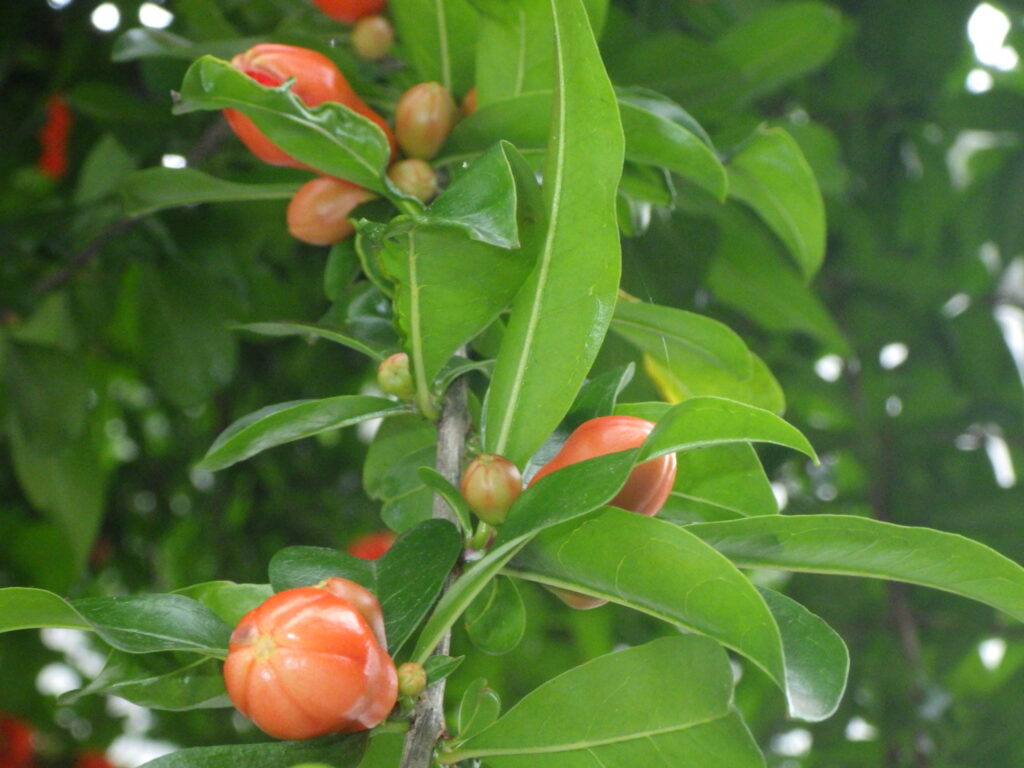
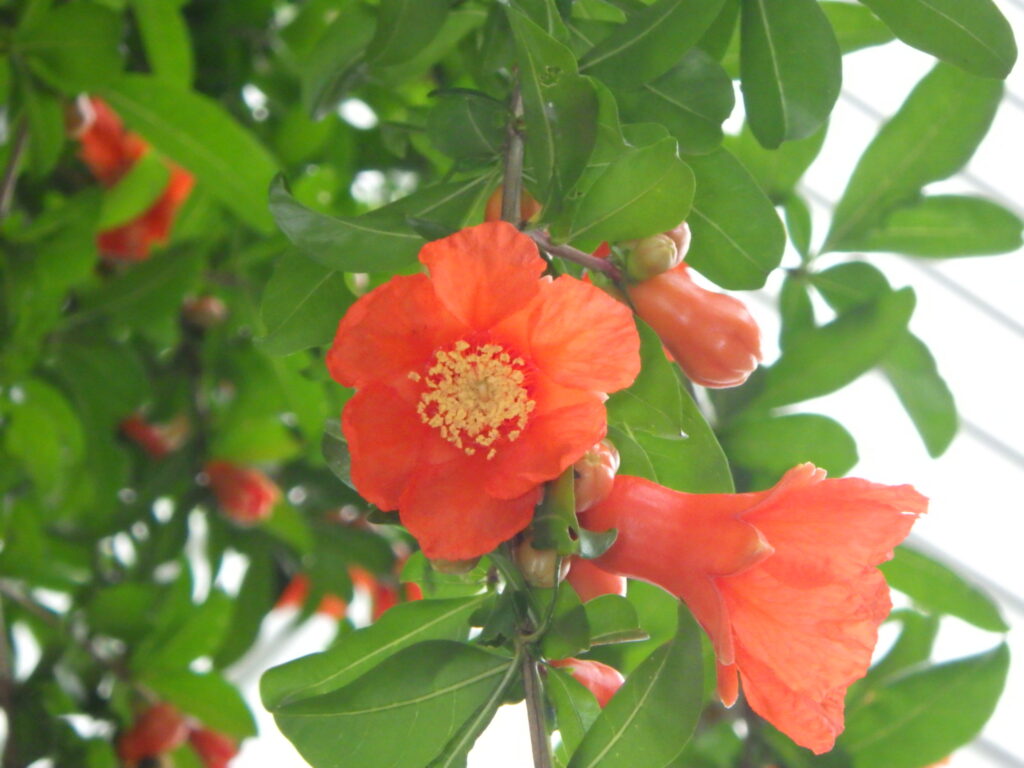
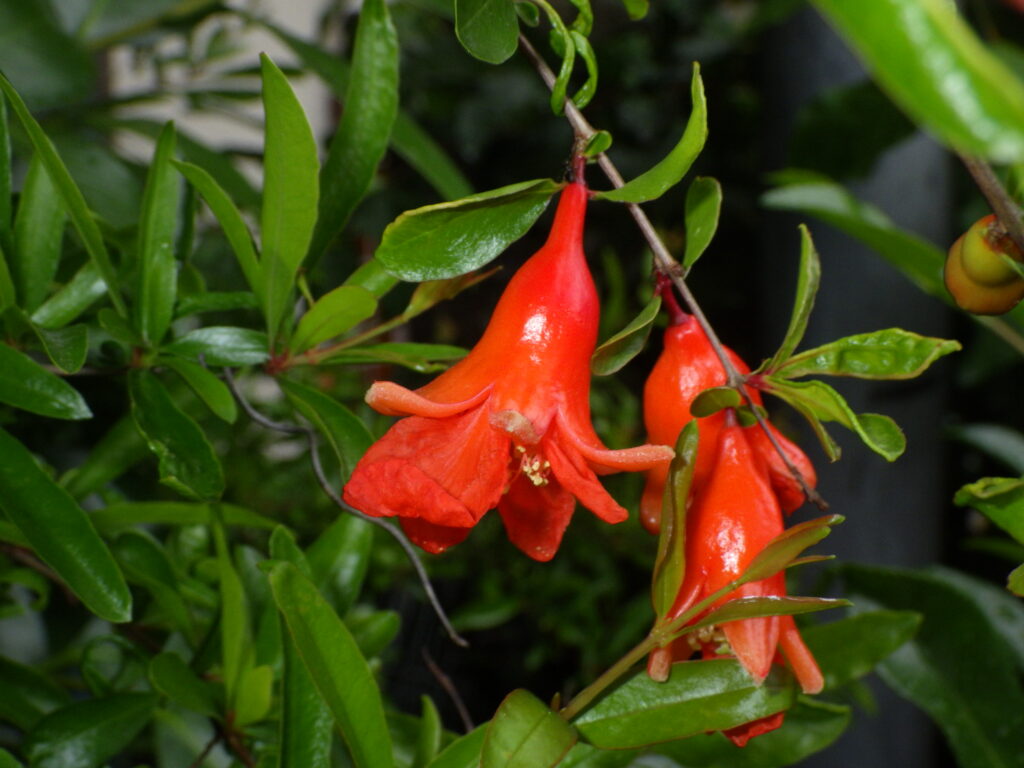
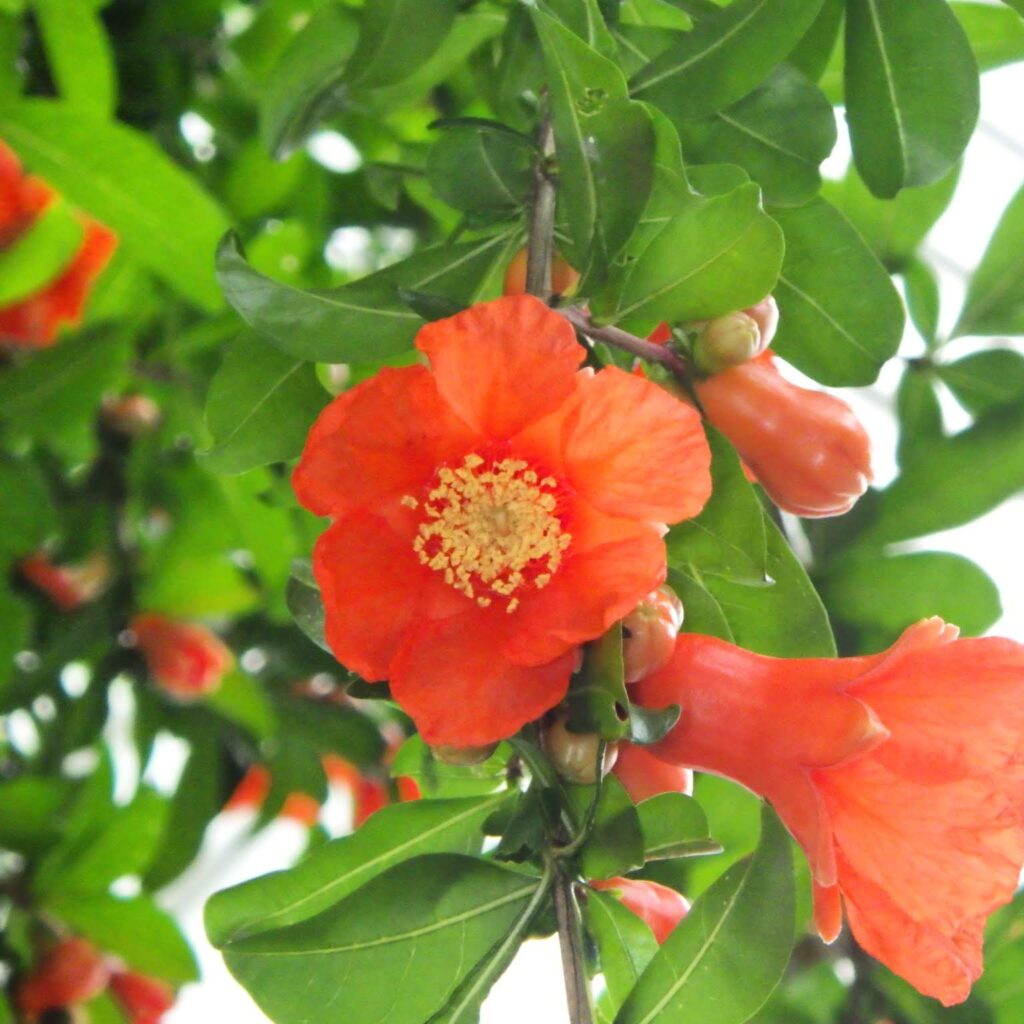
Blooming in early summer to summer, in June in Japan, the flowers, including the calyx and petals, are bright red, just like the fruit. It may be unusual for the calyx to be red as well. The flower as a whole is bell-shaped to urn-shaped, 2-3 cm long and 1-1.5 cm wide. It has six thin, wrinkled petals, and numerous stamens and usually one pistil can be seen from the center. The calyx also has six segments, which are fleshy, glossy, and have a very sturdy structure, which is sometimes said to prevent nectar robbing, a behavior in which bumblebees and other insects bore holes in the calyx to suck nectar (Tanaka, 1993).
There are two types of flowers: hermaphrodite flowers, which have both stamens and pistils, and male flowers, which have a reduced pistil. The ratio of male to hermaphrodite flowers is not constant and varies from year to year (Matsumura, 2015).
While 45% of pomegranates can self-pollinate, cross-pollination by animals increases yield by 68% (Morton, 1987). Therefore, wild animals are essential to pomegranate cultivation.
Is the saying "birds come to flowers" a lie, and is it actually bees that come?
So, what kinds of animals visit pomegranate flowers?
In observations in Japan, the birds that visit are often identified as the brown-eared bulbul (Hypsipetes amaurotis) (Tanaka and Hirano, 2000; Utsumi, 2003).
In Japan, pomegranate flowers are believed to be pollinated by birds, as insects, with some exceptions, cannot see red due to their color vision, while birds are strongly attracted to red. But is this really true?
While such facts may exist within Japan, research from Nepal, its place of origin, has shown that only insects, primarily bees and flies, visit the plant (Adhikari & Adhikari, 2010).
Looking at the ratios further, it appears that the Eastern honeybee (Apis cerana) visits approximately 741 times per 1000 TP3 times, and the European honeybee (Apis mellifera) visits approximately 201 times per 1000 TP3 times, meaning that a total of 94% of pollen is carried by honeybees.
While the European honeybee is an introduced species in Nepal, even taking that into account, it can be said that these flowers bloom for the sake of the bees in their native habitat.
Honeybees cannot see the color red, but they seem to be attracted to pollen as an important source of protein.
However, even within Nepal, although the proportions are unknown, there are studies that have recorded visits by other insects such as butterflies, moths, beetles, and wasps. A study in India reported that a species of ant, a species of bee, and a swallowtail butterfly visit the site, while a study in the United States reported that the species of flower beetle Cetonia and members of the family Trichodedas visit the site (da Silva et al., 2013).
I don't know the reason for this, but considering examples from Japan as well, it might simply be due to a lack of research. However, there are differences in the animals that visit the flowers depending on the region, which could also indicate the pomegranate's adaptability to its habitat.
In any case, it's safe to say that the reason why the flowers are red is still not well understood.
What is the structure of the fruit? What part of it is the true fruit?
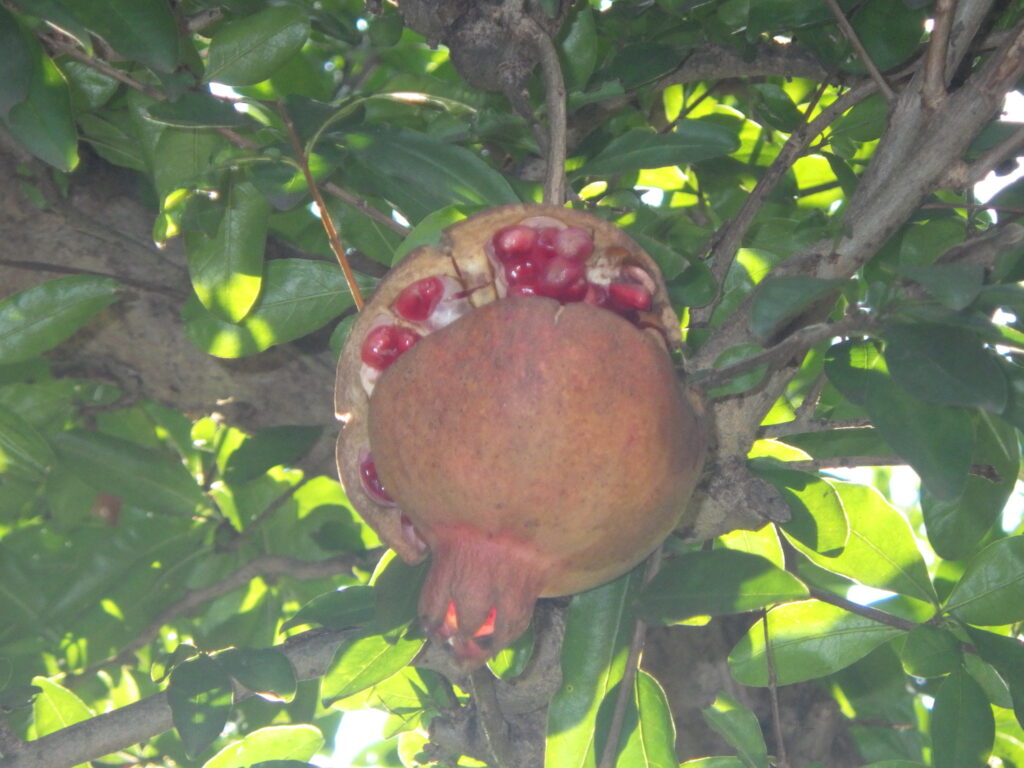
In Japan, the fruiting season is from September to November. The fruit is a type of dehiscent dry fruit. It is 5-12 cm in diameter, spherical, pale yellowish-brown to reddish-orange, and has a fleshy, persistent calyx with six lobes at the top. When ripe, it splits open irregularly, revealing the seeds inside.
Although its internal structure may appear somewhat complex, it consists of a nested seed structure with an exocarp, mesocarp, endocarp, and fleshy seed coat (sarcotesta).
First, the outermost layer, which is pale yellowish-brown to reddish-orange, is the "exocarp," which is hard and protects the inside.
Inside is the mesocarp, a spongy, white, fibrous tissue.
Further inside is a white, translucent "endocarp." This endocarp is usually separated into six chambers by the mesocarp.
Each of its endocarps encloses numerous "seeds with fleshy seed coats," and the seeds are clustered together in irregularly shaped pods.
The "flesh-like seed coat" is a thin membrane tissue that develops from the epidermal cells of the seed. It is pale pink, moist, and has a sweet and sour taste, so only this part can be eaten. The softness of the seeds inside varies depending on the variety, and if they are soft, they can be eaten whole. The number of seeds is said to be between 200 and 1400.
These seeds with a fleshy seed coat are sometimes called "pomegranate fruits," but this is botanically incorrect.
Furthermore, many sources and the Japanese Wikipedia refer to the fleshy seed coat as the "aril" or "seed coat," but this is also incorrect (Melgarejo et al., 2020). The fleshy seed coat refers to the outermost seed coat, which is the edible part, while the aril (seed coat) refers to the tissue that encloses part or the entire base of the seed, which is the edible part derived from the ovary or incense.
In the wild, it is thought that seeds are naturally eaten and dispersed by animals such as birds and mammals, but I could not find any specific research on this.
References
Adhikari, S., & Adhikari, MK 2010. Floral phenology and pollination ecology of Punica granatum L. in Kathmandu, Nepal. Nepal Journal of Science and Technology 11: 115-124. ISSN: 1994-1412, https://doi.org/10.3126/njst.v11i0.4133
Bhandari, PR 2012. Pomegranate (Punica granatum L). Ancient seeds for modern cure? Review of potential therapeutic applications. International Journal of Nutrition, Pharmacology, Neurological Diseases 2(3): 171-184. https://doi.org/10.4103/2231-0738.99469
da Silva, JAT, Rana, TS, Narzary, D., Verma, N., Meshram, DT, & Ranade, SA 2013. Pomegranate biology and biotechnology: A review. Scientia Horticulturae 160: 85-107. https://doi.org/10.1016/j.scienta.2013.05.017
Diamond, JM 1997. Guns, germs, and steel: the fates of human societies. W.W. Norton, New York. 480pp. ISBN: 9780393038910 [=2012. Guns, germs, and steel, Volume 1. Sōshisha, Tokyo. ISBN: 9784794218780]
Muramatsu, Noboru. 2015. Characteristics of pomegranates and the history of pomegranate cultivation in Japan. Agriculture and Horticulture 90(1): 12-17. https://agriknowledge.affrc.go.jp/RN/2010890721
Melgarejo, P., Núñez-Gómez, D., Legua, P., Martínez-Nicolás, JJ, & Almansa, MS 2020. Pomegranate (Punica granatum L.) a dry pericarp fruit with fleshy seeds. Trends in Food Science & Technology 102: 232-236. https://doi.org/10.1016/j.tifs.2020.02.014
Moga, MA, Dimienescu, OG, Bălan, A., Dima, L., Toma, SI, Bîgiu, NF, & Blidaru, A. 2021. Pharmacological and therapeutic properties of Punica granatum phytochemicals: possible roles in breast cancer. Molecules 26(4): 1054. https://doi.org/10.3390/molecules26041054
Morton, J. 1987. Pomegranate. In: JF Morton, & CF Dowling (Eds.), Fruits of warm climates (pp. 352-355). Florida Flair Books. ISBN: 9780961018412, https://hort.purdue.edu/newcrop/morton/pomegranate.html
Tanaka, Hajime. 1993. To Unravel the Mysteries Hidden in Flowers: An Introduction to Floral Ecology. Rural Culture Publishing Co., Tokyo. 174pp. ISBN: 9784931205154
Tanaka, Hajime & Hirano, Takahisa. 2000. The Face of Flowers: Wisdom for Bearing Fruit. Yama-kei Publishers, Tokyo. 191pp. ISBN: 9784635063043
Utsumi, Shunsaku. 2003. Why are flowers beautiful? (2) Nectar guides and nectaries. Chiba University Faculty of Education Research Bulletin 51: 319-329. ISSN: 1348-2084, https://opac.ll.chiba-u.jp/da/curator/900026807/
Source
This article is a significantly expanded version of a piece originally published in the following book.