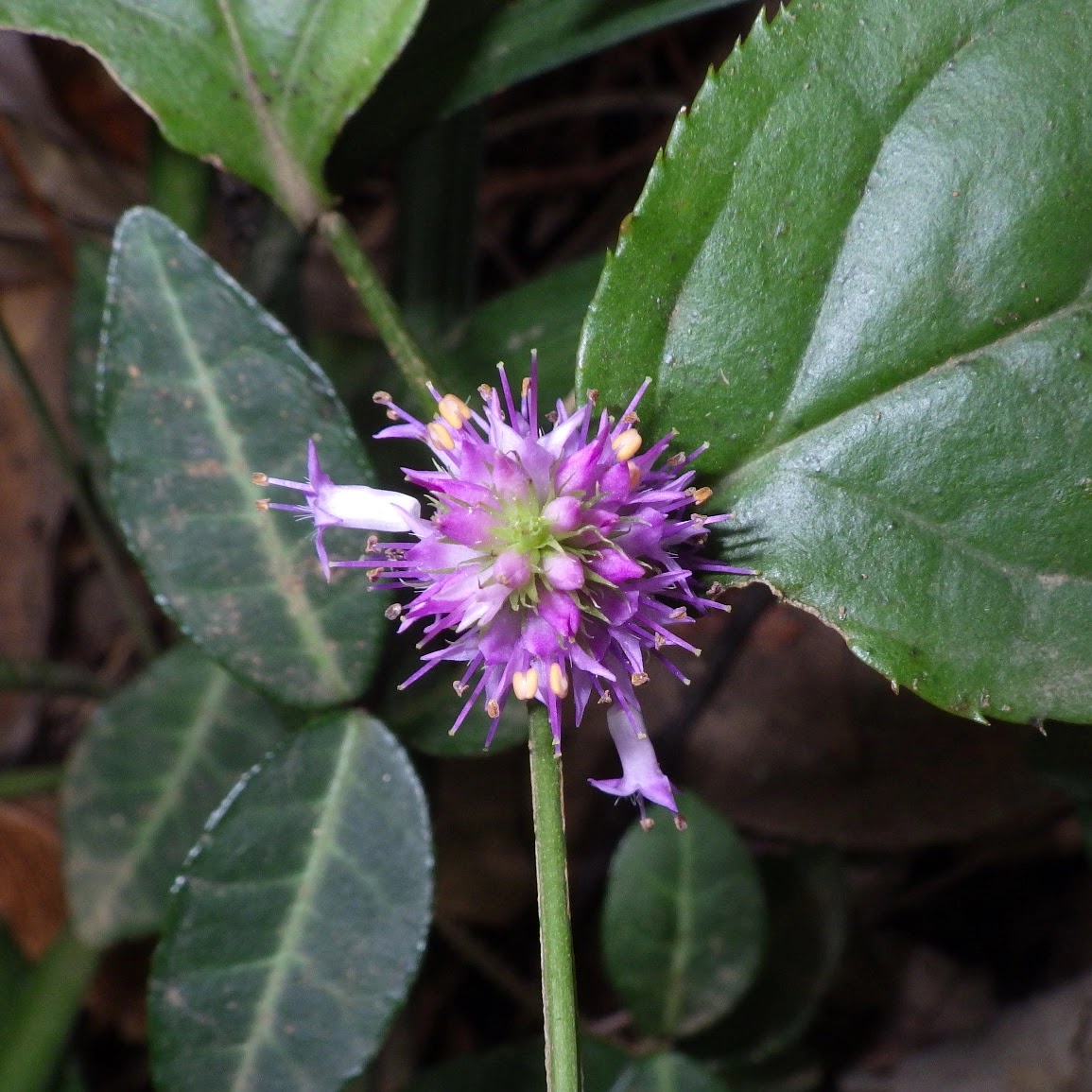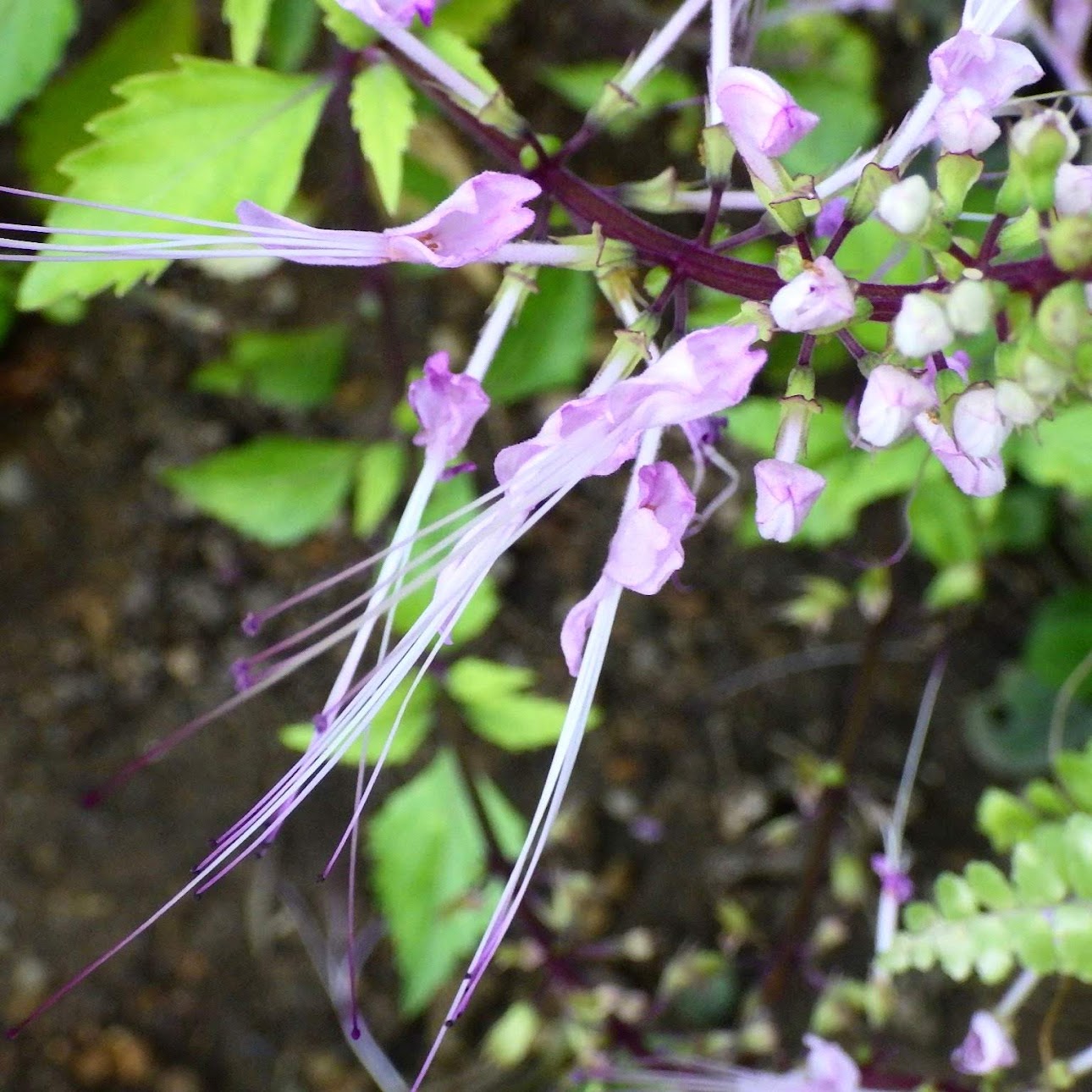
Cat's Whiskers (Kumiskuching) is a popular ornamental horticultural plant in Japan, known for its long stamens. In Okinawa, it is called Kumiskuching and is sometimes used to make Kumiskuching tea. Several closely related species are known in the same genus, but they do not resemble each other very much. In Japan, it is mainly used for ornamental purposes, but globally, it has been used as a diuretic and antihypertensive agent, and has been used for its effectiveness against diabetes and kidney disease. These are uses in traditional medicine, but scientifically, it has been found to contain a wide variety of phenolic acids, flavonoids, and triterpenoids that promote such effects, and these effects have been recognized in the body. No side effects have been confirmed to date. It is not currently used in Western medicine, but its use in the future is anticipated. As its name suggests, the most distinctive feature of the Cat's Whiskers flower is its long stamens and pistils. What kind of insects visit such a flower? Detailed research has not yet been conducted, but some observations have shown that butterflies and moths with long proboscises visit it. The long shape of the cat's whiskers flower has evolved to defend itself against insects that try to steal its nectar. It's a good choice for those who want to attract butterflies in their garden. Different flower colors may attract different insects. This article will explain the classification, history, culture, medicinal uses, pollination ecology, and seed dispersal of the cat's whiskers flower.
- Native to Southeast Asia, this popular horticultural variety is known for its flowers with long stamens.
- What species resembles cat's whiskers (Ophiopogon japonicus)?
- How has cat's whiskers been used? Are they effective for diabetes or kidney disease?
- What are the scientific effects of cat's whiskers and kumis kuching tea?
- What is the structure of the flower that resembles a cat's whiskers?
- Flowers resembling "cat whiskers" evolved for the benefit of butterflies!?
- Why are there types with long stamens and types with long pistils?
- Do different colors of flowers attract different types of insects?
- The fruit is a schizocarp.
- References
Native to Southeast Asia, this popular horticultural variety is known for its flowers with long stamens.
Orthosiphon aristatus var. aristatus (synonym: Orthosiphon stamineus), also known as cat's whiskers, is a perennial plant native to Southeast Asia, distributed in south-central and southeastern China, Taiwan, India, Thailand, Vietnam, Laos, Cambodia, Myanmar, Bangladesh, Indonesia, Malaysia, the Philippines, New Guinea, and Australia. It is cultivated for ornamental and medicinal purposes, and in Japan, it is cultivated for ornamental purposes on the mainland and for both ornamental and medicinal purposes in Okinawa. It belongs to the mint family.
It is also sometimes called "kuscumin," which means "cat's whiskers" in Malay. You can think of it as exactly the same thing as cat's whiskers.
Furthermore, while the scientific name Orthosiphon stamineus is often used in the medical field, this is likely an outdated and incorrect name. The correct name is probably Orthosiphon aristatus var. aristatus, as defined by Sudee et al. (2005). Please be careful when researching overseas papers and other publications.
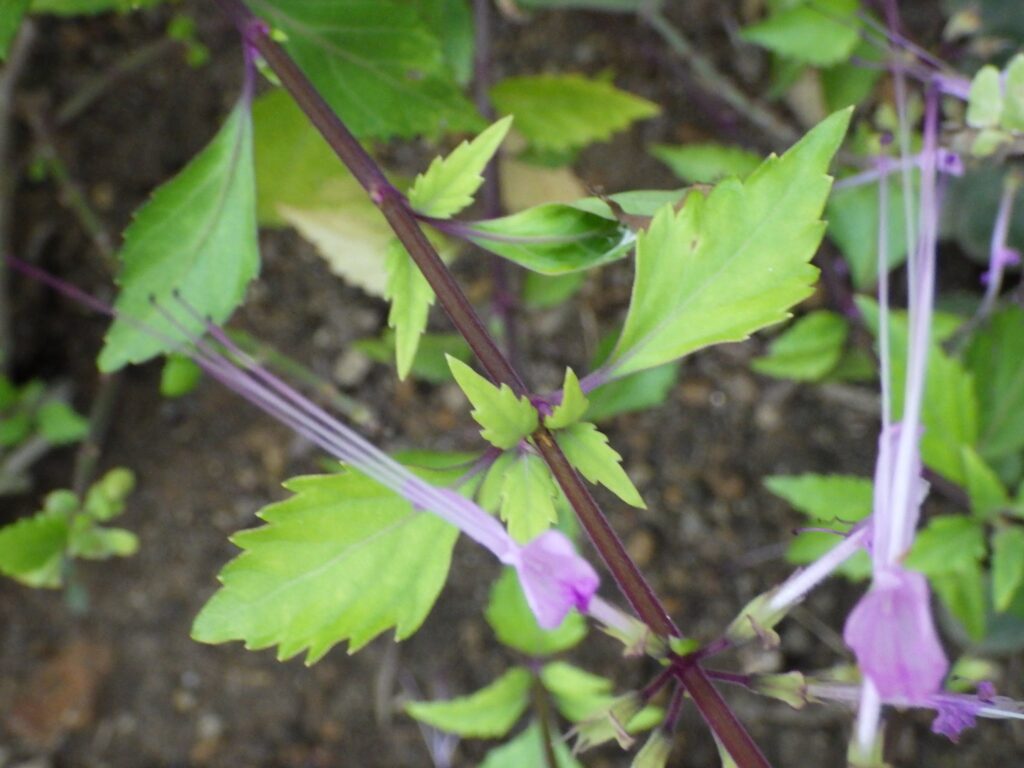
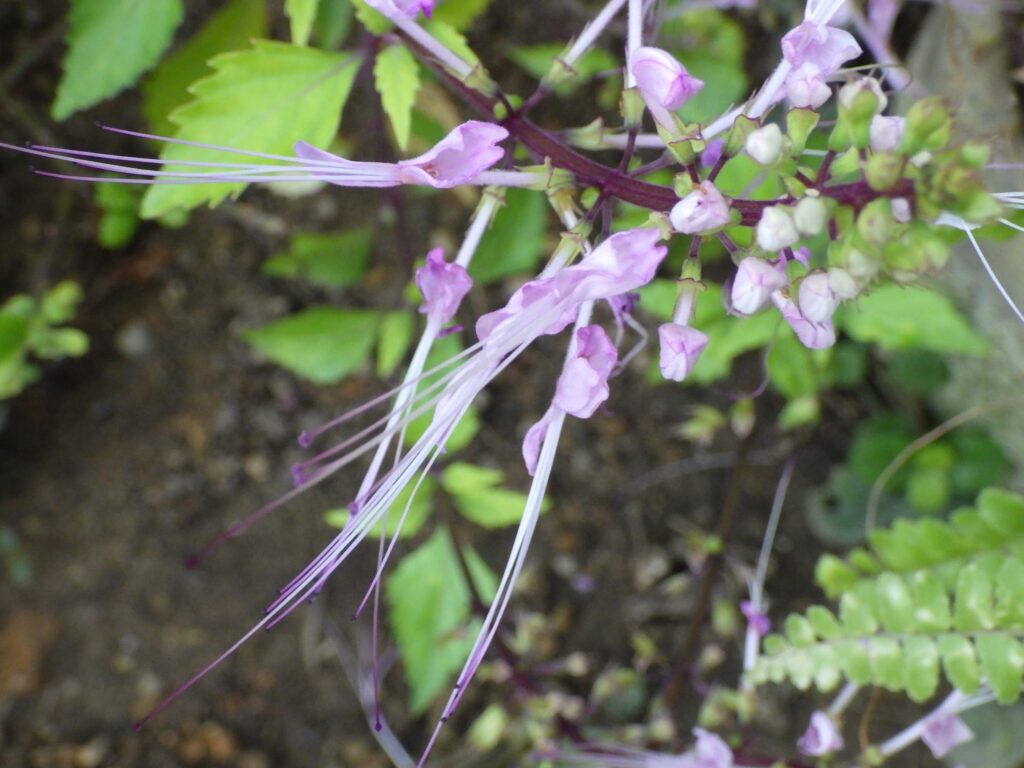
What species resembles cat's whiskers (Ophiopogon japonicus)?
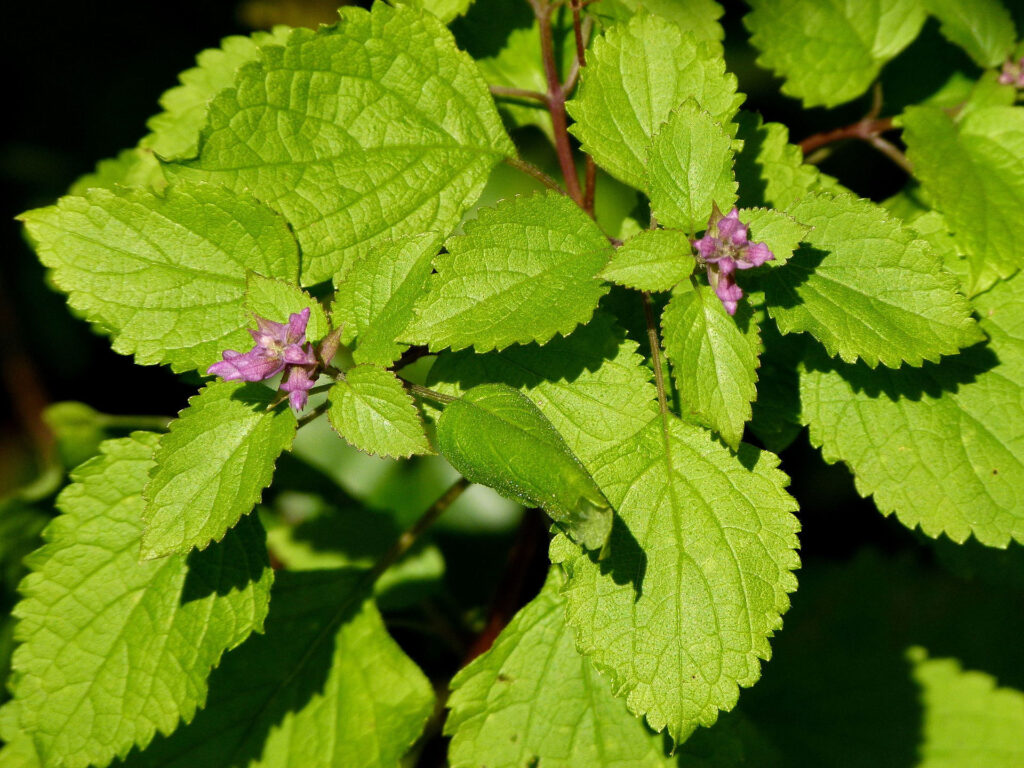
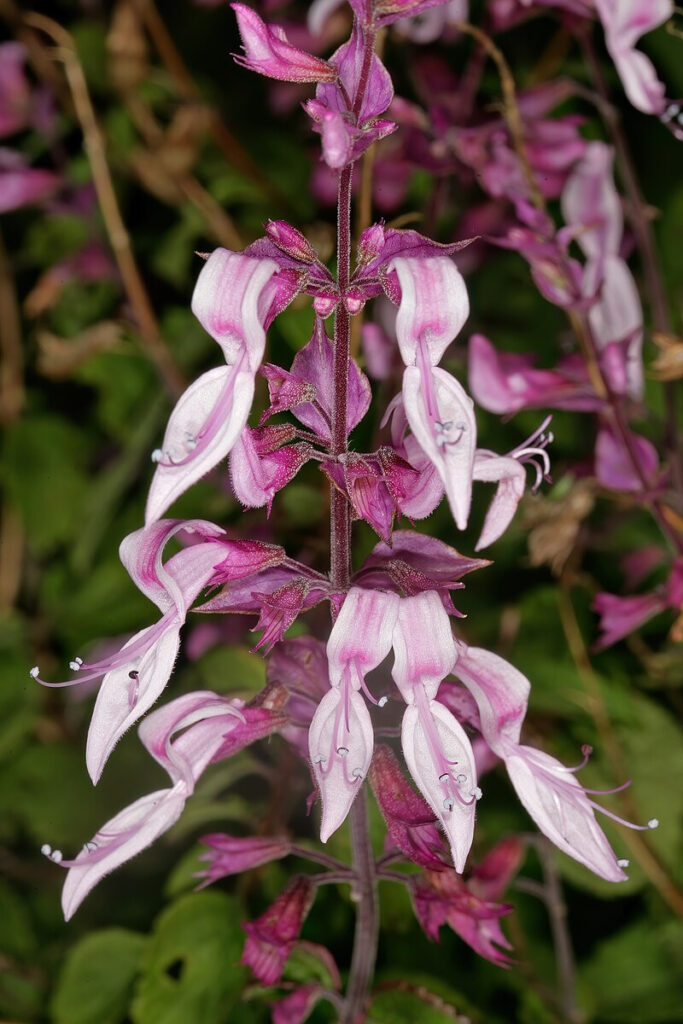
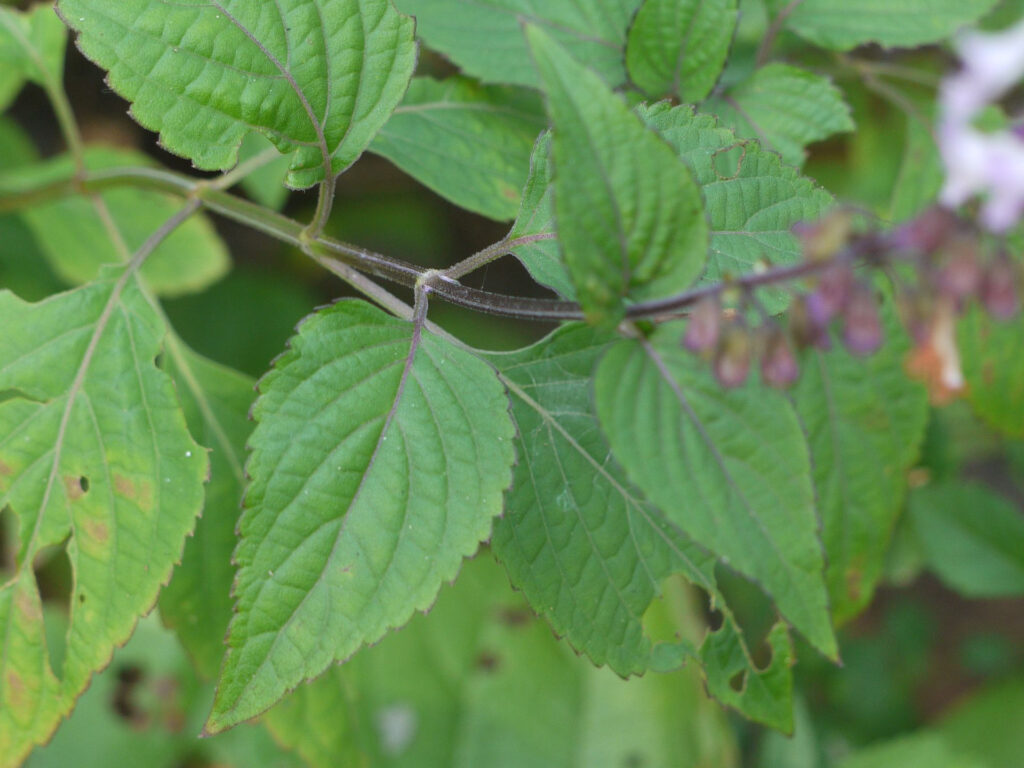
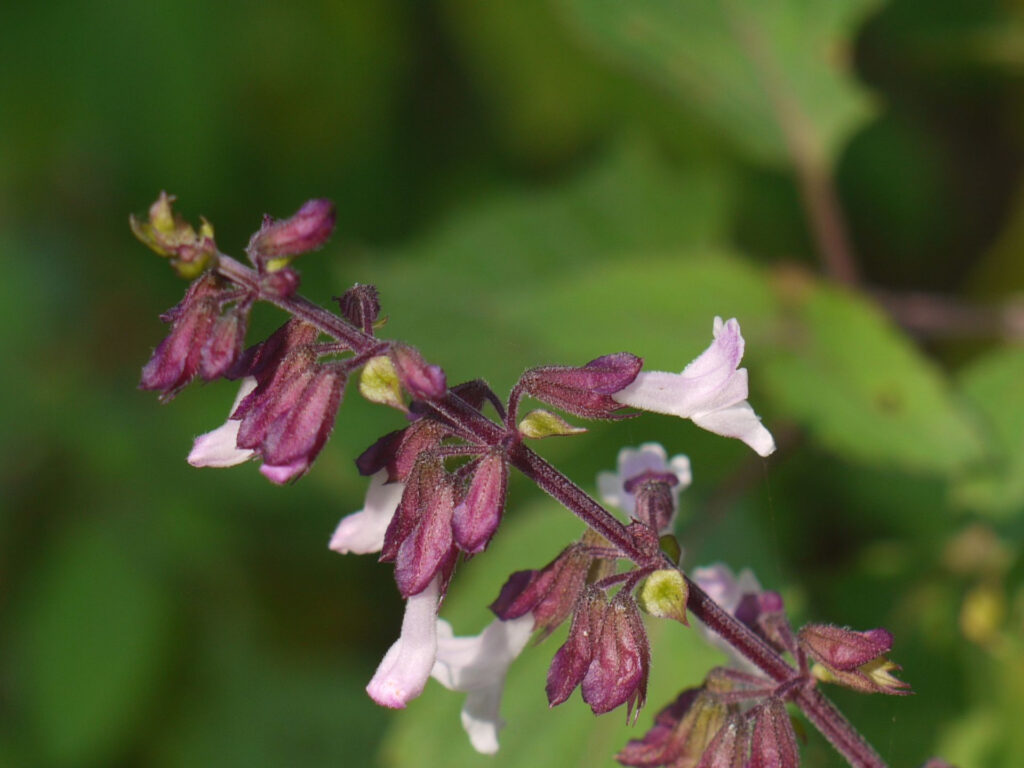
The genus Orthosiphon, which includes *Orthosiphon leucobryum*, encompasses quite a few species, but in Japan, only this species, * Orthosiphon labiatus*, and * Orthosiphon rubicundus* are commonly found. In Japan, all of these are cultivated varieties and are not found in the wild.
Since the stamens and pistils of *Orthosiphon labiatus* and *Orthosiphon sulphureus* are not as long as those of *Orthosiphon chinensis*, it is unlikely that they would be mistaken for each other. This suggests that *Orthosiphon chinensis* has undergone a unique evolutionary process within the genus *Orthosiphon *.
How has cat's whiskers been used? Are they effective for diabetes or kidney disease?
How has the cat's whiskers plant been used by humans? Of course, it has been used for ornamental purposes, but that's not all.
Cat's whiskers have a long history of traditional use in various countries for treating many diseases (Adnyana et al., 2013). Their primary uses are as a diuretic and antihypertensive agent, and they have been used for diabetes and kidney disease.
In European countries such as the Netherlands, France, and the United Kingdom, it is used as a herb.
It is widely cultivated in Indonesia. The leaves have been used as a diuretic, for the prevention and treatment of rheumatism, diabetes, hypertension, tonsillitis, epilepsy, menstrual disorders, gonorrhea, syphilis, kidney stones, gallstones, acute and chronic nephritis, gouty arthritis, and for fever reduction.
In Vietnam, the above-ground parts have been used to treat urolithiasis, edema, rash, influenza, hepatitis, jaundice, and biliary tract stones.
In Malaysia, the leaves have been used as a diuretic and to treat cystitis. A decoction of this plant has been used to remove bladder stones.
In Myanmar, the leaves are used as an antidiabetic drug, and a decoction of the air-dried leaves has been used to treat urinary tract and kidney diseases.
In Thailand, the leaves have been used as a diuretic, kidney tonic, and bladder tonic.
In Okinawa Prefecture, Japan, Kumiskuching is known as one of Okinawa's representative medicinal herbs, alongside turmeric and guava, and is consumed as a health tea that promotes detoxification of the body. It is generally sold under the name "Kumiskuching Tea."
What are the scientific effects of cat's whiskers and kumis kuching tea?
It seems certain that cat's whiskers have been used in various countries, but have their effects been scientifically proven?
Various studies have confirmed that it actually possesses antiproliferative, cytotoxic, anti-inflammatory, analgesic, antioxidant, antibacterial, antihypertensive, hypoglycemic, lipid-lowering, anti-obesity, and gastric protective activity (Ashraf et al., 2018).
In particular, regarding its blood glucose-lowering effect, it has been found to have a wide range of effects, including antioxidant activity, anti-inflammatory effects, regulation of lipid metabolism, inhibition of α-amylase and α-glucosidase activity, promotion of insulin secretion, promotion of glycolysis and inhibition of gluconeogenesis, and reduction of GLP-1 levels (Wang et al. 2022).
However, please note that many of these results are from experiments on animals other than humans.
The ingredients include 50 types of phenolic acids, and ferulic acid, methyl caffeate, vanillic acid, protocatechuic acid, and rosmarinic acid are known to lower blood sugar levels in the body.
Furthermore, it contains more than 20 types of flavonoids, including isoquercitrin, baicalein, and naringenin, which lower blood sugar levels in the body.
Furthermore, it contains 20 types of triterpenoids, including α,β-amyrin, aljunolic acid, betulinic acid, tormentinic acid, oleanolic acid, and ursolic acid, which also lower blood sugar levels in the body.
You may be concerned about side effects, but traditionally, it is considered safe and thought to have no side effects. Scientifically, it is not yet well understood in humans, but experiments with zebrafish and rats have not revealed any particular toxicity. However, all medicines have a potential for toxicity, so excessive intake is not recommended.
As you know, current Western medicine does not prescribe cat's whiskers for diabetes treatment; it is treated with oral hypoglycemic agents and insulin injections.
However, most of these drugs are known to have side effects, and it has been suggested that long-term use may reduce the sensitivity of insulin receptors and lead to insulin resistance.
Therefore, research is continuing to explore whether combining glucose-lowering drugs with cat's whiskers can reduce side effects, with the expectation of future medical applications.
What is the structure of the flower that resembles a cat's whiskers?
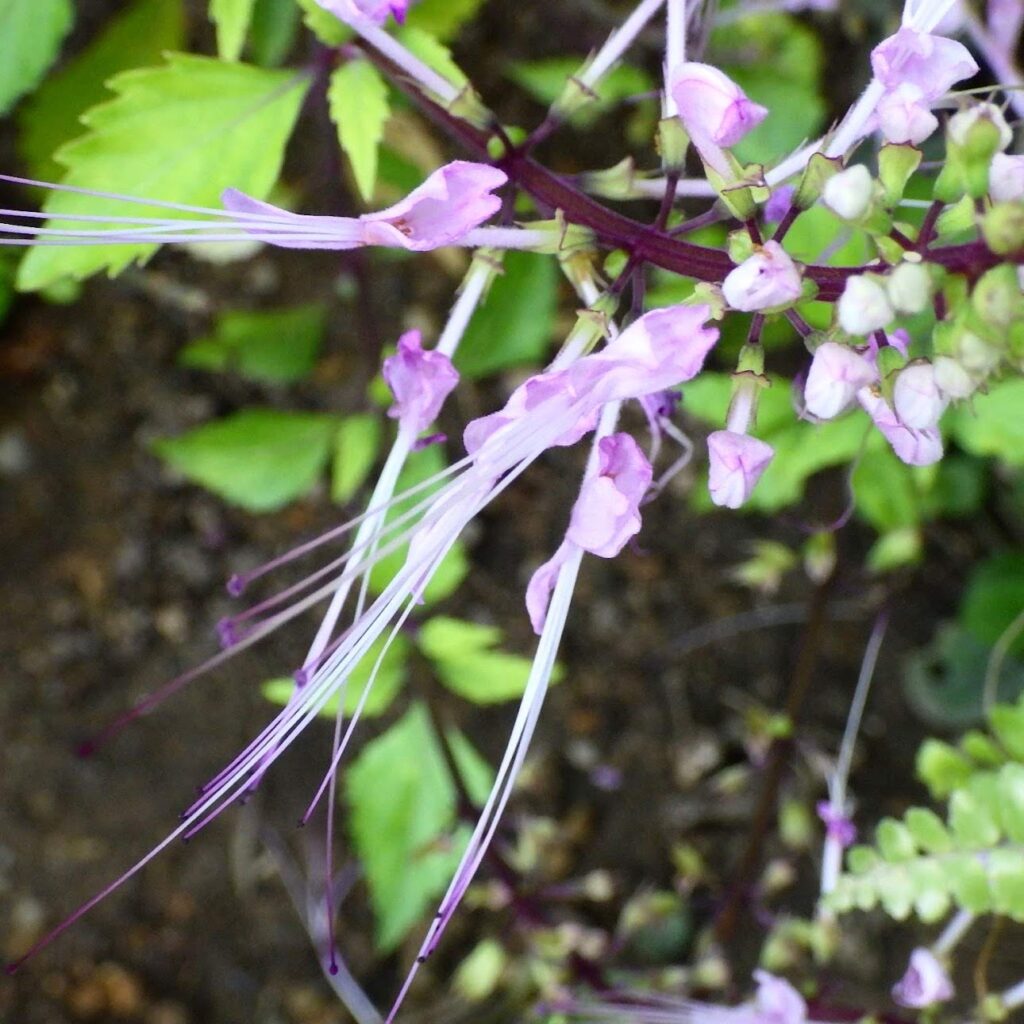
The flowers of *Cat's Whiskers* bloom in whorls of 2 to 6 at a time, forming a whorled inflorescence (Tsukamoto, 1994). These are arranged in multiple tiers, with flowers blooming from the bottom upwards, forming a dense spike inflorescence 8 to 12 cm long overall.
The flower's structure is that of a Lamiaceae plant, meaning it has labiate flowers. A labiate flower is one in which the tip of the tubular corolla is divided into two parts, upper and lower, resembling lips. The corolla is white to purple, and there are four stamens.
Its basic structure is the same as other plants in the mint family, but interestingly, the stamens, along with the pistil, curve upwards and protrude far beyond the petals. This is what distinguishes it from other plants in the mint family. The Japanese name "Nekonohige" (cat's whiskers) comes from the fact that these stamens and pistil resemble a cat's whiskers.
Furthermore, the long, slender, tubular part at the base of the corolla, called the "flower tube," is exceptionally long in *Lamiaceae*, which also distinguishes it from other flowers in the mint family.
Flowers resembling "cat whiskers" evolved for the benefit of butterflies!?
What is the purpose of these flower shapes that resemble "cat's whiskers"? Flowers, of course, have evolved to attract insects, but with this shape, it seems that small insects would slip past them and not be able to effectively carry the pollen.
Unfortunately, there appear to be no studies that have thoroughly investigated the types of insects that visit this flower, but researchers familiar with the ecology of flowers believe that butterflies and moths visit it (Van der Pijl, 1972).
The reason for this is thought to be the abundant nectar secretion and the unique corolla.
Larger butterflies and moths use the lower lip (the lower part of the petals of Lamiaceae flowers) as a landing pad, and the butterfly extends its long proboscis to try to drink nectar from a distance. Butterflies and moths with such long proboscises are generally known as nectar robberies, and in the case of ordinary flowers, they often drink the nectar without touching the stamens or pistils and then fly away.
However, because of this, the flower tube (the tubular part of the flower) of the cat's whiskers is also long, so butterflies and moths cannot get close enough to drink the nectar inside. Also, the stamens and pistils on the cat's whiskers are long enough that they cannot avoid them while drinking the nectar. In this way, pollen is forcibly attached to the head, thorax, and base of the legs of the butterflies.
A familiar example would be the way it disperses pollen, which is quite similar to that of the red spider lily (although Japanese red spider lilies do not undergo pollination and only reproduce through bulbs).
The flower tube (the tubular part of the flower) is long and narrow, so even if a small visitor manages to squeeze through, it may be difficult for them to access the nectar.
Therefore, it can be said that the "cat's whiskers" of the cat's whiskers are a structure that developed specifically for butterflies and moths.
A Google image search revealed that swallowtail butterflies, including the common swallowtail, also visit the cat's whiskers plant in Japan.
Because it has low cold tolerance, it needs to be moved to a sunny spot indoors when temperatures drop in the fall, but it is a recommended plant for those who want to attract butterflies through gardening.
Why are there types with long stamens and types with long pistils?
There are two types of *Cat's Whiskers*: one with long stamens and another with long pistils (Febjislami et al., 2019). Why is this the case?
This is thought to be a mechanism to prevent self-pollination. In this way, when insects visit the flowers, in the case of flowers with long stamens, the pollen from the flowers with long stamens will land on the stigma of the flowers with long pistils. Conversely, in the case of flowers with long pistils, the pollen from the flowers with long pistils will land on the stigma of the flowers with long stamens.
This might be a little difficult to understand, but essentially, it means that the male and female sexes are spatially separated, and pollination occurs between plants with long stamens and plants with long pistils, but not between plants with long stamens or between plants with long pistils.
This characteristic is called "heterostyly" and can be found in a variety of plants.
The formation of heterostylicity is considered a rare phenomenon because it is genetically extremely complex (Watanabe, 2022). Furthermore, since it results in two distinct types, it effectively means that only half of the population can crossbreed. This is a significant disadvantage. Therefore, while it effectively prevents self-pollination, it remains a strategy for a minority group.
It is not entirely clear whether self-pollination occurs in *Cat's Whiskers*, but since this is a characteristic of cross-pollinating flowers, which are usually pollinated by different insects, it is thought that cross-pollination plays a significant role (Febjislami et al., 2019).
Do different colors of flowers attract different types of insects?
There are many varieties of cat's whiskers. The flower colors are quite diverse, ranging from white to purple. Could these differences in flower color be influenced by the insects that visit them?
Although this hasn't been actually studied in the field, one theory suggests that butterflies are the main visitors to red, blue, and purple flowers, while moths are the main visitors to white flowers (Mohamad et al., 2018).
Butterflies generally have well-developed color vision, having evolved to see red hues that many other insects cannot. Therefore, they are attracted to bright colors such as red, blue, and purple. The same may be true for the red, blue, and purple flowers of the cat's whiskers plant.
On the other hand, it is well known that white flowers are favored by moths, especially nocturnal hawk moths. The same may be true for the white flowers of the cat's whiskers plant. There is also a description on the website of a Hawaiian botanical garden that hawk moths have visited the plant (Hawaii Tropical Botanical Garden, 2020). Therefore, it can be said that this is substantiated.
If there are indeed differences based on the color of the flowers, this would be a very interesting phenomenon.
By the way, I've explained so far that only butterflies and moths visit the flowers, but my research has shown that bumblebees also visit them, as seen on the internet. We still don't know the exact proportion and types of insects that visit each color of flower, but considering this, it seems possible that, contrary to what I've explained so far, they also rely on large, long-nosed bees.
The fruit is a schizocarp.
The fruit is a schizocarp, derived from a single pistil with multiple chambers, which then divides vertically into several units. Each nutlet is dark brown and about 2 mm long. It is thought to be dispersed by gravity and light winds.
References
Adnyana, IK, Setiawan, F., & Insanu, M. 2013. From ethnopharmacology to clinical study of Orthosiphon stamineus Benth. International Journal of Pharmacy and Pharmaceutical Sciences 5(3): 66-73. ISSN: 0975-1491, https://www.researchgate.net/publication/286487506
Ashraf, K., Sultan, S., & Adam, A. 2018. Orthosiphon stamineus Benth. is an outstanding food medicine: Review of phytochemical and pharmacological activities. Journal of Pharmacy & Bioallied Sciences 10(3): 109-118. https://doi.org/10.4103%2Fjpbs.JPBS_253_17
Febjislami, S., Kurniawati, A., Melati, M., & Wahyu, Y. 2019. Morphological characters, flowering and seed germination of the Indonesian medicinal plant Orthosiphon aristatus. Biodiversitas: Journal of Biological Diversity 20(2): 328-337. ISSN: 1412-033X, https://doi.org/10.13057/biodiv/d200204
Hawaii Tropical Botanical Garden. 2020. Orthosiphon aristatus. https://htbg.com/cats-whiskers/
Mohamad, NK, Yeo, FKS, See, WS, Lay, WH, & Tawan, CS 2018. A preliminary study of floral development and breeding system of Orthosiphon aristatus (Blume) Miq. Borneo Science 39(2): 57-71. ISSN: 1394-4339, https://www.researchgate.net/publication/334129540
Suddee, S., Paton, AJ, & Parnell, JAN 2005. Taxonomic revision of tribe Ocimeae Dumort.(Lamiaceae) in continental South East Asia III. Ociminae. Kew Bulletin 60(1): 3-75. https://www.jstor.org/stable/4110885
Tsukamoto, Yotaro. 1994. Encyclopedia of Horticultural Plants, Compact Edition. Shogakukan, Tokyo. 3710pp. ISBN: 9784093051118
Van der Pijl, L. 1972. Functional considerations and observations on the flowers of some Labiatae. Blumea: Biodiversity, Evolution and Biogeography of Plants 20(1): 93-103. ISSN: 0006-5196, https://repository.naturalis.nl/pub/525734
Wang, Q., Wang, J., Li, N., Liu, J., Zhou, J., Zhuang, P., & Chen, H. 2022. A systematic review of Orthosiphon stamineus Benth. in the treatment of diabetes and its complications. Molecules 27(2): 444. https://doi.org/10.3390/molecules27020444
Watanabe, Kenta. 2022. Current Ecological and Evolutionary Biological Perspectives on "Heterostyle." Okinawa National College of Technology Bulletin 16: 31-45. https://doi.org/10.51104/nitokinawacollege.16.0_31