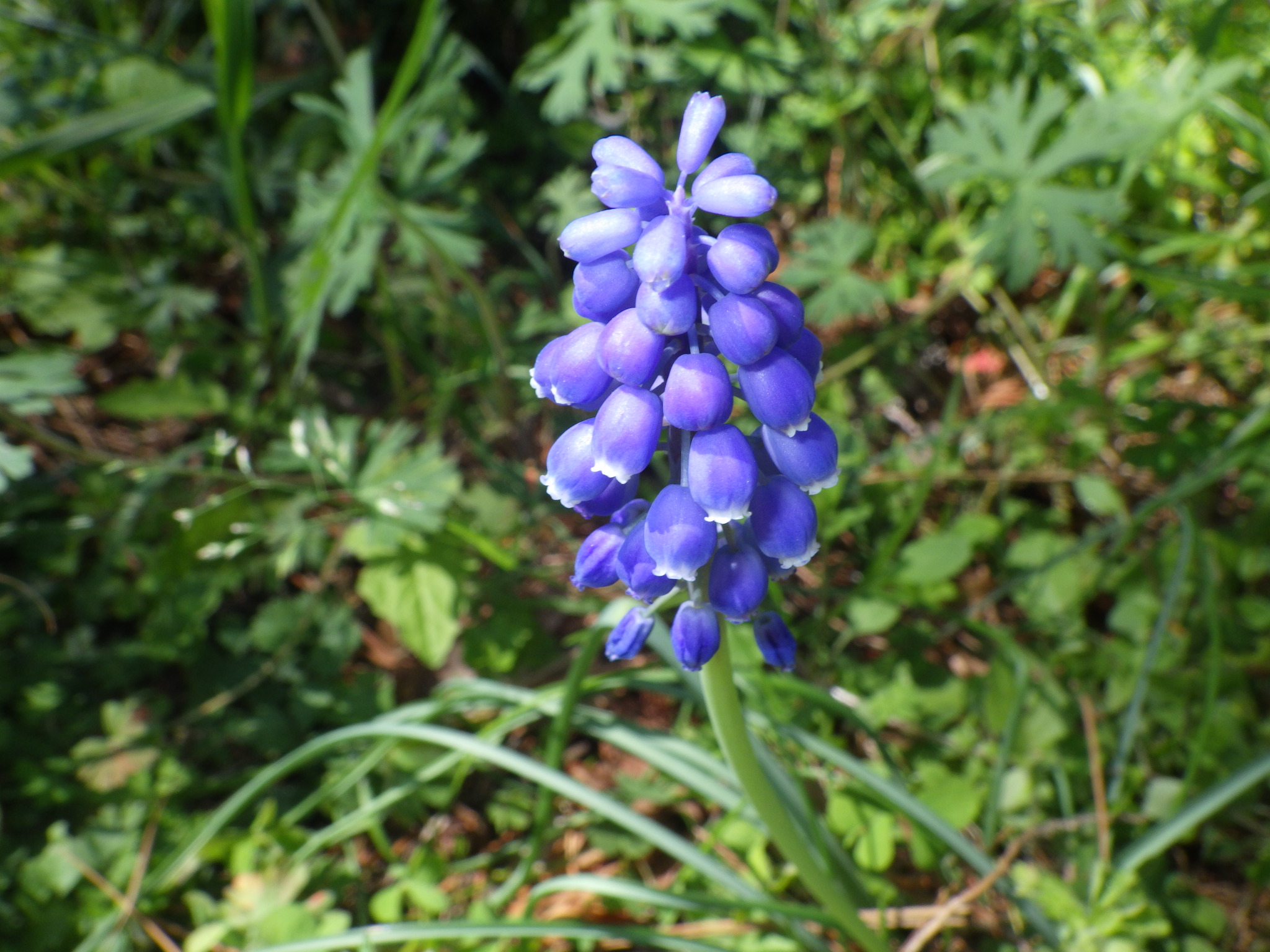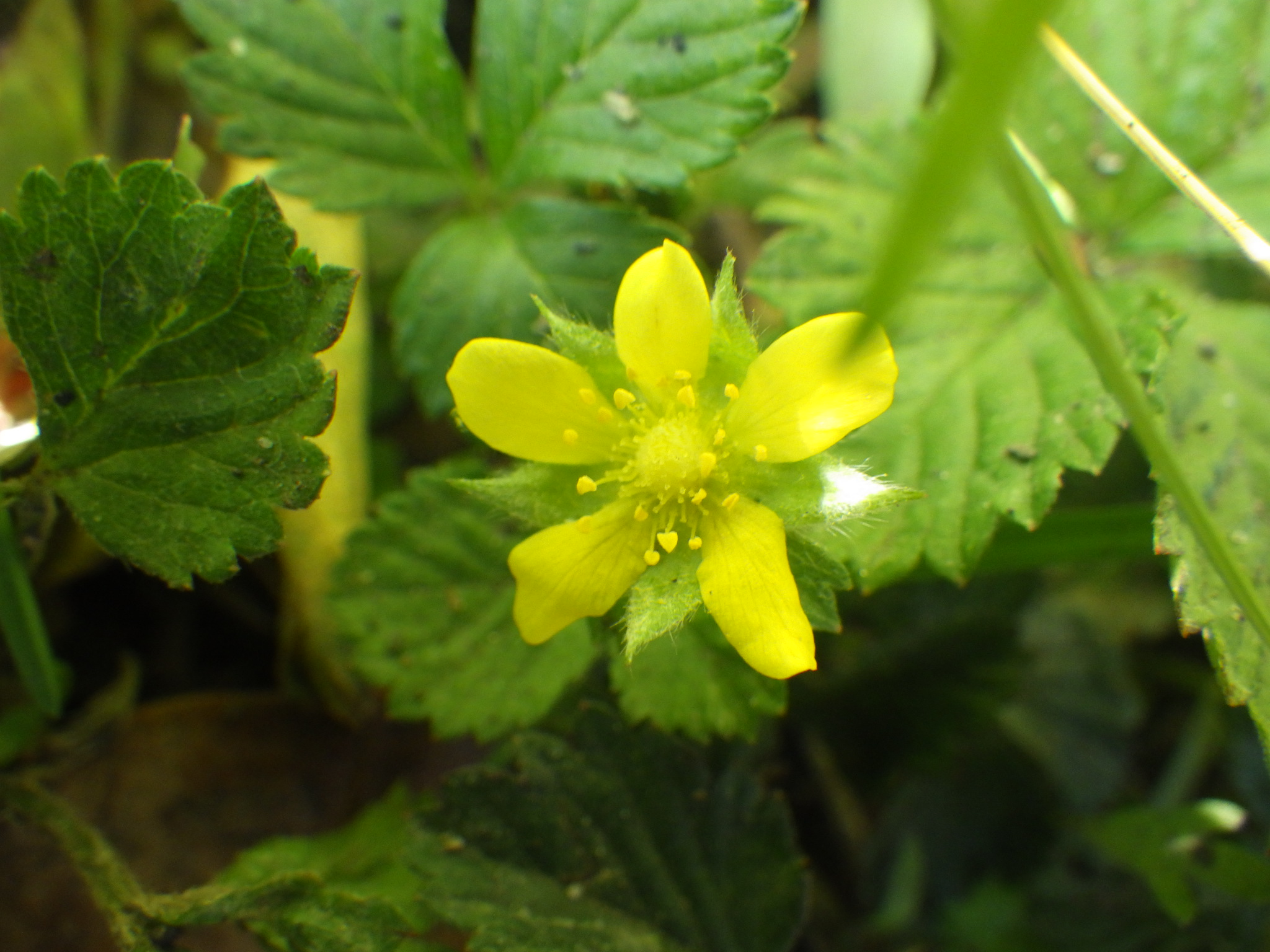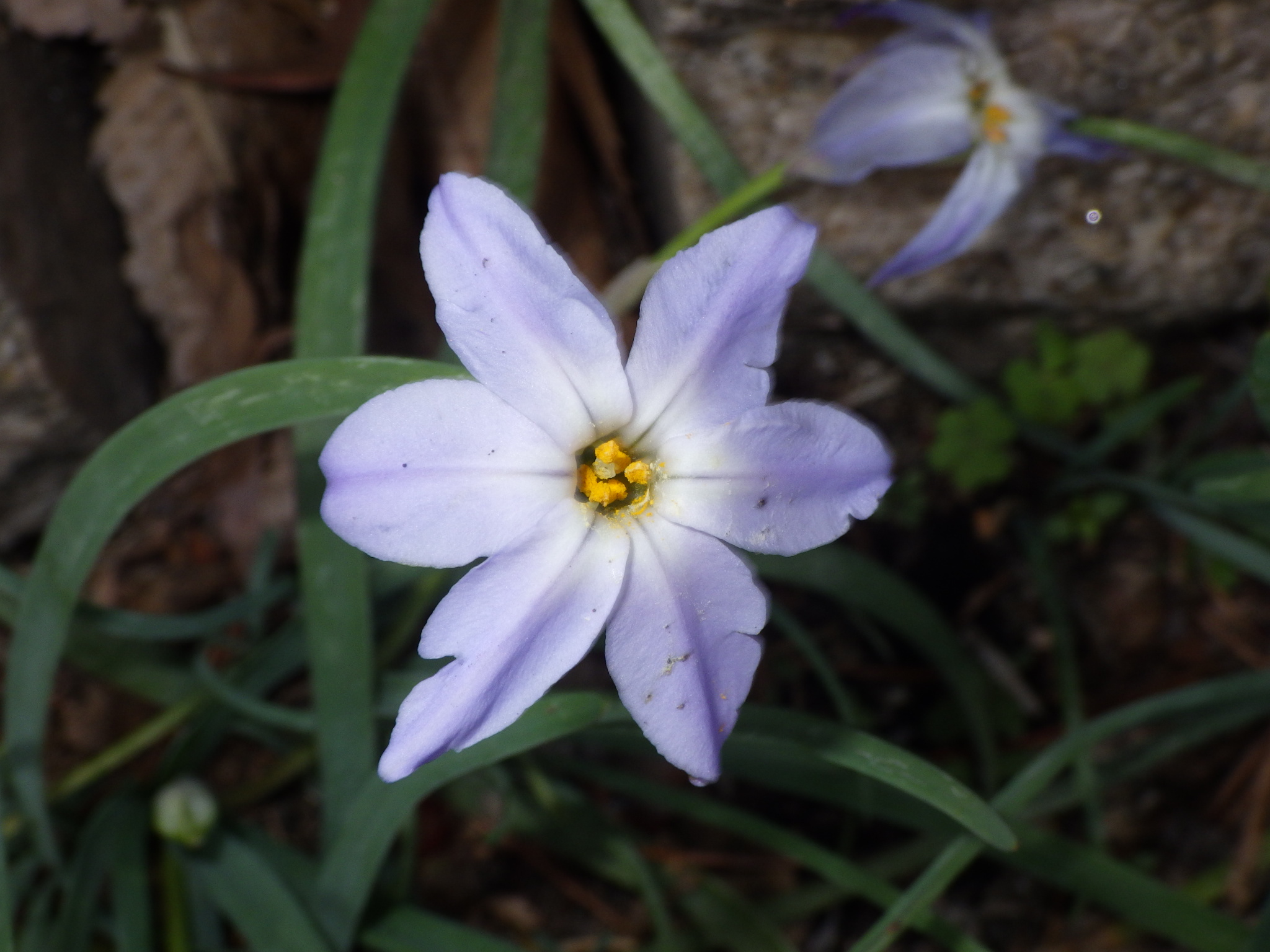
Ipheion uniflorum, chives, and field chives all belong to the Amaryllidaceae family, Allioideae subfamily, and share the name "chives." They are common perennial plants found in fields and urban areas. Due to their confusing names, people who have never seen these three species may find it difficult to distinguish them. However, there are significant taxonomic differences, and they can be easily distinguished by examining the shape of their flowers. Regarding the edibility of Ipheion uniflorum and field chives, there is a lot of vague information on the internet with unclear sources. While field chives are edible, the situation with Ipheion uniflorum is unclear, so it's best not to eat them. This article will explain the classification, morphology, and uses of plants with "chives" in their name.
What are Ipheion flavescens, chives, and field chives?
Ipheion uniflorum, also known as Western Star-of-Bethlehem, is a perennial plant native to South America (Argentina and Uruguay). It is cultivated worldwide for ornamental purposes and was introduced to Japan during the Meiji era as an ornamental plant, where it has become naturalized in various regions.
Chives (Allium tuberosum) are said to be distributed in Honshu, Shikoku, and Kyushu in Japan; as well as in Pakistan, India, and China. They are a perennial plant that grows widely on embankments, field edges, and vacant lots. Because they have been cultivated in fields since ancient times as a vegetable for their leaves, it is not well known whether they are truly wild in Japan or whether they spread after being cultivated. In Japanese cuisine, they are used in soups, as a condiment, in blanched dishes, and stir-fries, as well as in Chinese and Korean cuisine. Typical dishes using chives include stir-fried liver and chives, chive omelet, chive dumplings, and gyoza.
Nothoscordum gracile, also known as field chives, is a perennial plant native to southern North America and tropical America. It is believed to have been introduced to Japan around the middle of the Meiji era and has become naturalized in areas west of the Kanto region.
All of these belong to the Amaryllidaceae family, Allioideae subfamily, and are called "nira" (leeks). They are common perennial plants that can be found in fields and urban areas.
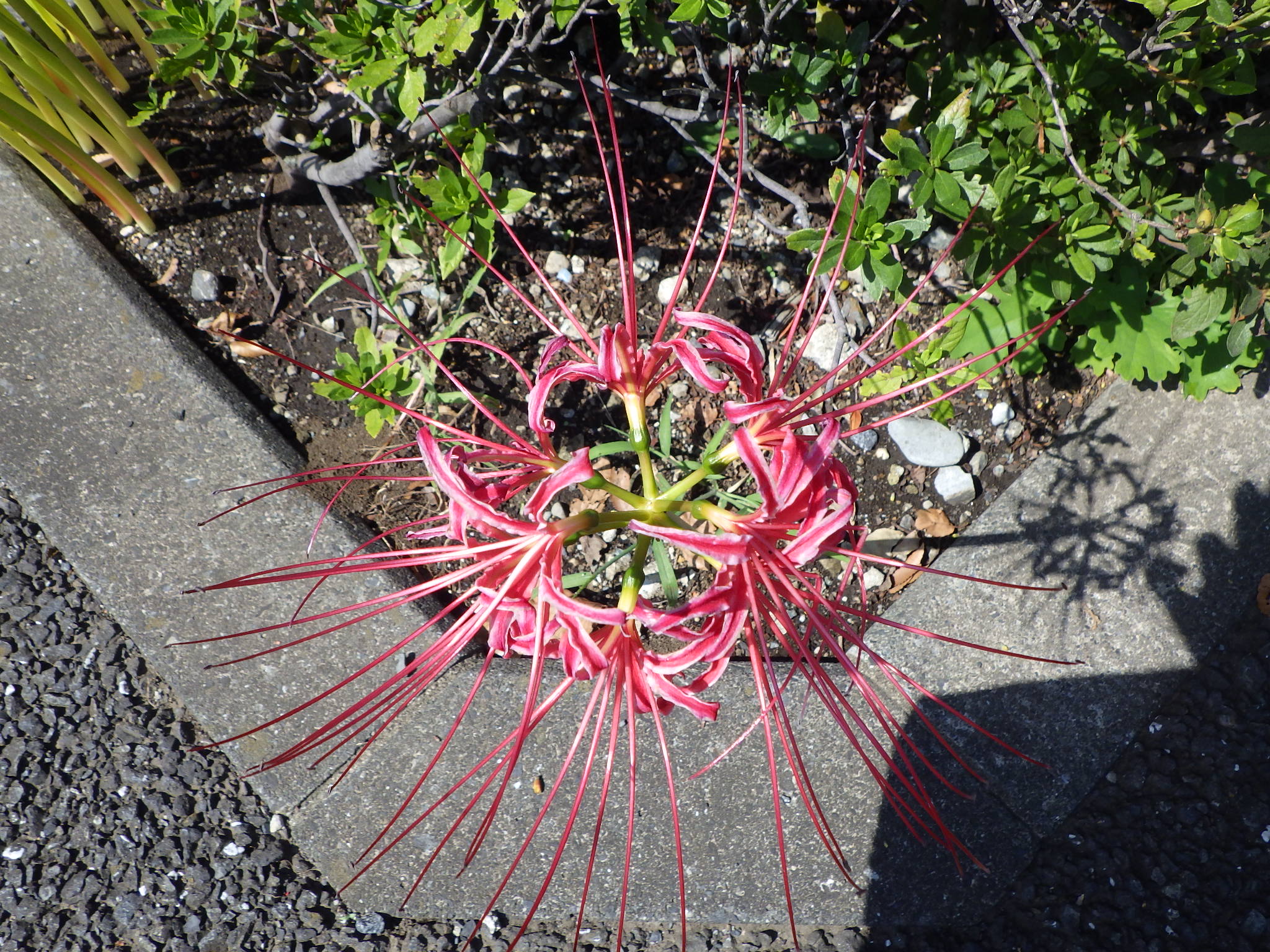
Morphologically, they share the common characteristic of having a superior ovary (where the ovary, which develops into the fruit, is located above the petals). Therefore, if you observe the flowers closely, you will be able to see a green mass on top of the petals.
Because of their confusing names, people who have never seen these three species before may find it difficult to distinguish between them.
In particular, a variety of chives (Allium tuberosum) whose flower stalks and the buds at their ends are eaten is sometimes called "flower chives," which can also be a source of confusion.
What are the differences between Ipheion uniflorum, Ipheion leek, and Ipheion japonica?
However, upon closer observation, it becomes clear that these three species are quite different despite the similarity of their names (Kanagawa Prefecture Flora Survey Association, 2018).
First, let's look at the classification: Ipheion uniflorum belongs to the genus Ipheion, chives belong to the genus Allium, and field chives belong to the genus Allium. Therefore, it can be expected that there are significant differences between them.
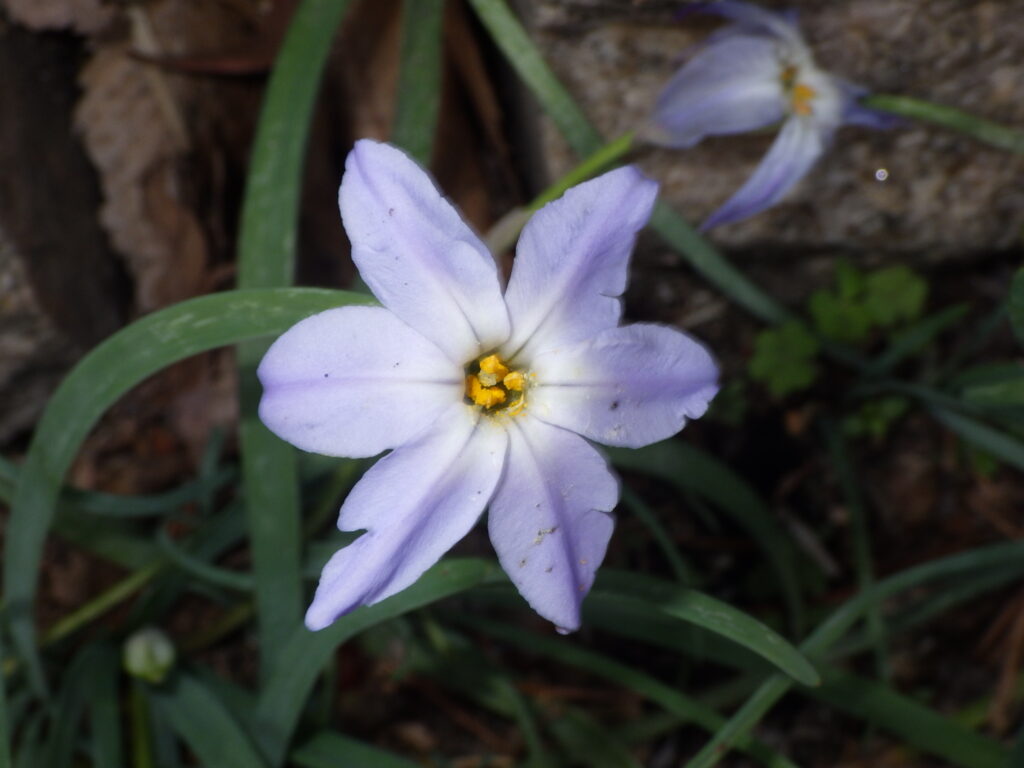
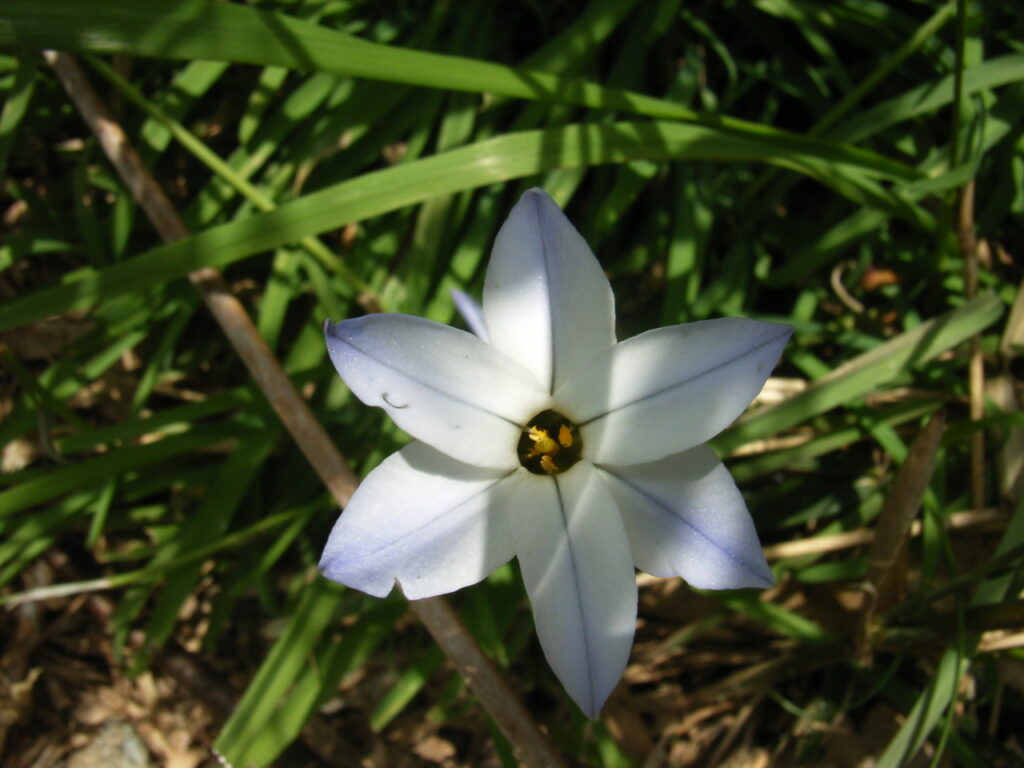
The specific difference is that in chives and wild chives, the perianth segments (the petal-like parts, so called because there is no distinction between petals and sepals) are free or only fused at the base, whereas in star-of-Bethlehem, the perianth segments are completely fused, forming a corolla similar to that of a sympetalous flower.
Regarding the perianth segments, other differences include the fact that chives and field chives are primarily white, although they may have some color, and are small, while flowering chives (Ipheion uniflorum) are purple to pink and are larger.
Regarding the flowering seasons, Ipheion uniflorum blooms from March to April, chives from August to October, and field chives from May to June.
While chives and wild chives may often seem quite similar, a recommended way to distinguish them is to check the filaments of the stamens (the stalks that support the yellow anthers).
In chives, the filaments are thin and long, growing outwards, whereas in wild chives, they are flat, broad, and grow almost vertically, appearing as if multiple stamens are encasing the pistil in a tube-like fashion.
Furthermore, while chives do not have any special color at the base of their perianth segments, in wild chives (Allium macrostemon) the base of the perianth segments is green.
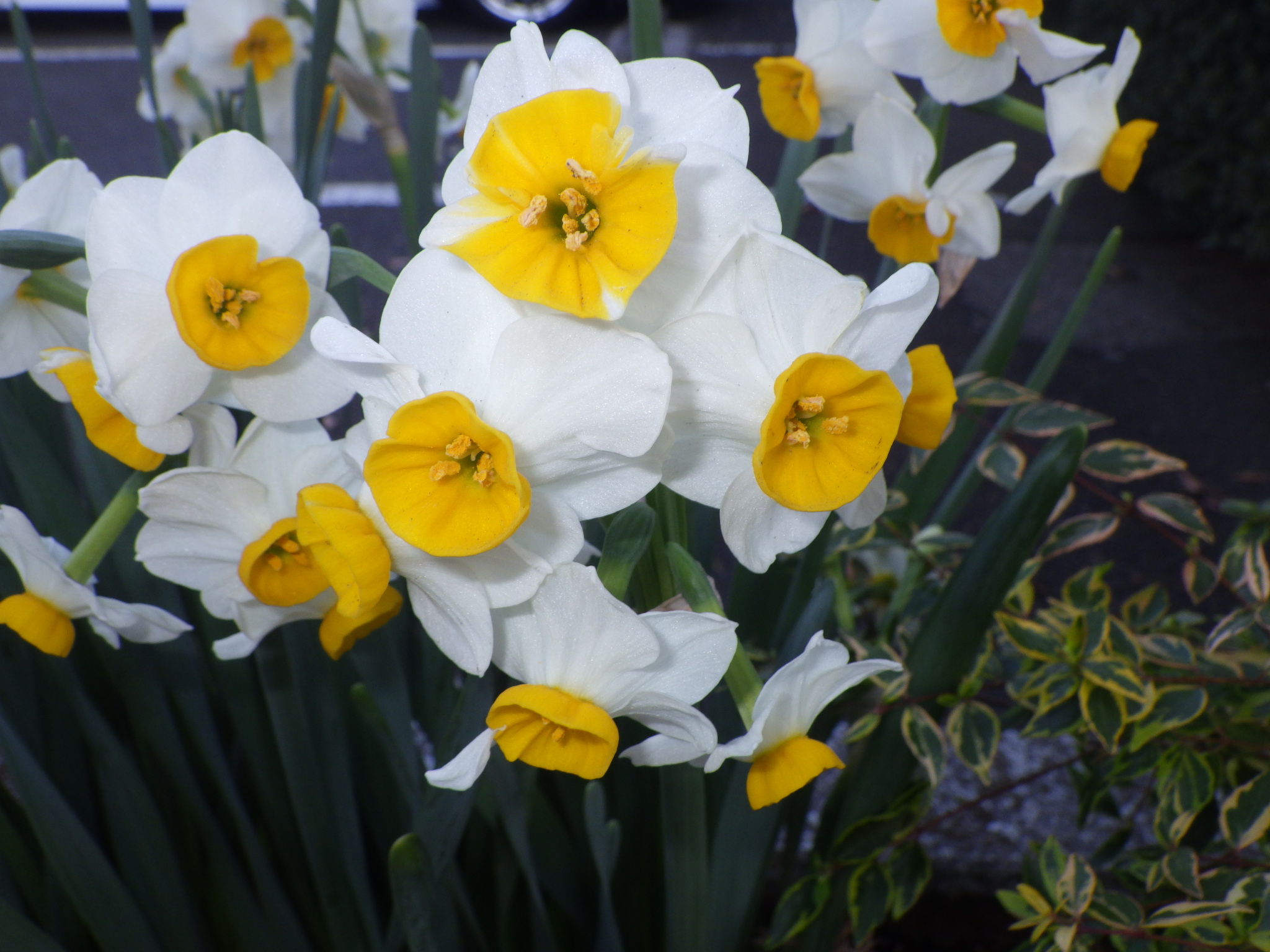
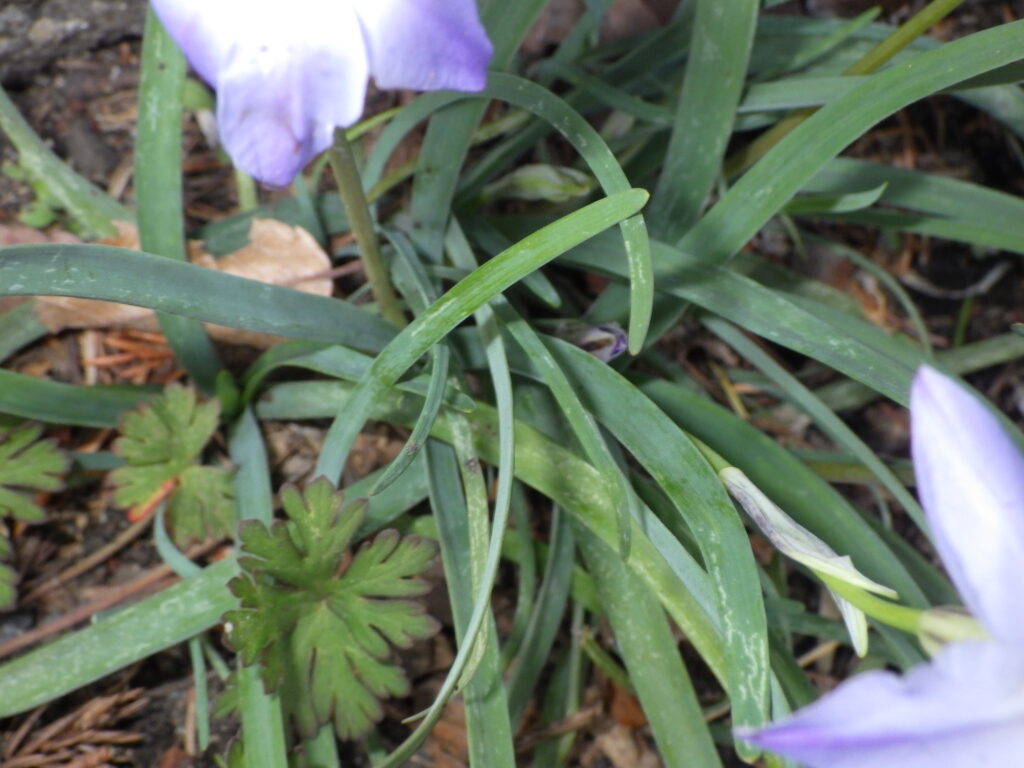
While it's difficult to distinguish them solely by their leaves, it's worth noting that both Ipheion uniflorum and chives have a distinctive smell, similar to that found in stir-fried chives, whereas Ipheion uniflorum does not. Also, be absolutely sure not to confuse them with the poisonous daffodil.
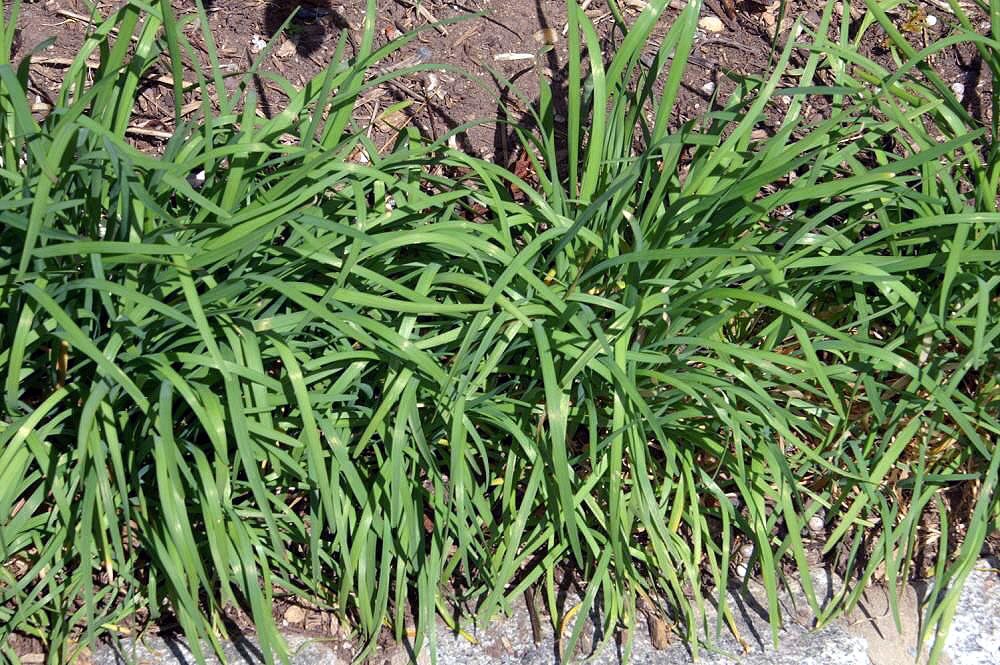
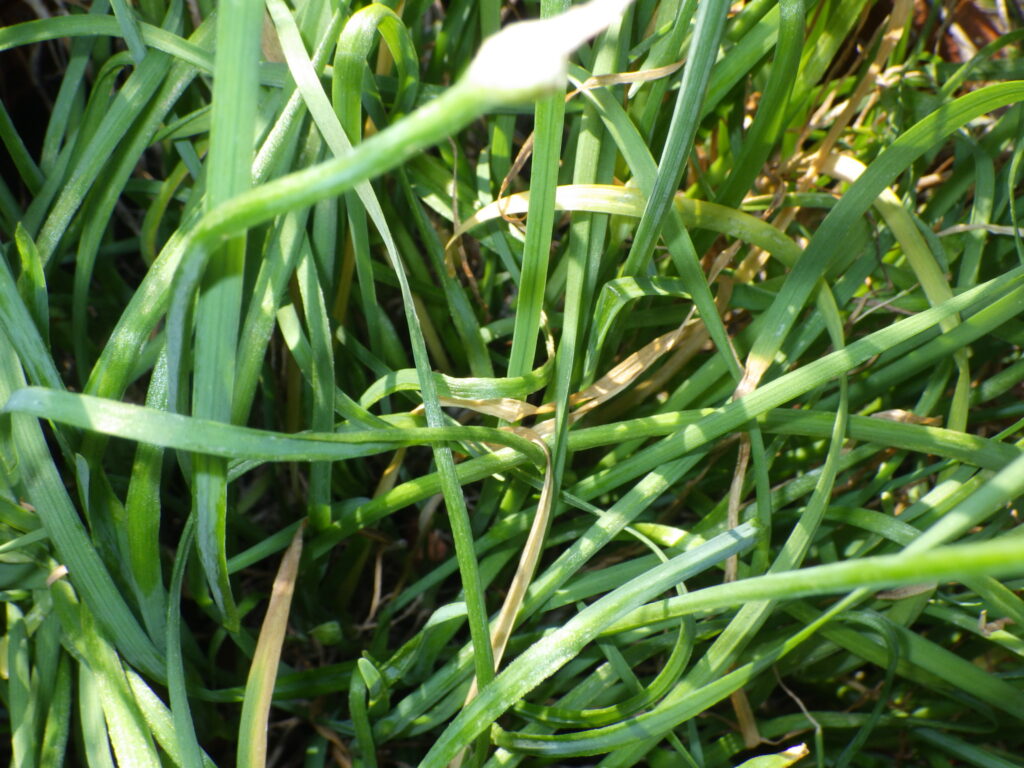
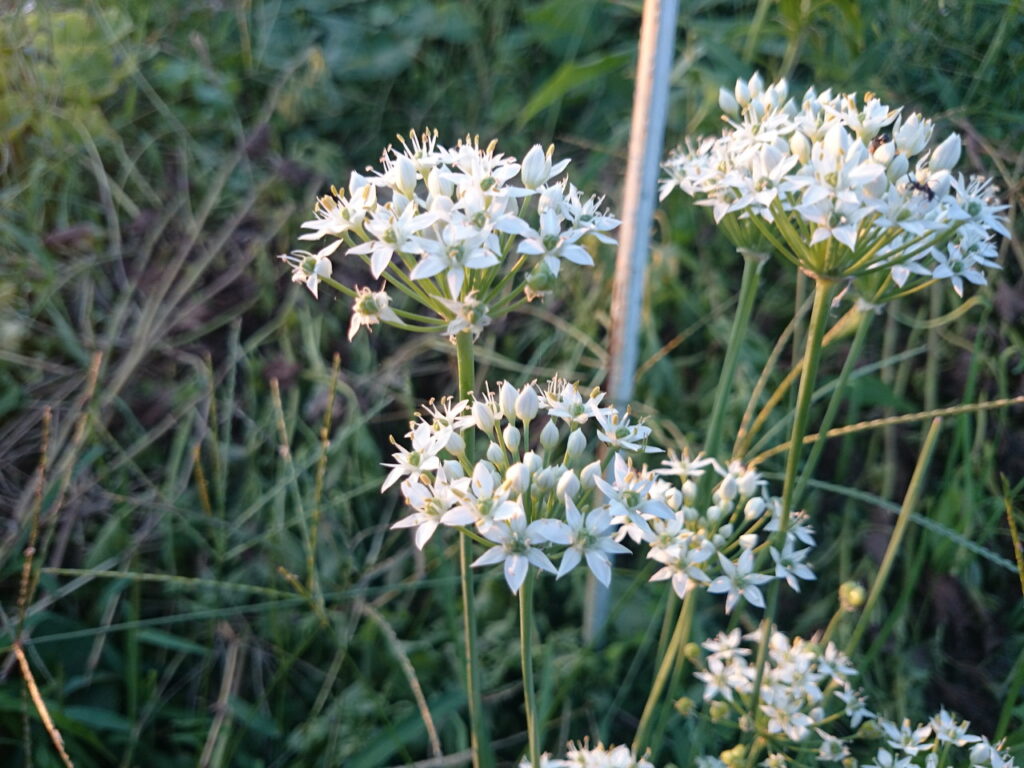
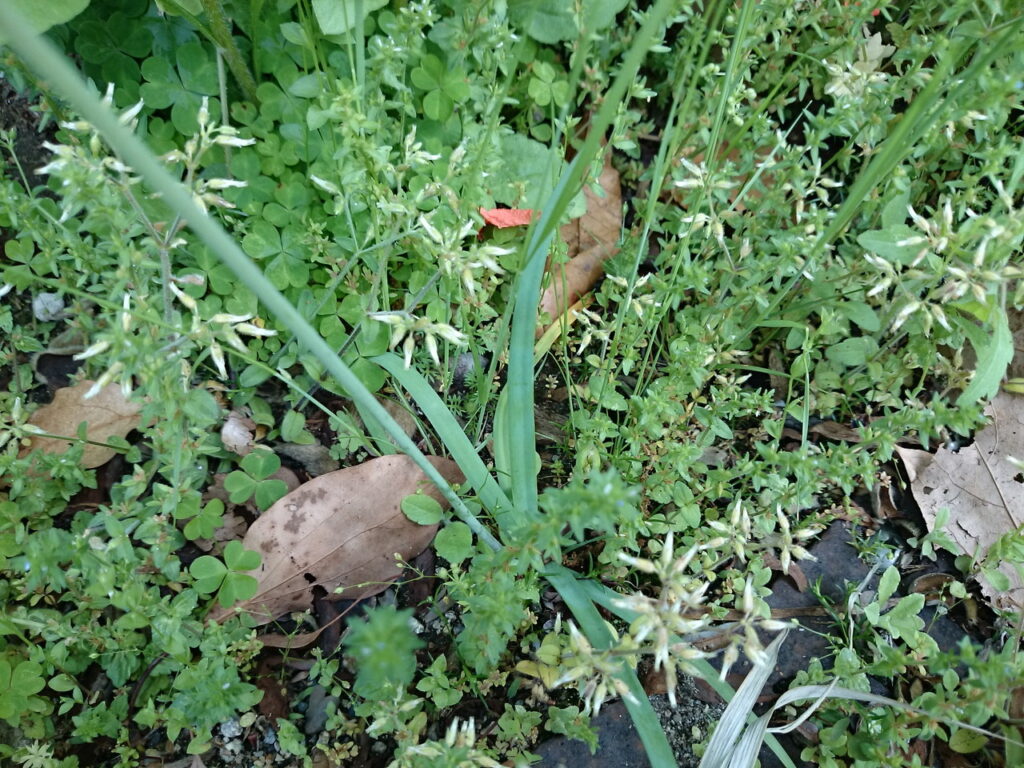
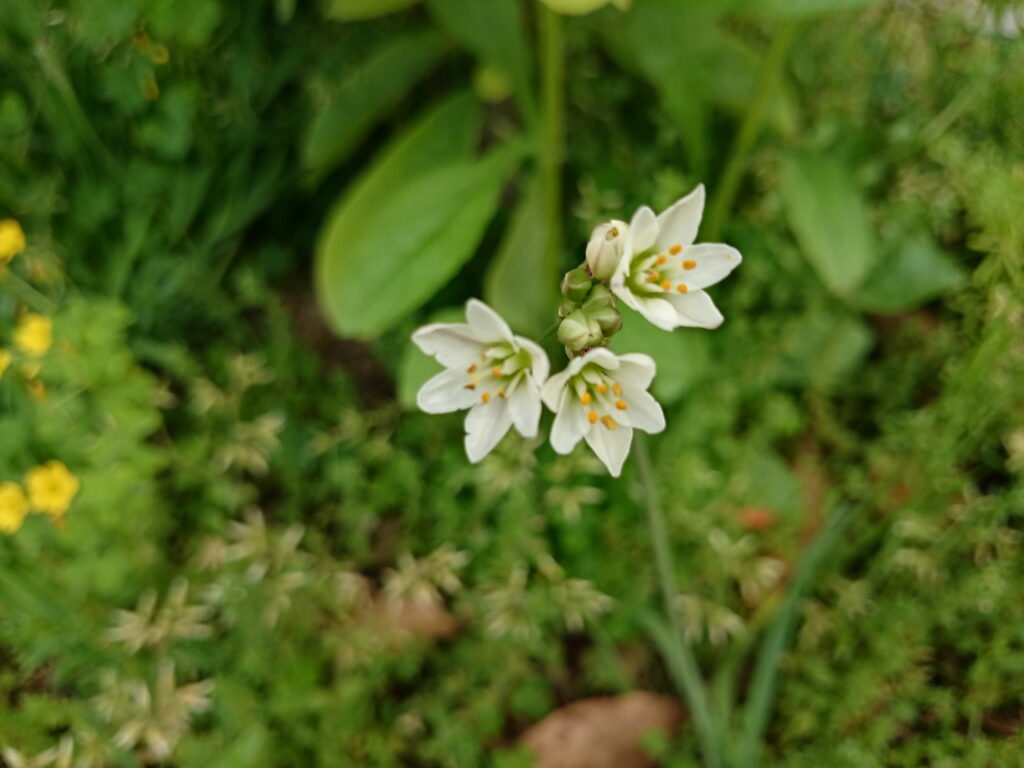
Are Ipheion uniflorum and Ipheion japonica edible?
While chives are certainly edible, are wild chives (Ipheion uniflorum) and field chives (Ipheion uniflorum) also edible?
While some Japanese websites claim that field chives (Hatake-nira) are inedible, they are used overseas as a garlic substitute and spice (PFAF, 2024). However, they don't have the same smell as chives, so they may not be eaten in the same way.
On the other hand, the Japan Pharmaceutical Information Center's Garden website states that "the bulbs of Ipheion are poisonous and contain triterpene glycosides" (Japan Pharmaceutical Information Center, 2024).
However, based on this description, the author also searched the literature, including in English, but could not find anything that mentioned this. The toxicity of the leaves is also unknown.
While Japanese websites frequently mention that it is "toxic," the source of these claims is unclear.
However, it is known that the bulbs contain phlostanol saponins (2-4) and ecdysterone (1), a known plant ecdysteroid (Nakamura et al., 1994). Steroidal saponins in general can exhibit membrane permeability and hemolytic effects (such as rupturing red blood cell membranes), and are known to have properties that can cause gastrointestinal irritation, hemolysis, and general toxicity (Podolak et al., 2010).
While there's no concrete evidence, I think it's safer not to eat it. Of course, "flower chives," a variety of chives, are perfectly edible.
Are there any other similar species? What are the differences between this and false chives?
I've focused on explaining just three species, but each genus contains many other known species. I'll explain how to distinguish them in a separate article.
The genus Allium includes many other species, so it's necessary to distinguish them from each other.
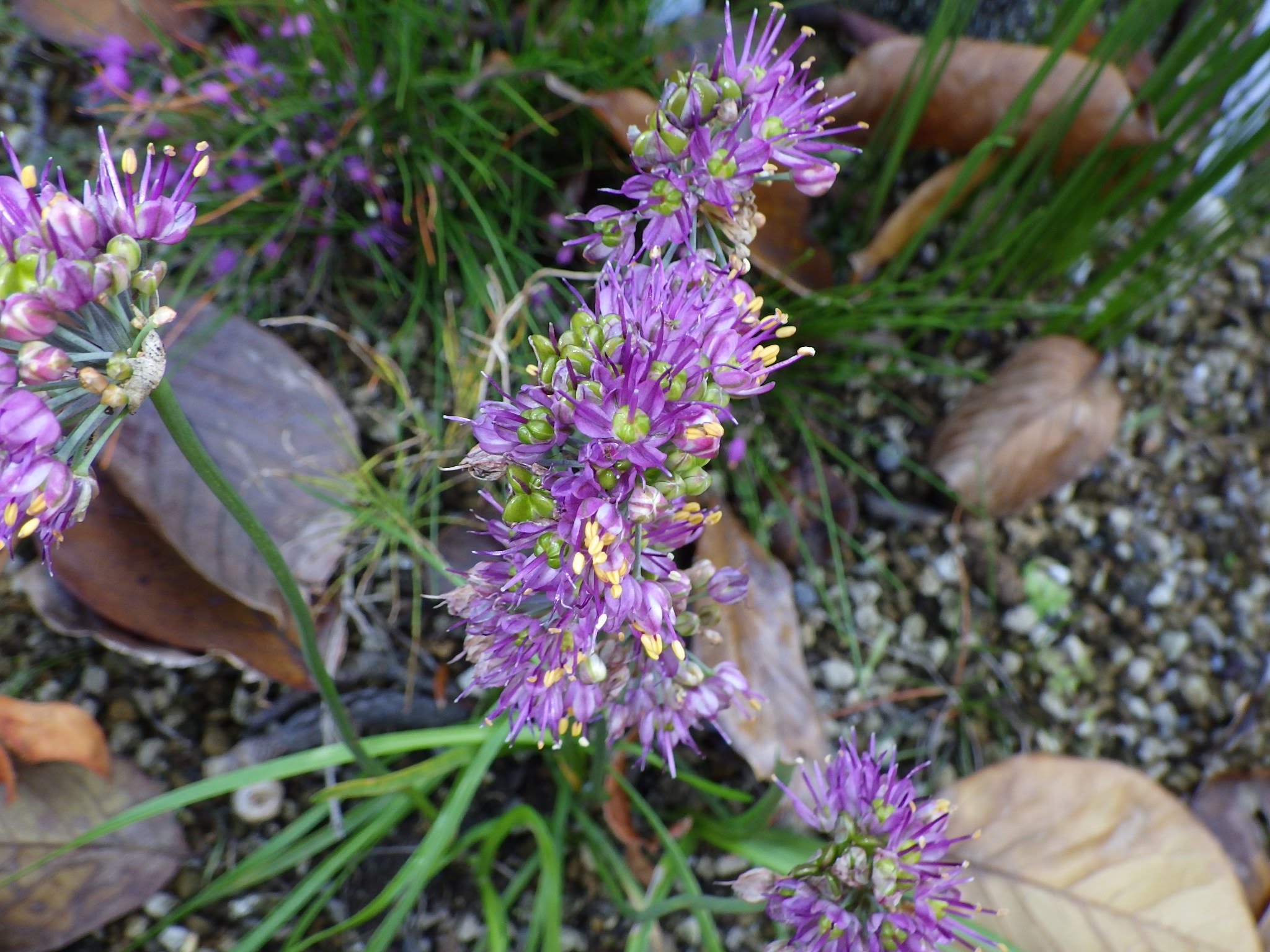
The genus Nothoscordum also includes a very similar species called Nothoscordum bivalve, and it is important to distinguish between them. This species is often confused with others.
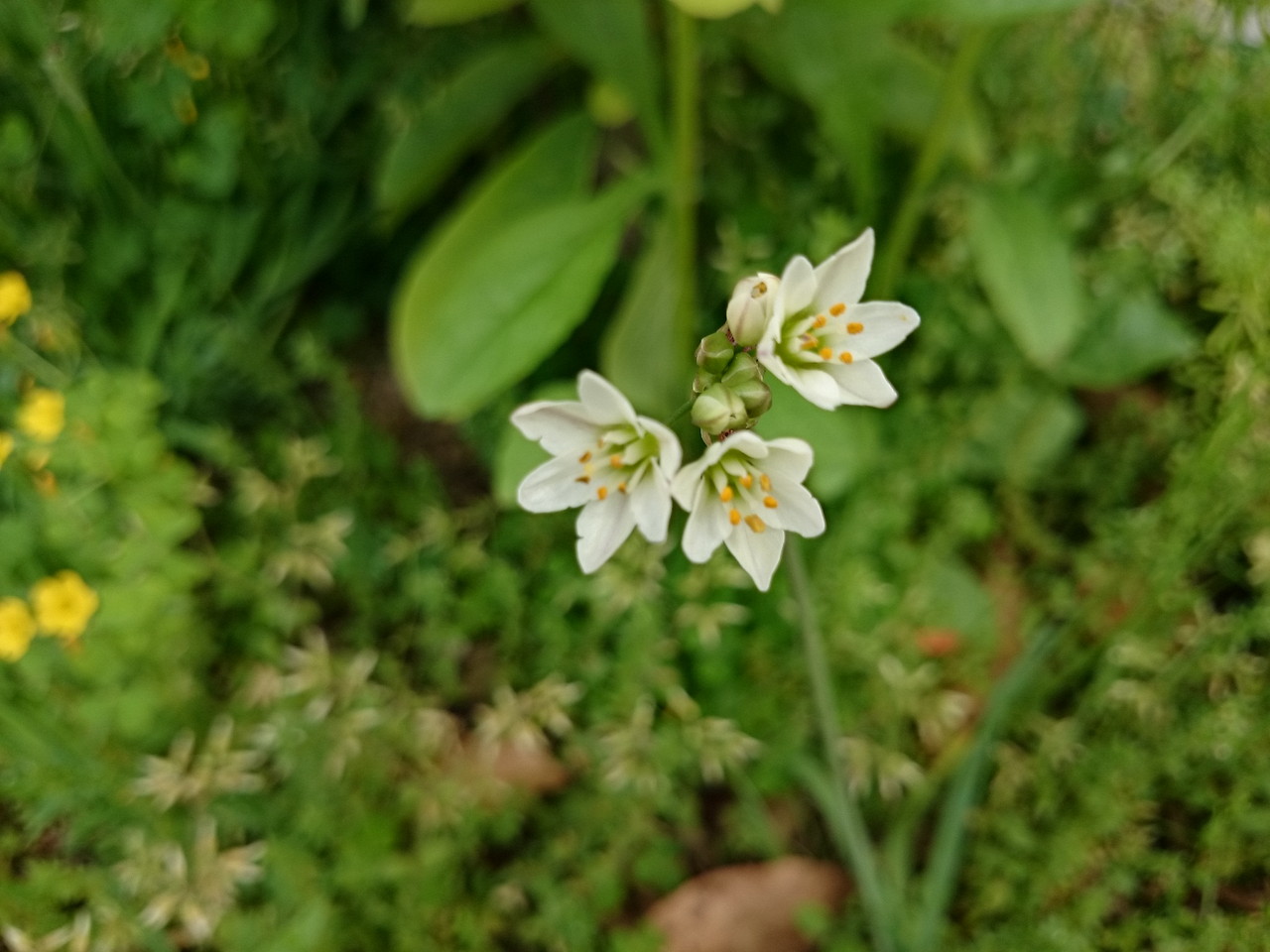
Although it closely resembles Ipheion uniflorum, the yellow-flowered Ipheion uniflorum , Nothoscordum felipponei, also belongs to the genus Ipheion.
References
Kanagawa Prefecture Flora Survey Association. (2018). Kanagawa Prefecture Flora 2018 Electronic Edition. Kanagawa Prefecture Flora Survey Association. ISBN: 9784991053726
Japan Pharmaceutical Information Center. (2024). Hananira (Japanese star anise). Garden. Japan Pharmaceutical Information Center.https://www.japic.or.jp/garden/index.php?mod=detail&id=299
Nakamura, O., Mimaki, Y., Sashida, Y., Nikaido, T., & Ohmoto, T. (1994). Three new furostanol saponins from the bulbs of Ipheion uniflorum. Chemical and Pharmaceutical Bulletin, 42 (5), 1116-1122. https://doi.org/10.1248/cpb.42.1116
PFAF. (2024). Nothoscordum gracile Slender false garlic. PFAF Plant Database. Plants For A Future. https://pfaf.org/User/Plant.aspx?LatinName=Nothoscordum+gracile
Podolak, I., Galanty, A., & Sobolewska, D. (2010). Saponins as cytotoxic agents: a review. Phytochemistry Reviews, 9 (3), 425-474. https://doi.org/10.1007/s11101-010-9183-z