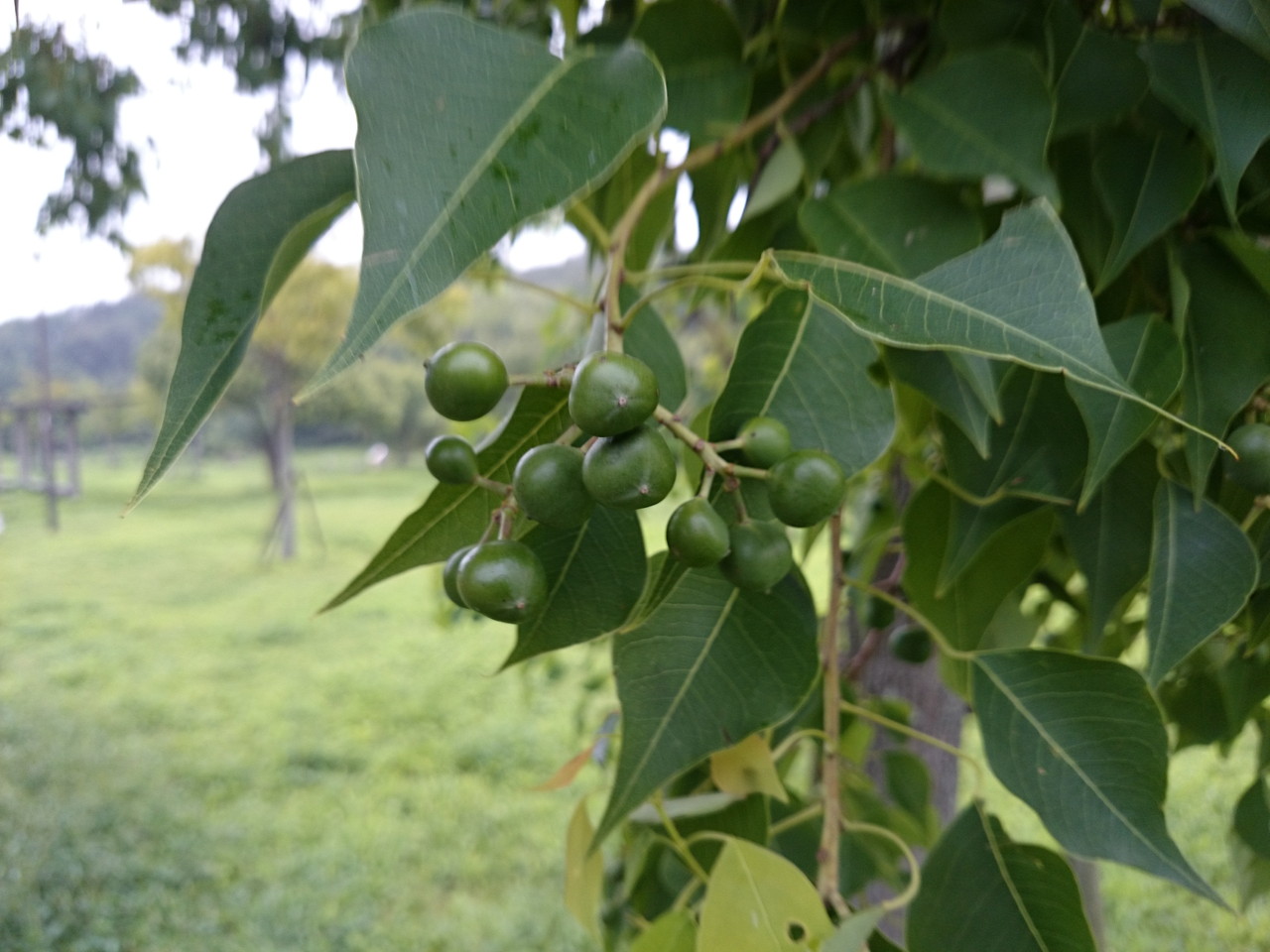
Both Chinese tallow tree (Toxicodendron sylvaticum) and Japanese wax tree (Toxicodendron succedaneum) are deciduous trees, and both have "haze" in their names. This is because their fruits or seeds contain a large amount of fat and have a history of being used as wax. However, perhaps because of this, Chinese tallow tree and Japanese wax tree are sometimes confused. In reality, Chinese tallow tree and Japanese wax tree have completely different classifications and morphologies. Chinese tallow tree belongs to the Euphorbiaceae family, while Japanese wax tree belongs to the Anacardiaceae family, and differences are evident in their leaves, flowers, and fruits. It is the Japanese wax tree that has been used as a source of traditional Japanese candles. This article will explain the classifications and morphologies of these two species that have "haze" in their names.
- What are Chinese tallow trees (Toxicodendron succedaneum) and Japanese wax trees (Toxicodendron succedaneum)?
- What is the difference between Chinese tallow tree and Japanese wax tree?
- Are there any other similar types?
- How are the seeds dispersed? Why are the fruits so oily? There's a bird that loves fat!?
- References
What are Chinese tallow trees (Toxicodendron succedaneum) and Japanese wax trees (Toxicodendron succedaneum)?
Chinese tallow tree (Triadica sebifera), also known as the Chinese tallow tree, is native to eastern China and Taiwan, and has been introduced to Japan, the Korean Peninsula, Vietnam, India, the United States, and Puerto Rico. In its native habitat, it is a deciduous tree that grows in valleys and limestone forests (Wu et al., 2008). Globally, it is cultivated for multiple purposes, including wax, medicine, soap, food, paint, timber, and fuel, due to the large amount of oil contained in its seeds. In Japan, it has been used for similar purposes since its introduction during the Edo period, but recently it is mainly used as a street tree or park tree (Hioki et al., 2015). It is also popular as a dried flower. Although it is considered an invasive species in Japan, fossils of the Chinese tallow tree have been unearthed from the Paleo-Lake Biwa Formation in Shiga Prefecture (a geological formation distributed from around Lake Biwa to the hills near Iga City in Mie Prefecture, which was a lake that existed approximately 4 million to 430,000 years ago), so it is technically an extinct species.
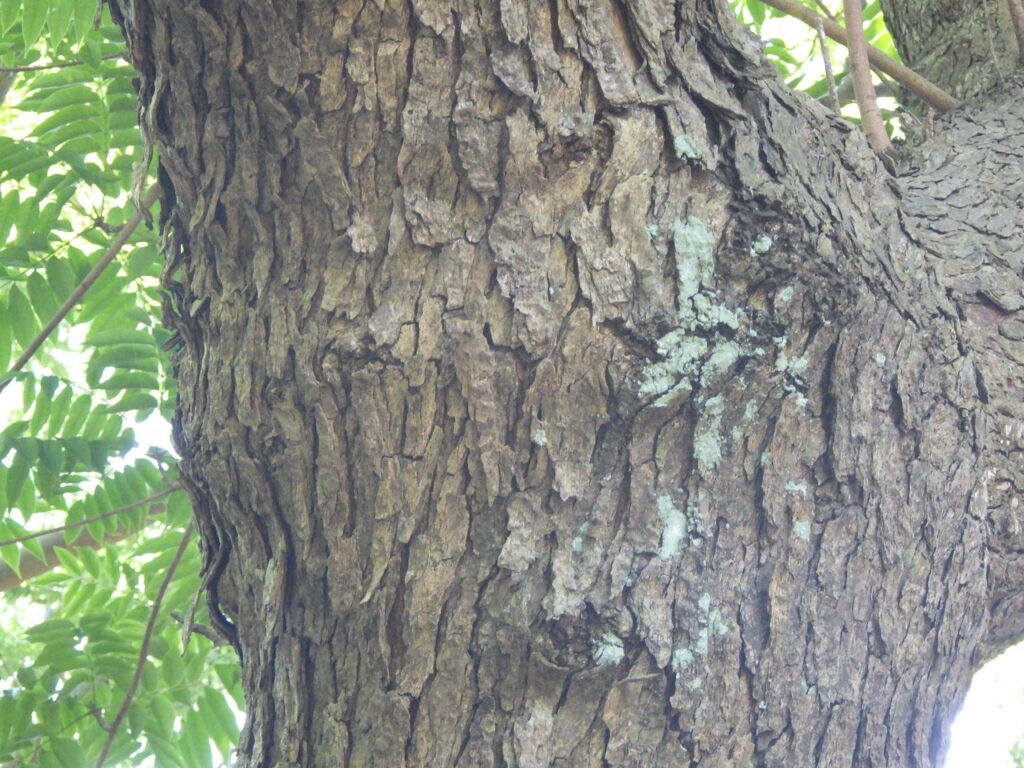
Toxicodendron succedaneum, also known as the Japanese wax tree (Toxicodendron succedaneum), is distributed in Honshu (west of the Kanto region), Shikoku, Kyushu, and the Ryukyu Islands in Japan; as well as in China, Taiwan, Malaysia, and India. It is a deciduous tree that has escaped cultivation and become naturalized in warm mountainous areas, especially in coastal regions (Kanagawa Prefecture Flora Survey Association, 2018). Its fruit contains a lot of fat and was used to make Japanese candles, specifically known as "haze wax."
Both are deciduous trees, and both have "haze" in their name. This name comes from the fact that their fruits or seeds contain a large amount of fat and have a history of being used as wax.
However, perhaps due to this history, some people seem to mistakenly believe that the Chinese tallow tree is the same as the Japanese wax tree (Rhus succedanea).
What is the difference between Chinese tallow tree and Japanese wax tree?
While Chinese tallow tree and Japanese wax tree (Rhus succedanea) have somewhat similar names and uses, it's safe to say that they are completely different in other aspects, from classification to morphology.
First, there is a difference in that Chinese tallow tree belongs to the genus Euphorbia in the family Euphorbiaceae, while Japanese wax tree belongs to the genus Rhus in the family Anacardiaceae.
Therefore, there are differences in their basic structure (Kanagawa Prefecture Flora Survey Association, 2018; Mogi et al., 2000).
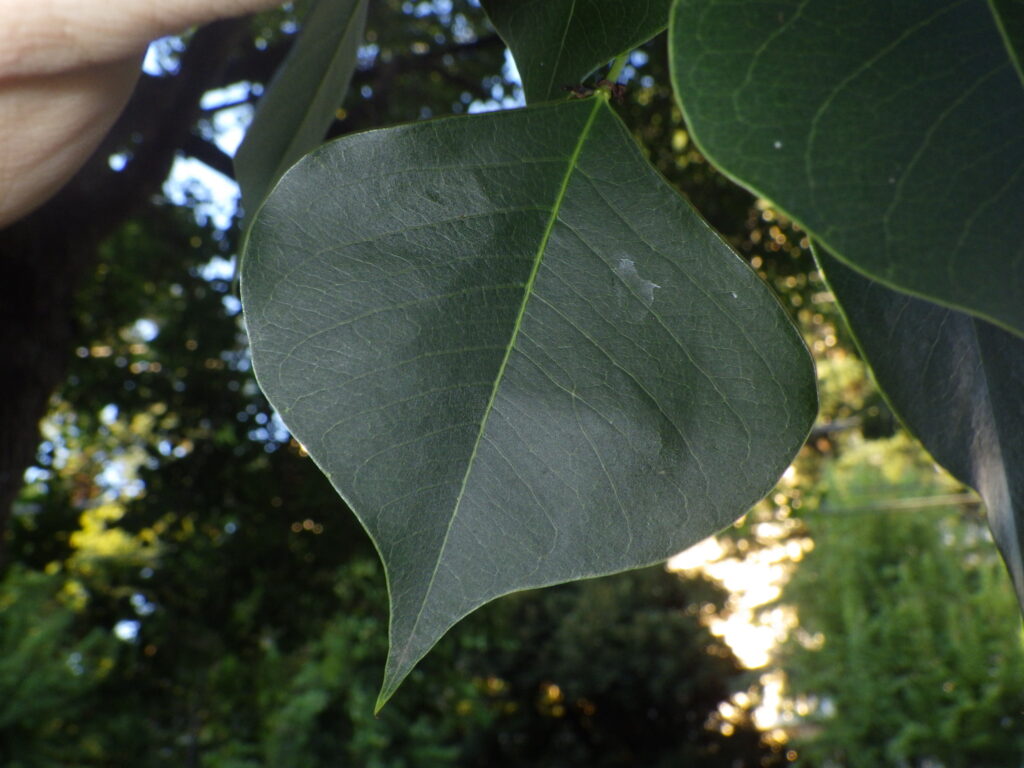
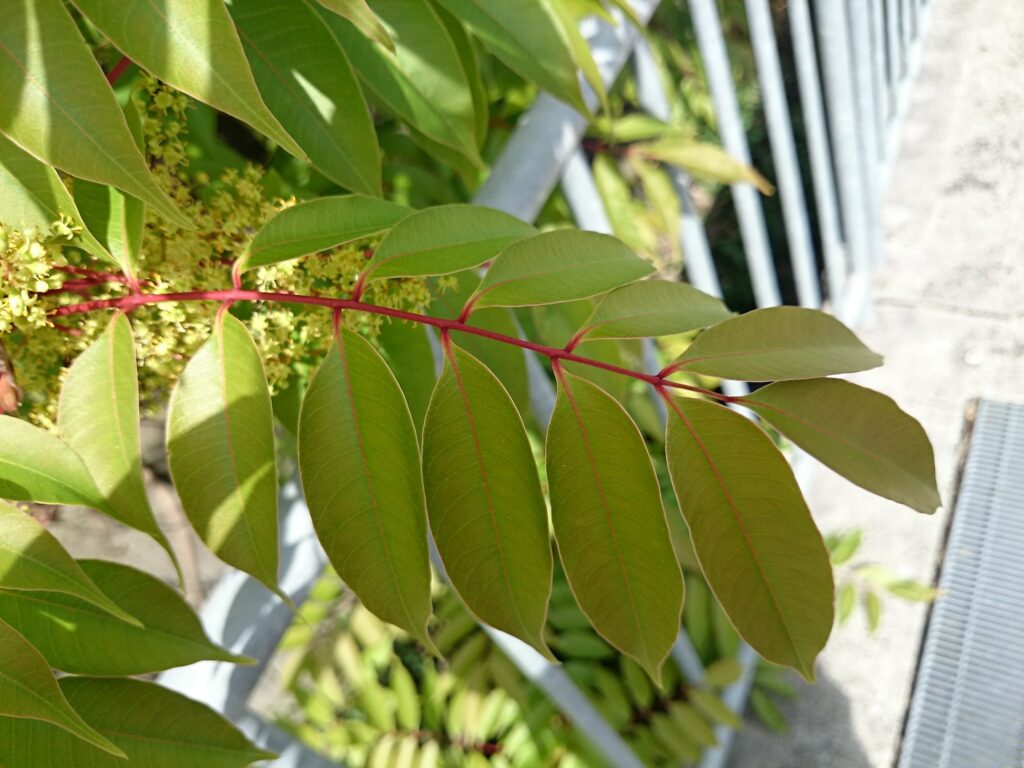
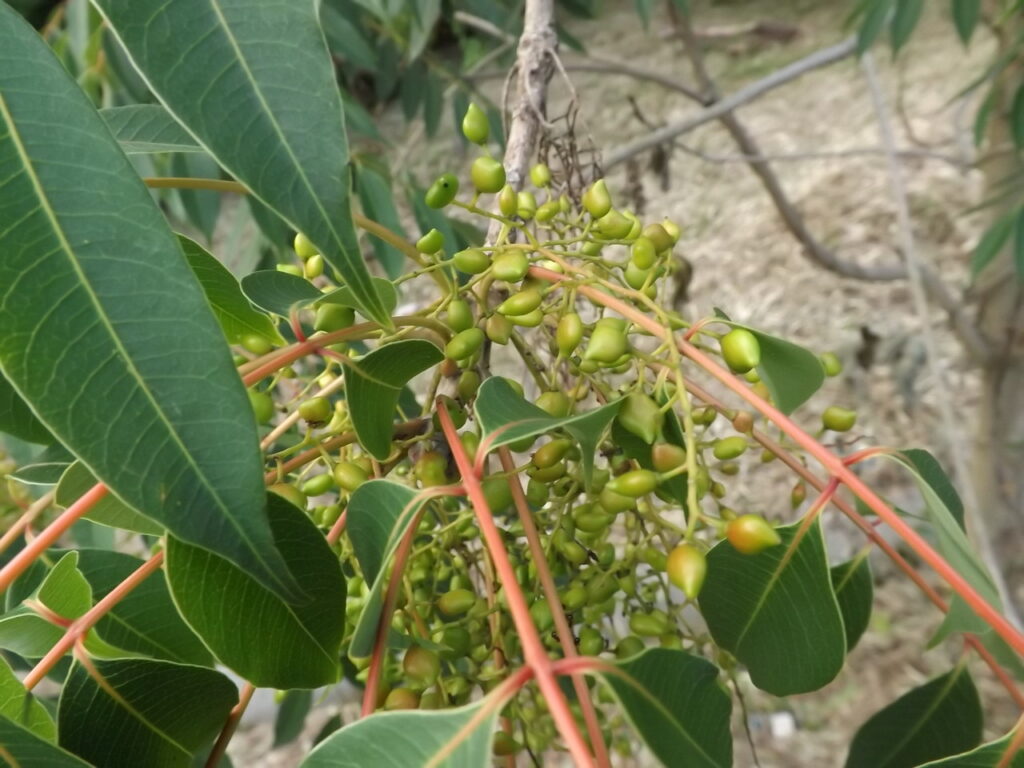
Regarding the leaves, the Chinese tallow tree has a distinctive rhombic-ovate to broadly ovate shape, while the Japanese wax tree (Rhus succedanea) has odd-pinnately compound leaves.
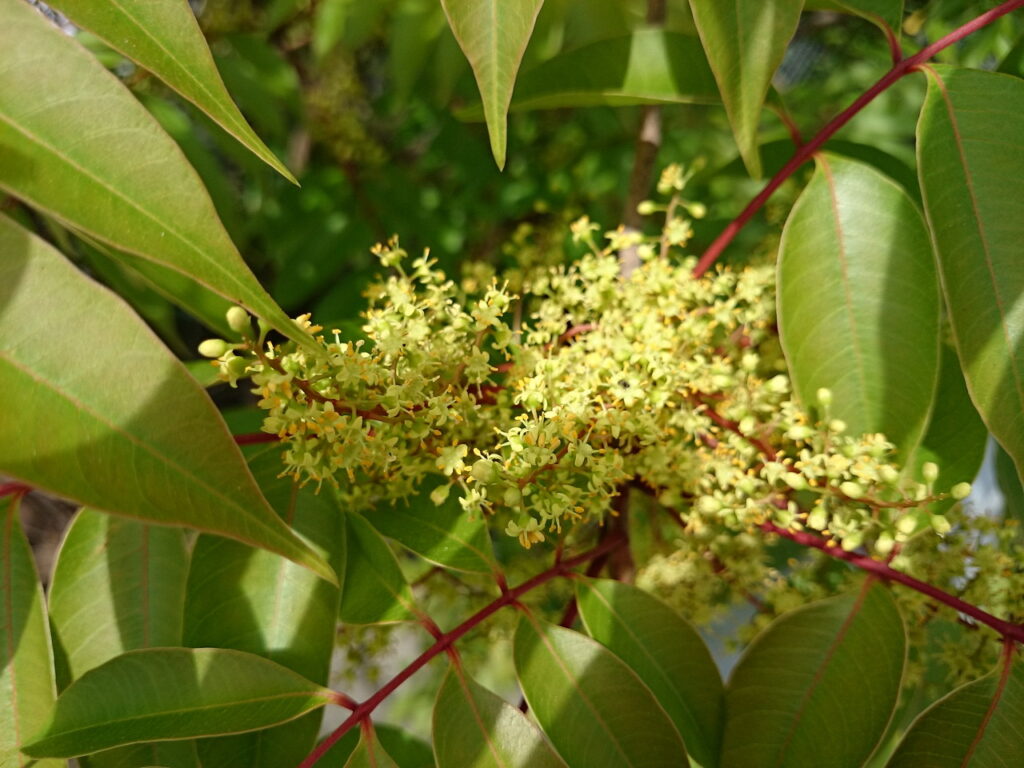
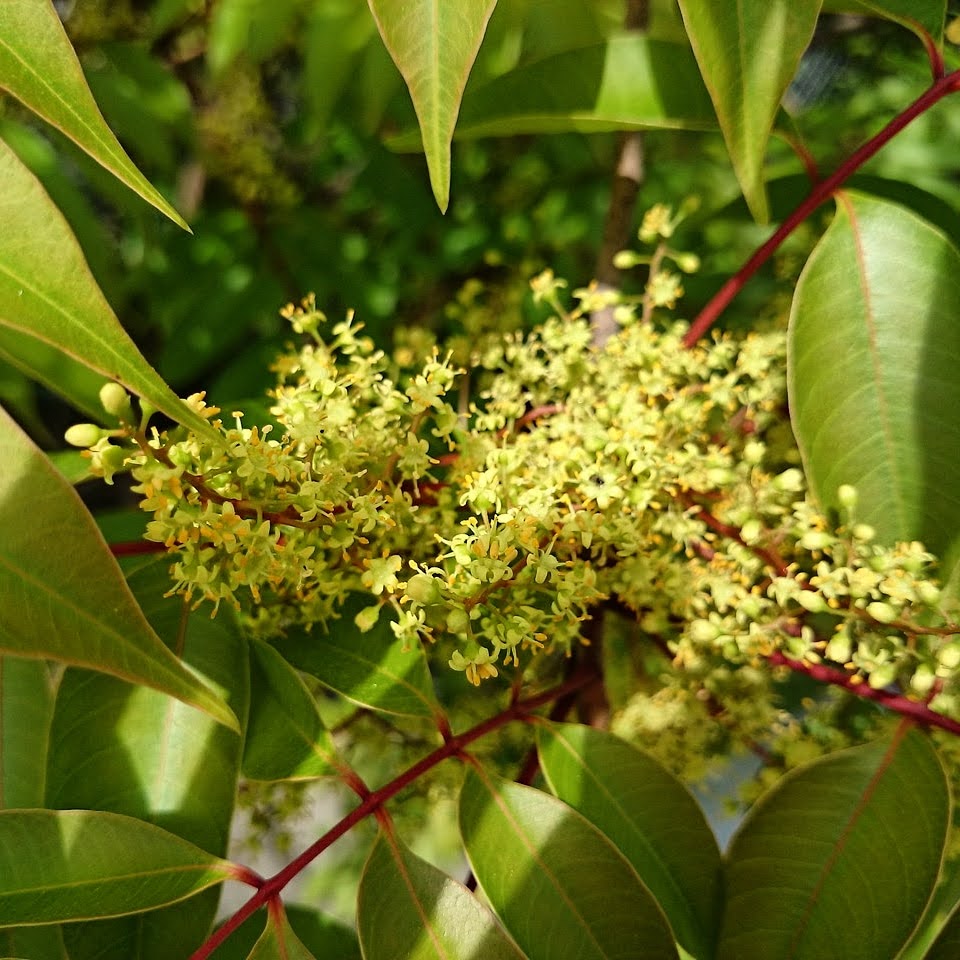
Both have yellow flowers, but the difference is that Chinese tallow trees produce flowers without petals, while Japanese wax trees produce flowers with five petals that curve backward.
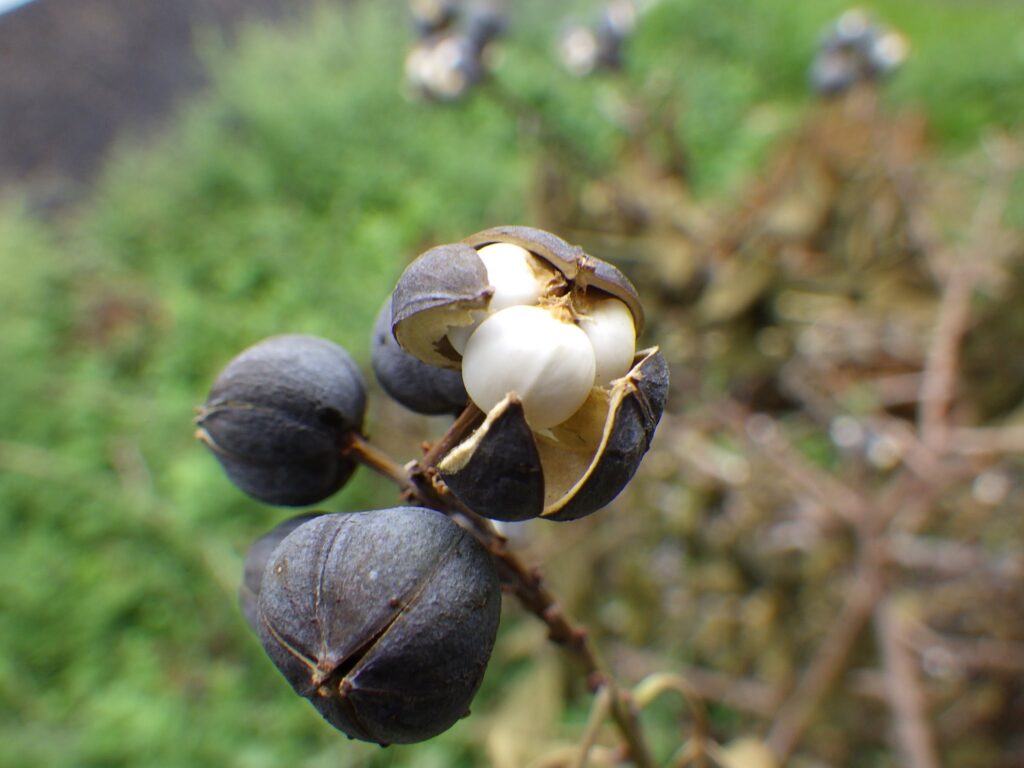
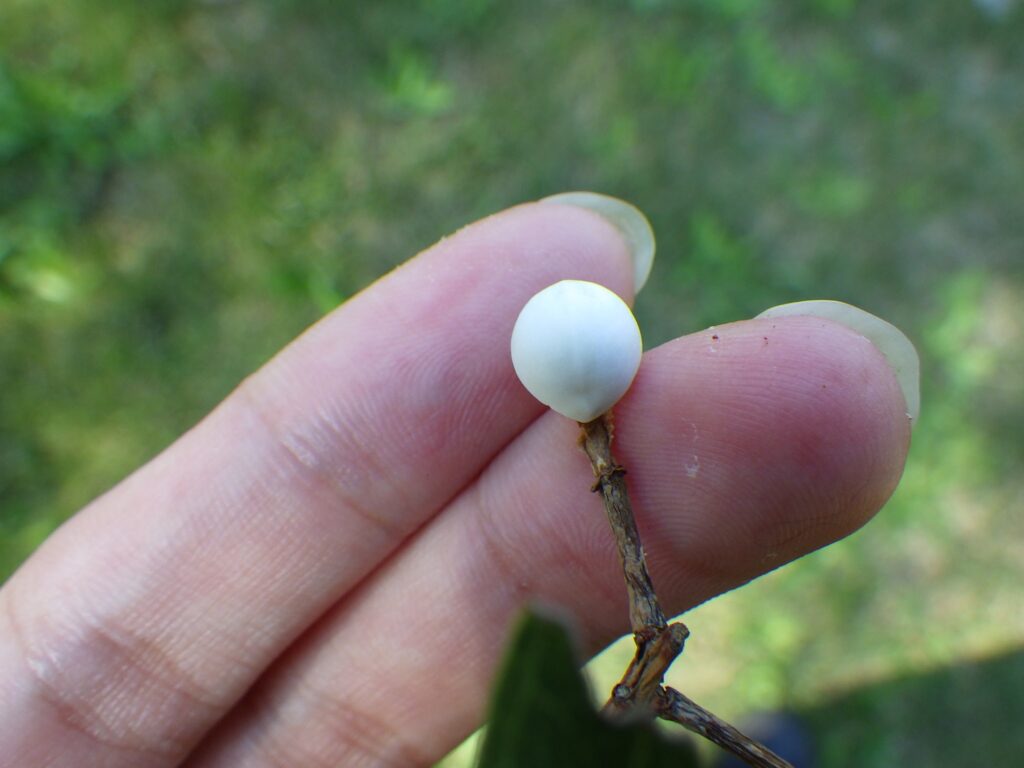
While I mentioned that both fruits contain fat, in reality, Chinese tallow tree has a capsule that ripens to a brown color, splits open, and releases three white seeds. The fat is contained in the aril (the white part of the seed), whereas Japanese wax tree has a drupe that is flattened and does not split open, and the flesh contains a large amount of fat.
Simply put, the fruit of the Chinese tallow tree splits open to release white seeds, but this does not happen with the Japanese wax tree (Rhus succedanea).
From the above, you can see that the two types are completely different.
In terms of use, traditional Japanese candles made in Japan are made from the wax tree (Rhus succedanea), not the Chinese tallow tree (Tallow tree).
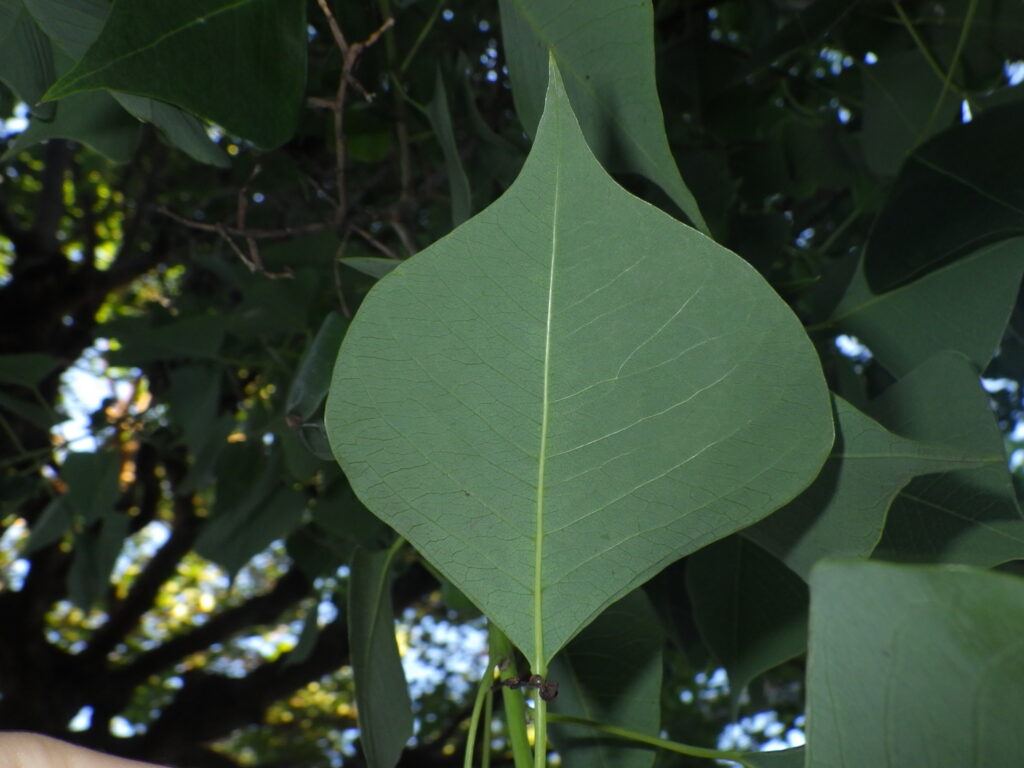
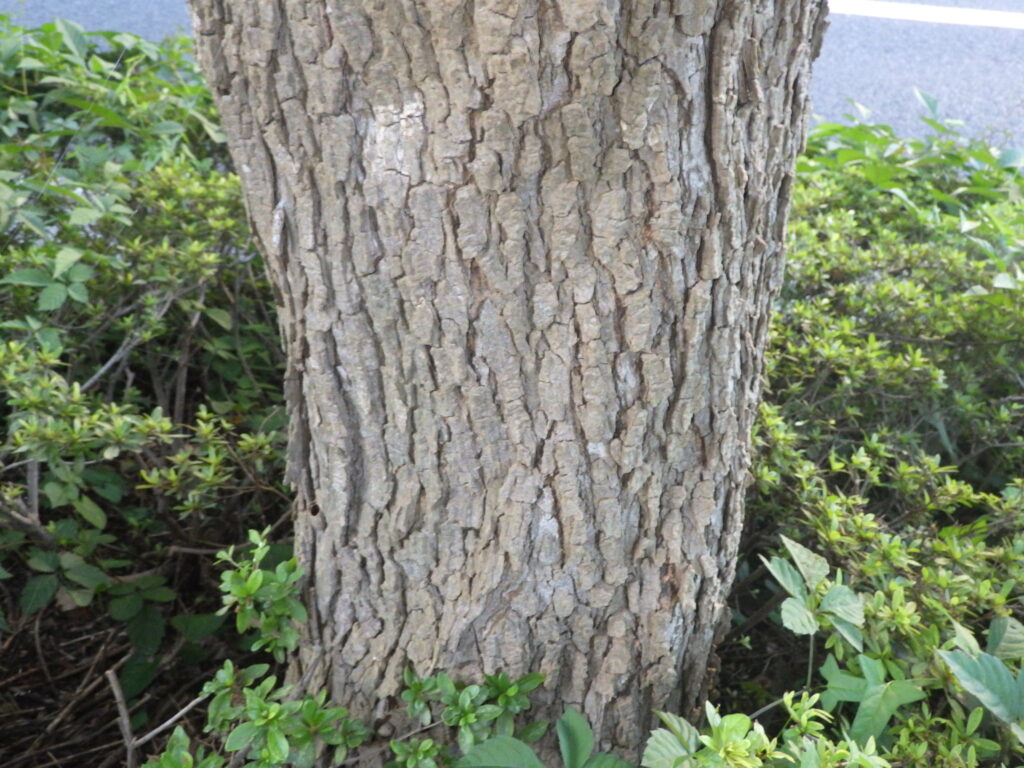
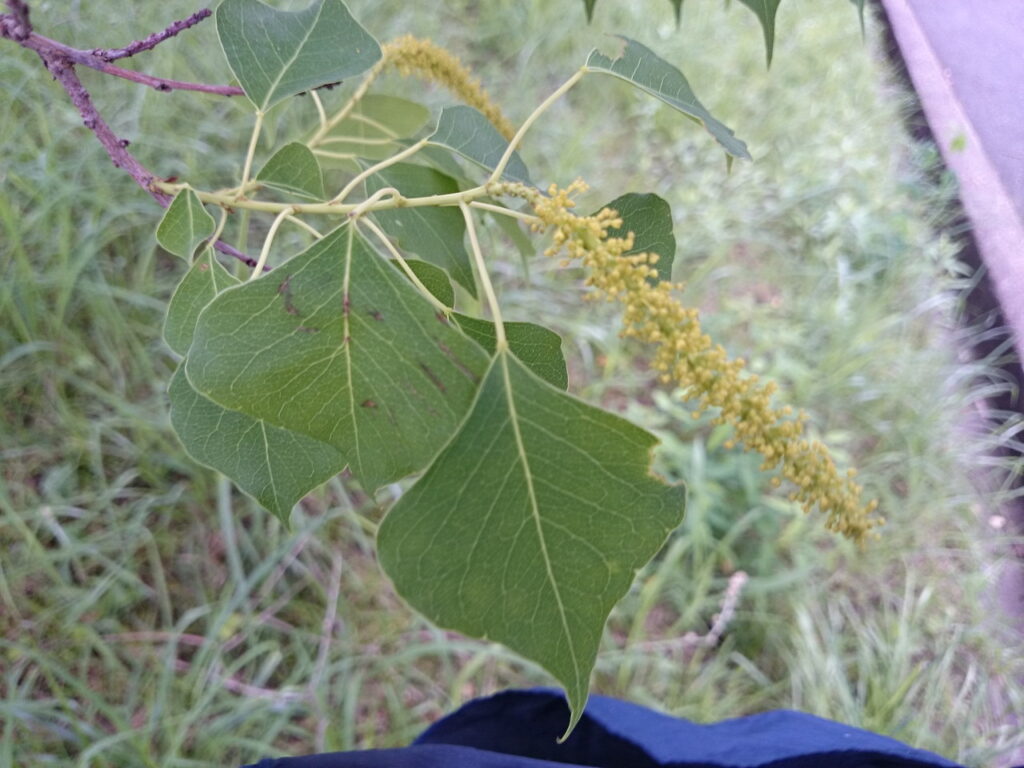
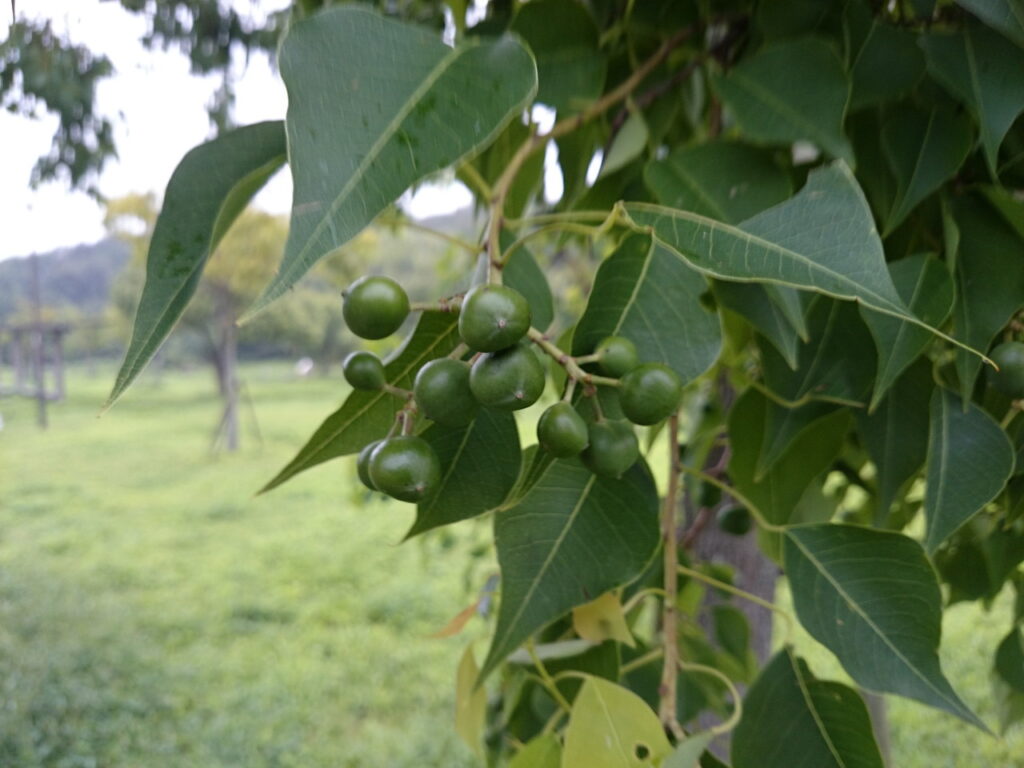
Are there any other similar types?
In Japan, the only species of the Chinese tallow tree commonly introduced is the Chinese tallow tree (Tricholoma rhodopolium), so it's rare to have trouble identifying a species.
The genus Rhus, to which the Japanese wax tree (Rhus sylvestris) belongs, also includes other species such as lacquer trees (Rhus verniciflua), Japanese lacquer tree (Rhus alkekengi), and Japanese wax tree (Rhus sylvestris). It is necessary to distinguish the Japanese wax tree from these other species. Please see the separate article for more details.
How are the seeds dispersed? Why are the fruits so oily? There's a bird that loves fat!?
The oil contained in the white aril that covers the distinctive seeds of the Chinese tallow tree is beneficial to humans, but who in the natural world utilizes it?
Research has shown that these fruits are eaten by birds, which then disperse the seeds.
However, when it comes to fruit, humans tend to prefer sweeter fruits, but why do they have these particular shapes and components?
While this isn't fully understood, it's possible that by altering the composition, nutrients like nitrogen and lipids (which serve as energy sources) are added, differentiating the fruit from those of other plants. This, in turn, may influence the types of birds that prefer it.
A study conducted in a green space park in Osaka Prefecture, Japan, revealed that birds such as the Oriental Turtle Dove, Carrion Crow, Large-billed Crow, Eurasian Tree Sparrow, Oriental Greenfinch, Brown-eared Bulbul, Starling, and Great Tit were eating the seeds (Fukui and Ueda, 1999).
However, turtle doves grind the seeds before eating them, and sparrows, greenfinches, and great tits don't swallow them whole but only peck at the aril, so they don't contribute to seed dispersal.
Therefore, it is believed that at least the carrion crow, jungle crow, brown-eared bulbul, and starling contribute to seed dispersal. Live seeds have actually been found in the droppings of these birds.
Another study conducted at Hiroshima University's Higashi-Hiroshima Campus found that medium-sized birds such as brown-eared bulbuls and thrushes are involved in seed dispersal (Okugawa, 2009).
It should be noted that while there are differences in the fat-containing parts of the fruit of the Japanese wax tree, it is known that the evolution of fat content occurred for exactly the same reasons.
References
Fukui, Nobuyuki & Ueda, Keisuke. 1999. Seed dispersal of the Chinese tallow tree (Sapium sebiferum) by birds. Journal of the Ornithological Society of Japan 47(3): 121-124. https://doi.org/10.3838/jjo.47.121
Hioki, Yoshiyuki; Iwanaga, Fumiko; and Yamamoto, Fukutoshi. 2015. Current status of the invasive alien woody species Amorpha fruticosa L. and Triadica sebifera (L.) Small in Japan. Journal of the Japanese Society of Landscape Architecture 40(3): 472-478. https://doi.org/10.7211/jjsrt.40.472
Kanagawa Prefecture Flora Survey Association. 2018. Kanagawa Prefecture Flora 2018 (Electronic Edition). Kanagawa Prefecture Flora Survey Association, Odawara. 1803pp. ISBN: 9784991053726
Mogi, Toru; Ota, Kazuo; Katsuyama, Teruo; Takahashi, Hideo; Shirokawa, Shiro; Yoshiyama, Hiroshi; Ishii, Hidemi; Sakio, Hitoshi; and Nakagawa, Shigetoshi. 2000. Flowers Blooming on Trees: Polypetalous Flowers (Vol. 2, 2nd edition). Yama-kei Publishers, Tokyo. 719pp. ISBN: 9784635070041
Okugawa, Yuko. 2009. Escape of the introduced woody plant *Tallow Tree japonica* and its limiting factors. Research Reports of the Hiroshima University Museum 1: 63-70. https://doi.org/10.15027/28722
Wu, ZY, Raven, PH, & Hong, DY (Eds.). 2008. Flora of China (Vol. 11 Oxalidaceae through Aceraceae). Science Press, Beijing, and Missouri Botanical Garden Press, St. Louis. ISBN: 9781930723733