Petunias (Ipomoea purpurea) and calibrachoa both belong to the Solanaceae family. Originally, the genus Calibrachoa was included in the genus Ipomoea, but it is now treated as a separate genus. The two species are very closely related, making taxonomic identification extremely difficult. However, in horticultural varieties, they can be distinguished by leaf size and stickiness. However, hybrids also exist, so it may be difficult to distinguish them 100%. This article will explain the classification and morphology of the genera Ipomoea and Calibrachoa.
What are petunias and calibrachoas?
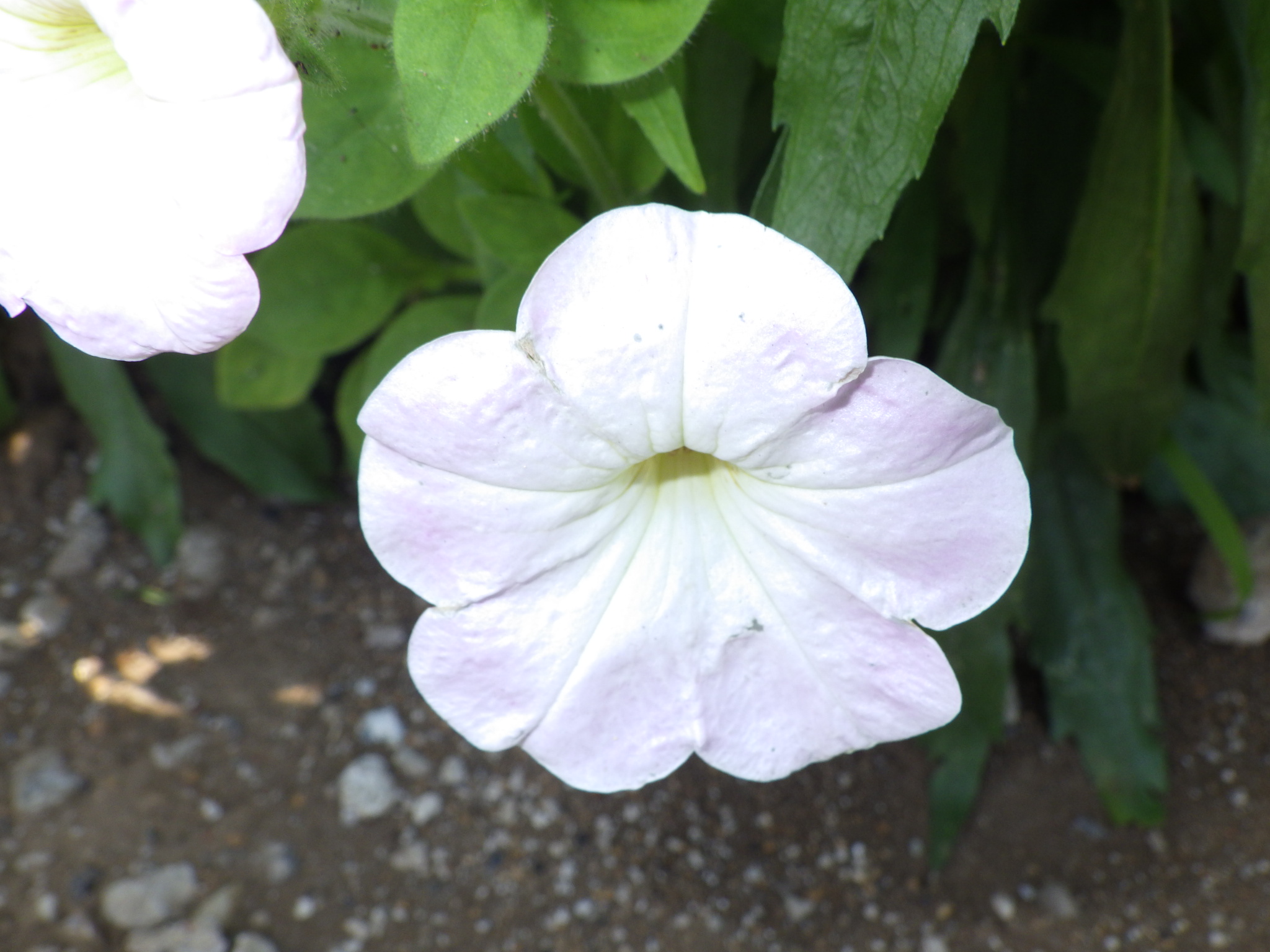
Petunia x atkinsiana, also known as the Japanese morning glory, is commonly called petunia. While the scientific name Petunia x hybrida has long been used and is almost exclusively found in Japanese books and websites, it is treated as a synonym overseas (Soares et al., 2025). It is a horticultural hybrid created by artificial crossbreeding of Petunia axillaris and Petunia integrifolia, both native to South America, and is a non-hardy perennial (usually an annual in Japan) cultivated worldwide for ornamental purposes.
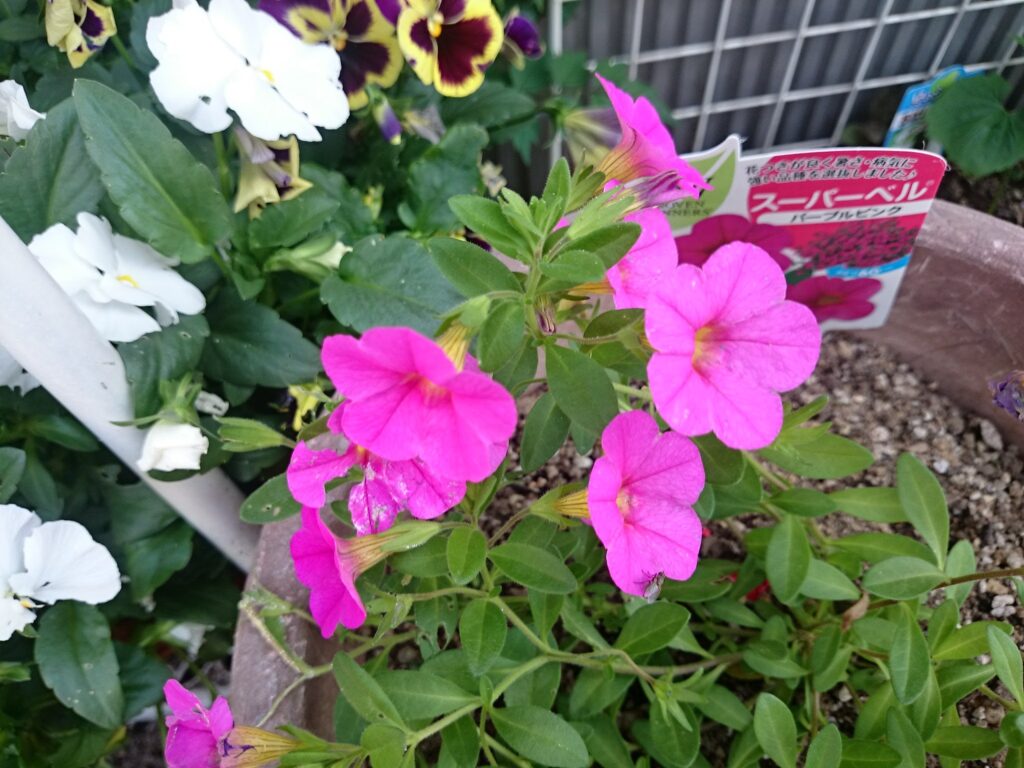
Calibrachoa x hybrida is a horticultural hybrid created by crossing multiple species belonging to the genus Calibrachoa. In Japan, Suntory first introduced the Million Bells® Series in the 1990s, and since then, a great many horticultural varieties have been created. It is a non-hardy perennial (usually an annual in Japan). Calibrachoa is the name of the genus (group), so it is originally a general term for all species belonging to the genus Calibrachoa, including species such as Calibrachoa parviflora, but in general, when people say Calibrachoa in horticulture, they are referring to the group of hybrids.
Both belong to the Solanaceae family, and while the genus Calibrachoa was originally included in the genus Ipomoea, it is now treated as a separate genus (Fregonezi et al., 2013).
Because they produce beautiful fused-petal flowers and are relatively easy to cultivate, these two species are very popular in horticulture and are grown in gardens and other places around the world for ornamental purposes.
However, the two species are very closely related, and their flowers are very similar, so many people may not be able to tell the difference.
What is the difference between petunias and calibrachoas?
In conclusion, it is very difficult to distinguish between petunias (Ipomoea nil) and calibrachoas cultivated in gardens.
Academically, the genera *Ipomoea* and *Calibrachoa* have traditionally been considered separate genera based on differences in chromosome number. *Ipomoea* has n = 7 chromosomes, while *Calibrachoa* has n = 9 (Reis et al., 2002).
Other differences have also been discovered, such as the following:
| traits | Petunia genus | Calibrachoa genus |
|---|---|---|
| Overlapping perianth segments of a flower bud | Overlapping tiles (imbricate). | Conduplicate. |
| Cell wall on the surface of a seed | Wavy. | linear. |
| lifestyle | Mostly annuals and herbaceous plants. | Most are perennial herbs or semi-shrubs. |
| Endodermis, the inner sheath surrounding the vascular bundles of a leaf. | The inner sheath is composed of large, well-developed parenchyma cells and can be clearly distinguished from the surrounding mesophyll. | The inner sheath shows almost no morphological differences and is difficult to distinguish from the surrounding leaf tissue. |
| Creeping | none. | can be. |
However, it would be difficult to verify these points outdoors.
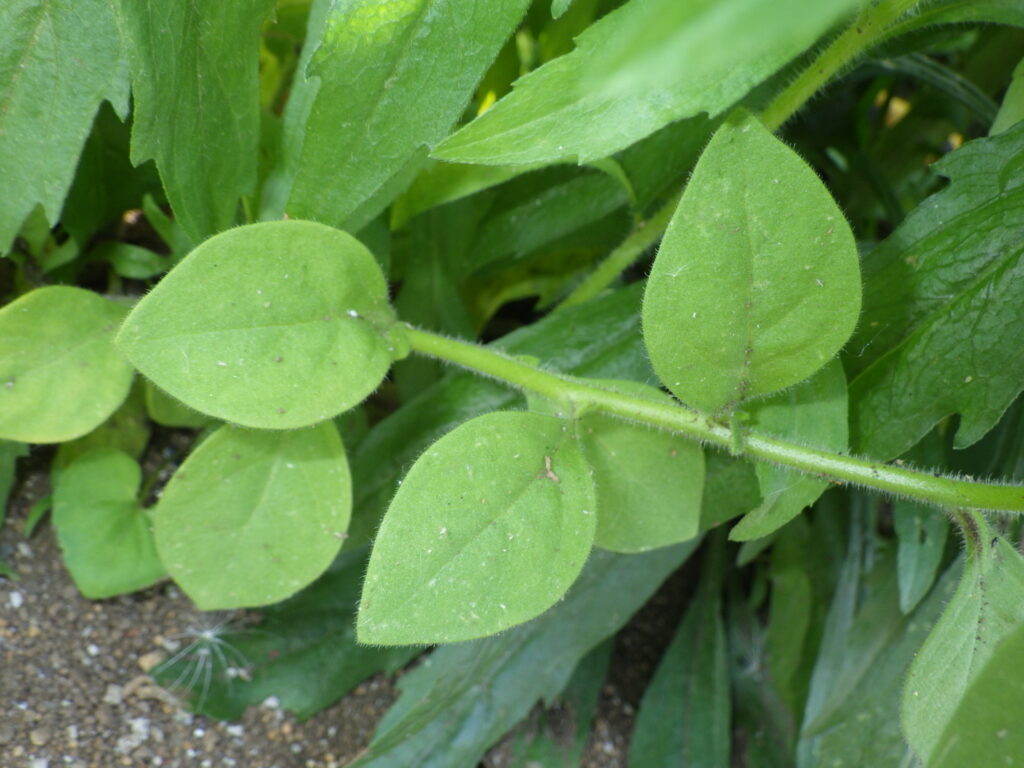
In practical terms, petunias have large, sticky leaves, while calibrachoa have smaller, non-sticky leaves compared to petunias (The Garden Party, 2024).
Also, petunias tend to have larger corollas.
However, in recent years, hybrids between the genera *Ipomoea* and *Calibrachoa* have increased, so it is thought that 100% distinction is not possible. This is called *Pechoa* x * Petchoa *.
Petunias are not naturally creeping plants, while calibrachoas are. However, the petunia cultivar called Surfinia is creeping, so this characteristic can no longer be used for identification.
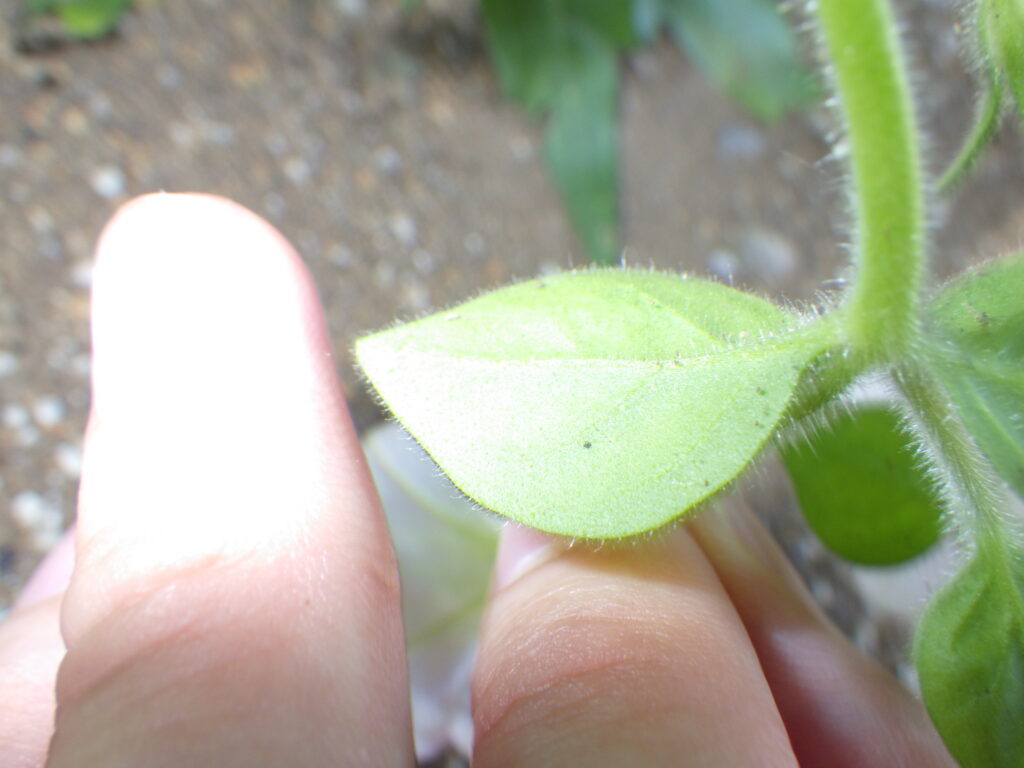
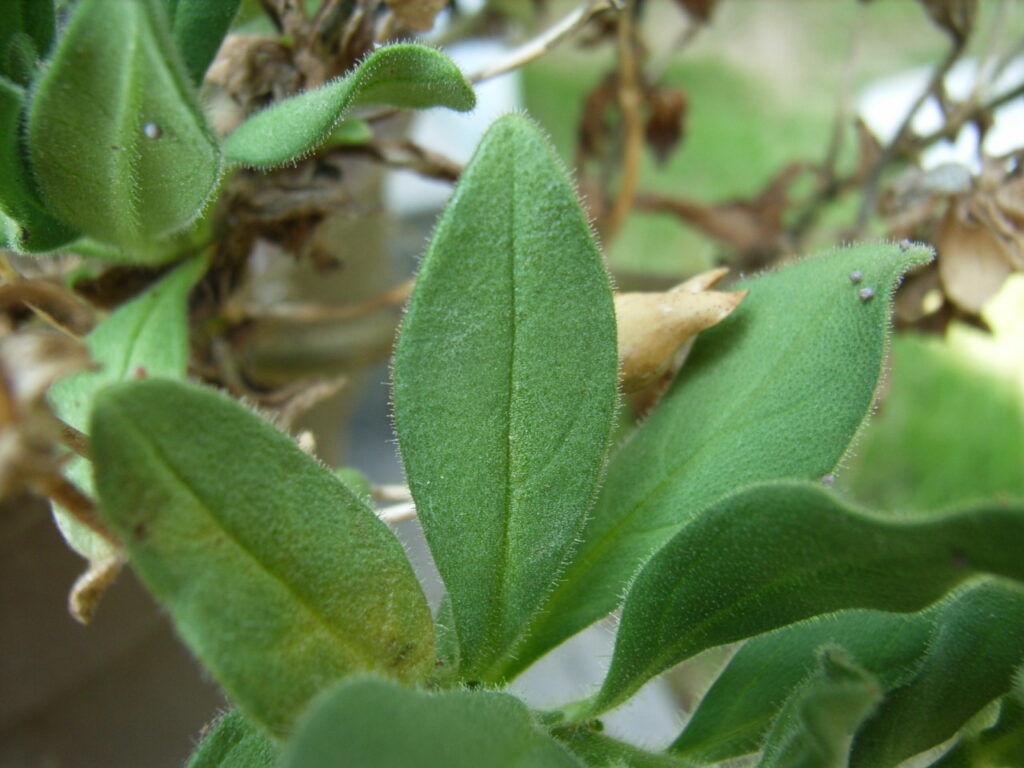
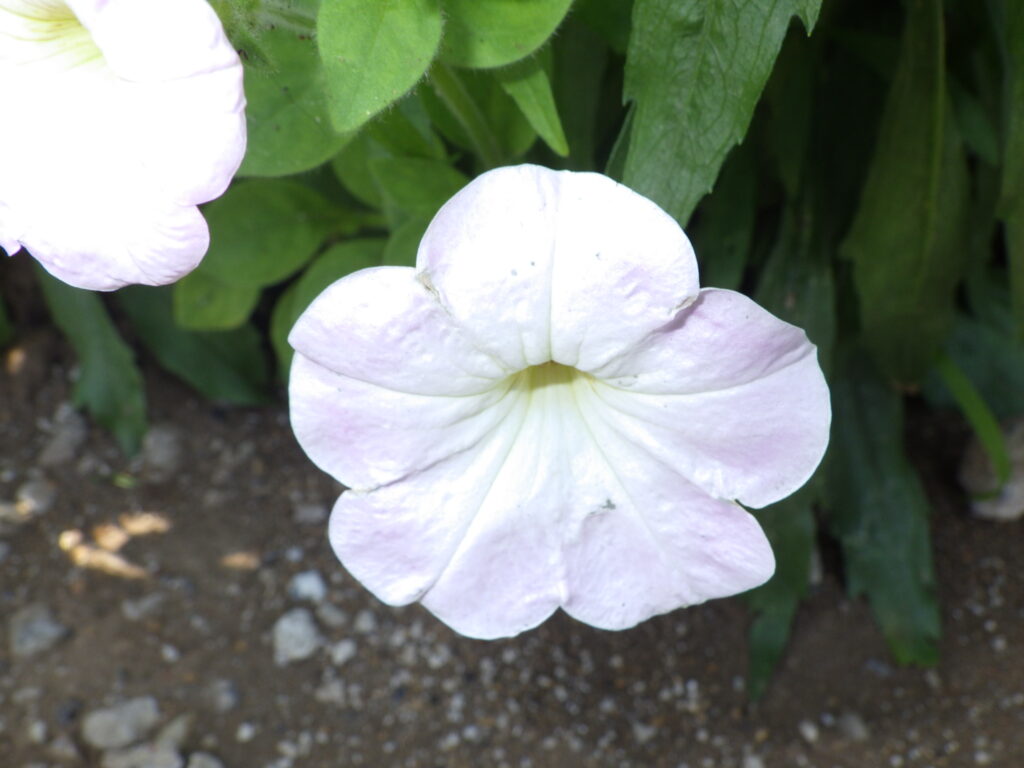
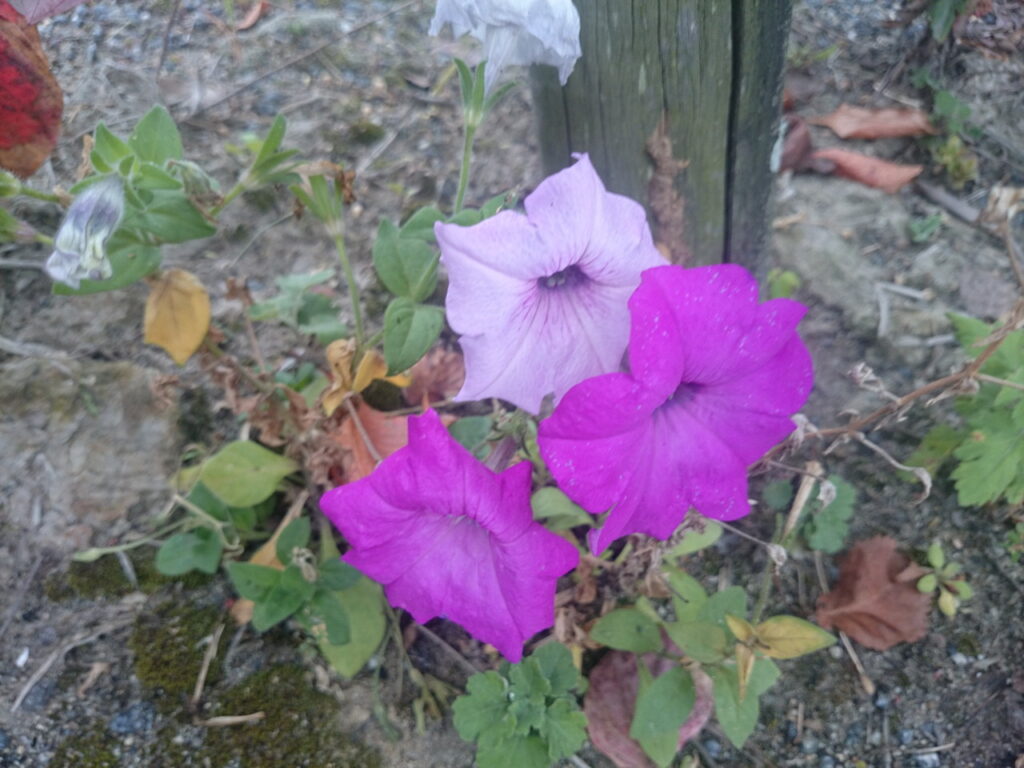
Are there any similar species?
There are no other closely related species, but it seems that it is sometimes confused with other species that have fused petals.
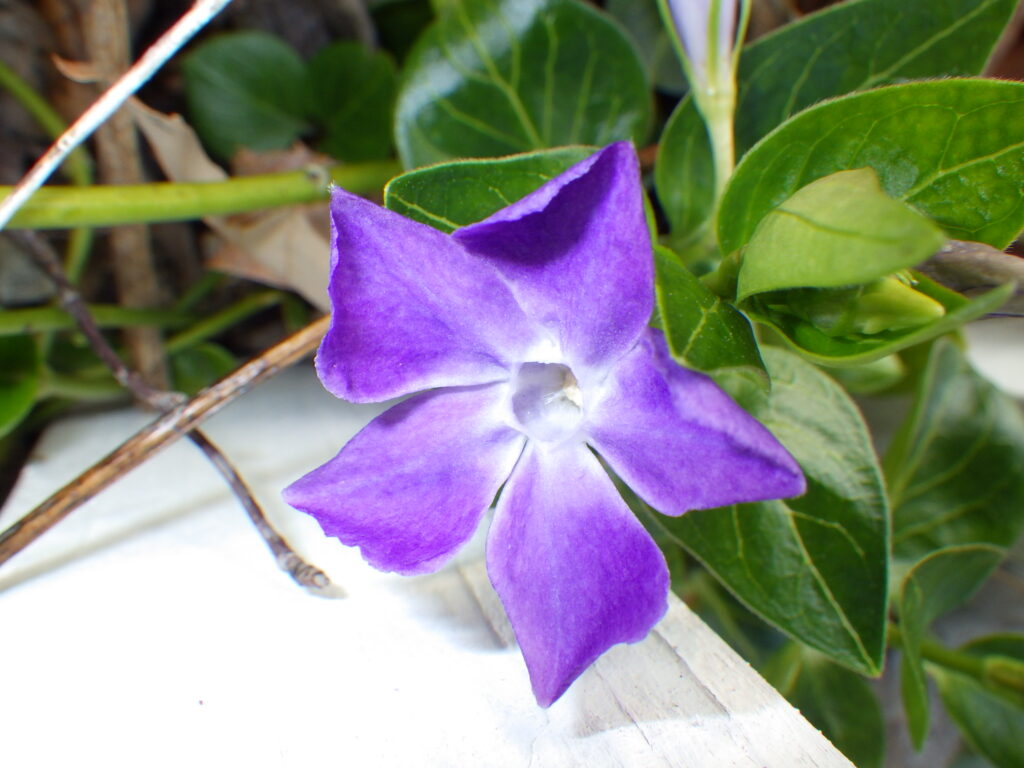
Many people seem to search for the difference between vinca and petunias, but vinca has propeller-shaped flowers, so they look completely different.
References
Fregonezi, JN, Turchetto, C., Bonatto, SL, & Freitas, LB (2013). Biogeographical history and diversification of Petunia and Calibrachoa (Solanaceae) in the Neotropical Pampas grassland. Botanical Journal of the Linnean Society, 171 (1), 140-153. https://doi.org/10.1111/j.1095-8339.2012.01292.x
Reis, CD, Sajo, MDG, & Stehmann, JR (2002). Leaf structure and taxonomy of Petunia and Calibrachoa (Solanaceae). Brazilian Archives of Biology and Technology, 45, 59-66. https://doi.org/10.1590/S1516-89132002000100010
Soares, LS, Stehmann, JR, & Freitas, LB (2025). The genus Petunia (Solanaceae): Evolutionary synthesis and taxonomic review. Plants, 14 (10), 1478. https://doi.org/10.3390/plants14101478
The Garden Party. (June 25, 2024). Easy! Compare and understand the difference between petunias and calibrachoas! The Garden Party - https://gardenparty87.jp/apps/note/flower/petunia/t20210315