The Colchicaceae family consists of perennial herbs. They have corms or rhizomes. Leaves are alternate, opposite, or whorled, and may be clustered at the base of the stem. Flowers are solitary or borne in racemes or cymes, showing great diversity. They usually bear bisexual flowers. The perianth segments are free or fused, numbering six in number. The ovary is superior. Many species have capsules, but the genus *Colchicum* has berries. There are 15 genera and approximately 275 species worldwide, with many found in southern Africa and distributed in tropical to temperate regions excluding Central and South America. In Japan, there is one genus, *Colchicum*, and four species. *Colchicum* has berries and does not have bulbs, but in the APG system, it is a family consisting of only one genus.
This article provides a comprehensive, illustrated guide to plants belonging to the Colchicaceae family.
The basic information is based on Tsukamoto (1994) and the Kanagawa Prefectural Flora Survey Association (2018). Photographs are replaced as better ones become available. While the identifications are made by the author, please note that they may be changed without notice if misidentifications are found.
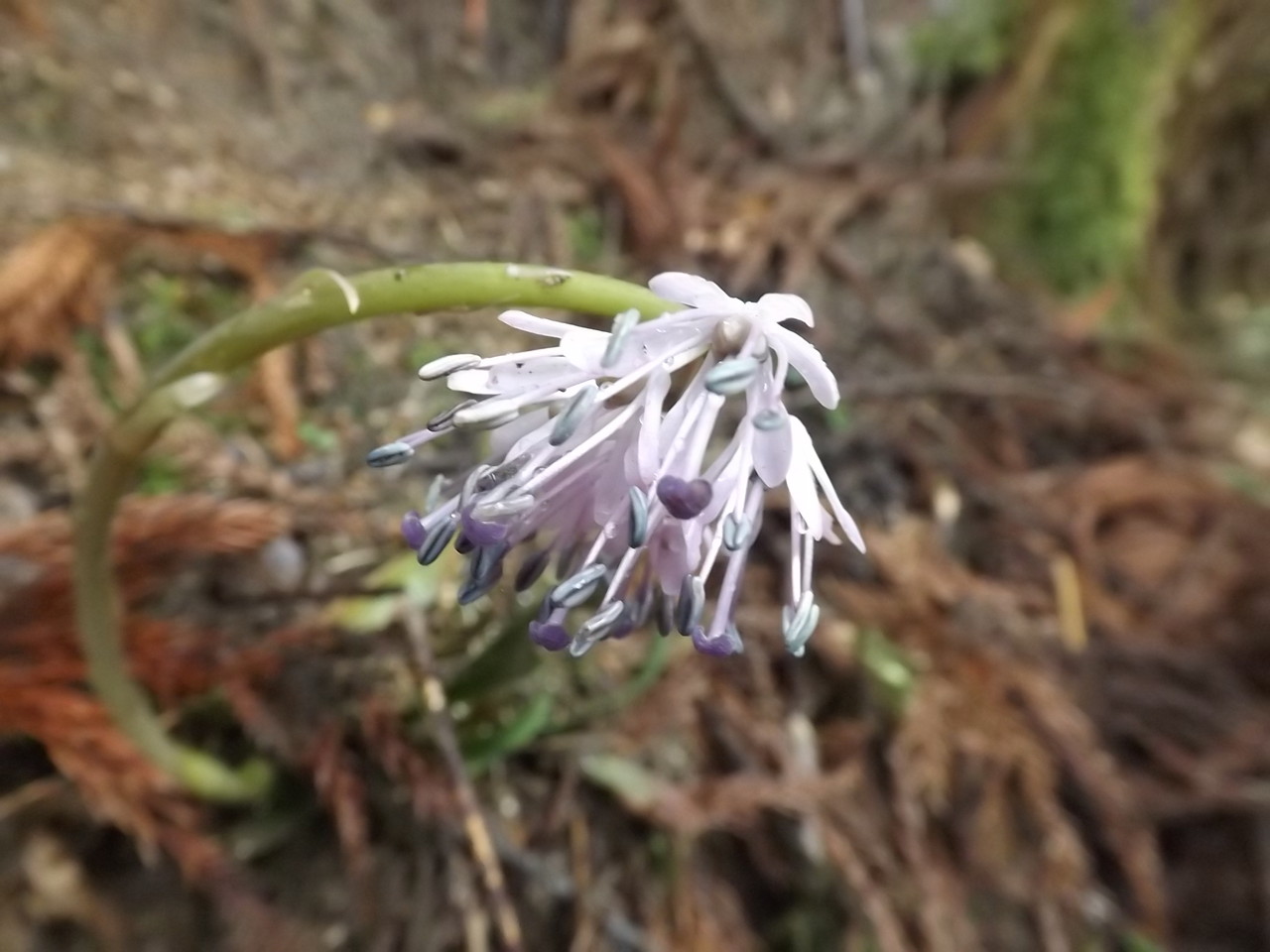
No.0314 Colchicum autumnale
This perennial plant produces 1 to 4 pale purplish-pink flowers in early autumn, reaching a height of 15 to 20 cm. The anthers are yellow, the pistil is white, and the leaves are lanceolate, 20 to 30 cm long, appearing in spring. It has been cultivated as a medicinal plant since ancient times, and the highly potent alkaloid colchicine is obtained from the dried corms and seeds. Colchicine has been used since ancient times as a miraculous remedy for gout. Because colchicine has a chromosome-duplicating effect, it is often used in plant breeding. It is distributed in Europe and North Africa and grows in pastures.
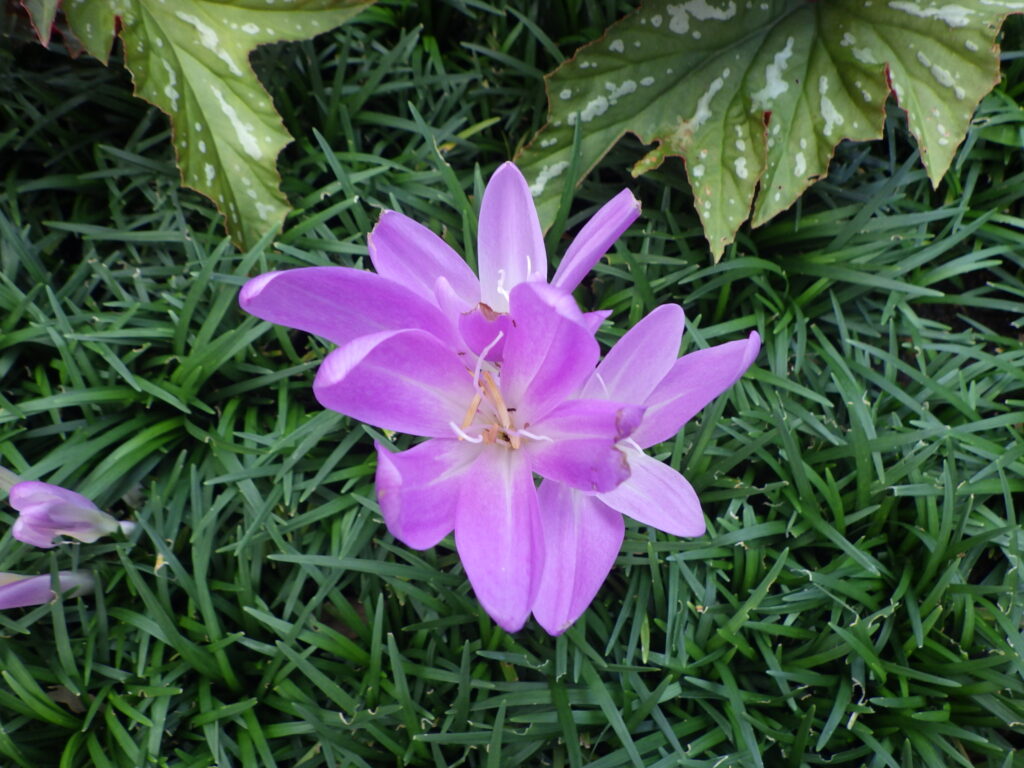
No.0315 Disporum smilacinum
A perennial herb. The stems are usually unbranched and grow to a height of 15-40 cm. In April and May, it produces white flowers that face sideways or diagonally downwards. The perianth segments are 1-1.5 cm long. It is distributed in Hokkaido, Honshu, Shikoku, Kyushu, Korea, and China. The branched variety is called Edauchichigoyuri var. ramosum.
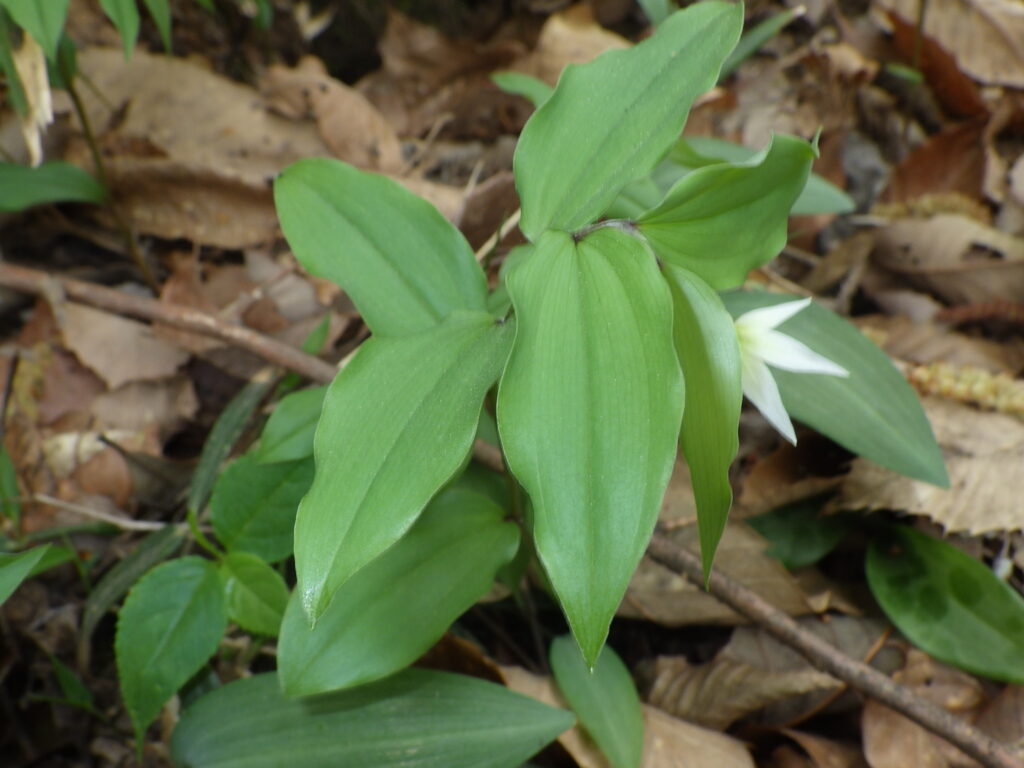
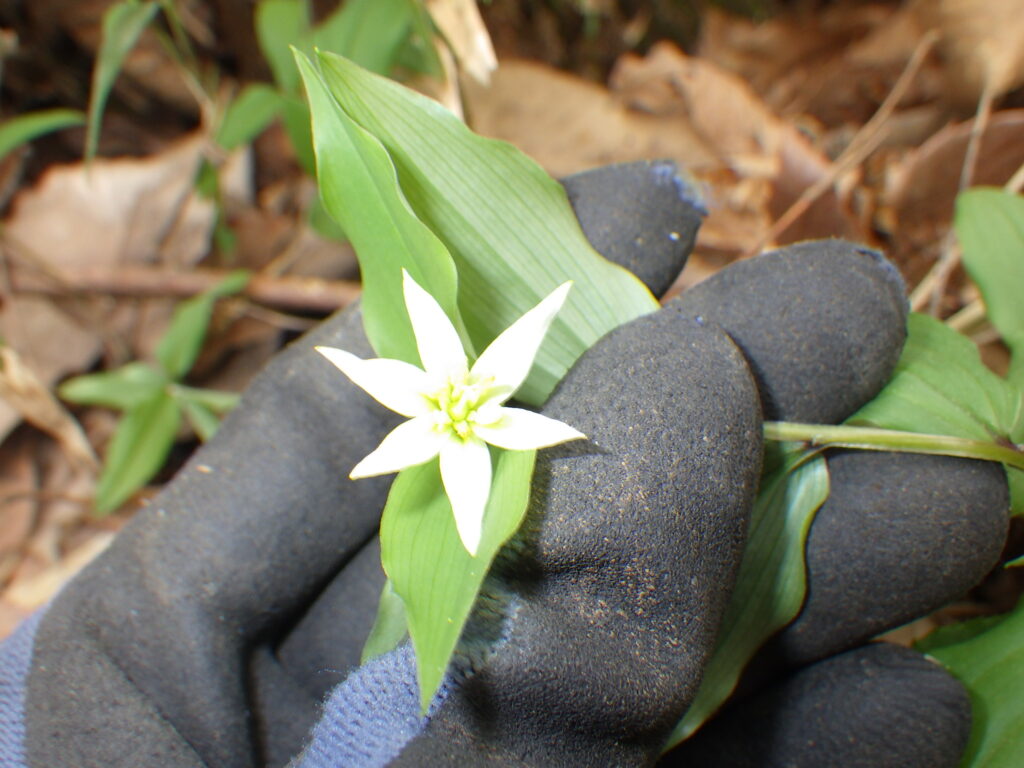
No.0317 Disporum sessile
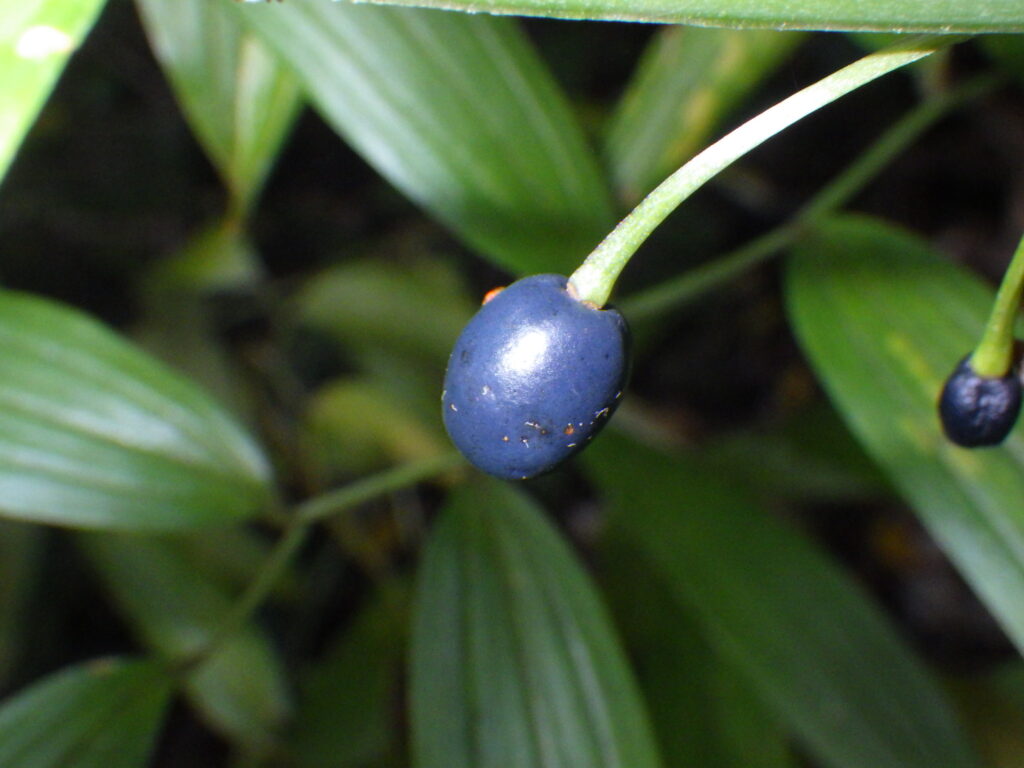
This is a perennial herb, growing to a height of 30-60 cm. Stems range from simple to several-branched. The leaves have three prominent veins and vary considerably in shape, from broad to narrow. In April and May, it produces tubular, greenish-white, drooping flowers. The perianth segments are green in the upper half and white in the lower half. The fruit is spherical, about 1 cm in diameter, and ripens to black. It is distributed in Hokkaido, Honshu, Shikoku, Kyushu, Korea, China, and Sakhalin. It grows in forests from coastal areas to mountainous regions.
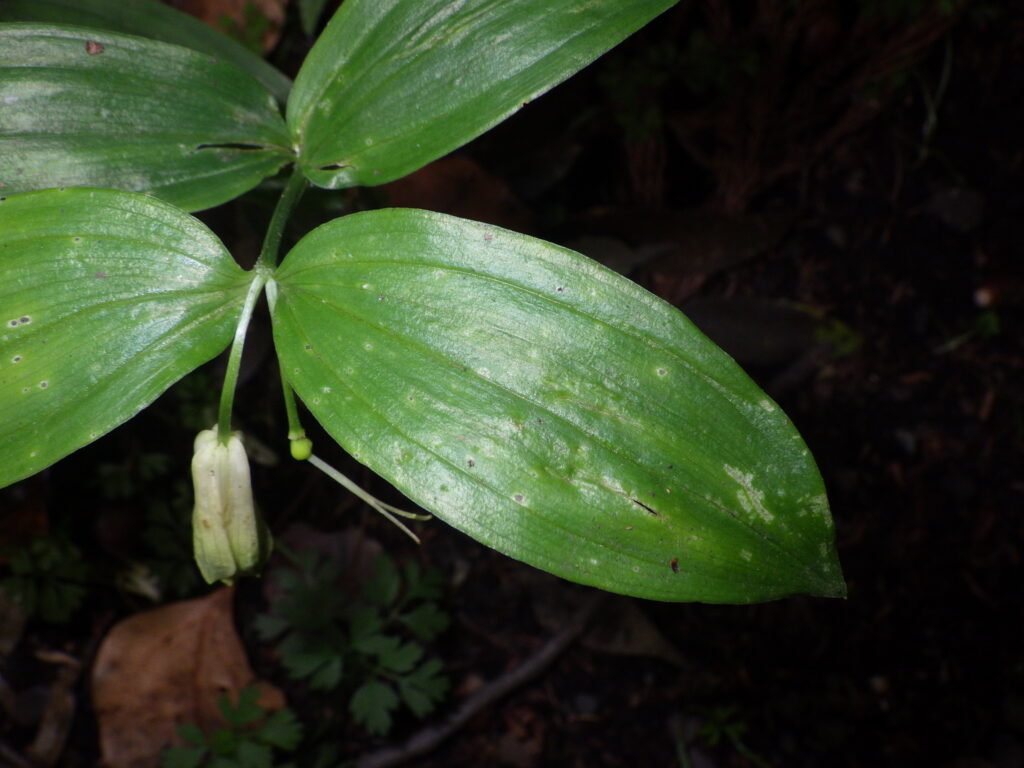
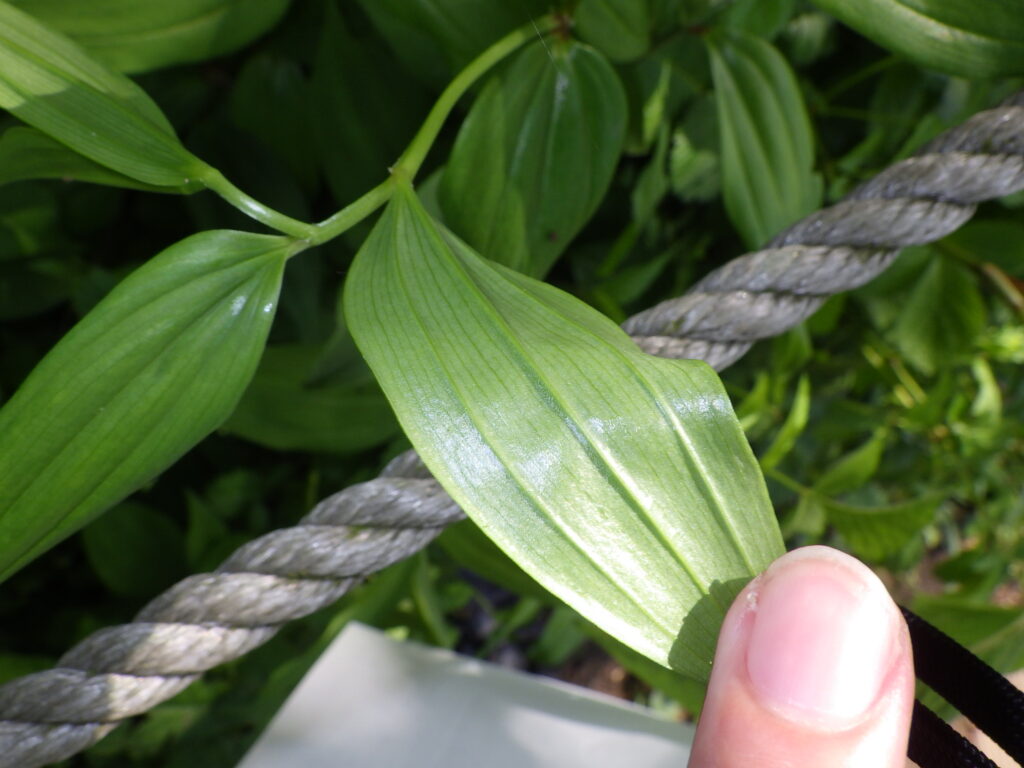
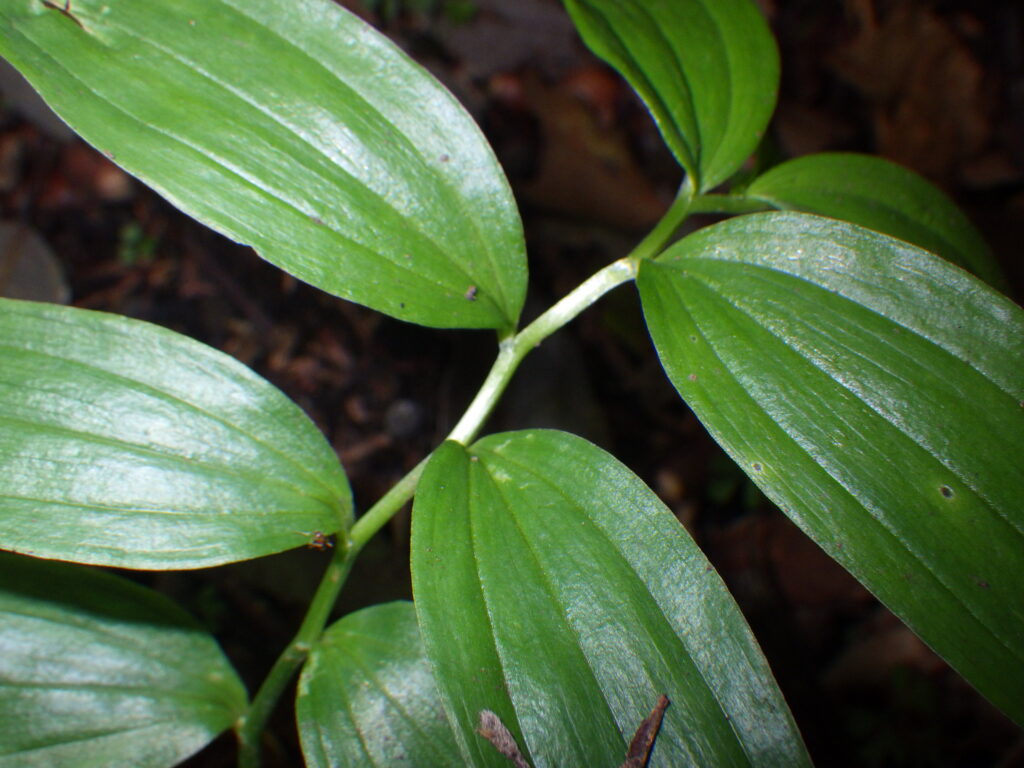
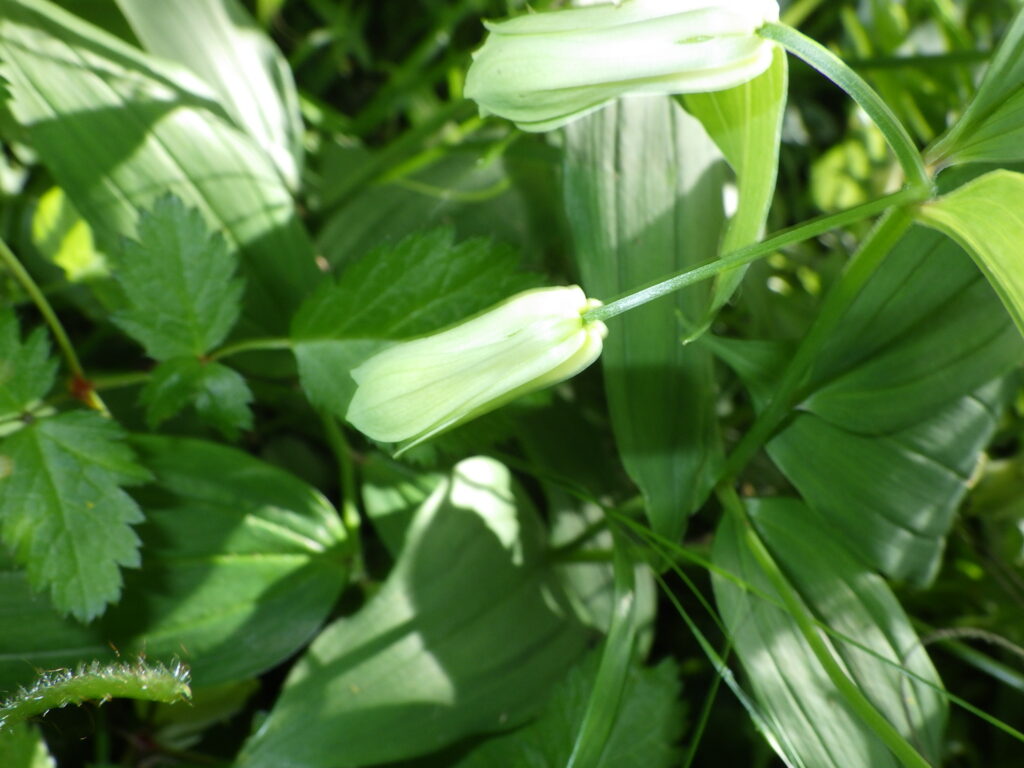
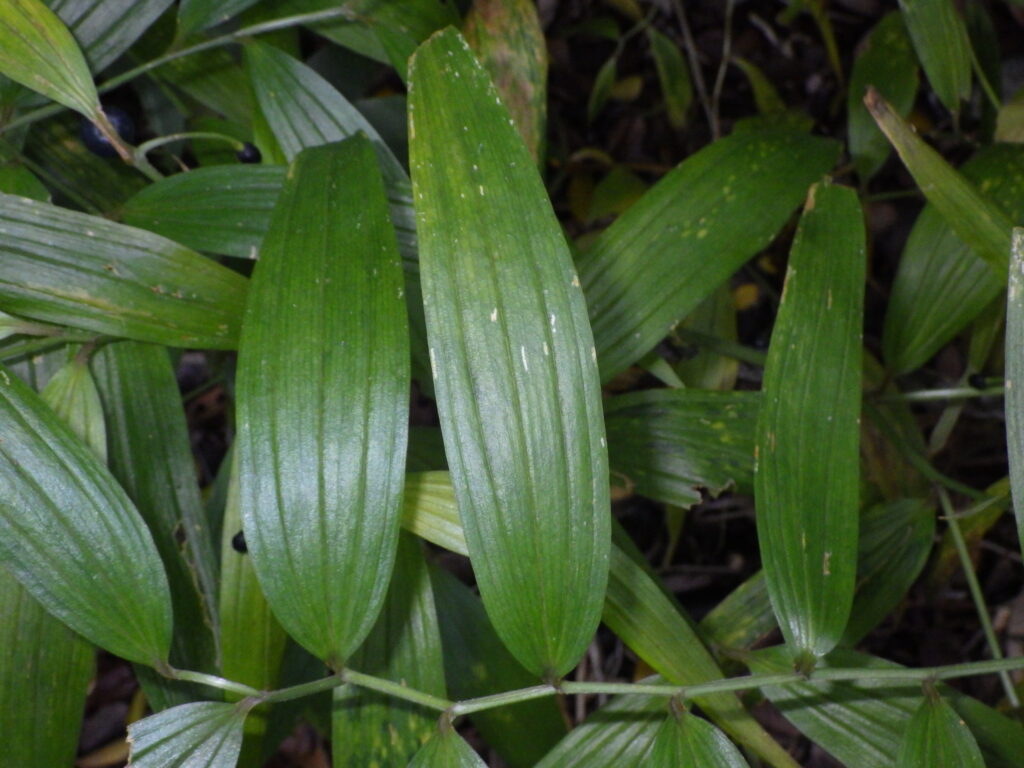
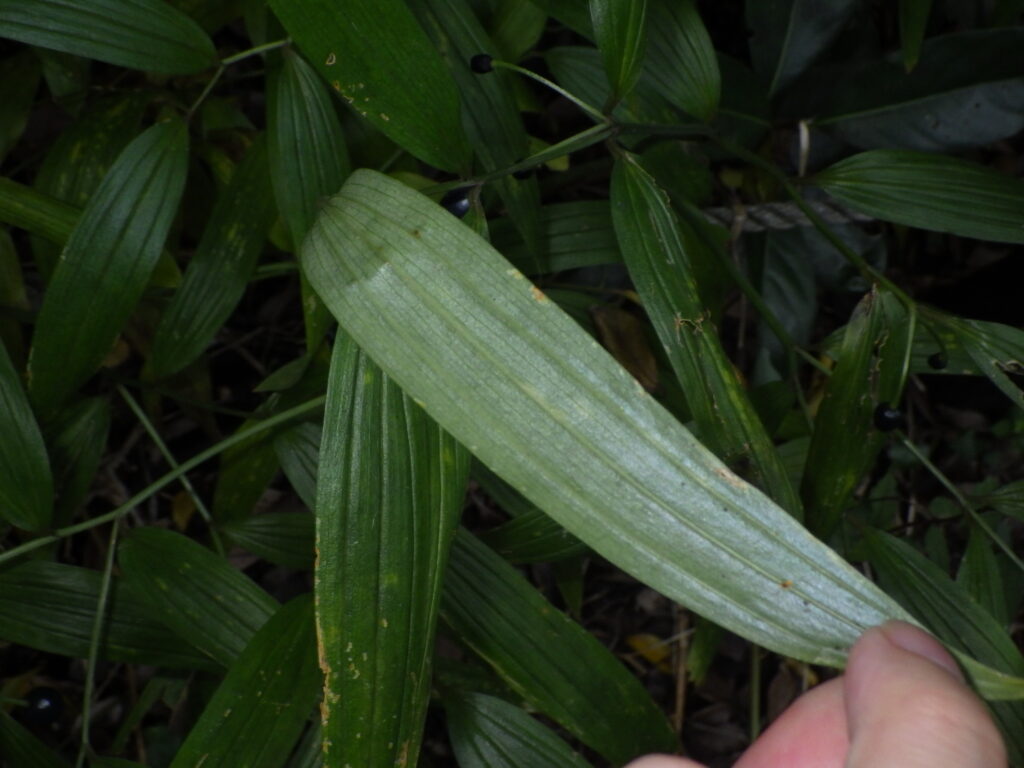
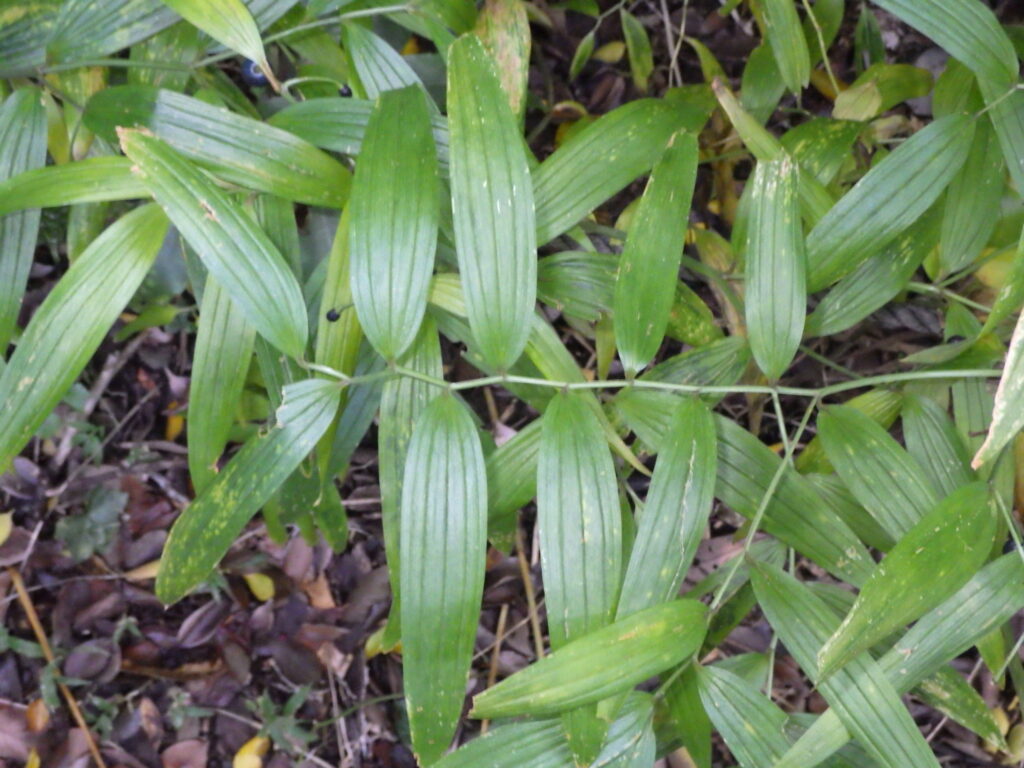
No.0317.1 Disporum sessile f. stenophyllum
This variety has leaf blades narrower than those of *Disporum sessile*, which typically have a leaf blade width of 2-3 cm. It is found in southern Kanto, Tokai, Shikoku, and Kyushu, but is particularly common in the Fossa Magna region. Intermediate forms between this variety and *Disporum sessile* (in the strict sense) also exist. Leaf blade measurements for the following individuals have not been taken.
References
Kanagawa Prefecture Flora Survey Association. 2018. Kanagawa Prefecture Flora 2018 (Electronic Edition). Kanagawa Prefecture Flora Survey Association, Odawara. 1803pp. ISBN: 9784991053726
Tsukamoto, Yotaro. 1994. Encyclopedia of Horticultural Plants, Compact Edition. Shogakukan, Tokyo. 3710pp. ISBN: 9784093051118