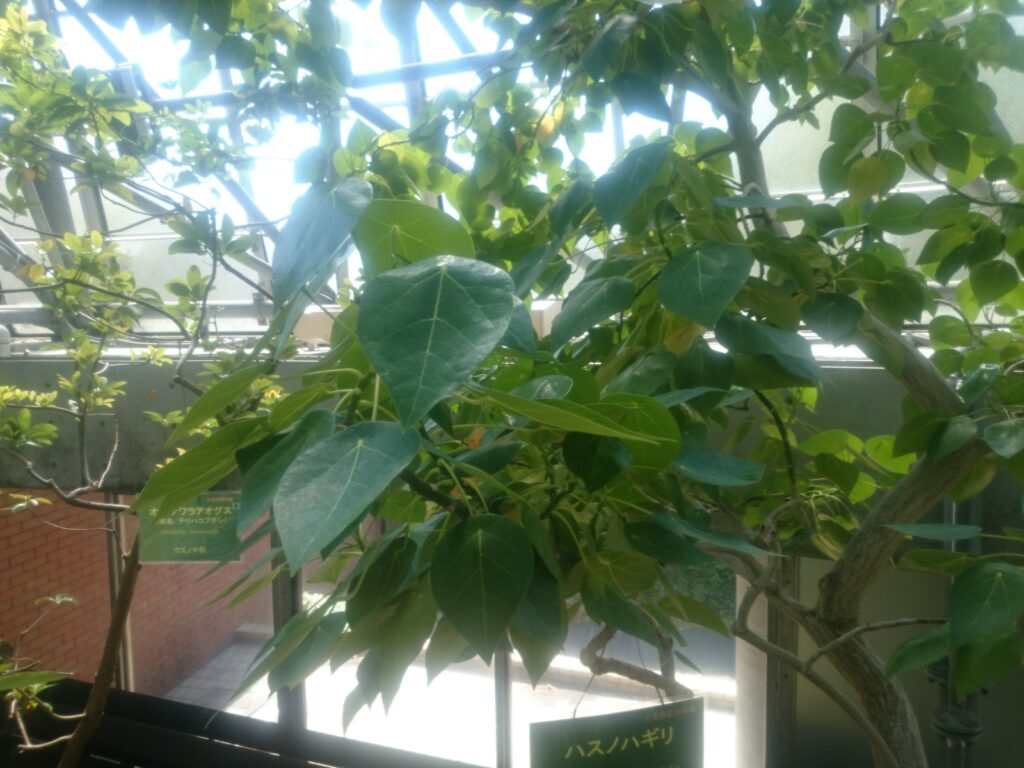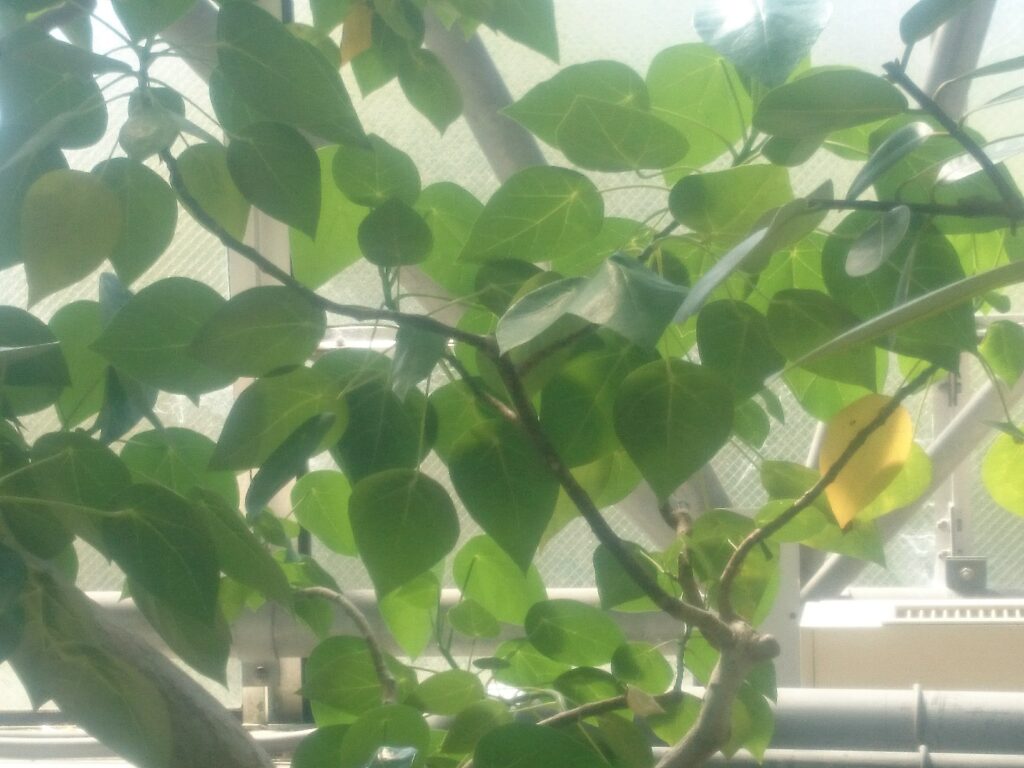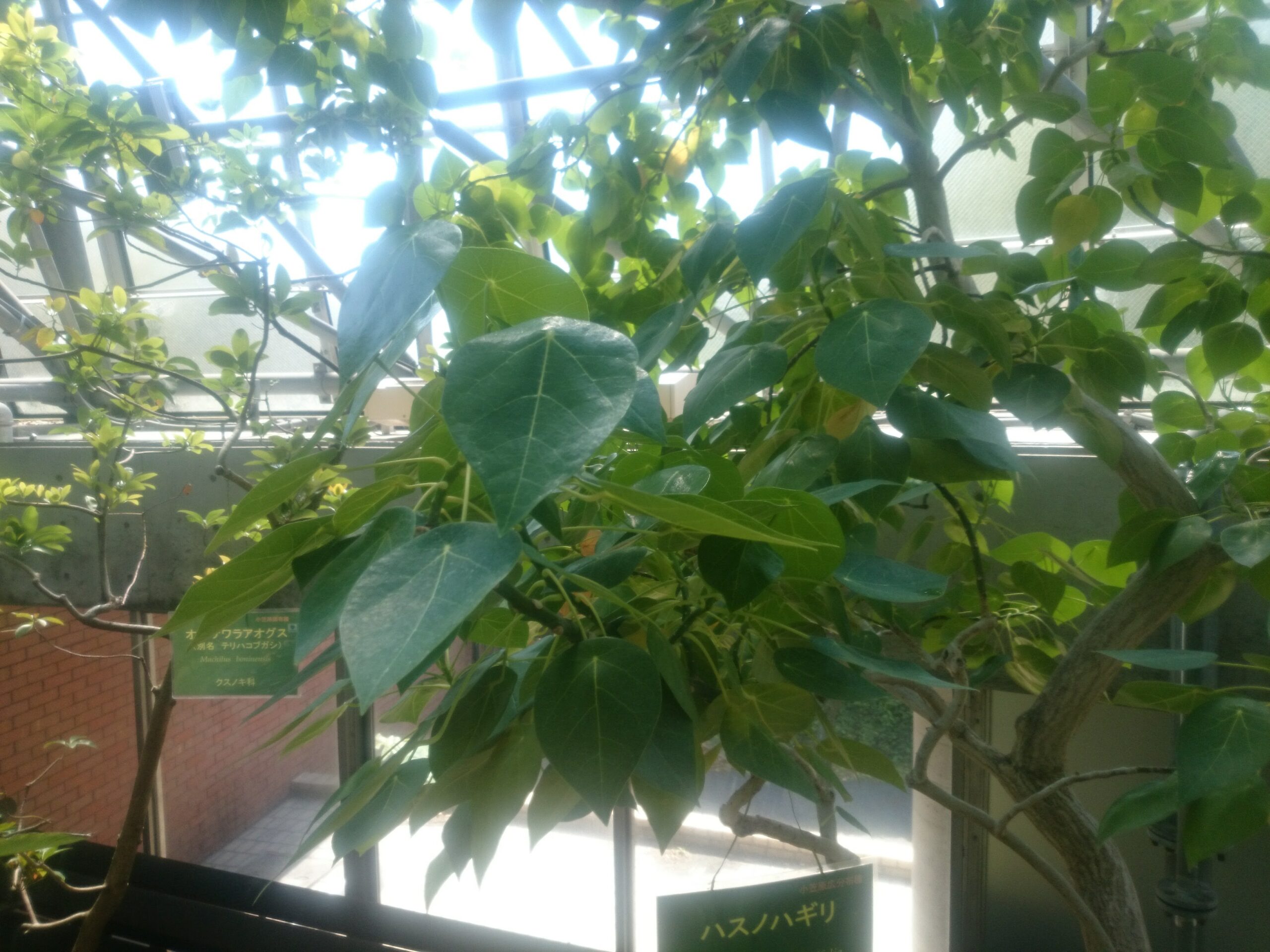
The family Hernandiaceae consists of evergreen trees, shrubs, or vines. It comprises 5 genera and approximately 58 known species. Distributed throughout tropical regions worldwide, some species are widely found in coastal areas, even at altitudes exceeding 2000m above sea level. They produce essential oils. Leaves are alternate, aromatic, simple or compound, and exhibit palmate and cruciate venation. In the genus Hernandia, the leaves are often leathery. Compound leaves are palmate-compound. Leaves have stipules. The bark has a corky cambium, but is superficial in young trees. Nodes are connected in a single chain.
This article provides a comprehensive, field guide-style introduction to plants belonging to the Lamiaceae family.
The photos are replaced as soon as better ones are taken. Also, while the identification is done by the author, please note that if there are any misidentifications, they may be changed without notice.
No. 0139 Hernandia nymphaeifolia
An evergreen tree, reaching a height of 7-20m. The leaves are alternate, ovate, 10-30cm long and 8-20cm wide. The tip is pointed, the base is shallowly cordate and entire, and both surfaces are glabrous. The texture is soft, leathery, and glossy. The petiole is attached shim-like to the base of the leaf blade and is 5-15cm long. Flowering occurs in July and August. The plant is monoecious, with corymbose inflorescences at the branch tips and leaf axils. Typically, there are three flowers in total: a female flower in the center and male flowers on either side. The perianth segments are white to milky white, 3-5mm long. Male flowers are enclosed in perianth segments arranged in two whorls of three, containing three stamens, while female flowers are enclosed in perianth segments arranged in two whorls of four, containing one pistil. After flowering, the bracts surrounding the female flowers become sac-like and enclose the fruit. The bracts are spherical, about 3cm in diameter, and yellow to red. The fruit (drupe), enclosed in bracts, is oval-spherical in shape, about 2 cm long, and ripens to black. It is distributed from the Ogasawara Islands and Kyushu (south of Okinoerabu Island) to Okinawa, and inhabits coastal areas.