The Musaceae family consists of perennial herbs that form pseudostems and have leaves with overlapping basal sheaths, resembling woody plants. They are native to the tropical regions of Africa and Asia. The family includes three genera: Musella, Musa, and Ensete. They are sometimes cultivated as ornamental plants.
This article provides a comprehensive, illustrated guide to plants belonging to the Musaceae family.
The photos are replaced as soon as better ones are taken. Also, while the identification is done by the author, please note that if there are any misidentifications, they may be changed without notice.
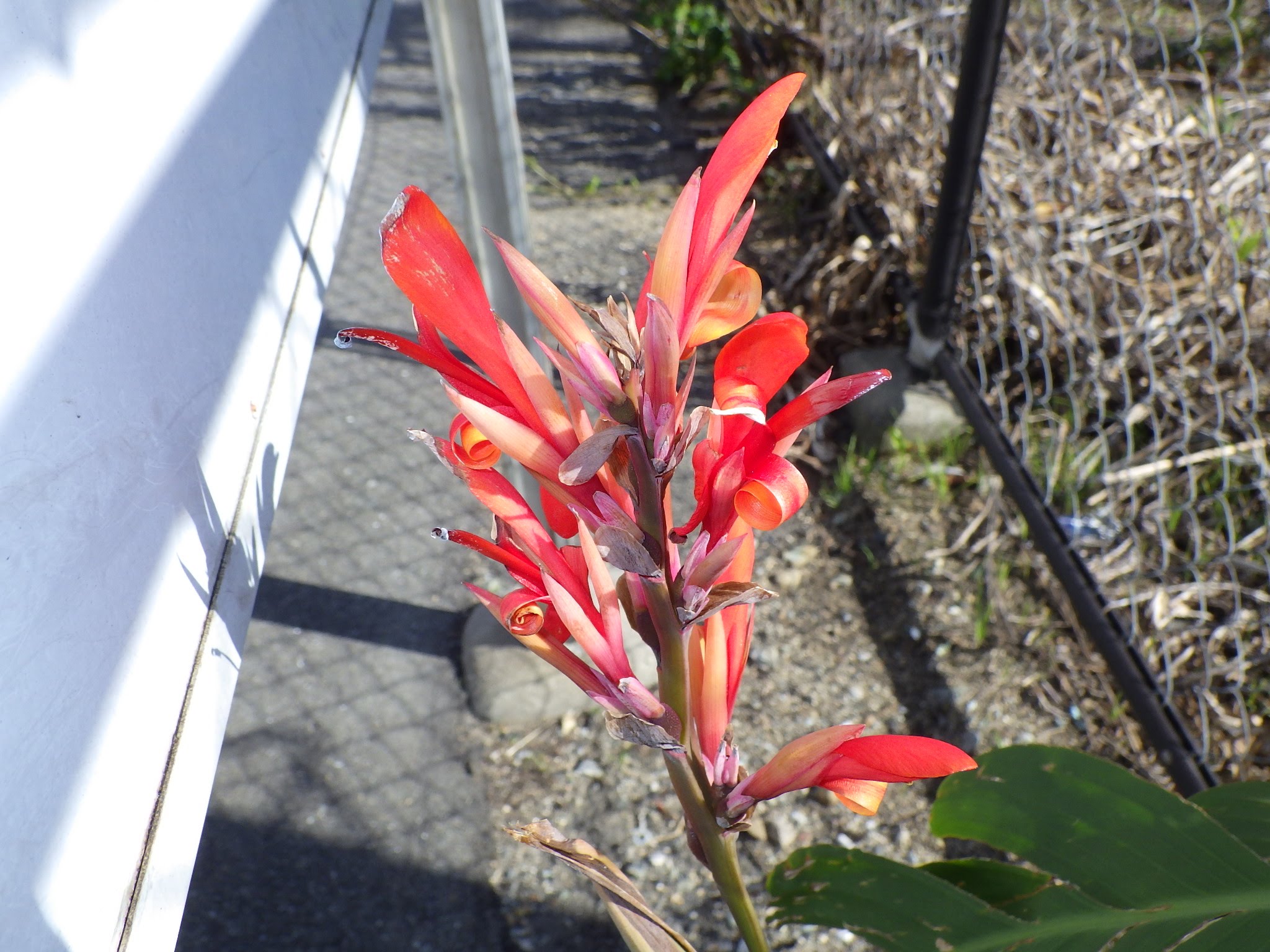
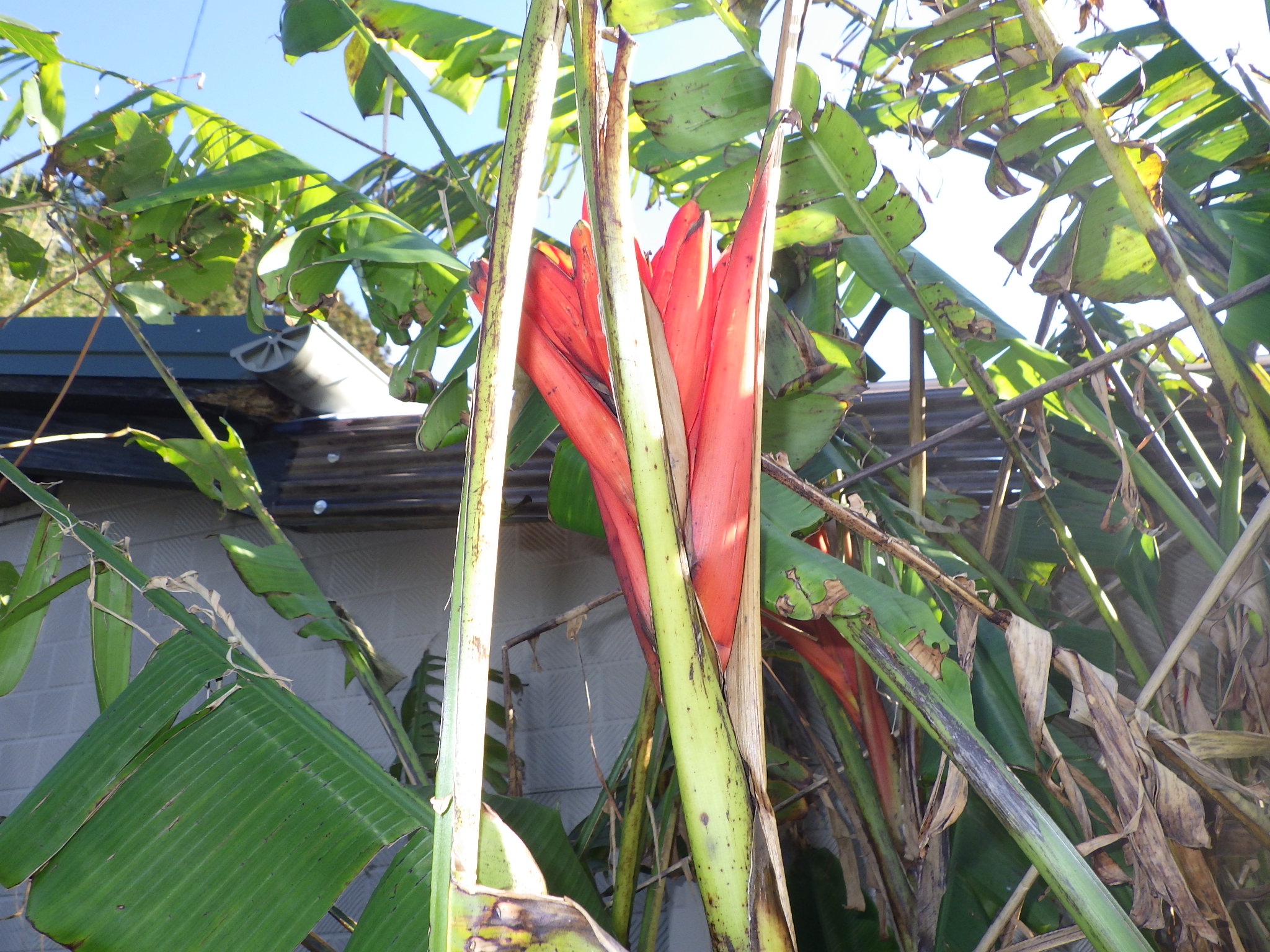
No.0640 Musa coccinea
This is an evergreen perennial herb. The leaf blades are oblong, measuring 1.8–2.2 m × 70–80 cm, with a rounded base and pronounced asymmetry. Flowering occurs from September to November. The inflorescence is erect and glossy. The involucral bracts are pink on the inside and scarlet on the outside with conspicuous wrinkles. Six flowers are borne per bract, arranged in a single row. The petals of the female flowers are yellow, with angular outer lobes of the compound tepal and free tepals equal in length to the compound tepal, with sharp, finely toothed tips. The fruit is obliquely attached to the pedicel, grayish-white, straight, 10–12 × approximately 4 cm. The stem is 3–3.5 cm long. There are numerous seeds. 2n=20. It is distributed in China (Guangdong Province, Guangxi Zhuang Autonomous Region, and western Yunnan Province) and Vietnam, and inhabits valleys and slopes (Flora of China). It is cultivated for ornamental purposes in greenhouses and open fields in various countries, including Japan. In southern Kyushu, it overwinters outdoors.
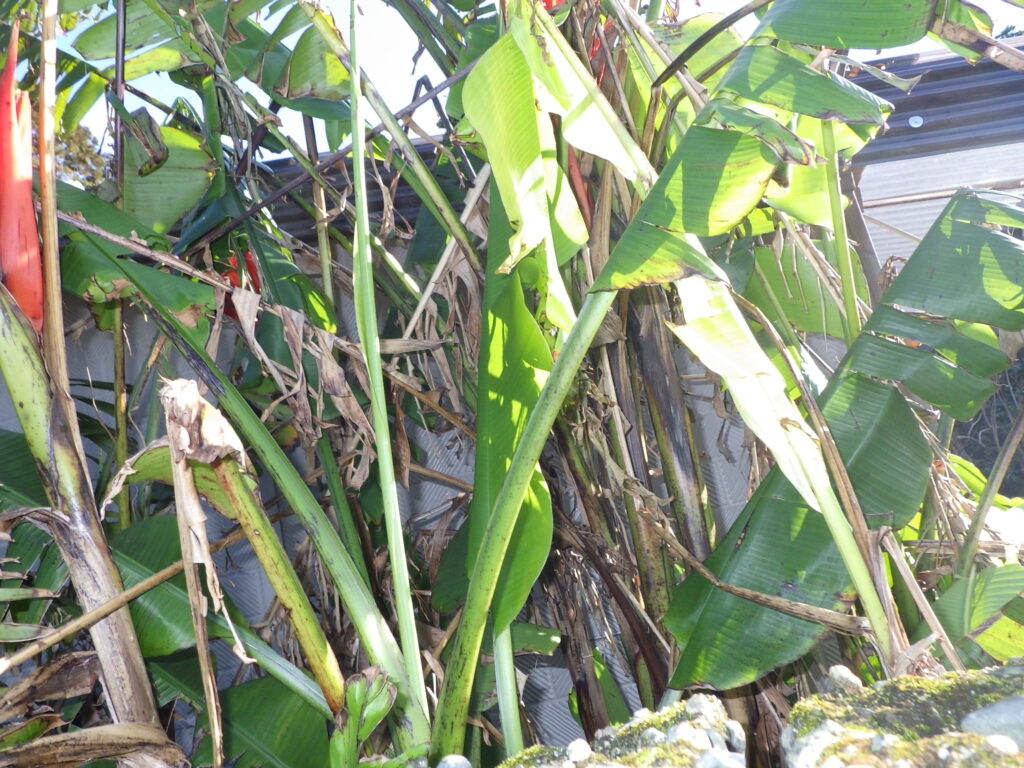
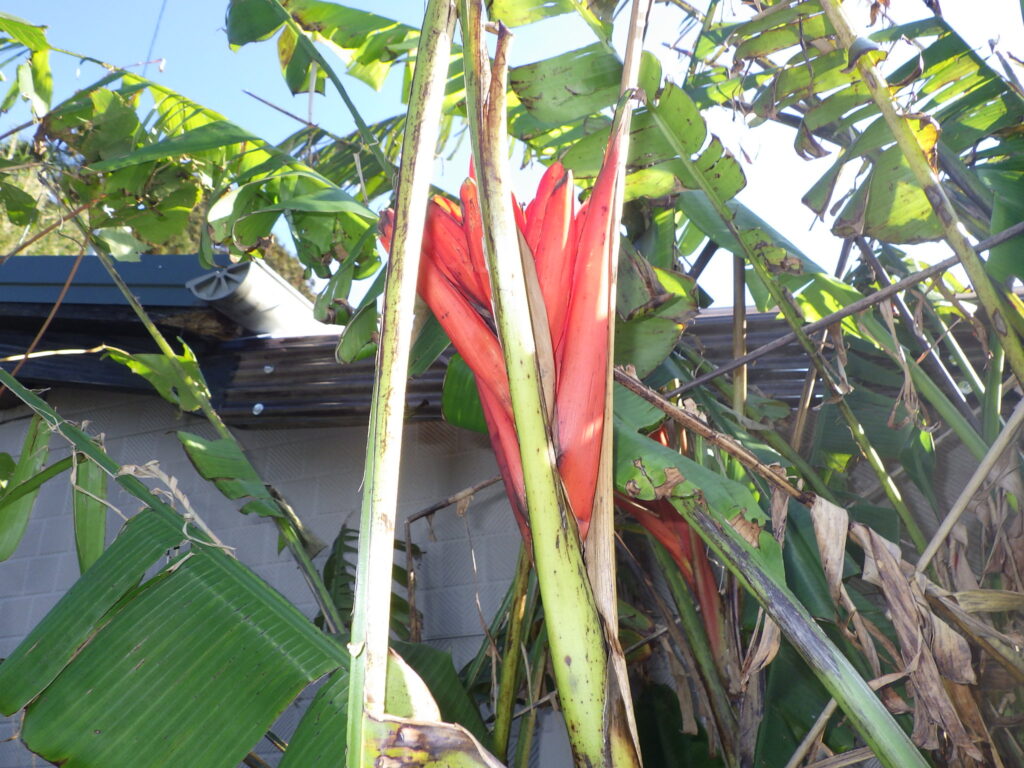
No.0641.a Malay Mountain Firefly (Musa acuminata)
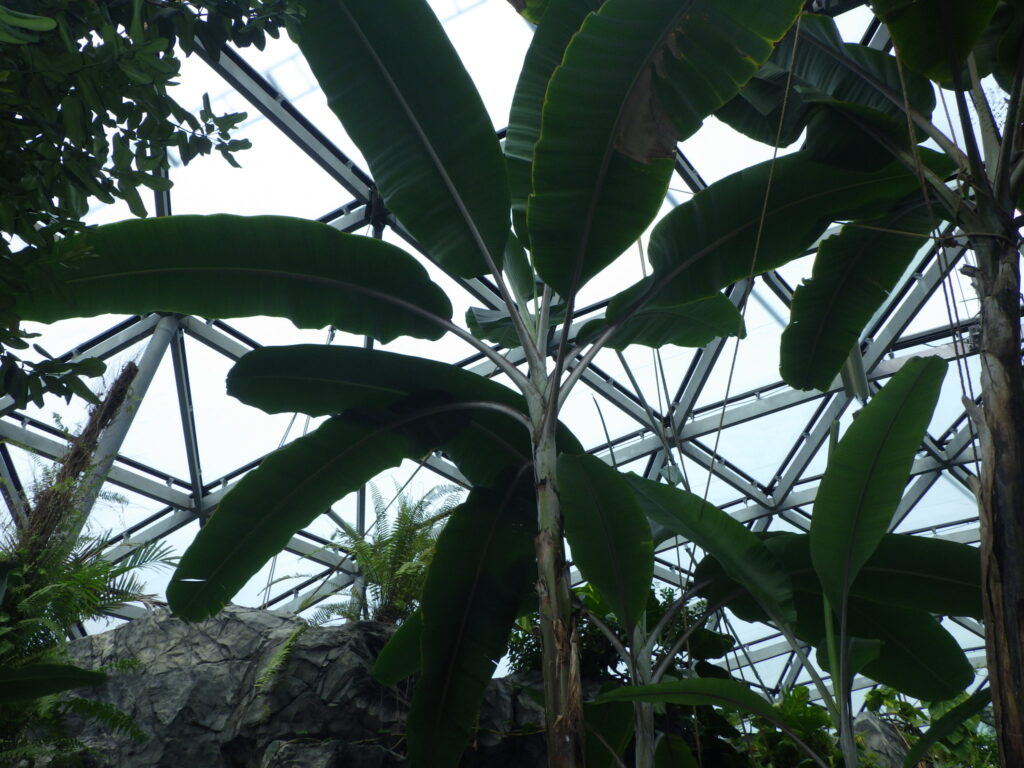
An evergreen perennial herb. Also known as banana. The pseudostem (the part that looks like a trunk) is made up of tightly folded layers of leaf sheaths that arise from a completely or partially buried corm. The inflorescence grows horizontally or obliquely from this trunk. Individual flowers are white to yellowish-white and exhibit negative geotropism. Both male and female flowers are present in a single inflorescence. Female flowers are located at the base and develop into fruits. Male flowers are located between leathery bracts at the apex. The fruit is slender, a berry, and the size of each individual fruit depends on the number of seeds it contains. Each fruit contains 15 to 62 seeds. Each fruit cluster has an average of 161.76 ± 60.62 fruits, with individual fruits measuring approximately 2.4 × 9 cm. In the wild, the seeds are approximately 5–6 mm in diameter. The seeds are subspherical or angular in shape and very hard. The embryo is very small and located at the tip of the ovule. Each seed of the Malayan cypress is encased in starchy parenchyma tissue, which is the edible part of the plant. Typically, the edible part is about four times the size of the seed. While wild specimens of this species are diploid with 2n=2x=22 chromosomes, cultivated varieties are nearly triploid (2n=3x=33), parthenocarpic, and produce seedless fruits with increased edible tissue. These useful cultivated varieties were formed through spontaneous mutations obtained from vegetative propagation. It is distributed in the Malaysian flora and the Indochina Peninsula and prefers tropical climates. In the wild, the fruit is eaten by bats, birds, squirrels, tree shrews, civets, mice, monkeys, and apes (Marod et al., 2010), and it is well known that the seeds are dispersed particularly by the small-nosed fruit bat, Cynopterus sphinx (Tang et al., 2007). Gorillas and chimpanzees, which are often associated with this plant, only inhabit Africa and therefore do not eat it in the wild. It is believed that domestication of bananas began 7,000 years ago in New Guinea and Wallacea by the Austronesian people. Originally, they were cultivated for fiber, building materials, or for the male shoots to be eaten, but as the fruit came to be eaten, parthenocarpy and seed sterility progressed. Edible bananas are sometimes hybridized with Musa balbisiana. As the Austronesian people migrated to the Pacific islands, bananas spread and also reached India. In Africa, they were introduced from Madagascar and the east coast of the African continent by Malay peoples, and because the climate was suitable, they became a staple food in many regions until cassava was introduced. In the late 19th century, capital from companies such as United Fruit, Dole, and Del Monte in the United States started plantation agriculture in Central and South America, making mass production possible, but this also led to the creation of countries that depended on foreign capital, sometimes called "banana republics." Taiwanese bananas were the main source of imported bananas in Japan, but currently, due to quality and transportation efficiency, about 801 TP3 T of bananas are from the Philippines.
The following specimens are from a botanical garden, and it is unknown whether they are pure wild species.
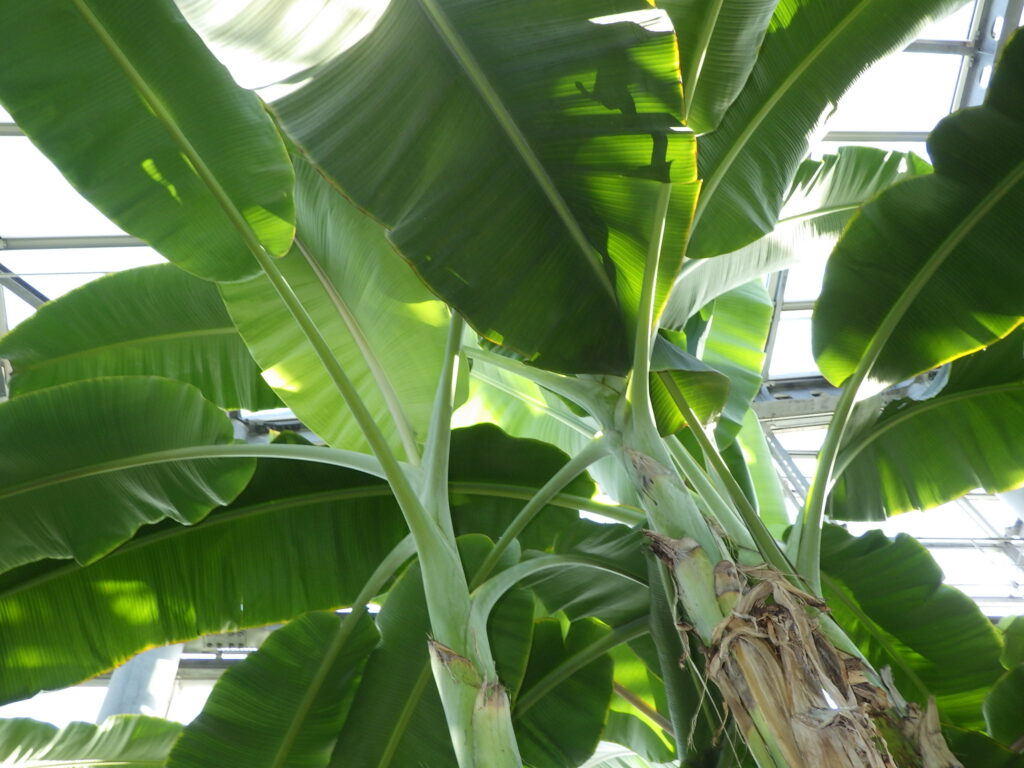
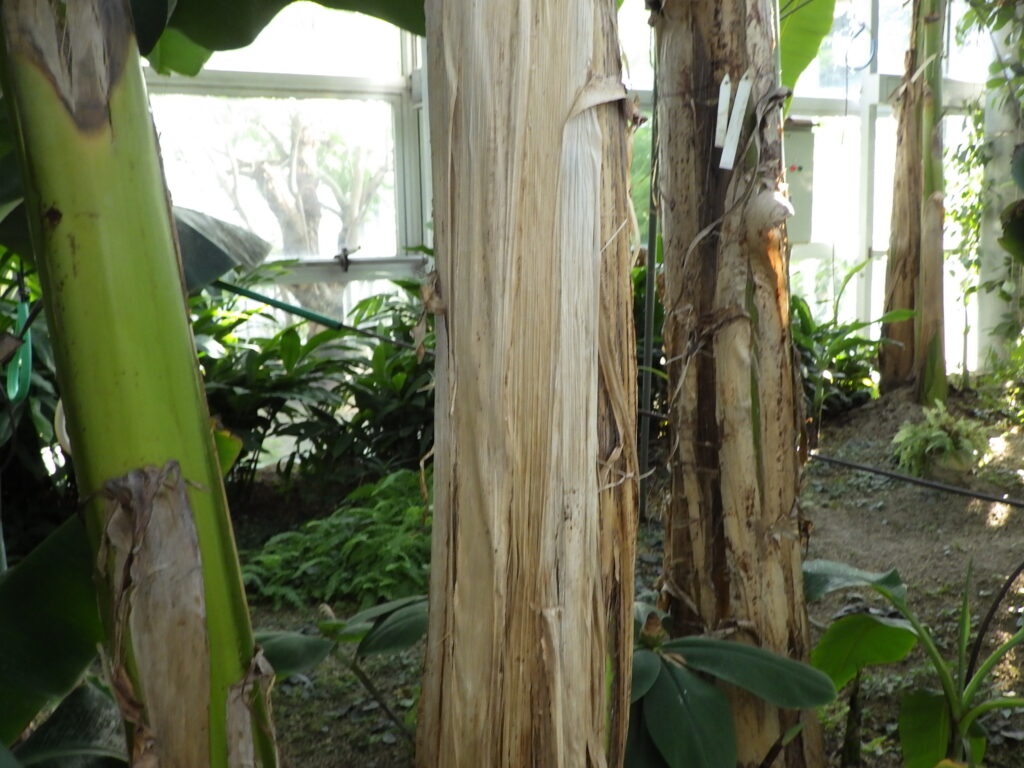
No.0641.b Musa acuminata (AAA Group) 'Dwarf Cavendish'‘
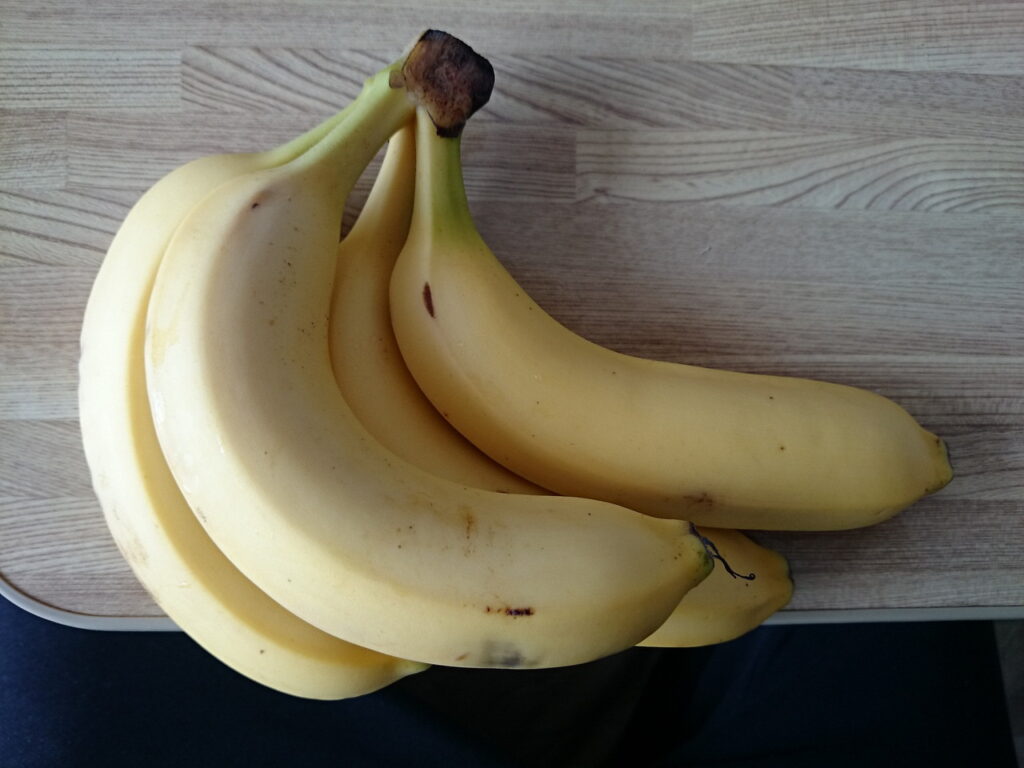
This is a short-statured variety from the Cavendish group, which belongs to the triploid group (AAA) that does not produce fertile seeds. Its short stature makes it resistant to strong winds and suitable for cultivation. The variety is named after William Cavendish, the 6th Duke of Devonshire. Around 1834, William Cavendish received bananas from Mauritius in the Indian Ocean, and his gardener, Joseph Paxton, cultivated them in the greenhouse at Chatsworth House, where they were exported to the Pacific Ocean. Commercial production of Cavendish bananas had already begun in 1903, but after the then-dominant variety, Gros Mitchell, was devastated by Panama disease (a wilt disease caused by the Panama disease fungus Fusarium oxysporum f. sp. cubense) in the 1950s, Cavendish seized the leading role. It is widely known that most of the daisies sold in modern Japan are "Cavendish," but "Cavendish" is a name for a group of varieties, and there is no description in Japanese of which specific variety it is. English literature states that the most widely sold variety in the world is "Dowf Cavendish" (Ploetz et al., 2007), so it is reasonable to assume that the same is true in Japan. However, a very small number of websites describe them as "Giant Cavendish." These varieties are distinguished by their tree shape, so it is probably impossible to distinguish them by their fruit.
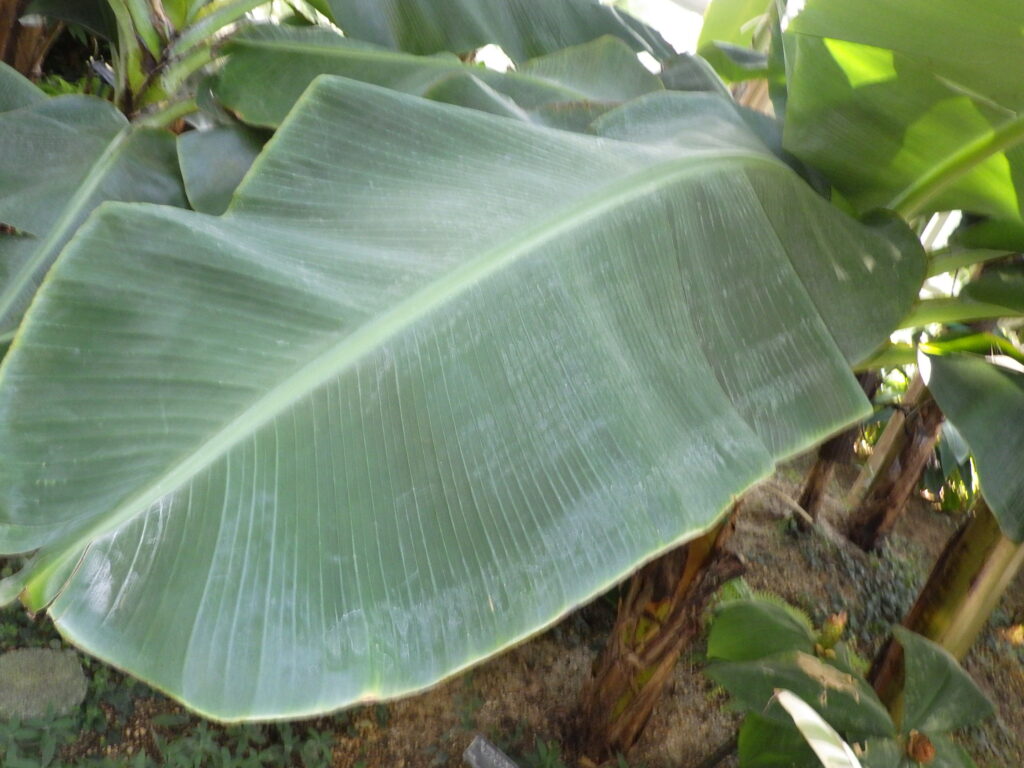
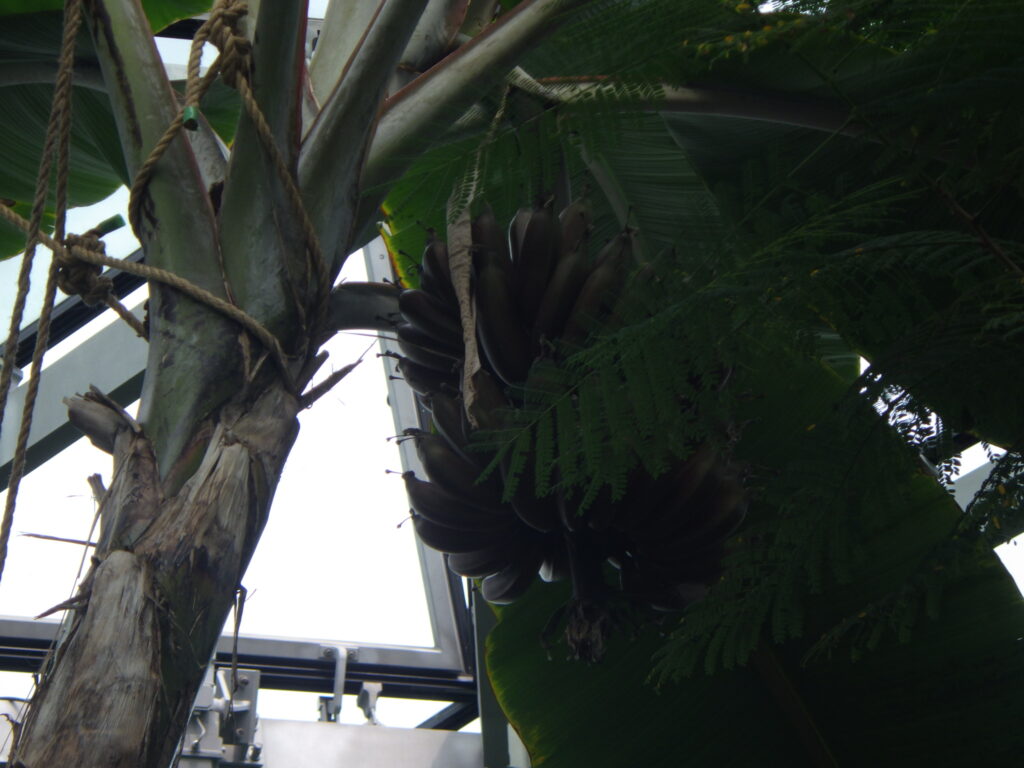
No.0641.c *Musa acuminata (AAA Group) 'Red Dacca'*‘
Akamaray Yamabasho (author's tentative name) is commonly known as the red banana. While there are various spellings such as 'Morado' and 'Red' (Ploetz et al., 2007), we will follow the English Wikipedia entry. It is a red-fruited variety within the triploid group (AAA) that does not produce fertile seeds. The fruit tends to be small, with a slightly thicker skin, creamy yellowish-white flesh, and a strong sweetness and aroma. It is said to contain more beta-carotene and vitamin C than the Cavendish banana, but it tends to be expensive due to its limited supply. It is produced in East Africa, Asia, South America, and the United Arab Emirates.
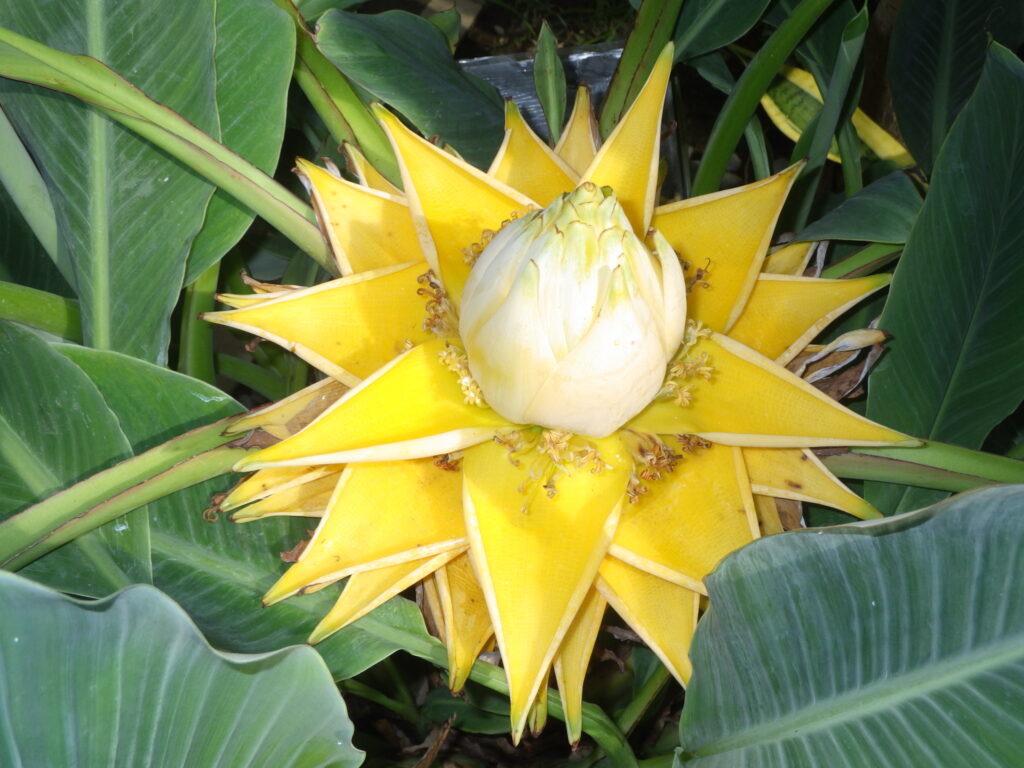
No.0642.a Musella lasiocarpa
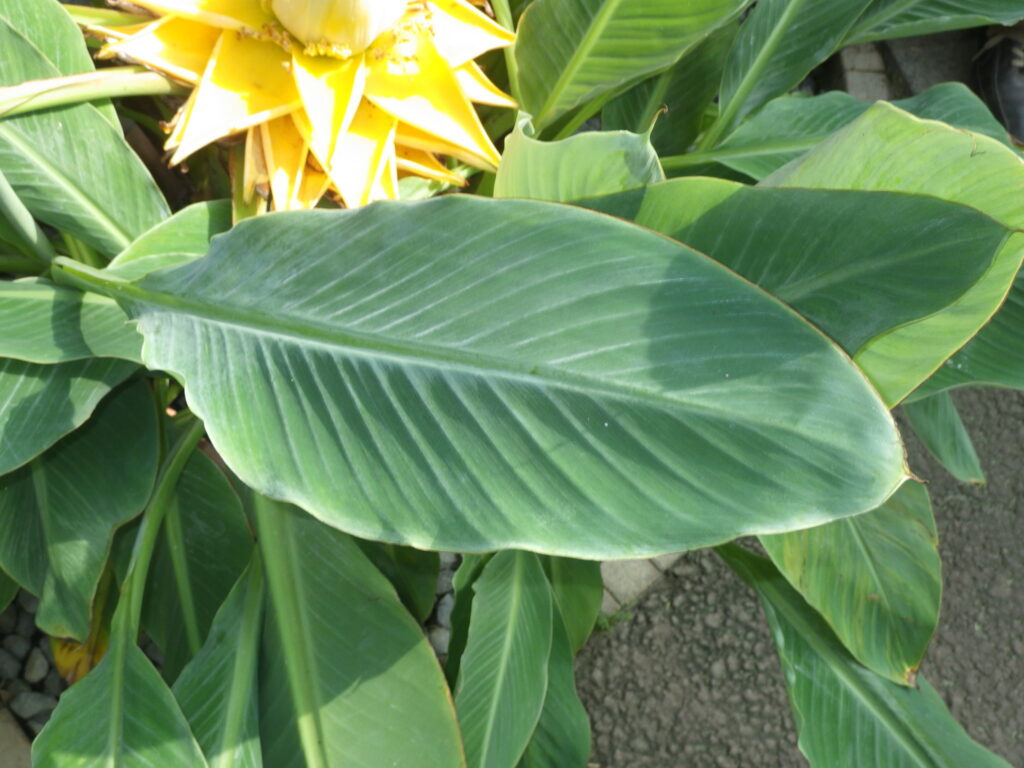
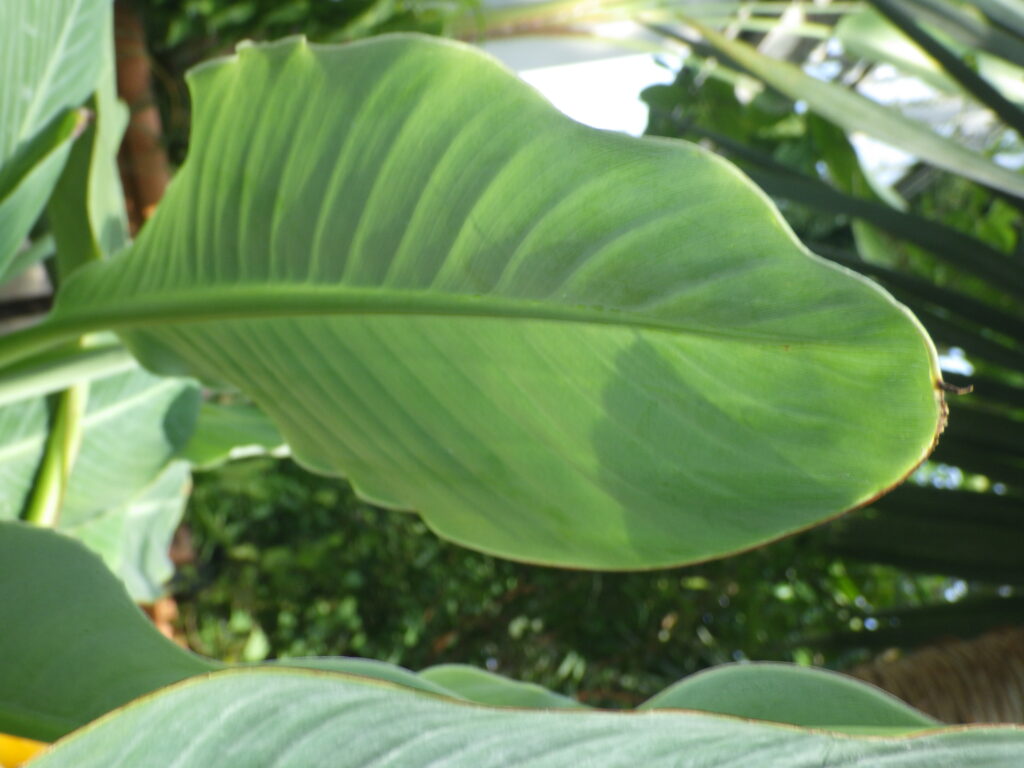
Perennial herb. 90–150 (–180) cm tall, with a horizontal rhizome. The pseudostem is up to 60 cm long, about 15 cm in diameter at the base, with a persistent leaf sheath at the base. The leaves resemble banana leaves, paddle-shaped, and 30–60 cm long. The leaf blade is leathery, powdery white, narrowly elliptical, grayish-green, bilaterally symmetrical, up to 50 cm long and 20 cm wide, with a nearly rounded base and an acute apex. Flowering occurs from May to September. The inflorescence is conical, erect at the end of the pseudostem, initially resembling a lotus flower, 20–25 cm long. Each bract contains 8–10 flowers. The compound perianth segments are ovate-oblong. The berry is 3 (–5) cm long and 2 cm wide, tasteless. The seeds are brown to dark brown, with a large, white hilum. 2n = 18 (Flora of China). The Japanese name comes from the Chinese name "地湧金蓮" (di yong jin lián), meaning "golden lotus flower that springs forth from the ground," hence the name. Native to China, it grows wild on slopes or is cultivated as an ornamental plant in gardens in Japan, China, and other countries. It also has medicinal uses and is used as pig feed (Flora of China).
References
Marod, D., Pinyo, P., Duengkae, P., & Hiroshi, T. 2010. The role of wild banana (Musa acuminata Colla) on wildlife diversity in mixed deciduous forest, Kanchanaburi Province, Western Thailand. Agriculture and Natural Resources 44(1): 35-43. https://li01.tci-thaijo.org/index.php/anres/article/view/244878
Ploetz, RC, Kepler, AK, Daniells, J., & Nelson, SC 2007. Banana and plantain—an overview with emphasis on Pacific island cultivars. Species Profiles for Pacific Island Agroforestry 1: 21-32. http://www.bananenzeug.ch/wp-content/uploads/2018/06/banana-plantain-overview.pdf
Tang, Z., Sheng, L., Ma, X., Cao, M., Parsons, S., Ma, J., & Zhang, S. 2007. Temporal and spatial patterns of seed dispersal of Musa acuminata by Cynopterus sphinx. Acta Chiropterologica 9(1): 229-235. https://doi.org/10.3161/150811007781694471