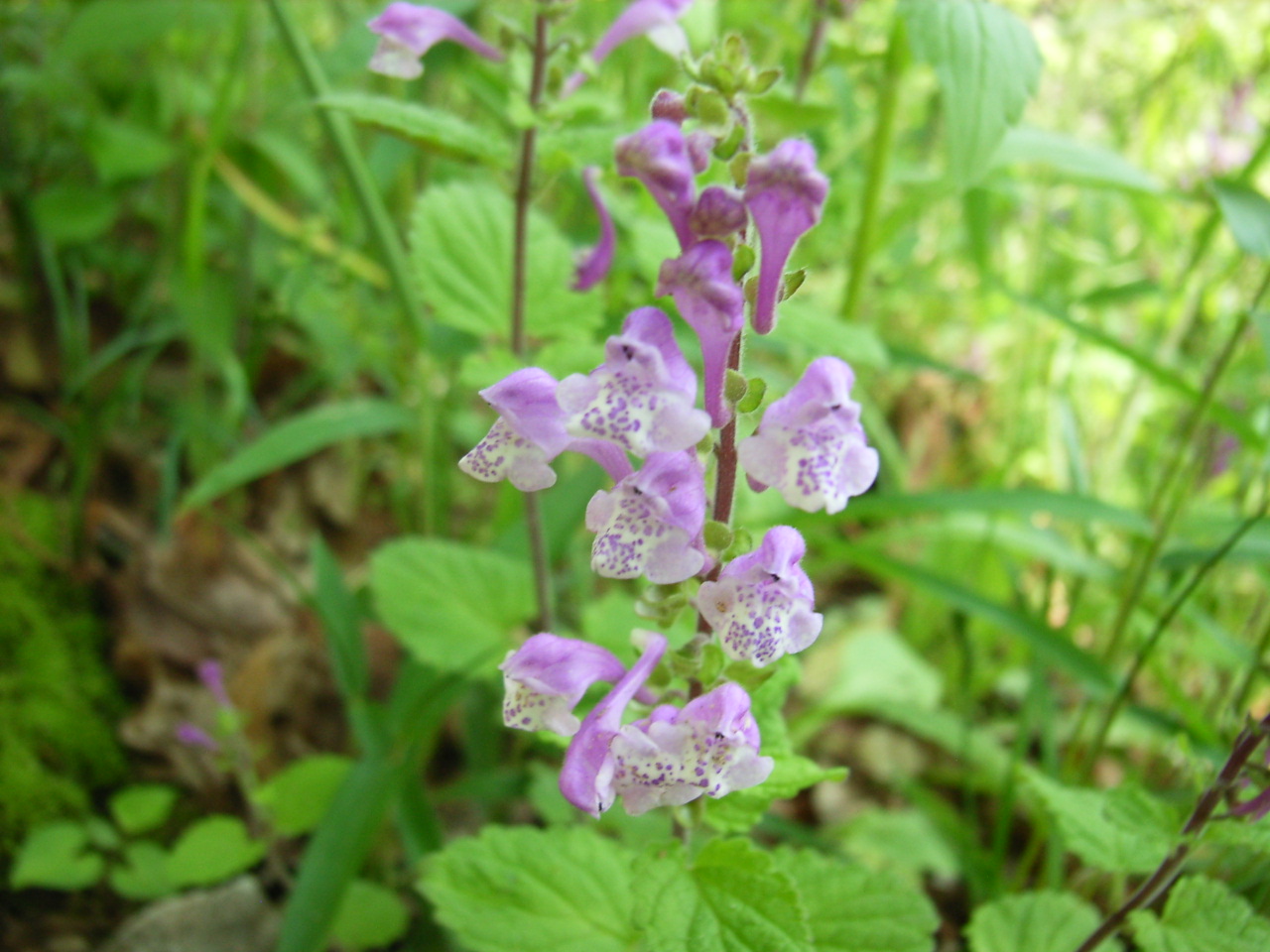
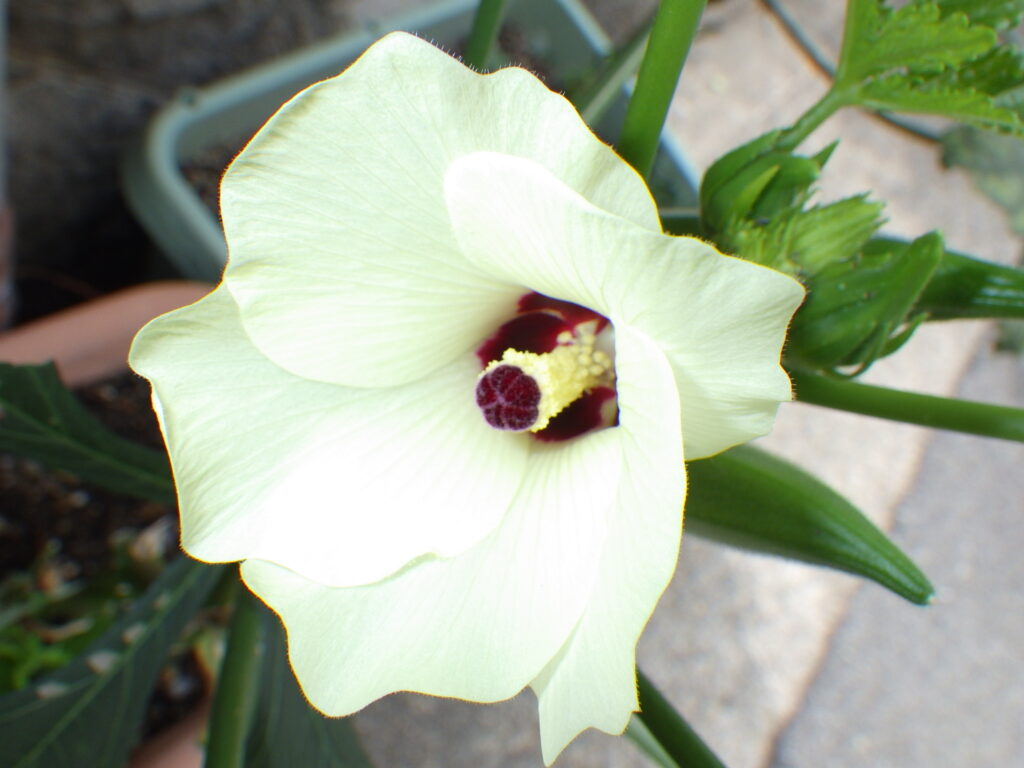
Okra and Abelmoschus manihot are both members of the Malvaceae family, genus Abelmoschus. They are often confused because they are both used by humans due to the viscosity of parts of their plants, and they share similarities in morphology, such as palmate leaves with 3 to 9 lobes, a protruding column formed by the fusion of stamens and pistils, and a white corolla. However, they can be distinguished by carefully observing the calyx-like bracts, leaves, and fruits. In terms of uses, okra is mainly eaten as an immature fruit, while the mucilage of the roots of Abelmoschus manihot has been used in the production of Japanese paper. Both species have distinctive flowers with a white corolla and a dark purple center. Self-pollination is possible, but overseas research has shown that visits by bees increase seed production. Okra fruits are usually harvested immaturely, but when ripe, they split along the ovary chamber, scattering the seeds. However, considering the usage, manual sowing is likely the most efficient method of seed dispersal. This article will explain the classification, uses, pollination ecology, and seed dispersal of okra and hibiscus.
- What are okra and tororo aoi?
- What is the difference between okra and tororo aoi?
- What are the differences in how okra and tororo aoi (a type of okra) are used?
- What is the structure of a flower?
- How did it pollinate? Did it love bees?
- What is the structure of the fruit?
- What are the seed dispersal methods?
- References
What are okra and tororo aoi?
American okra, also known as Abelmoschus esculentus, is commonly called okra. While its origin is sometimes definitively identified as Ethiopia, its actual origin is unknown, and India has been suggested as a possibility (Benchasri, 2012; Singh et al, 2014; Mohammed et al., 2020). Wild specimens do not exist, and it is currently a cultivated perennial plant in Japan, Turkey, Iran, West Africa, Yugoslavia, Bangladesh, Afghanistan, Pakistan, Myanmar, Malaysia, Thailand, India, Brazil, Ethiopia, Cyprus, and the southern United States. However, in Japan, it cannot survive the winter and is treated as an annual. The name okra originates from the Twi word "nkrama" from Ghana. The name American okra comes from the fact that it was introduced to Japan from America around the end of the Edo period.
Abelmoschus manihot, also known as tororo-aoi (yellow okra), is a perennial or annual plant distributed in China, India, Nepal, the Philippines, and northern Thailand, growing in grasslands, along rivers, and on the edges of farms (Wu et al., 2007). The exact time of its introduction to Japan is unknown, but it is presumed to have arrived earlier, as it is depicted in wood carvings from the late Muromachi period (Masuda, 2009). Its Japanese name comes from the fact that its roots and fruits are mucilaginous and resemble tororo (grated yam or Chinese yam).
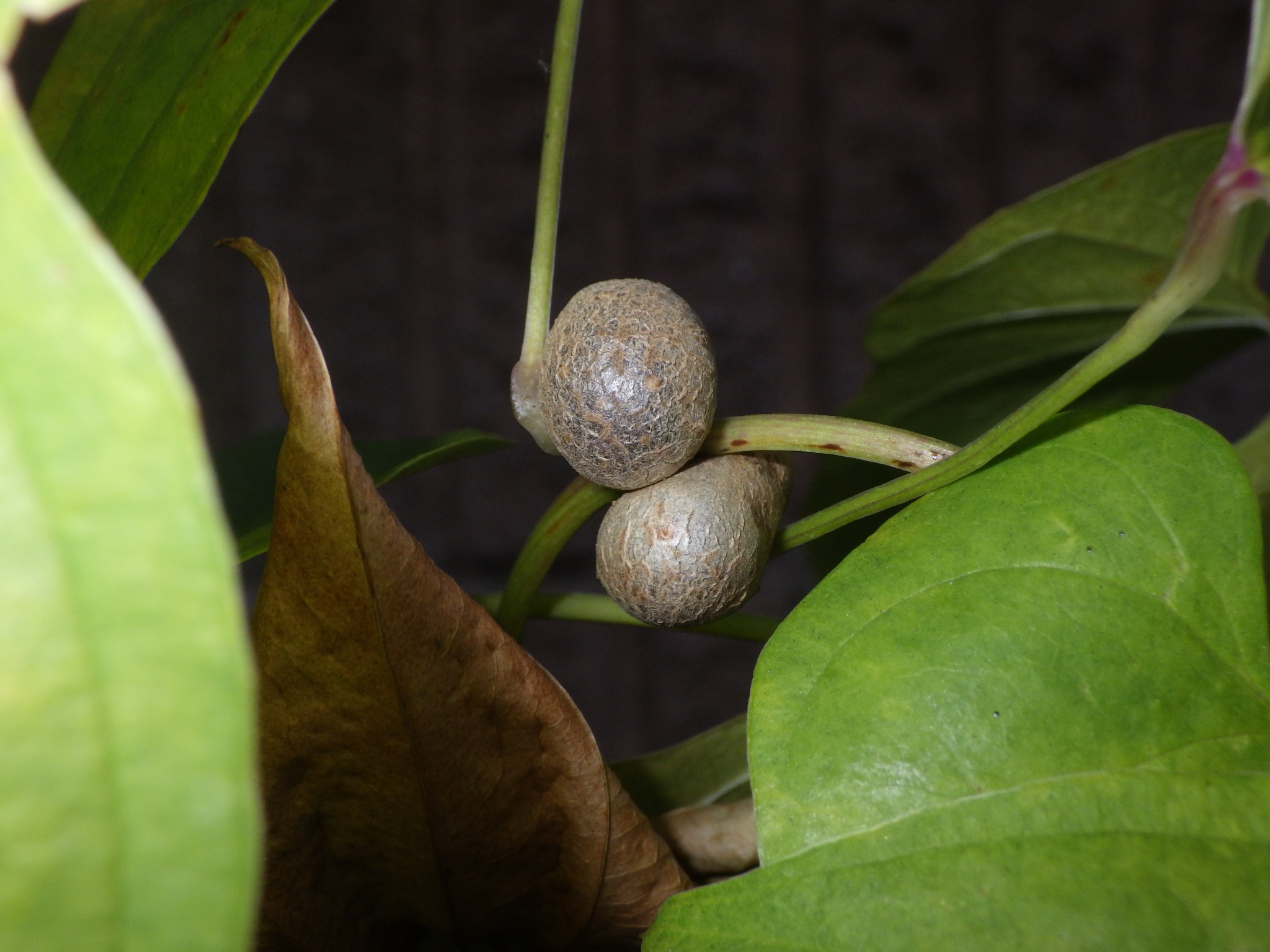
Both belong to the Malvaceae family, genus Abelmoschus, and share several similarities: some parts of the plant are sticky, their leaves are palmate with 3 to 9 lobes, their flowers have a protruding "column" (a fused structure of stamens and pistils), and their corollas are white. Therefore, it can sometimes be difficult to distinguish between them.
What is the difference between okra and tororo aoi?
However, there are significant differences between okra and hibiscus (Wu et al., 2007).
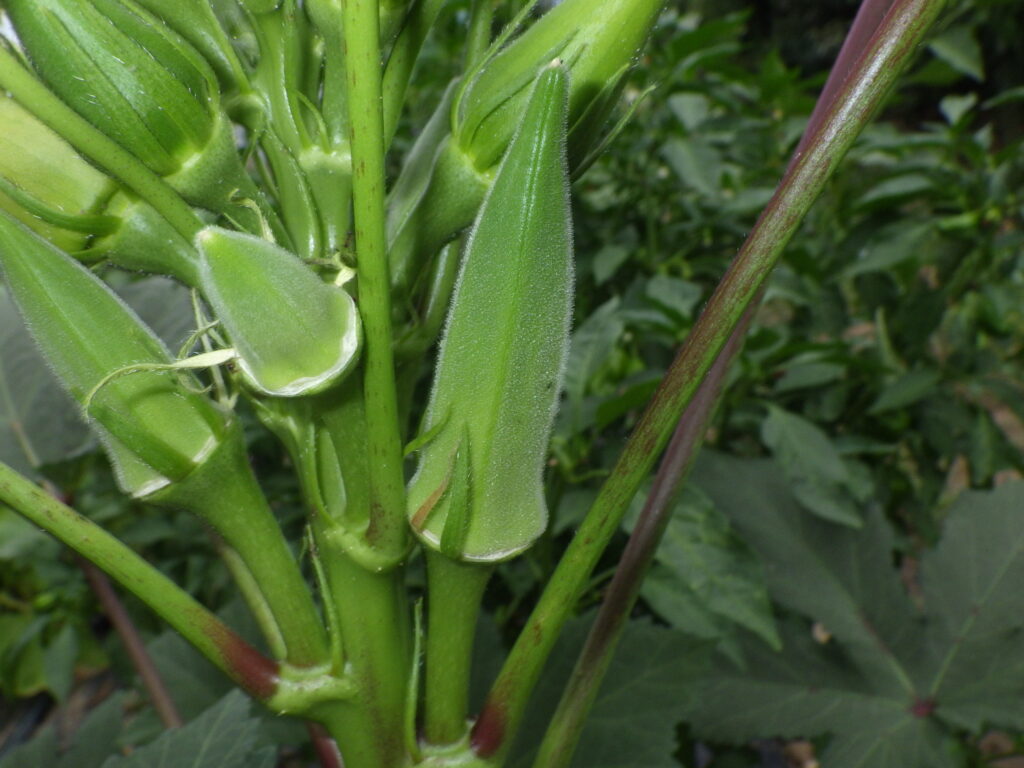
First, what is considered botanically important is the epicalyx lobe (also known as the secondary calyx or epicalyx), which is common to all plants in the Malvaceae family. The epicalyx lobe is a structure in which thin, leaf-like structures extend below the calyx, and as its alternative name, the secondary calyx, suggests, it appears as if there are two calyxes.
In okra, the calyx-like bracts are divided into 7 to 10 parts, which are thread-like to linear and 1 to 2.5 mm wide, whereas in tororo aoi (Abelmoschus manihot), they are divided into 4 or 5 parts, which are oblong-lanceolate and leaf-like in shape and 4 to 5 mm wide.
This method involves examining the underside of the flower, which might be difficult to notice, but it is the most reliable way to identify the plant. The calyx-like bracts remain attached from the bud to the immature fruit, so you will have plenty of opportunities to observe them.
However, these are not the only differences; there are also differences in the leaves and fruits.
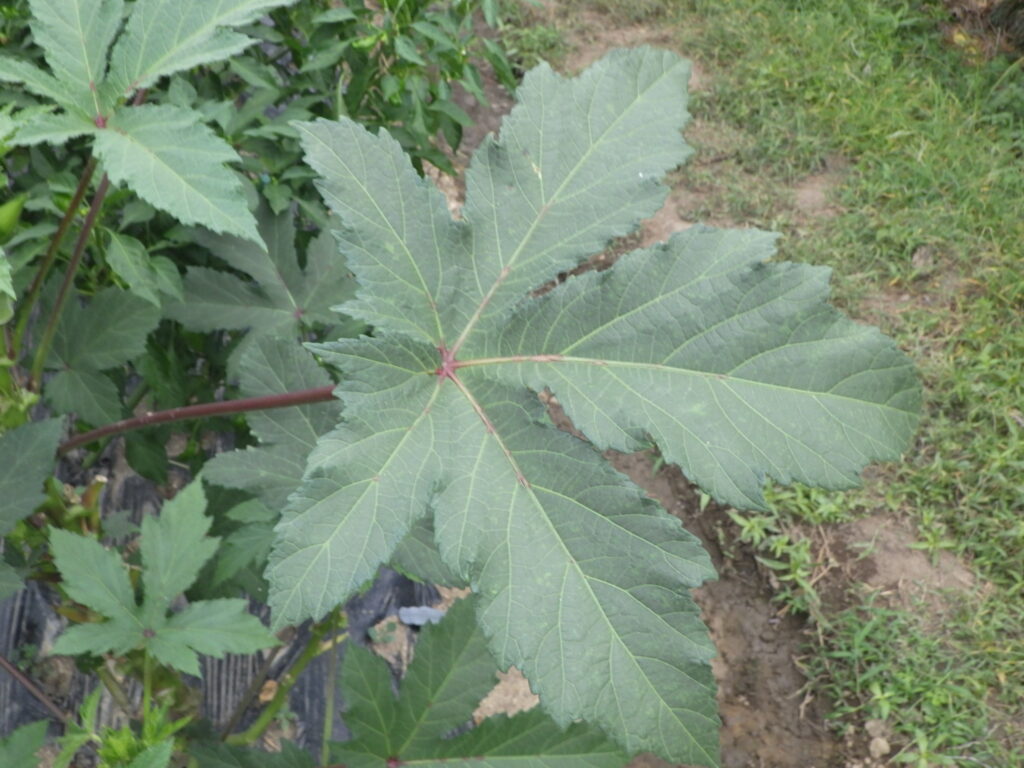
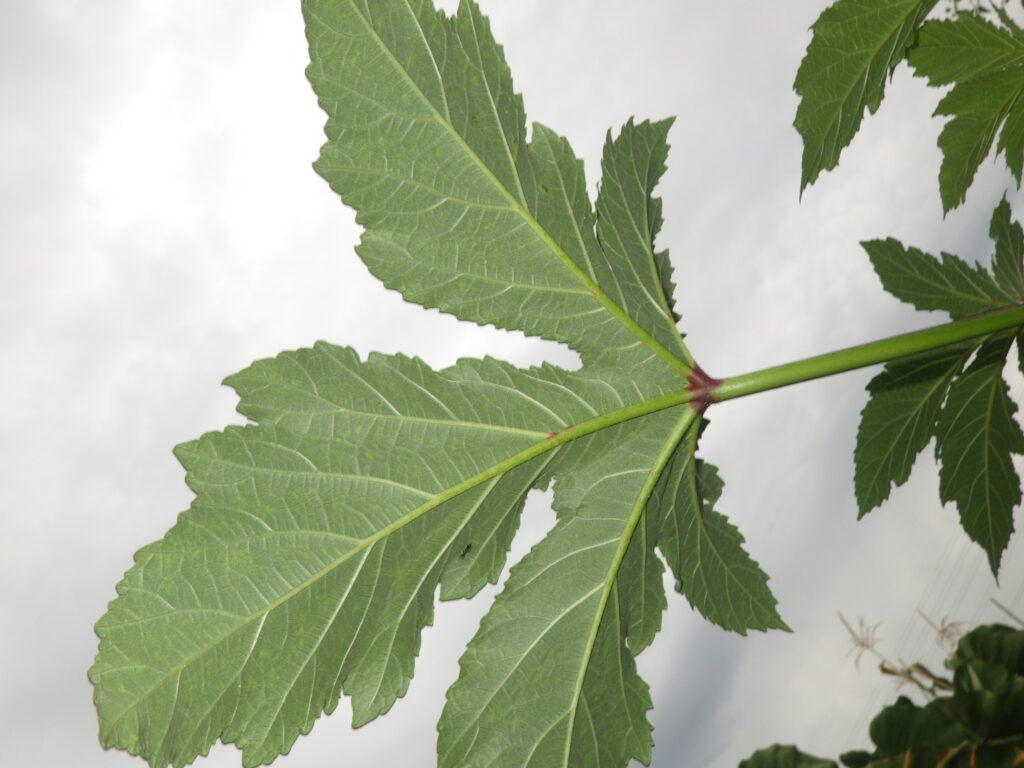
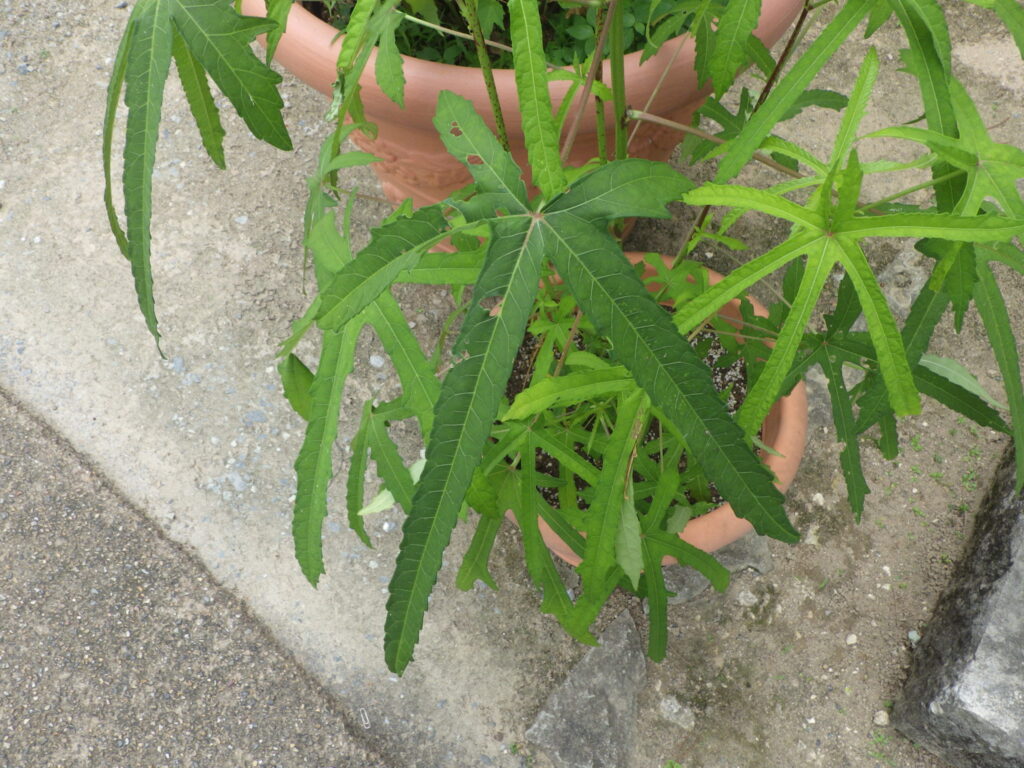
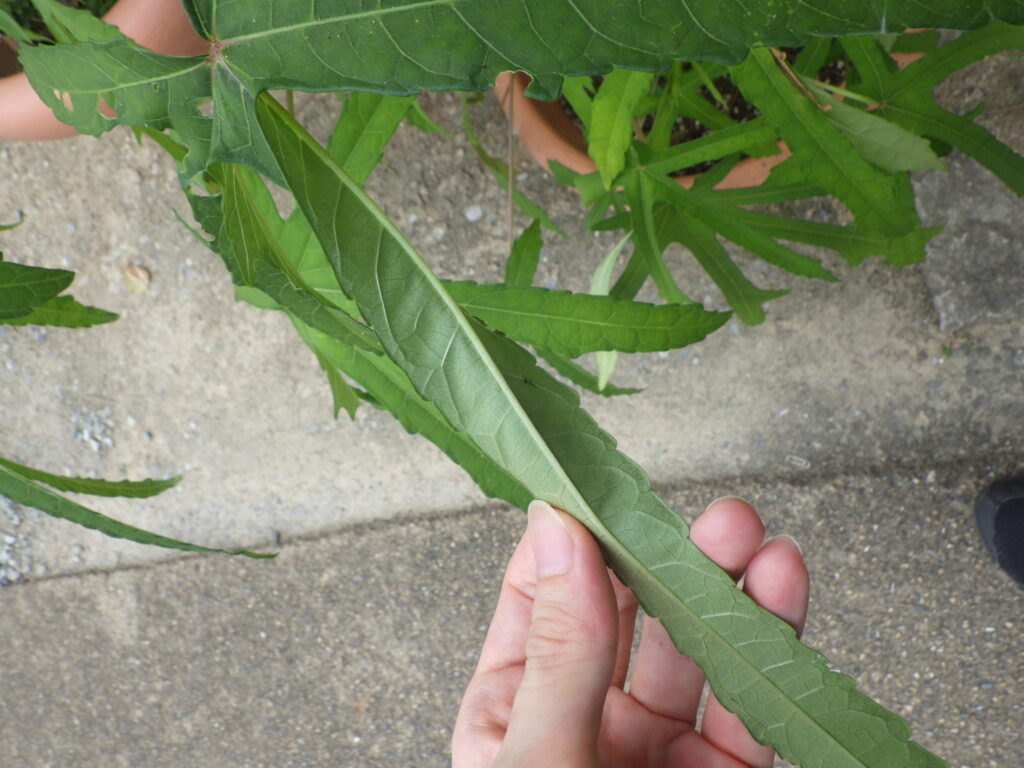
Regarding the leaves, okra leaves are palmately divided into 3 to 7 lobes, each lobe is usually thick, and the leaf margins have slightly pointed serrations, whereas tororo aoi leaves are palmately divided into 5 to 9 lobes, each lobe is usually thin, and the leaf margins have blunt serrations.
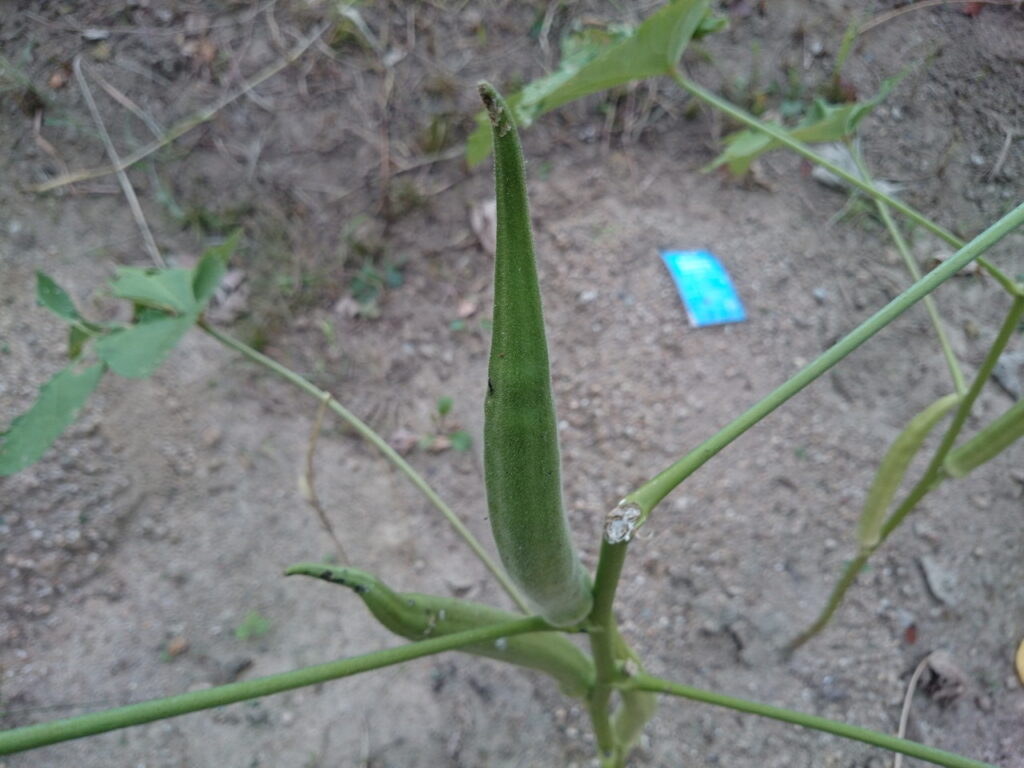
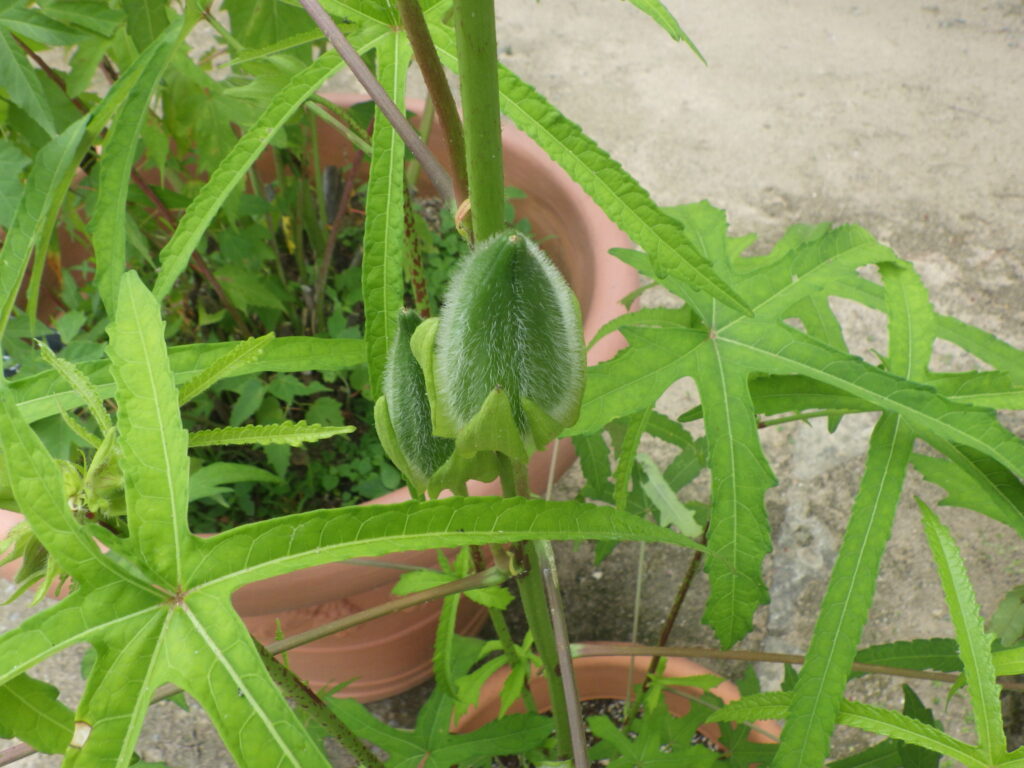
Regarding the fruit, okra has a cylindrical to tower-shaped fruit, as seen on the dinner table, measuring 10-25 cm in length and 1.5-2 cm in width, with a beak-like tip. In contrast, tororo aoi has an oval to elliptical fruit, measuring 4-5 cm in length and 2.5-3 cm in width, with a rounded, blunt tip.
You should be able to distinguish them for sure by checking one of them.
What are the differences in how okra and tororo aoi (a type of okra) are used?
Okra is eaten as a vegetable even when the fruit is unripe (Singh et al, 2014). In the Eastern Mediterranean, including Iran, Egypt, Lebanon, Israel, Jordan, Iraq, Greece, and Turkey, it is widely used in rich stews made with vegetables and meat. In Indian cuisine, it is sautéed or added to gravy-based dishes and is very popular in South India. Since the end of the 20th century, it has become a popular vegetable in Japanese cuisine, eaten with soy sauce and bonito flakes, or deep-fried as tempura. It is also used in American Charleston gumbo, and in the American South, it is eaten breaded and deep-fried.
Globally, okra leaves can be cooked in the same way as beets and dandelion greens, and are sometimes eaten raw in salads. Okra seeds are also known to be a caffeine-free coffee substitute when roasted and ground.
On the other hand, the immature fruits of the tororo aoi plant are thick, short, and covered in stiff hairs, making them unsuitable for consumption. However, in Japan, the mucilage extracted from the roots is called "neri" (glue) and, along with that of the panicle hydrangea, has been used as an additive in the papermaking process of washi (Japanese paper) to uniformly disperse plant fibers such as mulberry and mitsumata (Machida, 2000). Nowadays, synthetic neri is often used.
In addition, as its alternative name "flower okra" suggests, the flowers are edible and used in salads, blanched dishes, and tempura, and in the Philippines, the leaves are sometimes used in cooking and salads.
What is the structure of a flower?
Malvaceae plants all share a common feature: a column formed by the fusion of stamens and pistils. You can see this column protruding from the center in both okra and hibiscus.
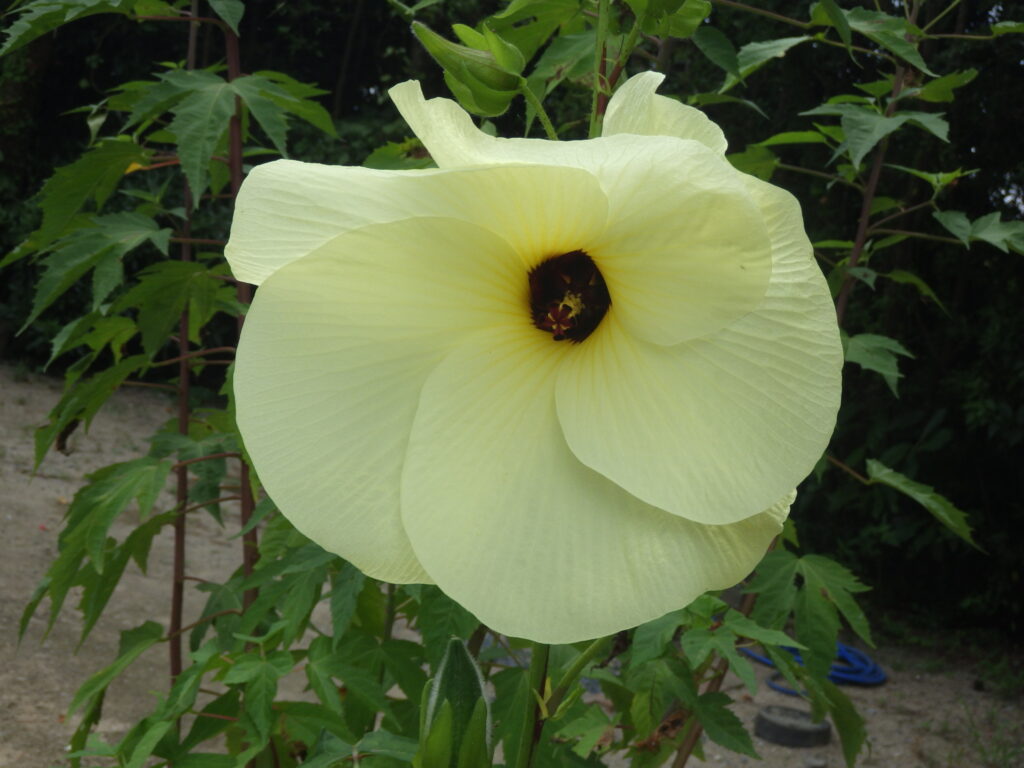
Okra flowers from May to September, with solitary flowers borne in the leaf axils (Wu et al., 2007). The pedicels are (0.5–)1–2(–5) cm long and have sparse bristles. The calyx-like involucral bracts number 7–10(–12), are filiform, 5–18 mm long × 1–2.5 mm wide, and coarsely wrinkled. The sepals are 2–3 cm long and conical, densely covered with stellate hairs. The corolla is yellow or white with a dark purple center, 5–7 cm in diameter, and the petals are obtuse, 3.5–5 cm long × 3–4 cm wide. The filamentous tube is 2–2.5 cm long.
Abelmoschus manihot flowers from August to October. The flowers are solitary, growing in the leaf axils, and also form a broad-spreading raceme at the top of the stem. The petals are 1.5–4 cm long. The calyx-like involucral bracts are 4–5 lobed, ovate-lanceolate, 15–25 mm long and 4–5 mm wide, with sparsely distributed long spines. The sepals are glossy, 5-lobed, almost entirely longer than the calyx-like involucral bracts, and covered only with soft hairs, without bristles, and are deciduous. The corolla is yellow with a purple center and about 12 cm in diameter. The stamens are 1.5–2.5 cm long, and the anthers are almost sessile. The stigma is purplish-black and spatulate to disc-shaped.
While the colors and structures are mostly the same, there are differences in how the flowers are attached, as well as in the calyx-like bracts and sepals. The dark purple color in the center of the corolla is thought to function as a "nectar guide" to attract insects.
How did it pollinate? Did it love bees?
Regarding pollination methods, okra can self-pollinate, but it is known that self-pollination reduces seed yield and seed size. Globally, it is generally believed that a certain amount of insect pollination is necessary, although this may vary depending on the variety (Nandhini et al., 2018). The study found that cross-pollination could yield approximately 73–841 TP3T of seeds per fruit, which is a higher probability of obtaining seeds compared to the 571 TP3T of seeds per fruit obtained through self-pollination.
Because okra is an important crop, there has been much research on it, and it has been found that it is mainly pollinated by bees (Azo'o et al., 2011; 2012; Nandhini et al., 2018). In India, it has been found to be pollinated by the Oriental honeybee and the genus Eucara, and in Cameroon, it has been found to be pollinated by the genera Eucara, Eucara, Bumblebee, European honeybee, Eucara macrognatha, and Tetralonia fraterna (Azo'o et al., 2011; 2012). Another study in South India also found that honeybees are responsible for pollination (Nandhini et al., 2018). However, there have been no studies on okra in Japan, so it is unknown whether the situation is similar in Japan.
Like okra, tororo aoi (Abelmoschus manihot) can self-pollinate, but it can also be cross-pollinated, and seed yield is more stable with insect-mediated cross-pollination (Kuwata, 1962; Qian et al., 2023).
While there is a lack of research on the pollinating insects of Abelmoschus manihot, it is believed to be pollinated by honeybees, wasps, beetles, and some species of butterflies and moths (Tyagi, 2002), but there appear to be no definitive studies showing the proportions.
In addition, okra plants form extrafloral nectaries on their sepals, attracting ants. Several examples can be found in Japan by performing a Google image search. While some believe ants play a role in pollination (Nandhini et al., 2018), ants are generally considered to have little contribution to pollination. It is also possible that they play a role in preventing nectar robbing, but research on this is not yet advanced. Overseas, there are known cases of the highly aggressive red imported fire ant Solenopsis invicta visiting okra, suggesting that they may have a significant impact on other insects.
What is the structure of the fruit?
The fruit, common to all species in the genus Abelmoschus, is a capsule. A capsule is a type of dry fruit, consisting of multiple fused, sac-like pericarps.
Okra capsules are cylindrical to tower-shaped, 10–25 cm long and 1.5–2 cm wide, with a beak-like tip. The seeds are dark brown or gray, spherical to kidney-shaped, containing 5–15 seeds per capsule, (3–)4–5(–6) mm in diameter, streaked, and finely wart-covered.
The capsules of Abelmoschus manihot are ovate to elliptical, 4-5 cm long and 2.5-3 cm wide, and densely covered with downy hairs. The seeds are numerous, with several rows of hairs, and kidney-shaped.
The immature okra fruit commonly used contains a mucilage that holds moisture, which includes pectin and mucilage. This mucilage helps store water, reduces water diffusion within the plant, aids seed dispersal and germination, and acts as a membrane thickener and nutrient storage (Gerrano, 2018). This may be related to its ability to grow even in tropical climates.
What are the seed dispersal methods?
If left unharvested, the fruit ripens and splits along the ovary chamber, scattering the seeds (Rao, 1991). Gravity dispersal is certain, but whether wind dispersal occurs is unknown. However, it can be said that nowadays most are harvested and seeds dispersed by human hands.
References
Azo'o, ME, Fohouo, FNT, & Messi, J. 2011. Influence of the foraging activity of the entomofauna on okra (Abelmoschus esculentus) seed yield. International Journal of Agriculture and Biology 13(5): 761-765. https://www.researchgate.net/publication/289381083
Azo'o, ME, Fohouo, FNT, & Messi, J. 2012. The importance of a single floral visit of Eucara macrognatha and Tetralonia fraterna (Hymenoptera: Apidae) in the pollination and the yields of Abelmoschus esculentus in Maroua, Cameroon. African Journal of Agricultural Research 7(18): 2853-2857. http://doi.org/10.5897/AJAR12.359, https://academicjournals.org/journal/AJAR/article-full-text-pdf/B2E531436937
Benchasri, S. 2012. Okra (Abelmoschus esculentus (L.) Moench) as a valuable vegetable of the world. Ratarstvo i povrtarstvo 49(1): 105-112. https://doi.org/10.5937/ratpov49-1172
Gerrano, AS 2018. Agronomic performance, nutritional phenotyping and trait associations of Okra (Abelmoschus esculentus) Genotypes in South Africa. In: O. Grillo (Ed.), Rediscovery of Landraces as a Resource for the Future (pp. 69-96). Intechopen. ISBN: 9781789237245, https://doi.org/10.5772/intechopen.70813
Kuwata, Akira. 1962. A study on the formation and drop of capsules in Abelmoschus manihot—particularly in relation to growth stages and environmental conditions. Journal of the Crop Science Society of Japan 30(3): 211-214. https://doi.org/10.1626/jcs.30.211
Masuda, K. 2009. Do you know about Tororo Aoi? Gakuen 828: 100-105. ISSN: 1348-0103, http://id.nii.ac.jp/1203/00004689/
Machida, Seiji. 2000. A Guide to Washi Paper: Its History and Chemistry. Tankosha, Kyoto. 298pp. ISBN: 9784473017390, https://cp.cm.kyushu-u.ac.jp/archive/Tips/japanese/washi/washi(5+6).pdf
Mohammed, W., Amelework, B., & Shimelis, H. 2020. Simple sequence repeat markers revealed genetic divergence and population structure of okra [' Abelmoschus esculentus '] collections of diverse geographic origin. Australian Journal of Crop Science 14(7): 1032-1041. https://search.informit.org/doi/abs/10.3316/informit.794714875294279
Nandhini, E., Padmini, K., Venugopalan, R., Anjanappa, M., & Lingaiah, HB 2018. Flower-visiting insect pollinators of okra [ Abelmoschus esculentus (L.) Moench] in Bengaluru region. Journal of Pharmacognosy and Phytochemistry 7(2): 1406-1408. ISSN: 2349-8234, https://www.phytojournal.com/archives?year=2018&vol=7&issue=2&part=T&ArticleId=3548
Qian, W., Hu, Y., Lin, X., Yu, D., Jia, S., Ye, Y., … & Gao, S. 2023. Phenological Growth Stages of Abelmoschus manihot: Codification and Description According to the BBCH Scale. Agronomy 13(5): 1328. https://doi.org/10.3390/agronomy13051328
Rao, LJ 1991. Induced mutations recovered in M 2 and subsequent generations in three varieties of okra (Abelmoschus esculentus (L.) Moench). In: Horticulture: New Technologies and Applications (pp. 83-86). Kluwer Academic Pub, Dordrecht. ISBN: 9780792312796, https://doi.org/10.1007/978-94-011-3176-6_15
Singh, P., Chauhan, V., Tiwari, BK, Chauhan, SS, Simon, S., Bilal, S., & Abidi, AB 2014. An overview on okra (Abelmoschus esculentus) and it's importance as a nutritive vegetable in the world. International Journal of Pharmacy and Biological Sciences 4(2): 227-233. ISSN: 2321-3272, https://ijpbs.com/ijpbsadmin/upload/ijpbs_53df5a2907b19.pdf
Tyagi, AP 2002. Cytogenetics and Reproductive Biology of some BELE (Abelmoschus manihot Linn., Medic Sub-Species manihot) Cultivars. The South Pacific Journal of Natural and Applied Sciences 20(1): 4-8. https://doi.org/10.1071/SP02002
Wu, ZY, Raven, PH, & Hong, DY (Eds.). 2007. Flora of China (Vol. 12 Hippocastanaceae through Theaceae). Science Press, Beijing, and Missouri Botanical Garden Press, St. Louis. ISBN: 9781930723641