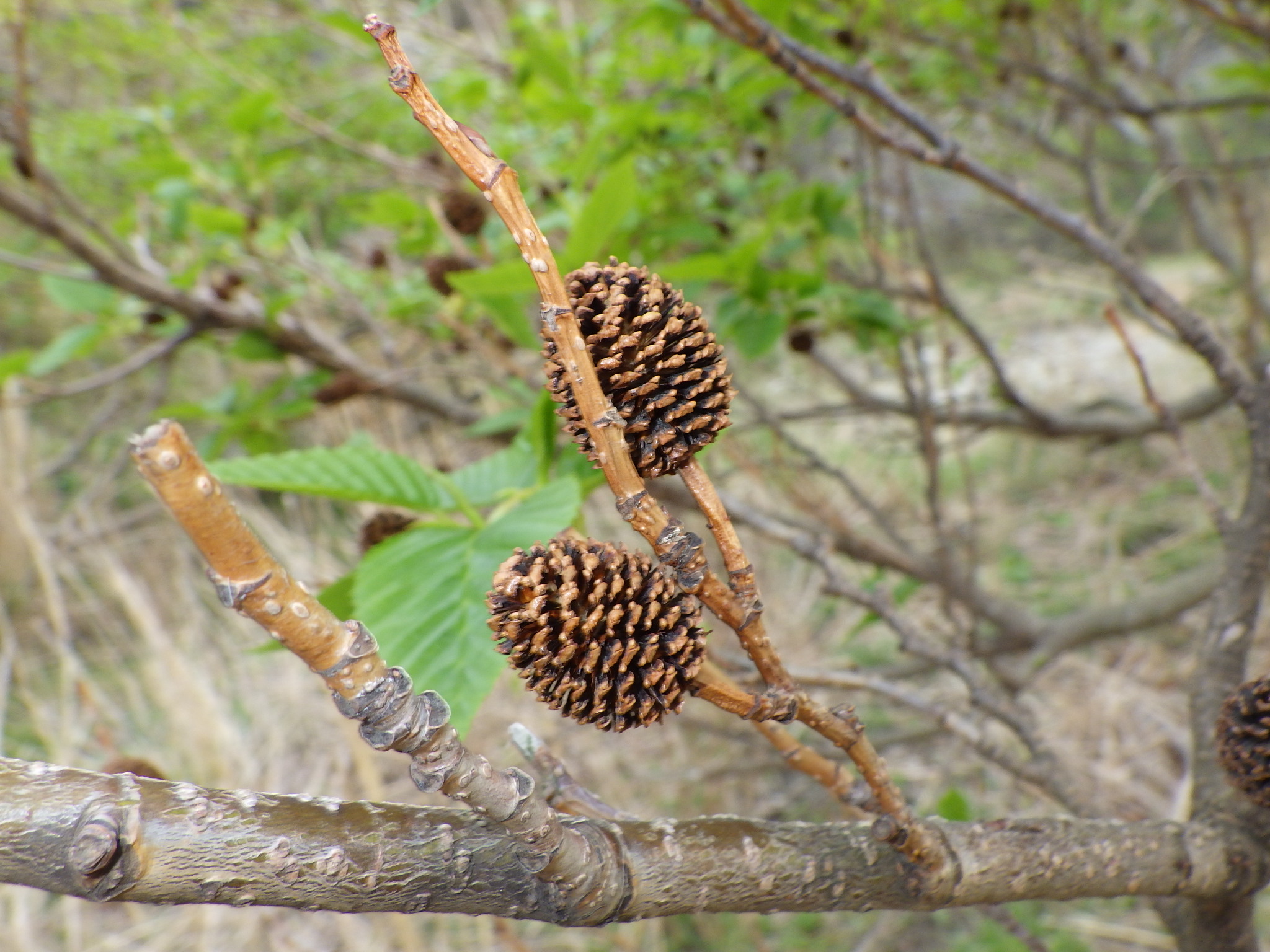
Gardenias are indispensable plants to the Japanese, both as wild plants, ornamental plants, and food additives. There is also a species called *Gardenia jasminoides*, and while the flower shape is the same, the leaves are opposite or in whorls of three, and both are evergreen, glossy, entire, and usually pointed at the tip. You may get confused about the distinction, but there are significant differences in tree height, leaf size, and flower size between gardenias and *Gardenia jasminoides*. Several varieties are known, including single-flowered and double-flowered types. Although widely cultivated in horticulture, it has been used in Japan since ancient times as a yellow coloring agent and is also used medicinally in traditional Chinese medicine. In single-flowered varieties, the base is tubular, the corolla is divided and white, and it has a fragrance. It is mainly pollinated by hawk moths, but other insects may also play a supporting role in pollination. The fruit is a berry with distinctive retained sepals. It is thought that birds eat the fruit and disperse the seeds, but the specific species is still unknown. This article will explain the classification, uses, pollination ecology, and seed dispersal of gardenias and small gardenias.
What are gardenias and small gardenias?
Gardenia jasminoides var. jasminoides (in the narrow sense) is an evergreen shrub distributed in Japan, west of Shizuoka Prefecture on Honshu, Shikoku, Kyushu, and the Ryukyu Islands; Korea, the Indochina Peninsula (Vietnam, Laos, Cambodia), Nepal, India, and Pakistan, growing in evergreen broad-leaved forests along coastlines and hillsides, as well as in dry Japanese red pine forests (Wu et al., 2011; Hayashi, 2019). It is also cultivated as an ornamental plant in Europe, North America, and the Pacific Islands.
Gardenia jasminoides var. radicans, also known as small gardenia, is native to China and is a relatively common evergreen shrub in Japan, used as a garden tree, hedge, and ground cover. However, it is not distinguished from gardenia in Chinese literature, and its exact distribution is unknown (Wu et al., 2011).
These belong to the genus Gardenia in the family Rubiaceae, specifically to the broader category of Gardenia jasminoides. Therefore, they are considered the same species, with few significant biological differences, and the differences are thought to be at the variety level.
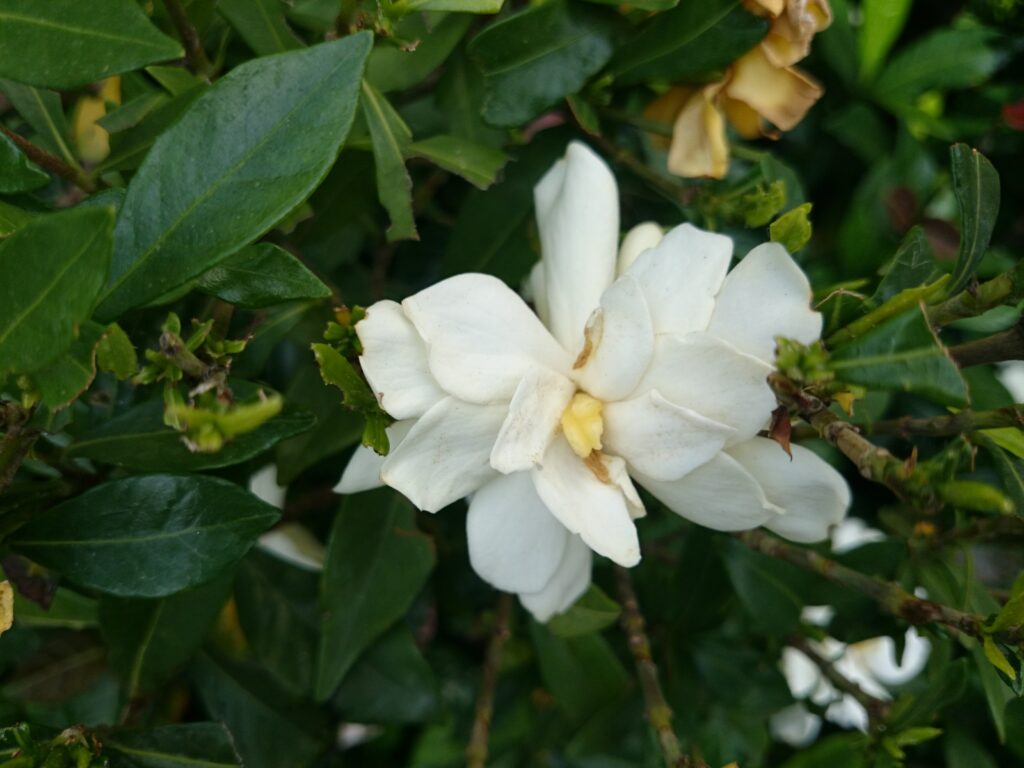
Therefore, there is no difference in the shape of the white single or double flowers, the leaves are opposite or in whorls of three, and as they are evergreen trees, they are glossy, have entire margins, and the tips of the leaves are usually pointed. Someone seeing them for the first time might not be able to tell the difference.
What is the difference between gardenia and small gardenia?
These two varieties exhibit clear morphological differences (Hayashi, 2019). However, the main difference is in size.
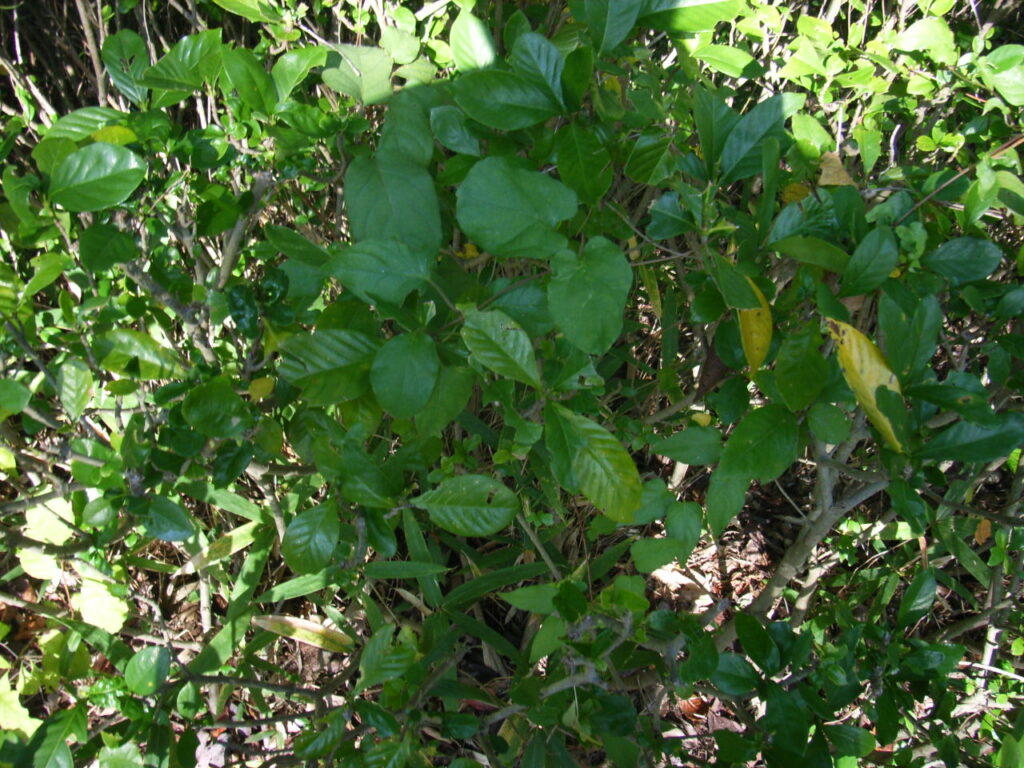
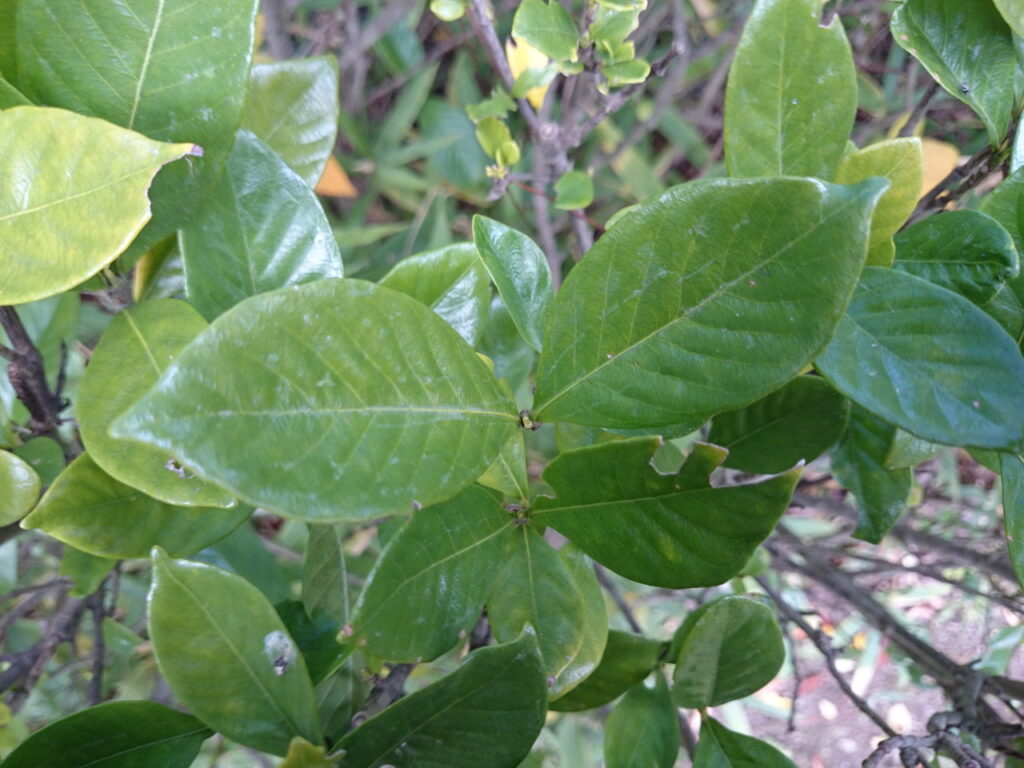
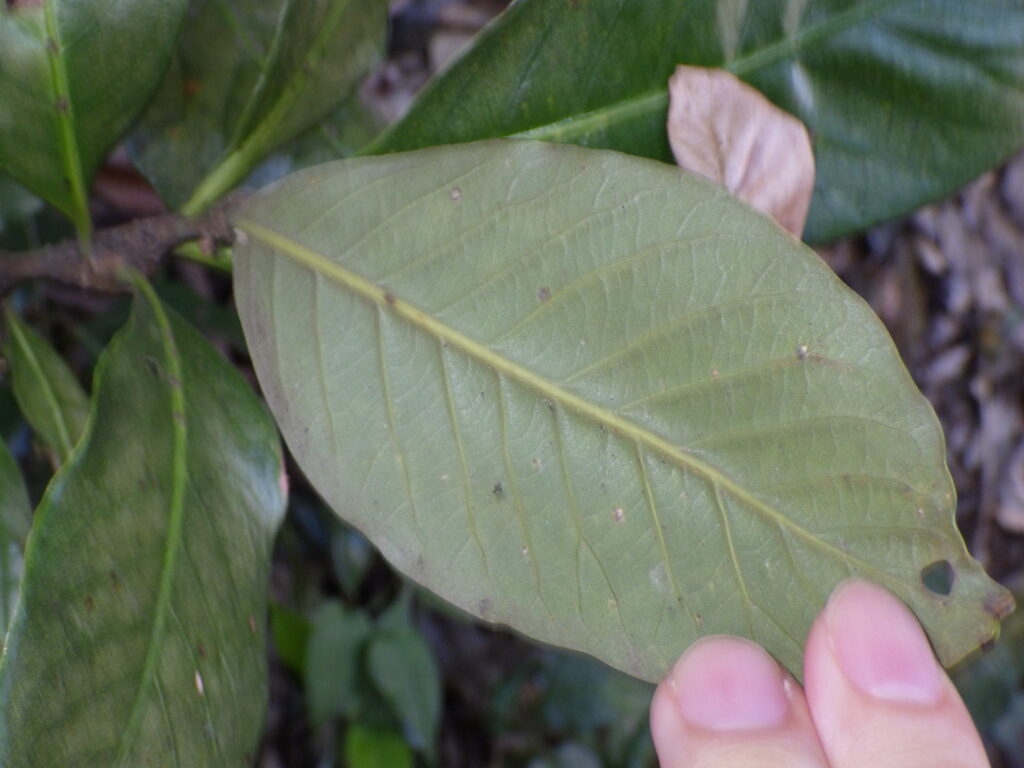
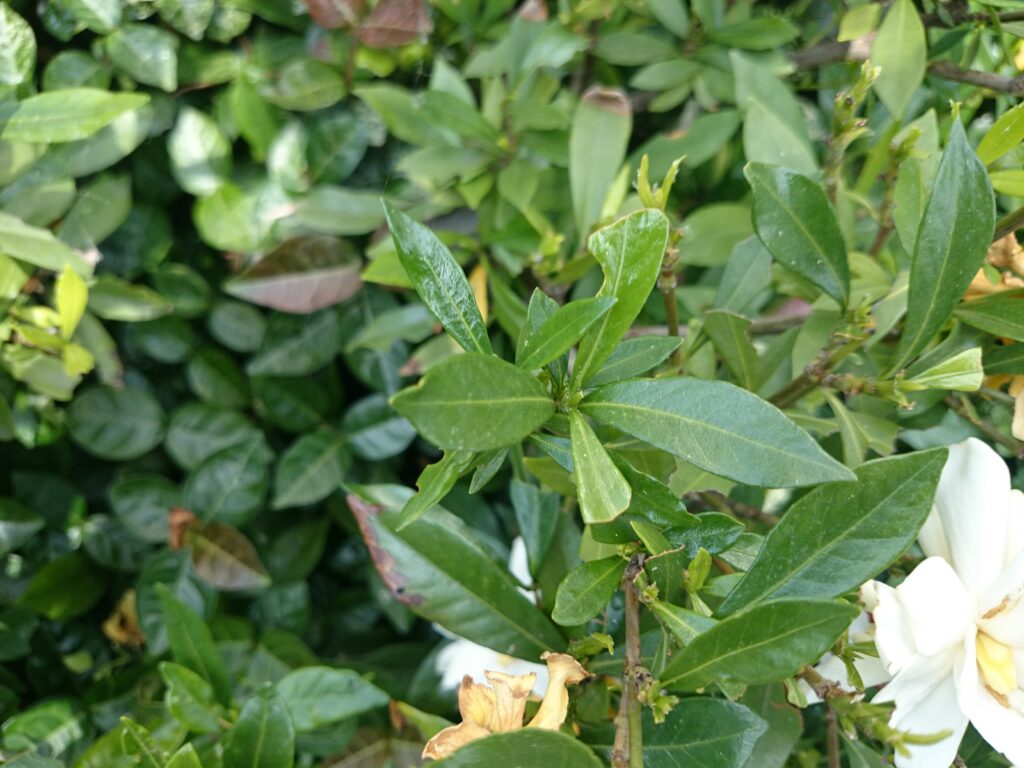
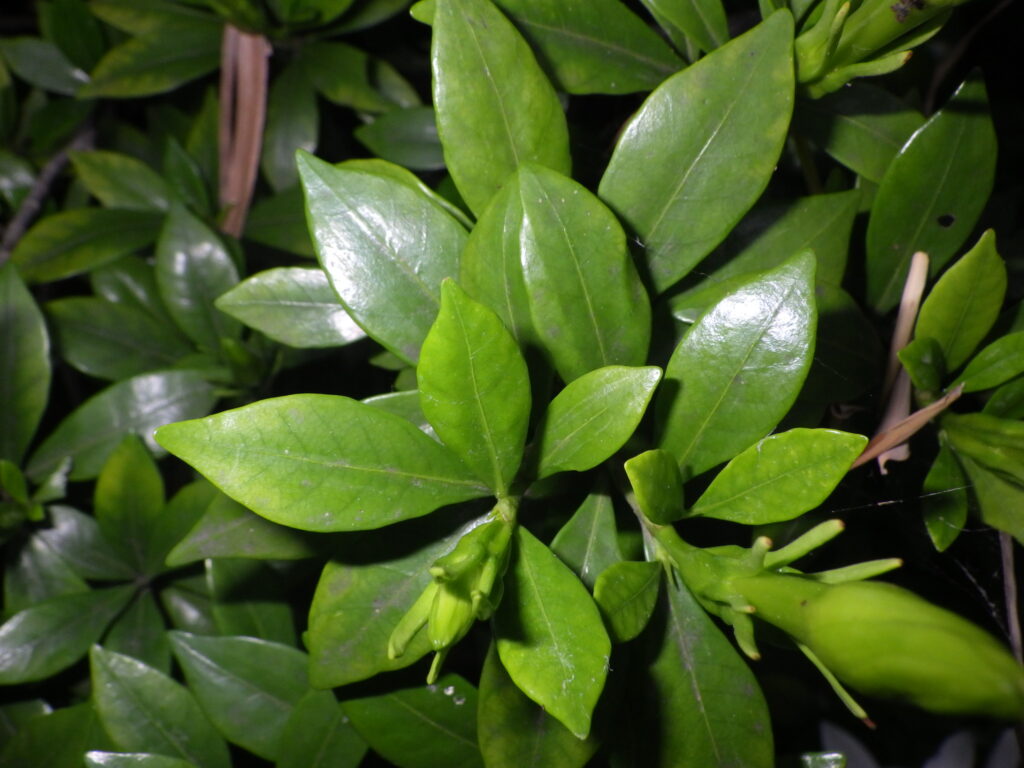
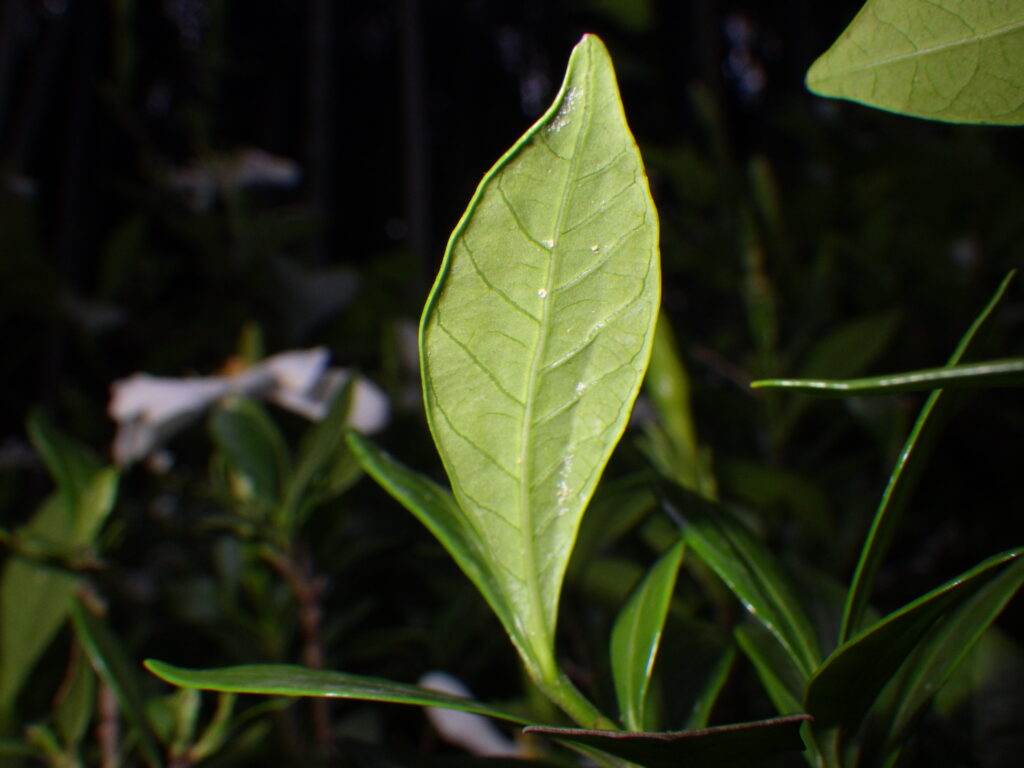
Firstly, the leaves of the common gardenia are clearly large, measuring 6-17 cm in length, while those of the small gardenia are clearly smaller, measuring 2.5-7 cm in length.
Furthermore, in gardenias, the lateral veins of the leaves are prominent and the spaces between the veins are swollen, whereas in gardenias jasminoides, the lateral veins are not prominent and the spaces between the veins are smooth.
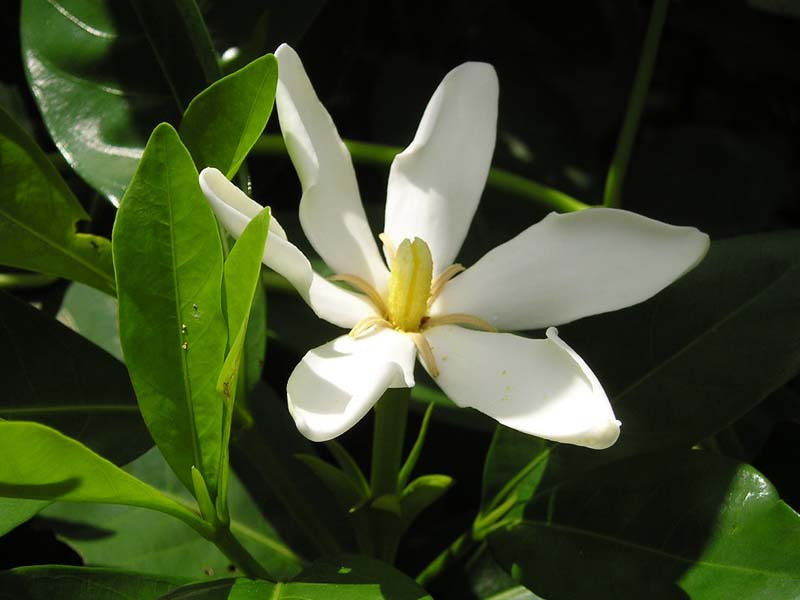
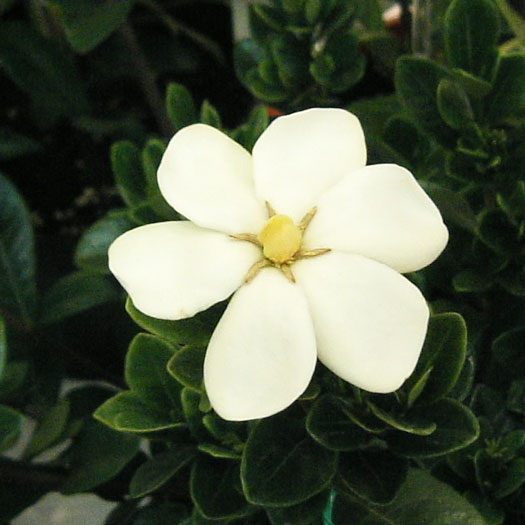
While the flowers of the common gardenia are large, measuring 5-7 cm in diameter, those of the small gardenia are smaller, measuring 3-4 cm in diameter.
While gardenias can grow to a height of 1-2 meters (up to 5 meters in subtropical regions), small gardenias only reach about 30-50 cm.
What is the variety of gardenia?
As explained above, it is easy to distinguish between gardenias and small gardenias, but there are varieties that differ in whether the flowers are single-petaled or double-petaled, and other forms.
Sometimes, the Japanese and scientific names are determined by whether the flowers are single-petaled or double-petaled, but the relationship between them is a bit complicated.
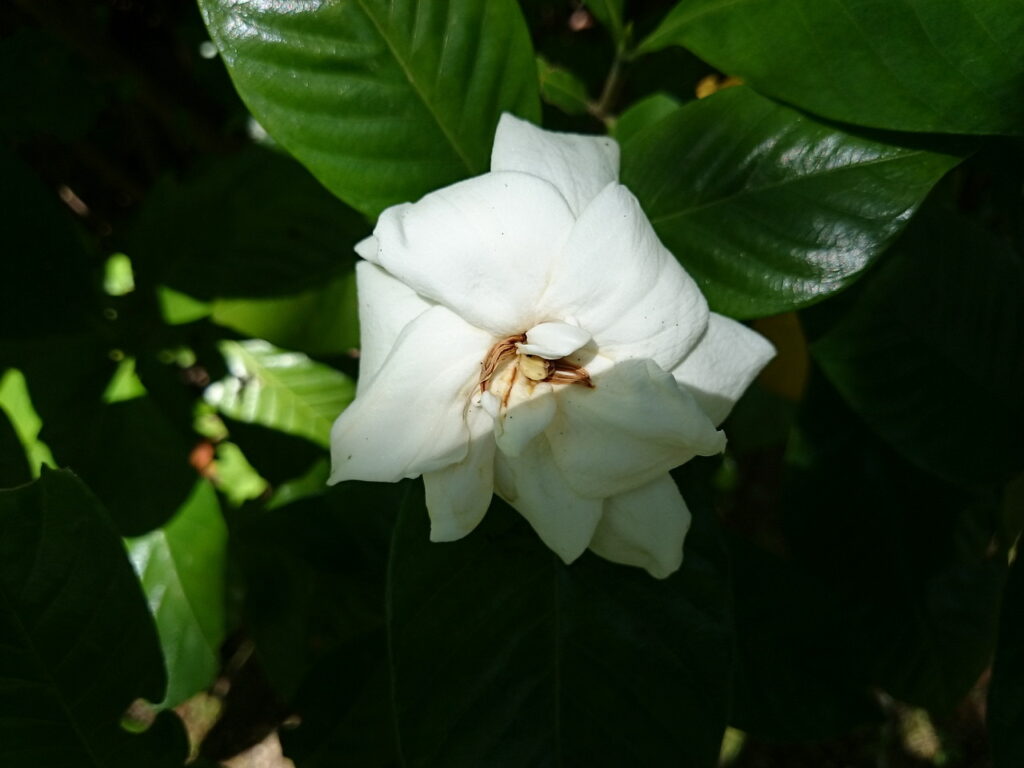
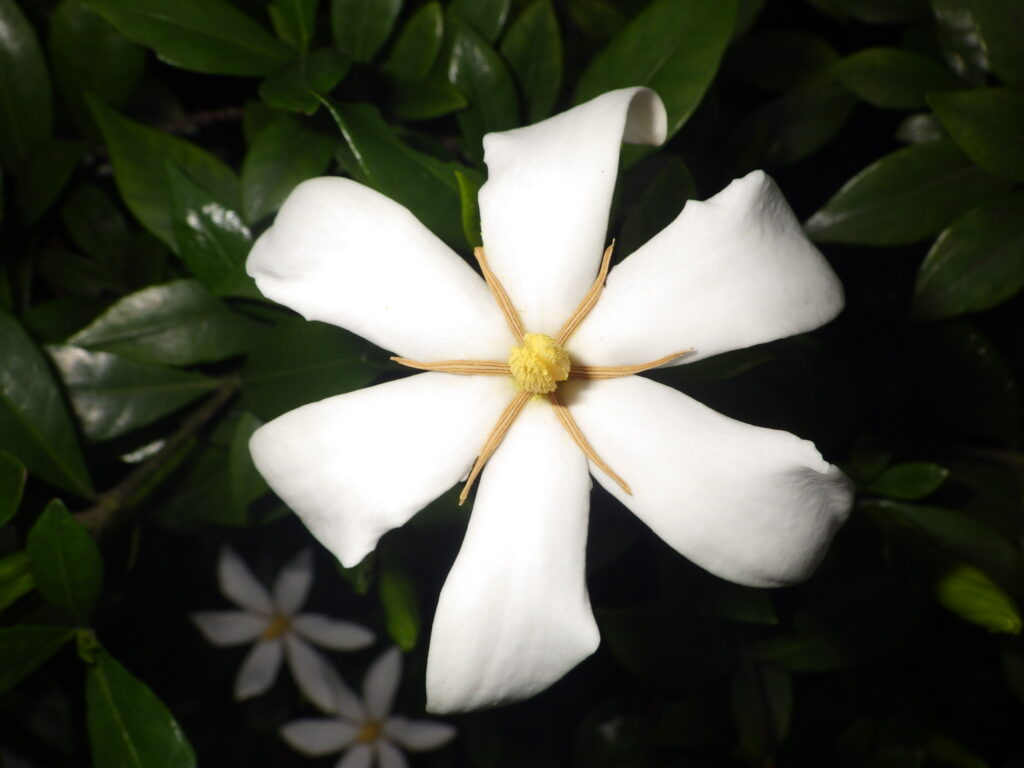
The original gardenia species has single flowers, while the double-flowered variety is called Yaekuchinashi 'Flore-pleno'.
However, the original species of gardenia, f. radicans, is considered to have double flowers, while the single-flowered variety is called gardenia f. simpliciflora.
This difference stems from the order in which the scientific names were assigned, but unless you're a plant enthusiast, you probably don't need to be particularly aware of it.
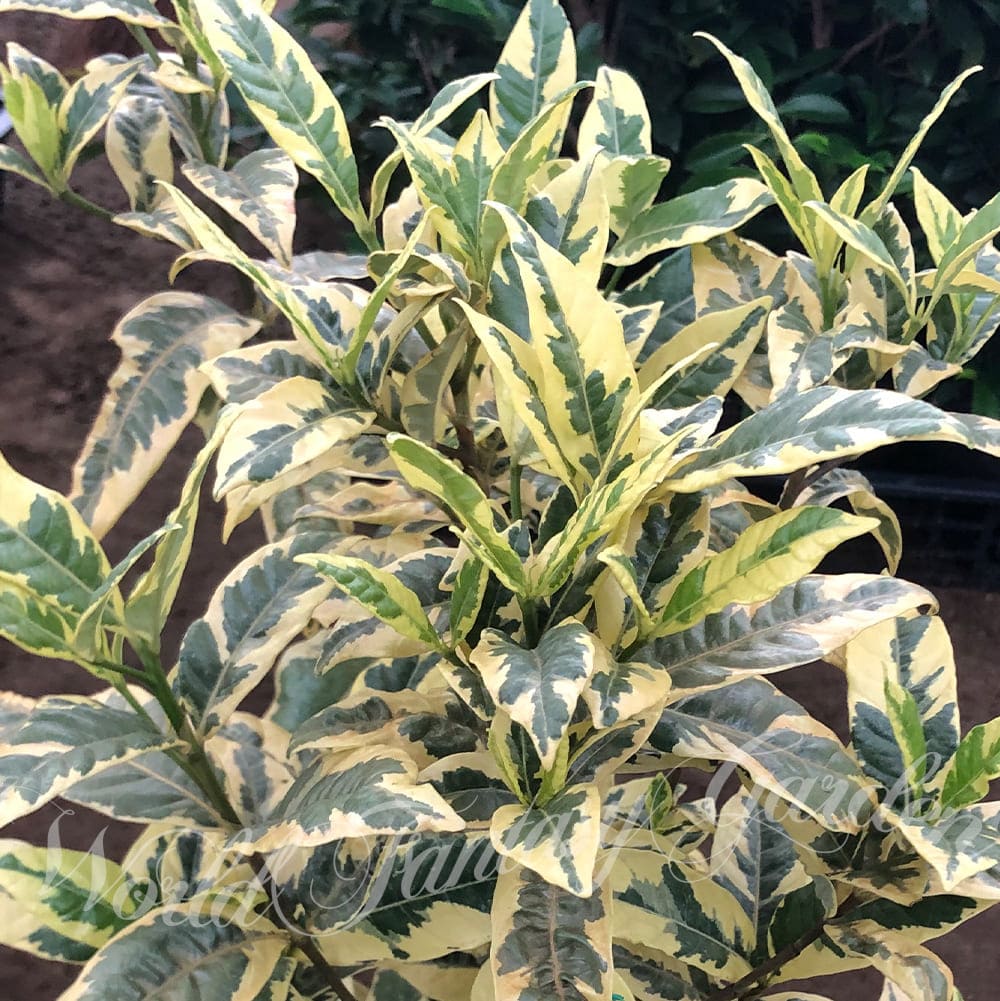
Other known varieties of gardenia include 'Albomarginata', which has white margins on the outer edges of its leaves; 'Maruba', which has rounded leaf tips; and 'f. globicarpa ', which has small, spherical fruits about 1.2 cm in diameter (Sakata, 1958).
How do I use it?
Gardenias and small gardenias are frequently cultivated for ornamental purposes.
However, it is perhaps best known for its use as a coloring agent. The ripe fruit contains carotenoid pigments called crocin and crocetin, and in Japan it was originally used as a dye for textiles. The use of gardenia as a dyeing agent in Japan dates back at least to the Kofun period (Sato, 1999), as evidenced by the detection of gardenia pigment components in fiber fragments excavated from the Shimoikeyama Kofun in Nara Prefecture (Sato, 1999). Powdered dried fruit has been used since the Nara period, and in the Heian period it was called gardenia color and used to dye clothing such as the twelve-layered kimono.
Even today, it is used as a harmless natural pigment in dishes such as chestnut paste for New Year's celebrations. As a food additive, it is labeled as "gardenia pigment" and is used to color sweet potatoes, chestnuts, Japanese sweets, and pickled radishes yellow. Genipin, which is formed in the intestines from geniposide, a type of iridoid glycoside, can also be used as a blue pigment.
It is also used medicinally, with crocetin and genipin contained in the fruit being considered medicinal components (Yagi et al., 2021). When dried in the sun or in the shade, it is called "Shan Zhi Zi" and is used as an anti-inflammatory and hemostatic agent, treating congestion and inflammation, and is used for jaundice, vomiting blood, etc. It is prescribed in traditional Chinese medicine for the same purpose (Shirataka, 2018). It is also said to have an effect of dilating narrowing of the bile ducts and intestinal tracts.
In recent years, flowers have also been used as essential oils because of their pleasant fragrance.
What is the structure of a flower?
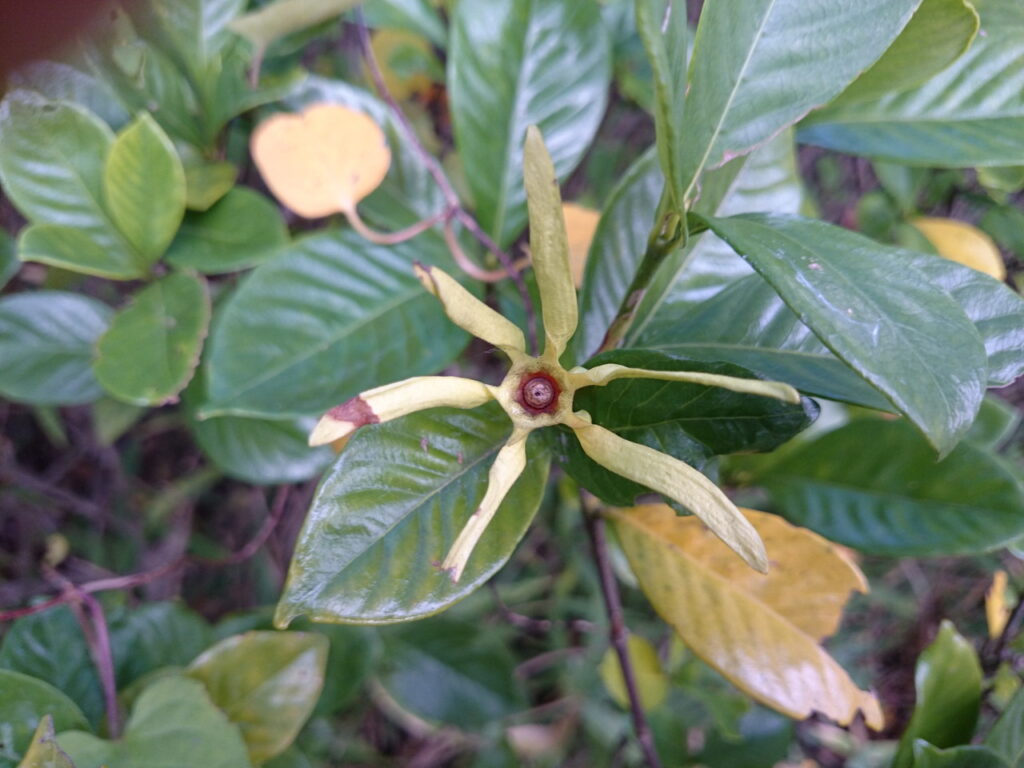
Gardenias bloom from June to July, producing fragrant flowers individually on short stalks emerging from the leaf axils. The flowers are 5-8 cm in diameter, with tubular calyxes and corolla bases. The corolla is initially white but gradually changes to a yellowish color. While usually single-flowered, there is also a double-flowered variety called 'Flore-pleno'. In single-flowered varieties, the corolla is divided into 6 or 5-7 lobes. There are 6 stamens containing numerous pollen grains and one thick pistil. The stamens grow parallel to the corolla. The sepals are long and slender, and there are 6 of them.
The only difference between the common gardenia and the small gardenia is that the flowers are 3-4 cm in diameter.
How is pollination done?
Gardenias are clearly pollinated by insects, but research on the insects that visit them is not well done.
However, the gardenia flower has a tubular base, requiring a very long, straw-like mouthpart to suck nectar, and it has a strong scent and is white in color, which are typical characteristics of flowers pollinated by hawk moths. Several studies have suggested that it is pollinated by hawk moths (Okamoto et al., 2008; Raju et al., 2022). Hawk moths are a species of moth with an extremely long proboscis that is active from evening to night. The way its color changes is also very similar to that of honeysuckle, which is pollinated by hawk moths.
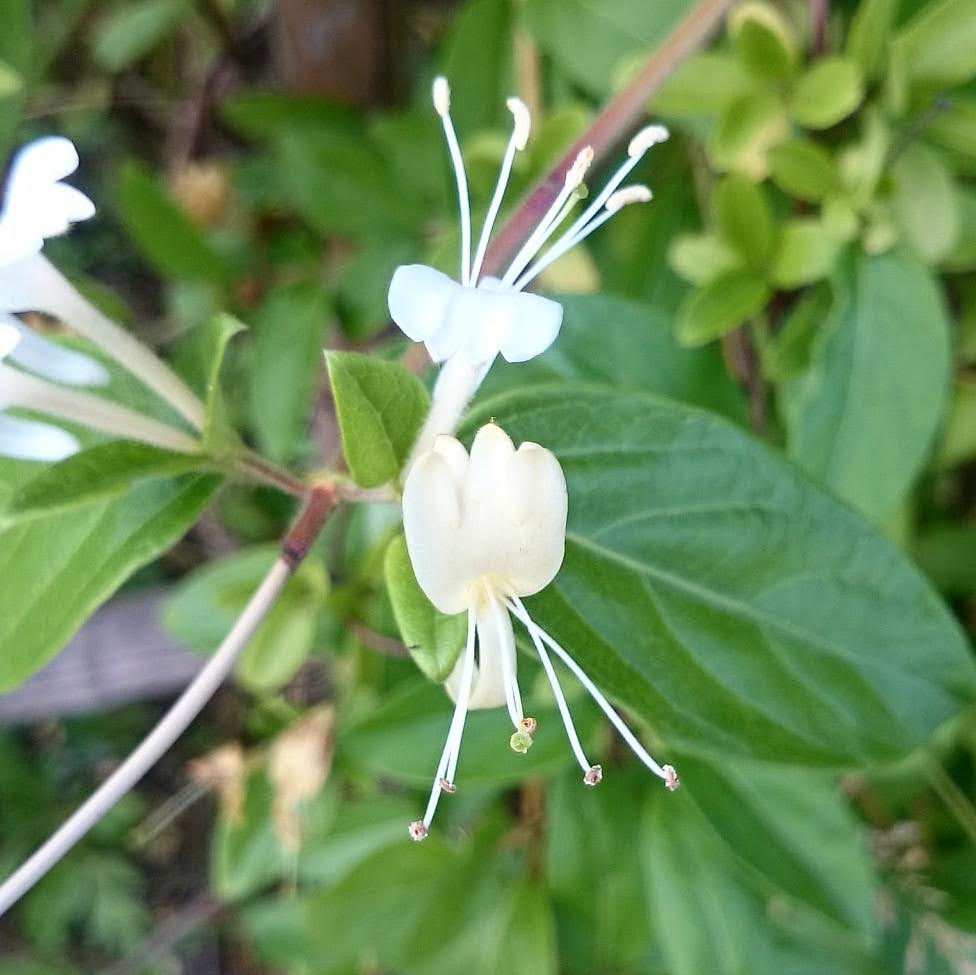
On the other hand, there have been a few instances of the Ryukyu longhorn beetle visiting the plants (Chaki and Mizunaga, 2021), suggesting that, like honeysuckle, the plants may be pollinated by groups of multiple insects.
Furthermore, it is known that small insects such as Thrips hawaiiensis and Frankliniella intonsa come to feed on pollen (Kurosawa, 1968; Takahashi, 1984), and I myself have observed them swarming in countless numbers on numerous occasions.
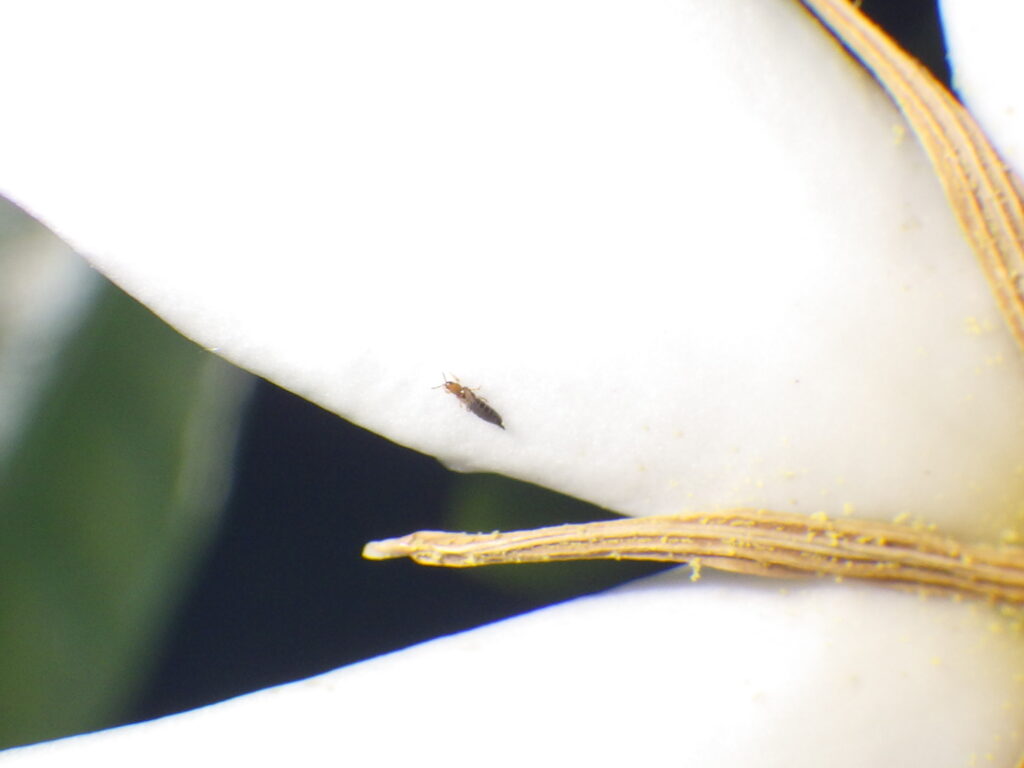
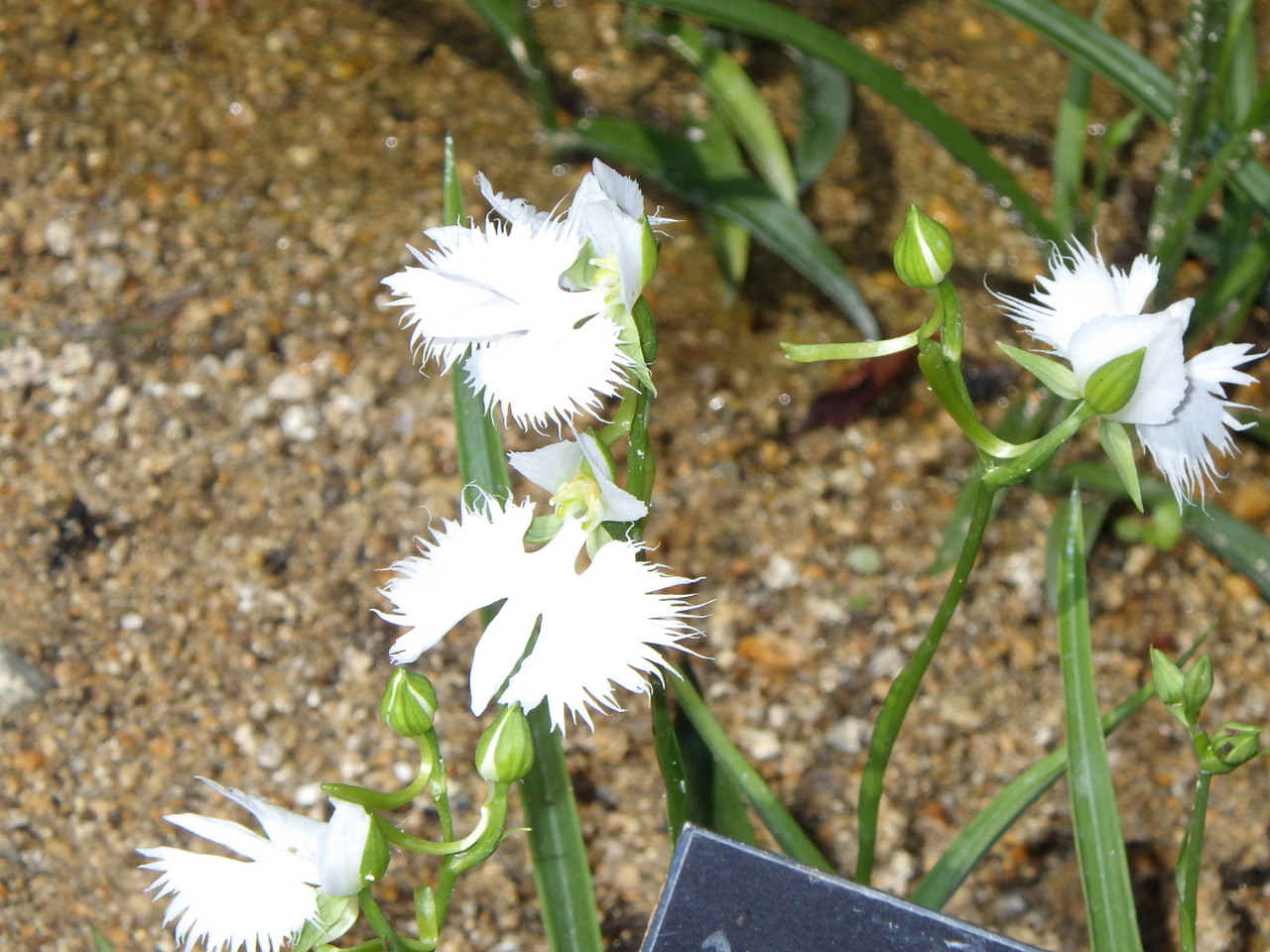
Because thrips are very small, a single thrips doesn't carry much pollen. However, at certain times of the year, thrips become adults in 1-2 weeks and go through several generations during a single flowering season, resulting in a large number of individuals that can potentially contribute as pollinators. In the case of the Habenaria radiata, which is also pollinated by hawk moths, there are records of thrips contributing to the pollination of 1/4 of all the seeds produced (Shigeta & Suetsugu, 2020). However, a disadvantage is that they move pollen within the flower in order to eat it, which can encourage self-pollination. Although not yet verified, thrips may also play a role in auxiliary pollination in gardenias.
What is the structure of the fruit?
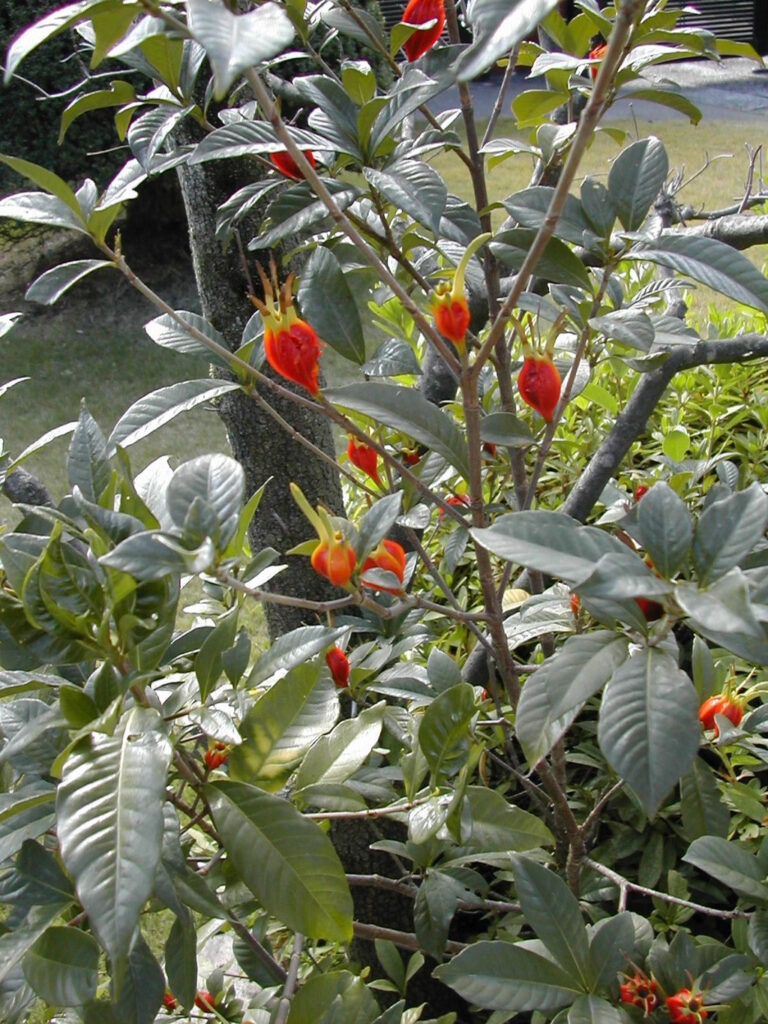
The fruit of the gardenia is a fleshy berry. It is oval-shaped, 2-3 cm long, with 5-7 ridges, and because the ovary is inferior, the sepals remain at the top. It ripens to an orange color at the end of autumn. The double-flowered variety 'Flore-pleno' is said not to bear fruit. However, wild populations have been confirmed in some areas, and these have been shown to bear fruit (Miyazaki et al., 2016). Numerous seeds are embedded in the pulp, and they are medium-sized, oval-shaped, and flattened.
What about seed dispersal?
The orange color of gardenia fruit is due to carotenoid pigments called crocin and crocetin, which are also components of the pigment found in the pistils of saffron (Ichi et al., 1993).
The fruit clearly turns orange, suggesting that birds with well-developed vision and a response to red are attracted to it. Therefore, it is believed that the seeds are dispersed by birds (Miyazaki et al., 2016; Morisada et al., 2020), but it seems that no specific research has been conducted on which birds contribute to seed dispersal. The characteristic of fleshy berries being dispersed by birds is widely observed in the Rubiaceae family (Bremer & Eriksson, 1992).
It is thought that the medicinal properties of geniposide may be a way to avoid being eaten by mammals, but there is no research on this.
References
Bremer, B., & Eriksson, O. (1992). Evolution of fruit characters and dispersal modes in the tropical family Rubiaceae. Biological Journal of the Linnean Society, 47 (1), 79-95. https://doi.org/10.1111/j.1095-8312.1992.tb00657.x
Chaki, Keita & Mizuru, Naoki. (2021). *Ryukyu longhorn beetle* visiting gardenia flowers at night. *Gekkan Mushi*, 608, 58. ISSN: 0388-418X
Hayashi, Masayuki. (2019). Tree Leaves: Expanded and Revised Edition - Identifying 1300 Species Through Real-Life Scans. Yama-kei Publishers. ISBN: 9784635070447
Ichi, Takahito; Katayama, Go; and Tada, Mikio. (1993). Changes in carotenoid patterns associated with the development of gardenia fruit. Bulletin of the Faculty of Agriculture, Okayama University, 82, 9-15. https://ousar.lib.okayama-u.ac.jp/905
Kurosawa, M. (1968). Studies on Japanese thrombi. *Insecta Matsumurana Supplement *, 4, 1-92. http://hdl.handle.net/2115/22225
Miyazaki, Hiroshi; Kanaya, Seiichi; Kawahara, Noriyuki; Matsunaga, Jun; and Matsunaga, Michio. (2016). Origin and characteristics of the existing "Tatsutayama Yaekuchinashi". Research Report of the Forestry and Forest Products Research Institute, 15 (3), 81-90. https://doi.org/10.20756/ffpri.15.3_81
Mori, S., Nozaki, T., Ogawa, M., & Kamada, M. (2020). Succession process from Japanese black pine forest to evergreen broad-leaved forest in Ogihama, Kochi Prefecture. Landscape Ecology, 25 (1), 75-86. https://doi.org/10.5738/jale.25.75
Okamoto, T., Kawakita, A., & Kato, M. (2008). Floral adaptations to nocturnal moth pollination in Diplomorpha (Thymelaeaceae). Plant Species Biology, 23 (3), 192-201. https://doi.org/10.1111/j.1442-1984.2008.00222.x
Raju, AS, Kumar, SS, Grace, LK, Punny, K., Raliengoane, TP, & Prathyusha, K. (2022). Zoophily and nectar-robbing by sunbirds in Gardenia latifolia Ait. (Rubiaceae). Journal of Threatened Taxa, 14 (8), 21642-21650. ISSN: 0974-7893, https://doi.org/10.11609/jott.7930.14.8.21642-21650
Sakata, Toshio. (1958). A brief record of plants native to Japan. Journal of the Botanical Garden, 33 (1), 28-32. https://doi.org/10.51033/jjapbot.33_1_4218
Sato, Masanori. (1999). Advances in scientific research methods for culturally significant dyed textiles. Journal of the Textile Society of Japan, 55 (7), 216-221. https://doi.org/10.2115/fiber.55.7_P216
Shigeta, K., & Suetsugu, K. (2020). Contribution of thrips to seed production in Habenaria radiata, an orchid morphologically adapted to hawkmoths. Journal of Plant Research, 133 (4), 499-506. ISSN: 0918-9440, https://doi.org/10.1007/s10265-020-01205-z
Shirataki, Yoshiaki. (2018). Wildflowers of the Mountains and Fields—Edible and Medicinal Properties of Common Wild Plants—Gardenia. New Food Industry, 60 (7), 56-58. https://libir.josai.ac.jp/il/user_contents/02/G0000284repository/pdf/JOS-05470277-60(7)-56.pdf
Takahashi, Asao. (1984). Ecology and control methods of thrips that damage the inside of fig fruits. Plant Protection, 38 (10), 450-453. ISSN: 0037-4091, http://jppa.or.jp/archive/pdf/38_10.pdf#page=14
Wu, ZY, Raven, PH, & Hong, DY (Eds.). (2011). Flora of China (Vol. 19 Cucurbitaceae through Valerianaceae, with Annonaceae and Berberidaceae). Science Press, and Missouri Botanical Garden Press. ISBN: 9781935641049
Yagi, M., Sakiyama, C., Miyata, Y., Kamiya, S., & Yonei, Y. (2021). Antiglycative effect of genipin and crocetin. Glycative Stress Research, 8 (3), 156-161. ISSN: 2188-3602, https://doi.org/10.24659/gsr.8.3_156