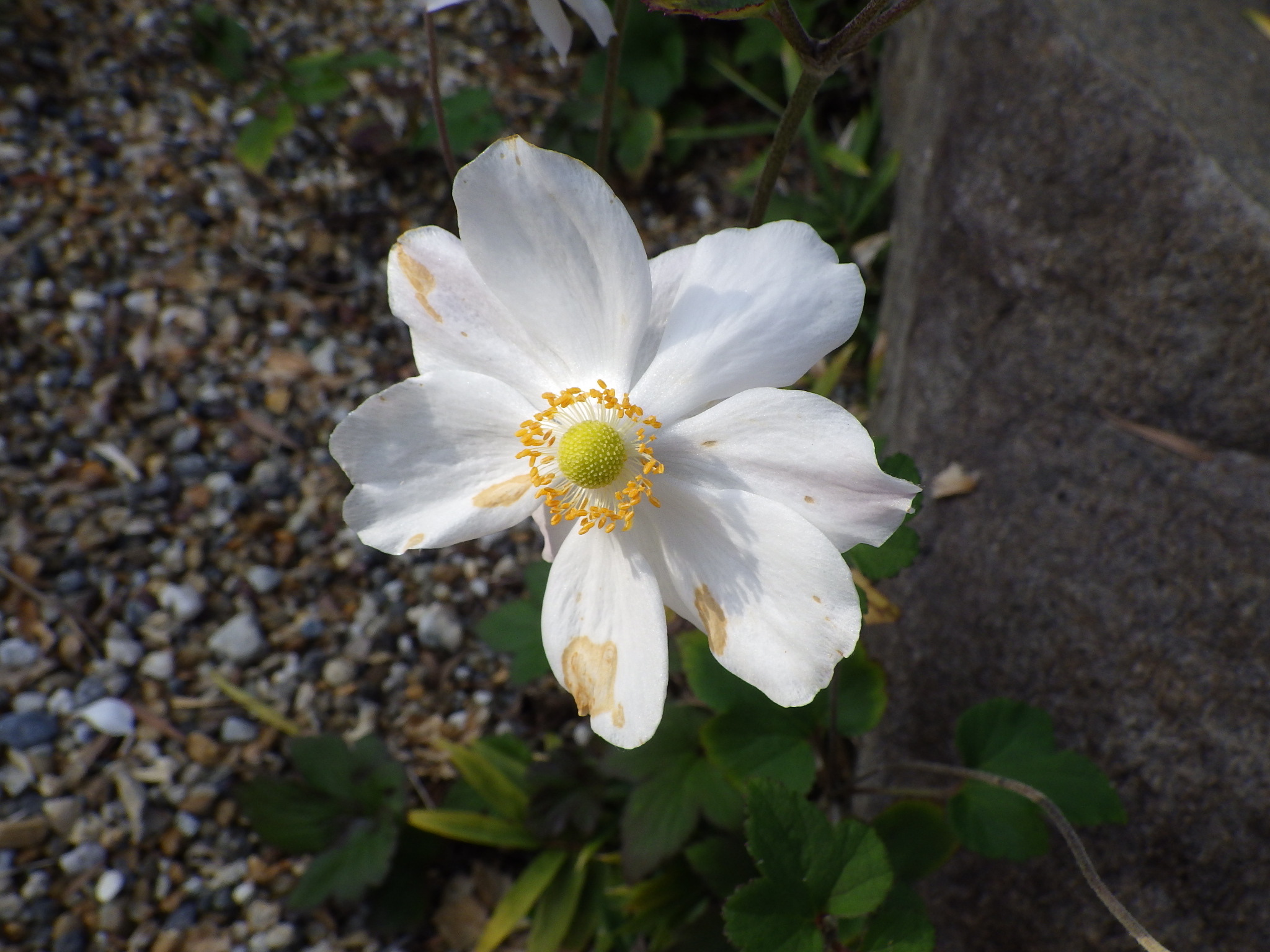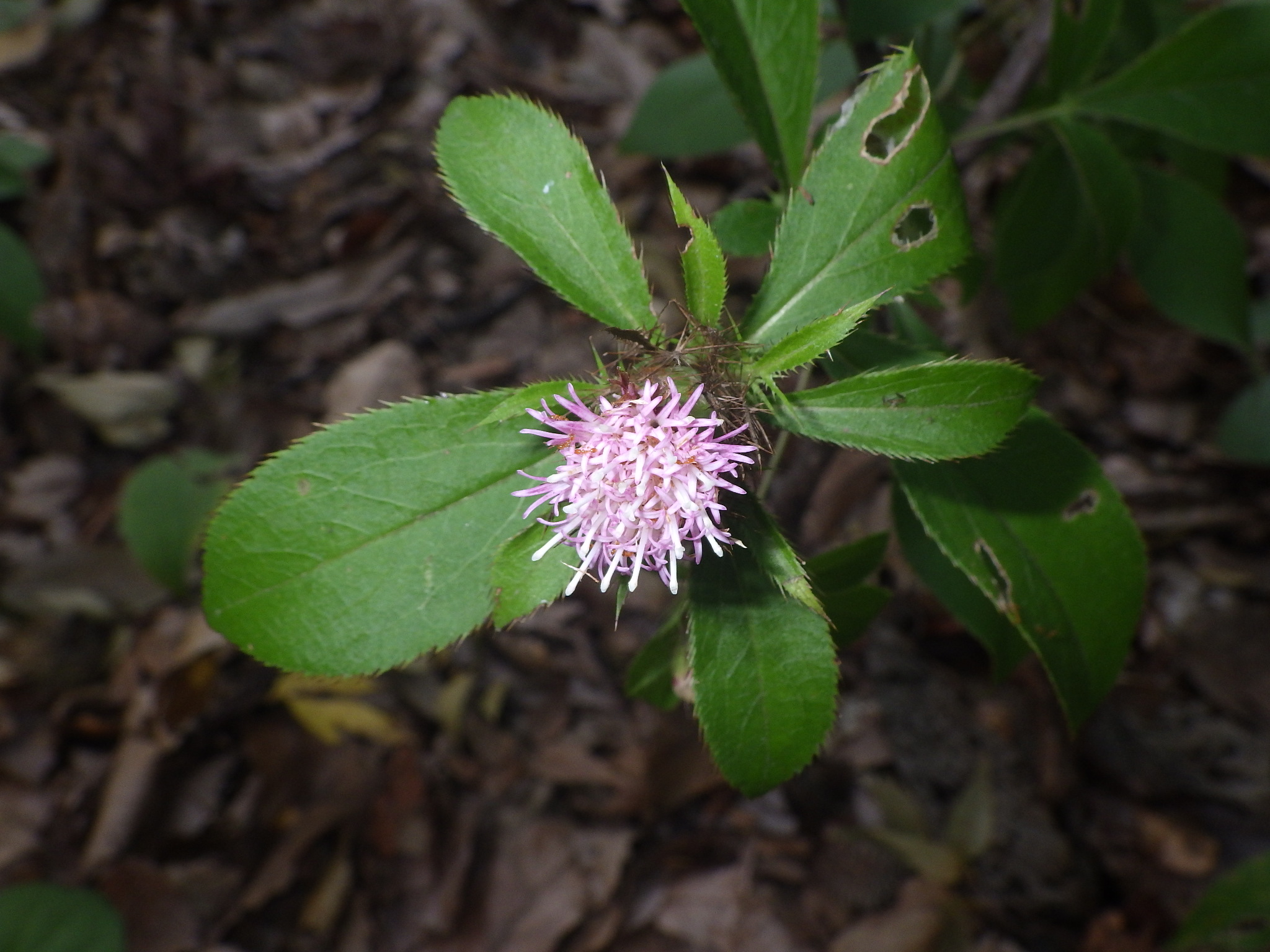
Atractylodes macrocephala (white atractylodes) and Atractylodes lancea (narrow atractylodes) are both perennial herbs belonging to the Atractylodes genus of the Asteraceae family. They are well-known as medicinal herbs, and the dried rhizomes are collectively called "jutsu." Morphologically, they share many similarities, such as leaves with prominent serrations and flowers that, like other members of the Asteraceae family, are arranged in capitulum (flower heads) and composed solely of tubular florets. Therefore, some people may have difficulty distinguishing between these two species. However, the differences can be seen by examining the length of the leaves, the serrations, and the petioles. Several other species of the Atractylodes genus are also known. The difference between Atractylodes macrocephala and Atractylodes lancea is also frequently searched for on the internet, but the shape of the leaves and flowers are completely different. This article will explain the classification of the Atractylodes genus.
What are Atractylodes macrocephala and Atractylodes lancea?
Atractylodes ovata, also known as Okera, is a perennial herb distributed in Honshu, Shikoku, and Kyushu in Japan; Korea; Northeast China; and the Russian Far East, growing in dry, bright deciduous forests and Miscanthus grasslands (Kanagawa Prefecture Flora Survey Association, 2018). Its rhizome is a type of herbal medicine called "Byakujutsu," known for its effects on stomach health, intestinal regulation, sweating, and diuresis. The young shoots are also eaten as a wild vegetable.
Atractylodes lancea, also known as narrow-leaved Atractylodes, is a perennial herb distributed in Korea, eastern China, and Russia, growing in grasslands, forests, bushes, and rock crevices (Wu et al., 2011). Its rhizome is a type of crude drug called "Sōjutsu," known for its diaphoretic, sedative, anticonvulsant, antifungal, blood sugar-lowering, diuretic, and stomach-soothing effects. It was introduced to Japan during the Kyōhō era of the Edo period and has become partially naturalized (Nishihara, 2023). It is also known as Sado Atractylodes because it was cultivated extensively on Sado Island. Currently, it is among the top five crude drugs used in Japan, but it is 100% dependent on imports from China (Matsuno, 2022).
Both are perennial plants belonging to the genus Atractylodes in the Asteraceae family, and are well-known as medicinal herbs. The dried rhizomes are collectively called "Zhu" as a crude drug.
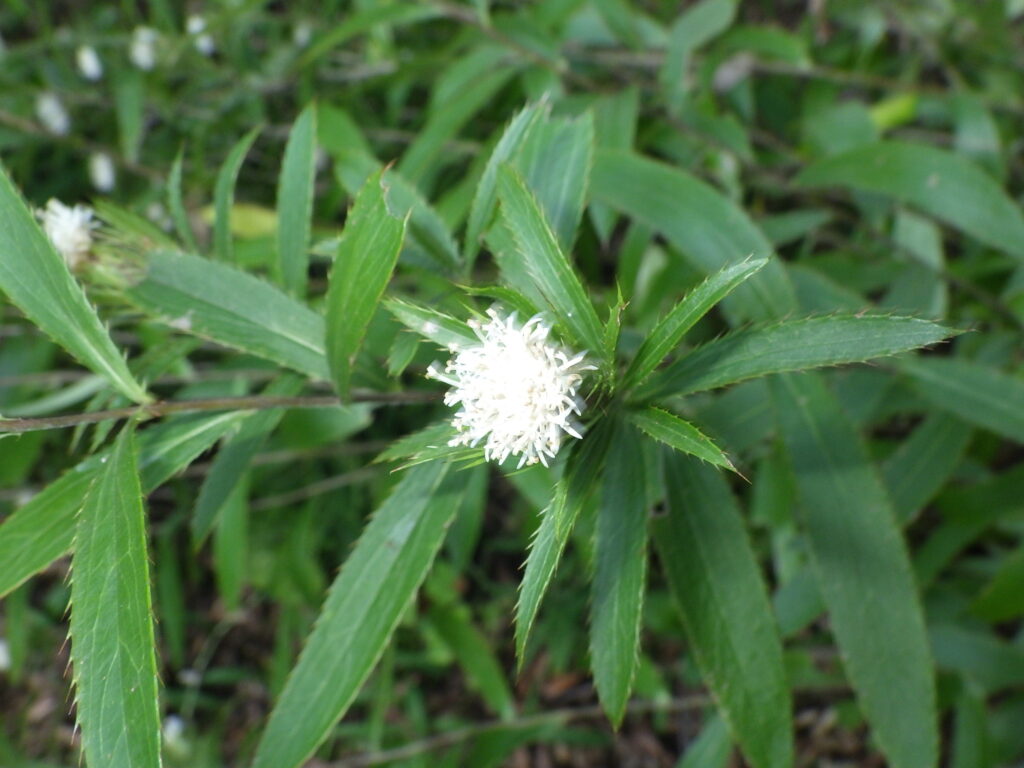
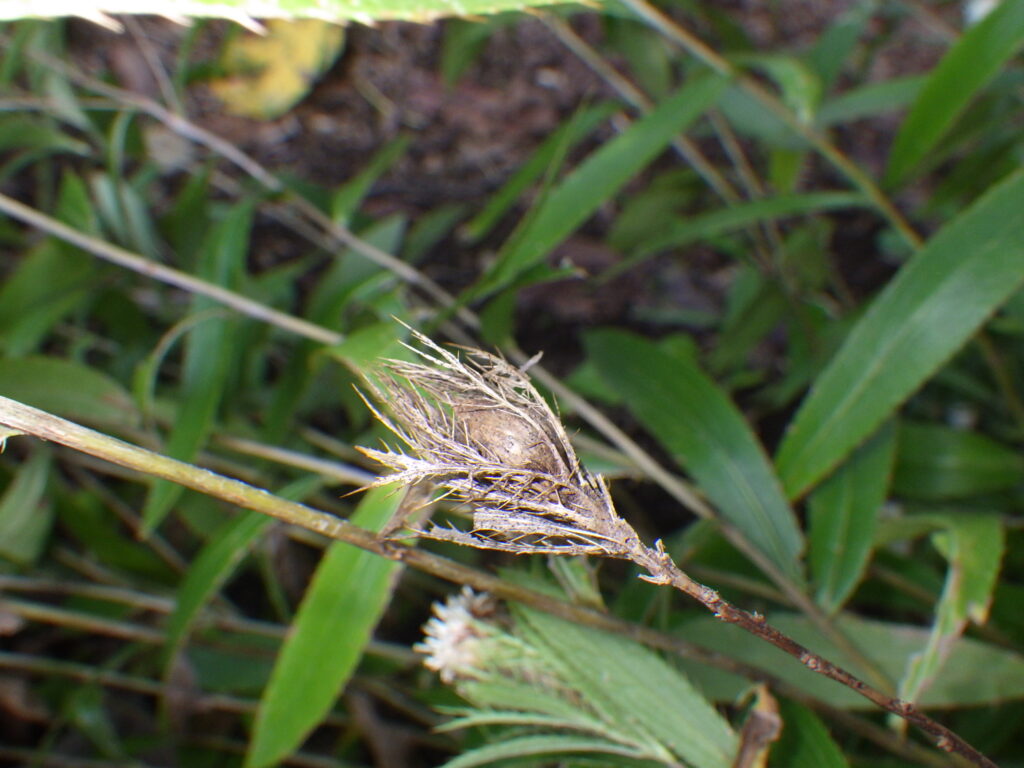
Morphologically, the leaves are noticeably serrated, and the flowers, typical of the Asteraceae family, are arranged in capitulum (flower heads) and consist only of tubular florets. The feathery pappus and the involucre surrounded by fishbone-shaped bracts are major characteristics of the Atractylodes genus.
Furthermore, these two species of Atractylodes share a common characteristic: their upper leaves are broad and simple, without petioles, while their lower leaves are odd-pinnately compound, with petioles.
Therefore, some people may not be able to distinguish between these two types.
What is the difference between Atractylodes macrocephala and Atractylodes lancea?
However, there are clear differences between Atractylodes macrocephala and Atractylodes lancea.
First of all, while Atractylodes lancea grows wild, it's important to note that Atractylodes macrocephala is only found in the wild in areas where it was once cultivated, such as Sado Island.
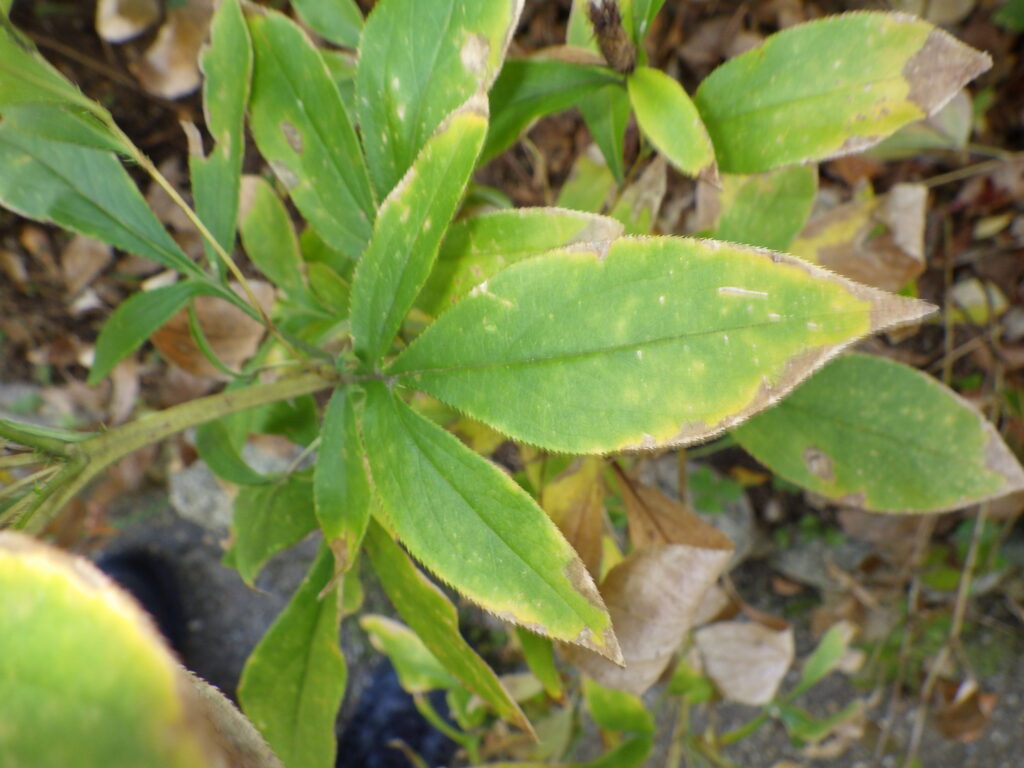
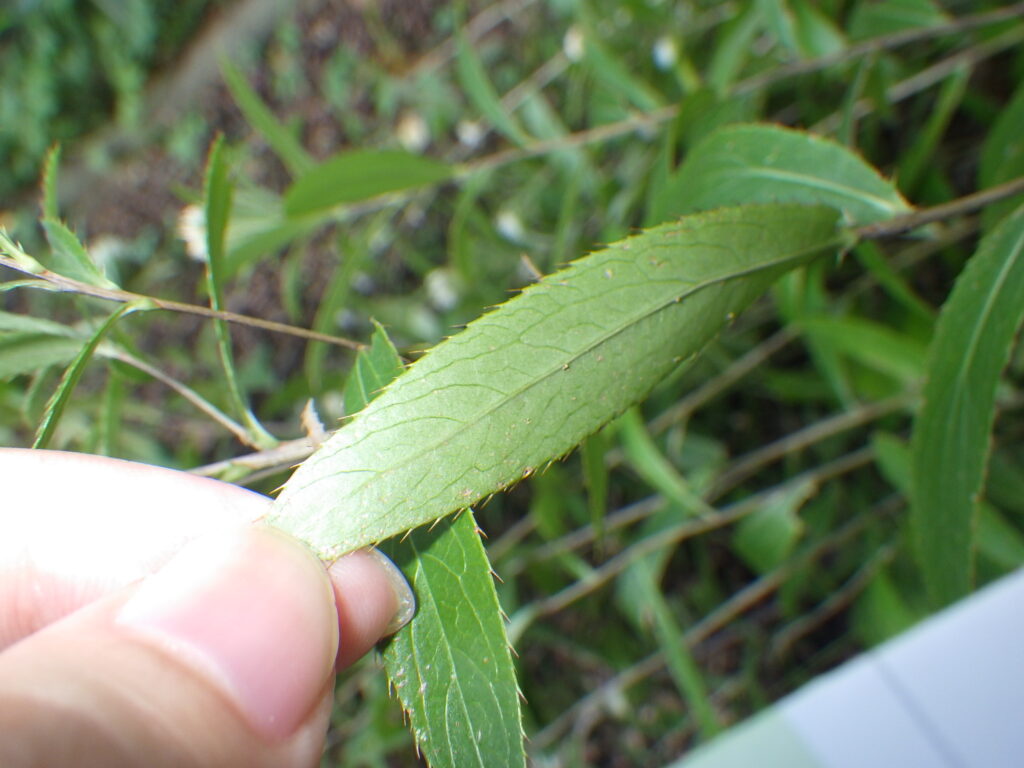
Morphologically, Atractylodes japonica has broad leaves with dense, short serrations, while Atractylodes macrocephala has long, narrow leaves with sparse, long serrations. This difference is reflected in its Japanese name.
Serrations are the thorny edges on the leaves.
Another difference is that in Atractylodes japonica, the petioles of the middle and lower stem leaves are 5-8 cm long, while in Atractylodes macrocephala, they are only 0.5-8 cm long. Therefore, in Atractylodes macrocephala, you may see leaves that appear to have almost no petioles.
Regarding their different uses, Atractylodes macrocephala (white stalk) is considered superior for improving gastrointestinal function, while Atractylodes lancea (blue stalk) is considered superior for removing excess fluid from the body surface.
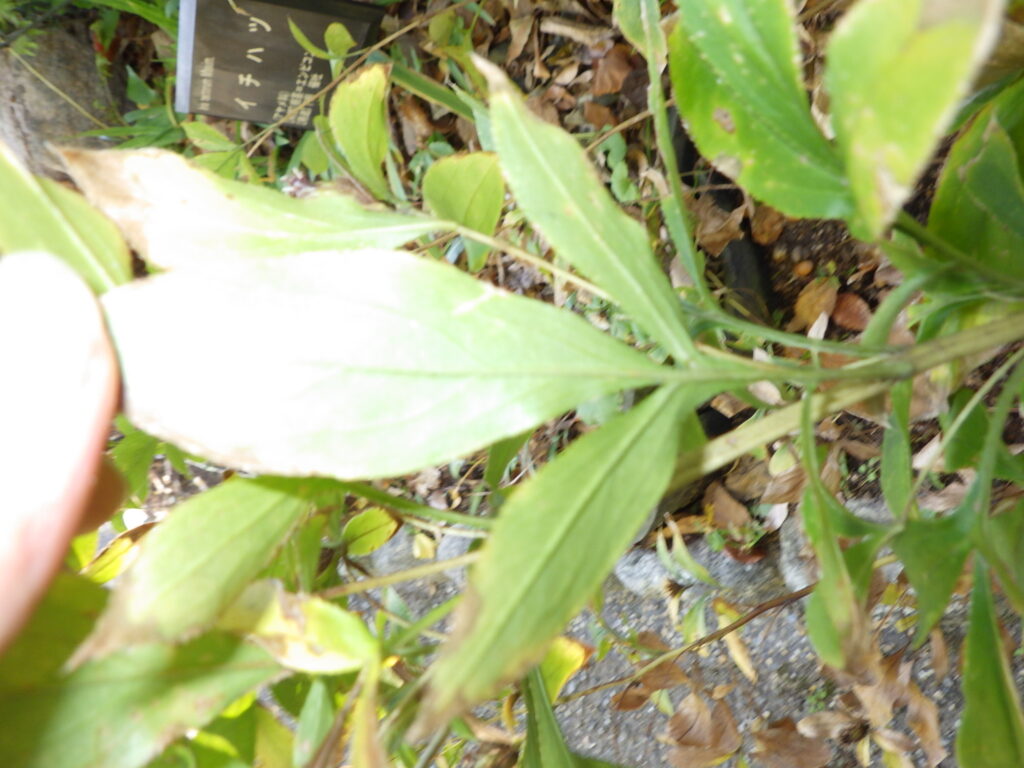
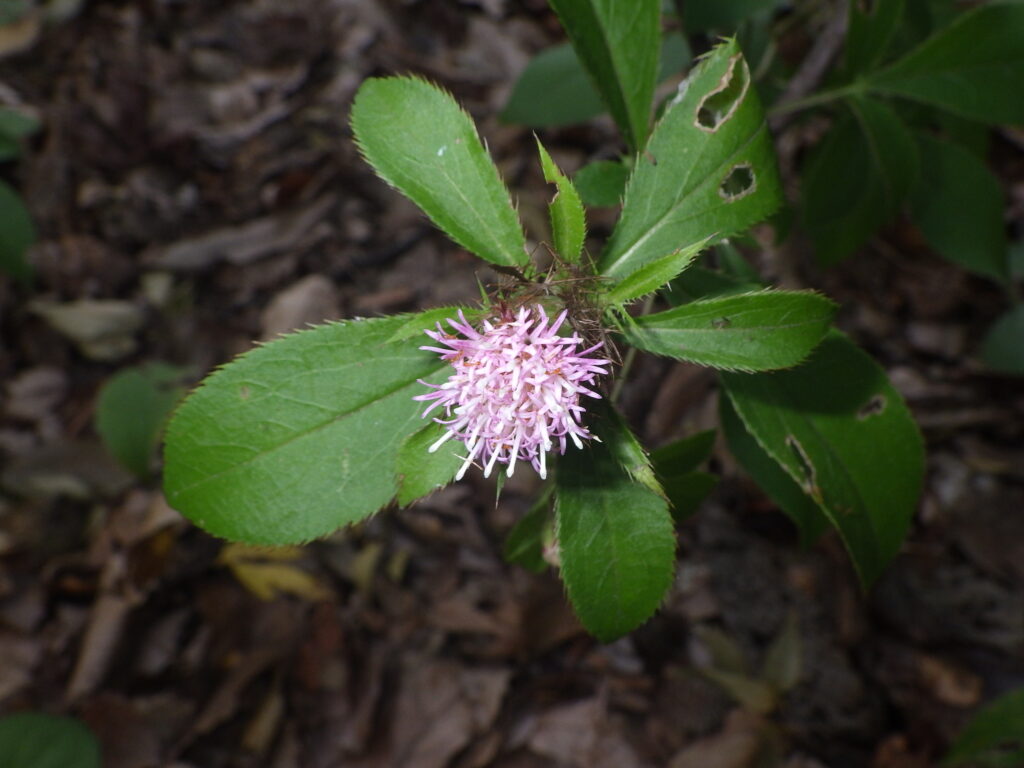
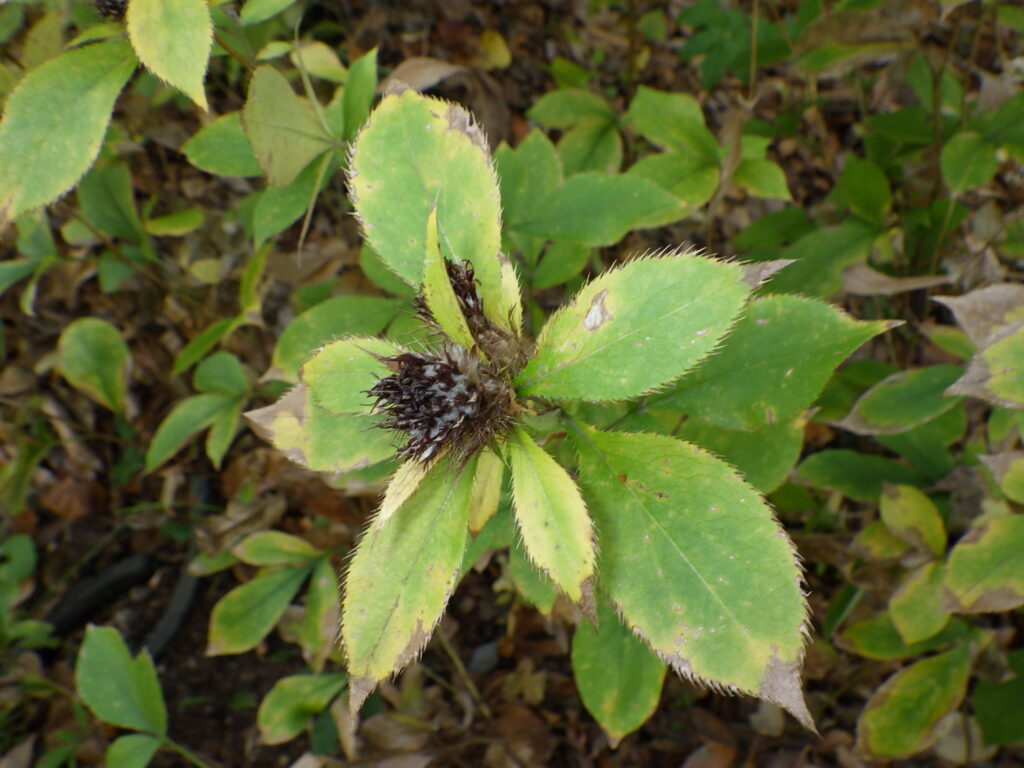
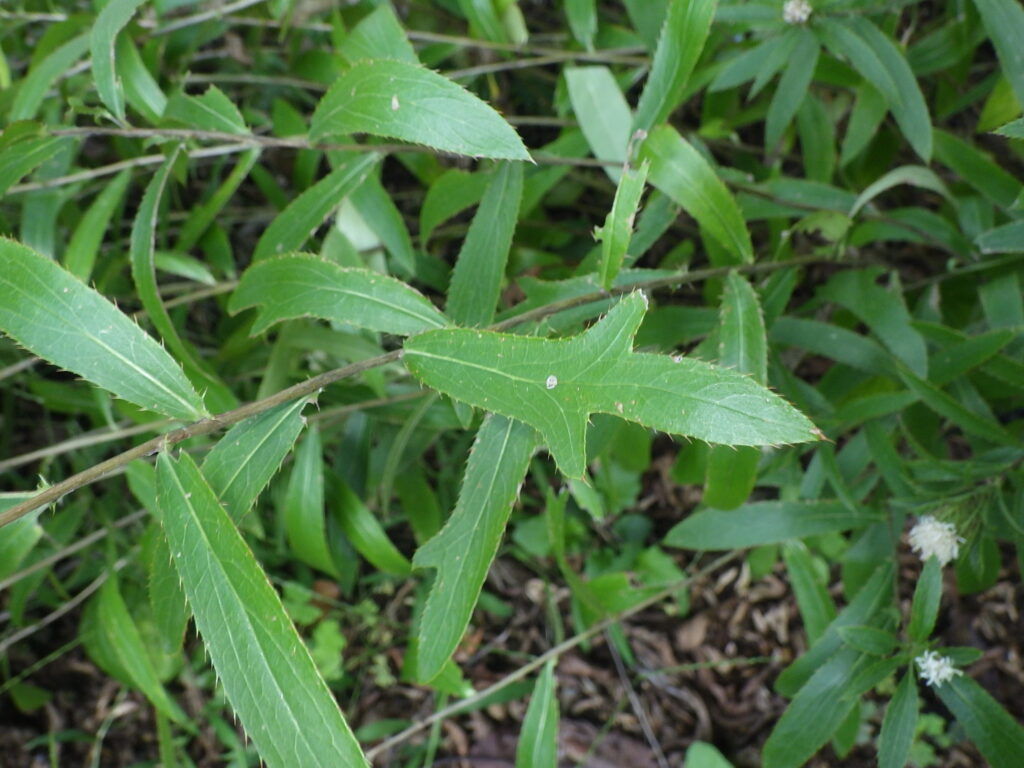
What are the other types of "Atractylodes"?
Atractylodes lancea var. chinensis is a variety of Atractylodes lancea, but it is not distinguished in Chinese literature. Its rhizome is a type of Atractylodes lancea.
Atractylodes macrocephala resembles Atractylodes macrocephala, but its corolla is purplish-red and about 1.7 cm long (Atractylodes macrocephala has a white or yellow corolla and is up to 1.3 cm long). Its rhizome is a type of Atractylodes macrocephala.
Unlike other species, Atractylodes koreana lacks petioles from top to bottom. Its rhizome is called Korean Atractylodes, but it is produced in limited areas and in very small quantities.
What is the difference between a mole cricket and a Japanese broom?
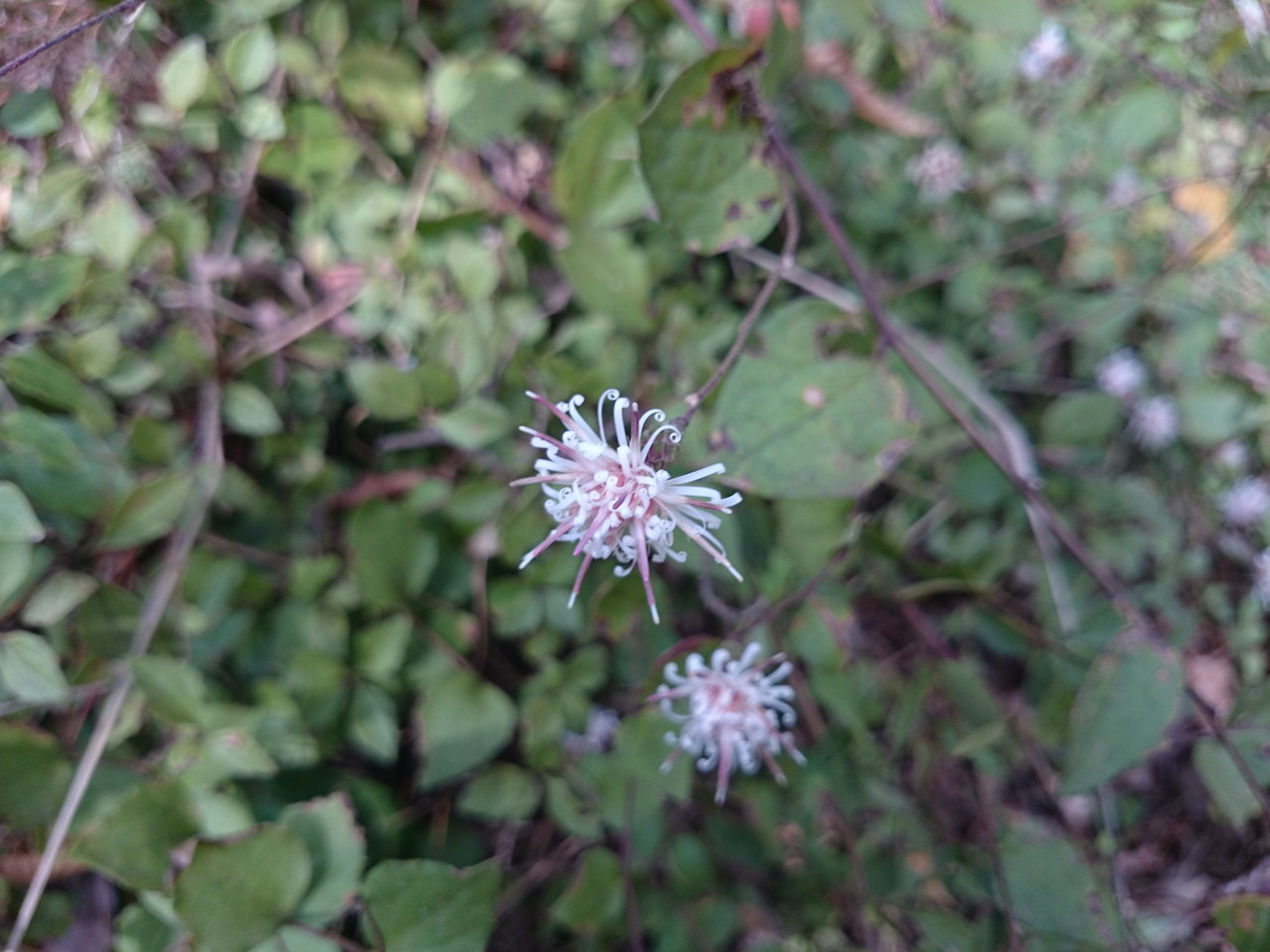
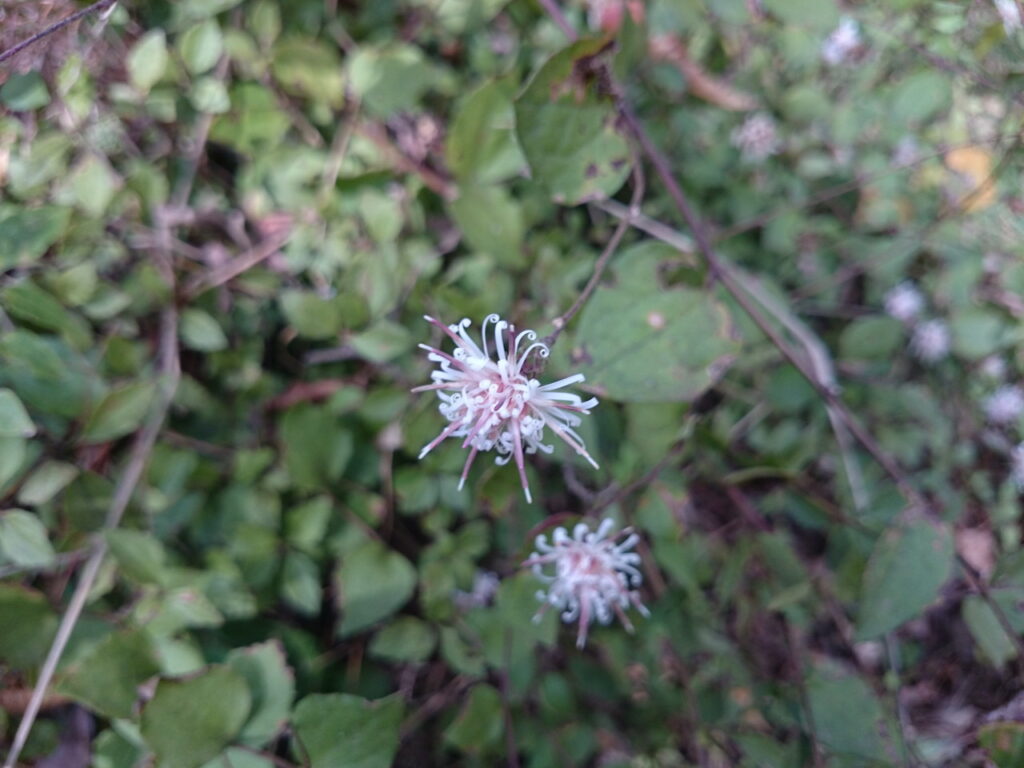
It seems that the difference between Atractylodes lancea and Atractylodes macrocephala is a common search term on the internet. This may be because they both bloom in autumn and their flower heads are somewhat similar.
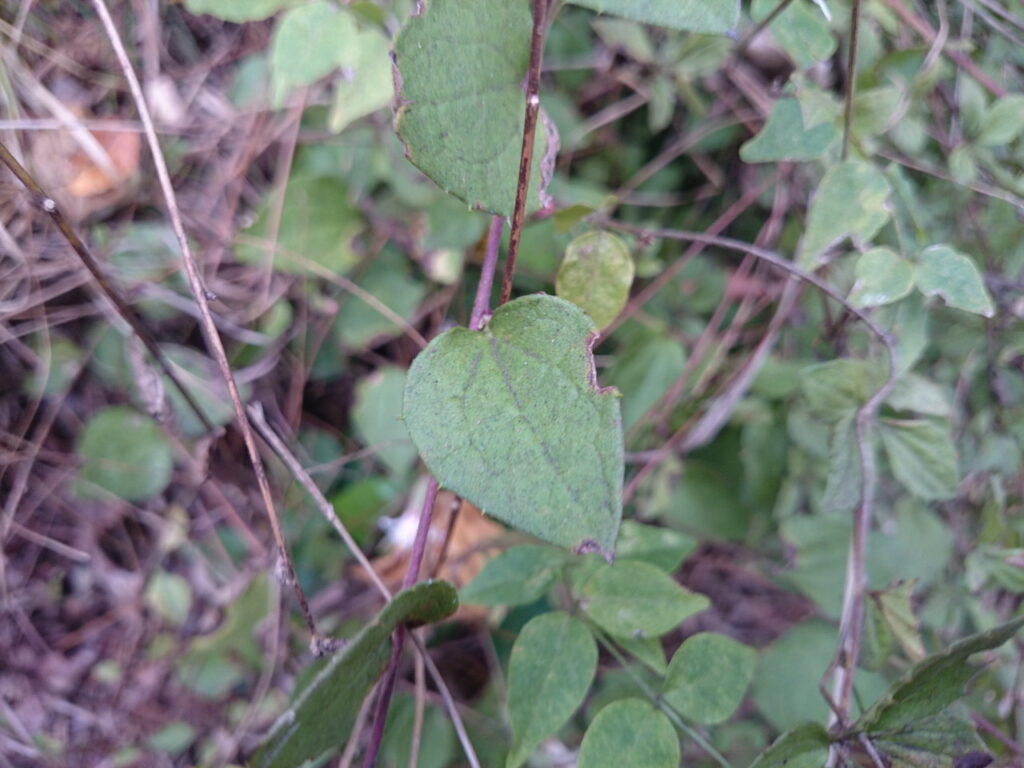
However, the leaves of Pertya scandens (also known as Koyabouki) are all simple leaves and never compound, and the leaf veins are trivird (three main veins run palmately from the base of the leaf).
In the case of *Aster tataricus*, the tips of the corolla are curled, but this is not the case with *Atractylodes lancea*.
They are clearly two different types.
For more information on the Koya-bouki family, please see our separate article.
References
Kanagawa Prefecture Flora Survey Association. (2018). Kanagawa Prefecture Flora 2018 (Electronic Edition). Kanagawa Prefecture Flora Survey Association. 1803pp. ISBN: 9784991053726
Matsuno, M. (2022). Cultivation study of Atractylodes macrocephala in Kochi Prefecture. Yamatogusa, 4, 43-53. ISSN: 2189-2423, https://www.makino.or.jp/img_data/PAGE_science-report_23.pdf
Nishihara, Masakazu. (2023). The status of Atractylodes macrocephala in Sado since the Showa period. Journal of the History of Pharmaceutical Sciences, 58 (1): 10-17. https://doi.org/10.34531/jjhp.58.1_10
Wu, ZY, Raven, PH, & Hong, DY Eds. (2011). Flora of China (Vol. 20-21 Asteraceae). Science Press & Missouri Botanical Garden Press. ISBN: 9781935641070