Digitalis (foxglove) and comfrey are two horticultural species native to Europe that are known to be poisonous. Their leaves are very similar, with the upper leaves lacking petioles and the base having petioles, and they also have wings (where the leaf blade extends onto the stem). There were cases in the past where people mistakenly ate digitalis, mistaking it for comfrey, which was once edible. The two species are completely different in terms of classification, and their flowers and fruits are entirely different. Although their leaves are similar, they can be properly distinguished by checking the serrations and the appearance of the bristles. Digitalis poisoning has been known for a long time, and there have been many cases of death, but it is also important for its medicinal uses and is used for congestive heart failure. Comfrey was once lauded as a versatile longevity vegetable and was edible, but after cases of liver damage were confirmed, its use has fallen out of favor and it has become disliked. Digitalis flowers are large and suitable for ornamental purposes, but in Europe they originally evolved to attract bumblebees. However, recent research has shown that wild populations in South America have evolved to adapt to hummingbirds, which are native pollinators of the Americas. Comfrey flowers also heavily rely on bumblebees for pollination, but the rate of successful cross-pollination is low. It has been found that bumblebees with sharp mouths that steal nectar cause the corolla to fall off, increasing self-pollination, giving it a unique ecological characteristic. This article will explain the classification, toxicity, pollination ecology, and seed dispersal of digitalis and comfrey.
- Two toxic horticultural species native to Europe
- What is the difference between digitalis and comfrey?
- What is "digitalis poisoning," a condition known for a long time?
- Comfrey was once considered nutritious, but now it's disliked due to its toxicity...?
- Did digitalis evolve from being pollinated by bumblebees to being pollinated by hummingbirds in America?!
- Comfrey flowers were being pollinated thanks to "nectar thieves"!?
- Digitalis fruits are capsules, while comfrey fruits are small nuts.
- References
- Source
Two toxic horticultural species native to Europe
Digitalis purpurea, commonly known as foxglove or foxglove, is a perennial herb native to Europe, where it grows in mountainous regions (Izawa, 1980). It belongs to the Plantaginaceae family. It has also naturalized in temperate regions and tropical highlands (Mackin et al., 2021). In Japan, it was introduced during the Edo period and cultivated for ornamental purposes (Izawa, 1998), but some have naturalized. It is also known for its extremely high toxicity (Izawa, 1980).
Comfrey (Symphytum x uplandicum) is also known as Russian comfrey. Native to Europe, it is a hybrid of Symphytum asperum and Symphytum officinale. It is a perennial plant belonging to the Boraginaceae family. It has become widely naturalized in North America and New Zealand, and in Japan, it was introduced and cultivated as an ornamental plant in 1958, and has since naturalized in vacant lots in populated areas and urban areas.
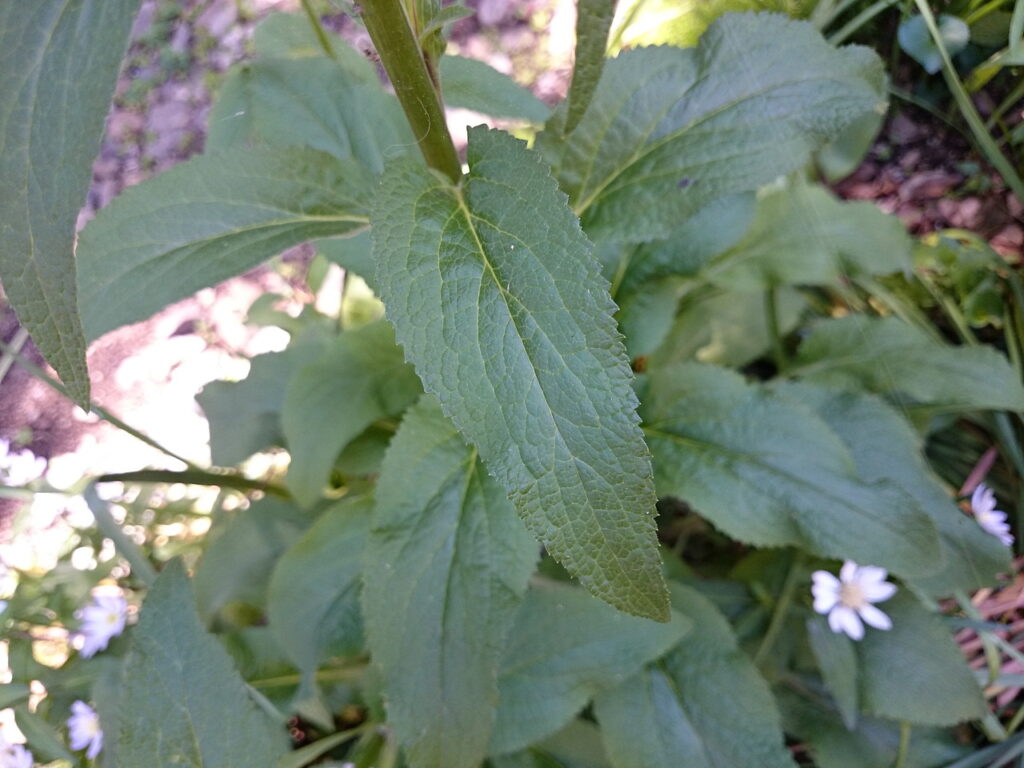
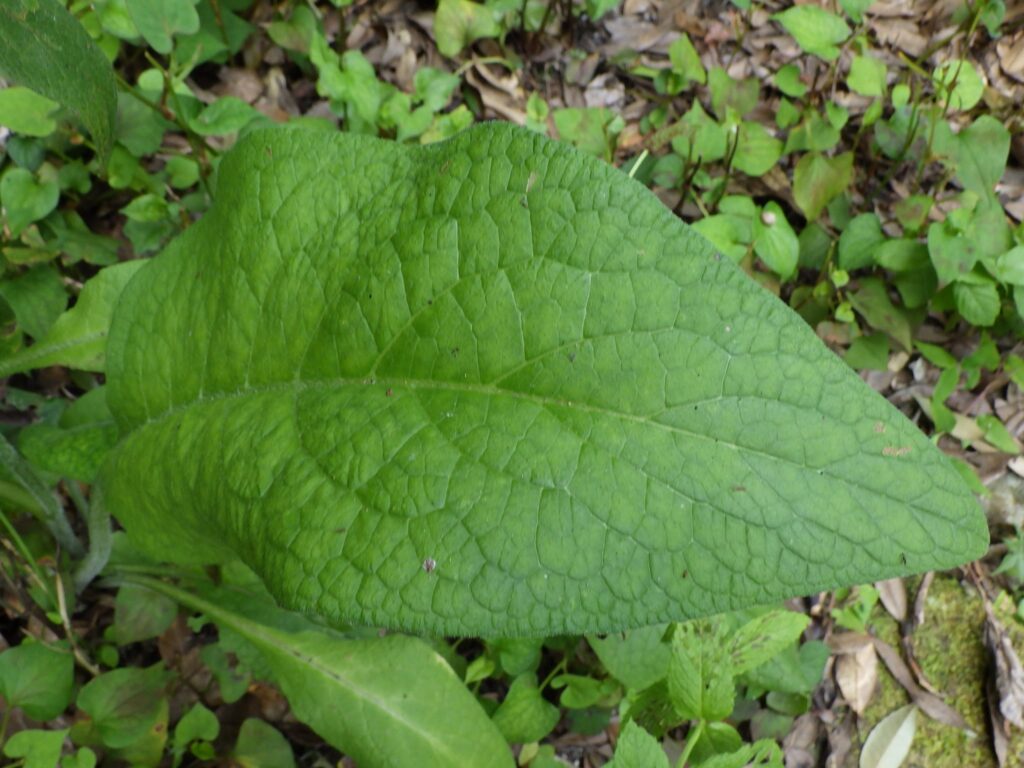
Both of these species are native to Europe and are used in horticulture. Their leaves are very similar, with the upper leaves lacking petioles and the base having petioles, and they also have wings (where the leaf blade extends onto the stem). While digitalis is highly poisonous, comfrey was once eaten in Japan, and there are known cases both domestically and internationally of people mistakenly eating digitalis after mistaking it for comfrey (Ministry of Health, Labour and Welfare, 2023).
What is the difference between digitalis and comfrey?
However, there are many differences between digitalis and comfrey.
First of all, in terms of classification, digitalis belongs to the Plantaginaceae family, while comfrey belongs to the Boraginaceae family, so they are fundamentally different species.
The flowers and fruits are completely different.
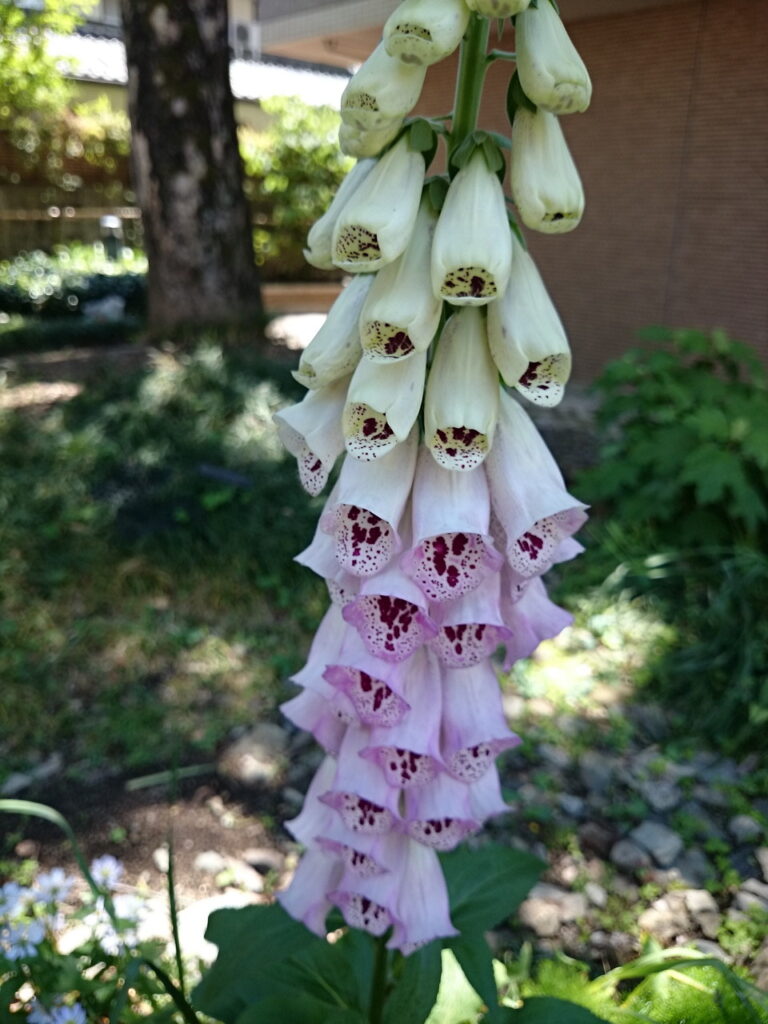
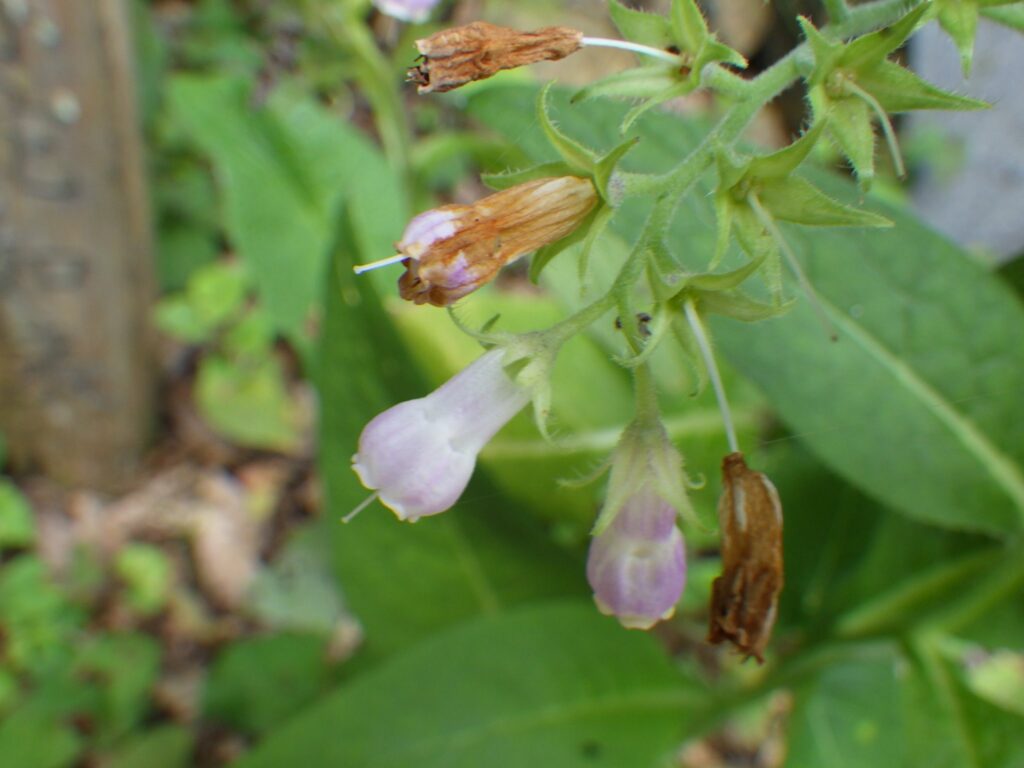
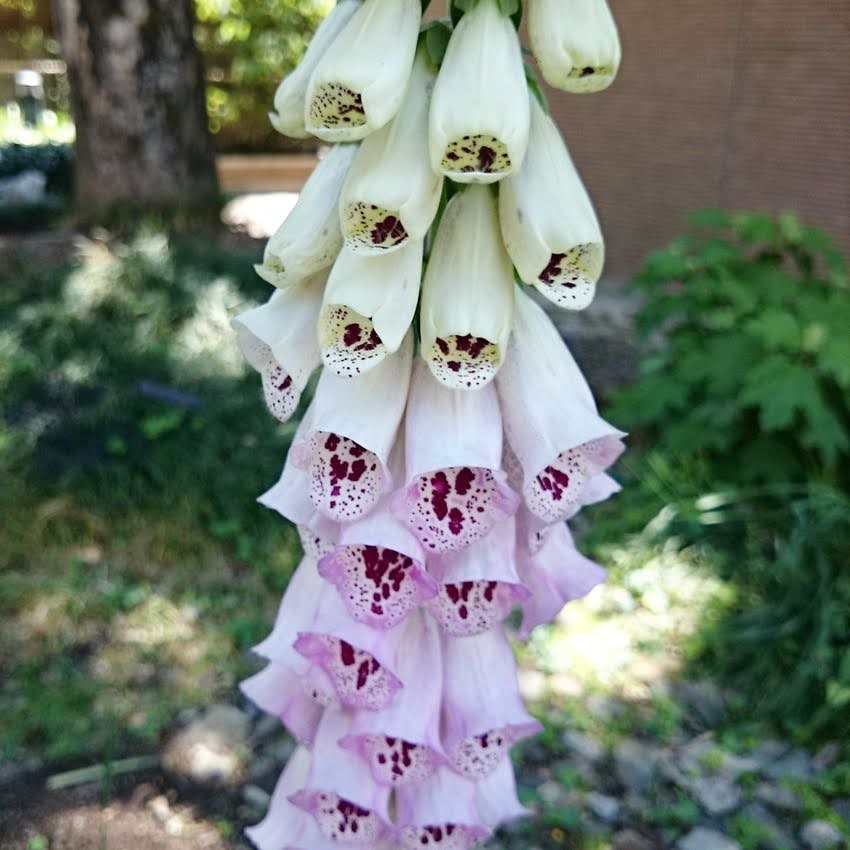
In foxglove, numerous flowers bloom in long racemes at the top of the stem, with a simple bell-shaped corolla that is 3-4.5 cm long and reddish-purple. In contrast, in comfrey, 10-20 flowers are clustered in a spiral cymose at the top of the stem, with a bell-shaped corolla that is 1.4-1.5 cm long, pale purple to purplish-red to yellowish-white, shallowly 5-lobed at the tip, and the lobes are triangular and revolute.
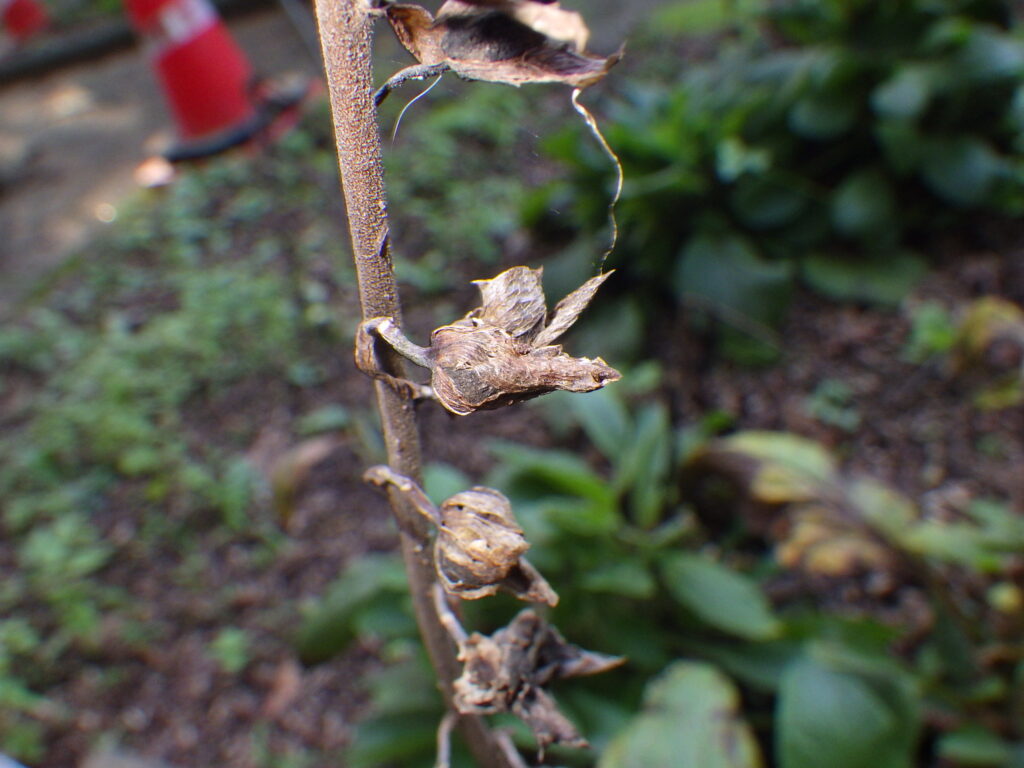
Regarding the fruit, digitalis produces capsules that are about 15 mm long and broadly ovate, while comfrey usually does not produce fruit, but if it does, it is a small nutlet that schizocarps into four parts, is 3-4 mm long, black, smooth, glossy, and grows inside the calyx.
However, the problem arises when the flowers are not in bloom. It's not ideal to judge at this time, but there are differences even just in the leaves and stems.
While foxglove has short, grayish-white hairs on its stems and inconspicuous leaf hairs, comfrey has distinctly long, bristly hairs all over its body, including numerous bristles on its leaves. Comfrey can be painful if you touch it carelessly, as the hairs can prick you.
Furthermore, while foxglove leaves have serrated edges, comfrey leaves are entire and lack serrations.
When distinguishing between the two types, be sure to check the above items.
It should be noted that comfrey is often confused with Symphytum officinale and Symphytum pedunculosa, and even the Japanese Wikipedia entry confuses them, but they are different species. Symphytum pedunculosa has winged stems with short, downward-pointing hairs, while Symphytum officinale has wingless stems with spine-like hairs. Comfrey, on the other hand, has winged stems with spine-like hairs.
What is "digitalis poisoning," a condition known for a long time?
Digitalis is poisonous throughout the entire plant, and "digitalis poisoning" has been known for a long time. Symptoms include cardiovascular symptoms such as arrhythmias and palpitations, gastrointestinal symptoms such as nausea and vomiting, neurological symptoms such as headaches and dizziness, and a yellowish tint to the field of vision (xanthopsia). The mechanism is that it inhibits Na + /K + -ATPase in the cell membrane, increasing the concentration of Na + and Ca2 + in the cell and enhancing the contractility of the myocardium.
Deaths are rare, but in the United States, 2,500 cases were reported in 2011, with 27 deaths recorded (Palatnick, & Jelic, 2020).
On the other hand, it is also used medicinally because it enhances the contractility of the heart muscle. Digitoxin, a cardiac glycoside, was extracted from hot-air dried digitalis leaves, but today it is chemically synthesized. It has been used as medicine for cuts and bruises since ancient times. In 1776, William Withering of England published his findings on its medicinal properties as a cardiac stimulant.
Digitoxin is not naturally present in plants but is a component secondarily produced through enzymatic degradation. Digitalis contains cardiac glycosides, as well as pregnane glycosides such as diginine, steroid saponins, and flavonoids. Digitoxin is used as a treatment for congestive heart failure, but it is not widely used clinically because its absorption rate from the gastrointestinal tract is almost 100%.
Digoxin and lanatoside C, used in the prevention and treatment of chronic heart failure along with digitoxin, are not found in digitalis, but are enzymatically broken down from components of the related plant, Digitalis lanata. This point is also sometimes confused.
However, the use of these medications is said to be decreasing due to advances in research on new drugs and an increase in reports of adverse events from their combined use with macrolide antibiotics and antifungal agents.
While it's a beautiful plant for ornamental purposes, please be extremely careful not to ingest it.
Comfrey was once considered nutritious, but now it's disliked due to its toxicity...?
Comfrey was once considered a versatile vegetable that promotes longevity.
The roots and rhizomes contain alkaloids such as consolidine and symphytosinoglycin, as well as mucilage and tannins. Tannins have astringent properties and were historically used orally as an antidiarrheal, or as a poultice for eczema and rashes. Fresh leaves contain 901 TP3T of water, approximately 2.41 TP3T of crude protein, and approximately 0.2% of crude fat. Trace elements include minerals and vitamins (vitamin A, vitamin B1, vitamin B2, vitamin C, vitamin B3, vitamin B5, vitamin B6, and vitamin B12), and it has been widely used for medicinal and culinary purposes.
In Europe and America, the rhizome was primarily used externally. In Japan, the leaves were used as a tonic food, and the raw leaves were used to make green juice or prepared in dishes such as tempura, blanched greens, and salads. The roots were touted for their beauty benefits and were used as a bath additive.
However, on June 14, 2004, the Ministry of Health, Labour and Welfare issued a warning against consuming comfrey, citing numerous cases reported overseas of liver damage (hepatic veno-occlusive disease, mainly cirrhosis or liver failure and liver cancer due to non-thrombotic occlusion of the hepatic venules) resulting from the consumption of comfrey. On June 18, 2004, the ministry also banned the sale of comfrey as a food product.
Even though it's consumed in so many places, it doesn't seem to cause hospitalizations, suggesting that comfrey is far less toxic than digitalis. However, considering the long-term effects of ingestion and the situation overseas, the ban on its sale can be seen as a preventative measure.
These symptoms are caused by the pyrrolizidine alkaloids etimidine and symphytine, which are found in the roots at the highest concentrations. It is thought that the alkaloids are converted into their original form by cytochrome P450, and in addition to being acutely toxic, there have been reports of effects on the fetus through the placenta.
Thus, the use of comfrey fell out of favor. As a result, it became unpopular because it can sting when it pricks you, it can grow wild, and it is known to inhibit the growth of other plants due to the allelopathic substance rosemary acid.
However, some researchers have expressed the opinion that "comfrey contains components toxic to the human body, but bracken, a traditional Japanese food ingredient, also contains powerful carcinogens. However, bracken becomes non-toxic when prepared using traditional methods to remove the bitterness, so its consumption is not prohibited. Comfrey is rich in vitamins and minerals and is highly nutritious. If harmful components are removed through devising cooking methods, it is a useful plant with high nutritional value. It would be a shame to simply abandon a plant with a history of being eaten" (Fujii, 2008).
If a suitable cooking method is discovered in the future, it may once again attract attention.
Did digitalis evolve from being pollinated by bumblebees to being pollinated by hummingbirds in America?!
Digitalis flowers from June to July, bearing numerous downward-facing flowers in long racemes at the top of the stem. The corolla is 3-4.5 cm long, reddish-purple, and simply bell-shaped, with dark markings on the underside of the interior and covered in long hairs. The two stamens are located on the upper side of the corolla. The calyx is deeply five-lobed. The reddish-purple markings are conspicuous and are thought to attract insects as nectar guides.
What kinds of insects visit flowers with such large openings?
Studies in its native Britain and Norway have shown that bumblebees with long tongues are the ones that visit the area.
This large entrance is quite large and is thought to have evolved to accommodate large bees such as bumblebees.
Surprisingly, however, research has shown that the foxglove populations introduced for cultivation in Colombia in South America and Costa Rica in Central America, and subsequently naturalized, have undergone a certain evolutionary process (Mackin et al., 2021).
In the 1850s, feral foxglove populations began to be visited more frequently by hummingbirds, which are not native to their native habitat, than by bumblebees.
This hummingbird is much more capable of carrying pollen than the bumblebee. However, the hummingbird's beak is too large to properly insert its beak into the nectar-filling opening at the back of the petal, called the "proximal corolla tube," which is adapted to the bumblebee, and thus it does not favor this flower.
In such situations, individuals of foxglove with a larger proximal corolla tube were more likely to be pollinated than those with a smaller one, giving them an advantage in seed production. As a result, the Colombian population in South America and the Costa Rican population in Central America consisted almost entirely of individuals with large proximal corolla tubes, evolving to be more easily pollinated by hummingbirds. This can be described as a remarkable example of adaptability.
This evolutionary shift in pollinators isn't limited to foxgloves; it's seen in the flowers of many other plants as well. It's thought that it all started with small changes like these.
Comfrey flowers were being pollinated thanks to "nectar thieves"!?
Comfrey flowers from June to August. The flowers are clustered in a spiral cymose inflorescence at the top of the stem, with 10 to 20 flowers per cluster. The corolla is 1.4 to 1.5 cm long, pale purple to purplish-red to yellowish-white, bell-shaped, and shallowly 5-lobed at the tip. The lobes are triangular and spiral outwards. The filaments are about 3 mm long, and the anthers are about 3.5 mm long.
What kinds of insects visit bell-shaped flowers?
In an experiment using comfrey, a study conducted in China observed flowers for 50 hours, recording a total of 2,539 visits and 14 species of insects (Hou et al., 2021). These included 8 species of bumblebees, 2 species of other bees, and 4 species of butterflies.
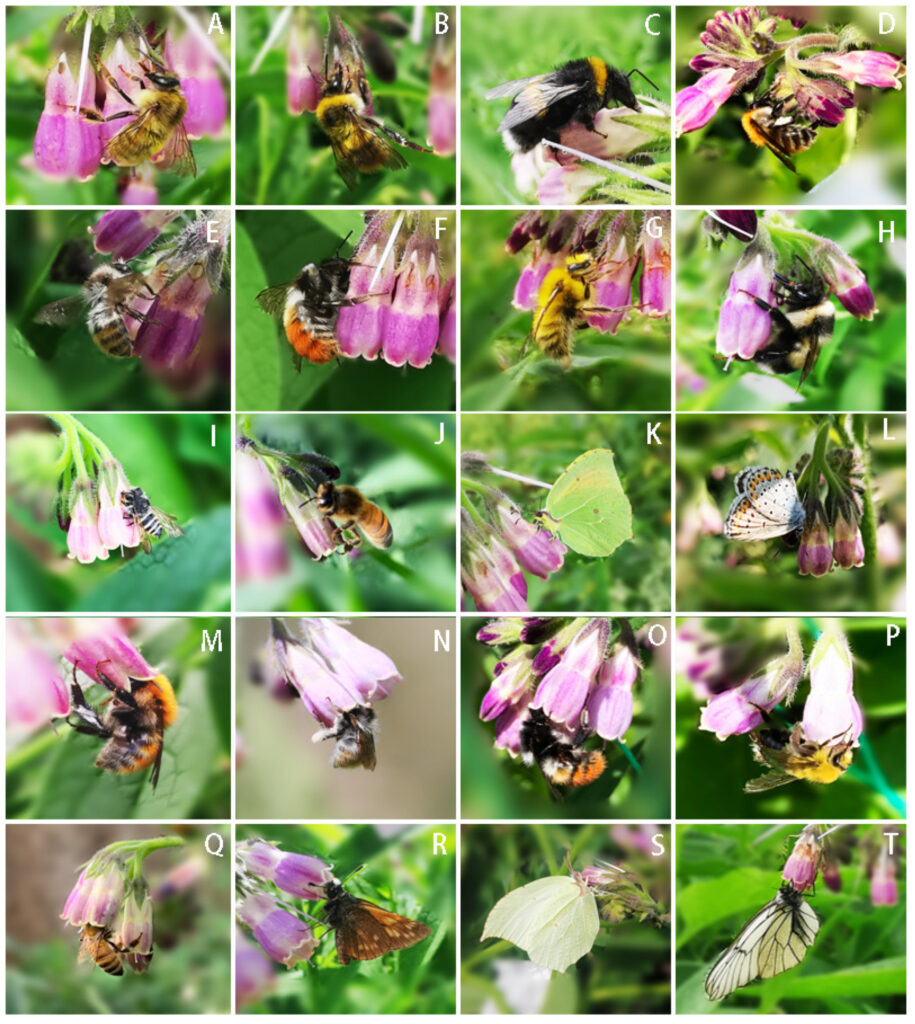
However, only three species of bumblebee— Bombus hedini, Bombus ladakhensis, and Bombus kashmirensis —entered through the bell-shaped entrance and properly touched the stamens and pistils. The remaining 91.7% were "nectar robberies," inserting their long, sharp mouthparts from the side of the corolla and stealing only the nectar.
Common sense would suggest that only these three species promote cross-pollination and contribute to seed production, while all other insects are considered a nuisance to flowers.
However, the interesting part is this: when we attached sticky tape to the sides of the corolla to prevent nectar theft, the fruit set rate decreased.
In other words, for some reason, the presence of nectar thieves allowed the comfrey flowers to be pollinated, increasing their fruit-setting rate. Why is this?
The reason for this has been revealed in the same study.
In comfrey flowers, the pistil is firmly attached to the calyx at its base, while the stamens are attached to the corolla. The style of the pistil is very long, and the stamens are noticeably shorter. Also, comfrey is self-compatible (it can be pollinated with its own pollen).
It has been observed that when a nectar thief grabs the corolla from the side and inserts its mouth, the corolla is highly likely to slip down and eventually fall off. When it slips down, the anthers of the stamens attached to the corolla come into contact with the stigma of the pistil.
In other words, comfrey relies on nectar robbing to promote self-pollination. This is an unusual phenomenon not seen in other species and is a fascinating aspect of its ecosystem.
On the other hand, self-pollination was originally intended to reduce the effort required for cross-pollination, such as using insects, and to allow for more efficient reproduction. Why insects came to be used even for self-pollination remains unclear. However, there may be some rationality to it in the sense that it allows for both self-pollination and cross-pollination to coexist.
Digitalis fruits are capsules, while comfrey fruits are small nuts.
The fruit of the foxglove is a capsule, about 15 mm long and broadly ovate. The seeds are numerous, oblong to subovate, small, and ridged.
It is known that the tiny seeds mature within a month after flowering, and are dispersed by gravity or wind from the capsule (Sletvold & Rydgren, 2007). Most seeds fall within a few meters of the mother plant and germinate the following spring, or they are stored in the soil as a "seed bank" and germinate when environmental conditions are right.
Comfrey, on the other hand, does not usually bear fruit, but when it does, it produces small nutlets that are schizocarps, divided into four parts, 3-4 mm in size, black, smooth and glossy, and grow inside the calyx. The attachment scar is at the base and is dome-shaped with fine teeth on the edge. The dome has a white "elaiosome" derived from the pericarp (Mayer et al., 2005). Since the pericarp remains attached to the seed, what appears to be a "seed" is actually the "fruit".
In Symphytum officinale, which has been well studied in Europe, it has been found that the seeds are "dispersed by ants" who come seeking elaiosomes, a food source attached to the fallen fruits (Peters et al., 2003; Lengyel et al., 2010; Englický & Šera, 2018).


References
Englický, T., & Šera, B. 2018. The preference of some myrmecochorous plants of forest stands by red wood ant (Formica rufa L.) – Experiment on seeds with elaiosomes. Russian Journal of Ecology 49: 577-583. https://doi.org/10.1134/S1067413618660025
Fujii, Yoshiharu. 2008. Effective utilization of underutilized plants and expectations for culinary science. Journal of the Japanese Society for Food Science and Technology 41(3): 204-209. https://doi.org/10.11402/cookeryscience1995.41.3_204
Hou, QZ, Ehmet, N., Chen, DW, Wang, TH, Xu, YF, Ma, J., & Sun, K. 2021. Corolla Abscission Triggered by Nectar Robbers Positively Affects Reproduction by Enhancing Self-Pollination in Symphytum officinale (Boraginaceae). Biology 10(9): 903. ISSN: 2079-7737, https://doi.org/10.3390/biology10090903
Izawa, Bonjin. 1980. Color Edition of the Dictionary of Japanese Medicinal Plants. Seibundo Shinkosha, Tokyo. 331pp. ISBN: 9784416200216
Izawa, Kazuo. 1998. Medicinal Plants in Color: A Complete Guide to Japanese Medicinal Plants. Shufunotomo Co., Ltd., Tokyo. 903pp. ISBN: 9784072230596
Ministry of Health, Labour and Welfare. 2023. Digitalis. Risk Profile of Natural Toxins. https://www.mhlw.go.jp/stf/seisakunitsuite/bunya/kenkou_iryou/shokuhin/syokuchu/poison/index.html
Lengyel, S., Gove, AD, Latimer, AM, Majer, JD, & Dunn, RR 2010. Convergent evolution of seed dispersal by ants, and phylogeny and biogeography in flowering plants: a global survey. Perspectives in Plant Ecology, Evolution and Systematics 12(1): 43-55. https://doi.org/10.1016/j.ppees.2009.08.001
Mackin, CR, Peña, JF, Blanco, MA, Balfour, NJ, & Castellanos, MC 2021. Rapid evolution of a floral trait following acquisition of novel pollinators. Journal of Ecology 109(5): 2234-2246. ISSN: 0022-0477, https://doi.org/10.1111/1365-2745.13636
Mayer, V., Ölzant, S., & Fischer, RC 2005. Myrmecochorous seed dispersal in temperate regions. In PM Forget, JE Lambert, PE Hulme, & SB Vander Wall (Eds.), Seed fate: predation, dispersal and seedling establishment (pp. 175-195). CABI Publishing. ISBN: 9780851998060
Palatnick, W., & Jelic, T. 2020. Calcium channel blocker and beta blocker overdose, and digoxin toxicity management. Emergency Medicine Practice 22(Suppl 9): 1-42. ISSN: 1524-1971, https://europepmc.org/article/med/33136356
Peters, M., Oberrath, R., & Böhning-Gaese, K. 2003. Seed dispersal by ants: are seed preferences influenced by foraging strategies or historical constraints?. Flora-Morphology, Distribution, Functional Ecology of Plants 198(6): 413-420. https://doi.org/10.1078/0367-2530-1210114
Sletvold, N., & Rydgren, K. 2007. Population dynamics in Digitalis purpurea: the interaction of disturbance and seed bank dynamics. Journal of Ecology 95(6): 1346-1359. https://doi.org/10.1111/j.1365-2745.2007.01287.x
Source
This article is a significantly expanded version of a piece originally published in the following book.