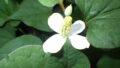
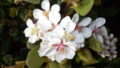
Both Allium spectabile and Allium sibiricum belong to the genus Allium in the family Amaryllidaceae. Although they are introduced species in Japan, they are now very common, growing in places like between concrete blocks along roadsides. However, they are extremely often confused. To distinguish between these two species, you need to check the leaves and flowers. For flowers, record the color, and for leaves, record the width. This article will explain the classification and morphology of the genus Allium.
What are Hatake-nira and Chives?
Nothoscordum gracile, also known as field chives, is a perennial plant native to southern North America and tropical America (Kanagawa Prefecture Flora Survey Association, 2018). It is believed to have been introduced to Japan in the middle of the Meiji era and has become naturalized in areas west of the Kanto region.
Nothoscordum bivalve, also known as false chives, is a perennial plant native to eastern North America. In Japan, it is cultivated for ornamental purposes, and some have escaped cultivation and become naturalized.
Both belong to the genus Allium in the Amaryllidaceae family. They are introduced species in Japan and were originally cultivated for ornamental purposes, but now they grow very commonly in places like between concrete blocks along roadsides.
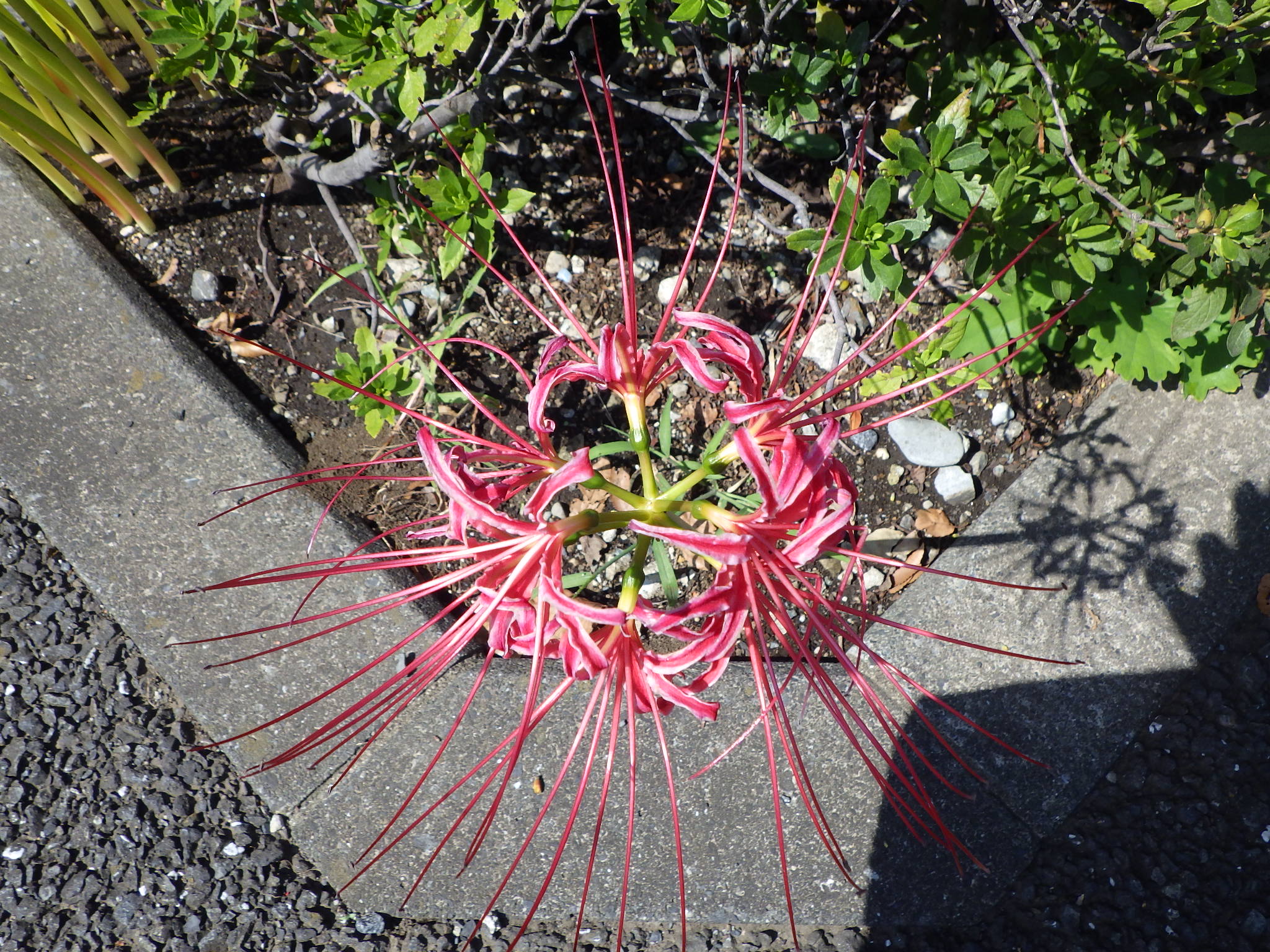
However, these two species are extremely similar, and were once even confused in botanical guides. Therefore, many people may not know how to distinguish between them.
What is the difference between *Hatake-nira* and *Nira-modoki*?
To distinguish between Allium sibiricum and Allium leek, it is necessary to examine the leaves and flowers (Kanagawa Prefecture Flora Survey Association, 2018).
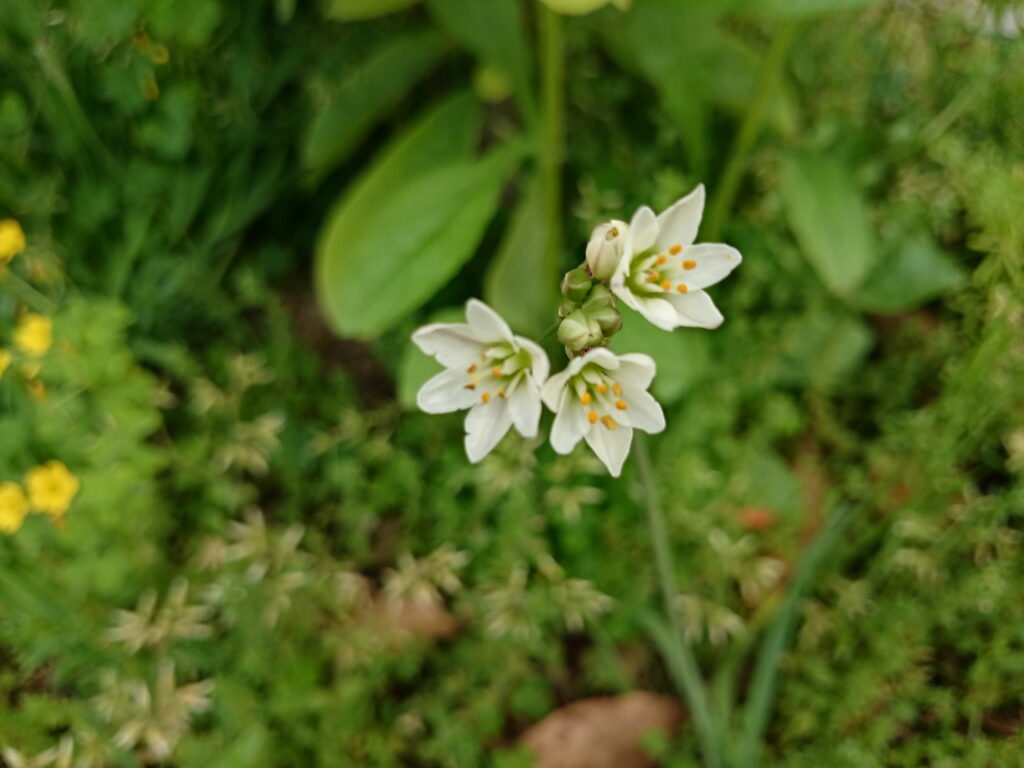
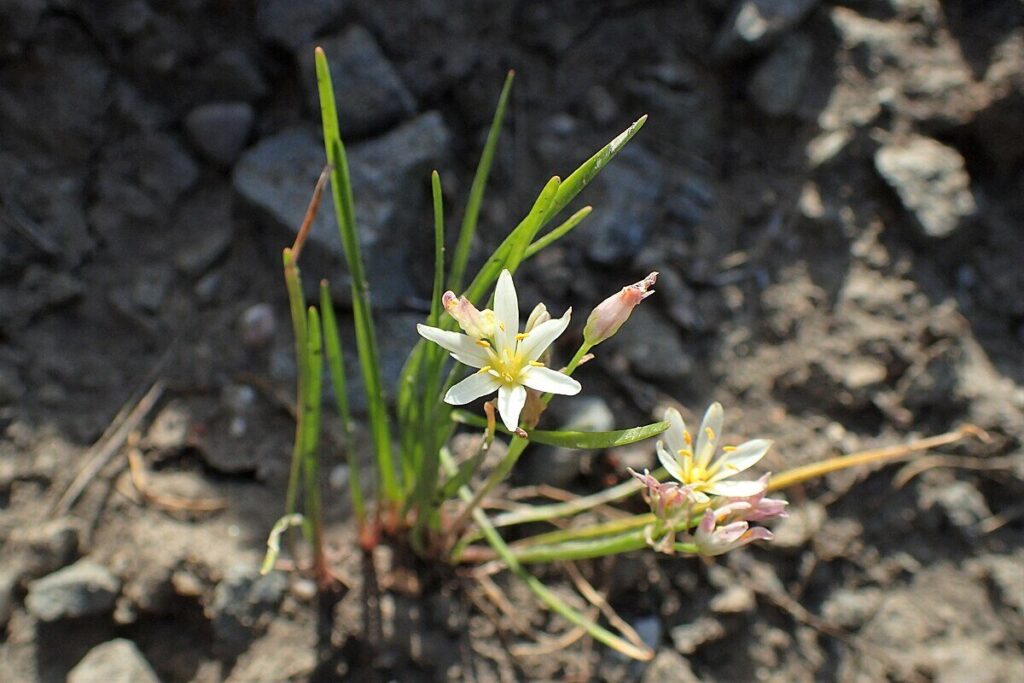
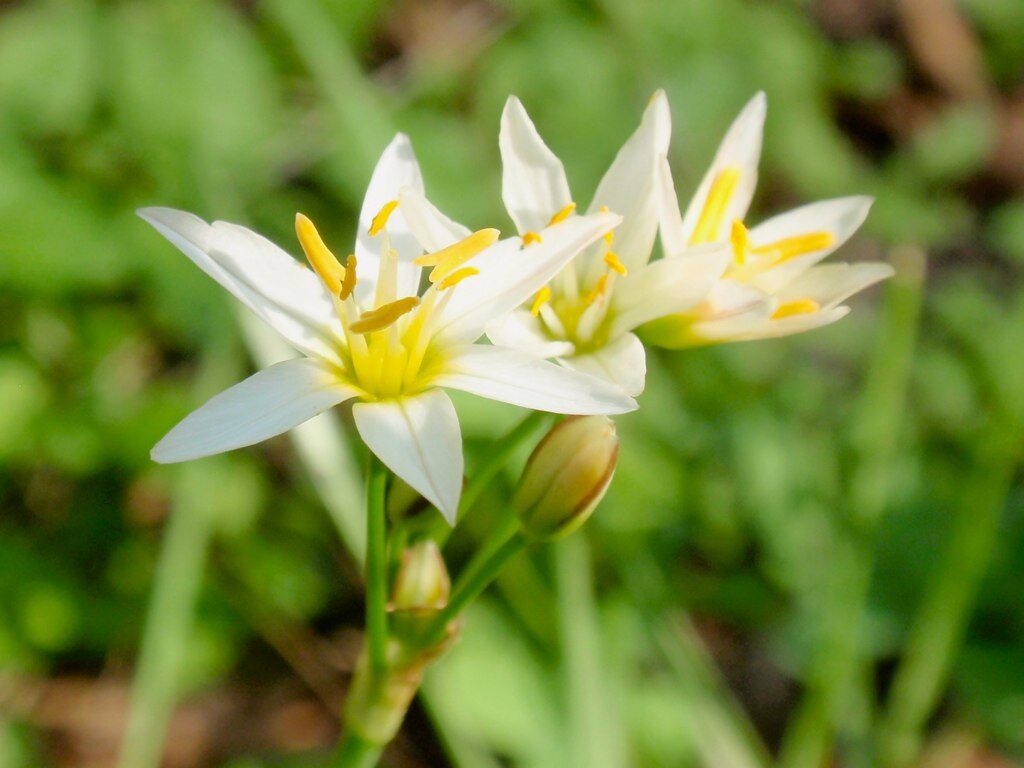
First, regarding the flowers, in Allium sieboldii, the base of the perianth segments is green and the midrib (the vertical line in the center of the perianth segment) is pinkish, whereas in Allium sieboldii, the base of the perianth segments is yellow and the midrib is colorless. This is the most important difference.
The "Kanagawa Prefecture Flora 2018" also mentions the difference that "Allium sieboldii has 10 to 15 flowers, while Allium sieboldii has 5 to 12 flowers." However, while Allium sieboldii tends to have more flowers, in actual field observations, there are often fewer than 10 flowers, so this may not be very helpful.
Regarding the leaves, there is a difference in that the leaves of *Allium sibiricum* are 4-10 mm wide, while those of *Allium sibiricum* are 2-4 mm wide.
Let's distinguish them based on these two points. Currently, there are very few wild individuals of *Lysimachia japonica*, and most of what grows in urban areas is likely *Lysimachia japonica*.
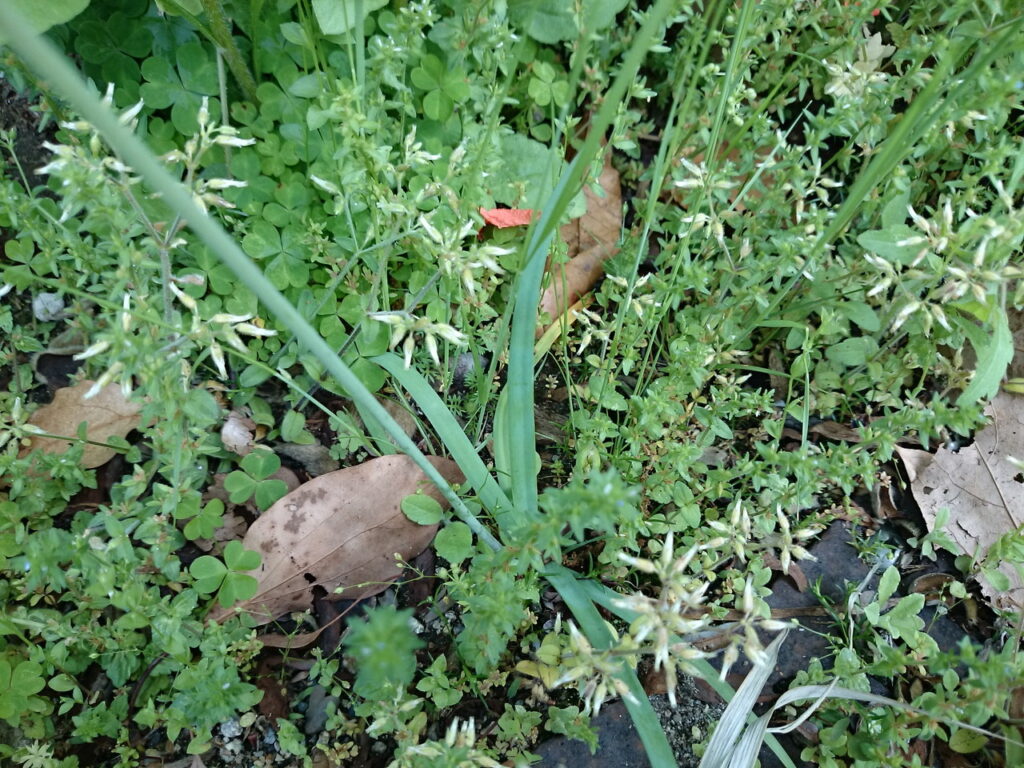
Are there any other similar species?
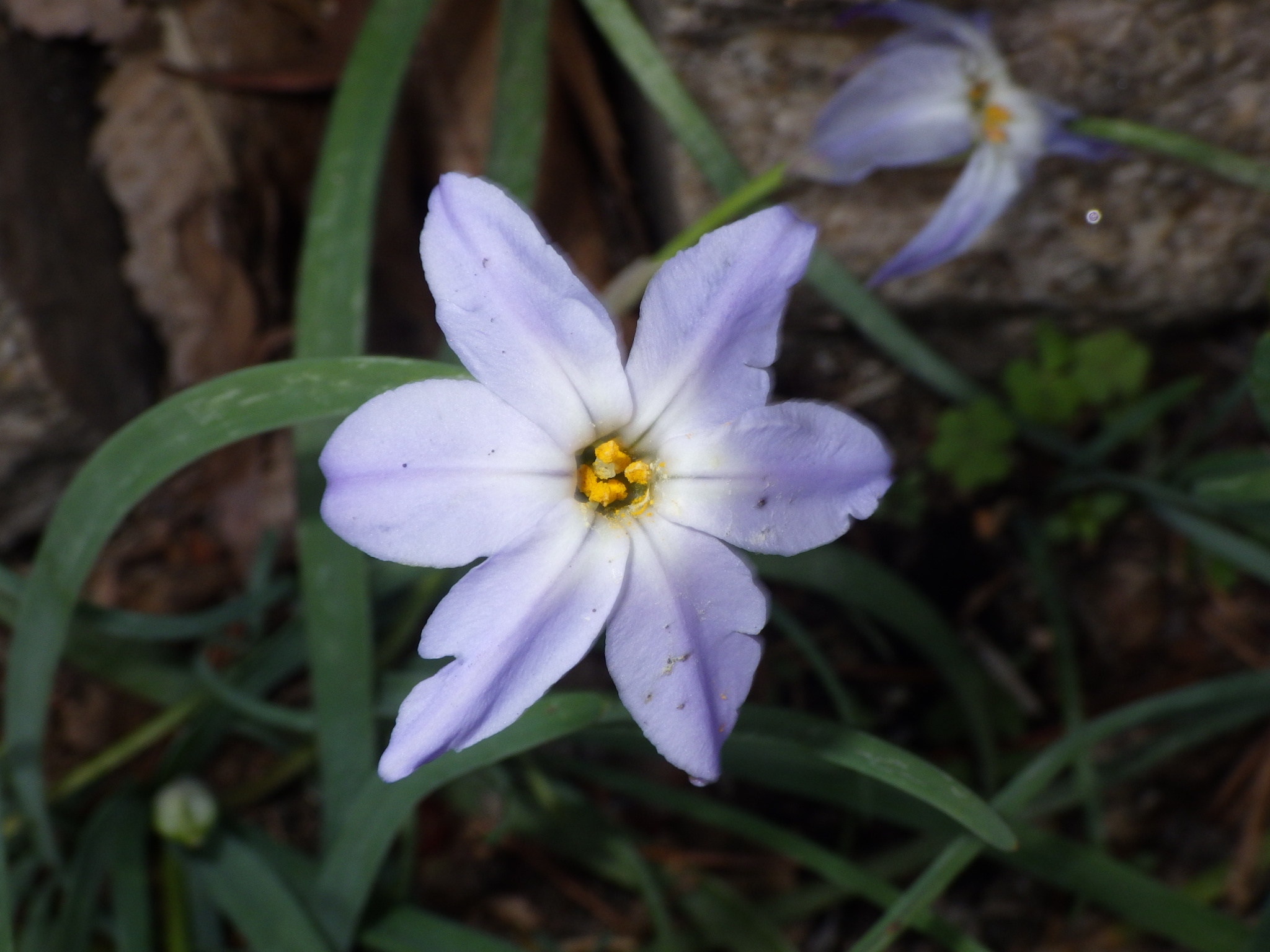
Other genera in the Amaryllidaceae family include Ipheion uniflorum and chives, and many people may confuse them with this plant.
For information on how to distinguish between these, please see the separate article.
References
Kanagawa Prefecture Flora Survey Association. 2018. Kanagawa Prefecture Flora 2018 (Electronic Edition). Kanagawa Prefecture Flora Survey Association, Odawara. 1803pp. ISBN: 9784991053726