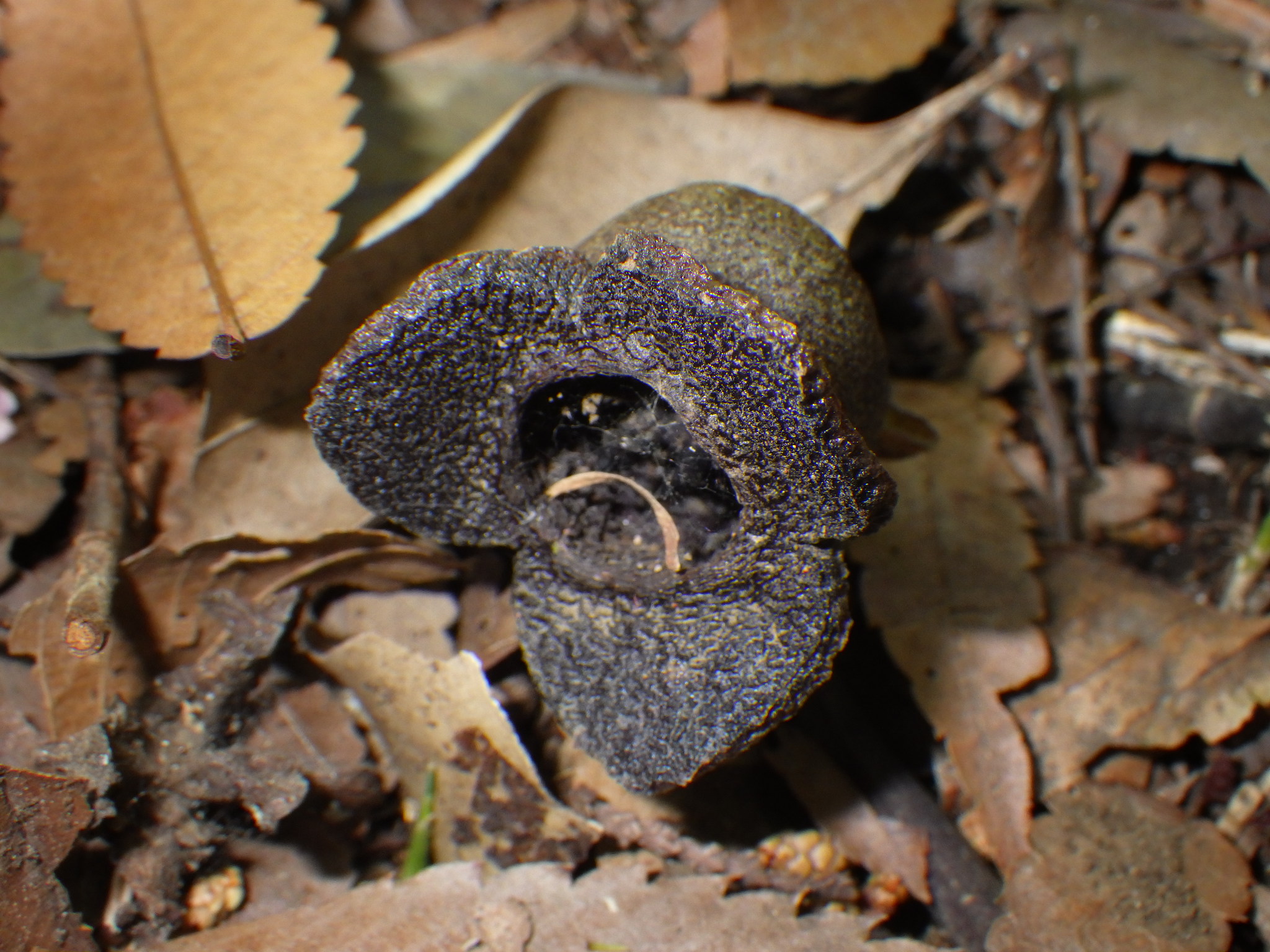
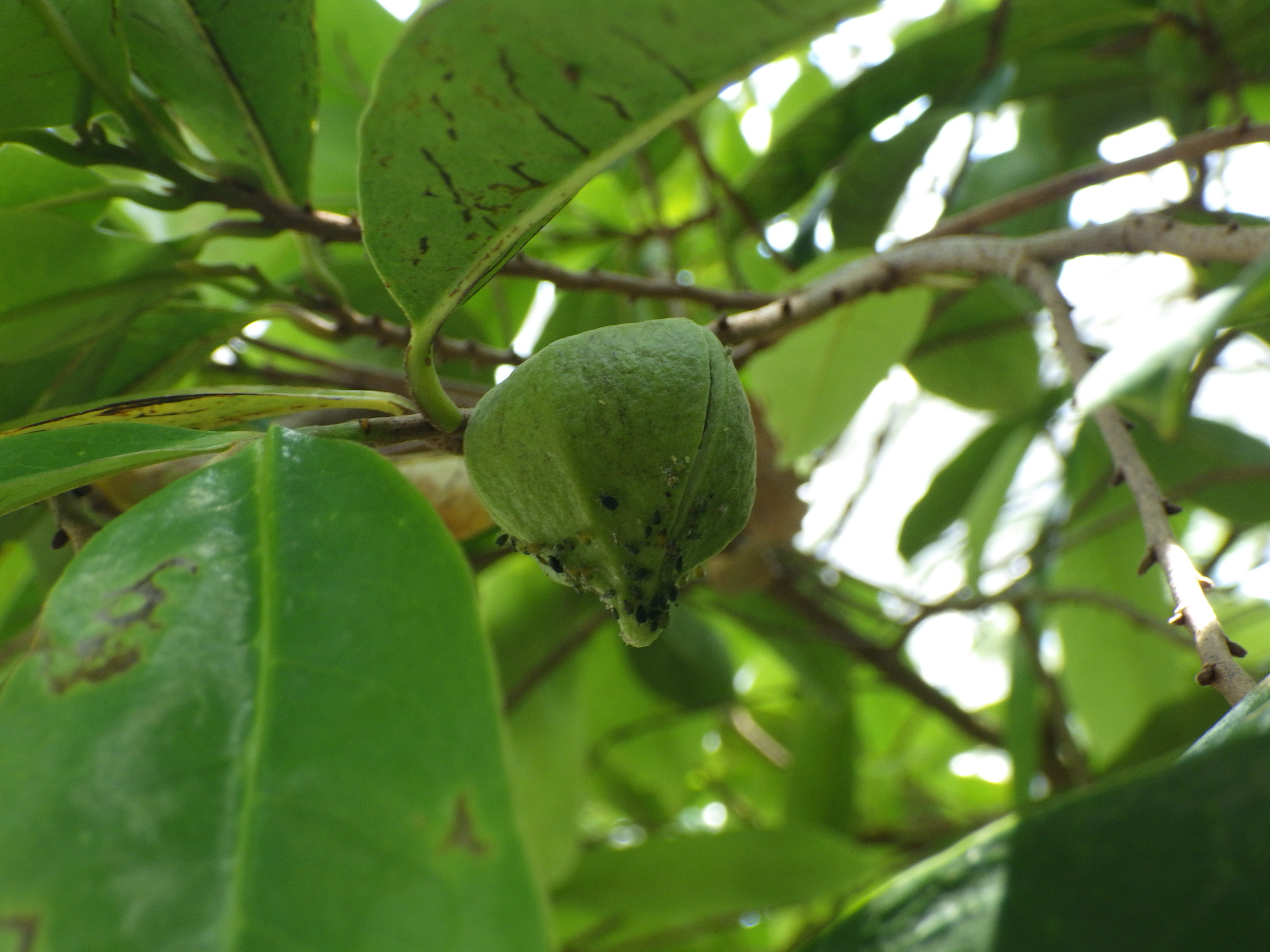
The Magnoliaceae family consists of evergreen or deciduous woody plants. The leaves are simple and alternate. The perianth segments are separate and whorled, exhibiting triperality. The stamens and pistils are numerous and arranged spirally. Approximately 300 species in two genera are known in the temperate and subtropical regions of Asia and America, with one genus and seven species native to Japan. They are cultivated and sometimes escape cultivation. The fragrance of Magnoliaceae flowers has been studied in detail (Higashi, 2004).
This article provides a comprehensive, field guide-style introduction to plants belonging to the Magnoliaceae family.
Basic information is based on Hayashi (2014) and the Kanagawa Prefectural Flora Survey Association (2018). Photos are replaced as better ones become available. While identification is done by the author, please note that misidentifications may be corrected without notice.
- No.0118 Magnolia liliiflora
- No. 0119 Magnolia liliiflora var. gracilis
- No.0120 White Magnolia (Magnolia denudata)
- No.0120.a Magnolia x soulangeana
- No.0121 Kobushi (Magnolia kobus)
- No.0124 Magnolia stellata
- No. 0127 Magnolia obovata
- No. 0128 Southern Magnolia (Magnolia grandiflora)
- No.0128.1 Magnolia grandiflora var. laceolata
- No. 0130 Magnolia compressa
- No.0130.a Magnolia figo
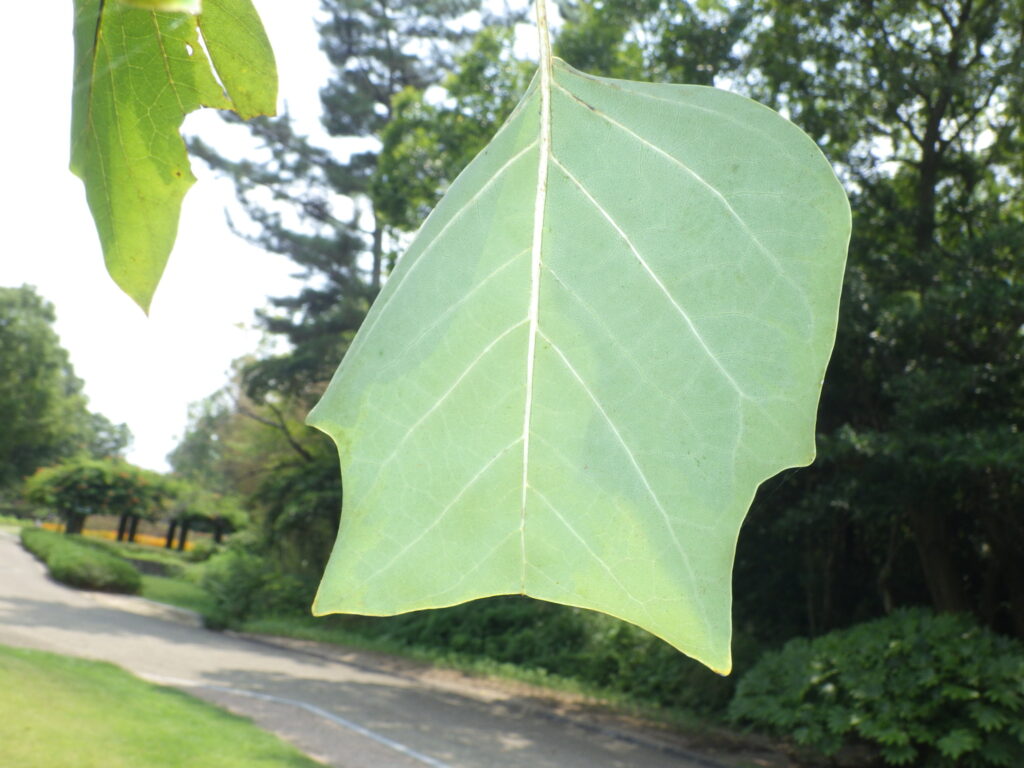
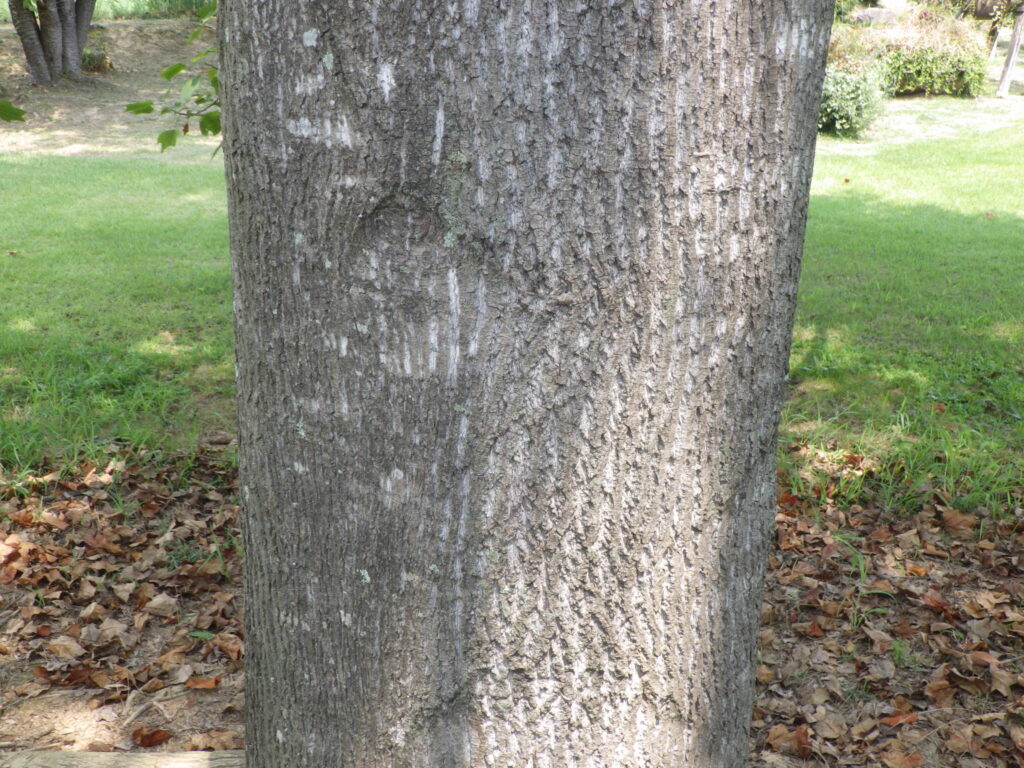
- No. 0131 Liriodendron tulipifera
- No.0131.1 Liriodendron tulipifera 'Aureomarginatum'‘
- References
No.0118 Magnolia liliiflora
Deciduous shrub to small tree. Leaves are 8-16 cm long, with the widest point being near the tip to the middle. Petioles are 1-2 cm long. The leaves are larger than those of Magnolia kobus but smaller than those of Magnolia denudata. In addition to its purple flowers, this species is characterized by its often wavy leaf margins, a strong tendency for the leaves to be widest near the center, flower buds that narrow at the tip like those of a shallot, and usually growing in a clump-like form, reaching a small height of 2-4 m. Native to China. Somewhat common as a garden tree and park tree.
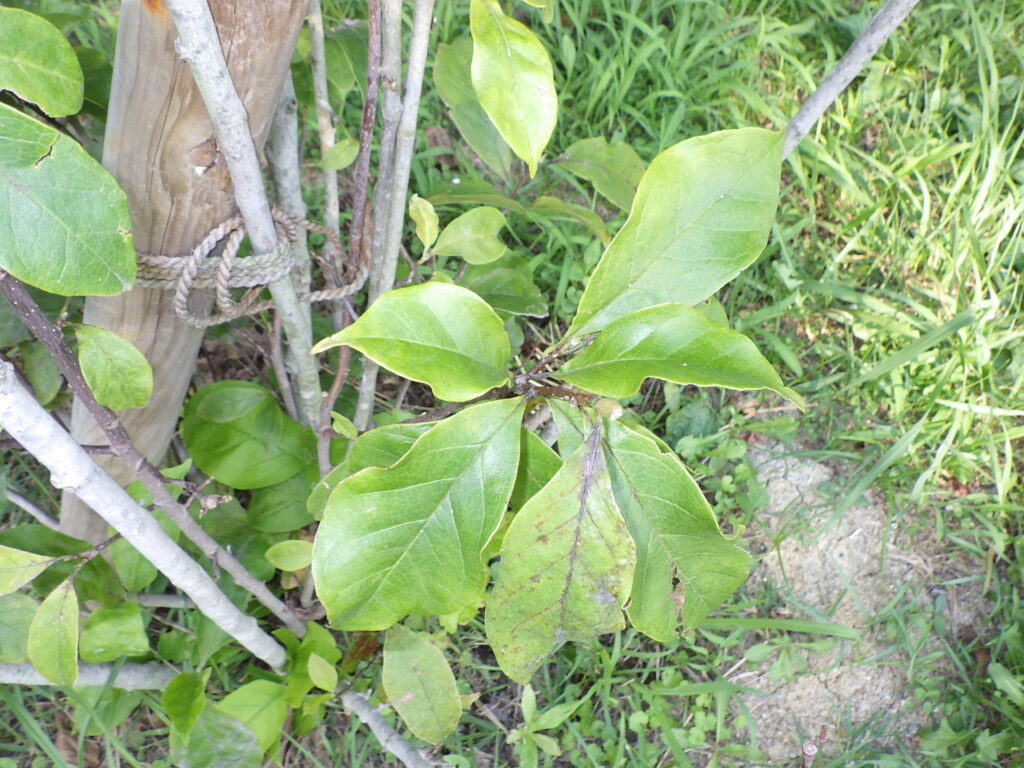
No. 0119 Magnolia liliiflora var. gracilis
Magnolia japonica is generally smaller than Magnolia denudata, with narrower leaves, whitish inner petals, and slightly pointed tips. This classification follows 'Ylist', but it is sometimes referred to as the variety 'Gracilis' and is not always distinguished from Magnolia denudata.
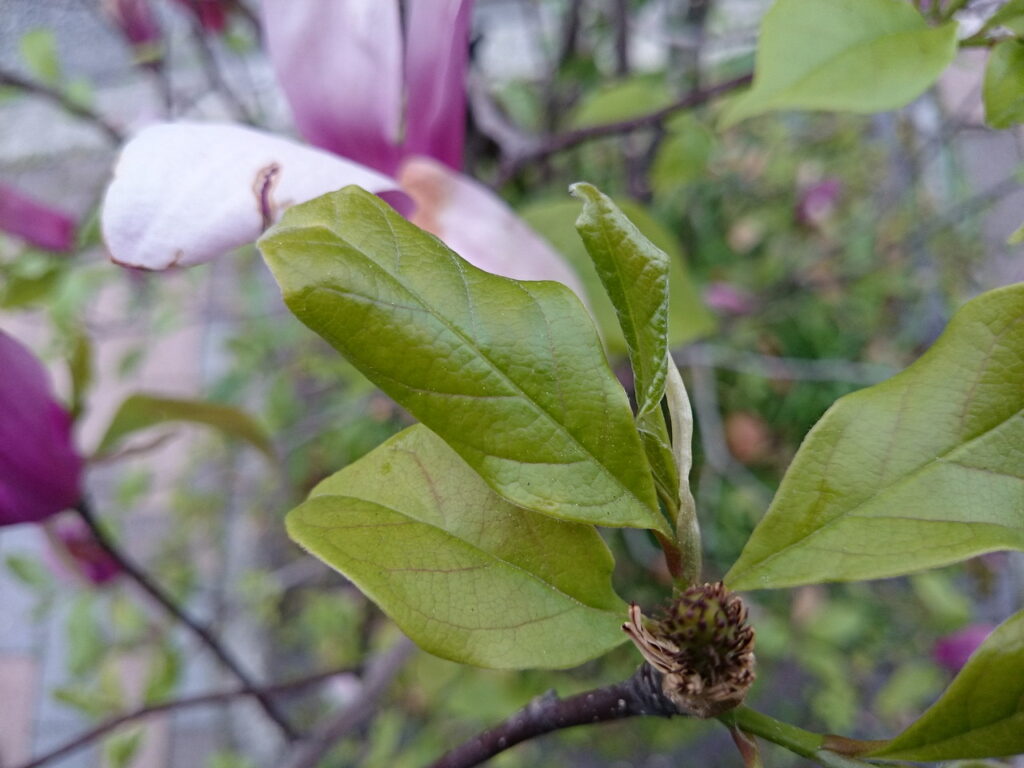
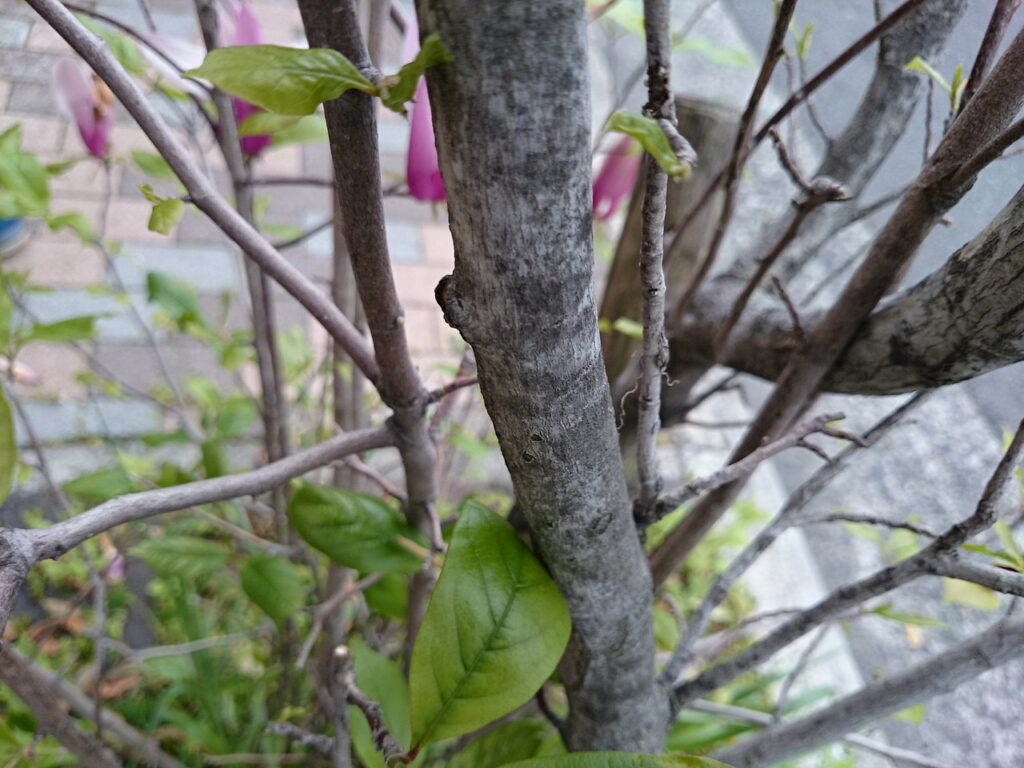
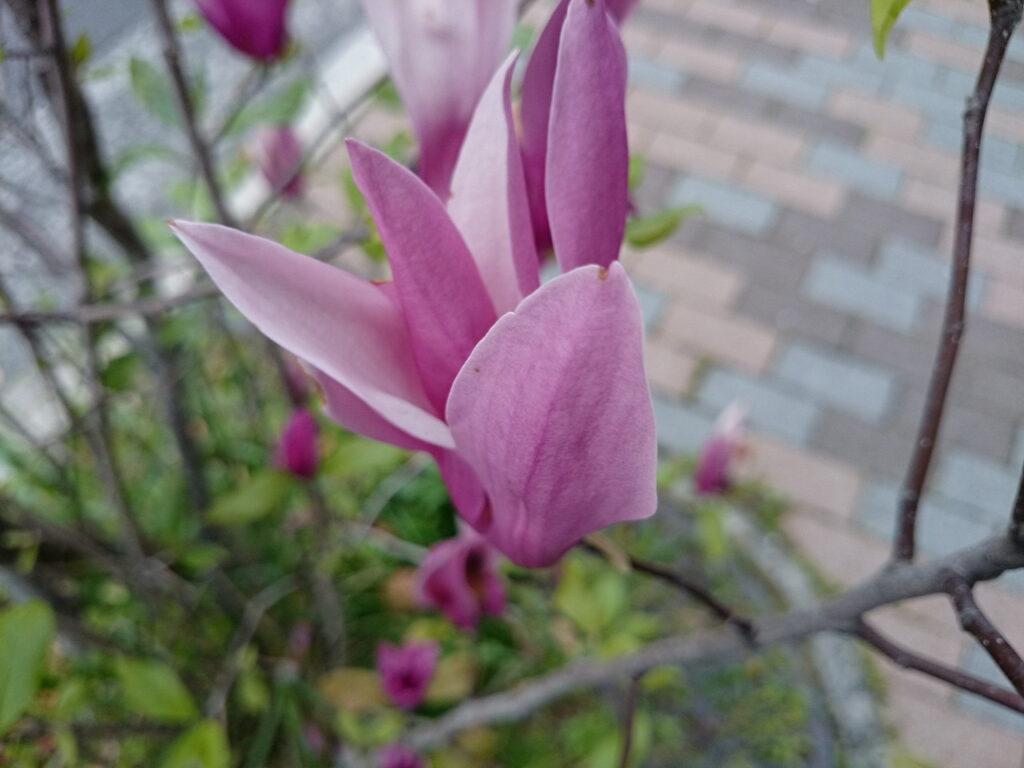
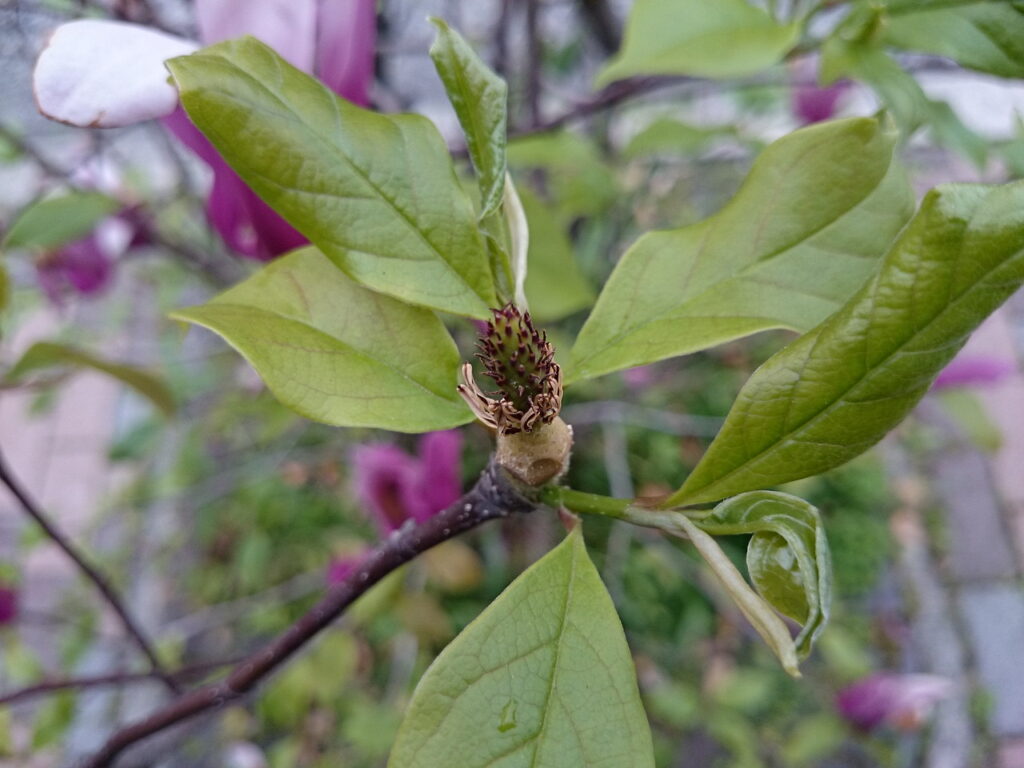
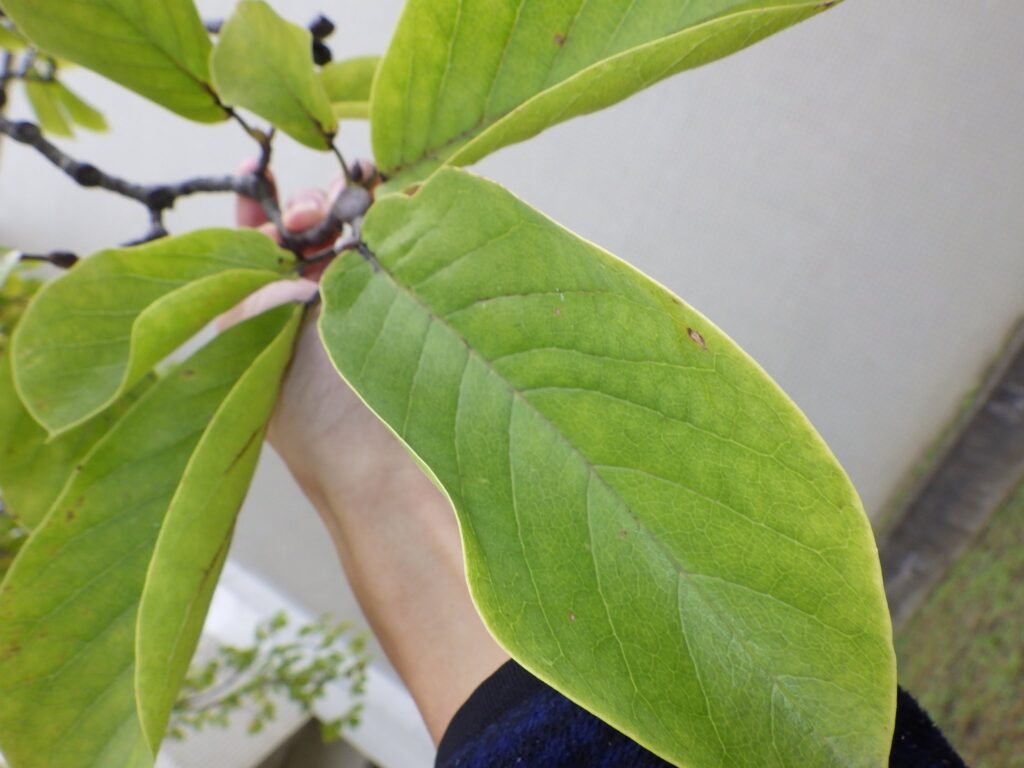
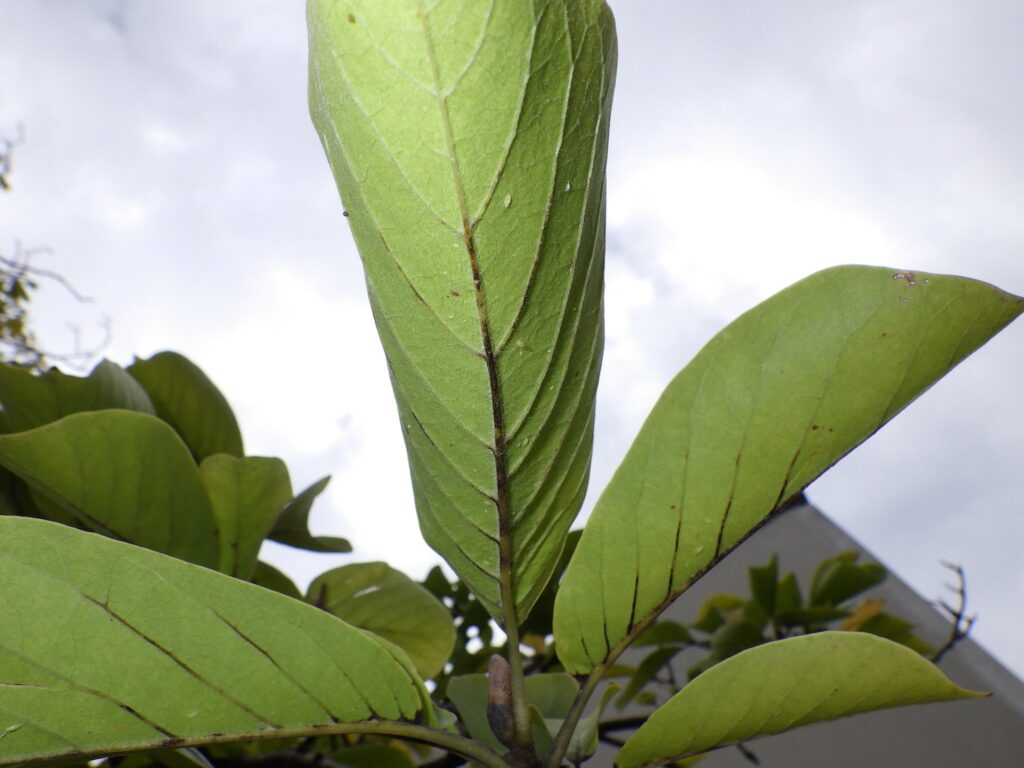
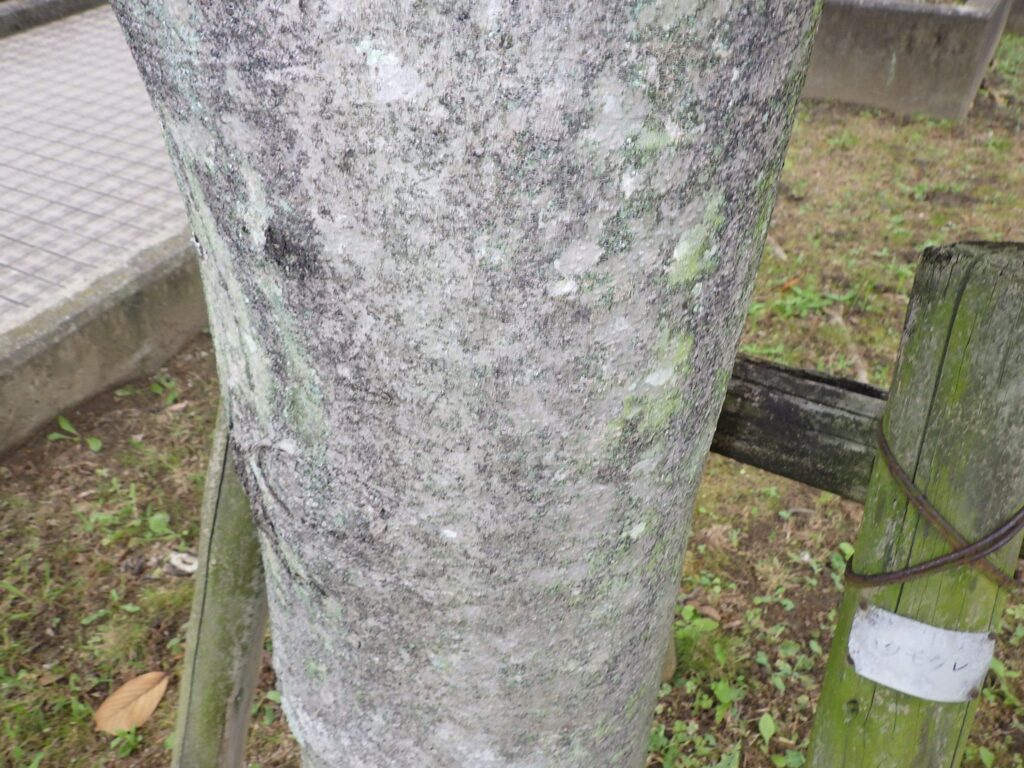
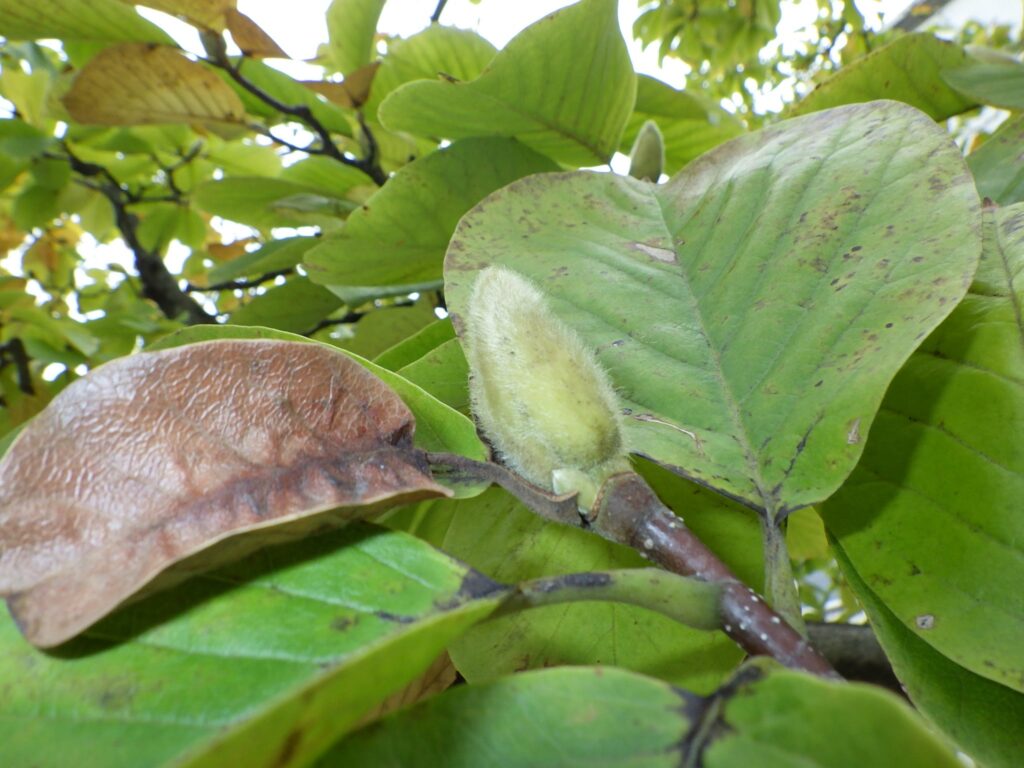
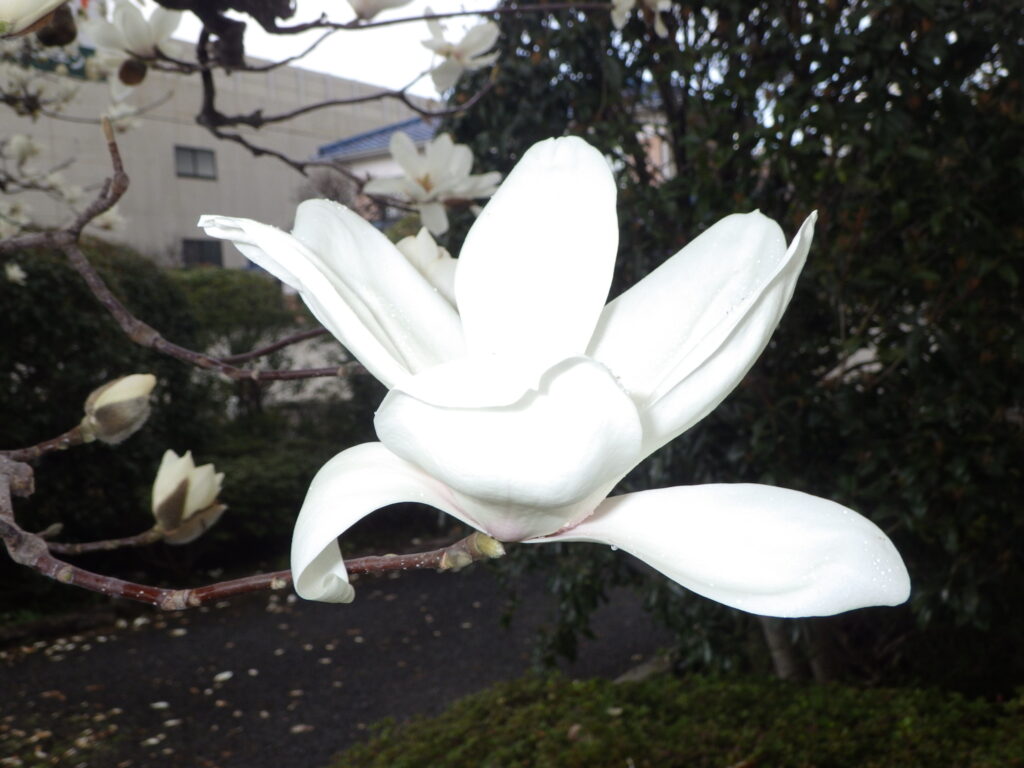
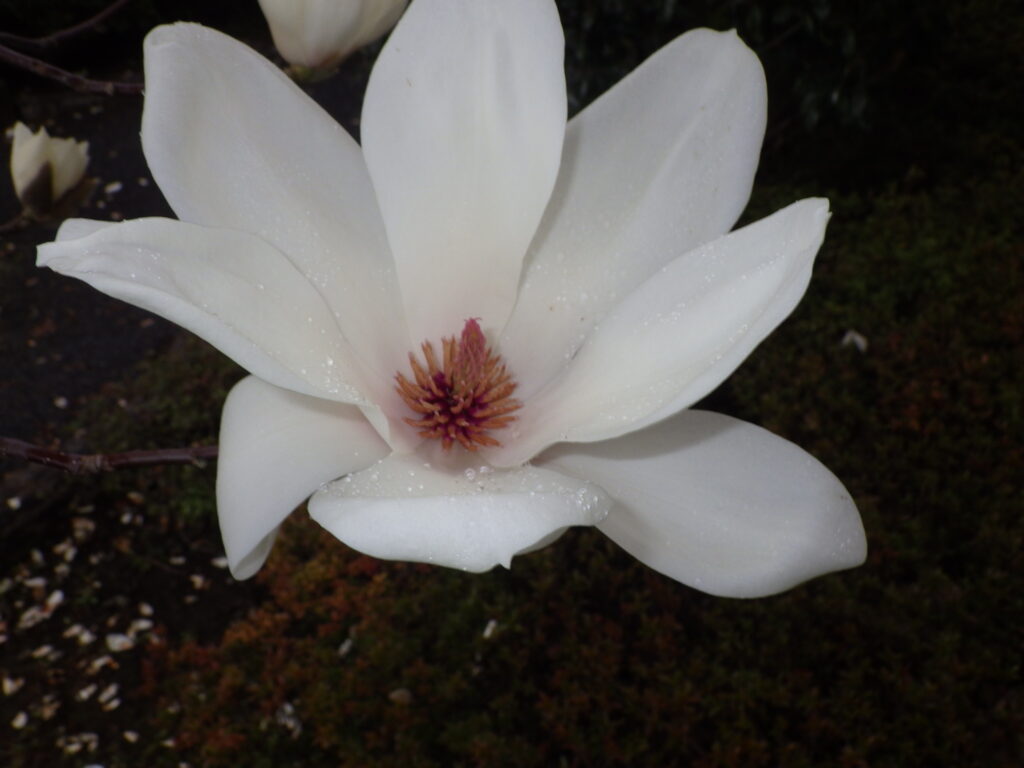
No.0120 White Magnolia (Magnolia denudata)
Deciduous tree. Sometimes used as a street tree. Leaves are 10-18 cm long, with the widest point near the tip. Petioles are 1-3 cm long. The leaves are larger than those of Magnolia kobus and Magnolia denudata, with a more rounded shape and a prominent, pinch-like protrusion at the tip. The edges are not very wavy and are rather flat. The flowers are white, with 9 petals that are semi-open. It is a single-trunked tree that grows to a height of 7-15 m. Native to China. Commonly used as a garden tree and park tree.
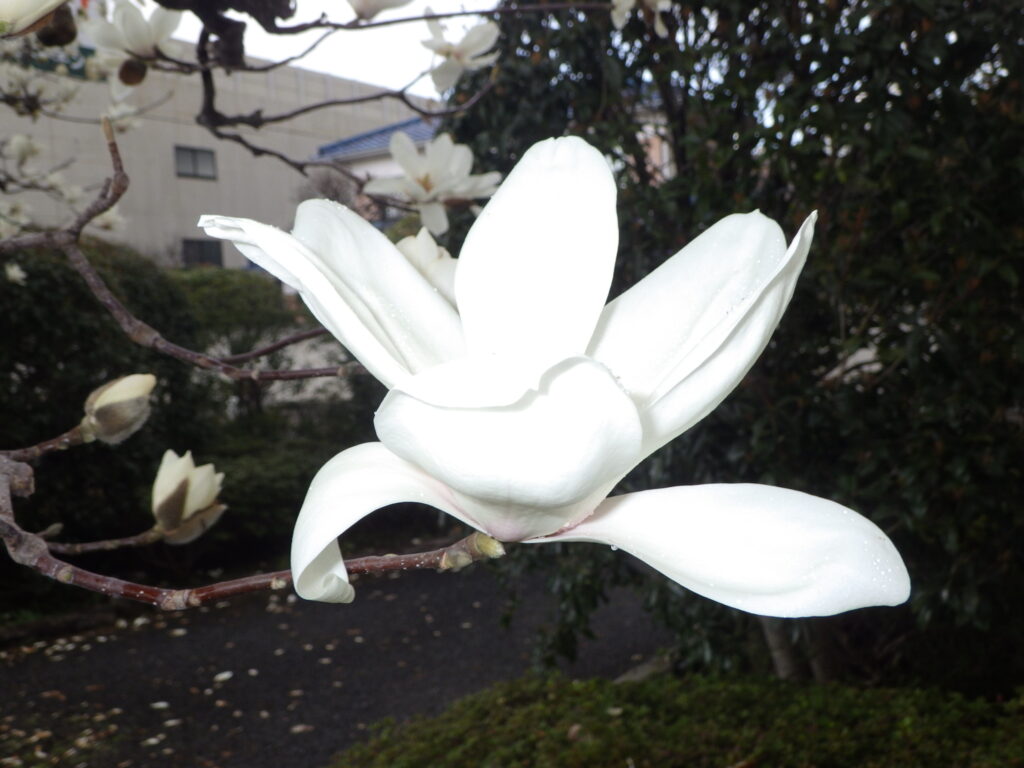
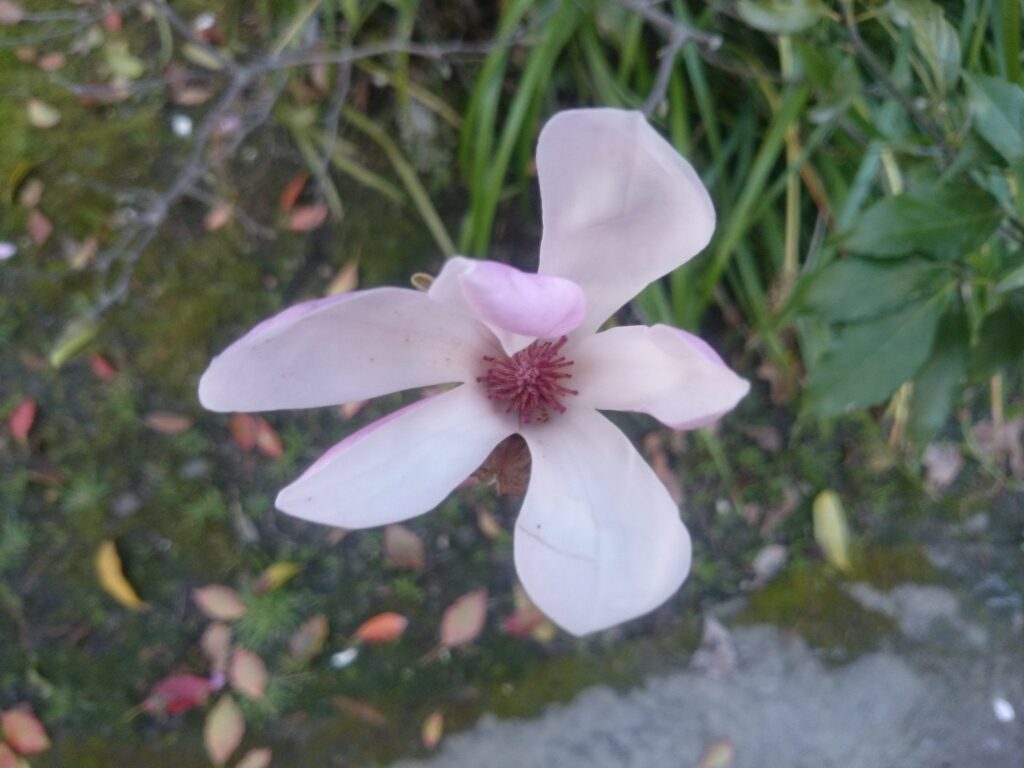
No.0120.a Magnolia x soulangeana
A hybrid of white magnolia and purple magnolia. Also known as Sarasa Magnolia, Nishiki Magnolia, and Sotobeni White Magnolia. The flowers are mostly pink to purple on the outside and white on the inside. The tree shape and leaf shape are similar to those of white magnolia, and it grows into a tall tree. It is cultivated.
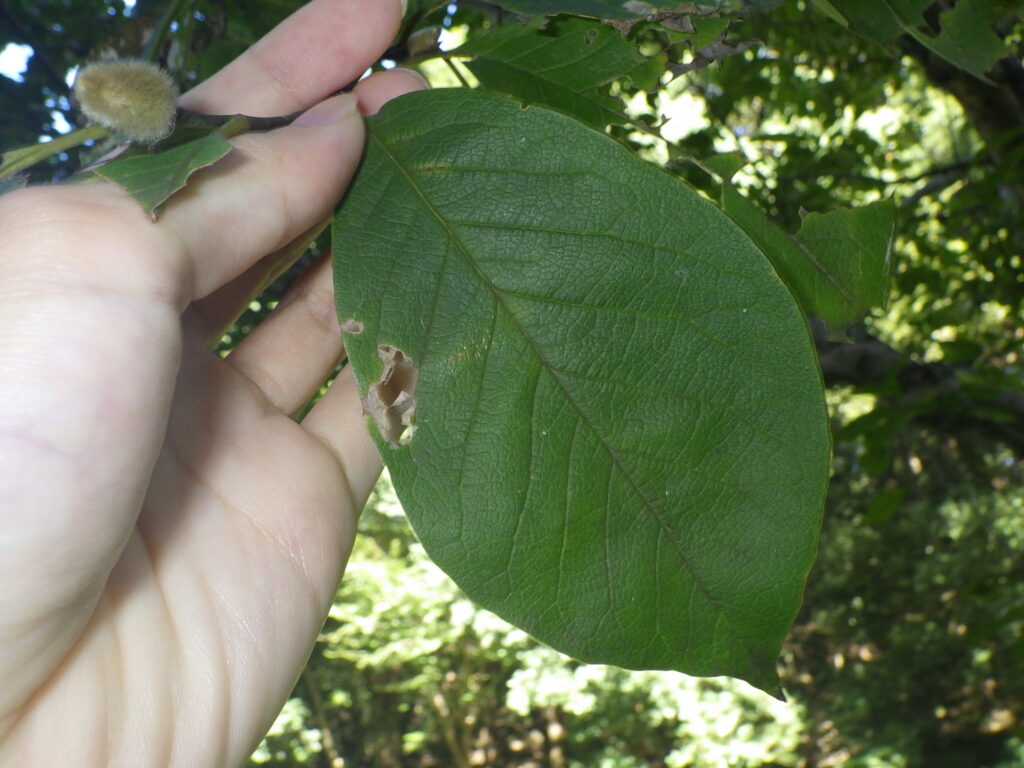
No.0121 Kobushi (Magnolia kobus)
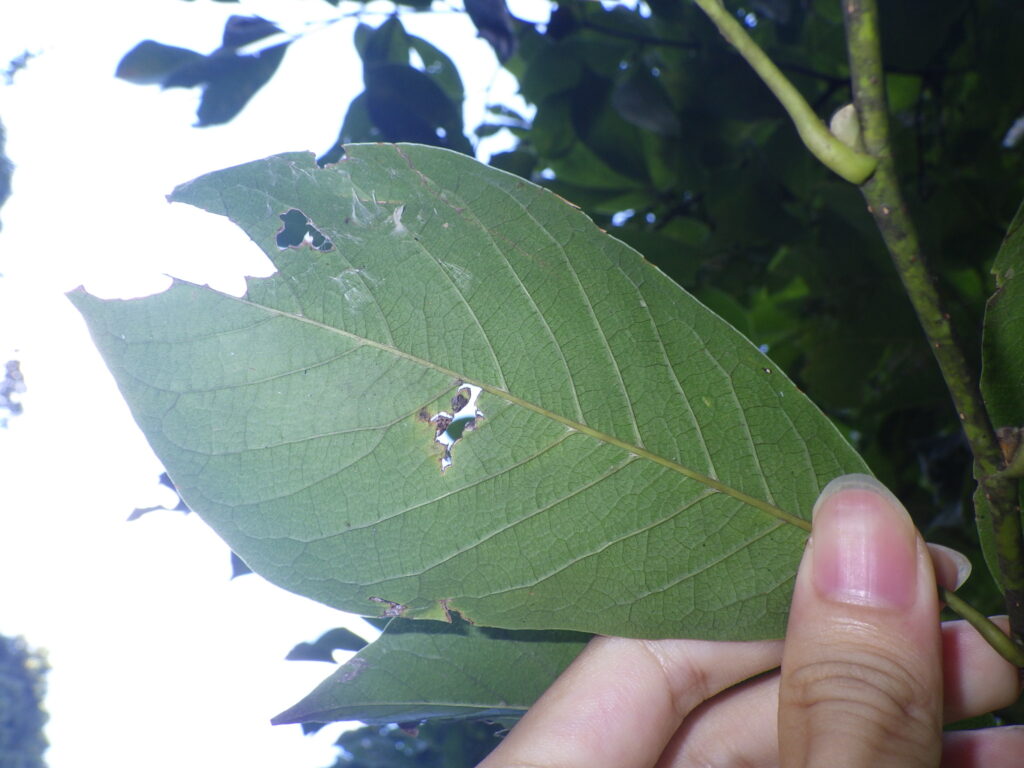
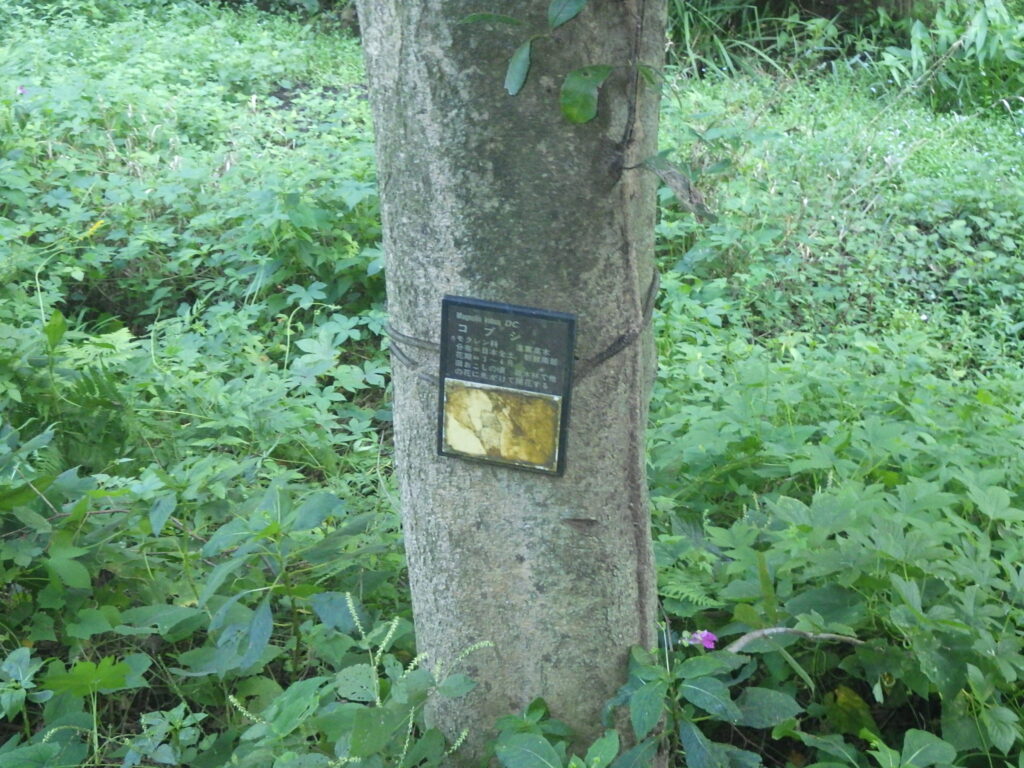
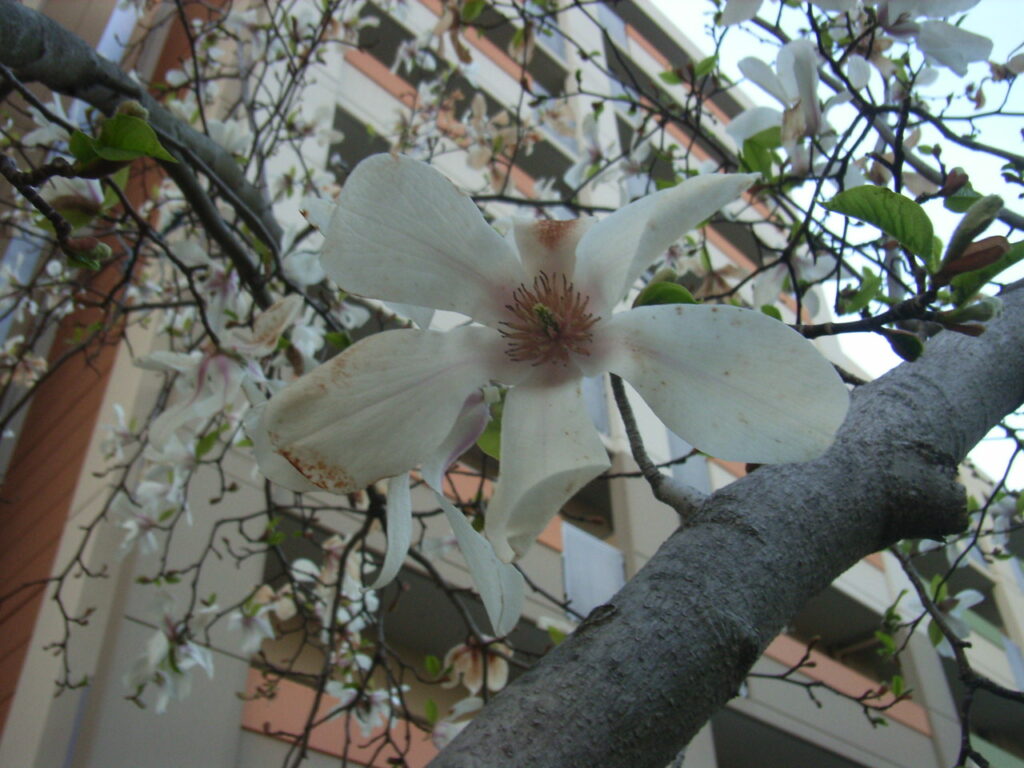
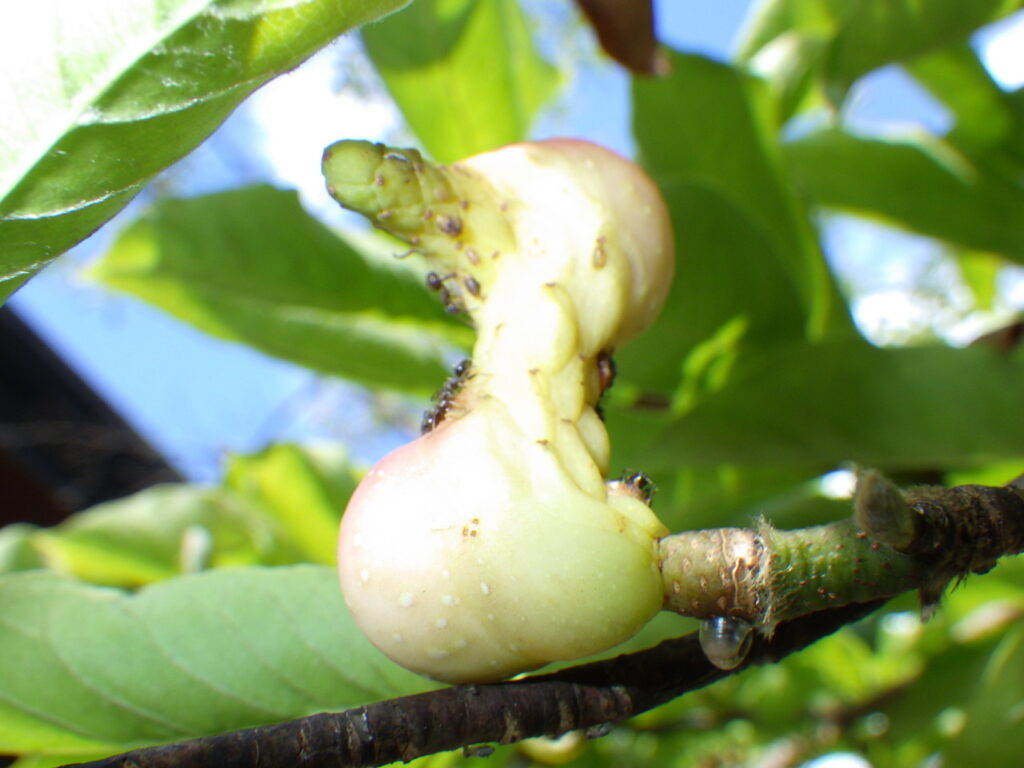
Deciduous tree. Leaves are alternate, obovate or broadly obovate, 6-15 cm long and 3-9.5 cm wide, tapering to a wedge shape at the base. Flowering occurs in April, before the leaves open. Usually, there is a single small leaf below the flower. Sepals are three in number, small, slender, green, densely covered with soft hairs on the outside, deciduous, sometimes petal-like. Petals are six in number, white, sometimes faintly tinged with red at the base. When mature, the follicles become leathery or woody, splitting open on the dorsal side, releasing one or two seeds suspended by elongated seed filaments (subulphi). Distributed in Hokkaido, Honshu, Shikoku, Kyushu; and the Korean Peninsula. Commonly found in deciduous forests and widely planted in parks and gardens. Several species of small beetles that feed on pollen have been found to be the most effective pollinators (Ishida, 1996). Female flowers, which do not receive rewards, may be engaging in "hermaphroditism," mimicking male flowers, which do receive rewards.
No.0124 Magnolia stellata
Deciduous tree to shrub. Leaves are 5-10 cm long, with the widest part being from the center to the tip. Petioles are 0.2-1 cm long. The leaves and height are small, with the tree reaching 2-5 m. The leaves are slender, rounded at the top, and easily identifiable by their rounded tips. The flowers have many petals, 12 or more. Native to the temperate regions of Aichi, Gifu, and Mie prefectures. Rarely found in wetlands in lowlands to hills. Common as a garden tree and park tree. It is known that the flowers are mainly visited and pollinated by insects of the orders Coleoptera (Staphylinidae), Thysanoptera, and Diptera (Suzuki et al., 2009).
No. 0127 Magnolia obovata
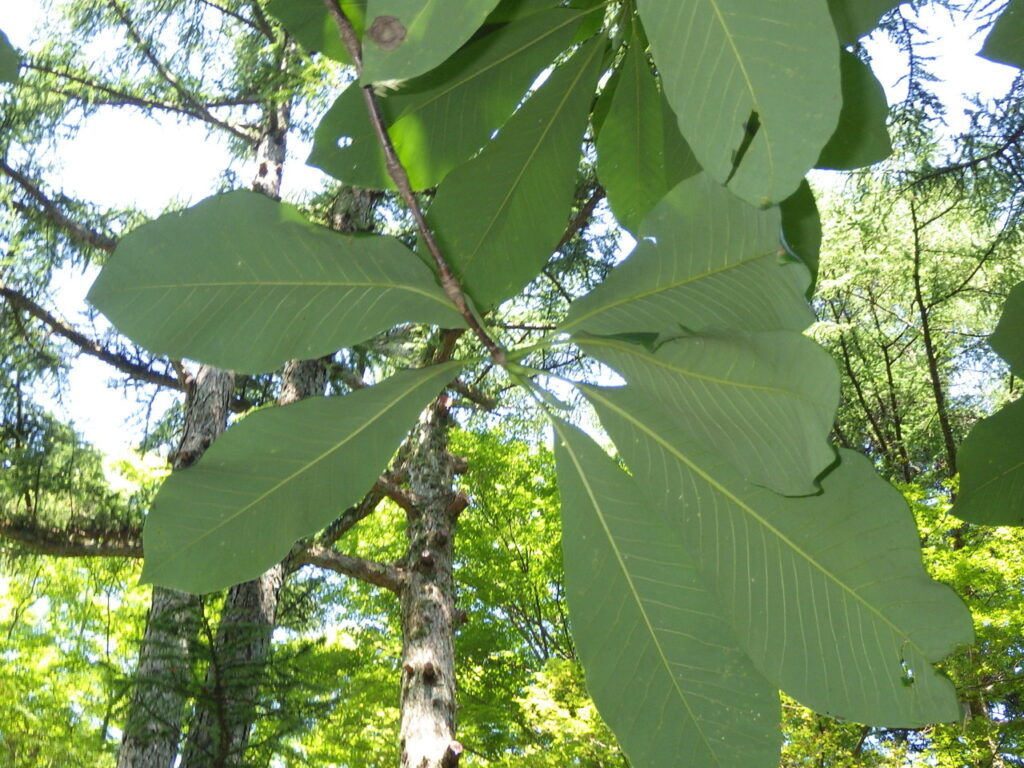
This is a deciduous tree. The leaves are arranged in whorls at the tips of the branches, and the leaf blades are obovate or obovate-oblong, 20-40 cm long and 10-25 cm wide, with entire margins. The stipules are membranous, fused to the petiole at the base, enclosing the next leaf, and are deciduous, leaving scars that encircle the branch. It flowers from May to June. The flowers are terminal, opening upwards and fragrant. The sepals are three in number, pale green with a reddish tint, and deciduous. The petals are 6-9 in number, initially white, later turning yellow. There are numerous stamens, and the filaments are reddish. The aggregate fruit is oblong, 10-15 cm long, with many follicles from which red seeds hang by threads. It is distributed in Hokkaido, Honshu, Shikoku, Kyushu, and the Southern Kuril Islands. It grows in deciduous forests. It is also often planted in parks. Small beetles such as the sap beetle, as well as small hoverflies and bumblebees, visit the flowers and pollinate them (Kawahara, 2002). Although protgyny occurs, the flowering of individual magnolia flowers is not synchronized, so a type of self-pollination called neighboring flower pollination occurs (Ishida, 2002). Despite this, one theory suggests that the non-synchronization of flowering helps to increase the frequency with which insects that fly in to obtain pollen during the male phase mistakenly visit female-phase flowers that produce neither nectar nor pollen.
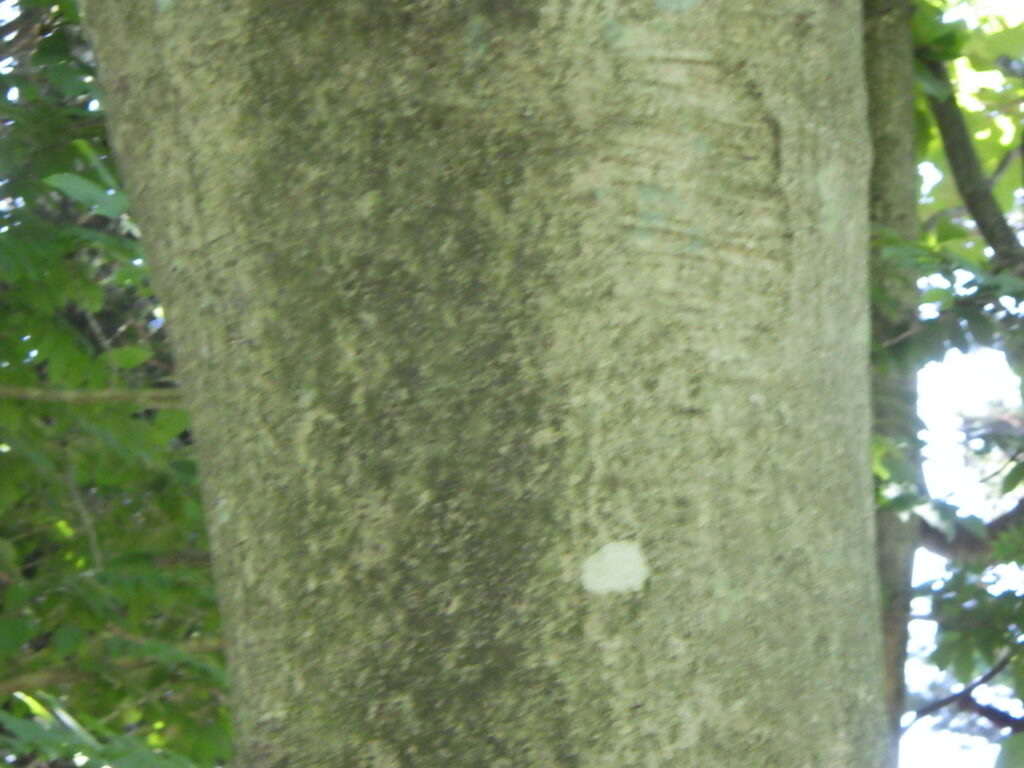
No. 0128 Southern Magnolia (Magnolia grandiflora)
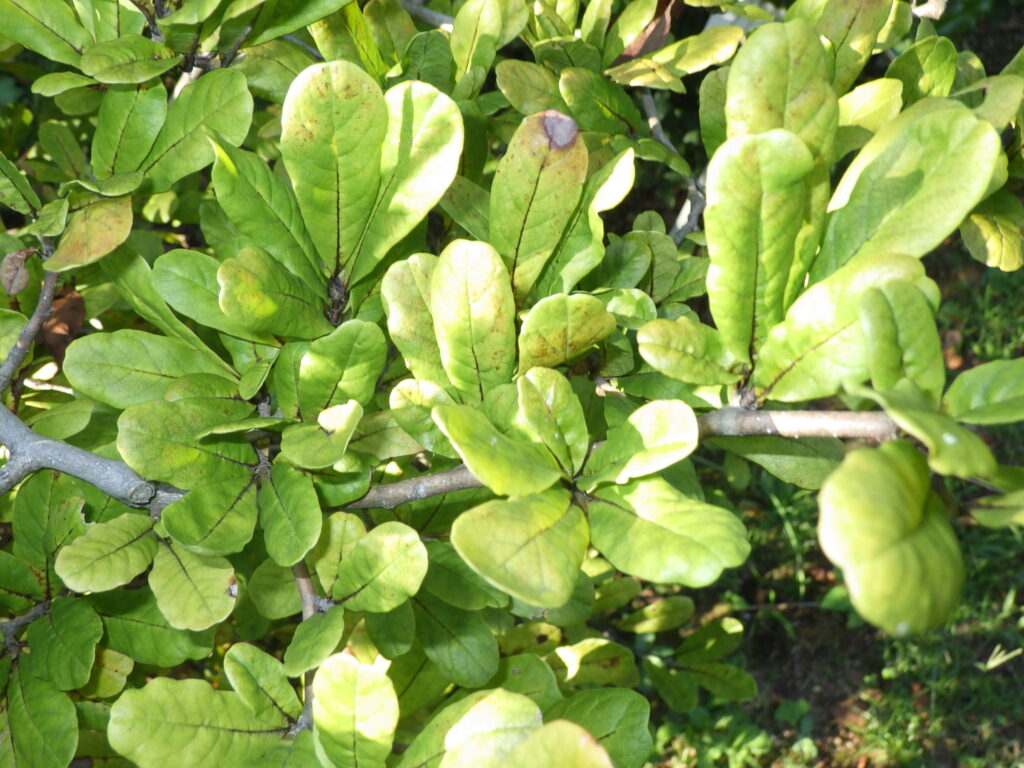
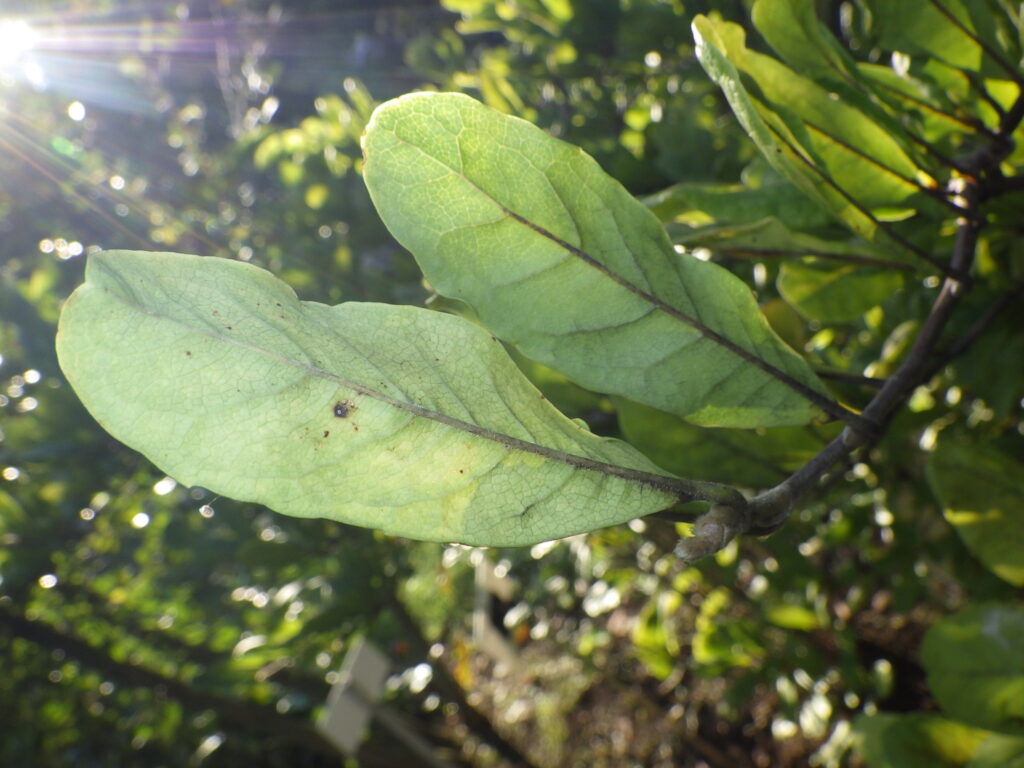
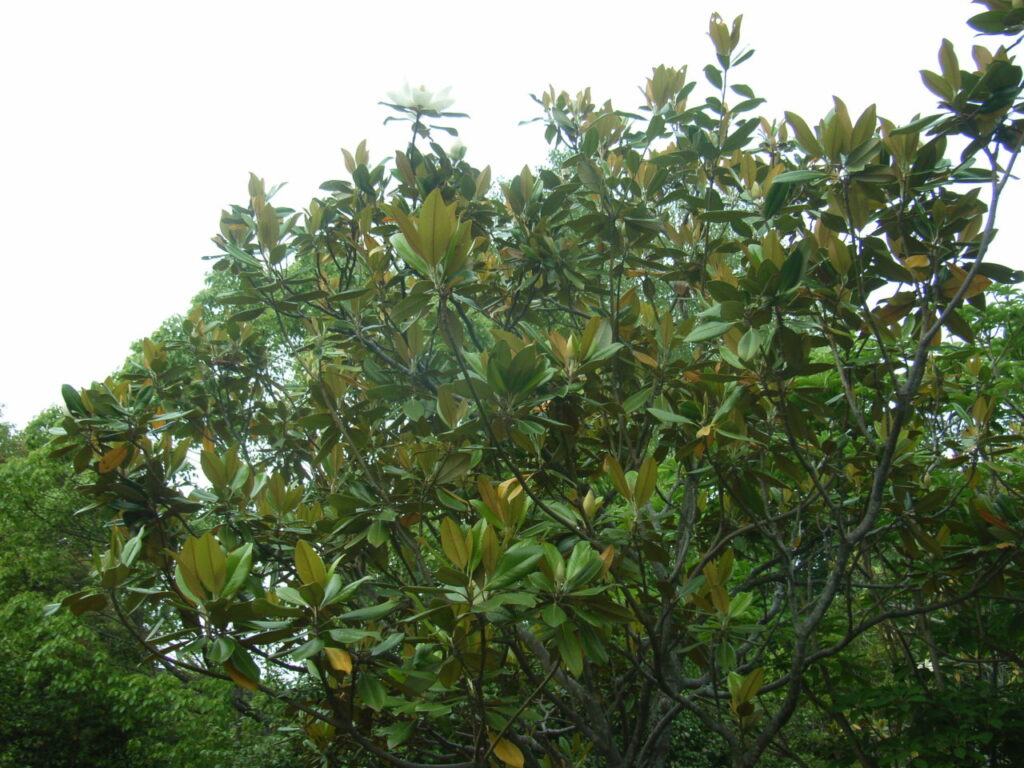
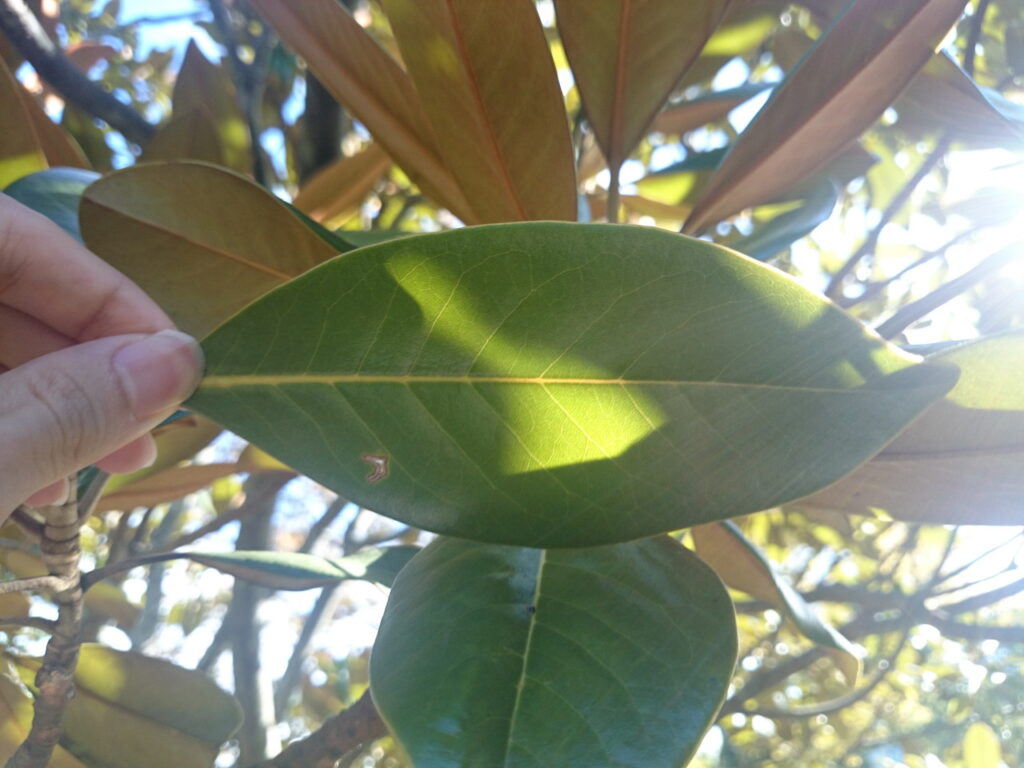
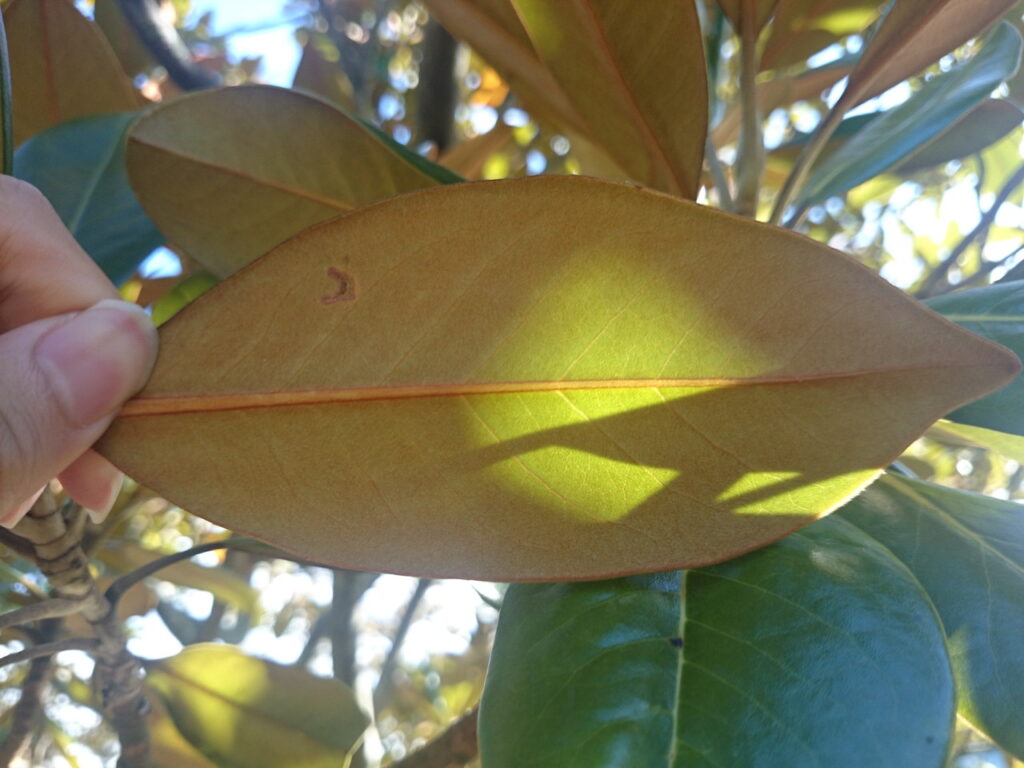
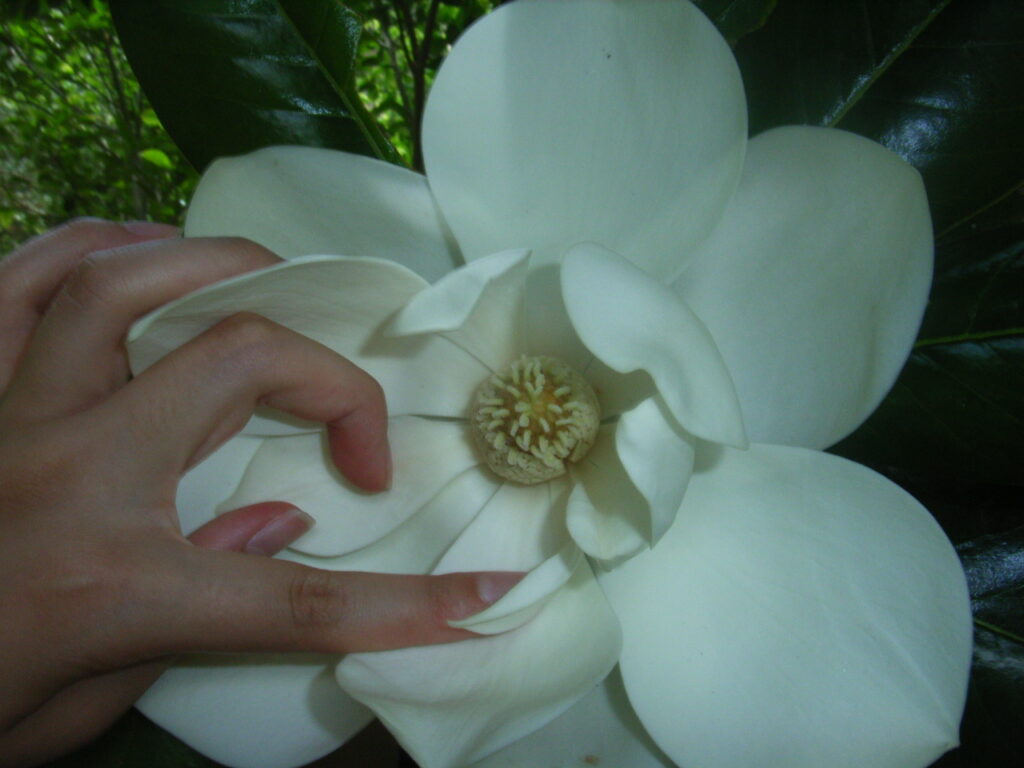
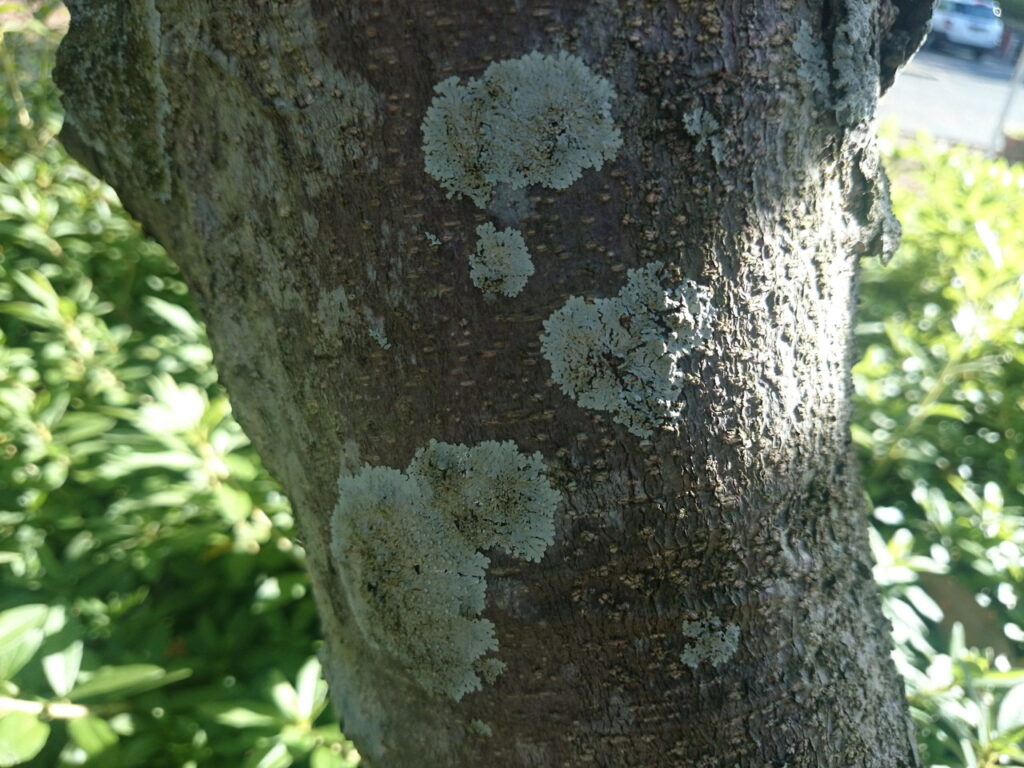
Evergreen tree to small tree. Tree height is around 6-15m. Leaf length is 15-25cm, widest from the center to the tip. Petiole is 2-4cm. The leaves are large, fleshy, and stiff, and the underside is densely covered with hairs, giving it a reddish-brown to golden appearance, making it easy to identify. The flowers resemble those of the Magnolia obovata, reaching up to 25cm in diameter, making them among the largest trees found in Japan. The fruit is about 10cm long. Native to North America. Commonly used as a garden tree and park tree. Flower pollination is carried out by beetles such as the flower chafer (Kitagawa, 1991).
No.0128.1 Magnolia grandiflora var. laceolata
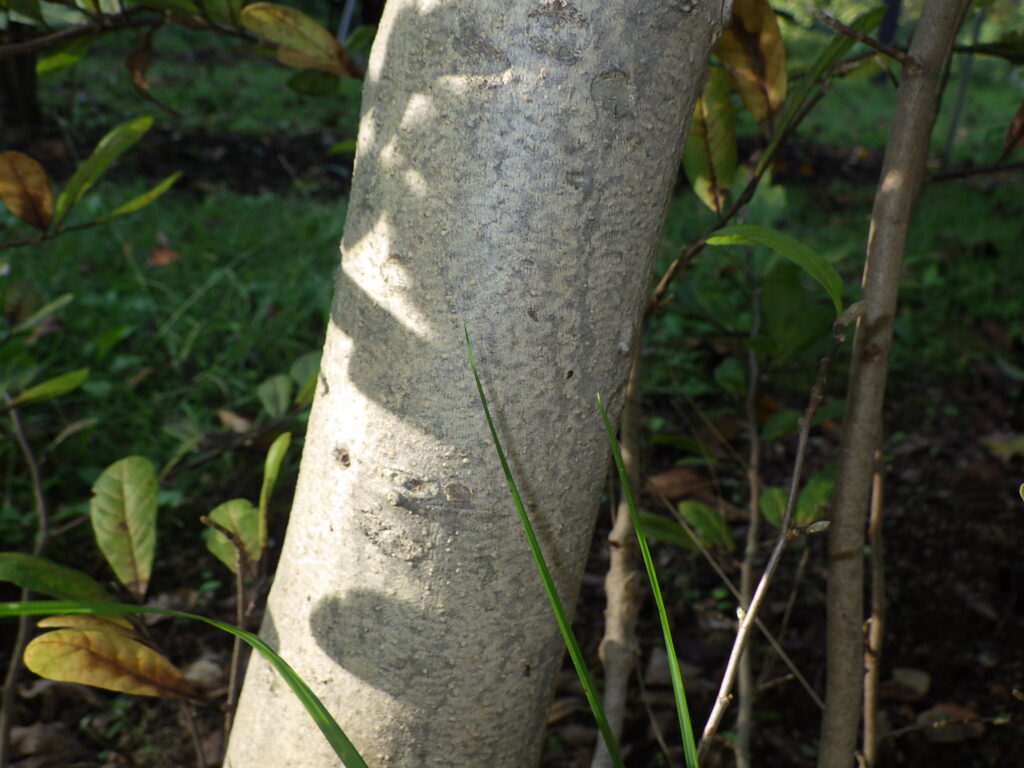
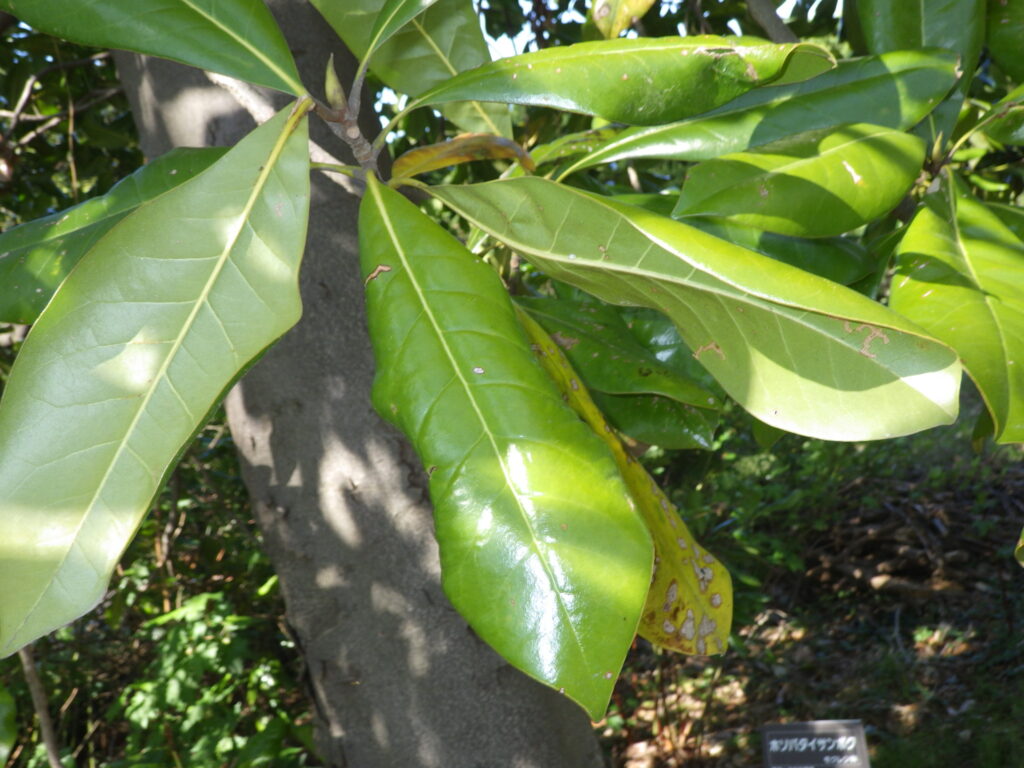
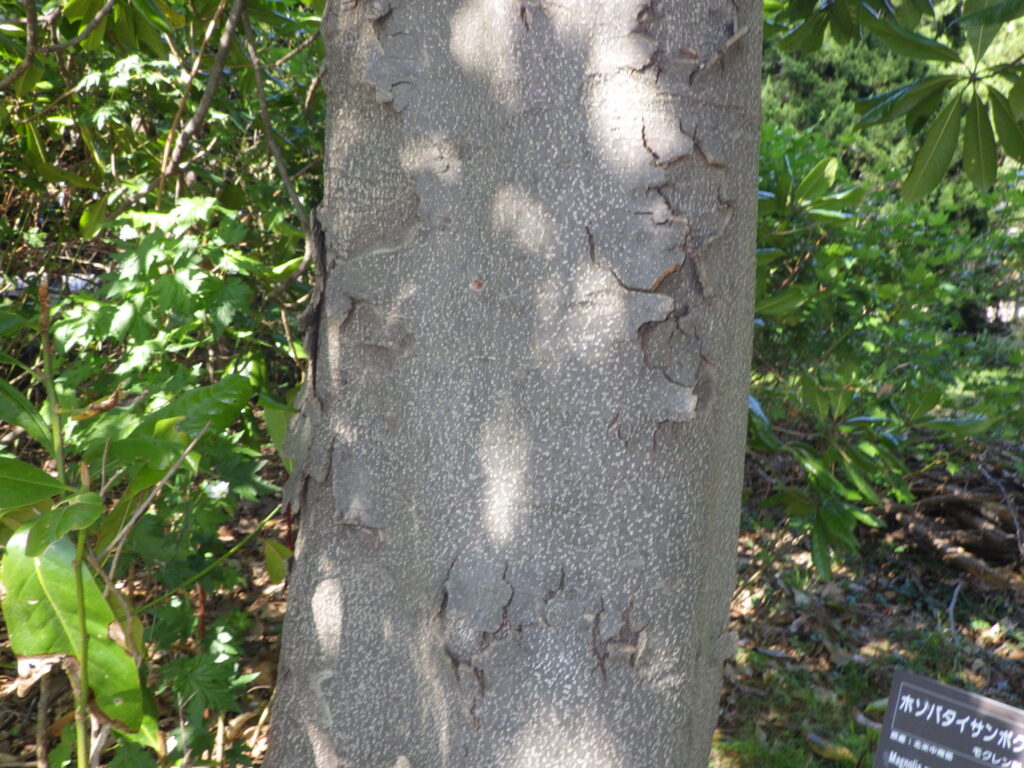
This is a cultivated variety of Magnolia grandiflora with slightly narrower leaves. There is variation in leaf width, and it is said that most of the varieties cultivated in Japan are of the narrow-leaved variety, so the individual shown above may also belong to the narrow-leaved variety.
No. 0130 Magnolia compressa
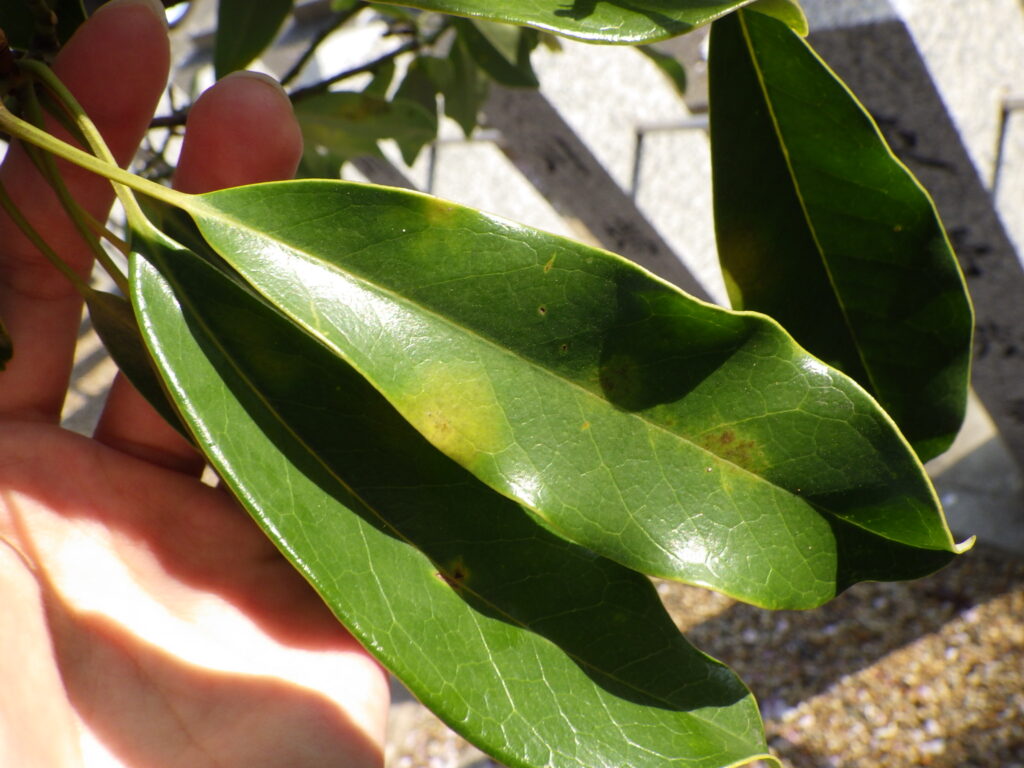
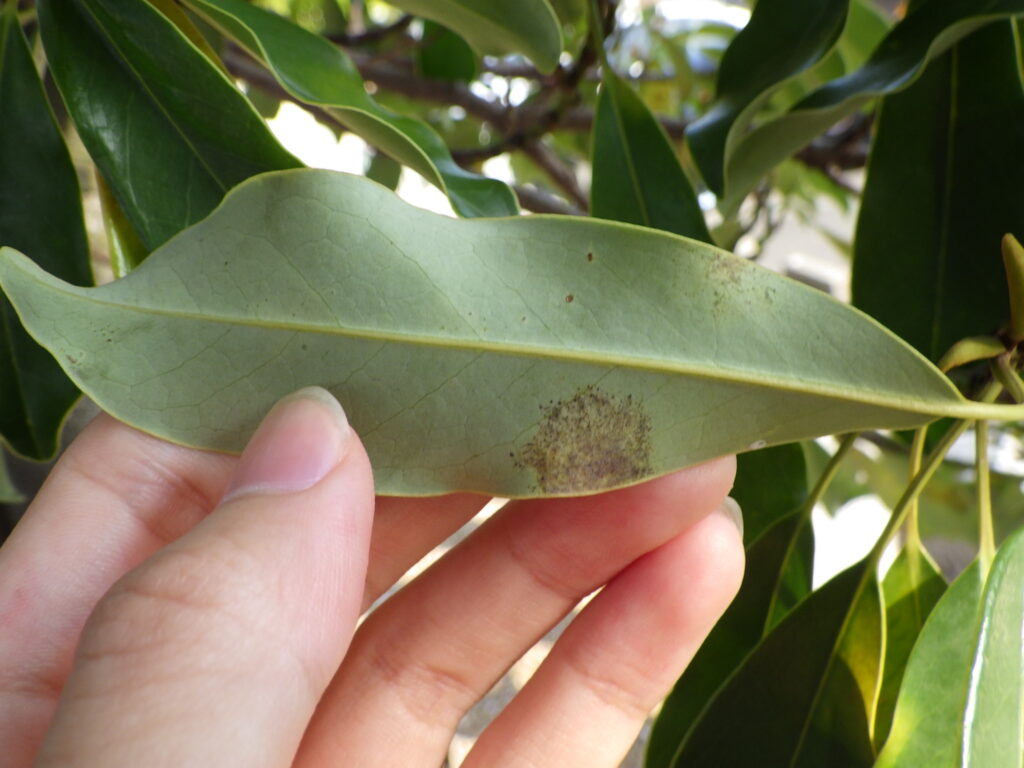
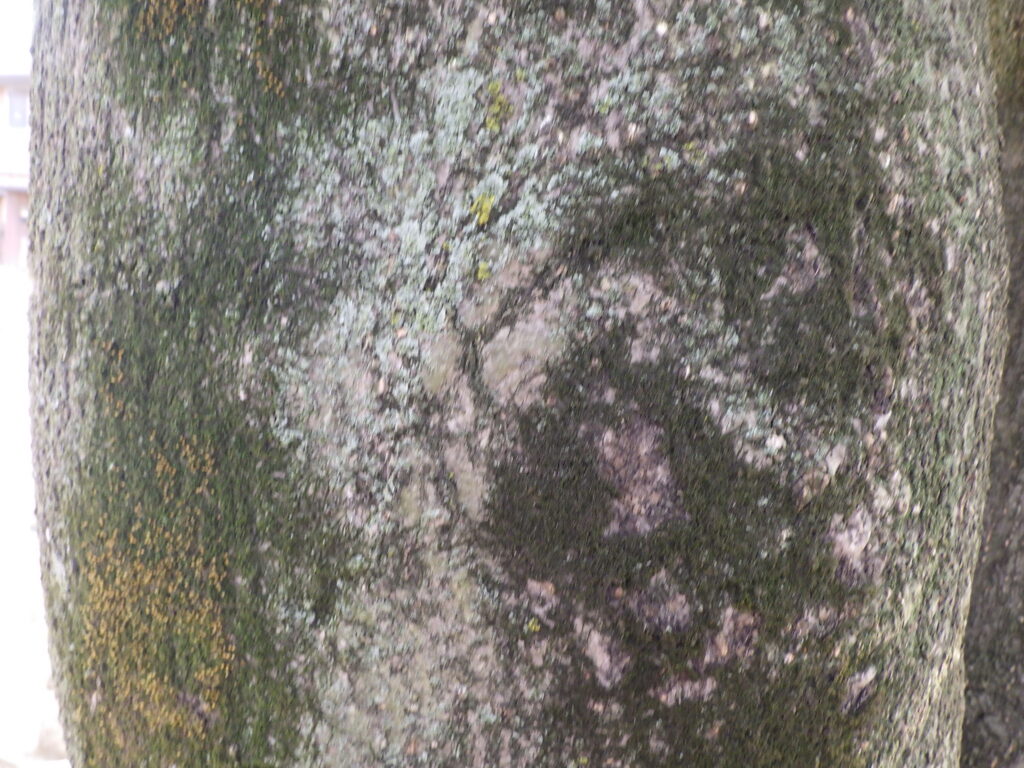
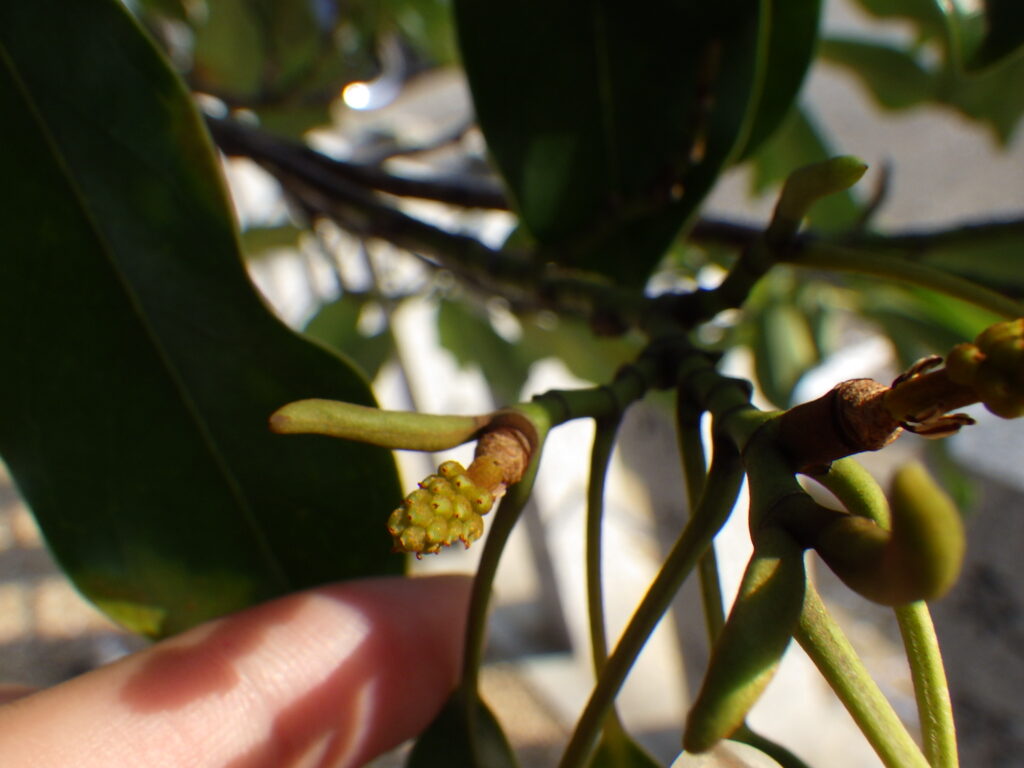
An evergreen tree. Leaves are 6-12 cm long, with the widest point near the tip. Petioles are 2-3.5 cm long. It has an appearance similar to an evergreen Magnolia kobus, but the leaves are narrower and the petioles are longer. A distinctive feature is the presence of golden-tinged hairs on young branches, petioles, and winter buds, although these hairs are not as coarse as those of Magnolia figo. It grows to a height of around 10-15 m. It is native to the warm temperate and subtropical regions from Kanto to Okinawa. It is somewhat rare in coastal evergreen broad-leaved forests. It is also somewhat rare in temple and shrine plantings and as a garden tree.
No.0130.a Magnolia figo
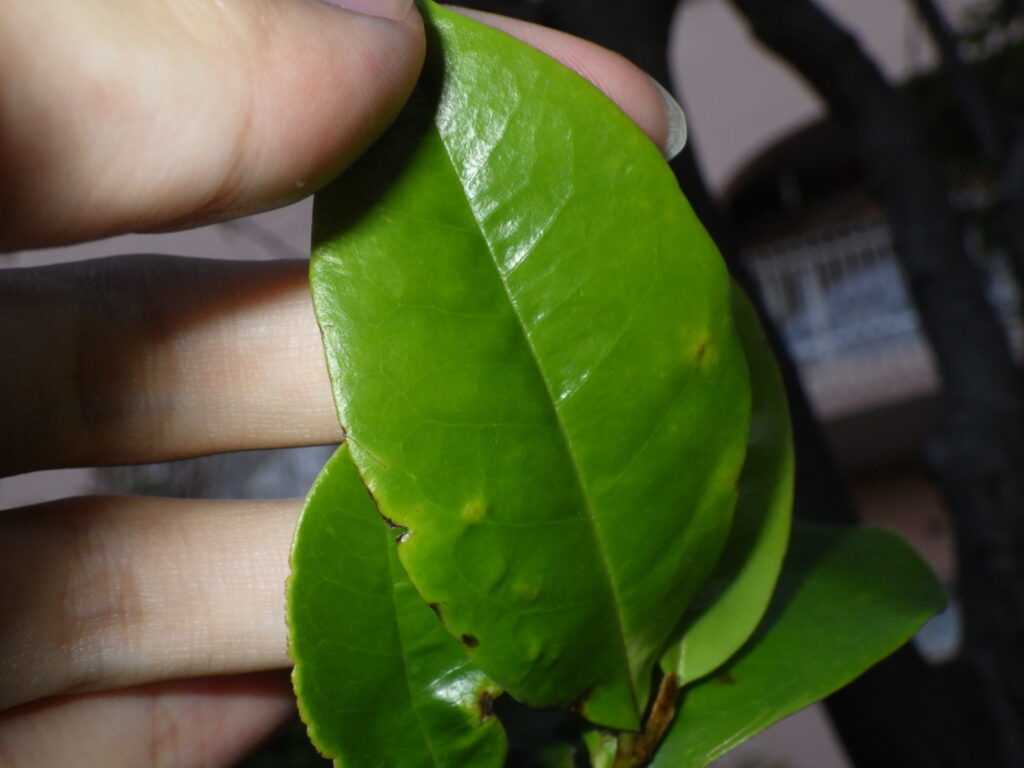
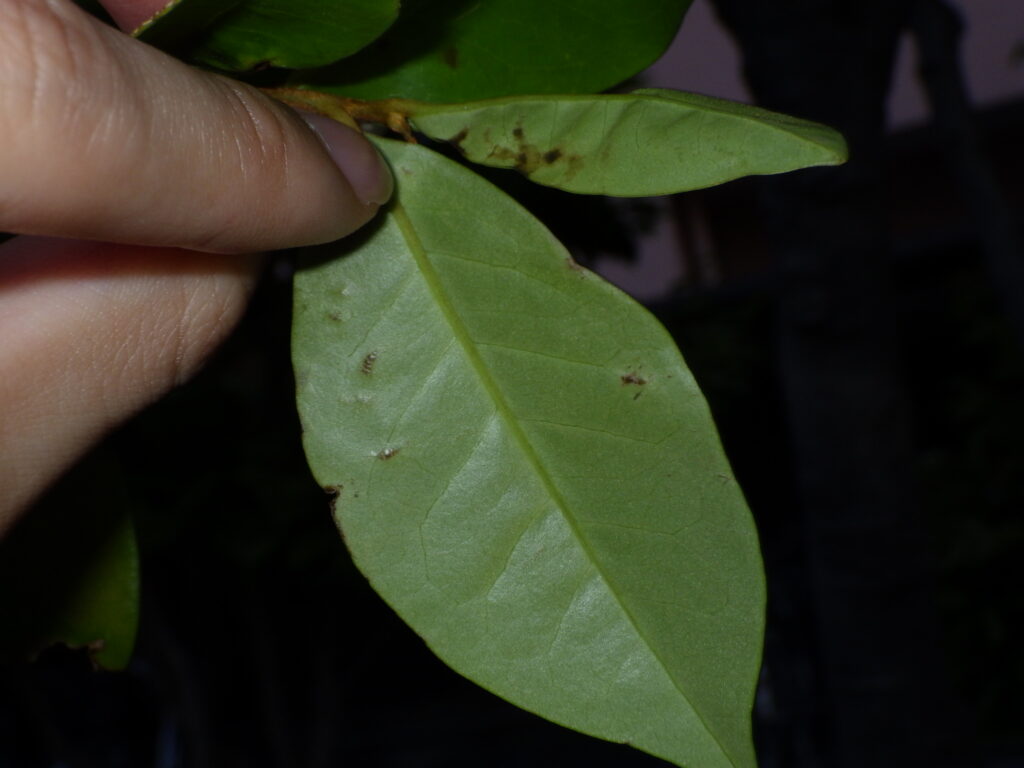
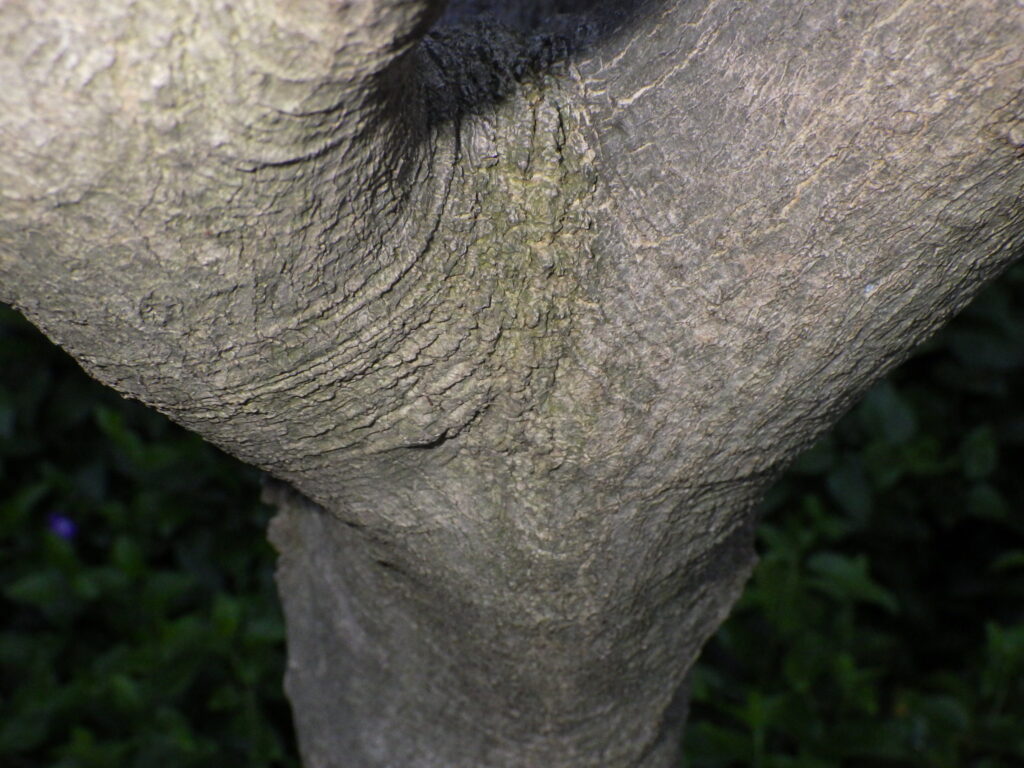
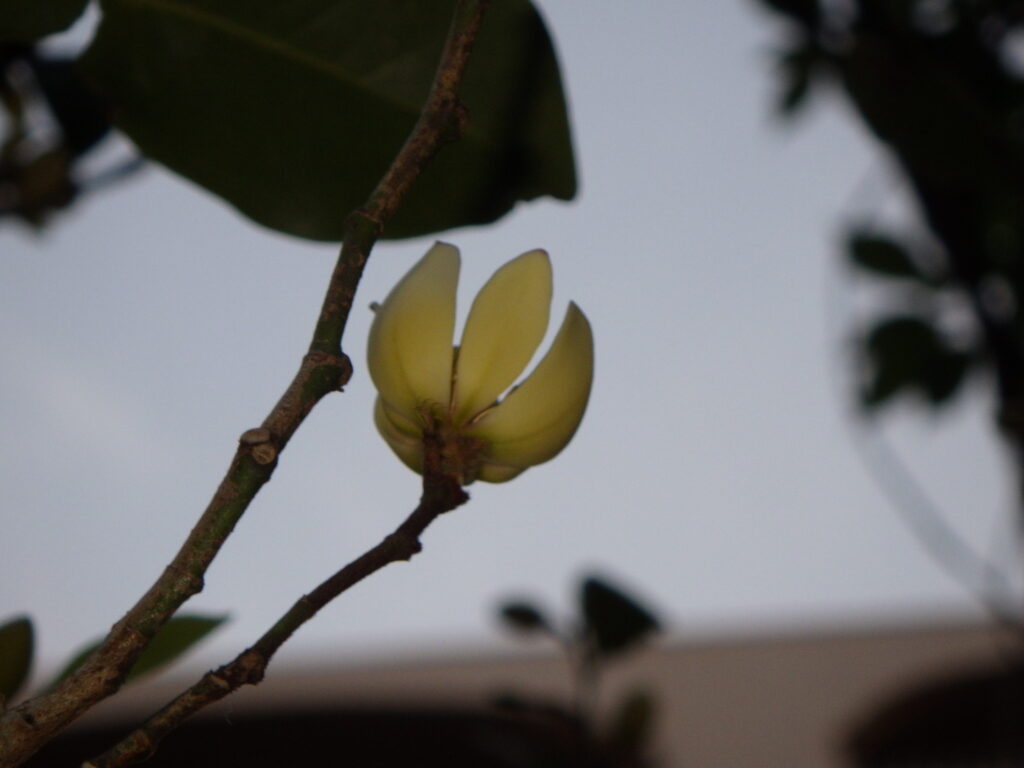
An evergreen small tree. Leaves are 5-10 cm long, with the widest point near the tip. Petioles are 0.1-0.3 cm long. The leaves are short and obovate, and the branches and buds are characterized by many dark brown bristles. The flowers are yellowish-white with reddish edges, bloom in early summer, and have a strong banana-like fragrance. The tree grows to a height of 3-5 m. Native to China. Somewhat rare as a garden tree, in temple and shrine plantings, and in parks.
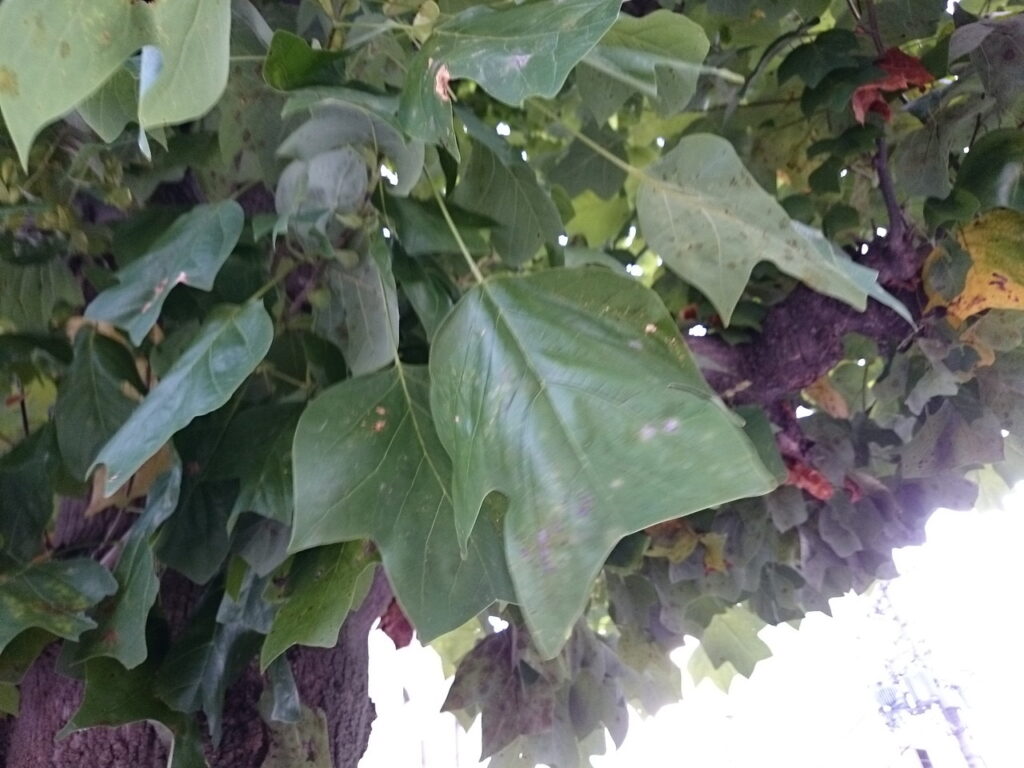
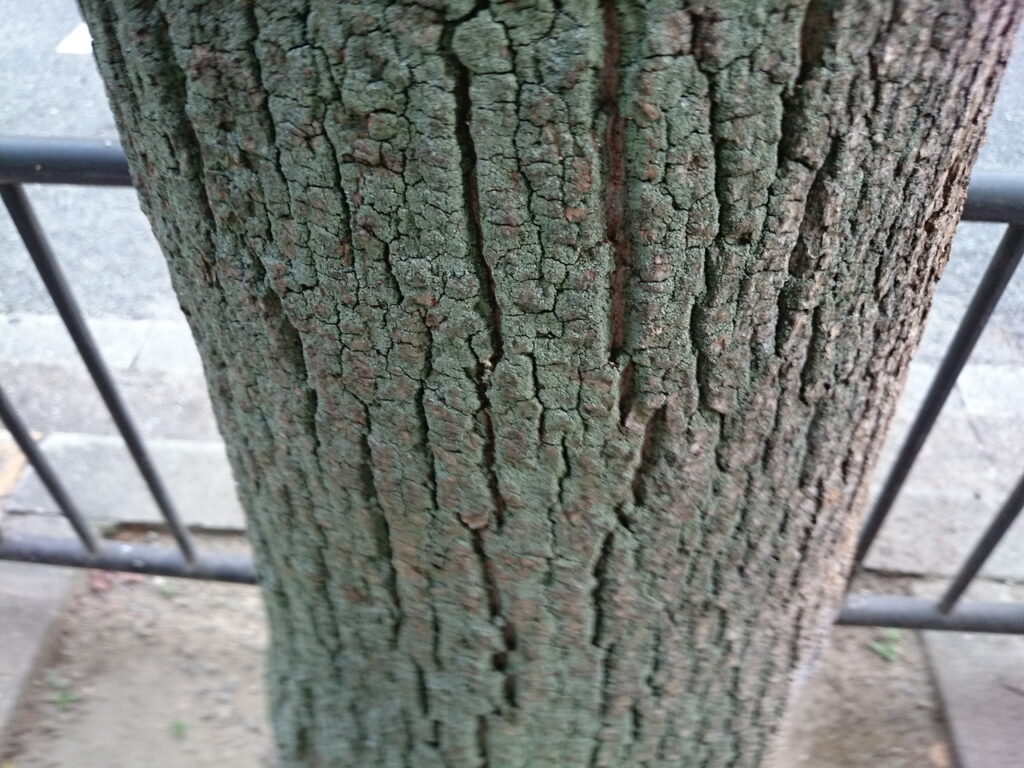
No. 0131 Liriodendron tulipifera
Also known as the tulip tree or henbane tree. Young branches are brown or purplish-brown. Leaves are shallowly 4-6 lobed and hairless. In May and June, tulip-shaped flowers bloom upwards at the tips of the branches. The perianth segments are 4-6 cm long, greenish-yellow with orange markings at the base. The pistil does not protrude. The samaras are acute. Native to eastern and southern North America, it was introduced to Japan in the early Meiji period. It is widely planted as a street tree and park tree, and escaped plants can sometimes be found around planted trees.
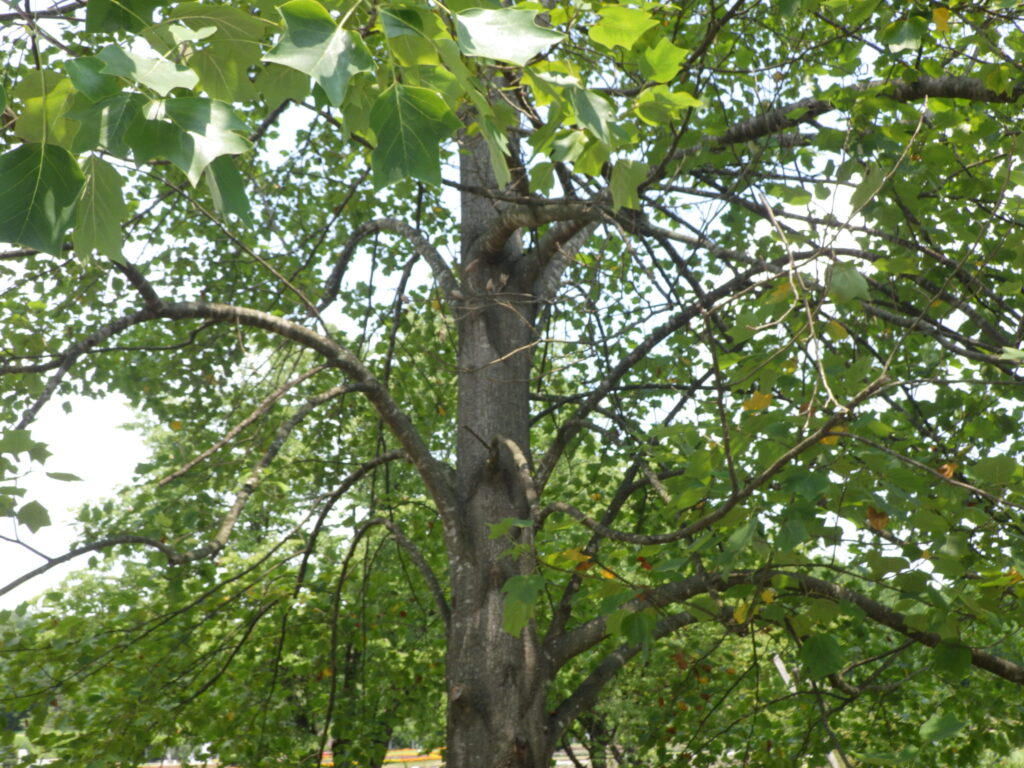
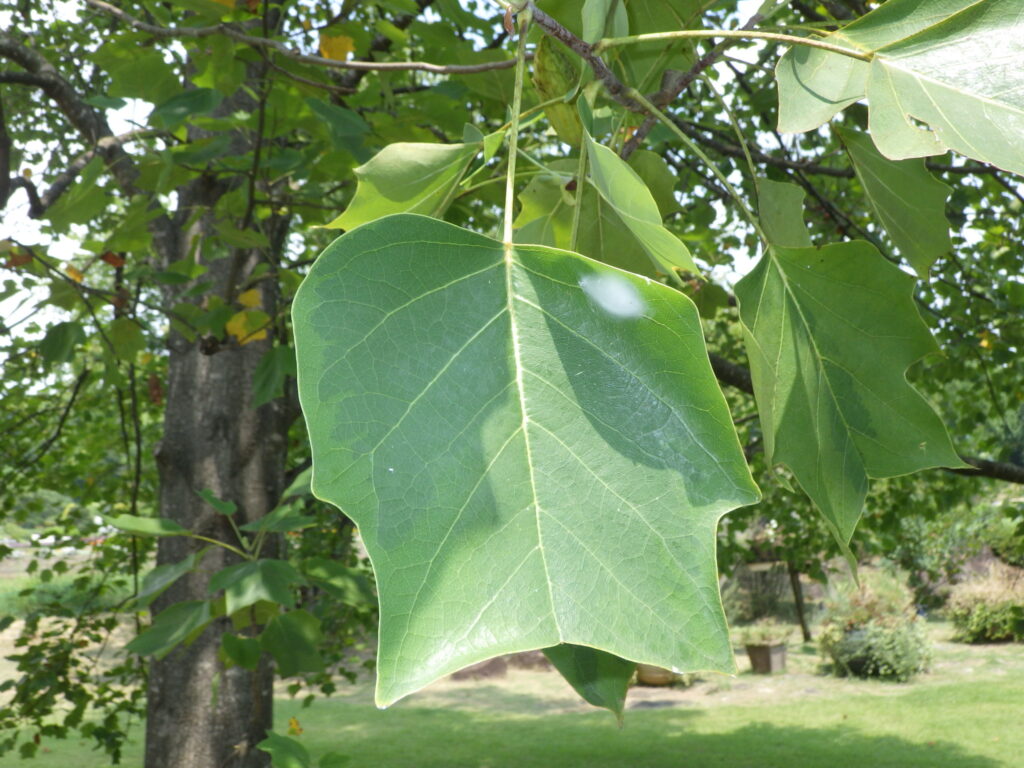
No.0131.1 Liriodendron tulipifera 'Aureomarginatum'‘
Also known as Aureomarginatum, this is a variety of tulip tree with yellow edges on its leaves.
References
Higashi, Koji. 2004. Scent and phylogenetic evolution of Magnoliaceae flowers. Classification 4(1): 49-61. https://doi.org/10.18942/bunrui.KJ00004649594
Hayashi, Masayuki. 2014. 1100 Tree Leaves Identified Through Real-Life Scans. Yama-kei Publishers, Tokyo. 759pp. ISBN: 9784635070324
Ishida, K. 1996. Beetle pollination of Magnolia praecissima var. borealis. Plant Species Biology 11(2-3): 199-206. https://doi.org/10.1111/j.1442-1984.1996.tb00146.x
Ishida, Kiyoshi. 2002. Pollination characteristics and inbreeding of Magnolia obovata. Forestry Technology 729: 14-19. ISSN: 0388-8606, https://www.jafta-library.com/pdf/mri729.pdf
Kanagawa Prefecture Flora Survey Association. 2018. Kanagawa Prefecture Flora 2018 (Electronic Edition). Kanagawa Prefecture Flora Survey Association, Odawara. 1803pp. ISBN: 9784991053726
Kawahara, Takayuki. 2002. Magnolia obovata. Forestry Technology 729: 8-12. ISSN: 0388-8606, https://www.jafta-library.com/pdf/mri729.pdf
Kitagawa, Naofumi. 1991. Flowers and pollination of Magnolia grandiflora. Plant Classification, Geography 42(1): 44. https://doi.org/10.18942/bunruichiri.KJ00001078703
Suzuki, Setsuko; Ishida, Kiyoshi; and Tomaru, Nobuhiro. 2009. Relationship between successful female reproduction in Magnolia stellata and pollinating insects. Abstracts of the Annual Meeting of the Ecological Society of Japan 56: PB2-647. https://www.esj.ne.jp/meeting/abst/56/PB2-647.html