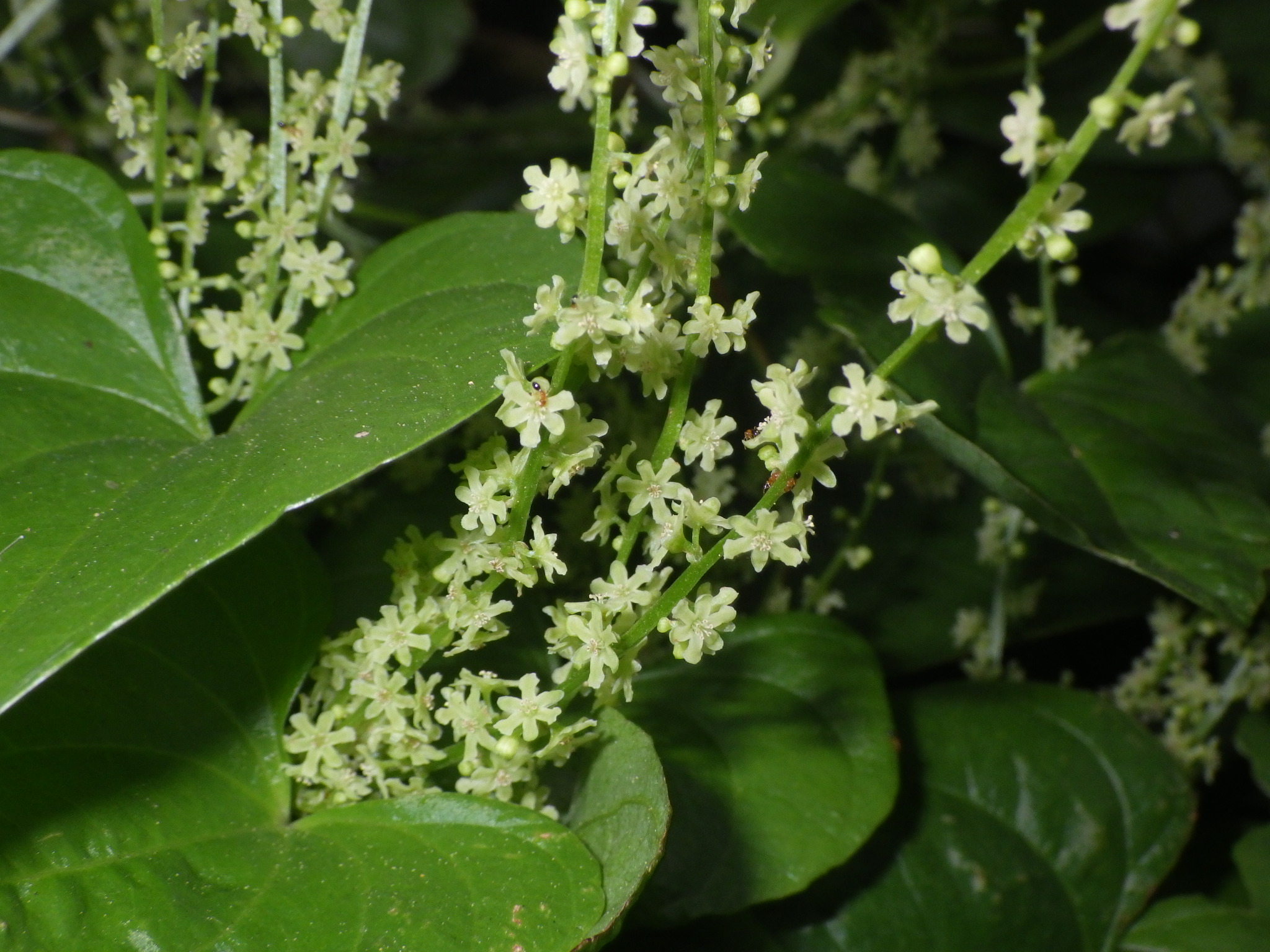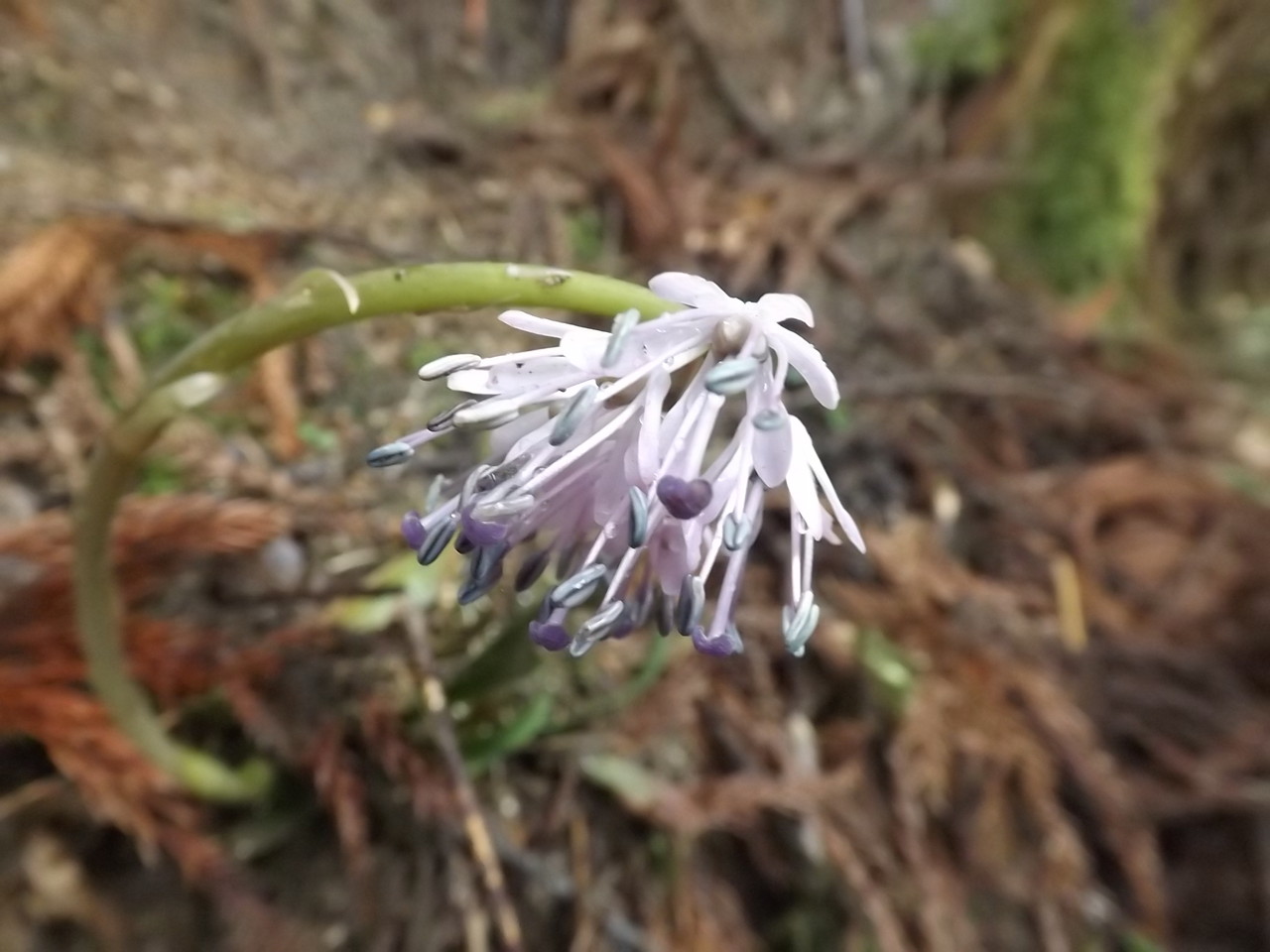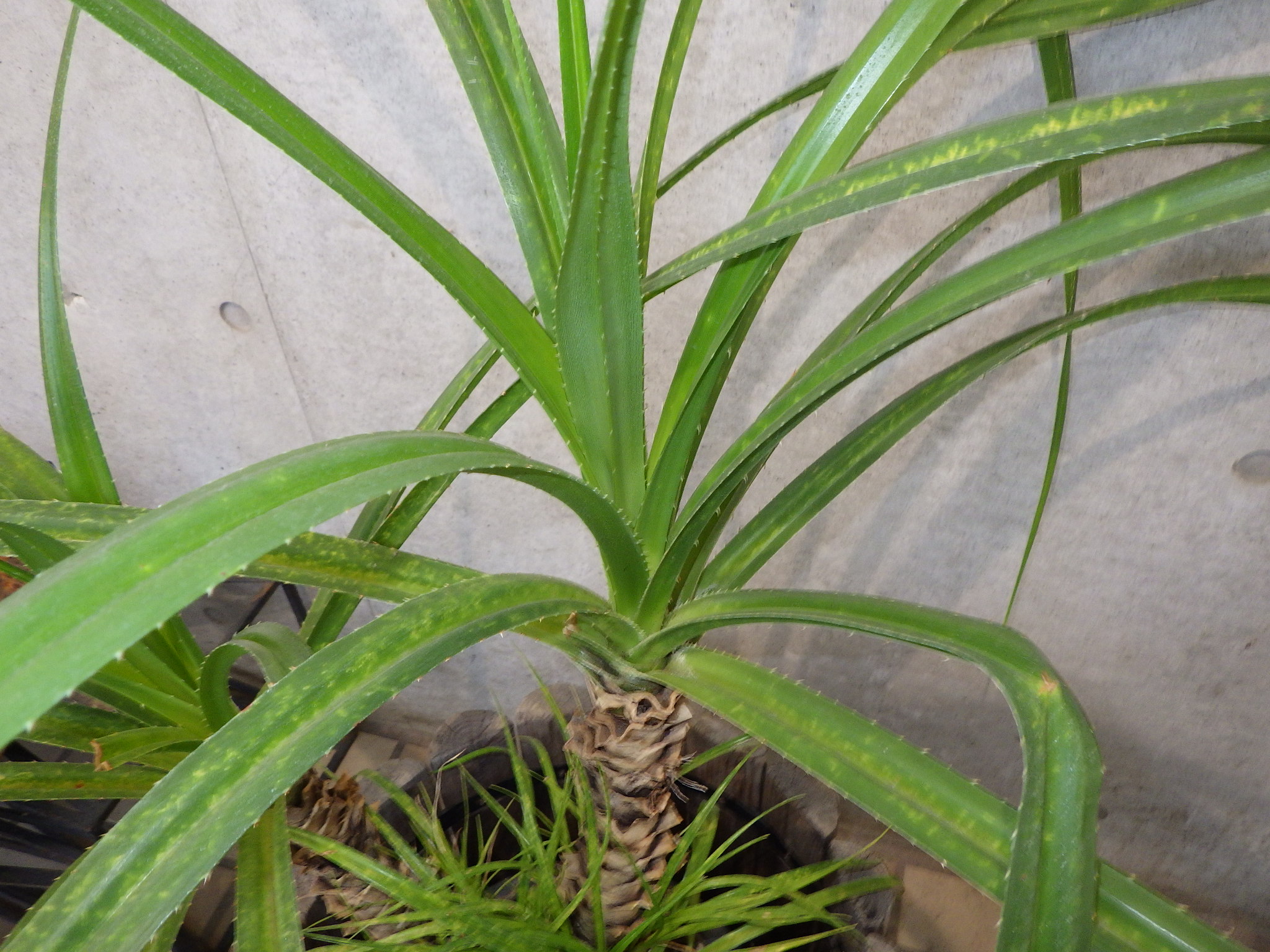
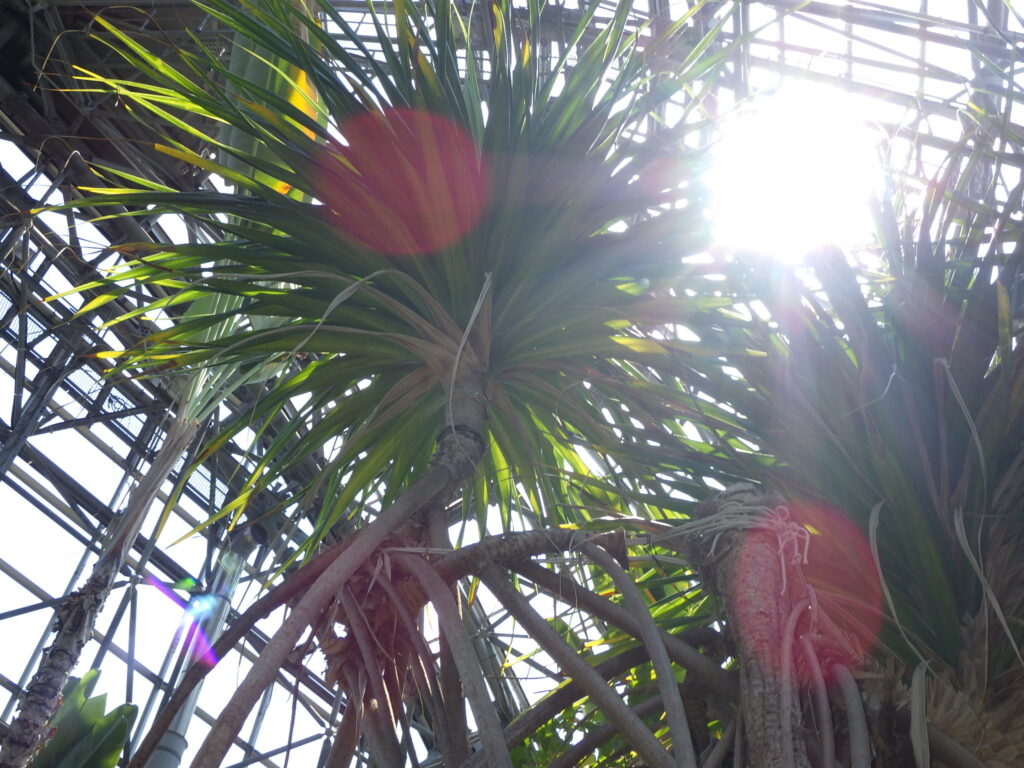
The Pandanaceae family consists of cold-hardy evergreen trees or vines. Over 700 species across 3-4 genera are distributed in the former tropical regions of Asia and Africa and Polynesia, with native species found in the Ogasawara Islands and the Nansei Islands of Japan. Pandanus trees are interesting because of the aerial roots that emerge from the stem nodes, resembling octopus legs, and they are commonly seen in greenhouses at botanical gardens.
This article provides a comprehensive, illustrated guide to plants belonging to the Pandanaceae family.
The photos are replaced as soon as better ones are taken. Also, while the identification is done by the author, please note that if there are any misidentifications, they may be changed without notice.
No. 0298 Pandanus boninensis
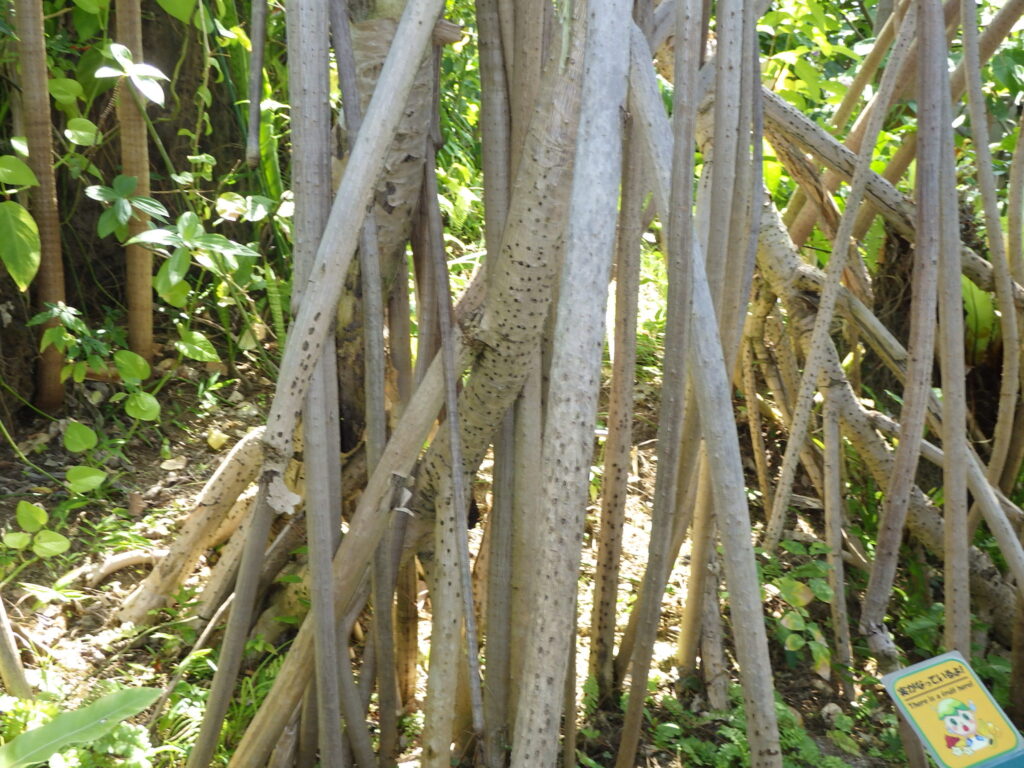
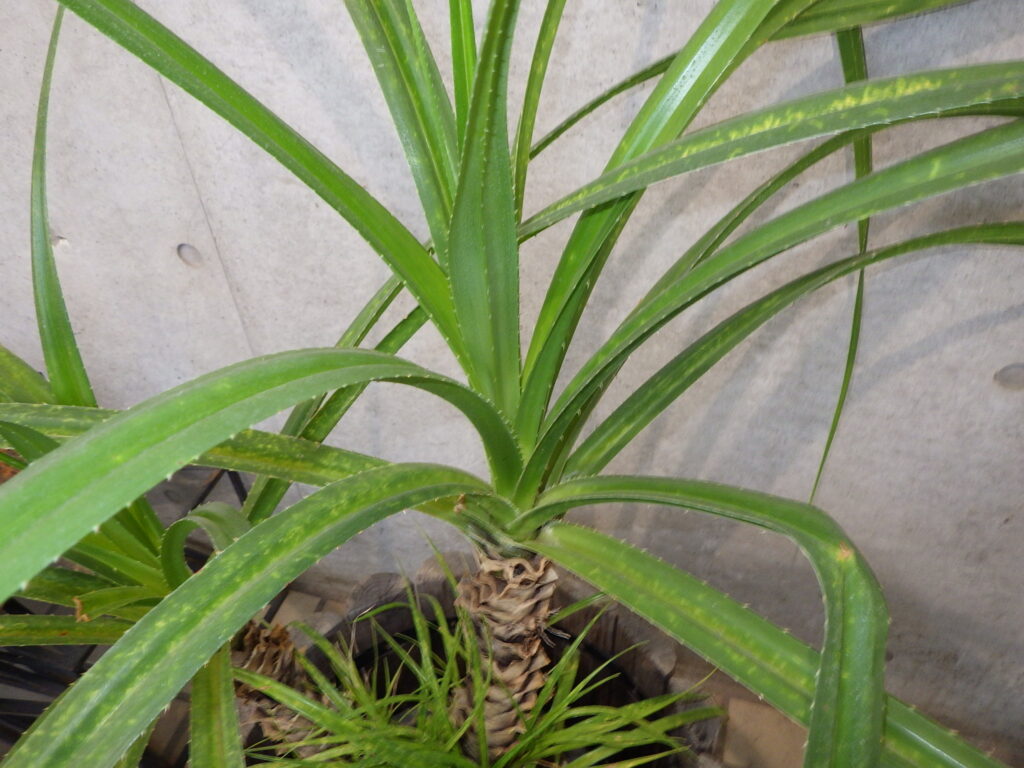
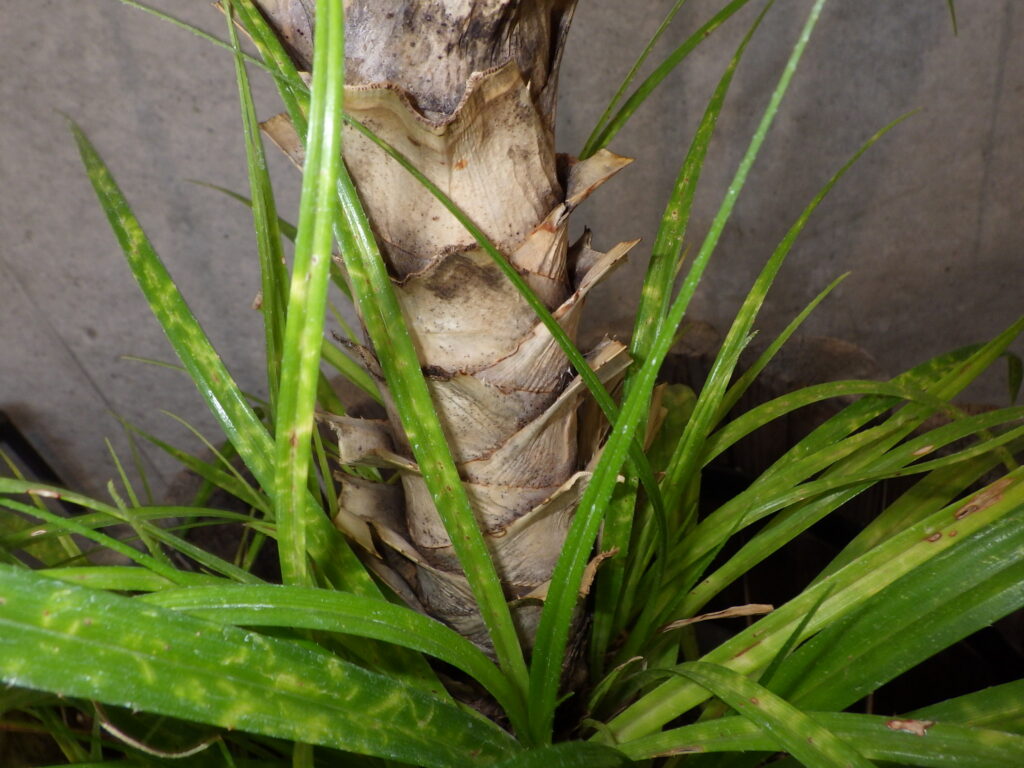
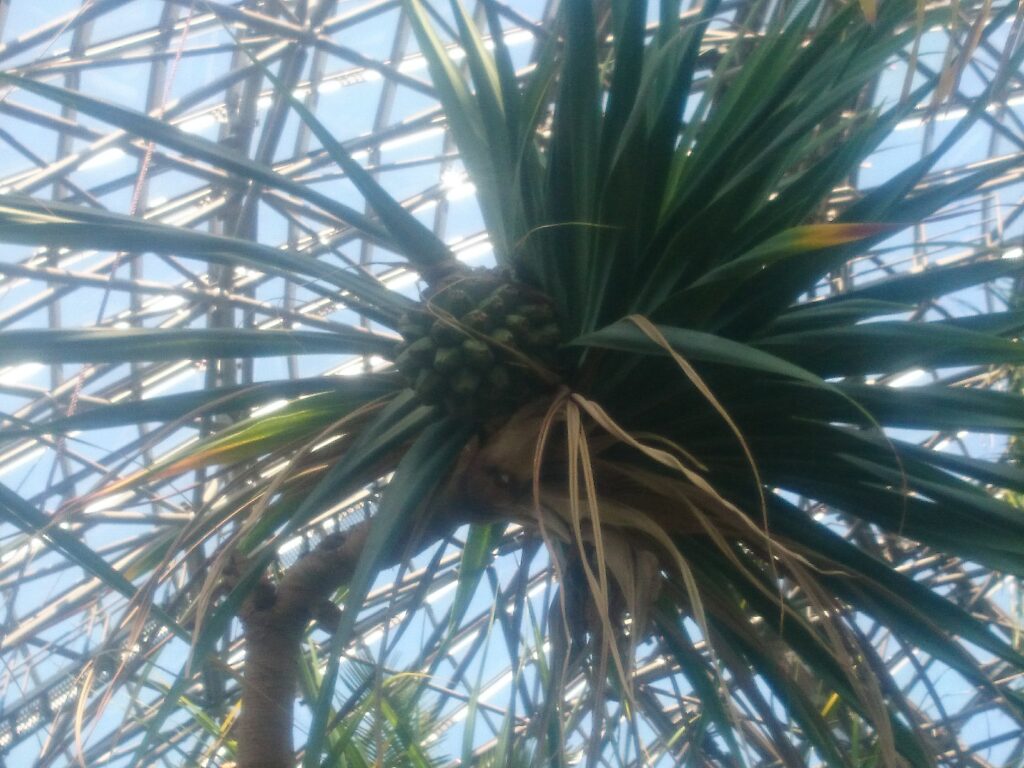
This is an evergreen tree. The trunk is 5-10m tall. It has thick aerial roots at the base. The leaves grow densely at the top of the trunk and are 20cm long. It is dioecious (having separate male and female plants). It flowers in summer and the flowers are yellow. The inflorescence is surrounded by yellow bracts. The fruit is about 8cm long. The aerial roots wrap around the trunk like a support, resembling the legs and arms of an octopus, hence the Japanese name "Tako-no-ki" (octopus tree). The leaves are long and narrow, reaching about 1m, and have large, sharp serrations. In early summer, it bears white male flowers and pale green female flowers, and in summer it produces pineapple-like aggregate fruits consisting of dozens of fruits clustered together. The fruit ripens to an orange color in autumn and is eaten after boiling or used as a raw material for extracting edible oil. It is endemic to Ogasawara Island. The main visitors to the flowers are honeybees, ants, and thrips. Most fruits are dispersed by gravity under the tree canopy, but because the fibrous endocarp gives the fruit buoyancy, it is also dispersed by ocean currents. Furthermore, the fruits are a major food source for the Ogasawara flying fox, a species endemic to the Ogasawara Islands, and are dispersed by bats as well (Suzuki, 2022).
References
Suzuki, Setsuko. 2022. Geographical genetic structure of forest trees in Japan (36) Pandanus (Pandanus, Pandanaceae family). Forest Genetics and Breeding 11(2): 84-90. https://doi.org/10.32135/fgtb.11.2_84