The Nelumbonaceae family are perennial aquatic plants. They include the genus Nelumbo, and are the only extant species to include the yellow lotus (Nelumbo lutea), native to North America, and the lotus (Nelumbo nucifera), widely distributed in Asia. Four fossil genera are known: † Nelumbites, † Exnelumbites, † Palonelumbo, and † Nelumbago.
This article provides a comprehensive, illustrated guide to plants belonging to the Nelumbonaceae family.
The photos are replaced as soon as better ones are taken. Also, while the identification is done by the author, please note that if there are any misidentifications, they may be changed without notice.
No. 1317 Lotus (Nelumbo nucifera)
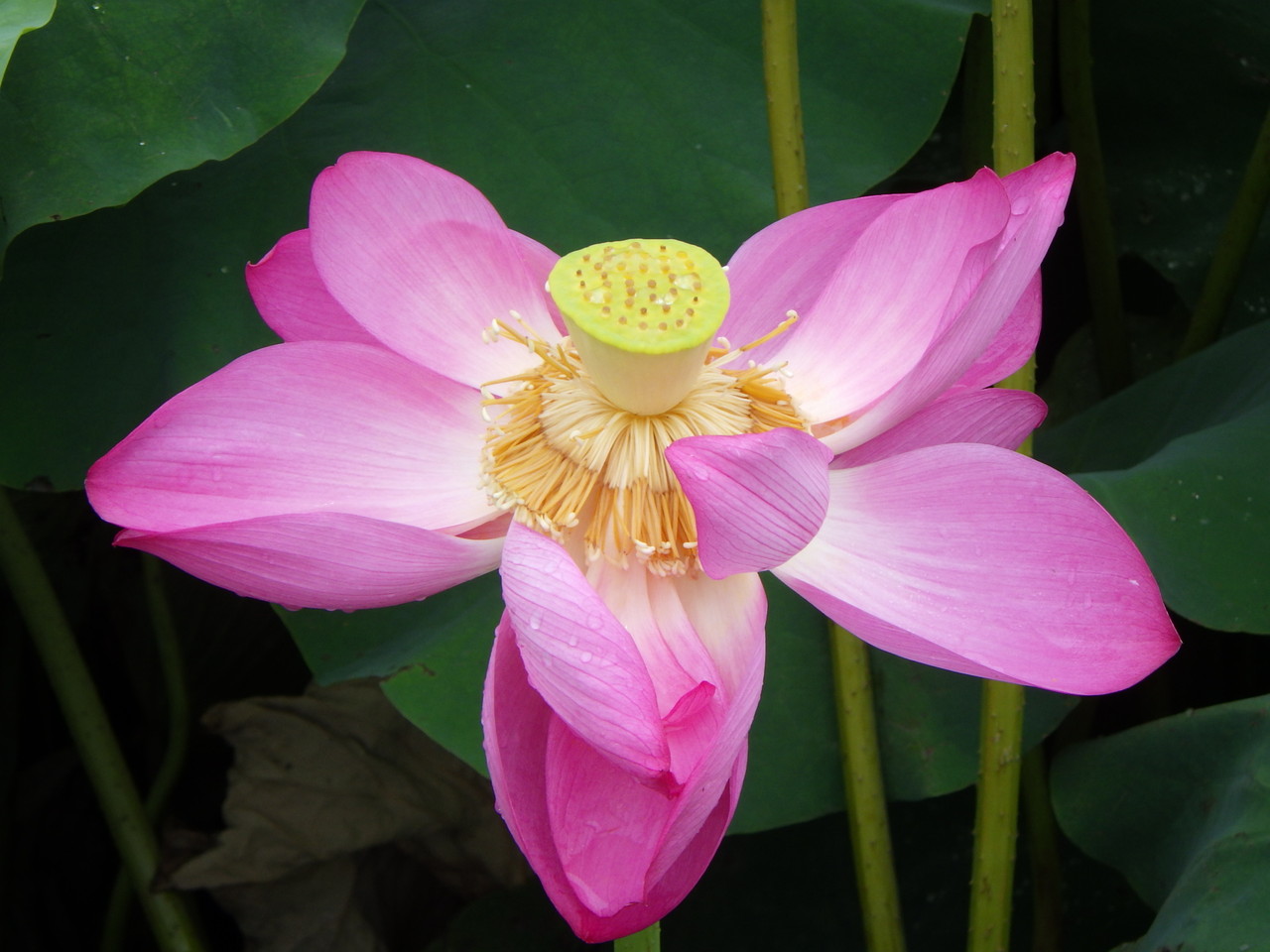
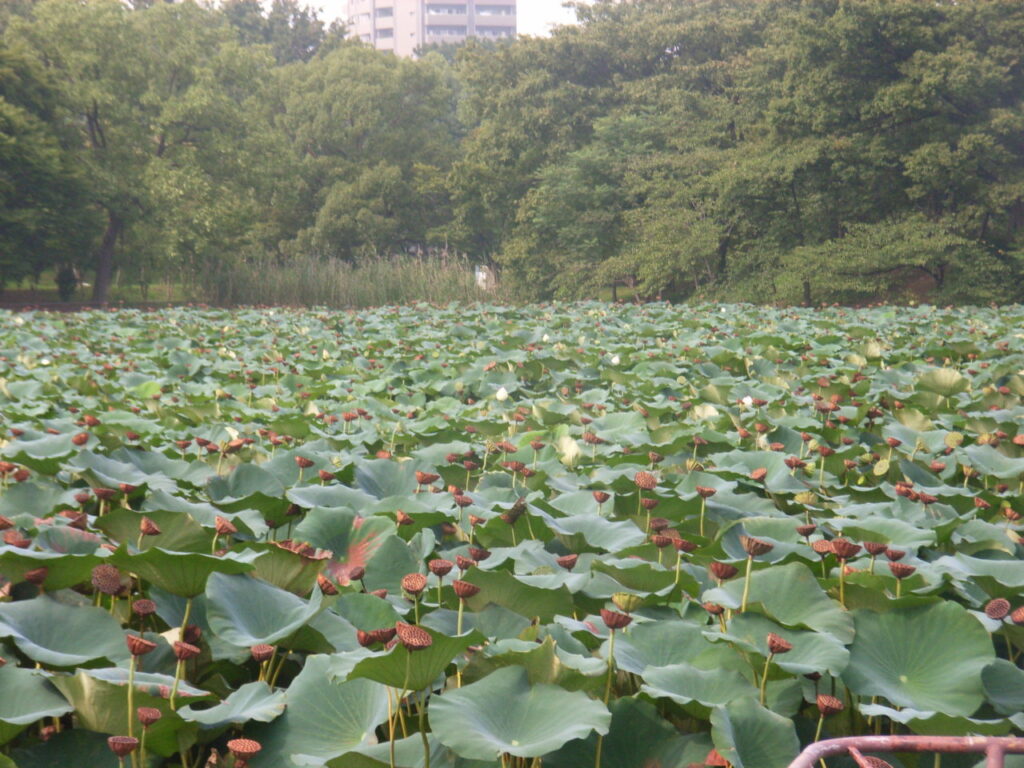
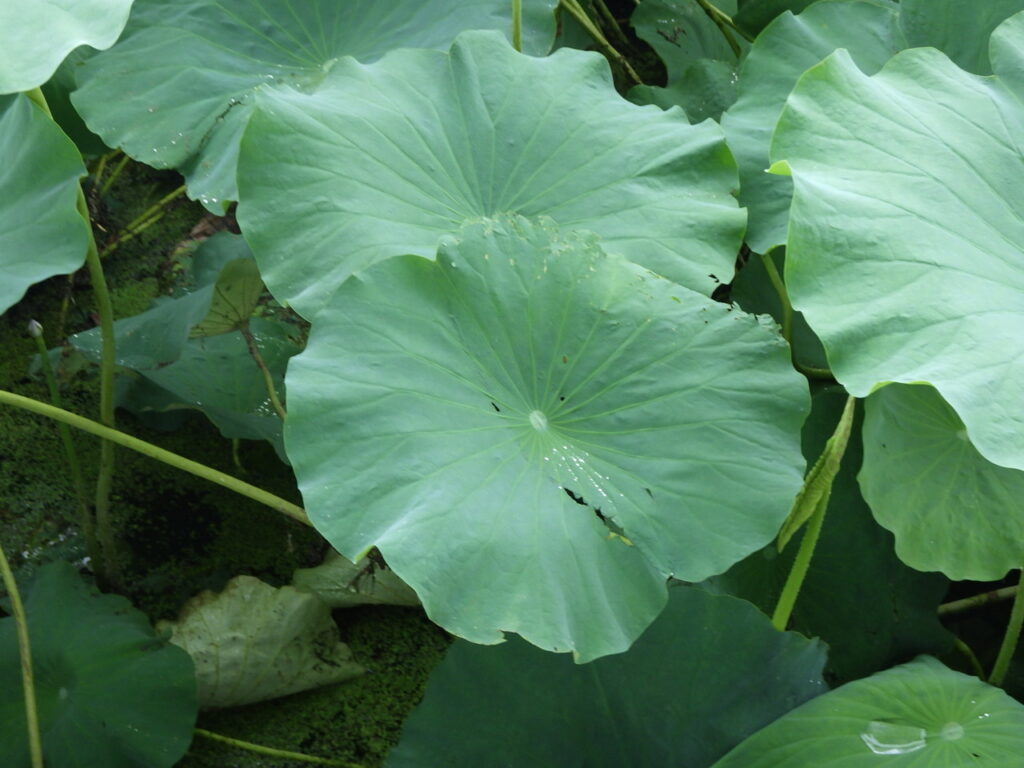
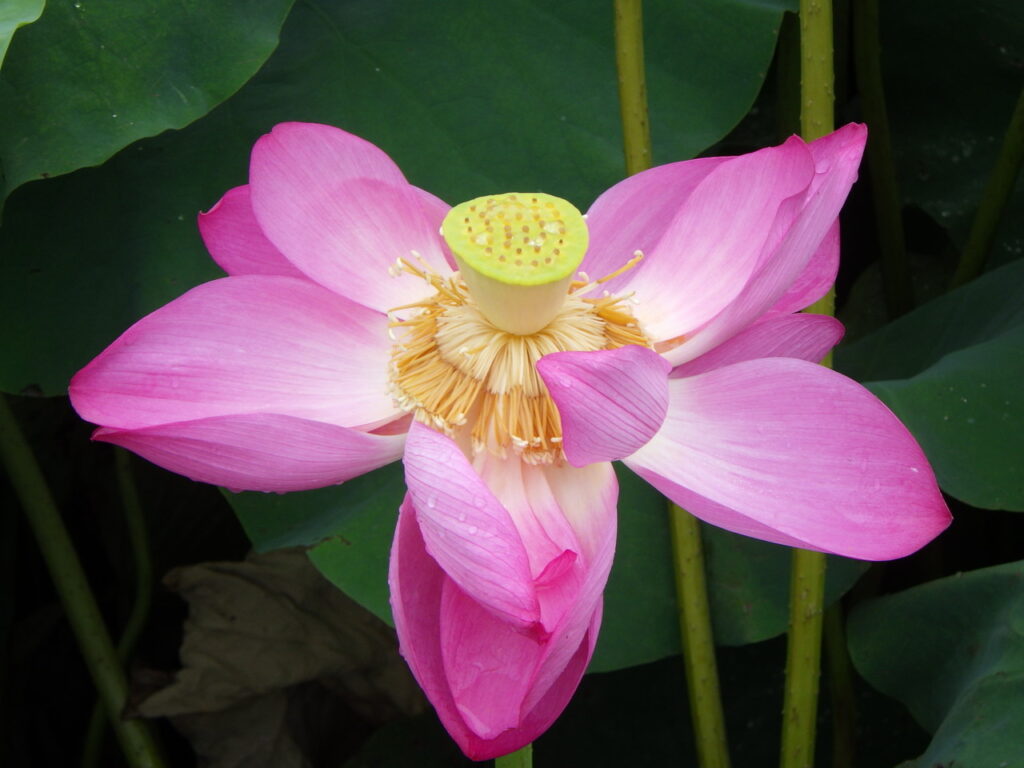
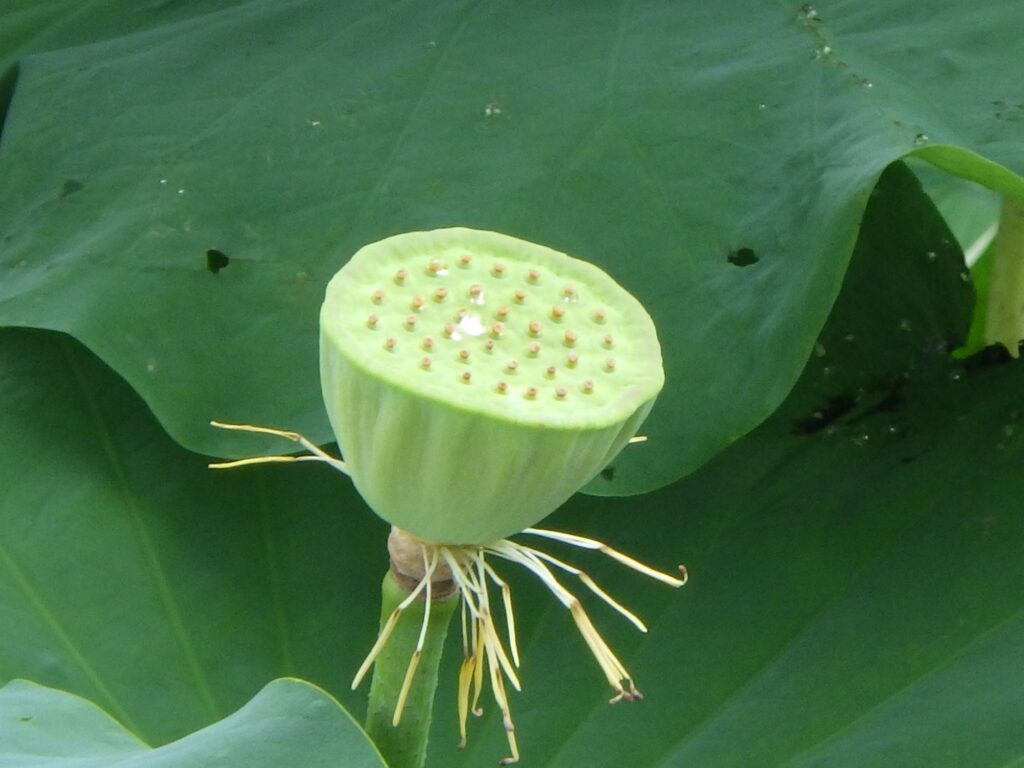
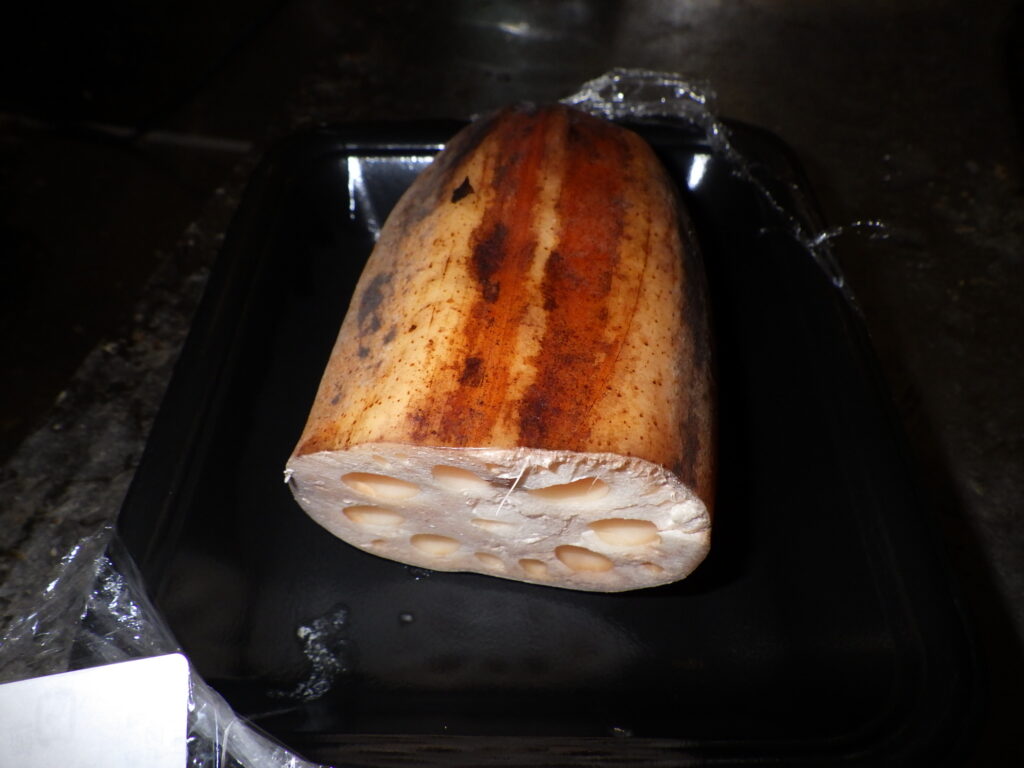
Perennial herb (Flora of China). Petioles are 1-2m long and free. Papillae are hard, scattered, and glossy. Leaf blades are bluish-green on the outside, circular, 25-90cm in diameter, papery, glossy, water-repellent, and have rounded edges. Flowering occurs from June to August. Flowers are 10-23cm in diameter and are called "renge" in Japan. Stems grow from underground rhizomes called "renkon" and leaves emerge above the water surface. The stems have holes for ventilation. Pedicels are longer than petioles and are glossy or sparsely thorny. Petals are thick, pink or white, oval to obovate, 5-10 x 3-5cm. Stamens are slightly longer than the receptacle, with slender filaments, linear anthers 1-2mm long, and oval, curved appendages 7mm long at the base. The receptacle is spherical, 5-10 cm in diameter, and is described as top-shaped or, in Japan, resembling a beehive; its Japanese name is also known as Hachisu. The fruit, called "lotus seed," is oblong to oval-shaped, measuring 1.0-2.0 x 7-15 cm, glossy, with a thick, hard pericarp. It has a very wide distribution, from India and Sri Lanka to northern Indochina, East Asia (up to the Amur region), parts of the Caspian Sea, almost all of Southeast Asia, New Guinea, and northern and eastern Australia. However, some of this range (southern India, Sri Lanka, the islands of Southeast Asia, and Australasia) is thought to be the result of historical human introduction (Zhang et al., 2015). In Japan, Japanese literature suggests that it was introduced from China at least during the Yayoi period or earlier, like the "Ōga lotus," but a Chinese research group considers it native to Japan (Zhang et al., 2015). It grows in lakes, ponds, and cultivated fields. It is adapted to grow in slow-flowing rivers and delta floodplains. The leaves and flowers remain clean, a phenomenon known as the "lotus effect," where the surface papillae and cuticle wax increase surface tension, allowing water droplets to pick up dirt particles and minimizing water droplet adhesion, resulting in superhydrophobic and self-cleaning properties (Darmanin & Guittard, 2015). The flowers open in the early morning and close by noon, repeating this opening and closing motion, and the petals fall off about 3-4 days after opening. Buds appear and bloom continuously, so the flowering period for the entire plant is long. The flowers are thermoregulatory, and there are records of them being maintained between 30-36°C or around 35°C, unaffected by outside temperatures (Li & Huang, 2009a). This provides heat to pollinating insects and promotes the development of pollen and ovules, as well as fertilization and seed development. Primarily evolved to beetle-pollinated, the lotus flower rewards beetles with large amounts of pollen and stigma exudate along with heat for pollination. However, it has also been confirmed that various Hymenoptera bees and Diptera flies, such as honeybees, visit and pollinate the flowers (Li & Huang, 2009b). This is thought to be a result of changes in the environment in which the flower evolved and the current environment. However, since honeybees rarely come into contact with the stigma, it seems that the lotus flower remains heavily dependent on beetles. After the flowering season, the lotus rhizome swells to store starch for growth in the following year (Ishitsuna, 2009). In autumn, the leaves wither, and the plant enters dormancy to overwinter. Its germination ability is maintained for a long period. Every year, it drops hundreds of thousands of fruits to the bottom of the pond. Some sprout quickly and are eaten by wild animals, but the remaining fruits sink to the bottom of the pond and dry out, allowing them to remain dormant for a long time. During floods, the sediment containing these fruits is agitated, causing the dormant seeds to germinate and form new colonies. Lotus cultivation has a very long history (approximately 3000 years), and the entire plant is edible, but it is especially cultivated for its rhizome (lotus root) and fruit (lotus seeds). In Japan, lotus root is used in simmered dishes, pickled lotus root, cherry blossom lotus root, mustard lotus root, and lotus root jelly. Lotus seeds are eaten raw, and in China, they are used as an ingredient in lotus rong paste, lotus rong bao (a type of sweet bun), and candied lotus seeds. The lotus flower grows from the mud, and its leaves, which spread straight and wide and repel water due to the lotus effect, are seen as a symbol of living a pure life untainted by worldly desires. It was already considered a sacred flower in the Indus Valley Civilization, and in Hinduism and Buddhism, it is used as a metaphor and is said to be a flower that blooms in paradise. For this reason, Buddha is depicted sitting on a lotus throne. The phrase "ichiren takushō" (一蓮托生) originates from the belief that those who perform good deeds will be reborn in the Pure Land, entrusting themselves to the same lotus flower.
References
Darmanin, T., & Guittard, F. 2015. Superhydrophobic and superoleophobic properties in nature. Materials today 18(5): 273-285. https://doi.org/10.1016/j.mattod.2015.01.001
Ishitsuna, Fumiko. 2009. Lotus. Journal of the Japanese Society of Landscape Architecture 35(2): 374. http://www.jsrt.jp/pdf/dokomade/35-2hasu.pdf
Li, JK, & Huang, SQ 2009a. Effective pollinators of Asian sacred lotus (Nelumbo nucifera): contemporary pollinators may not reflect the historical pollination syndrome. Annals of Botany 104(5): 845-851. https://doi.org/10.1093/aob/mcp173
Li, JK, & Huang, SQ 2009b. Flower thermoregulation facilitates fertilization in Asian sacred lotus. Annals of Botany 103(7): 1159-1163. https://doi.org/10.1093/aob/mcp051
Zhang, Y., Lu, X., Zeng, S., Huang, X., Guo, Z., Zheng, Y., … & Zheng, B. 2015. Nutritional composition, physiological functions and processing of lotus (Nelumbo nucifera Gaertn.) seeds: a review. Phytochemistry Reviews 14(3): 321-334. https://doi.org/10.1007/s11101-015-9401-9