cultivation

Sponsored Link
07.3283 Corydalis (Calystegia soldanella) flower plant

What are the differences between morning glory, small morning glory, beach morning glory, and European morning glory? An explanation of how to distinguish between similar species.

Morning glory, small morning glory, beach morning glory, and European morning glory are all climbing perennial plants belonging to the Convolvulaceae family. They are relatively small compared to other members of the Convolvulaceae family and are easy to find. Morning glory and small morning glory, in particular, twine around street trees and fences even in urban areas, blooming in countless numbers...
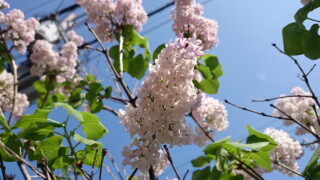
07.3353 Purple lilac flower plant

What are the differences between lilac, syringomyelia, and dwarf lilac? We'll explain how to distinguish between similar species! What exactly is a "dwarf lilac"?

Lilac, syringa, and dwarf lilac all belong to the genus Syringa in the Oleaceae family. Their flowers bloom in clusters in spring, covering the upper parts of the trees and creating a very attractive appearance, so they are often cultivated as ornamental plants in gardens. However, some people may not know the differences between them....
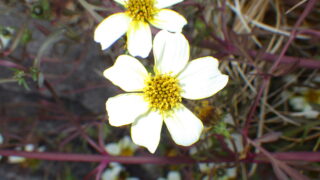
07.3864.a Winter Cosmos Yellow Cupid Flower Head plant

What's the difference between winter cosmos and cosmos? We'll explain how to distinguish between similar species! And did you know that Bidens pilosa is actually a different species?!

Winter cosmos (also known as winter cosmos) is cultivated in horticulture for ornamental purposes and is a valuable plant for gardening because it blooms in winter, from September to December. At first glance, some people might confuse it with cosmos because their names are similar. However, by examining the bracts, flowers, and fruits...
07.2340.a Tibouchina urvilleana (flower) plant

What's the difference between Tibouchina japonica and Tibouchina urvilleana? An explanation of how to distinguish between similar species.

Both Tibouchina urvilleana and Tibouchina urvilleana belong to the Melastomataceae family. Tibouchina urvilleana, in particular, is well-known and, although a southern species, is relatively cold-hardy and commonly cultivated in Honshu. In horticulture, Tibouchina urvilleana is sometimes simply called "Tibouchina," which can cause confusion...
07.3768 Goldenrod (Solidago altissima) flower heads plant

What are the differences between goldenrod, autumn goldenrod, and mountain goldenrod? How do they differ from other goldenrod species? This article explains how to distinguish between similar species.

Goldenrod (Solidago altissima), autumn goldenrod (Solidago virgaurea), and mountain goldenrod (Solidago virgaurea var. japonica) all belong to the genus Solidago in the Asteraceae family, and are representative perennial plants that bloom with small yellow flowers (more accurately, flower heads) in autumn. Goldenrod, in particular, is well-known because it proliferates rapidly in some regions...
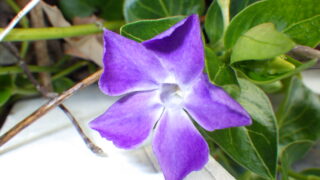
07.3244 Periwinkle flower plant

What are the differences between periwinkle, climbing periwinkle (Vinca), and dwarf climbing periwinkle? An explanation of how to distinguish between similar species.

Periwinkle, climbing periwinkle, and dwarf periwinkle all belong to the Apocynaceae family and are cultivated in Japan for ornamental purposes, frequently seen even in urban areas. They are popular for their interesting features, such as their fused petals with five propeller-shaped lobes at the tip, but their names are similar, especially the climbing periwinkle...
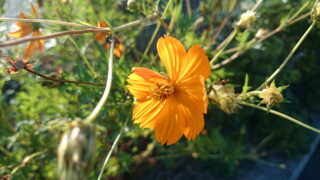
07.3857 Yellow Cosmos Flower plant

What are the differences between cosmos, yellow cosmos, chocolate cosmos, and marigolds? We explain how to distinguish between similar varieties.

Cosmos, yellow cosmos, and chocolate cosmos all belong to the Cosmos genus of the Asteraceae family. Although they are introduced species in Japan, they have become representative autumn landscape plants, as evidenced by their alternative name, "autumn cherry blossom," and are widely cultivated. They are characterized by their large, beautiful ray florets and achenes...
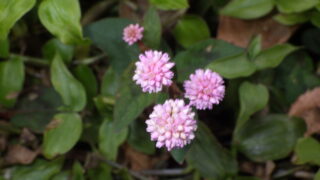
07.2679.a Polygonum capitatum flower plant

What are the differences between Polygonum capitatum and Polygonum capitatum? An explanation of how to distinguish between similar species.

Both Polygonum capitatum and Polygonum persicaria belong to the genus Polygonum in the family Polygonaceae. They are among the most common perennial herbs in the genus Polygonum, and Polygonum persicaria in particular can be found very commonly on the stone walls of houses in urban areas. While the genus Polygonum contains a vast number of species, these two species share morphological similarities...
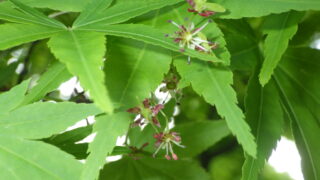
07.2366 Japanese maple flower plant

What are the differences between Japanese maple (Acer palmatum), large-leaved maple (Acer palmatum), mountain maple (Acer japonicum), fan maple (Acer japonicum), and small fan maple (Acer japonicum)? An explanation of how to distinguish between similar species.

Japanese maple, large-leaved maple, mountain maple, fan maple, and small fan maple all belong to the Acer genus of the Sapindaceae family. They change color and shed their leaves in late autumn, making them representative deciduous trees of the Japanese autumn landscape. Their distinguishing features include samaras (winged fruits) with a pair of "wings" and palmate leaves...
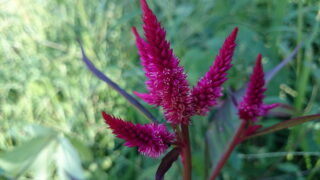
07.2786.1 Celosia argentea flower plant

What are the differences between Celosia and Celosia argentea? What are the differences between Celosia argentea and Celosia japonica? We'll explain how to distinguish between similar species.

Celosia and wild celosia are both annual plants belonging to the Celosia genus of the Amaranthaceae family, cultivated for food and ornamental purposes. Their spike-like inflorescences are sometimes likened to blazing flames. The Japanese name "Keito" (鶏頭) comes from the fact that some inflorescences grow large enough to resemble a rooster's comb. However, celosia and wild celosia...
Sponsored Link