Sponsored Link
plant

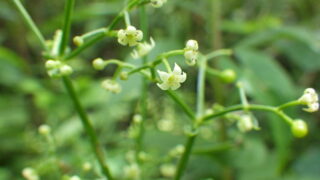
What are the differences between *Phyllanthus urinaria*, *Phyllanthus urinaria*, and *Phyllanthus longifolius*? An explanation of how to distinguish between similar species.

Phyllanthus urinaria, Phyllanthus sempervirens, and Phyllanthus longifolius all belong to the Phyllanthus genus of the Phyllanthaceae family. These annual plants grow in fields and roadsides, and are notable for their numerous small, orange-like green to red fruits rather than their flowers. These three species are among the most frequently found in the Phyllanthus genus...
plant

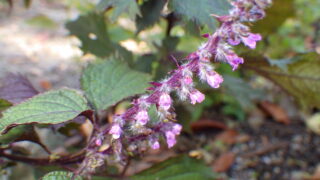
What are the differences between Clerodendrum trichotomum and Clerodendrum frequens? An explanation of how to distinguish between similar species.

Both Clerodendrum trichotomum and Clerodendrum sibiricum belong to the mint family and are sometimes cultivated for ornamental purposes. Their most significant commonality is the similar shape of their flowers. Specifically, both have very long stamens and pistils that curve downwards (curl) and protrude far from the flower. Therefore...
plant

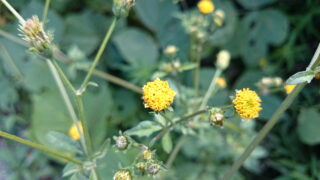
キンケイギク・オオキンケイギク・ハルシャギク・ホソバハルシャギクの違いは?キバナコスモスとの違いは?似た種類の見分け方を解説

キンケイギク・オオキンケイギク・ハルシャギク・ホソバハルシャギクはいずれもキク科ハルシャギク属に含まれ、特徴は少ないものの、「非常に派手な黄色の一重咲き~二重咲きのキク」という印象を受ける一年草または越年草です。特にオオキンケイギクは特定外...
plant

What are the differences between cosmos, yellow cosmos, chocolate cosmos, and marigolds? We explain how to distinguish between similar varieties.

Cosmos, yellow cosmos, and chocolate cosmos all belong to the Cosmos genus of the Asteraceae family. Although they are introduced species in Japan, they have become representative autumn landscape plants, as evidenced by their alternative name, "autumn cherry blossom," and are widely cultivated. They are characterized by their large, beautiful ray florets and achenes...
plant

What are the differences between Japanese shallots (rakkyo), wild shallots (yamarakkyo), and thread shallots? How do they differ from yellow thread shallots (kii-itorakkyo)? This article explains how to distinguish between similar species.

Japanese shallots (rakkyo), wild shallots (yamarakkyo), and thread shallots (itorakkyo) all belong to the genus Allium in the Amaryllidaceae family and share the common characteristic of having the word "rakkyo" in their Japanese names. Japanese shallots are eaten as pickled shallots, while wild shallots and thread shallots are wild species native to Japan...
plant

What are the differences between Polygonum capitatum and Polygonum capitatum? An explanation of how to distinguish between similar species.

Both Polygonum capitatum and Polygonum persicaria belong to the genus Polygonum in the family Polygonaceae. They are among the most common perennial herbs in the genus Polygonum, and Polygonum persicaria in particular can be found very commonly on the stone walls of houses in urban areas. While the genus Polygonum contains a vast number of species, these two species share morphological similarities...
plant

タンキリマメ・トキリマメ・ノササゲの違いは?似た種類の見分け方を解説

タンキリマメ・トキリマメ・ノササゲはいずれもマメ科に含まれ、日本の林縁では一般的なつる性多年草です。葉は三出複葉である点、花が夏~秋に咲き蝶形花である点、花色が黄色である点が共通しており、区別に迷うことがあるかもしれません。しかし、これら3...
plant

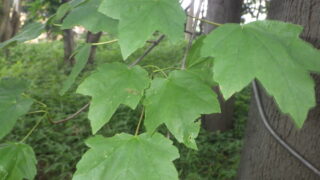
What are the differences between Japanese maple (Acer palmatum), large-leaved maple (Acer palmatum), mountain maple (Acer japonicum), fan maple (Acer japonicum), and small fan maple (Acer japonicum)? An explanation of how to distinguish between similar species.

Japanese maple, large-leaved maple, mountain maple, fan maple, and small fan maple all belong to the Acer genus of the Sapindaceae family. They change color and shed their leaves in late autumn, making them representative deciduous trees of the Japanese autumn landscape. Their distinguishing features include samaras (winged fruits) with a pair of "wings" and palmate leaves...
plant

What are the differences between *Achyranthes japonica* and *Achyranthes bidentata*? An explanation of how to distinguish between similar species.

Both *Achyranthes japonica* (also known as *Achyranthes japonica var. spp.*) and *Achyranthes japonica* belong to the genus *Achyranthes* in the family Amaranthaceae, and are fairly common perennial herbs in Japan. Their most distinctive feature, and one that affects humans the most, is that their fruits are "burrs." Walking along the edge of a forest, they can easily snag your clothes...
plant

What are the differences between Lycoris radiata (Red Spider Lily), Lycoris radiata var. alba, Lycoris radiata var. alba, and Lycoris radiata var. alba? An explanation of how to distinguish between similar species.

Lycoris radiata (red spider lily), Lycoris radiata var. alba, Lycoris radiata var. alba, and Lycoris aurea are all perennial plants belonging to the Lycoris genus of the Amaryllidaceae family. They are very familiar to Japanese people due to their toxicity and the clusters of flowers they produce in autumn. However, there are many varieties...
Sponsored Link