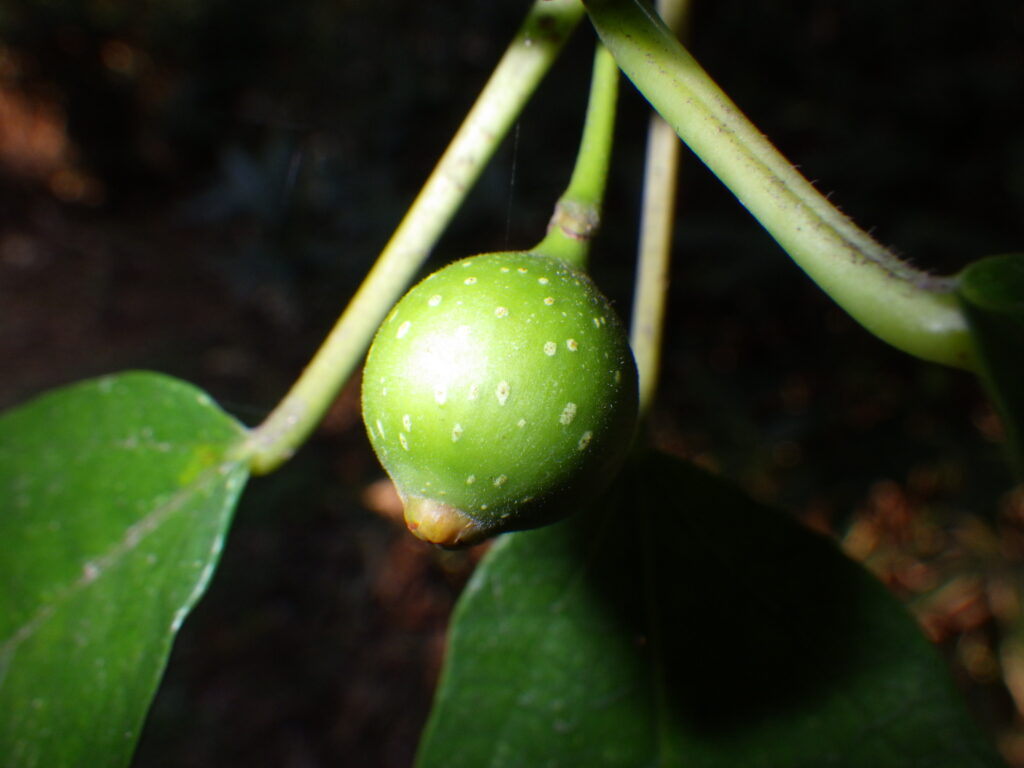
The loquat is an evergreen tree native to China, cultivated worldwide for its edible fruit. In Japan, it is frequently cultivated not only for food but also for ornamental purposes. A similar-sounding species, the dog loquat (Ficus erecta), is a deciduous shrub that is sometimes confused with the loquat due to its oval-shaped, fruit-like structure, but taxonomically they are completely different species. This difference can be seen in all organs, including flowers, fruits, and leaves. Loquats are also frequently searched for in relation to apricots, persimmons, and mangoes, perhaps because of the similar color of their fruits, but they differ in taste, fruiting season, and leaf shape. Loquat flowers bloom even in the middle of winter, and research in China has shown that insects visit in early winter, while bulbuls and white-eyes visit in late winter. It can be said that the loquat employs a hybrid strategy for pollination. This article will explain the classification and ecology of the loquat.
What are loquats and dog figs?
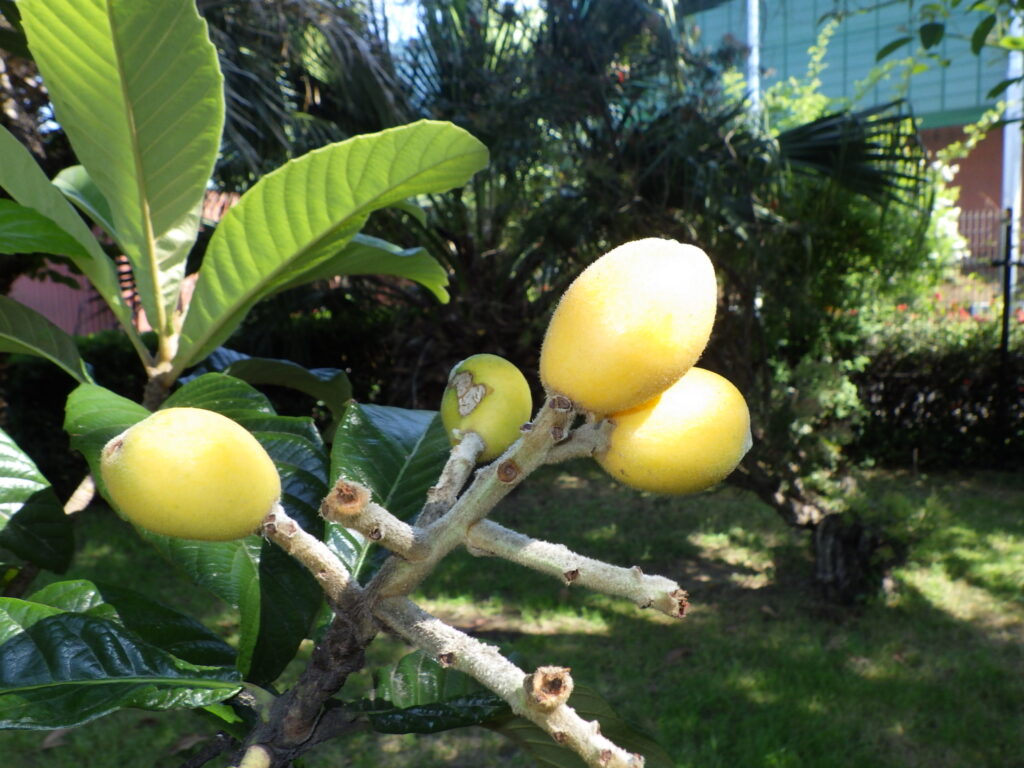
The loquat (Eriobotrya japonica), native to China, is an evergreen tree cultivated worldwide for its edible fruit (Mogi et al., 2000). In Japan, it has been documented since the Nara period and has been cultivated since at least that time, and is now planted in gardens and parks. Wild individuals are thought to be escaped cultivated individuals, but there are habitats in western Japan that appear to be wild, leading to the theory that it is a native species (Kanagawa Prefecture Flora Survey Association, 2018). However, in my opinion, this is not very reliable considering its global distribution. The Japanese name comes from the fact that the shape of the loquat fruit resembles the musical instrument biwa.
While the Japanese Wikipedia lists the loquat's scientific name as Rhaphiolepis bibas, placing it within the genus Rhaphiolepis, subsequent molecular phylogenetic studies have reaffirmed the prevailing view that the genera Rhaphiolepis and loquat should be separated (Dong et al., 2022), and globally, Eriobotrya japonica is considered the correct scientific name (RBG Kew, 2024).
Ficus erecta, also known as the dog loquat, is distributed in Honshu (west of the Kanto region), Shikoku, Kyushu, and the Ryukyu Islands in Japan; and in Korea (Jeju Island). It is a deciduous shrub that grows in forests of oak and chestnut trees and is common near the coast.
Since they all share the name "loquat," you might get the impression that they are somewhat closely related.
It could be argued that they share the common characteristic of producing an oval-shaped, edible part on the plant body when it matures in the wild.
What is the difference between loquat and dog fig?
However, taxonomically speaking, loquats and wild figs are completely different species, and it's difficult to find any similarities between them.
While the loquat (Biwa) belongs to the genus Eriobotrya in the family Rosaceae, the wild fig (Ficus erecta) belongs to the genus Ficus in the family Moraceae.
One of the most significant differences is that while the loquat tree has actual flowers and fruits attached to its plant body, the wild fig (Ficus erecta) has what are called "syconia" or "syconium" instead of flowers and fruits.
This syconium is a structure unique to the fig genus, with flowers blooming inside the sac-like part. Only a small wasp called Blastophaga nipponica enters the syconium and contributes to pollination (Azuma et al, 2003; Azuma et al, 2010). This relationship is called "obligatory pollination symbiosis." For more details on this relationship, please see the separate article.
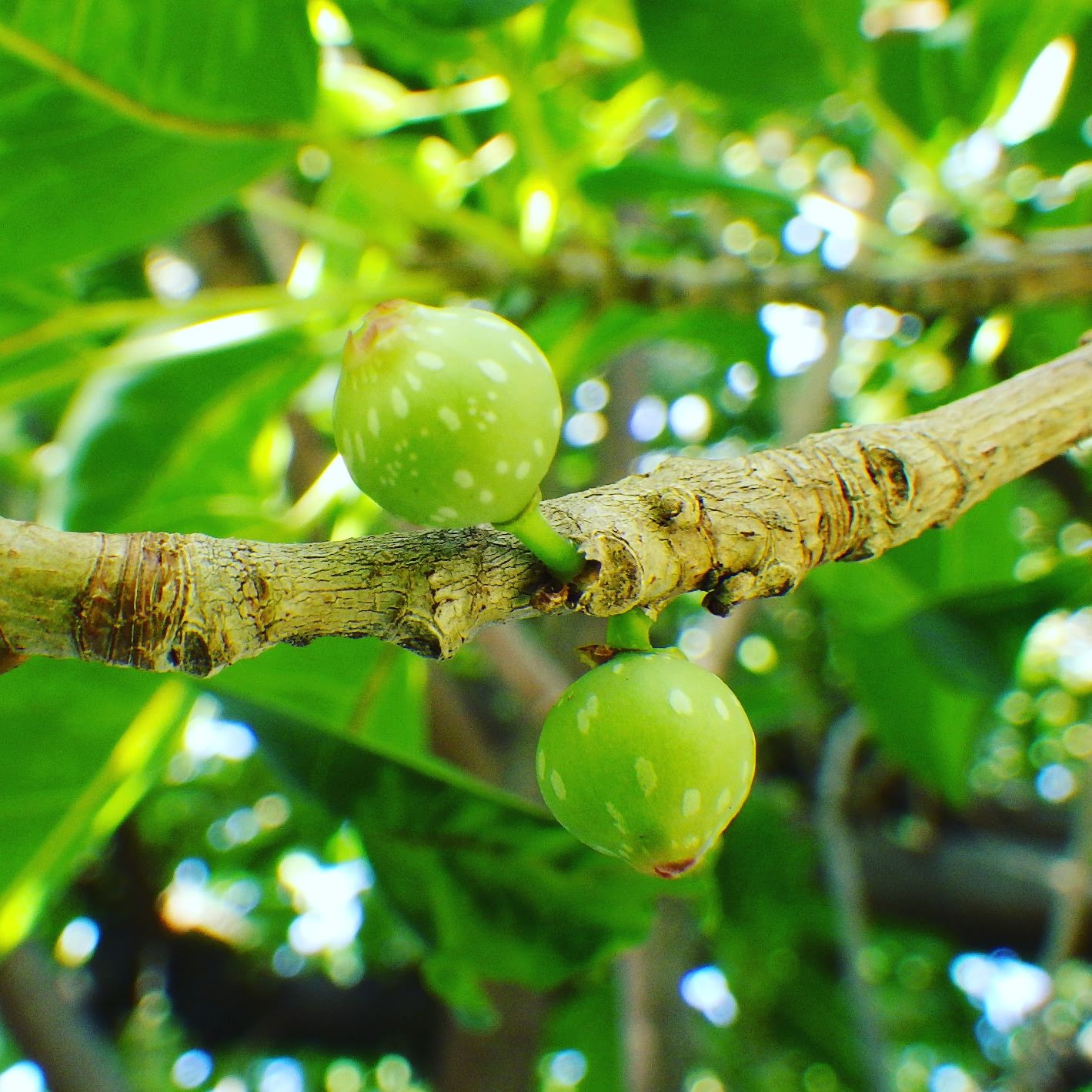
When ripe, the flower receptacle transforms into a "fruit receptacle," and the flowers inside develop into the fruit. In other words, the true fruit of the fig tree is located inside the fruit receptacle.
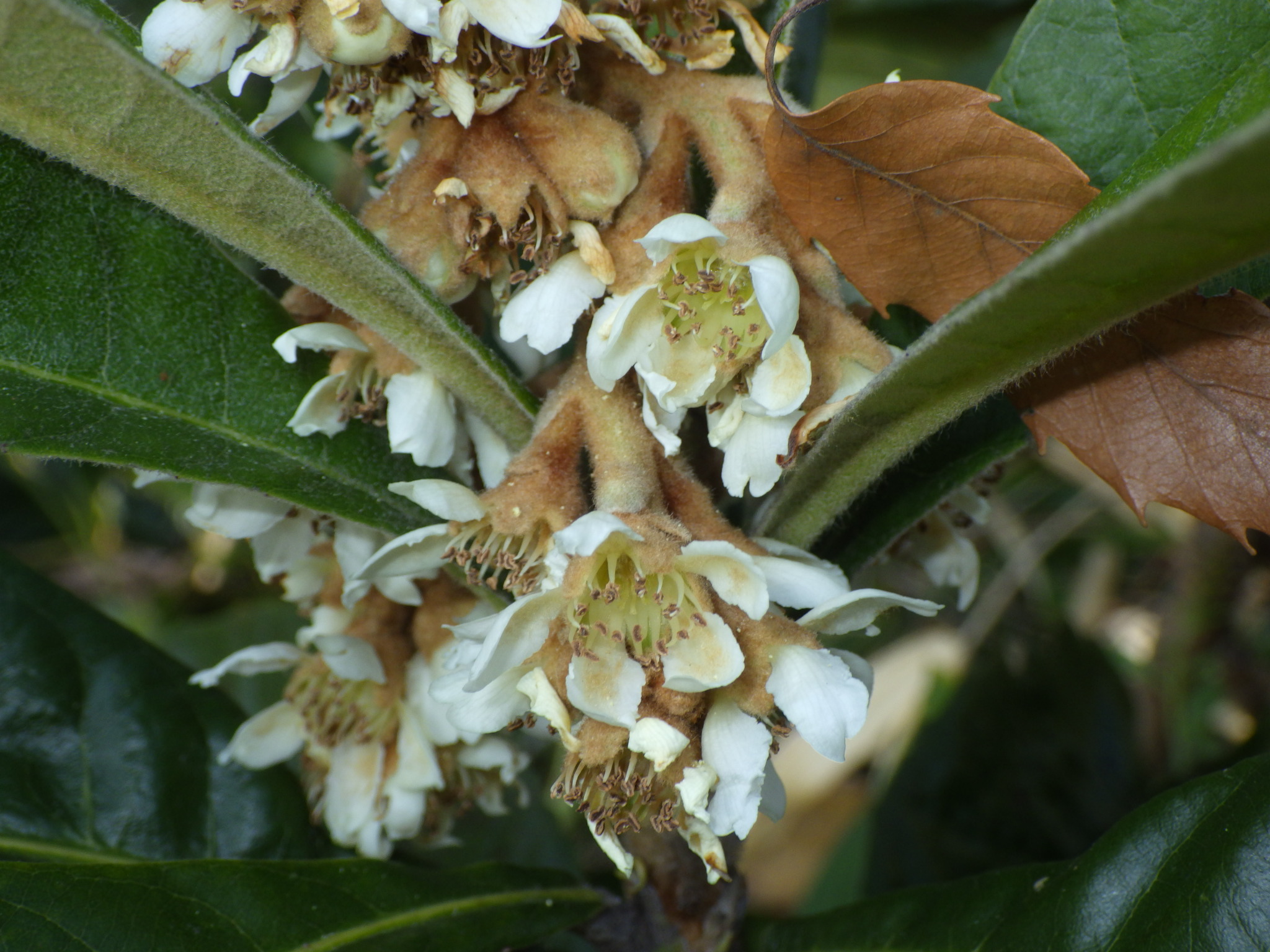
On the other hand, the loquat has flowers with five white petals in a conical inflorescence, and its fruit is a yellow-orange pome-shaped fruit.
Therefore, you can see that the characteristics of the flowers and fruits of the loquat and the dog fig are completely different. The "dog" in dog fig means useless, and while it's not that the dog fig is inedible to humans, it's not as tasty as the loquat.
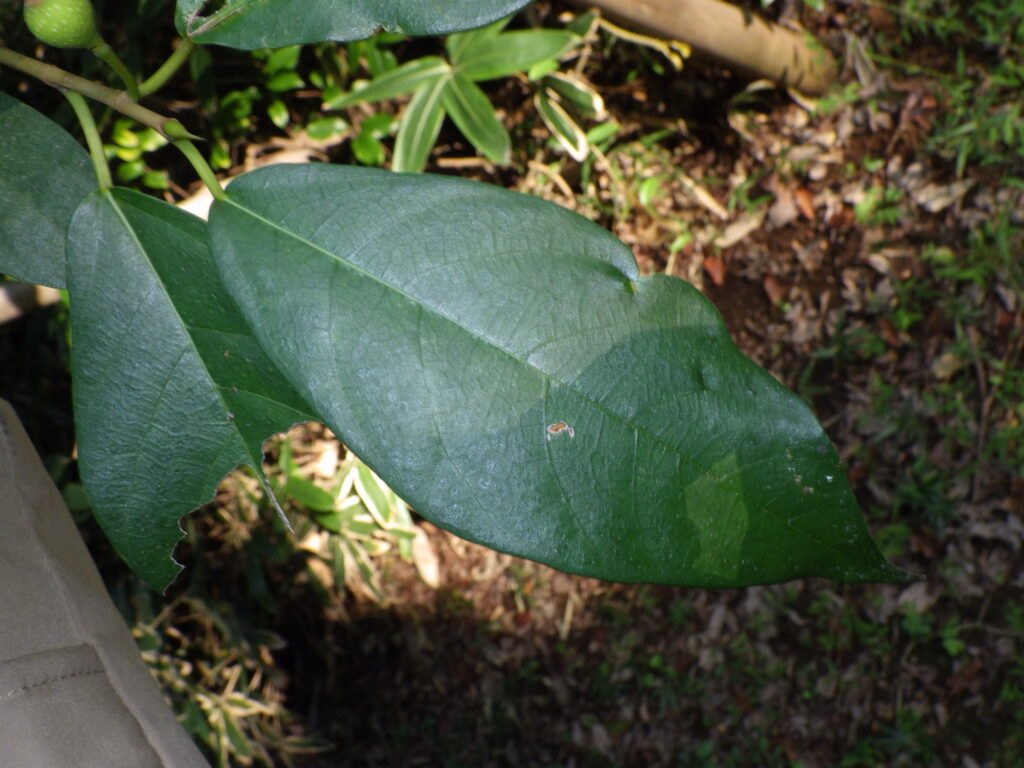
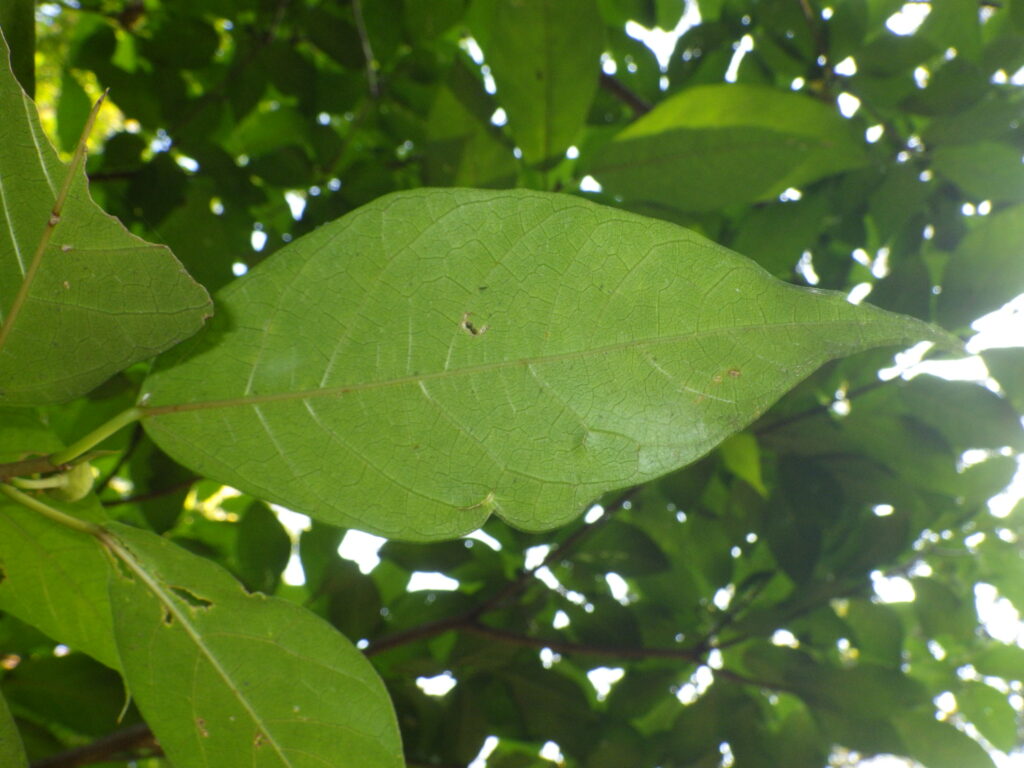
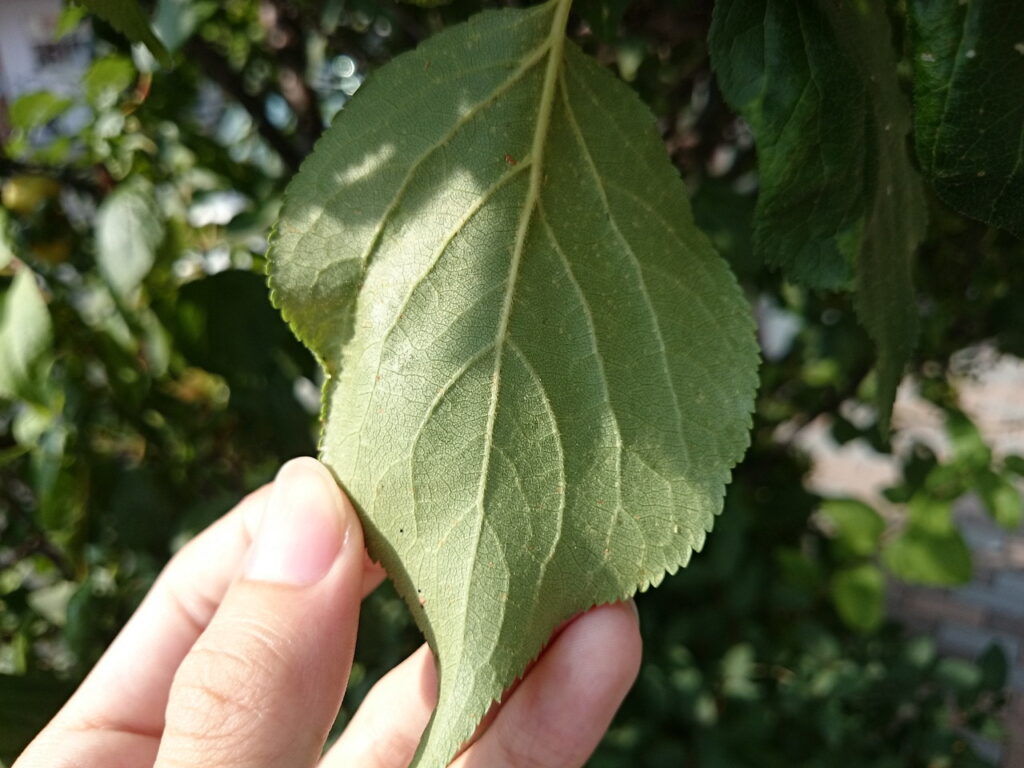
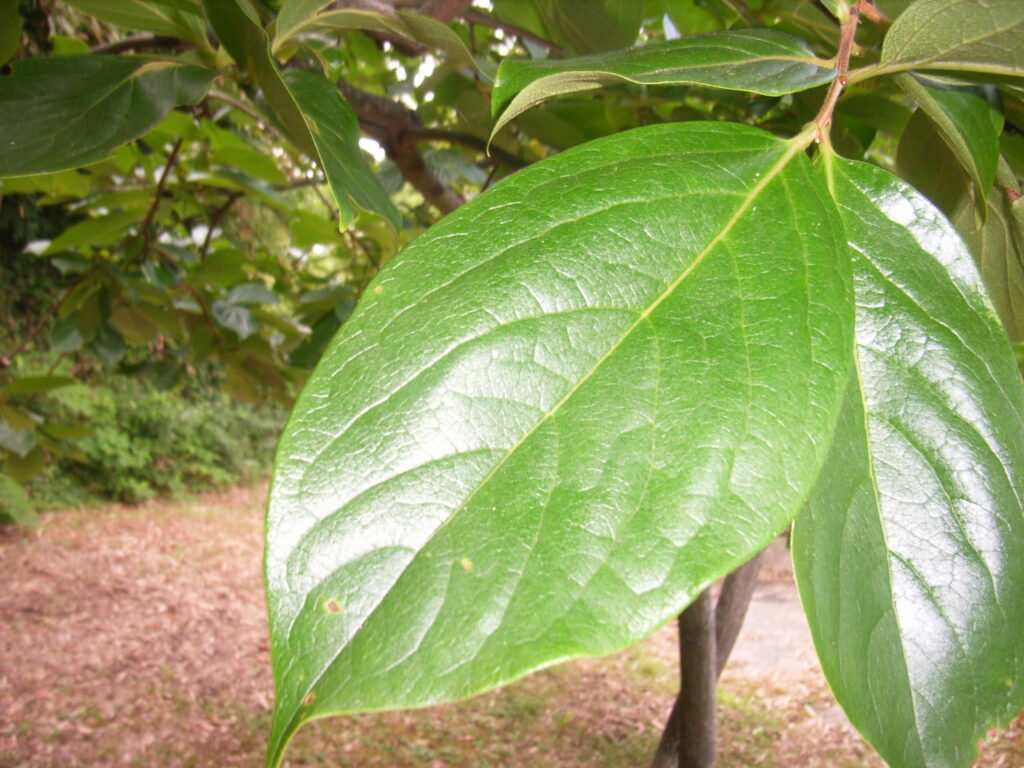
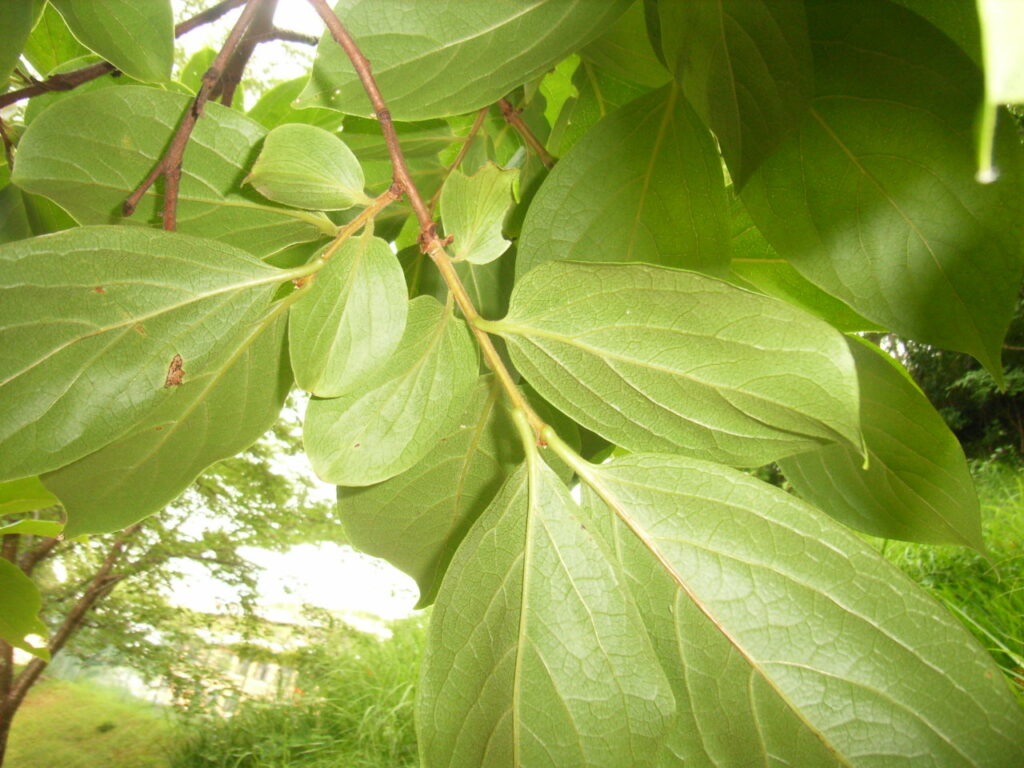
The leaves are also completely different: the loquat leaves are broadly oblanceolate to narrowly obovate with serrated edges and prominent downy hairs, while the wild fig leaves are obovate with entire margins and lack downy hairs.
Furthermore, while the loquat tree (Ficus microcarpa) is monoecious (having both male and female flowers on the same plant), the wild fig (Ficus erecta) is dioecious (having separate male and female flowers on different plants).
While no other species of the genus Loquat are known in Japan, numerous species are known in China (Wu et al., 2003).
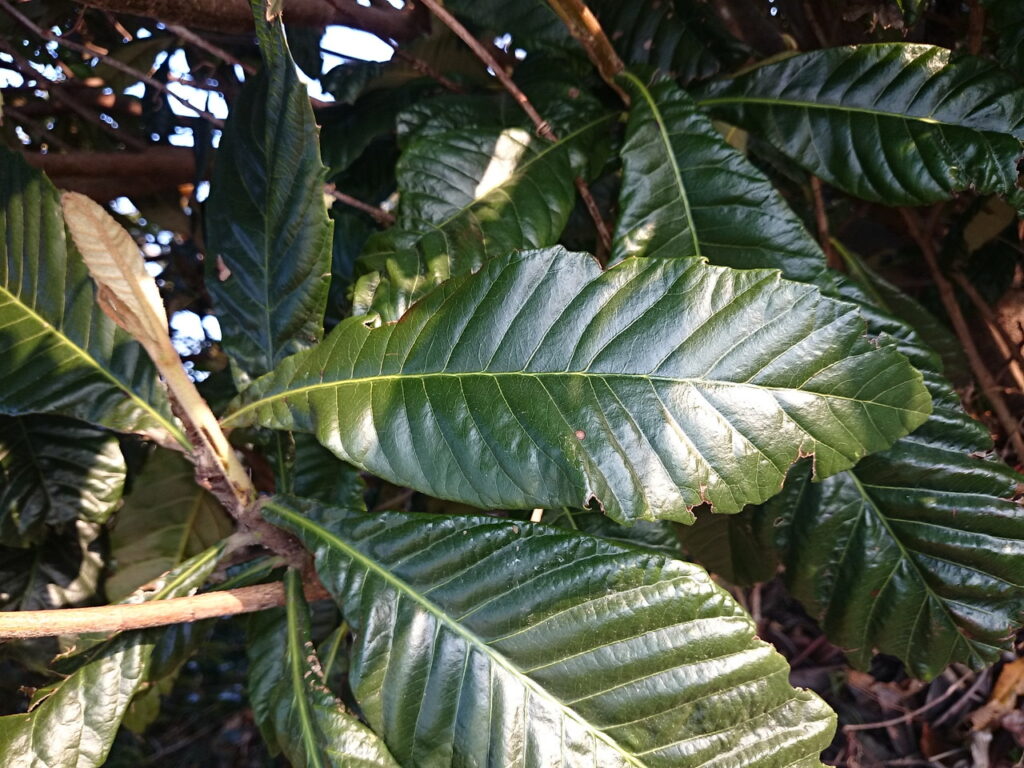
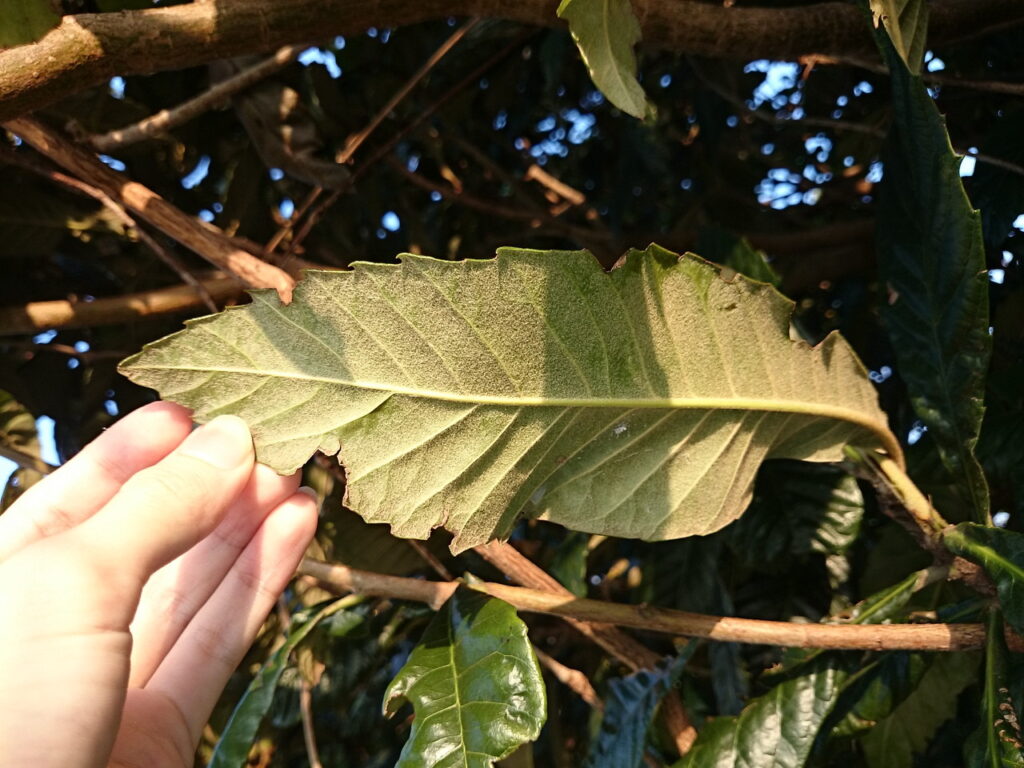
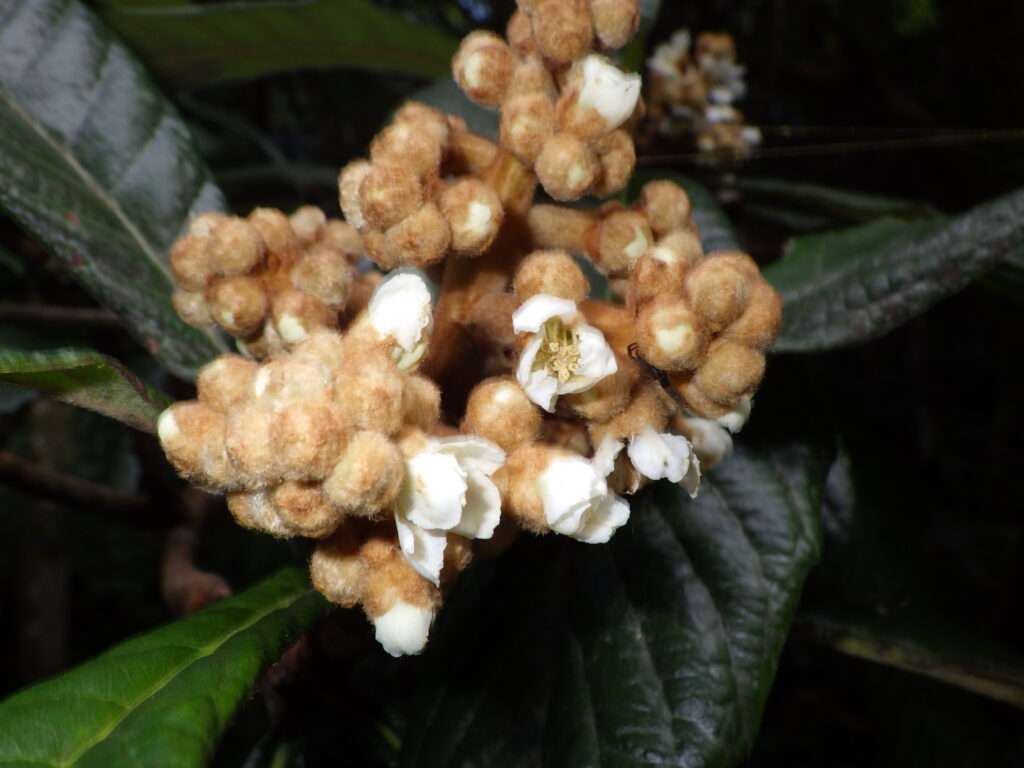
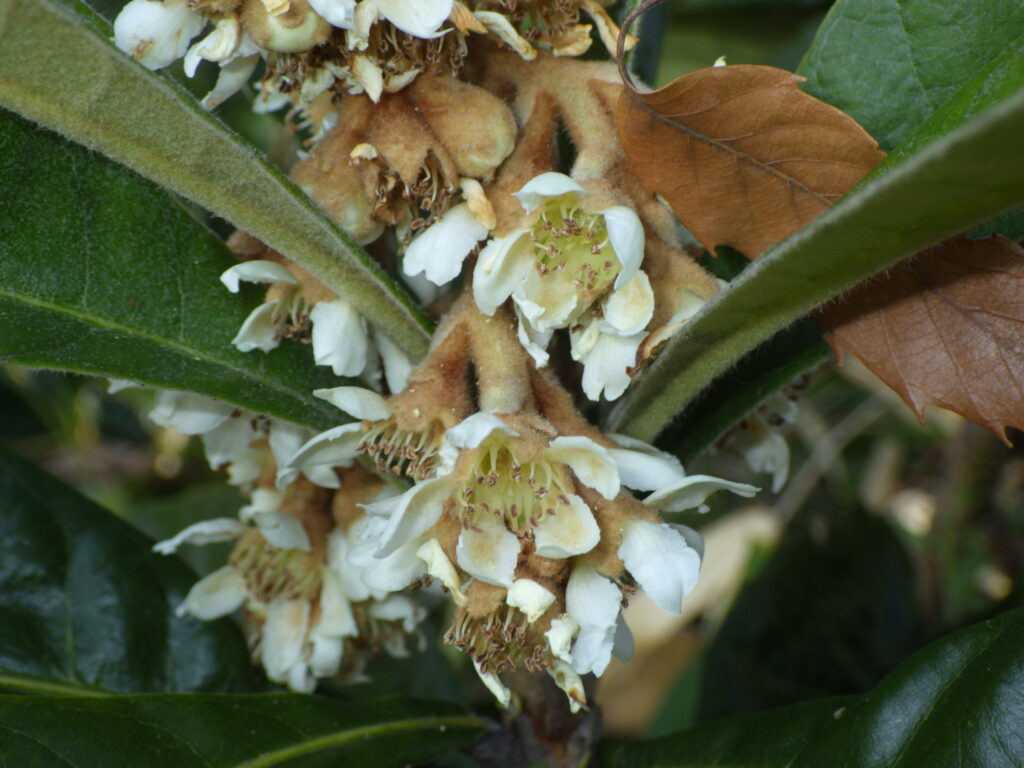
What are the differences between loquats, apricots, persimmons, and mangoes?
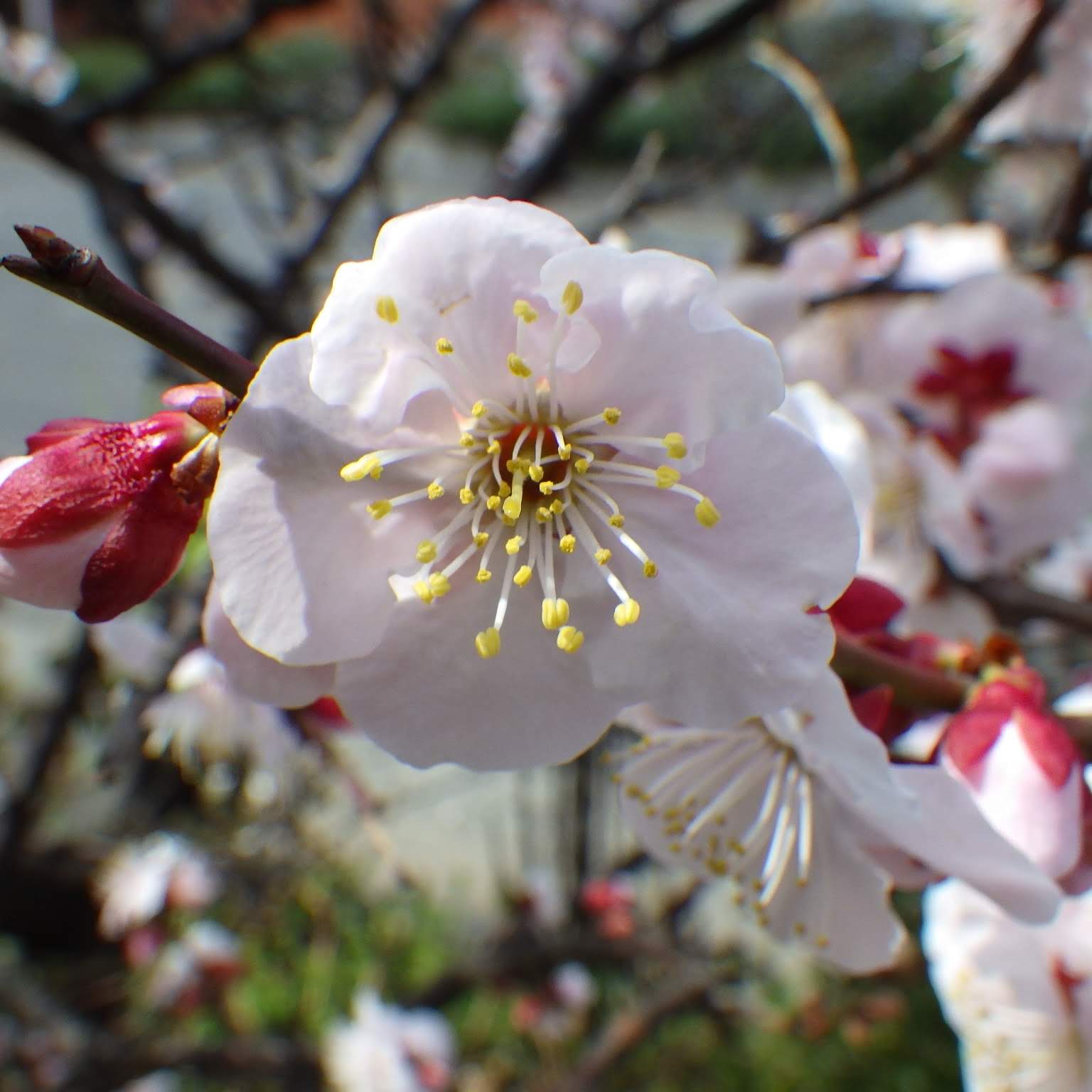
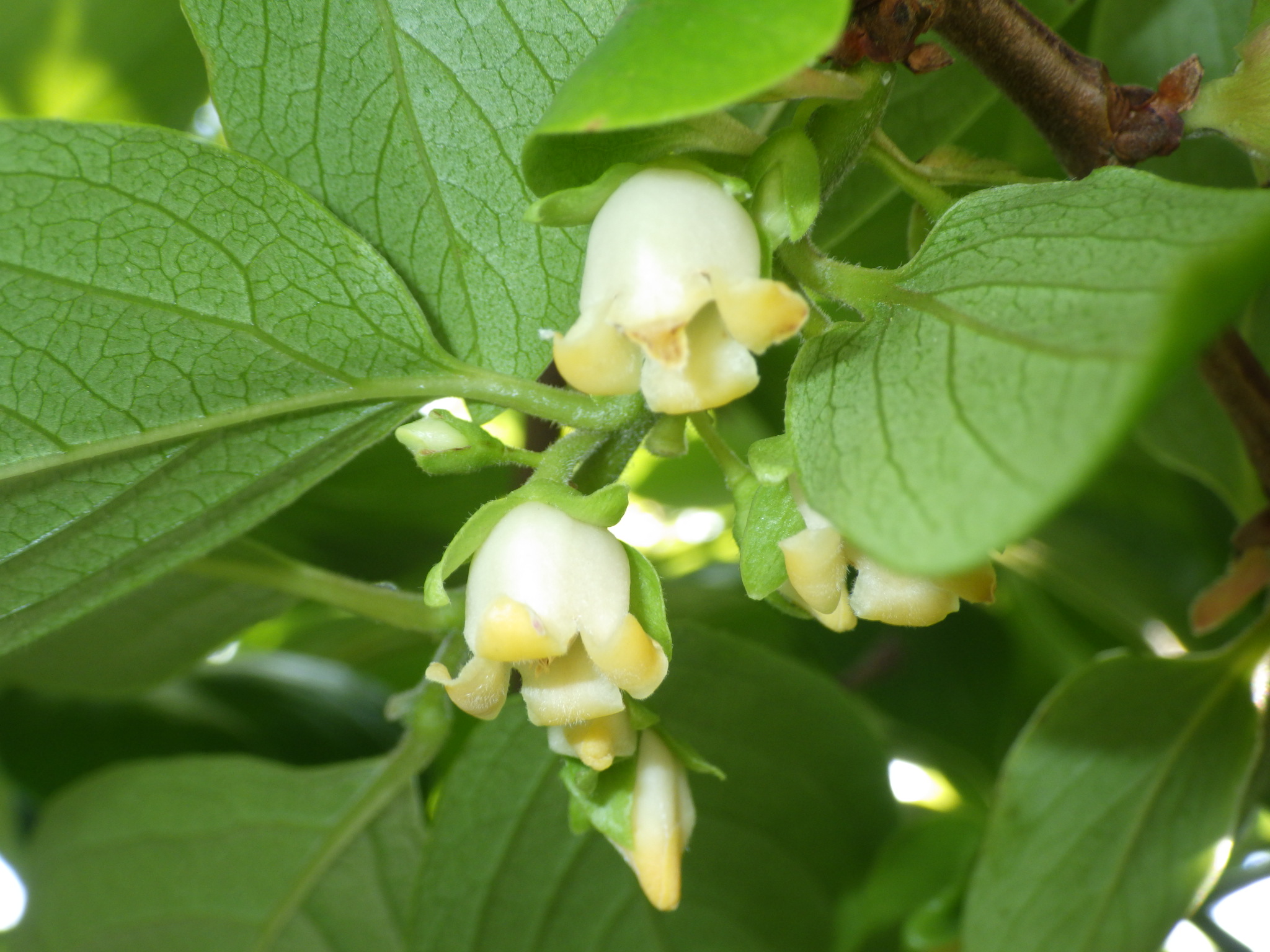
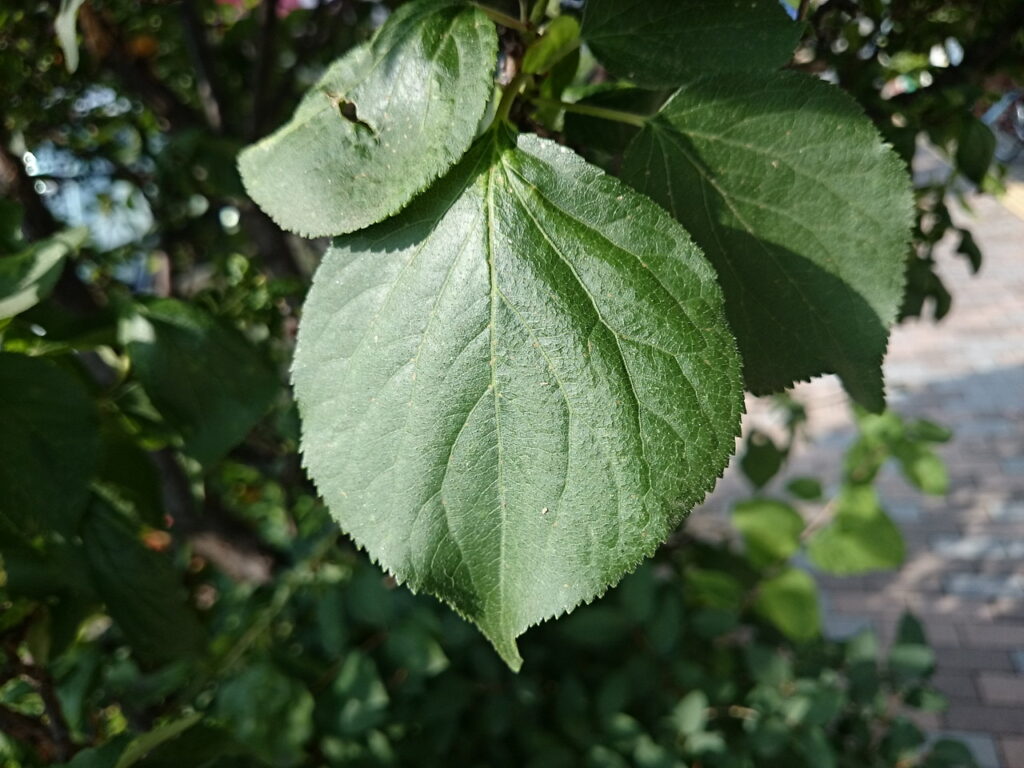
Looking at the suggestions in Google Search, it seems many people are curious about the differences between loquats, apricots (Prunus armeniaca var. ansu), persimmons (Diospyros kaki), and mangoes (Mangifera indica).
To someone who has observed them carefully, it might seem that there is no way to confuse them, but since both have yellowish fruits, some people might not be able to tell the difference, so I will briefly explain the differences here.
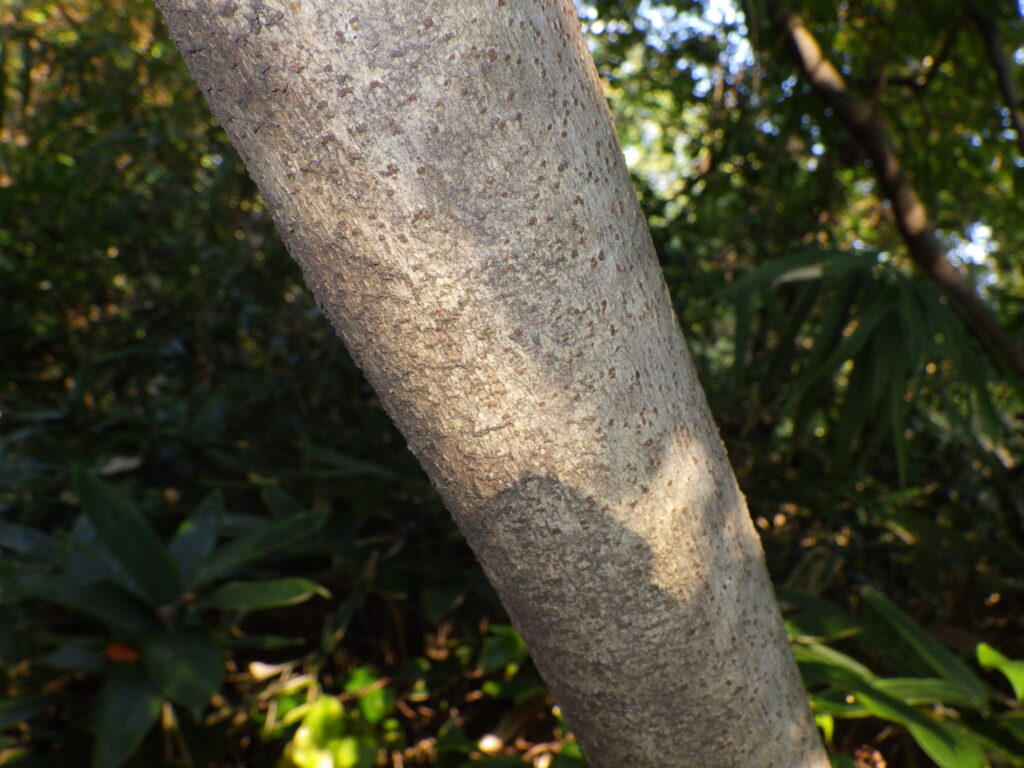
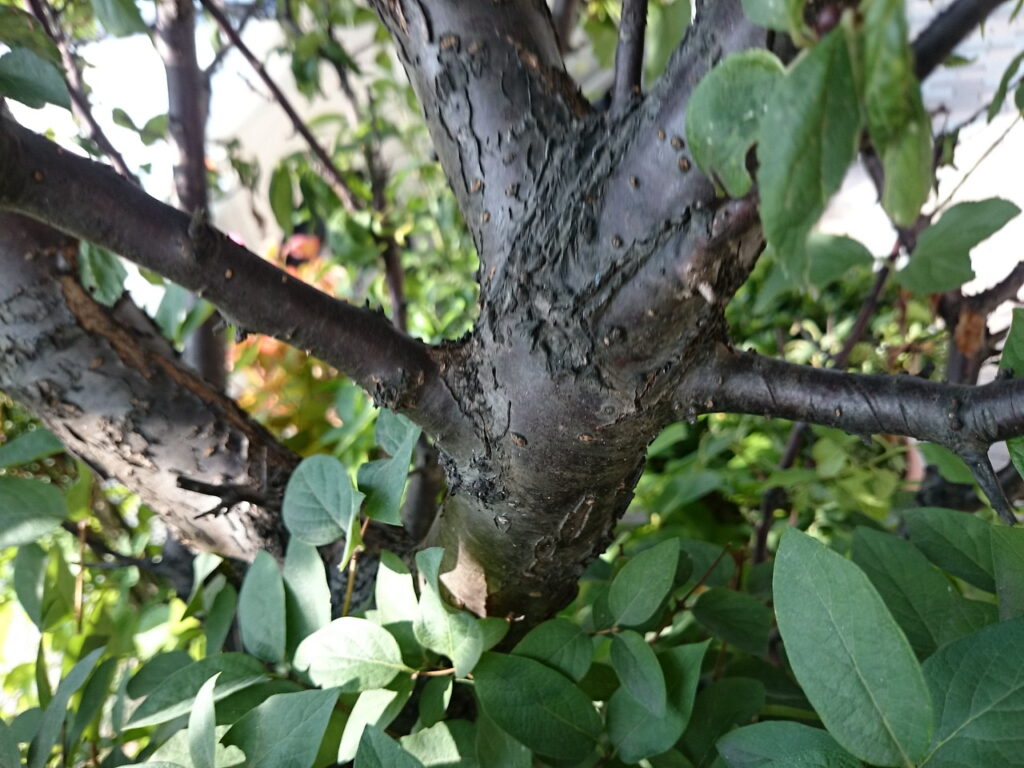
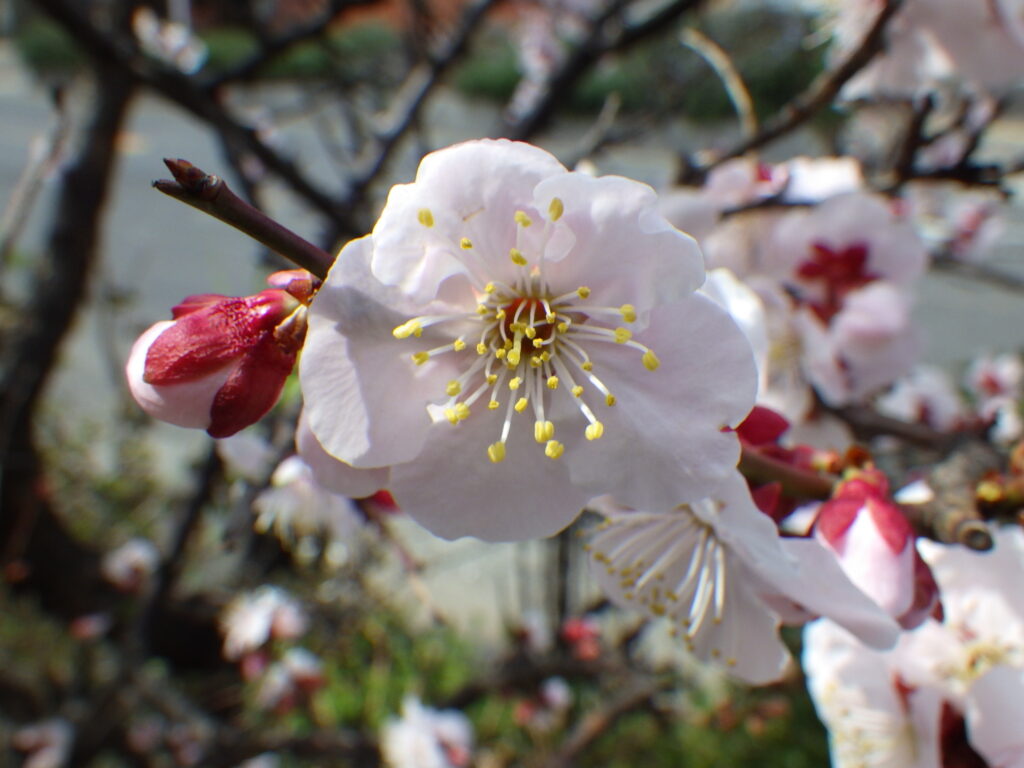
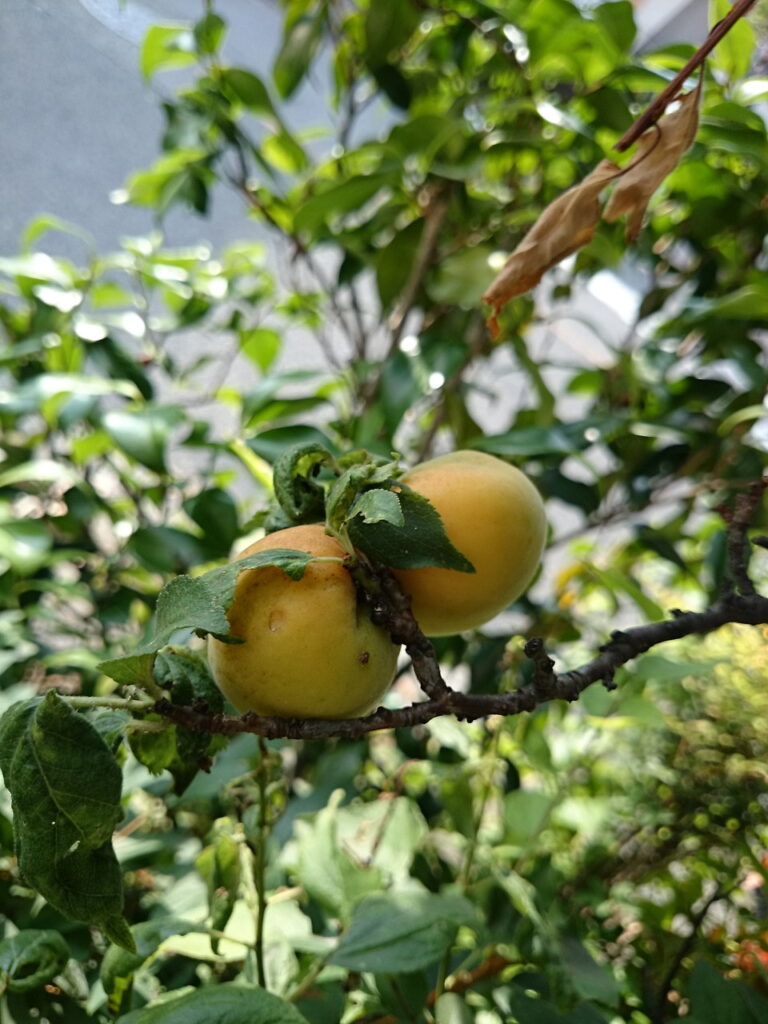
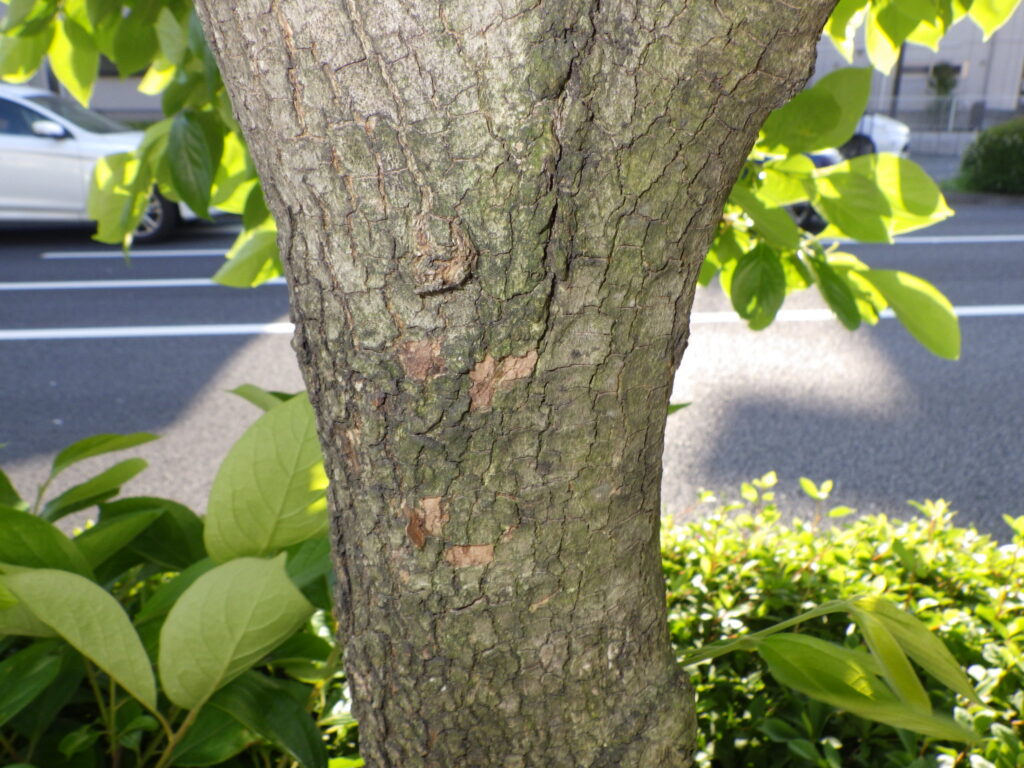
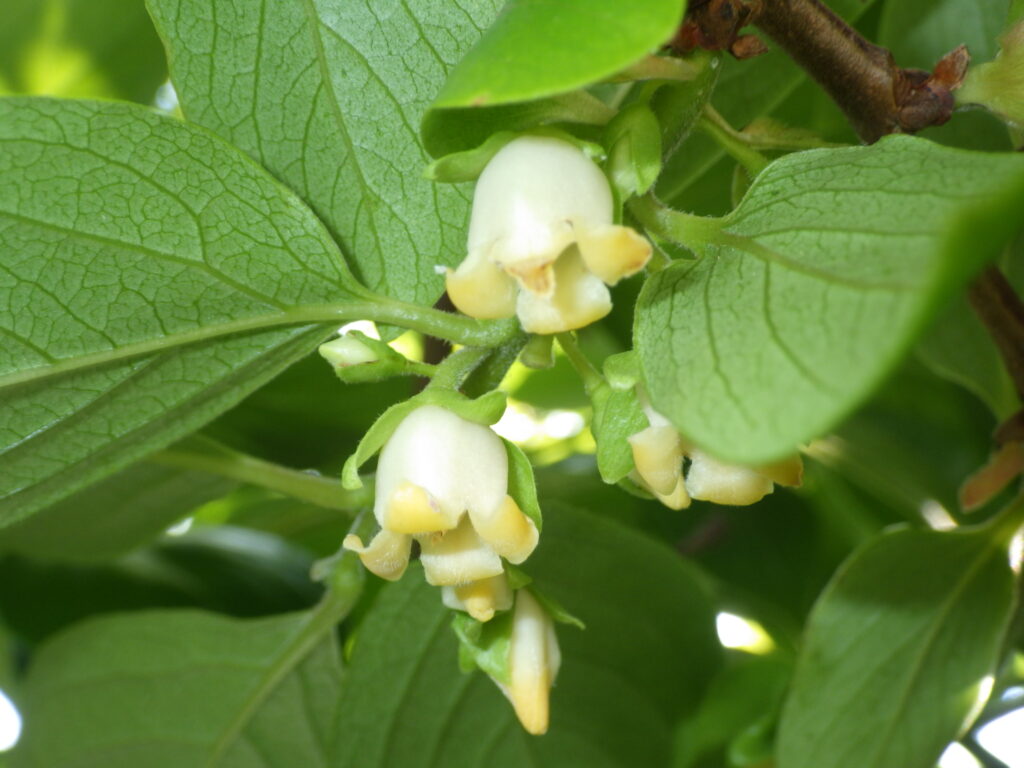
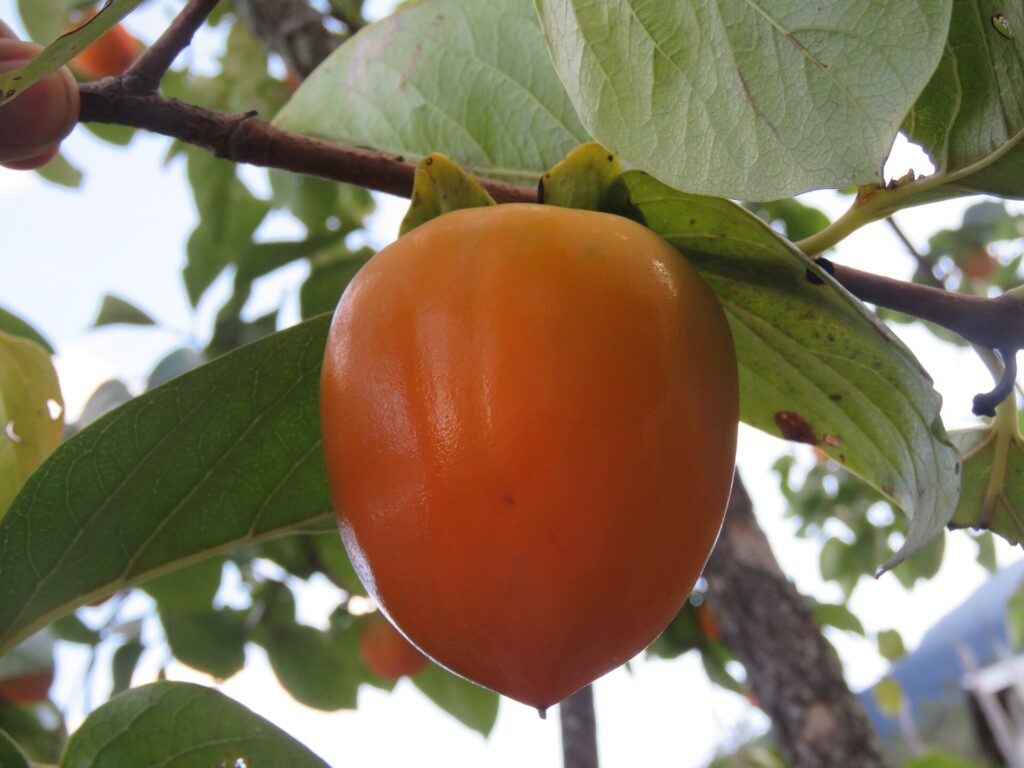
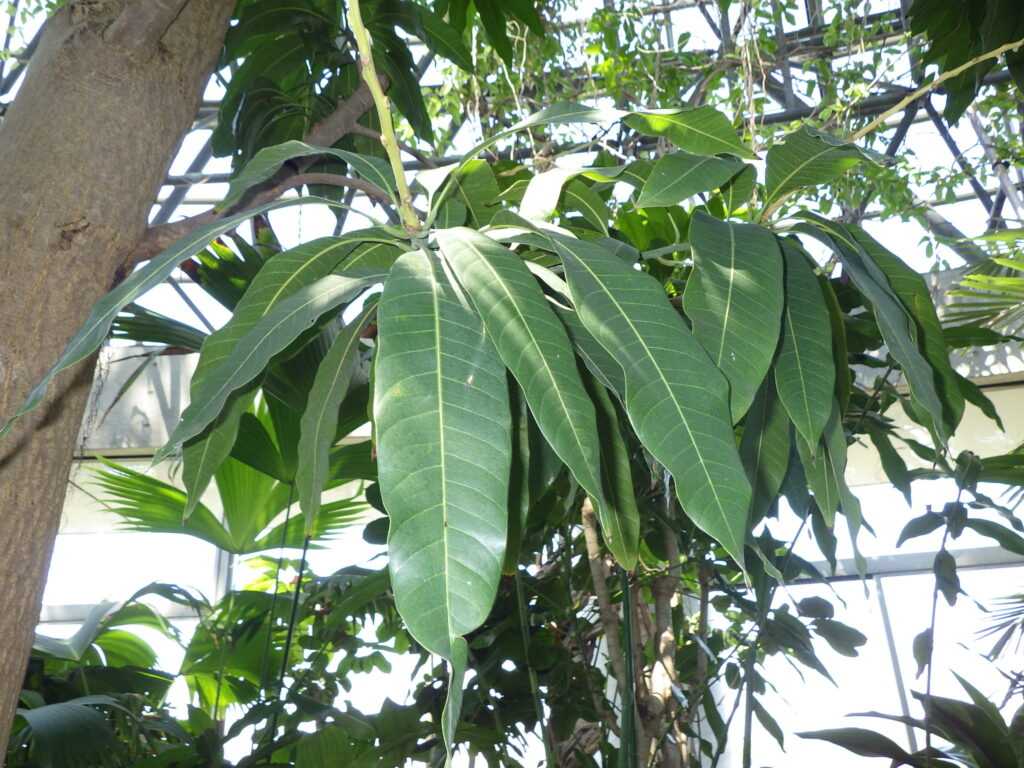
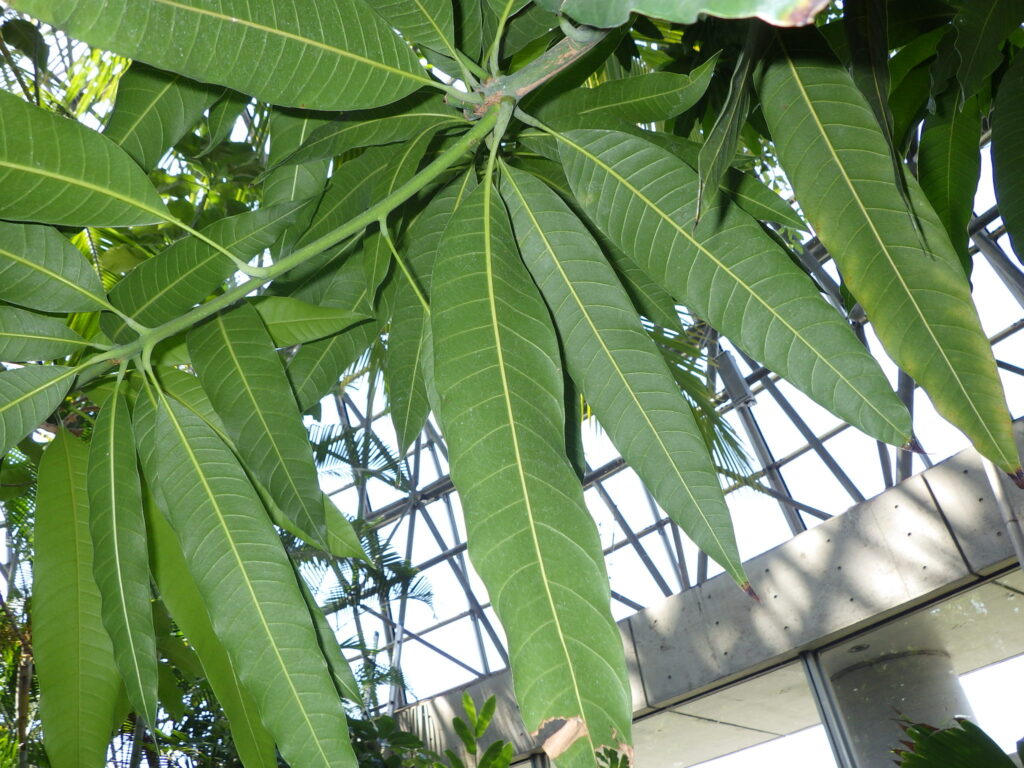
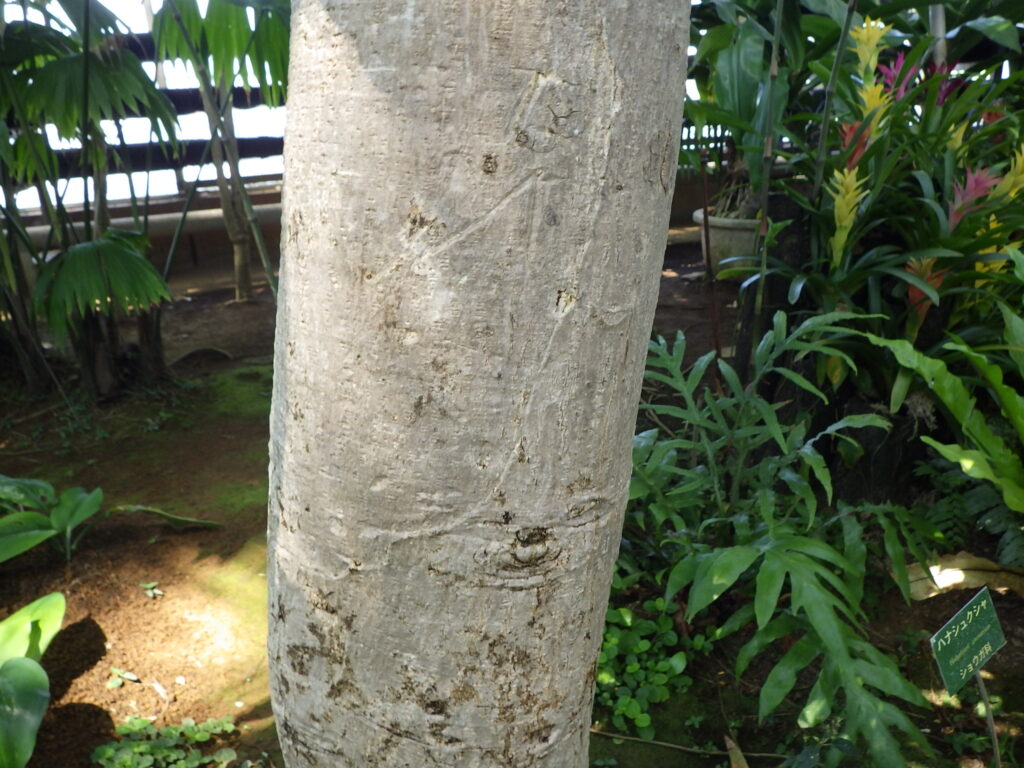
First, in terms of classification, loquats and apricots belong to the Rosaceae family, persimmons to the Ebenaceae family, and mangoes to the Anacardiaceae family. Therefore, with the exception of loquats and apricots, they are quite distantly related, and the basic structures of their leaves and flowers differ significantly. We will omit the detailed differences here, but you can see that they have completely different shapes by looking at the following photos.
The shape and taste of the fruit are as follows:
Loquat fruits are broadly oval-shaped, pear-like fruits, 3-4 cm in diameter. They ripen to a yellowish-orange color around May or June. The taste is mildly sweet with a refreshing flavor.
Apricots are drupe fruits, about 3 cm in diameter. They ripen to a yellow to dark yellow color around June or July. The taste is intensely sour, while the closely related apricot is also sour but also quite sweet. They are usually eaten in the form of dried apricots.
The fruit of the persimmon tree is a berry, 3.5 to 8.5 cm in diameter (cultivated varieties can grow to over 10 cm). It ripens to a yellowish-red color around October to November. It has a crisp, refreshing sweetness and a crunchy texture.
Mango fruits are drupe-like fruits, broadly oval to comma-shaped, measuring 3-25 cm in length and 1.5-15 cm in width, with size varying depending on the variety. They ripen from mid-April to around July, turning green or yellow to pink. The taste varies depending on the variety, but the apple mango, common in Japan, is very sweet and has a rich aroma.
For more information about these plants, please see our other article.

How are loquats pollinated? What animals visit the flowers that bloom in winter?
Loquats are slightly self-compatible and can self-pollinate to a limited extent, but it has been found that cross-pollination improves fruit set rate and quality in terms of fruit size, fruit weight, seed count, flesh weight, and sugar content (Khan et al., 2022). Simply put, if you let insects or other means pollinate the fruit, you will get more delicious fruit.
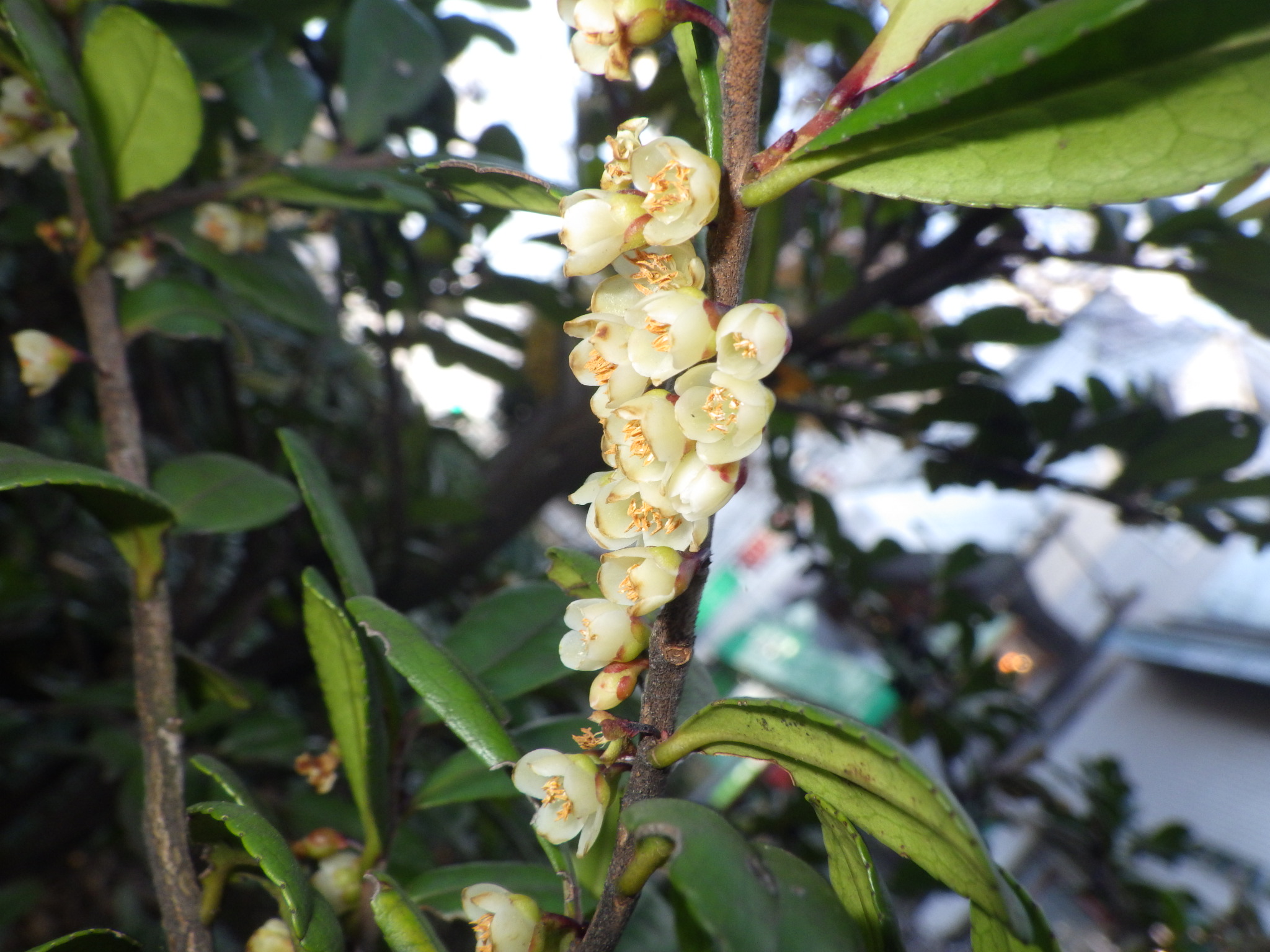
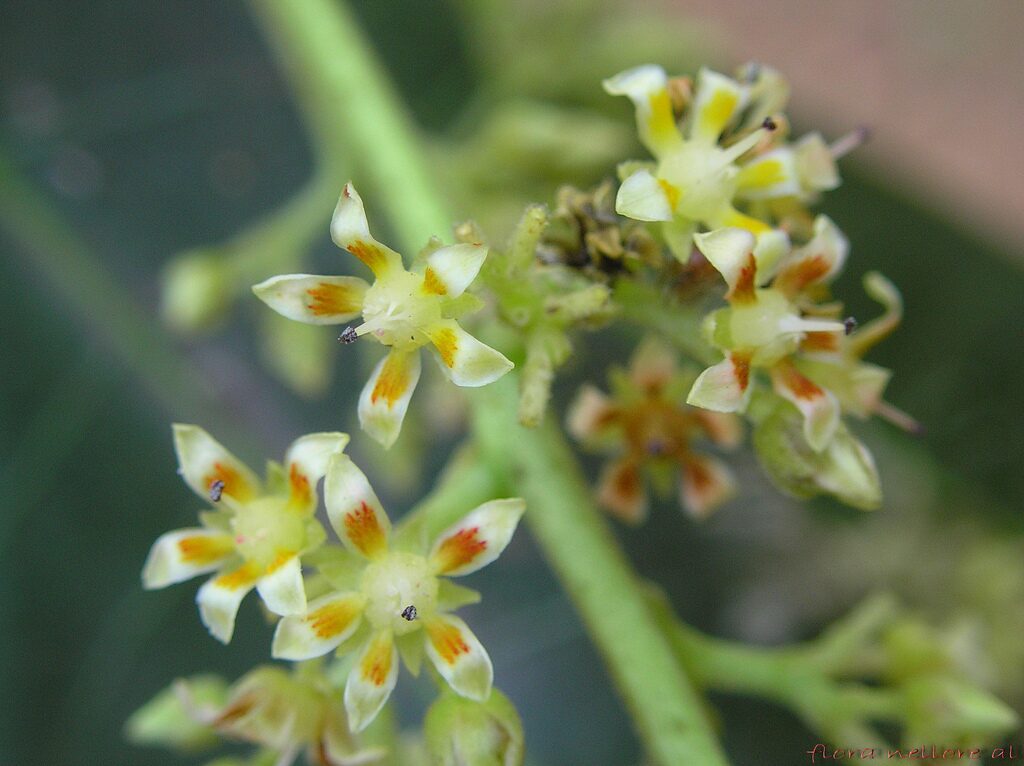
Loquats bloom from November to January, producing around 100 small, fragrant flowers in a conical inflorescence 10-20 cm long. The flowers are about 1 cm in diameter and have five white petals. The lower inner part of the petals, the calyx, and the inflorescence are densely covered with brownish downy hairs.
While it's rare for plants to bloom in winter, how do they manage pollination? There should be fewer animals that act as pollinators during winter.
Loquats are commercially cultivated as fruit trees all over the world, so research on this topic is quite advanced. It's interesting that loquats are more popular as fruit trees in other countries than in Japan.
A study in Jordan found that European honeybees, a species of the genus *Hymenoptera*, and a species of the genus *Bumblebee* visit flowers (Freihat et al., 2008). A study in Islamabad, Pakistan, found that houseflies, calliflies, syrphidae, and honeybees visit flowers (Sarwar et al., 2012). A study in Punjab, Pakistan, found that honeybees, pygmy bees, and syrphidae visit flowers (Ahmad et al., 2021).
Except for Jordan, which has a Mediterranean climate, it can be seen that, generally speaking, small insects that are resistant to winter cold are the ones that visit the flowers.
However, these results are from records outside of the native habitat. The pollination ecology of loquats has also been studied in China, their native country, and some interesting results have been obtained there (Fang et al., 2012).
This study found that in early winter, as in other countries, insects such as the Oriental honeybee (Apis cerana), the Asian hornet (Vespa velutina), calliflies (Calliphoridae), and syrphidae (Hyrphidae) visited flowers. However, in late winter, the number of insects decreased, and it was found that birds such as the brown-eared bulbul (Pycnonotus sinensis) and the Japanese white-eye (Zosterops japonicus) became the main pollinators. Furthermore, the experiment revealed that their contribution to pollination was quite significant. For both birds and birds, the main food source was nectar.
Loquat blossoms secrete abundant nectar for a long period, making them a good food source for birds, but they also emit a pleasant scent. Since birds are thought to have a very weak sense of smell, this characteristic is thought to be an adaptation to attract insects.
In summary, these results from its native habitat suggest that loquat flowers have evolved to attract both small, cold-hardy insects and birds.
References
Ahmad, S., Khalofah, A., Khan, SA, Khan, KA, Jilani, MJ, Hussain, T., … & Ahmad, Z. 2021. Effects of native pollinator communities on the physiological and chemical parameters of loquat tree (Eriobotrya japonica) under open field condition. Saudi Journal of Biological Sciences 28(6): 3235-3241. ISSN: 1319-562X, https://doi.org/10.1016/j.sjbs.2021.02.062
Azuma, H., Harrison, RD, Nakamura, K., & Su, ZH 2010. Molecular phylogenies of figs and fig-pollinating wasps in the Ryukyu and Bonin (Ogasawara) islands, Japan. Genes & Genetic Systems 85(3): 177-192. ISSN: 1341-7568, https://doi.org/10.1266/ggs.85.177
Higashi, Koji; Su, Zhihui; and Nakamura, Keiko. 2003. Co-evolution of the genus Ficus and fig wasps. Mathematical Sciences 479: 78-83. ISSN: 0386-2240, https://www.saiensu.co.jp/search/?isbn=4910054690538&y=2003
Dong, Z., Qu, S., Landrein, S., Yu, WB, Xin, J., Zhao, W., … & Xin, P. 2022. Increasing taxa sampling provides new insights on the phylogenetic relationship between Eriobotrya and Rhaphiolepis. Frontiers in Genetics 13: 831206. ISSN: 1664-8021, https://doi.org/10.3389/fgene.2022.831206
Fang, Q., Chen, YZ, & Huang, SQ 2012. Generalist passerine pollination of a winter-flowering fruit tree in central China. Annals of Botany 109(2): 379-384. ISSN: 0305-7364, https://doi.org/10.1093/aob/mcr293
Freihat, NM, Al-Ghzawi, AAM, Zaitoun, S., & Alqudah, A. 2008. Fruit set and quality of loquats (Eriobotrya japonica) as effected by pollinations under sub-humid Mediterranean. Scientia Horticulturae 117(1): 58-62. ISSN: 0304-4238, https://doi.org/10.1016/j.scienta.2008.03.012
Khan, SA, Tanveer, M., Ahmad, S., Mars, M., Naeem, M., Naveed, Z., … & Goulson, D. 2022. Declining abundance of pollinating insects drives falls in loquat (Eriobotrya japonica) fruit yields in the Pothwar region of Pakistan. Agriculture, Ecosystems & Environment 339: 108138. ISSN: 1873-2305, https://doi.org/10.1016/j.agee.2022.108138
Kanagawa Prefecture Flora Survey Association. 2018. Kanagawa Prefecture Flora 2018 (Electronic Edition). Kanagawa Prefecture Flora Survey Association, Odawara. 1803pp. ISBN: 9784991053726
Mogi, T., Ishii, H., Sakio, H., Katsuyama, T., Ota, K., Takahashi, H., Shirokawa, S., and Nakagawa, S. 2000. Flowers Blooming on Trees: Polypetalous Flowers (Vol. 1, Revised 3rd Edition). Yama-kei Publishers, Tokyo. 719pp. ISBN: 9784635070034
RBG Kew. 2024. The International Plant Names Index and World Checklist of Vascular Plants. Plants of the World Online. http://www.ipni.org and https://powo.science.kew.org/
Sarwar, G., Raja, S., Mahmood, R., Stephen, E., & Munawar, MS 2012. Fruit setting and yield of loquats (Eriobotrya japonica) as affected by pollinators. Pakistan Entomologist 34(1): 43-46. ISSN: 1017-1827, https://www.pakentomol.com/cms/pages/tables/upload/file/5a042f8c731b4008.pdf
Wu, ZY, Raven, PH & Hong, DY (Eds.). 2003. Flora of China (Vol. 9 Pittosporaceae through Connaraceae). Science Press, Beijing, and Missouri Botanical Garden Press, St. Louis. ISBN: 9781930723146