plant

Sponsored Link
plant

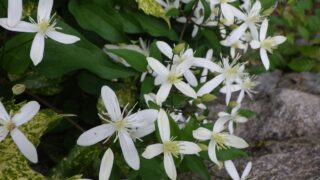
What are the differences between Clematis terniflora, Clematis patens, and Clematis japonica? An explanation of how to distinguish between similar species.

Clematis terniflora, Clematis patens, and Clematis japonica all belong to the genus Clematis in the Ranunculaceae family and are climbing semi-shrubs found in Japanese forests. They share several common features, including compound leaves, flowers with white sepals instead of petals, and feathery fruits, which can sometimes make them difficult to distinguish.
plant

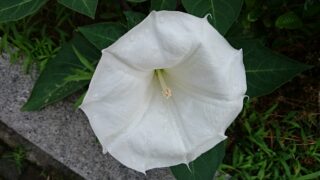
What are the differences between Datura, Datura stramonium, Datura stramonium, and Datura arborescens? An explanation of how to distinguish between similar species.

Datura stramonium, Datura stramonium, and Datura arborescens all belong to the Solanaceae family and are cultivated as ornamental plants, as well as being well-known as poisonous and medicinal plants. They are also collectively called "Datura" or "Datura" from their genus name. However, these...
plant

What are the differences between Primula japonica, Primula sieboldii, and Primula japonica? An explanation of how to distinguish between similar species.

Primroses, Japanese primroses, and Japanese primroses are all perennial plants native to Japan, belonging to the genus Primula in the family Primulaceae. Their flowers are similar in shape and are usually pink, leading to confusion among the three species. However, distinguishing them is relatively easy by examining the shape of their leaves. However...
plant

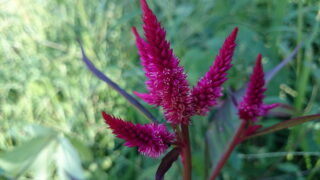
What are the differences between Celosia and Celosia argentea? What are the differences between Celosia argentea and Celosia japonica? We'll explain how to distinguish between similar species.

Celosia and wild celosia are both annual plants belonging to the Celosia genus of the Amaranthaceae family, cultivated for food and ornamental purposes. Their spike-like inflorescences are sometimes likened to blazing flames. The Japanese name "Keito" (鶏頭) comes from the fact that some inflorescences grow large enough to resemble a rooster's comb. However, celosia and wild celosia...
plant

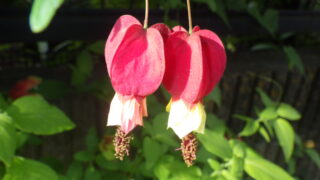
There are differences between Abutilon and Abutilon humilis! What are the differences between Abutilon humilis and Abutilon variegata? We explain how to distinguish between similar species.

In horticulture, the term "Abutilon" is frequently used, usually referring to a specific species rather than just one. However, it's become somewhat confusing: in horticulture, it refers to three species—Abutilon humilis, Abutilon leucocephala, and Abutilon variegata—while in academic contexts, it refers to all members of the genus Abutilon, including Abutilon humilis and Abutilon leucocephala...
plant

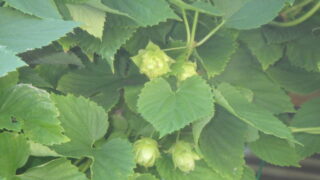
What's the difference between hops and hummus? We'll explain how to distinguish between similar species! Which one is the real fruit?

Hops (Humulus hummus) and Humulus japonicus are both perennial herbs belonging to the genus Humulus in the family Cannabaceae, and as their scientific names suggest, they are varieties of each other. Hops are probably best known as an ingredient in beer. Both varieties have leaves that are either undivided or 3- to 5-lobed, and the female...
plant

What are the differences between wild beans, wild beans, and soybeans? An explanation of how to distinguish between similar species.

Both wild soybean (Amphicarpaea rhynchophylla) and climbing soybean (Glycine soja) are annual vines belonging to the legume family. In Japan, they grow in very similar environments such as embankments, grasslands, and forest edges. Their trifoliate compound leaves are also similar in shape, which can lead to confusion. However, there are differences at the genus level, and these differences are clearly evident in the leaves, flowers, and fruits...
plant

What are the differences between *Persicaria filiformis*, *Persicaria thunbergii*, and *Persicaria filiformis*? An explanation of how to distinguish between similar species.

*Persicaria filiformis*, *Persicaria thunbergii*, and *Persicaria filiformis* are all perennial herbs belonging to the genus *Persicaria* in the rose family, and in Japan they grow in forest edges and other similar areas. Their most distinctive features are the hook-shaped thorns beneath the calyx and their fruits, which are burrs that stick to surfaces. These two species, as their names suggest, differ primarily in their overall size...
plant

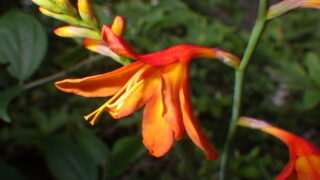
What are the differences between Crocosmia gracilis, Crocosmia gracilis, and Crocosmia japonica? An explanation of how to distinguish between similar species.

Both *Crocosmia crocosmia* (also known as *Trocosmia crocosmia*) and *Montbretia* (also known as *Trocosmia crocosmia*) belong to the genus *Trocosmia* in the Iridaceae family and are perennial plants native to Africa. They are commonly cultivated as ornamental plants, share the common characteristics of having underground bulbs and producing red flowers, and are often confused...
plant

What are the differences between Liriope muscari, Liriope japonica, and Liriope serrata? An explanation of how to distinguish between similar species.

Liriope muscari, Liriope japonica, and Liriope serrata are all evergreen perennial herbs belonging to the genus Liriope in the family Asparagaceae, growing in forests. They are cultivated as ornamental plants and are often confused with each other due to their similar-looking flowers and leaves. Distinguishing between them is difficult, but recording the leaf width, number of flowers, and flower stalk length can help...
Sponsored Link