edible

Sponsored Link
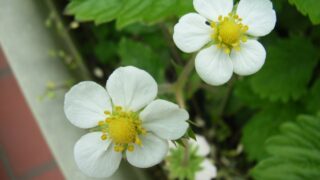
07.1844 Dutch Strawberry Flower plant

What are the differences between strawberries (Strawberries) and wild strawberries (Potentilla fragarioides)? What are the differences between them and mock strawberries? We'll explain how to distinguish between similar species.

Both strawberries and wild strawberries (Potentilla fragarioides) belong to the genus Fragarioides in the Rosaceae family. These perennial plants are very popular because their aggregate fruit receptacles turn red and swell, making them edible. They are widely cultivated in Japan, and the wild strawberry, in particular, is commercially available in winter in addition to its natural fruiting season of June and July...
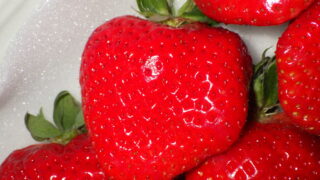
07.1844.1 Dutch Strawberry Amaou Strawberry-like Fruit plant

What are the differences between Dutch strawberries, wild strawberries, raspberries, and mock strawberries? This article explains how to distinguish between similar species.

Strawberry (Strawberry), Rubus parvifolius (Japanese raspberry), Rubus buergeri (wild strawberry), Raspberry (Japanese raspberry), and Strawberry (Indian strawberry) all belong to the Rosaceae family and are generally recognized as relatives of the "strawberry" with their small, red, berry-like fruits. However, among these, Strawberry and Raspberry...
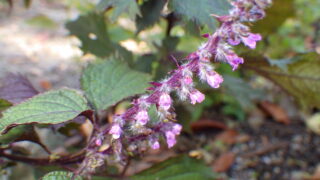
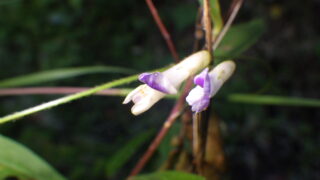
07.3547.2 Katamenjiso flower plant

What are the differences between shiso (perilla), egoma (perilla), and lemon egoma? An explanation of how to distinguish between similar varieties.

Shiso, egoma, and lemon egoma are all annual plants belonging to the Lamiaceae family, genus Perilla, and possess a unique aroma and taste. Shiso and egoma, in particular, have been cultivated since ancient times and are now used primarily in pickled plums and dressings, making them extremely familiar plants to Japanese people. However, shiso and egoma...
07.1464 Habusou flower plant

What are the differences between Cassia obtusifolia (Ketsumeishi), Cassia occidentalis (Habuso), and Cassia tomentosa? We explain how to distinguish between similar species! And "Habu tea" isn't actually made from Cassia occidentalis!?

Cassia obtusifolia, Cassia japonica, and Cassia nomame are all annual plants belonging to the legume family, and were formerly classified in the same genus. Their common characteristics include once-pinnately compound leaves with opposite leaflets, and flowers with five yellow petals of almost identical shape...
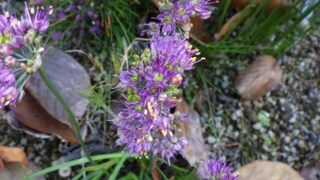
07.0534 Wild Garlic Flower plant

What are the differences between Japanese shallots (rakkyo), wild shallots (yamarakkyo), and thread shallots? How do they differ from yellow thread shallots (kii-itorakkyo)? This article explains how to distinguish between similar species.

Japanese shallots (rakkyo), wild shallots (yamarakkyo), and thread shallots (itorakkyo) all belong to the genus Allium in the Amaryllidaceae family and share the common characteristic of having the word "rakkyo" in their Japanese names. Japanese shallots are eaten as pickled shallots, while wild shallots and thread shallots are wild species native to Japan...
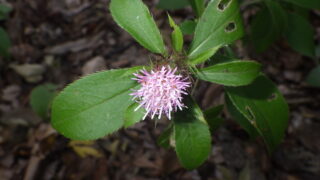
07.4067 Atractylodes japonica (flower head) plant

What are the differences between Atractylodes macrocephala (white atractylodes), Atractylodes lancea (narrow-leaved atractylodes), and Atractylodes japonica? An explanation of how to distinguish between similar species.

Atractylodes macrocephala (white atractylodes) and Atractylodes lancea (narrow atractylodes) are both perennial herbs belonging to the Asteraceae family, and are well-known as medicinal herbs. The dried rhizomes are collectively called "jutsu" (朮). Morphologically, the leaves have prominent serrations, and the flowers, typical of the Asteraceae family, are arranged in capitulum (flower heads) composed solely of tubular florets...
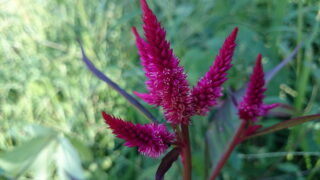
07.2786.1 Celosia argentea flower plant

What are the differences between Celosia and Celosia argentea? What are the differences between Celosia argentea and Celosia japonica? We'll explain how to distinguish between similar species.

Celosia and wild celosia are both annual plants belonging to the Celosia genus of the Amaranthaceae family, cultivated for food and ornamental purposes. Their spike-like inflorescences are sometimes likened to blazing flames. The Japanese name "Keito" (鶏頭) comes from the fact that some inflorescences grow large enough to resemble a rooster's comb. However, celosia and wild celosia...
07.1610.1 *Amphicarpa sylvestris* flower plant

What are the differences between wild beans, wild beans, and soybeans? An explanation of how to distinguish between similar species.

Both wild soybean (Amphicarpaea rhynchophylla) and climbing soybean (Glycine soja) are annual vines belonging to the legume family. In Japan, they grow in very similar environments such as embankments, grasslands, and forest edges. Their trifoliate compound leaves are also similar in shape, which can lead to confusion. However, there are differences at the genus level, and these differences are clearly evident in the leaves, flowers, and fruits...
07.2839.1 Malabar spinach flower plant

What are the differences between Malabar spinach, Okinawa spinach (also known as red spinach), and New Zealand spinach? An explanation of how to distinguish between similar species.

Malabar spinach (Tsurumurasaki) and Okinawa spinach (Okawakame/Akazakazura) are both climbing herbs belonging to the Basellaceae family, cultivated for ornamental and edible purposes. They share many similarities, such as having thick, oval-shaped leaves that are green on both the upper and lower surfaces, and because they are relatively minor species, they can be difficult to distinguish. However, Malabar spinach...
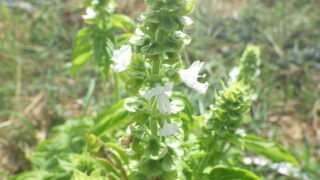
07.3568.a Ocimum basil flower plant

What are the differences between basil, sweet basil, holy basil, and lemon basil? We'll explain how to distinguish between similar varieties! What are the structures of their flowers and fruits?

Basil, sweet basil, holy basil, and lemon basil all belong to the Ocimum genus of the Lamiaceae family, are native to Asia, and share the common characteristic of having edible leaves. Therefore, many people may not know the differences in their shapes or uses. When we say "basil," we are generally referring to all members of the Ocimum genus of the Lamiaceae family...
Sponsored Link