cultivation

Sponsored Link
plant

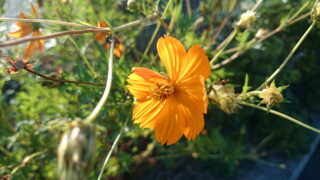
What are the differences between cosmos, yellow cosmos, chocolate cosmos, and marigolds? We explain how to distinguish between similar varieties.

Cosmos, yellow cosmos, and chocolate cosmos all belong to the Cosmos genus of the Asteraceae family. Although they are introduced species in Japan, they have become representative autumn landscape plants, as evidenced by their alternative name, "autumn cherry blossom," and are widely cultivated. They are characterized by their large, beautiful ray florets and achenes...
plant

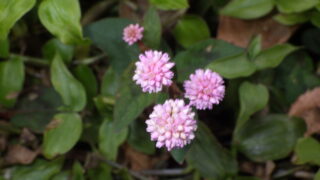
What are the differences between Polygonum capitatum and Polygonum capitatum? An explanation of how to distinguish between similar species.

Both Polygonum capitatum and Polygonum persicaria belong to the genus Polygonum in the family Polygonaceae. They are among the most common perennial herbs in the genus Polygonum, and Polygonum persicaria in particular can be found very commonly on the stone walls of houses in urban areas. While the genus Polygonum contains a vast number of species, these two species share morphological similarities...
plant

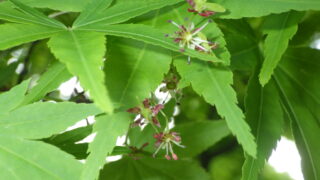
What are the differences between Japanese maple (Acer palmatum), large-leaved maple (Acer palmatum), mountain maple (Acer japonicum), fan maple (Acer japonicum), and small fan maple (Acer japonicum)? An explanation of how to distinguish between similar species.

Japanese maple, large-leaved maple, mountain maple, fan maple, and small fan maple all belong to the Acer genus of the Sapindaceae family. They change color and shed their leaves in late autumn, making them representative deciduous trees of the Japanese autumn landscape. Their distinguishing features include samaras (winged fruits) with a pair of "wings" and palmate leaves...
plant

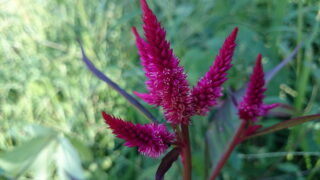
What are the differences between Celosia and Celosia argentea? What are the differences between Celosia argentea and Celosia japonica? We'll explain how to distinguish between similar species.

Celosia and wild celosia are both annual plants belonging to the Celosia genus of the Amaranthaceae family, cultivated for food and ornamental purposes. Their spike-like inflorescences are sometimes likened to blazing flames. The Japanese name "Keito" (鶏頭) comes from the fact that some inflorescences grow large enough to resemble a rooster's comb. However, celosia and wild celosia...
plant

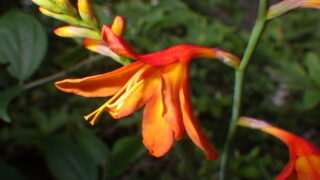
What are the differences between Crocosmia gracilis, Crocosmia gracilis, and Crocosmia japonica? An explanation of how to distinguish between similar species.

Both *Crocosmia crocosmia* (also known as *Trocosmia crocosmia*) and *Montbretia* (also known as *Trocosmia crocosmia*) belong to the genus *Trocosmia* in the Iridaceae family and are perennial plants native to Africa. They are commonly cultivated as ornamental plants, share the common characteristics of having underground bulbs and producing red flowers, and are often confused...
plant

What are the differences between Liriope muscari, Liriope japonica, and Liriope serrata? An explanation of how to distinguish between similar species.

Liriope muscari, Liriope japonica, and Liriope serrata are all evergreen perennial herbs belonging to the genus Liriope in the family Asparagaceae, growing in forests. They are cultivated as ornamental plants and are often confused with each other due to their similar-looking flowers and leaves. Distinguishing between them is difficult, but recording the leaf width, number of flowers, and flower stalk length can help...
Seed Plant Encyclopedia

[Seed Plant Encyclopedia #136] What are the species of the Alingandsiaceae family? Photo list

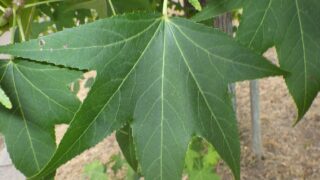
The family Altingiaceae consists of trees. They are wind-pollinated (Ickert-Bond et al., 2007). They are native to Central America, Mexico, eastern North America, the eastern Mediterranean, China, and tropical Asia. They are often cultivated for ornamental purposes, and many produce valuable timber...
Seed Plant Encyclopedia

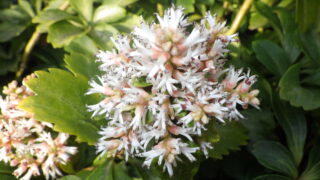
[Seed Plant Encyclopedia #130] What are the species of the Buxaceae family? Photo list

The Buxaceae family consists of shrubs or trees. The flowers are unisexual and monoecious. There are no petals, and the calyx has 4 to 12 lobes. There are 4 stamens opposite the calyx. The ovary has 3 superior chambers, rarely 2 or 4. The fruit is a capsule or drupe. There are approximately 100 species in 5 genera worldwide, with 2 genera and 3 species distributed in Japan. This article...
Seed Plant Encyclopedia

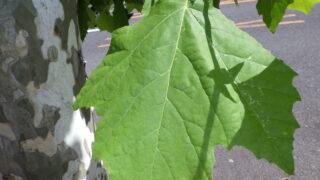
[Seed Plant Encyclopedia #127] What are the species of the Platanaceae family? Photo list

The Platanaceae family consists of deciduous trees. They have a disjunct distribution in temperate regions of North America, southeastern Europe, Turkey, and near Vietnam (only one species). Some species are cultivated worldwide as street trees and park trees. The leaves are alternate. The flowers are unisexual, small, and wind-pollinated...
Seed Plant Encyclopedia

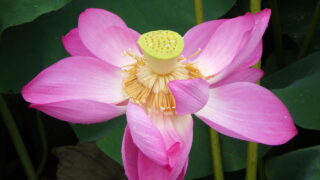
[Seed Plant Encyclopedia #126] What are the different types of Nelumbonaceae? Photo List

The Nelumbonaceae family are perennial aquatic plants. It includes the genus Nelumbo, and is the only extant family to include the North American native *Nelumbo lutea* and the widely distributed Asian *Nelumbo nucifera*. There are four fossil species...
Sponsored Link