edible

Sponsored Link
plant

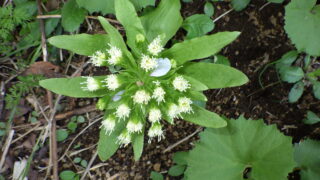
What are the differences between butterbur, leopard plant, and large leopard plant? An explanation of how to distinguish between similar species.

Butterbur, Farfugium japonicum, and Large-leaved Farfugium all belong to the Asteraceae family, and are very similar in that they have heart-shaped to kidney-shaped leaves, and are also edible. Because both have been used in Japan since ancient times, some people may confuse them.
plant

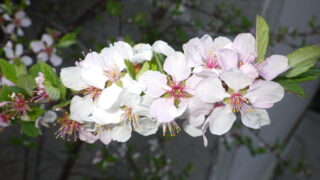
What are the differences between Japanese apricot (Prunus tomentosa), Japanese garden apricot (Prunus serrulata), and Japanese garden cherry (Prunus serrulata)? How do they differ from Japanese apricot (Prunus mume) and Japanese cherry (Prunus serrulata)? This article explains how to distinguish between similar species.

Japanese apricot (Prunus tomentosa), Japanese garden apricot (Prunus serrulata), and Japanese cherry (Prunus serrulata var. japonica) all belong to the genus Prunus in the family Rosaceae. Despite being shrubs, they are popular in horticulture because they produce beautiful flowers in spring, similar to plums and cherries. They are also known to be edible. However, their appearance is quite similar, leading to confusion...
plant

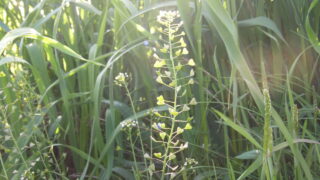
What are the differences between Shepherd's Purse, Lepidium virginicum, Lepidium thunbergii, and Arabidopsis thunbergii? An explanation of how to distinguish between similar species.

Shepherd's purse, lacecap shepherd's purse, dog shepherd's purse, and Arabidopsis thaliana all belong to the Brassicaceae family, and among them, the one with the name "shepherd's purse" is a representative weed of Japan. It is characterized by flowering in early spring and quickly producing flat fruits. However, despite its fame, these four species...
plant

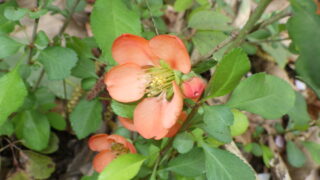
What are the differences between Japanese quince (Chaenomeles speciosa) and Japanese quince (Chaenomeles japonica)? How do they differ from Japanese apricot (Prunus mume) and Japanese camellia (Camellia japonica)? This article explains how to distinguish between similar species.

Both the Japanese flowering quince (Chaenomeles speciosa) and the common flowering quince (Chaenomeles japonica) belong to the Chaenomeles genus of the Rosaceae family. They are deciduous shrubs characterized by the simultaneous unfolding of leaves and vibrant flowering. Perhaps for this reason, the Japanese flowering quince, in particular, is quite popular in horticulture and is frequently seen planted. Furthermore, its fruit is edible. However, the Japanese flowering quince...
plant

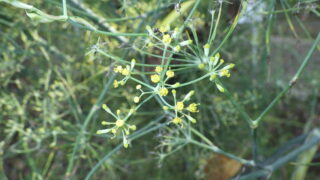
What's the difference between dill (yin-dill) and fennel (foeniculum vulgare)? An explanation of how to distinguish between similar species.

Dill and fennel both belong to the Apiaceae family, share a strong aroma throughout the plant, and are used both as herbs (leaves) and spices (fruits). Their leaves, in particular, are known as "fish herbs" and pair exceptionally well with fish dishes. Furthermore, they are also similar in morphology...
plant

What are the differences between strawberries (Strawberries) and wild strawberries (Potentilla fragarioides)? What are the differences between them and mock strawberries? We'll explain how to distinguish between similar species.

Both strawberries and wild strawberries (Potentilla fragarioides) belong to the genus Fragarioides in the Rosaceae family. These perennial plants are very popular because their aggregate fruit receptacles turn red and swell, making them edible. They are widely cultivated in Japan, and the wild strawberry, in particular, is commercially available in winter in addition to its natural fruiting season of June and July...
plant

What are the differences between Dutch strawberries, wild strawberries, raspberries, and mock strawberries? This article explains how to distinguish between similar species.

Strawberry (Strawberry), Rubus parvifolius (Japanese raspberry), Rubus buergeri (wild strawberry), Raspberry (Japanese raspberry), and Strawberry (Indian strawberry) all belong to the Rosaceae family and are generally recognized as relatives of the "strawberry" with their small, red, berry-like fruits. However, among these, Strawberry and Raspberry...
plant

What are the differences between shiso (perilla), egoma (perilla), and lemon egoma? An explanation of how to distinguish between similar varieties.

Shiso, egoma, and lemon egoma are all annual plants belonging to the Lamiaceae family, genus Perilla, and possess a unique aroma and taste. Shiso and egoma, in particular, have been cultivated since ancient times and are now used primarily in pickled plums and dressings, making them extremely familiar plants to Japanese people. However, shiso and egoma...
plant

What are the differences between Cassia obtusifolia (Ketsumeishi), Cassia occidentalis (Habuso), and Cassia tomentosa? We explain how to distinguish between similar species! And "Habu tea" isn't actually made from Cassia occidentalis!?

Cassia obtusifolia, Cassia japonica, and Cassia nomame are all annual plants belonging to the legume family, and were formerly classified in the same genus. Their common characteristics include once-pinnately compound leaves with opposite leaflets, and flowers with five yellow petals of almost identical shape...
plant

What are the differences between Japanese shallots (rakkyo), wild shallots (yamarakkyo), and thread shallots? How do they differ from yellow thread shallots (kii-itorakkyo)? This article explains how to distinguish between similar species.

Japanese shallots (rakkyo), wild shallots (yamarakkyo), and thread shallots (itorakkyo) all belong to the genus Allium in the Amaryllidaceae family and share the common characteristic of having the word "rakkyo" in their Japanese names. Japanese shallots are eaten as pickled shallots, while wild shallots and thread shallots are wild species native to Japan...
Sponsored Link