Autumn olive, summer olive, Chinese olive, and white olive are all members of the Elaeagnus genus in the Elaeagnaceae family. They can be found in various places in Japan, such as rivers, coastlines, and forests. The surface of their leaves is covered with shimmering stellate or scale-like hairs, and they produce pale yellow flowers that lack petals and consist only of a cylindrical calyx tube.They share many similarities and can be difficult to distinguish, but by carefully observing their leaves, flowers, and fruits, you can properly differentiate them.Except for the giant jack-o'-lantern, the fruits are difficult to eat raw and are used to make jam or alcohol.The leaves have a "sparkling" appearance due to stellate and scale-like hairs, which are thought to reflect sunlight and prevent drying.While bees are the primary pollinators of Elaeagnus flowers, in China, there are known instances of sunbirds (Sunbirds) pollinating them. The fruit is a pseudocarp, and seed dispersal is thought to be mainly carried out by birds, but there are also known instances of mammals eating them, suggesting that the plant may appeal to both birds and mammals. This article will explain the classification, uses, pollination ecology, and seed dispersal of Elaeagnus species.
- What are autumn berries, summer berries, Chinese berries, and Japanese berries?
- What are the differences between autumn olive, summer olive, Chinese olive, and Japanese silverleaf olive?
- Are the fruits of the gummy candy plant edible?
- Why are the leaves of Elaeagnaceae plants "sparkly"? It's a way to withstand "drought"!?
- What is the structure of a flower?
- What insects visit the flowers of the Elaeagnus genus? In China, even sunbirds were spotted visiting!?
- What is the structure of the fruit? Are the fruits of the Elaeagnus genus not true fruits?
- The fruit was dispersed using a combination of bird and mammal dispersal!?
- References
What are autumn berries, summer berries, Chinese berries, and Japanese berries?
Autumn Elaeagnus (Autumn Cherry) Elaeagnus umbellata This deciduous shrub is distributed in Hokkaido (Oshima Peninsula), Honshu, Shikoku, and Kyushu (Yakushima) in Japan; as well as in Korea and China (northeast and central regions), growing in sunny locations such as riverbeds, fields, roadsides, and riverbanks (Mogi et al., 2000; Kanagawa Prefectural Flora Survey Association, 2018). It particularly prefers disturbed areas near water and, due to its tolerance, has invaded North America, Europe, and Australia (Rojas-Sandoval & Pasiecznik, 2016).
Summer Elaeagnus (Summer Cherry) Elaeagnus multiflora var. netfldia This species is distributed in southern Hokkaido and Honshu (the Pacific coast from Fukushima Prefecture to Shizuoka Prefecture) in Japan, and is a deciduous shrub or tree that grows along roadsides, in mixed forests, and in open fields in coastal areas and hilly regions.
Angelica tree (Cornus officinalis) Elaeagnus multiflora var. hortensis This deciduous shrub is distributed only in Hokkaido (Oshima Peninsula) and Honshu (the Sea of Japan side north of central Japan and central Kinki region) in Japan, growing in forest edges and within woodlands (Kanagawa Prefecture Flora Survey Association, 2018). It is cultivated for its edible fruit and escapes into the wild. The horticultural variety, Elaeagnus multiflora, has large fruits of about 2 cm. Elaeagnus multiflora var. gigantea It is also known as "Surprise Elaeagnus" in horticulture.
Elaeagnus multiflora (Japanese snowbell) Elaeagnus pungens It is an evergreen shrub distributed in Japan from the Izu Peninsula westward to Kyushu, growing along the coast and at the edges of coastal forests.
Like the legumes, members of the Elaeagnus genus are nitrogen-fixing actinomycetes, specifically Frankia fungi. Frankia Elaeagnus species live in symbiosis with Frankia fungi, and because Frankia fungi fix nitrogen from the air, Elaeagnus species can grow even in nitrogen-poor soils (Rojas-Sandoval & Pasiecznik, 2016). For this reason, they are known to be able to invade many areas as invasive species.
All four species belong to the Elaeagnus genus of the Elaeagnaceae family, and they share common characteristics such as leaves that sparkle with stellate or scale-like hairs on their surface, and pale yellow flowers that lack petals and consist only of a cylindrical calyx tube. Therefore, identifying these four species can be quite difficult.
What are the differences between autumn olive, summer olive, Chinese olive, and Japanese silverleaf olive?
However, these four species can be distinguished by comprehensively observing their various characteristics (Hayashi, 2014; Kanagawa Prefecture Flora Survey Association, 2018). There are many other species in the Elaeagnus genus, but this time we will focus on these four species.
First, autumn olive, summer olive, and Chinese olive have thin, deciduous leaves, flower from spring to summer, and fruit from summer to autumn, while Japanese snowbell olive has thick, evergreen leaves, flower from autumn to winter, and fruit from spring to summer. These are the main differences between the two species.
There are many differences between autumn olive (Elaeagnus multiflora), summer olive (Elaeagnus multiflora), and Chinese olive (Elaeagnus umbellata).
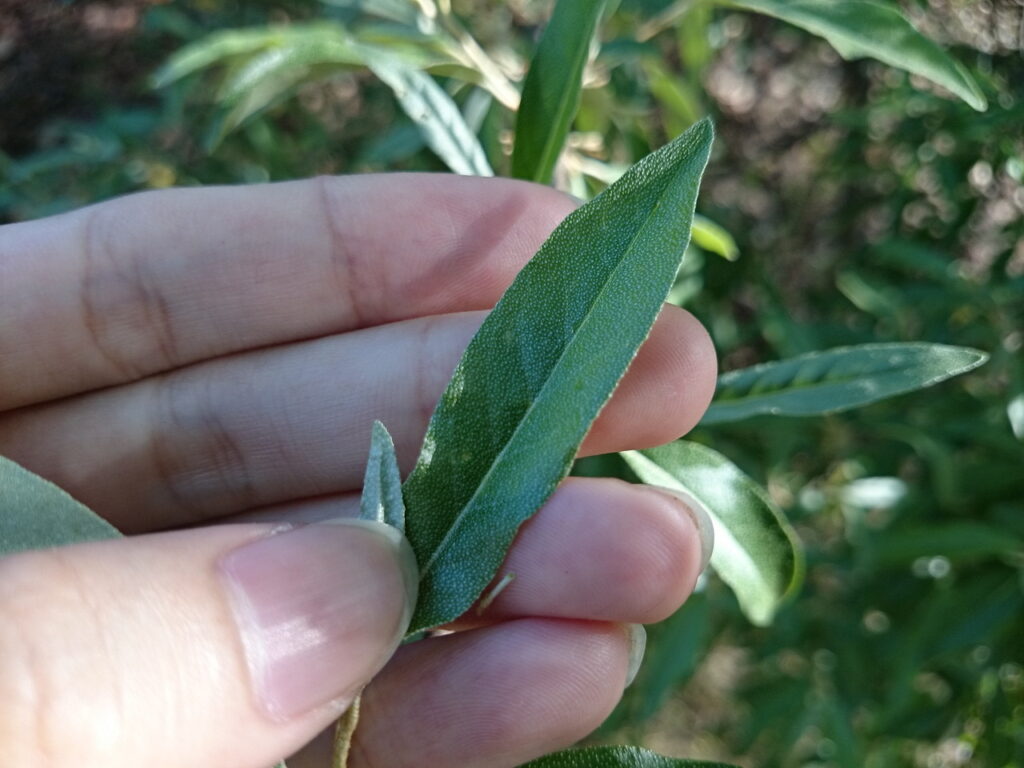
Regarding the leaves, in autumn olive, the leaf blade is usually narrow, with the upper surface of mature leaves remaining to almost hairless, and the lower surface mainly covered with silvery scales, with only a few whitish brownish scales. In contrast, in summer olive and Chinese olive, the leaf blade is usually broad, the upper surface of mature leaves is hairless, and the lower surface is often mixed with reddish-brown scales among silvery scales.
Regarding the flowers, in autumn olive, the calyx tube is narrow and gradually narrows towards the ovary (lower part of the calyx tube), whereas in summer olive and Chinese olive, the calyx tube is tubular and constricts above the ovary.
Regarding the fruit, in autumn olive (Elaeagnus umbellata), the fruit stalk is short and erect, the fruit itself is spherical to elliptic-spherical, and the fruiting period is from autumn to early winter (September to November), whereas in summer olive (Elaeagnus umbellata) and Chinese olive (Elaeagnus umbellata), the fruit stalk is long and drooping, the fruit itself is broadly elliptic, and the fruiting period is from spring to summer (May to August).
As for the remaining two species, the summer jasmine and the Chinese jasmine, there are only slight differences between them as they are variations of each other.
In Elaeagnus multiflora, the upper surface of the young leaves has silvery, scale-like hairs, while in Elaeagnus umbellata, the upper surface of the young leaves has stellate hairs.
Since it's a little difficult to observe, confirming the distribution is important, but because the Chinese gentian is cultivated and can escape into the wild, it would be difficult to determine the species based solely on distribution for the populations on the Pacific side from Fukushima Prefecture to Shizuoka Prefecture. The populations on the Sea of Japan side north of central Japan and in central Kinki can generally be considered Chinese gentian.
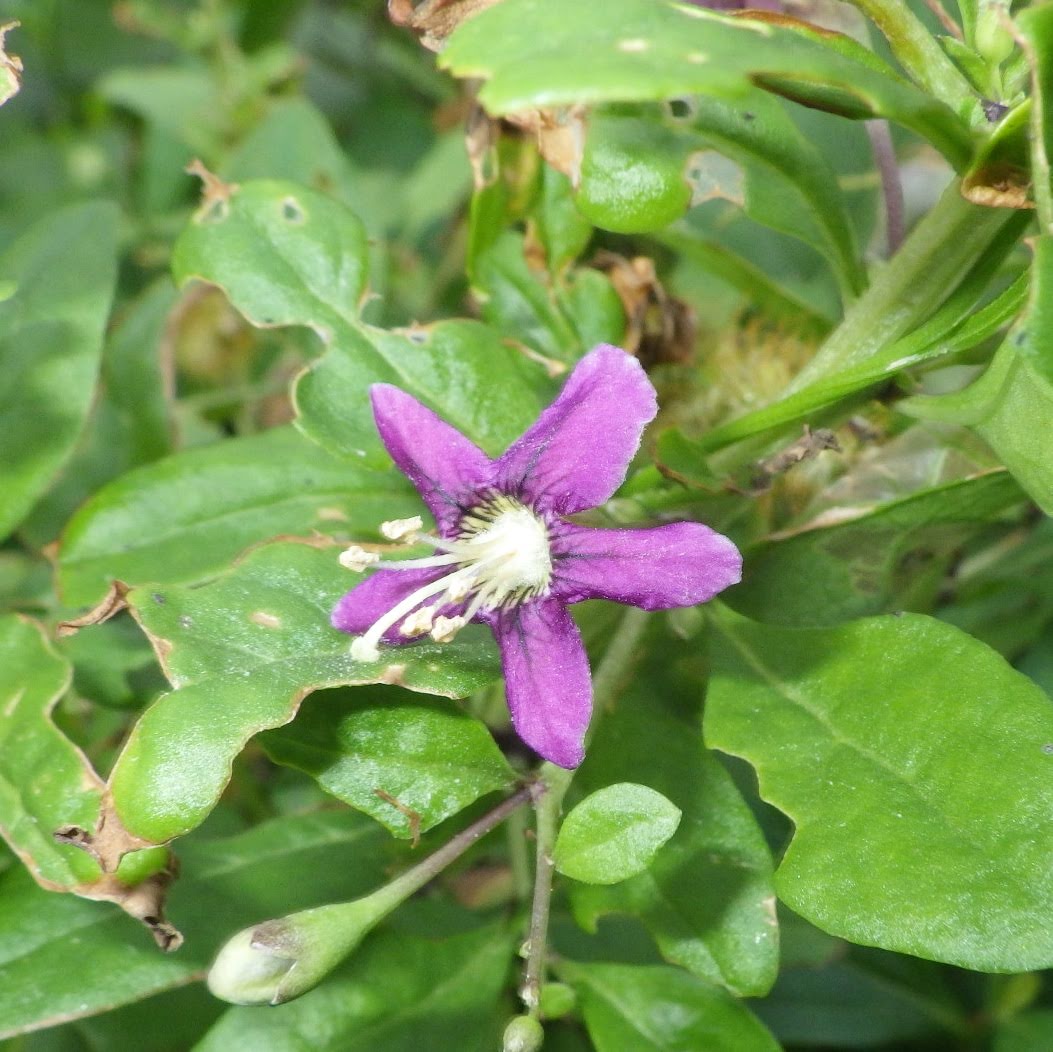
The difference between this and goji berries is explained in a separate article.
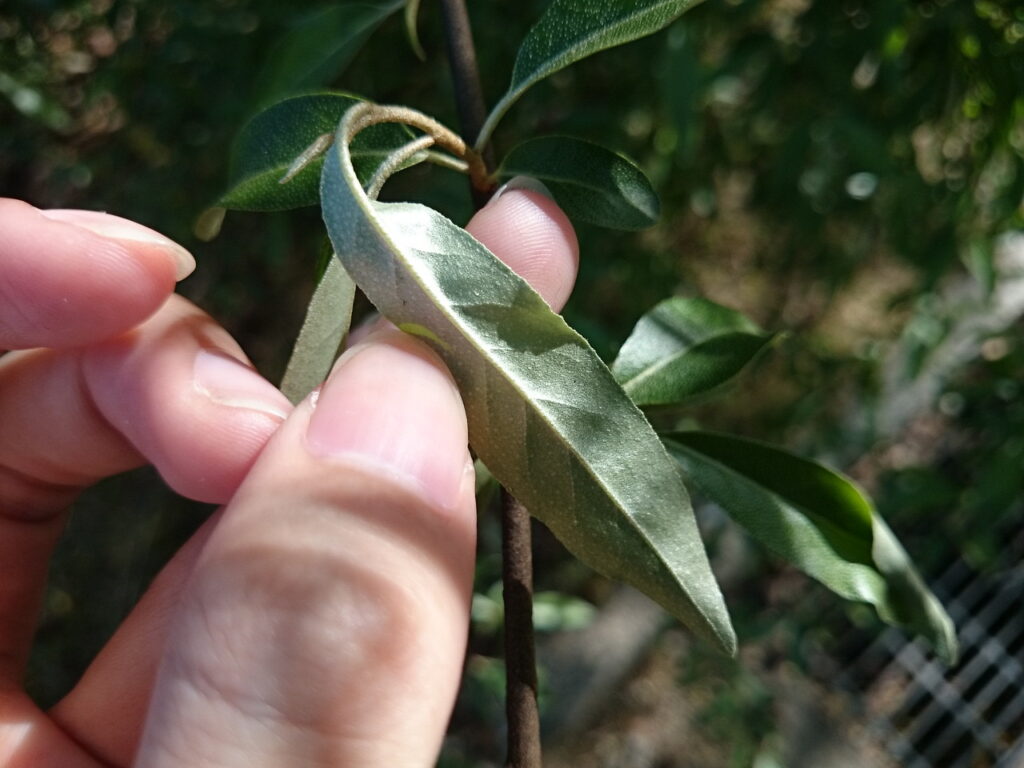
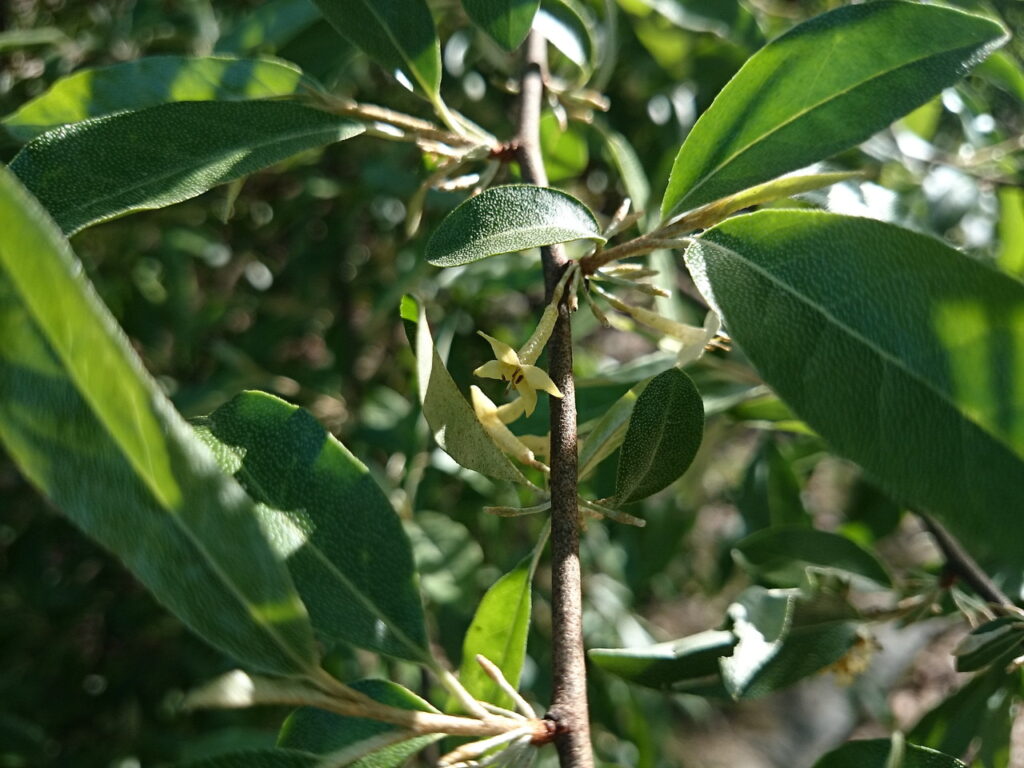
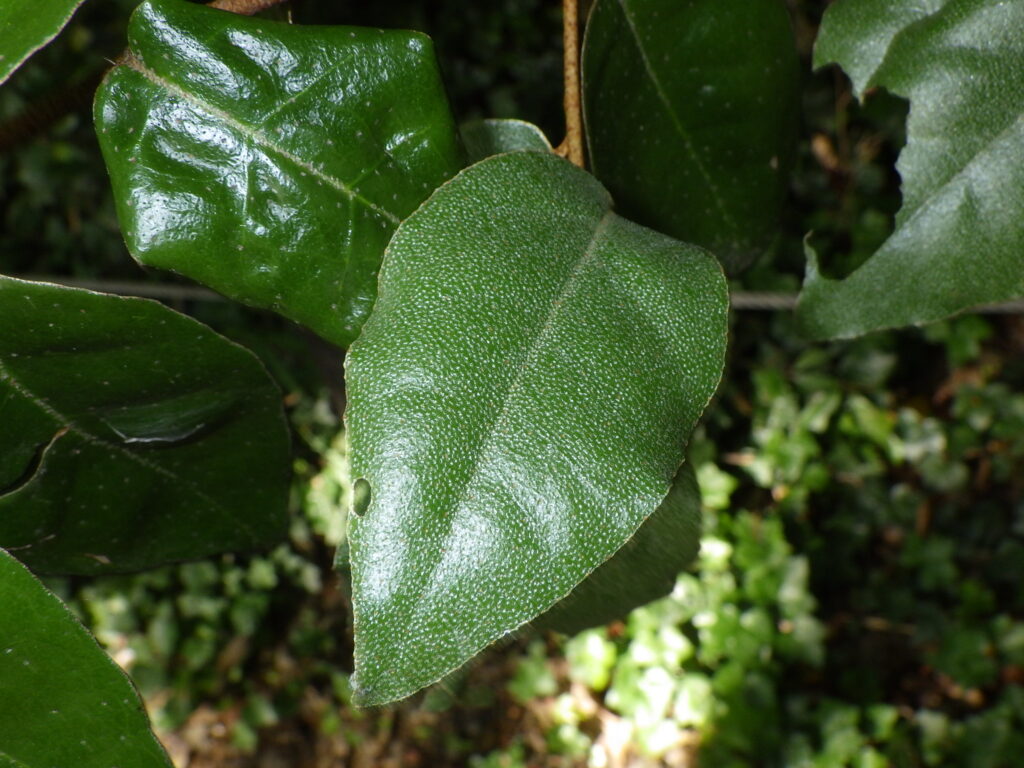
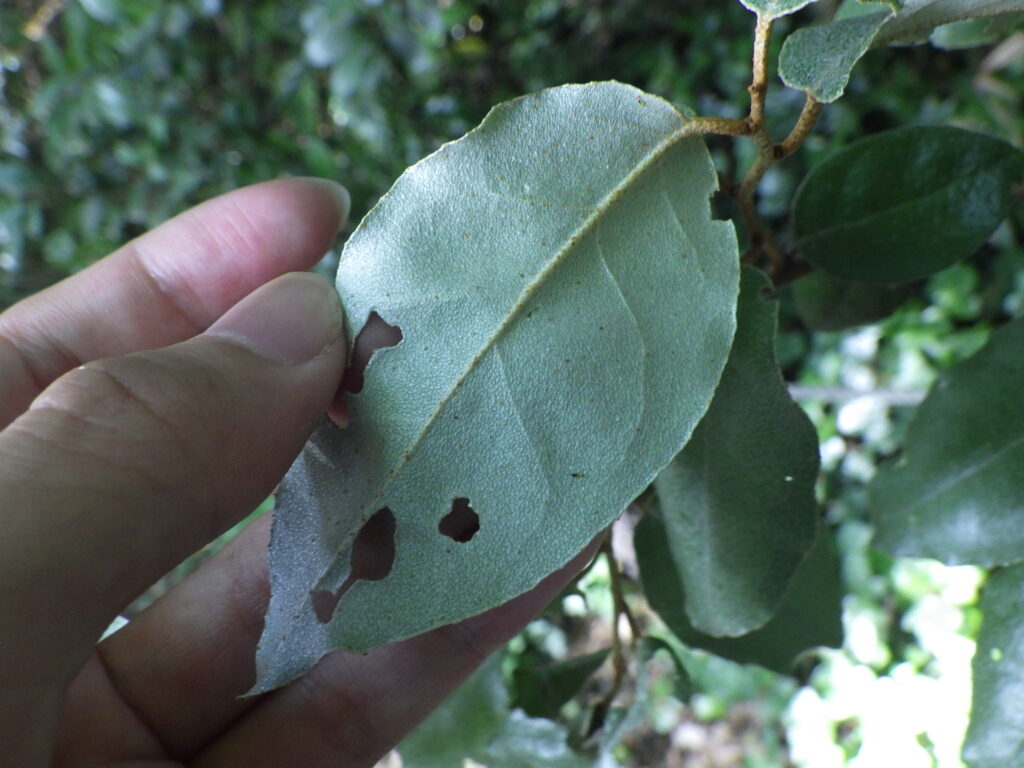
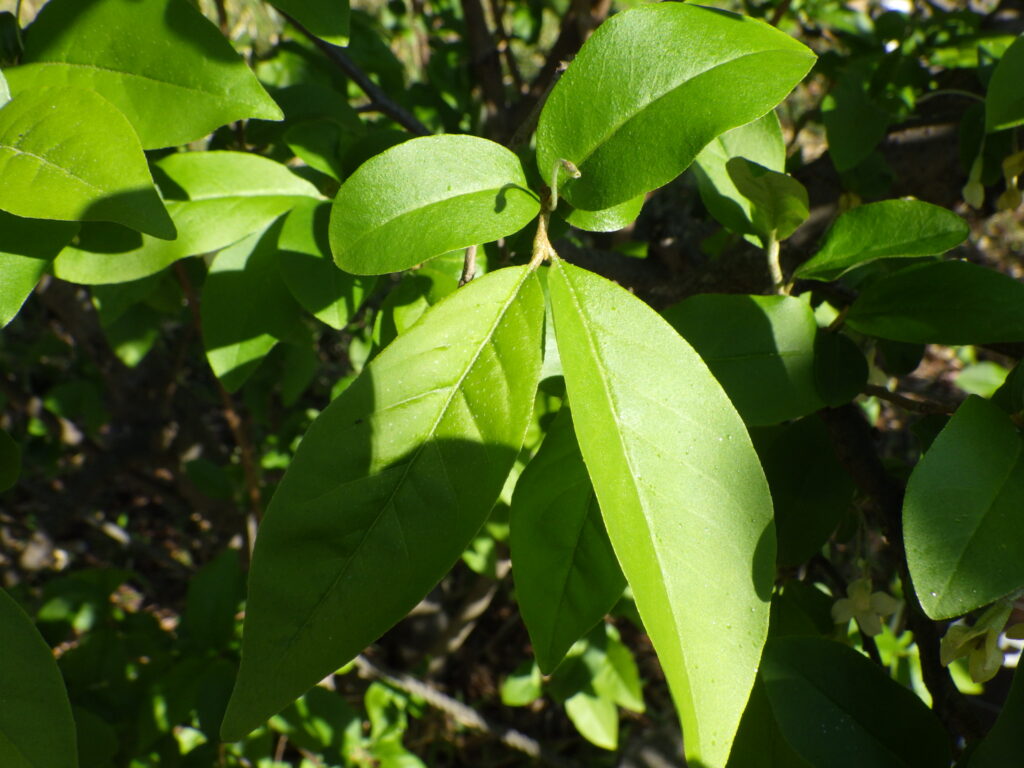

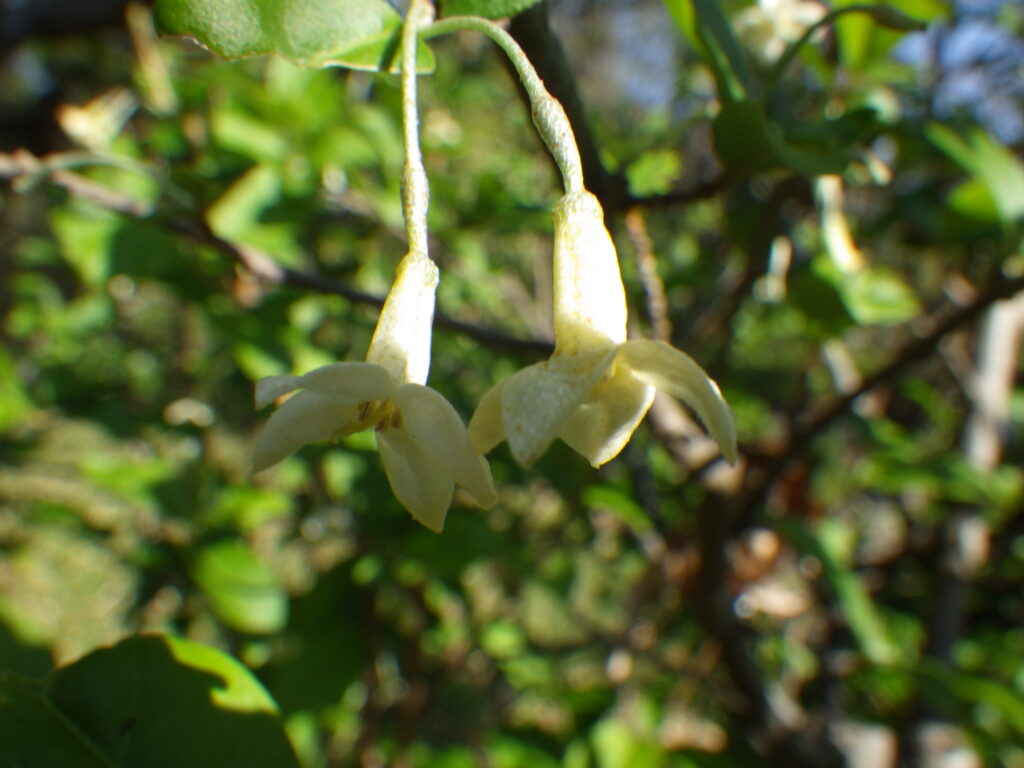

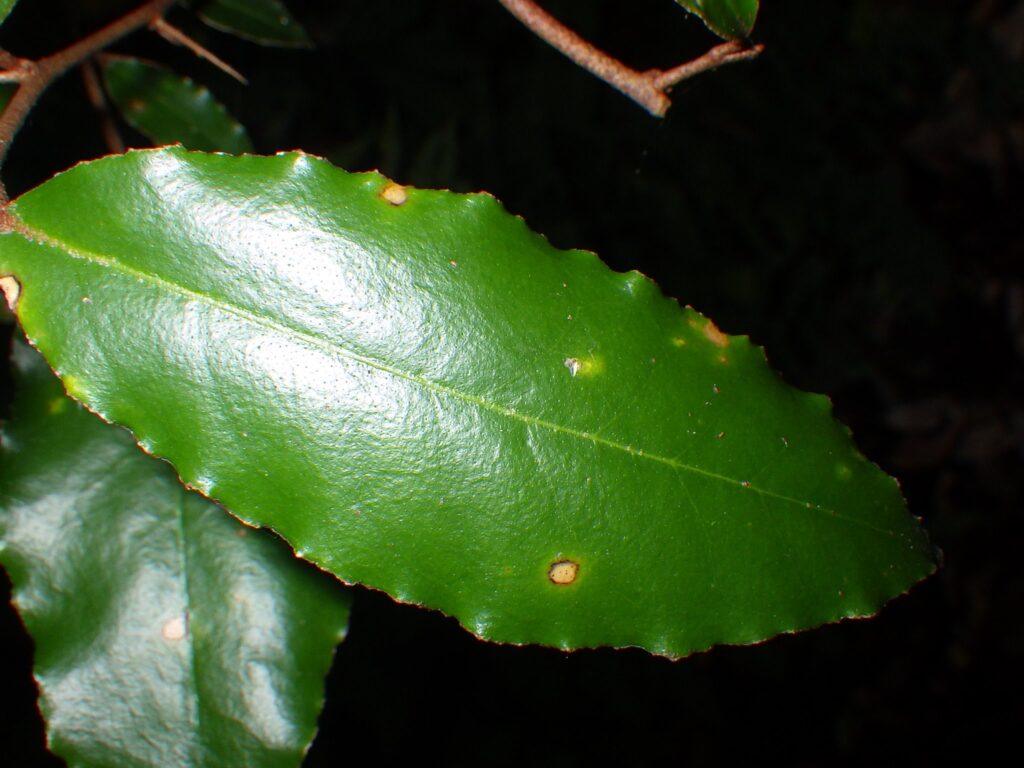
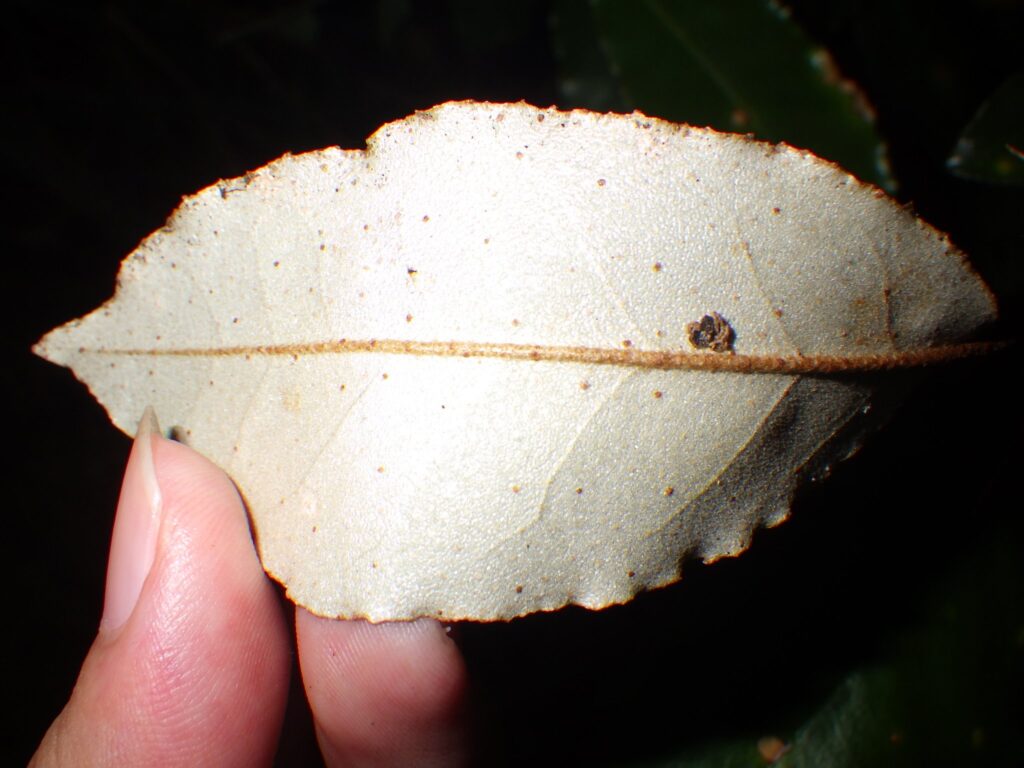

Are the fruits of the gummy candy plant edible?
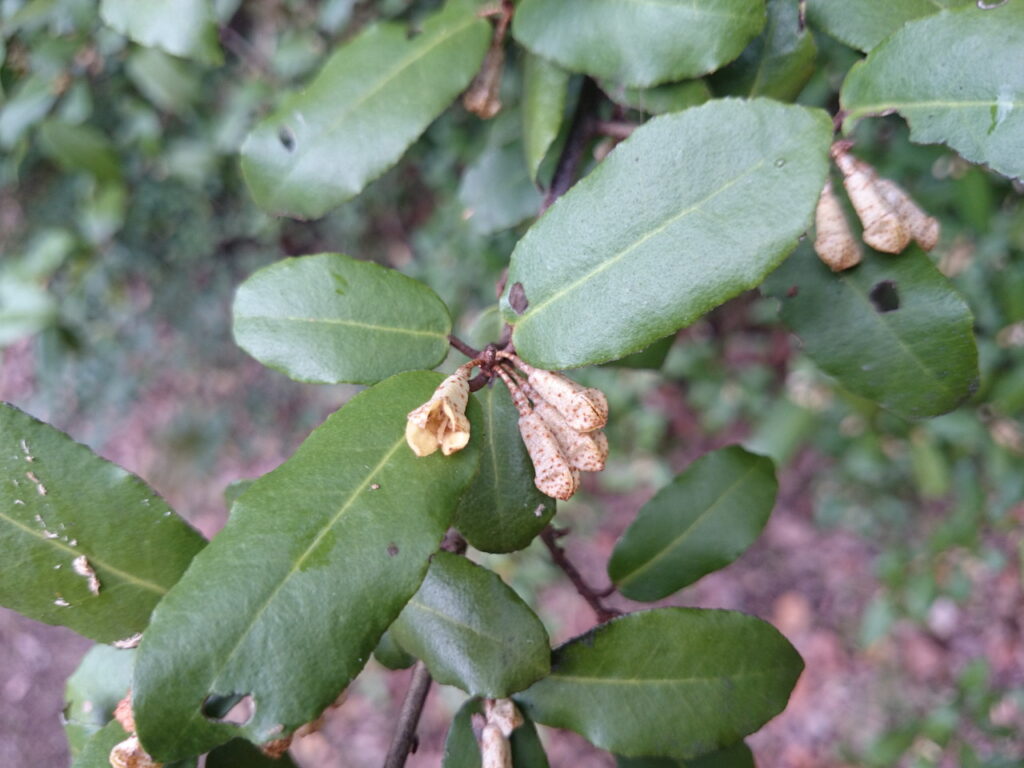
While fruits of the Elaeagnus genus are generally considered edible raw, I could not find any records of people comparing the tastes of individual varieties.However, wild varieties are generally described as having a strong sour and astringent taste, and there are probably few examples of them being suitable for eating raw.Also, since birds like to eat them, unripe fruit is often left on the tree, but these are even more unpalatable and difficult to eat. This is thought to be because, as will be explained later, the fruit has basically evolved for birds.
It seems that the only fruit that humans can definitely eat as is and still taste good is the giant nut (Lycoris radiata).
Besides being eaten fresh, the Japanese laurel (Elaeagnus multiflora), the giant laurel (Elaeagnus umbellata), and the summer laurel (Elaeagnus multiflora) are used to make jams and other products, as well as to make fruit wine (Elaeagnus multiflora liqueur).
Although it is a relatively unknown food both globally and in Japan, the fruit of the summer olive tree is known to be highly nutritious, containing carbohydrates, organic acids, amino acids, and vitamin C, as well as biominerals, polyphenols, flavonoids, carotenoids, chlorophyll, and vitamin E (tocopherol). Its use as food and medicine is being researched (Bieniek et al., 2022).
Why are the leaves of Elaeagnaceae plants "sparkly"? It's a way to withstand "drought"!?
The leaves of Elaeagnaceae plants have a mysterious "sparkle" that is not found on other plants. Furthermore, it can sometimes be seen on their flowers and fruits as well. How does this "sparkle" manifest?
You can see this by examining the leaves with a magnifying glass or microscope. The surface of the leaves is covered with special hairs called "scaly hairs" or "stellate hairs."
These are a type of "trichome" formed from the epidermis of vascular plants. Those with thin hairs radiating from a stalk are called stellate hairs, while those with radiating hairs fused together to resemble fish scales are called scaly hairs. Which type is present varies depending on the species and age. In the case of Elaeagnaceae plants, this variation is continuous.
But why do the leaves of Elaeagnaceae plants have such well-developed stellate and scale-like hairs? I have never seen any Japanese text explaining the reason for this.
However, research is progressing overseas, and studies in Argentina have yielded some interesting findings (Klich, 2000).
Originally from the arid regions of Central Asia, Elaeagnus erythrosora is an invasive species that grows in waterways in many arid and semi-arid regions around the world. Elaeagnus angustifolia When we examined the leaves of this particular species, we found that even within the same individual plant, there were differences in leaf morphology depending on the amount of sunlight. Among these differences were also variations in trichomes such as stellate hairs and scale-like hairs.
Specifically, the sun-loving leaves at the top of the tree are smaller, elongated, and thicker, and may fold over. In addition, they have only scale-like hairs, giving them a silvery to grayish-green color.
In contrast, the shade-loving leaves at the base of the tree were larger, thicker, and thinner, and were not folded, and were dark green because they only had stellate hairs.
This is thought to be related to the fact that sun-loving leaves are exposed to high levels of sunlight and dryness. Smaller, narrower leaves promote heat dissipation. Leaves fold to reduce the amount of light they receive.
The trichomes were also thought to serve a function in preventing "drying." The presence of trichomes reduces air movement on the leaf surface, creating a layer of still air and thus reducing the diffusion of water vapor from inside the leaf into the atmosphere.
Furthermore, "temperature regulation" can be considered as an indirect effect of the trichomes. The fine irregularities created by the dense layer of trichomes significantly increase the reflectivity of sunlight on the leaves, reducing sunlight absorption, which in turn lowers the leaf temperature and slows the rate of transpiration.
It appears that scaly hairs have a structure that is more resistant to dryness than stellate hairs. Scaly hairs are also known as peltate hairs, and they likely "shield" against sunlight.
Another study has shown that the trichomes of autumn olive exhibit a similar trend (Kim, 2018).
In summary, the reason why the leaves of Elaeagnaceae plants are shiny is that they reflect light to prevent drying and to regulate temperature.
However, most Elaeagnaceae plants found in Japan tend to grow along the coast. How is this related to their resistance to drought?
While there are no detailed studies specifically examining this aspect for the Elaeagnaceae family, coastal areas are generally dry due to high light intensity, high temperatures, and strong winds (Hesp, 1991). Therefore, many plants exhibit some adaptations to withstand drought, such as increasing the glossiness of their leaves. Thus, the scaly hairs of Elaeagnaceae plants are likely an important advantage for their coastal survival.
Furthermore, sea breezes can cause salt to adhere to plant tissue, leading to dehydration due to osmotic pressure (Yamanaka, 1960). It is possible that the scaly hairs physically prevent this.
Thus, these scaly hairs are not merely decorative; along with nitrogen fixation capabilities, they have essential functions for survival.
What is the structure of a flower?
Flowers of the Elaeagnus genus lack petals and consist only of a calyx tube.
Autumn olive (Elaeagnus umbellata) flowers from April to May, with 1 to 6 flowers hanging down from the leaf axils. The flowers are initially white, gradually turning yellow. The calyx tube is 5-7 mm long and slightly constricted at the top of the ovary. There are four triangular sepals, about 4 mm long, with sharply pointed tips. The pedicel is 3-5 mm long. The calyx tube, sepals, ovary, and pedicel are densely covered with silvery, scale-like hairs.
Summer jasmine and Chinese jasmine bloom from April to May, with 1 to 3 pale yellow flowers hanging down from the leaf axils. The calyx tube is cylindrical, about 8 mm long, with a constriction at the top of the ovary. There are four large, broadly ovate sepals. The outer surfaces of the calyx tube, sepals, and ovary are densely covered with silvery, scale-like hairs. The pedicels are 8 to 12 mm long, densely covered with silvery, scale-like hairs, and interspersed with reddish-brown scale-like hairs.
Elaeagnus multiflora flowers from October to November, with several pale yellowish-brown flowers in the leaf axils. The calyx tube is 6-7 mm long, has four ridges, and is constricted at the base, connecting to the ovary. The outer surface is densely covered with silvery scale-like hairs, interspersed with brownish scale-like hairs.
While the basic structure and color of the flowers are similar, there are also clear differences as mentioned above.
What insects visit the flowers of the Elaeagnus genus? In China, even sunbirds were spotted visiting!?
What kinds of insects visit the flowers of the Elaeagnus genus? Understanding pollination methods is essential, especially from the perspective of cultivating these plants.
Generally, cylindrical flowers that hang down require sufficient muscle to hang and collect pollen and nectar, so it is well known that bees with well-developed such organs are attracted to them. Therefore, a similar tendency can be expected in the Elaeagnus genus.
In fact, pollination of Elaeagnus multiflora is mainly carried out by bees. Pollination of Elaeagnus umbellata is also carried out by honeybees and other insects of the Apidae family. However, it is thought that 0-70% of Elaeagnus umbellata is self-pollinating (Abdalla, 2019).
However, a Chinese research group has revealed that these trends differ somewhat in the case of autumn olive (Pi et al., 2021).
In this study, the morphology of flowers and pollinating animals were investigated at altitudes of 1160m, 1676m, and 2050m in the Minshan Mountains of Sichuan Province in southwestern China.
As a result, it was found that the higher the altitude, the smaller the flowers, the longer the flower tubes, the lower the sugar concentration, and the higher the amount of sucrose.
Furthermore, the flowers were visited by insects such as honeybees, bumblebees, and syrphidae, as well as birds of the sunbird family, at all locations. The presence of sunbirds is a slight difference from the Elaeagnus species mentioned above. But that's not all; we also found that the number of honeybee visitors decreased and the number of sunbird visitors increased as the altitude increased.
These facts suggest that the types of animals that visit a particular area change with altitude, and as a result, the shapes of flowers have undergone microevolution to adapt to these changes.
While temperatures drop at high altitudes, endothermic animals like the sunbird family and ectothermic bees like the bumblebee genus, which are large and have good heat retention, can tolerate the low temperatures. However, honeybees are not as well adapted to these conditions and their numbers decline.
Consequently, the shape of the summer jasmine flowers has changed to make it easier for sunbirds, which have long tongues and prefer sucrose, to access the nectar.
Since the sunbird family is not commonly found in Japan, it's unlikely that a similar adaptation would be seen in the Japanese autumn olive (Elaeagnus umbellata), although it might be seen in other bird species. This kind of evolution, where plants change the shape of their flowers to adapt to the environment and ensure successful pollination, is being observed in various types of plants. It can be said to be a very flexible process.
What is the structure of the fruit? Are the fruits of the Elaeagnus genus not true fruits?
In the Elaeagnus genus, the part commonly referred to as the "fruit" is actually a pseudocarp from a plant morphological perspective. A pseudocarp is a fruit-like structure in which structures other than the ovary make up the majority of the structure. In the case of Elaeagnus, after flowering, the upper part of the calyx tube falls off, and the lower part of the calyx tube enclosing the true fruit develops, becomes fleshy, and eventually fuses with the ovary to form a fruit-like structure (Kobayashi, 2007).
Simply put, the delicious part of the fruit is the lower part of the calyx tube that formed the flower, which has developed into a more edible form.
The pseudofruits of the autumn olive are spherical to elliptic-spherical, 6-8 mm in diameter, and ripen red from September to November. The surface is covered with reddish-brown or white scale-like hairs. The fruit stalk is short and erect or curved. The seeds are elliptical, 4-5 mm long, and have eight grooves on the surface.
The pseudofruits of Elaeagnus multiflora and Elaeagnus umbellata are broadly oval-shaped, 1.2–1.7 cm long, and ripen from May to July. The seeds are obovate-oblong, about 1.2 cm long, and have eight deep grooves.
The pseudofruit of Elaeagnus multiflora is oblong, about 1.5 cm long, and ripens red in May or June of the following year. The upper part of the calyx tube remains at the tip.
The fruit was dispersed using a combination of bird and mammal dispersal!?
What kind of animal disperses the seeds of this sweet and sour fruit (false fruit) that humans can eat?
It is generally believed that Elaeagnus species are eaten by birds and their seeds are dispersed by birds (Abdalla, 2019).It is well known that red is a color that strongly attracts birds, and the red fruits of the Elaeagnus genus have likely developed in a similar way to attract birds. Furthermore, in the case of the autumn olive (Elaeagnus umbellata), after the leaves wither, the red fruits line up in a straight line, an adaptation that makes them easily visible in open waterside areas.
Detailed research has been conducted on autumn olive in Japan (Kohri et al., 2011). This research investigates the amount of fruit consumed and the extent to which the fruit is actually dispersed by seed trapping, which involves setting up net traps and examining the seeds that fall from above.
These results show that because autumn olives produce fruit from autumn to winter, most of it is consumed by fruit-eating winter birds and resident birds by January, resulting in widespread seed dispersal. It can be said that it is a very popular fruit.
Unfortunately, this study did not investigate the proportion of each specific bird species that eat the fruit, but it identifies thrushes and bulbuls as representative examples. It also found that the more bird species there are, the more fruit is consumed and the further the seeds are dispersed, suggesting that many more species likely utilize the fruit in reality.
Furthermore, it has been suggested that the eaten seeds may be dispersed by water currents.
However, while there are results showing that these species rely on birds for seed dispersal, there are also records of them being eaten by mammals (Koike & Masaki, 2008).
Records show that autumn olives are eaten by Asiatic black bears, martens, raccoons, and foxes; summer olives are eaten by Asiatic black bears; and white olives are eaten by martens.
Therefore, while bird dispersal is the primary method, mammal dispersal may also be utilized. This is an interesting fact, as fruits dispersed by birds are not necessarily also consumed by mammals.
Furthermore, species such as Elaeagnus multiflora and Elaeagnus umbellata have different fruiting periods. It is currently unclear whether this leads to differences in the animals responsible for seed dispersal.
References
Abdalla, TE 2019. Some wild Elaeagnus species: overview, description, biochemistry, and utilization. In: AA Mariod (Ed.), Wild Fruits: Composition, Nutritional Value and Products (pp. 507-521). Springer. ISBN: 9783030318840, https://doi.org/10.1007/978-3-030-31885-7_38
Bieniek, A., Lachowicz-Wiśniewska, S., & Bojarska, J. 2022. The Bioactive Profile, Nutritional Value, Health Benefits and Agronomic Requirements of Cherry Silverberry (Elaeagnus multiflora Thunb.): A Review. Molecules 27(9): 2719. https://doi.org/10.3390/molecules27092719
Hayashi, Masayuki. 2014. 1100 Tree Leaves Identified Through Real-Life Scans. Yama-kei Publishers, Tokyo. 759pp. ISBN: 9784635070324
Hesp, PA 1991. Ecological processes and plant adaptations on coastal dunes. Journal of Arid Environments 21(2): 165-191. ISSN: 0140-1963, https://doi.org/10.1016/S0140-1963(18)30681-5
Kanagawa Prefecture Flora Survey Association. 2018. Kanagawa Prefecture Flora 2018 (Electronic Edition). Kanagawa Prefecture Flora Survey Association, Odawara. 1803pp. ISBN: 9784991053726
Kim, KW 2018. Peltate trichomes on biogenic silvery leaves of Elaeagnus umbellata. Microscopy Research and Technique 81(7): 789-795. https://doi.org/10.1002/jemt.23037
Klich, MG 2000. Leaf variations in Elaeagnus angustifolia related to environmental heterogeneity. Environmental and Experimental Botany 44(3): 171-183. https://doi.org/10.1016/S0098-8472(00)00056-3
Kobayashi, Masaaki. 2007. From Flower to Seed: The Science of Seed Dispersal. National Rural Education Association, Tokyo. 247pp. ISBN: 9784881371251
Kohri, M., Kamada, M., & Nakagoshi, N. 2011. Spatial-temporal distribution of ornithochorous seeds from an Elaeagnus umbellata community dominating a riparian habitat. Plant Species Biology 26(2): 174-185. https://doi.org/10.1111/j.1442-1984.2011.00313.x
Koike, Shinsuke & Masaki, Takashi. 2008. A literature review of the use of woody plant fruits by three species of carnivorous plants south of Honshu. Journal of the Japanese Forestry Society 90(1): 26-35. https://doi.org/10.4005/jjfs.90.26
Mogi, Toru; Ota, Kazuo; Katsuyama, Teruo; Takahashi, Hideo; Shirokawa, Shiro; Yoshiyama, Hiroshi; Ishii, Hidemi; Sakio, Hitoshi; and Nakagawa, Shigetoshi. 2000. Flowers Blooming on Trees: Polypetalous Flowers (Vol. 2, 2nd edition). Yama-kei Publishers, Tokyo. 719pp. ISBN: 9784635070041
Pi, HQ, Quan, QM, Wu, B., Lv, XW, Shen, LM, & Huang, SQ 2021. Altitude-related shift of relative abundance from insect to sunbird pollination in Elaeagnus umbellata (Elaeagnaceae). Journal of Systematics and Evolution 59(6): 1266-1275. https://doi.org/10.1111/jse.12685
Rojas-Sandoval, J., & Pasiecznik, N. 2016. Elaeagnus umbellata (autumn olive). CABI Compendium. https://doi.org/10.1079/cabicompendium.20728
Yamanaka, Kuniyoshi. 1960. Damage to agricultural crops from salt spray and coastal forests. Water Resources Science 4(1): 94-102. https://agriknowledge.affrc.go.jp/RN/2030845293