plant

Sponsored Link
plant

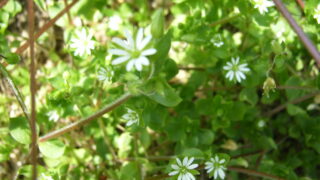
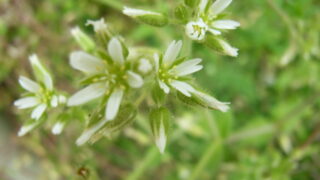
What are the differences between chickweed (Cerastium holosteoides) and Dutch chickweed (Cerastium holosteoides)? How do they differ from other chickweed species? This article explains how to distinguish between similar species.

Both *Cerastium holosteoides* and *Cerastium holosteoides* belong to the genus *Cerastium* in the family Caryophyllaceae, and are extremely common plants that grow along roadsides in spring, representing typical "weeds." However, few people may be able to accurately distinguish between the two species. Distinguishing between the two may require close observation in some cases...
plant

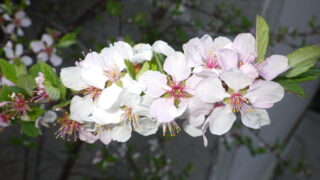
What are the differences between Japanese apricot (Prunus tomentosa), Japanese garden apricot (Prunus serrulata), and Japanese garden cherry (Prunus serrulata)? How do they differ from Japanese apricot (Prunus mume) and Japanese cherry (Prunus serrulata)? This article explains how to distinguish between similar species.

Japanese apricot (Prunus tomentosa), Japanese garden apricot (Prunus serrulata), and Japanese cherry (Prunus serrulata var. japonica) all belong to the genus Prunus in the family Rosaceae. Despite being shrubs, they are popular in horticulture because they produce beautiful flowers in spring, similar to plums and cherries. They are also known to be edible. However, their appearance is quite similar, leading to confusion...
plant

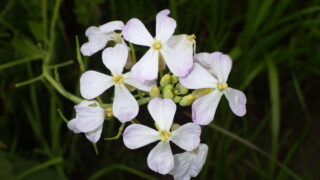
What are the differences between sea radish, flower radish, and large-flowered wallflower? An explanation of how to distinguish between similar species.

Sea radish, flower radish (Raphanus sativus), and large-flowered radish (Raphanus erythrosora) all belong to the Brassicaceae family, and their names sometimes include "radish." They are herbaceous plants that are cultivated for either ornamental or edible purposes and have also become naturalized. They are characterized by their purple, cross-shaped flowers...
plant

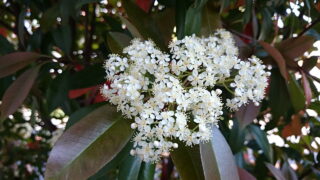
What are the differences between Pyracantha coccinea, Pyracantha japonica, and Pyracantha sulphurea? We explain how to distinguish between similar species! Is it a myth that Pyracantha causes sudden death in waxwings?

Pyracantha coccinea, Pyracantha japonica, and Pyracantha serrulata all belong to the genus Pyracantha in the Rosaceae family. They are characterized by their bright red berries that appear in winter and are frequently cultivated for ornamental purposes. In horticulture, however, this group is collectively referred to as "Pyracantha" or "Pyracantha" based on its genus name...
plant

What are the differences between Ilex rotunda, Ilex crenata, Ilex serrata, and Ilex serrata? An explanation of how to distinguish between similar species.

Ilex rotunda, Ilex crenata, Ilex serrata, and Ilex serrata all belong to the Ilex genus of the family Aquifoliaceae. They not only grow in evergreen broad-leaved forests but are also frequently seen planted in parks and gardens, making them extremely familiar and common evergreen trees in Japan. They share thick leaves and beautiful red fruits...
plant

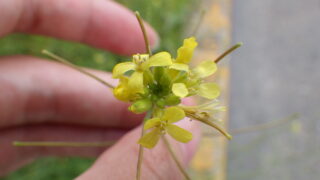
ナズナ・マメグンバイナズナ・イヌナズナ・シロイヌナズナの違いは?似た種類の見分け方を解説

ナズナ・マメグンバイナズナ・イヌナズナ・シロイヌナズナはいずれもアブラナ科に含まれ、その中でも「ナズナ」という名前がつく日本の代表的な雑草です。早春に開花し、早々に平べったい果実をつける点が特徴です。しかし、有名ではあるものの、これら4種の...
plant

What are the differences between Oubai (Japanese jasmine) and Oubaimodoki (Yunnan jasmine)? How do they differ from Chimonanthus praecox (winter jasmine)? This article explains how to distinguish between similar species.

Both *Jasminum praecox* (yellow jasmine) and *Jasminum yunnanense* (false jasmine) belong to the genus *Jasminum* in the family Oleaceae, and are native to China, cultivated for ornamental purposes. Their distinctive feature is the yellow flowers that bloom even in winter, which is likely one of the reasons for their popularity. However, they share many similar characteristics, leading to frequent confusion...
plant

What are the differences between wild strawberries, Japanese wild strawberries, and large wild strawberries? We explain how to distinguish between similar species! It's surprisingly difficult to tell them apart!

Strawberry (Potentilla indica), Japanese wild strawberry (Potentilla fragarioides), and common wild strawberry (Potentilla indica) all belong to the genus Potentilla in the Rosaceae family. They are known as representative spring weeds in Japan, characterized by their creeping stems that spread along the ground. Occasionally, they are referred to as "wild strawberries" along with other members of the Rubus genus...
plant

What are the differences between Ipheion uniflorum, Ipheion leek, and Ipheion japonica? We'll explain how to distinguish between similar species! Are they edible?

All three species—Ipheion uniflorum, Allium sibiricum, and Allium sibiricum—belong to the Amaryllidaceae family, Allioideae subfamily, and share the name "nira" (leek). They are common perennial plants found in fields and urban areas. However, their confusing names can make it difficult for those unfamiliar with these three species to distinguish between them...
plant

What are the differences between Muscari, Grape Muscari, and Blue Muscari? An explanation of how to distinguish between similar species.

Muscari, grape muscari, and blue muscari are all perennial plants belonging to the genus Muscari in the Asparagaceae family (formerly Asparagaceae). In early spring, from March to April, they produce numerous blue, urn-shaped flowers that hang downwards in racemes, and perhaps because of their cuteness, they are very popular as ornamental plants in gardens. However...
Sponsored Link