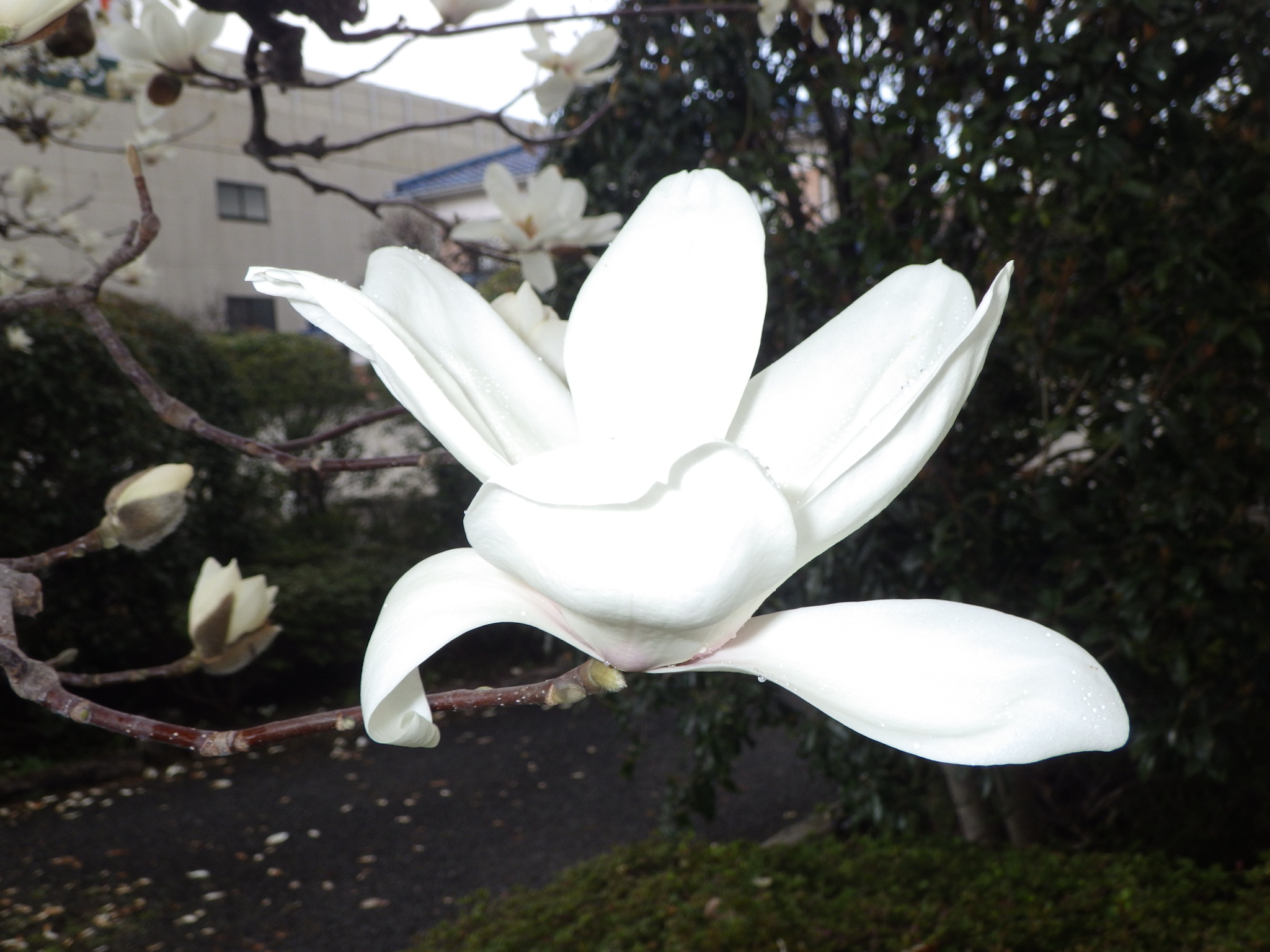
White magnolia, kobushi magnolia, star magnolia, and tamushiba all belong to the Magnolia genus of the Magnoliaceae family. As deciduous trees, they shed their leaves in winter, and a distinctive feature is that around April, before the leaves appear, they produce large, white, polypetalous flowers, one per branch, before the leaves emerge, much like cherry blossoms.These trees are common in cities and signal the arrival of spring, but they can sometimes be difficult to distinguish. You can usually identify them by looking at the number of petals during the early spring when only flowers are in bloom, and you can also easily distinguish them by the shape of the leaves that appear later in the year.Although the flowers may appear primitive, they actually possess various functions, including protegry (female-first maturation), heat production, scent, and petal movement, all specifically adapted for beetles. The fruits are irregularly shaped and, when ripe, expose red seeds that are dispersed by birds. This article will focus on the deciduous Magnolia genus, which has white flowers.
- What are white magnolias, kobushi magnolias, star magnolias, and tamushiba magnolias?
- What are the differences between white magnolia, kobushi magnolia, star magnolia, and tamushiba magnolia?
- Are there any other similar types?
- How is it pollinated? Is the claim that it's a "primitive flower" a lie?!
- What are the seed dispersal methods?
- References
What are white magnolias, kobushi magnolias, star magnolias, and tamushiba magnolias?
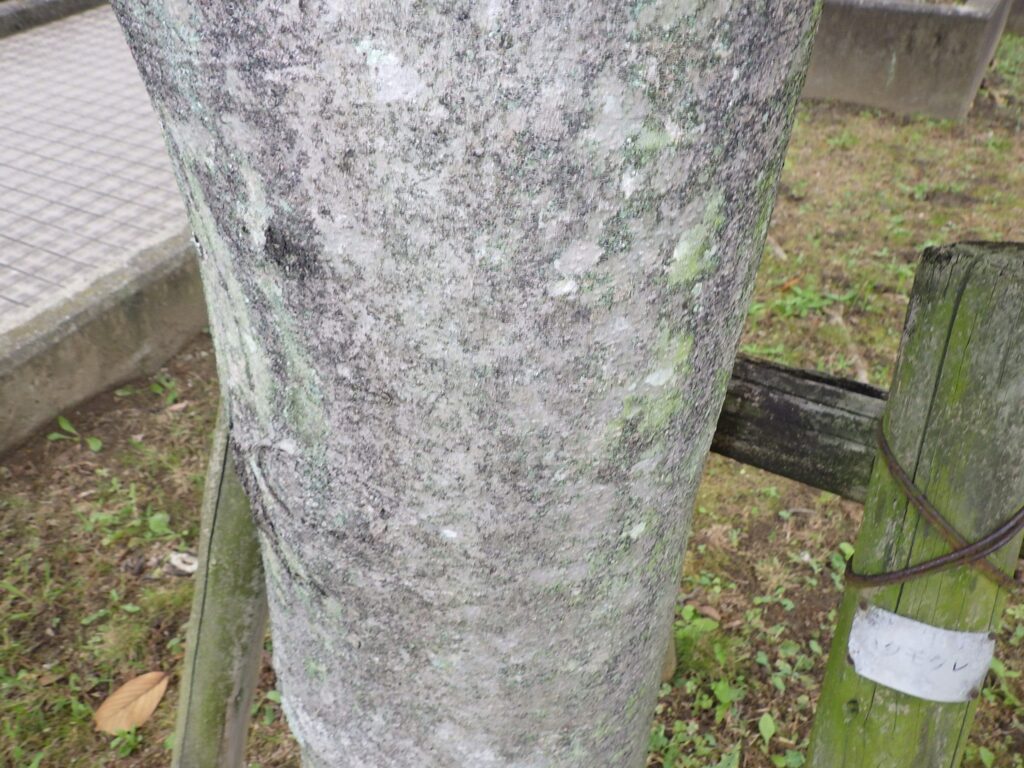
White Magnolia (Hakumokuren) Magnolia denudata This deciduous tree is native to China, grows in forests, and is widely planted in parks and gardens in Japan (Kanagawa Prefecture Flora Survey Association, 2018).
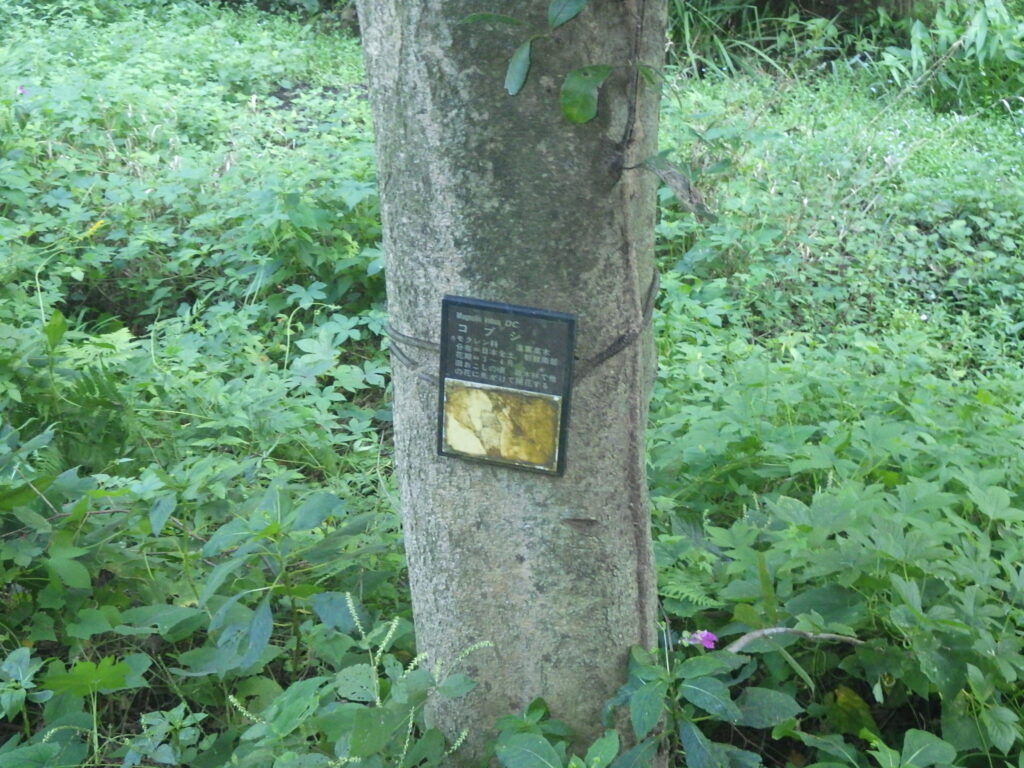
Magnolia (Kobushi) Magnolia kobus This deciduous tree is distributed in Hokkaido, Honshu, Shikoku, and Kyushu in Japan, as well as the Korean Peninsula. It is commonly found in deciduous forests and is widely planted in parks and gardens. There are two theories as to the origin of its name: one is that the shape of its buds or fruits resembles a "fist."
Magnolia stellata (Shidekobushi) Magnolia stellata It is also known as Himekobushi. It is a deciduous shrub distributed in the central region of Honshu, Japan, and is planted in parks and gardens. Its name comes from the fact that the shape of its petals resembles the "shide" used in Shinto rituals.
Magnolia salicifolia (Tamushiba) Magnolia salicifolia It is also known as the fragrant magnolia. It is a deciduous tree distributed in Honshu, Shikoku, and Kyushu in Japan, and grows abundantly in mountainous areas on the Sea of Japan side. There are two theories as to the origin of its name: one is that it is because the leaves develop spots resembling those of aphids, and the other is that it was given the name "kamushiba" (chewing bush) because the leaves have a unique sweet taste when chewed, which later changed to "tamushiba".
All of these species belong to the genus Magnolia in the family Magnoliaceae. As members of the Magnolia genus, they are characterized by elliptical to obovate leaves that are not shallowly lobed, and fruits that are aggregate fruits made up of follicles. In addition, these four species are deciduous trees, meaning they shed their leaves in winter and, around April, before the leaves emerge (unfold) like cherry blossoms, they produce large, white, polypetalous flowers, one per branch (terminally). The stamens and pistils inside are arranged spirally.
In Japan, they are often planted even in towns, and can be said to be a tree that, along with cherry blossoms, heralds the arrival of spring in the town.
However, since the flowers are the only visible feature of these four species during their peak season, it is often difficult to distinguish between them.
What are the differences between white magnolia, kobushi magnolia, star magnolia, and tamushiba magnolia?
First of all, as a premise, the white magnolia is an introduced species native to China, while the kobushi magnolia, shidekobushi magnolia, and tamushiba magnolia are native species, so you will not see white magnolias in the wild.
Furthermore, since Magnolia kobus is rarely planted as a park tree in Japan (Tamaki, 2020), the types you'll most likely see in town are Magnolia denudata, Magnolia kobus, or Magnolia stellata.
Next, we will consider the differences between the most commonly seen flowers (Kanagawa Prefecture Flora Survey Association, 2018).
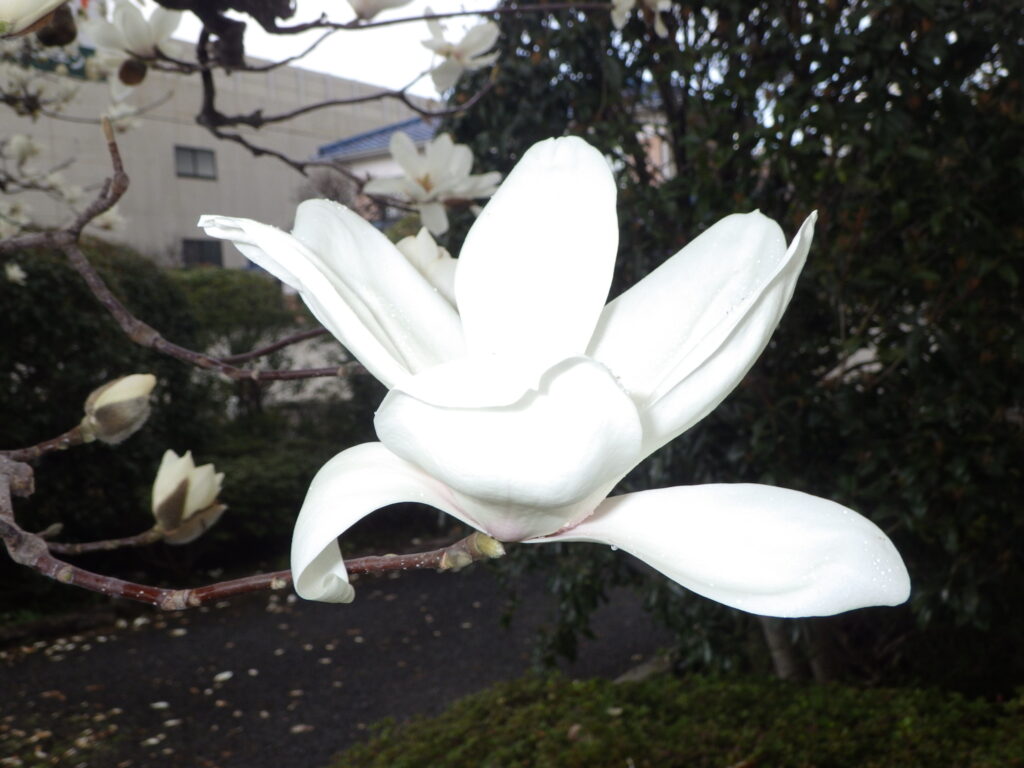
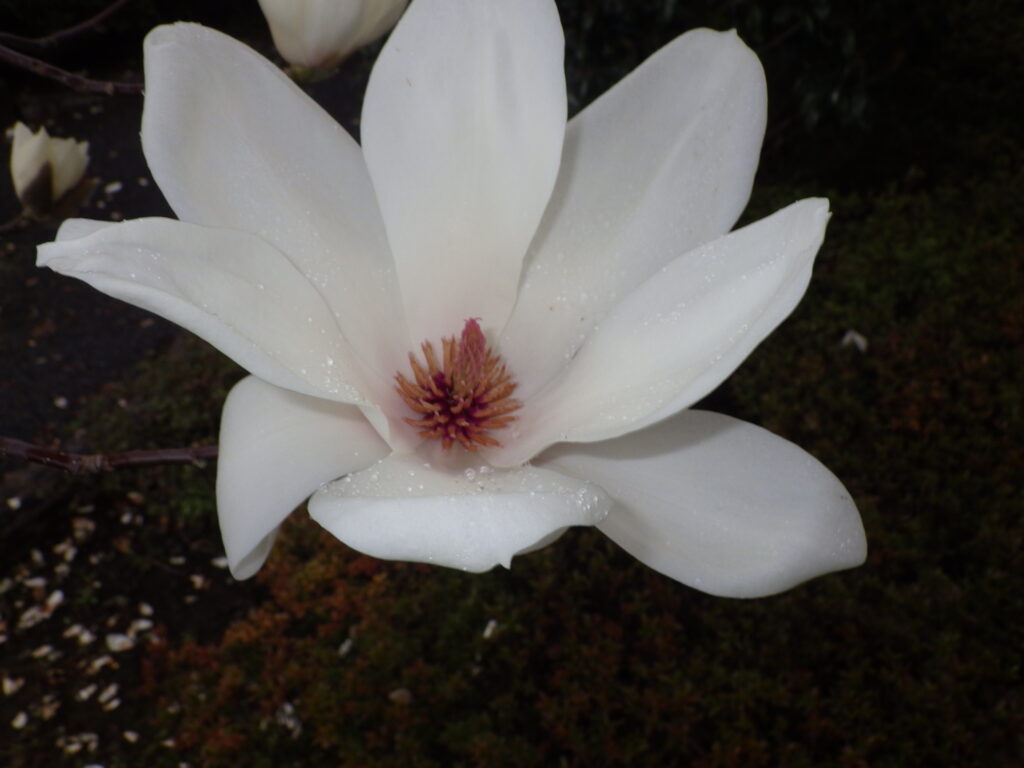
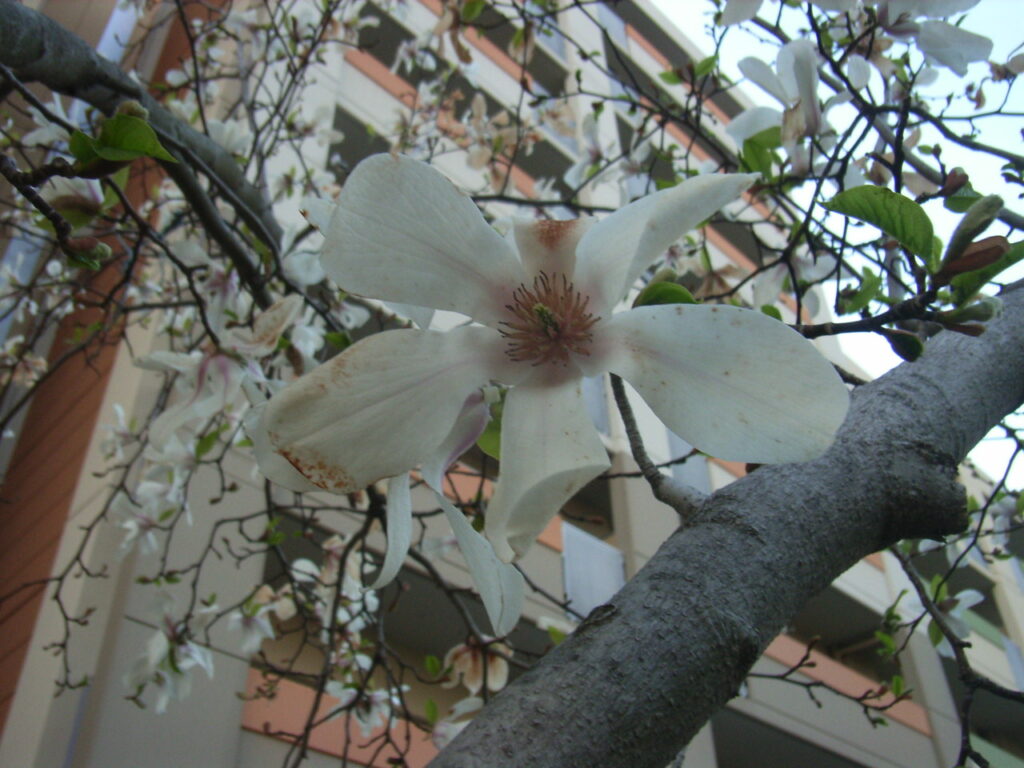
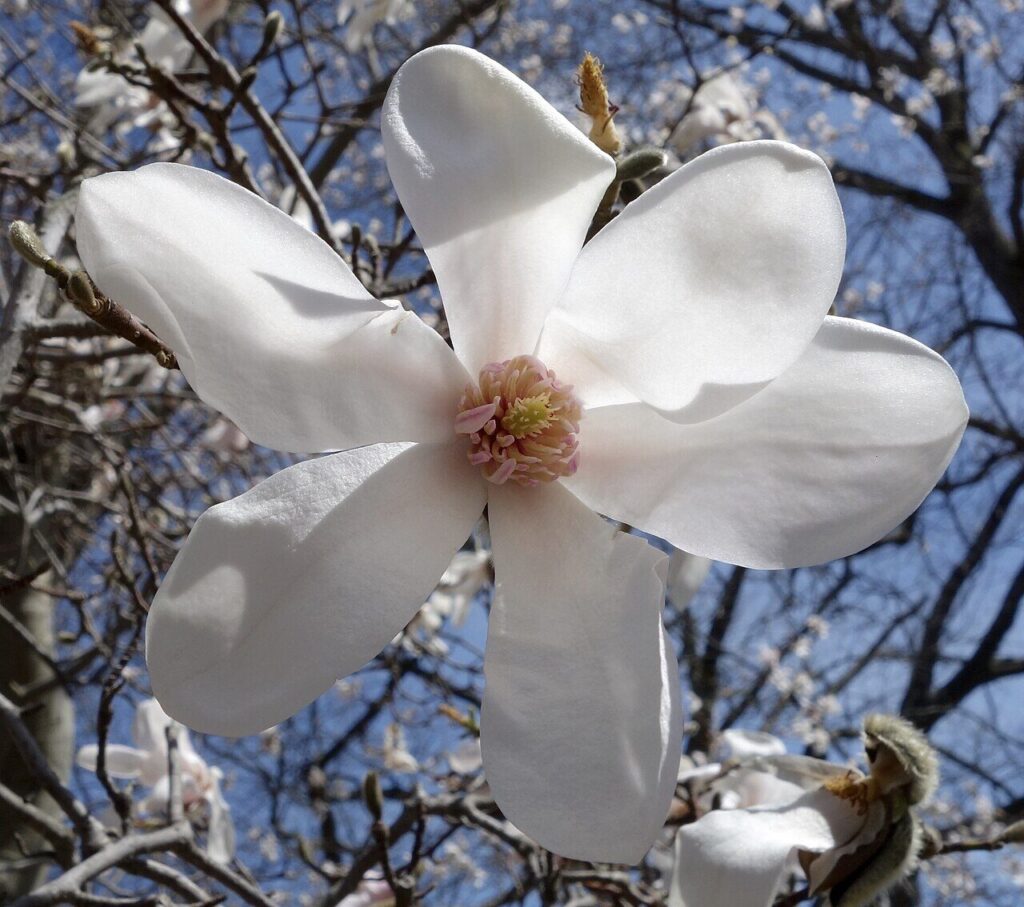
In Magnolia stellata, the petal-like perianth segments are slender and there are more than 10 of them, whereas in Magnolia denudata, Magnolia kobus, and Magnolia salicifolia, there are 9 or fewer petal-like perianth segments.
The term "petal-like perianth segments" is just a technical term; you can think of them as simply the "petals" that we normally see.
Regarding the remaining three species, the difference lies in the fact that the white magnolia has nine broad petals, while the kobushi magnolia and tamushiba magnolia have six narrow petals.
The reason why the white magnolia appears to have nine "petals" is that three of its sepals (the parts that normally support the petals) have changed to resemble the color and shape of the actual petals. Magnolia kobus and Magnolia salicifolia have three small, normal green sepals. The term "petal-like perianth segments" used earlier is a roundabout expression because of this situation.
Because of these characteristics, the flowers of the white magnolia tightly enclose the inside without any gaps, whereas those of the kobushi magnolia and tamushiba magnolia appear sparse.
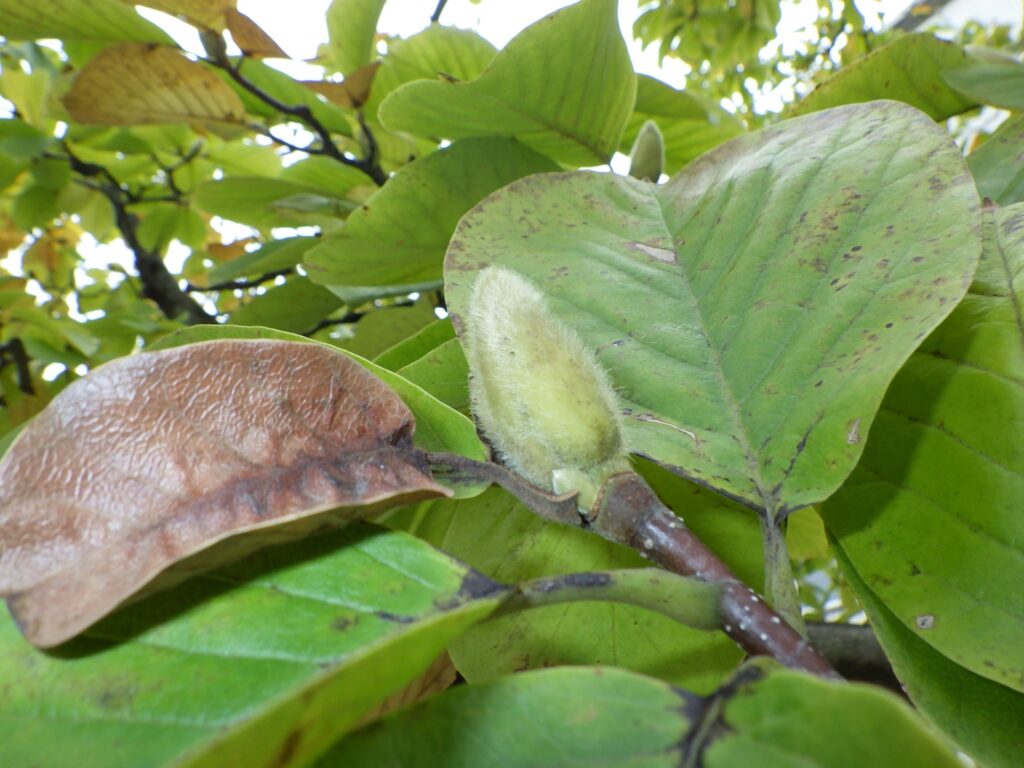
Regarding the remaining two species, the difference is that in Magnolia kobus, the tips of the perianth segments are blunt and there are small leaves just below the flower, while in Magnolia salicifolia, the tips of the perianth segments are somewhat acute and there are no small leaves just below the flower.
"Small leaves" refers to the new leaves that are just beginning to grow in preparation for the coming spring.
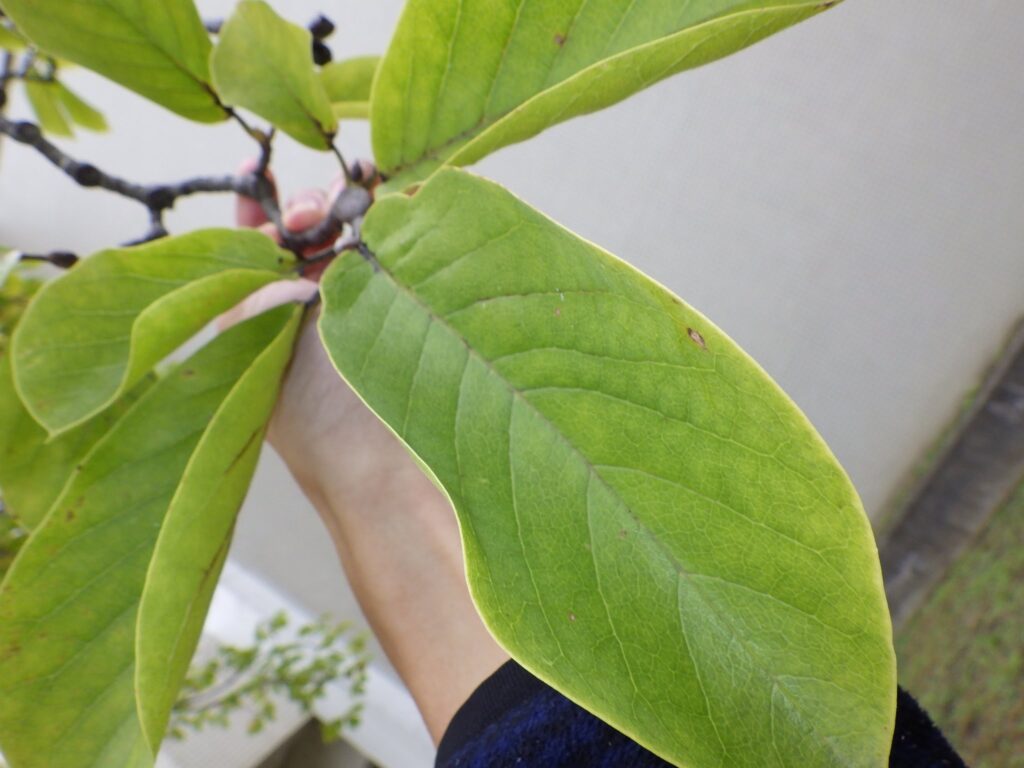
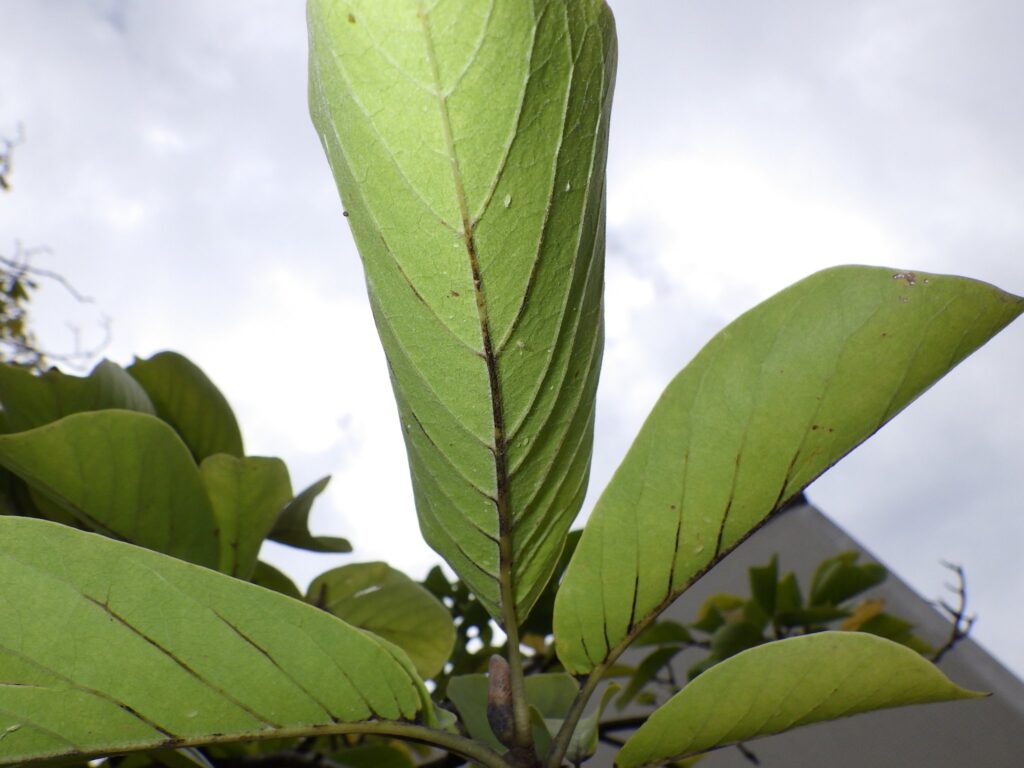
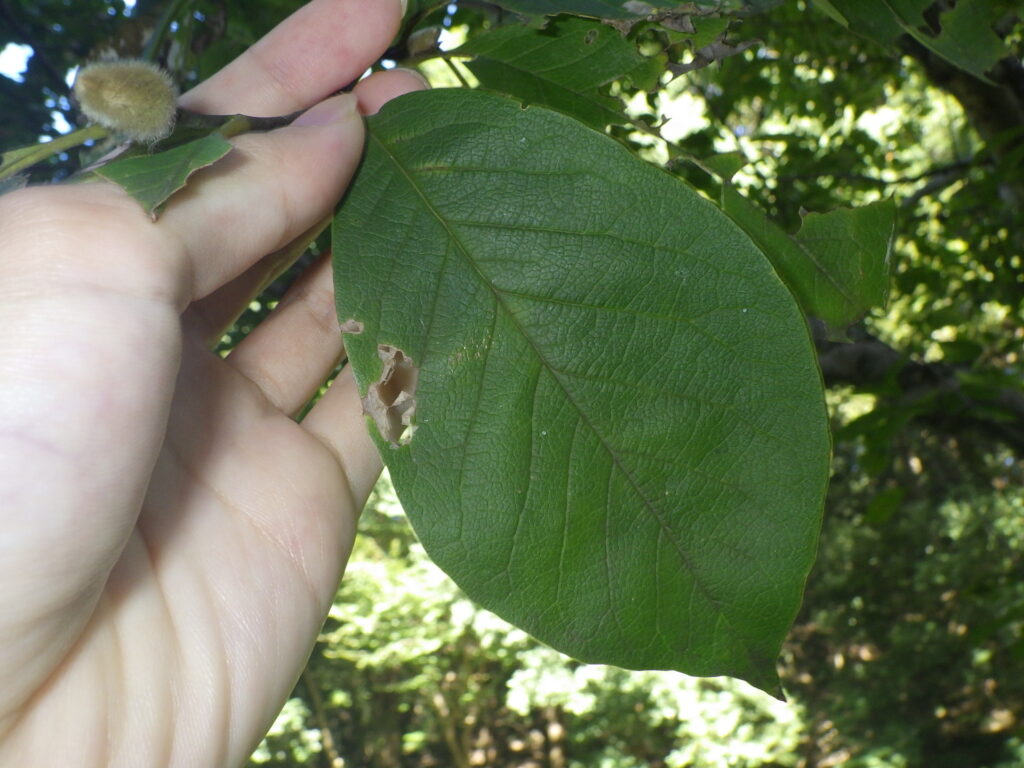
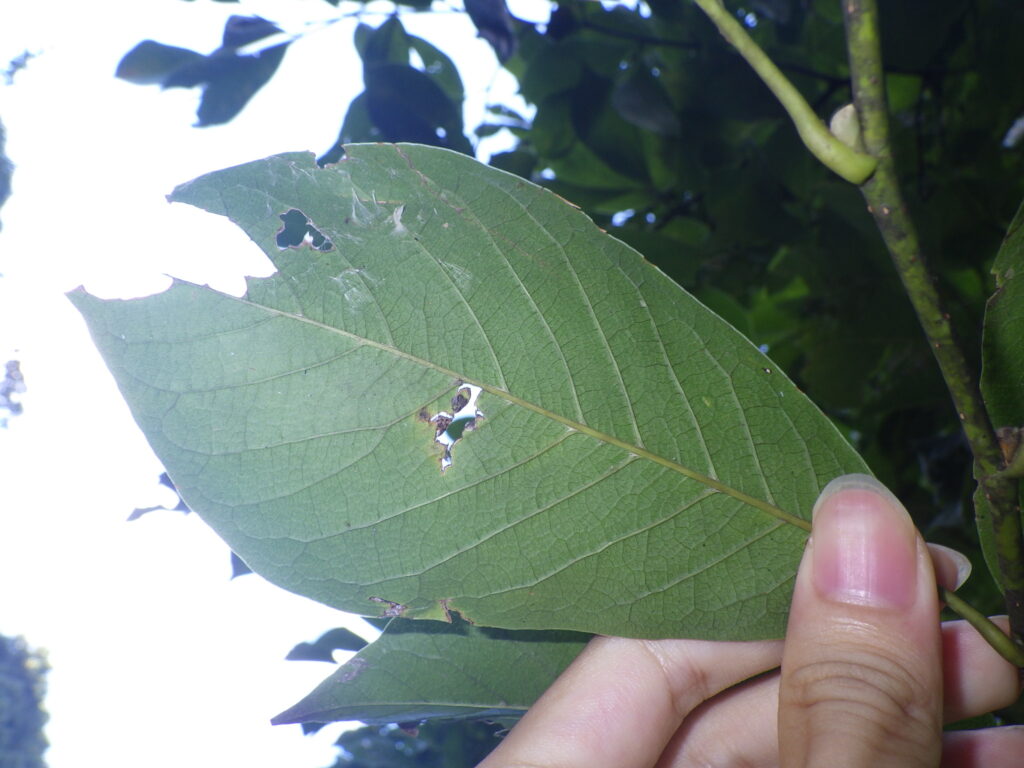
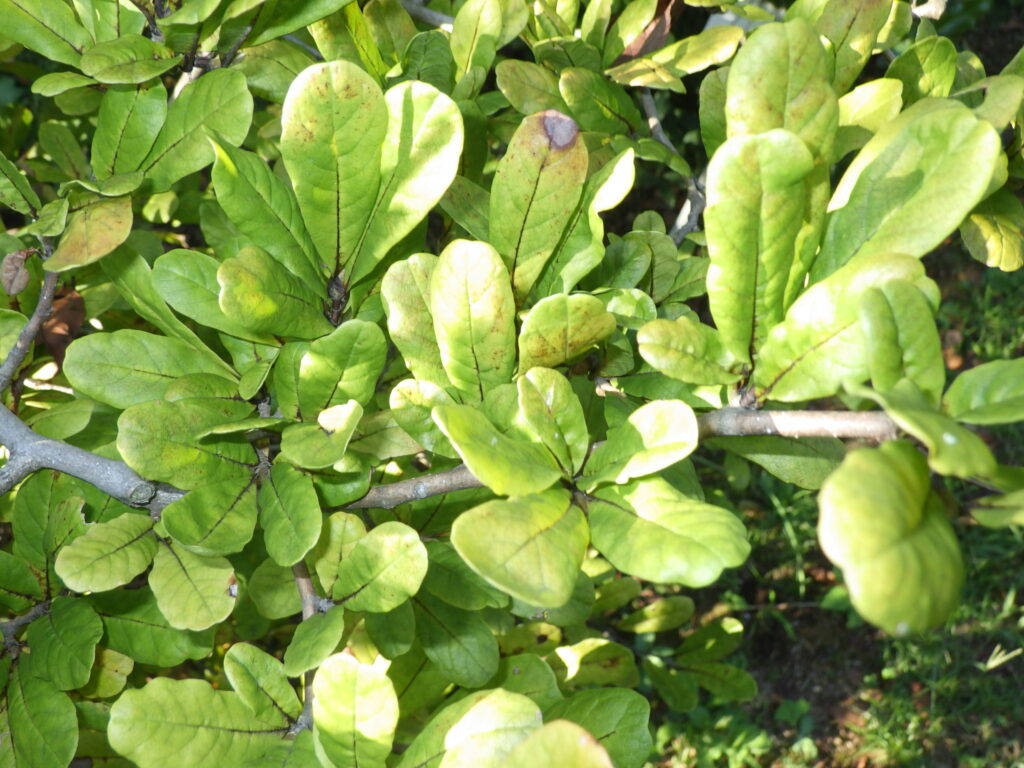
The leaves show even more distinct differences than the flowers (Hayashi, 2025).
While white magnolias, kobushi magnolias, and tamushiba magnolias have leaf tips that protrude, the star magnolia has leaf tips that are concave.
Regarding the remaining three species, the difference lies in the fact that while Magnolia kobus typically has long, slender leaves with sharply protruding, unequal-shaped tips, Magnolia denudata and Magnolia kobus have obovate leaves with rounded, bracket-shaped tips.
Regarding the remaining two species, the differences are that the white magnolia is large, has no wrinkles on the upper surface, the lateral veins on the lower surface are not prominent, and the leaf margin is flat without undulation, while the kobushi magnolia is small, has prominent wrinkles on the upper surface, prominent lateral veins on the lower surface, and the leaf margin is wavy and three-dimensional.
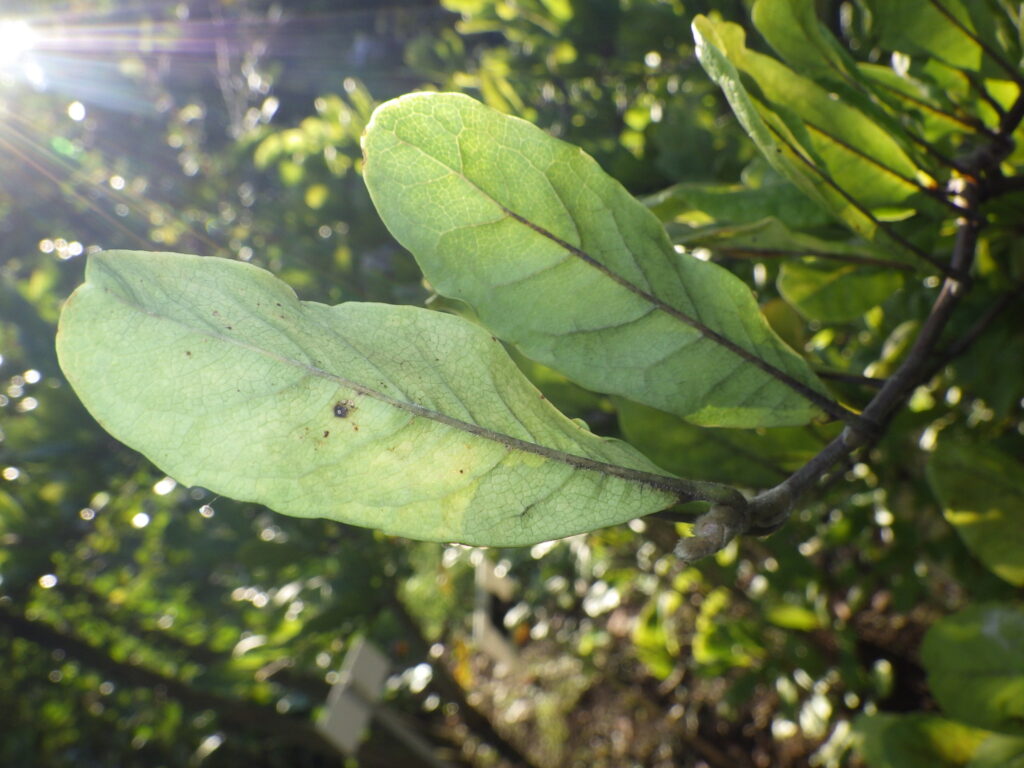
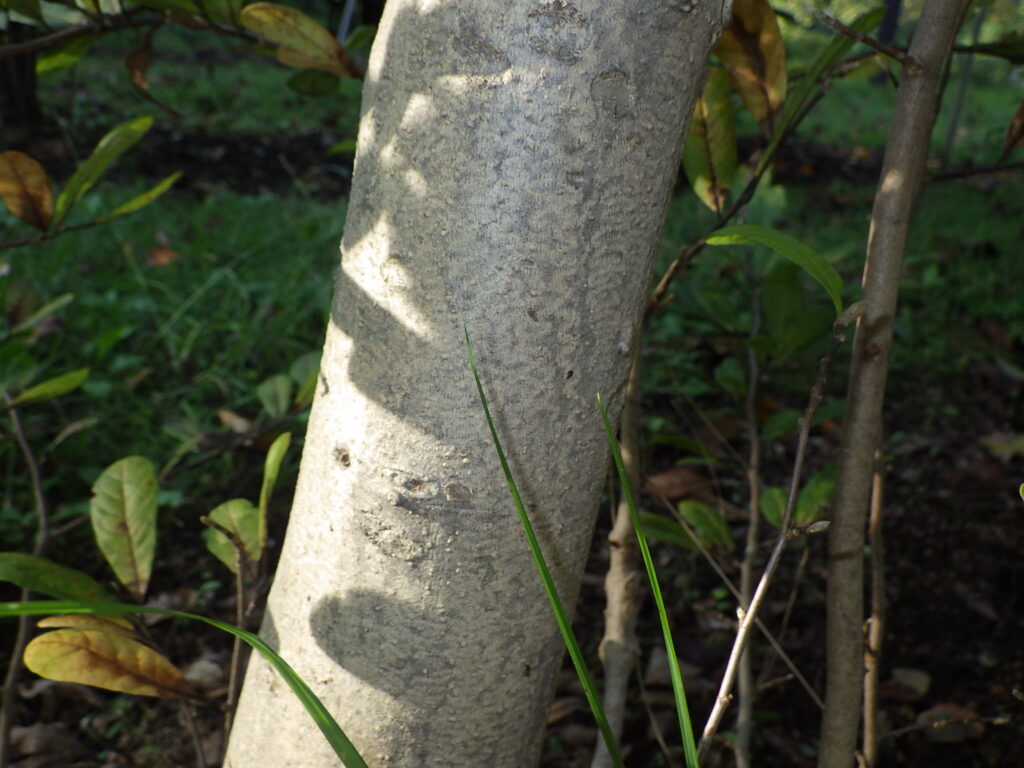

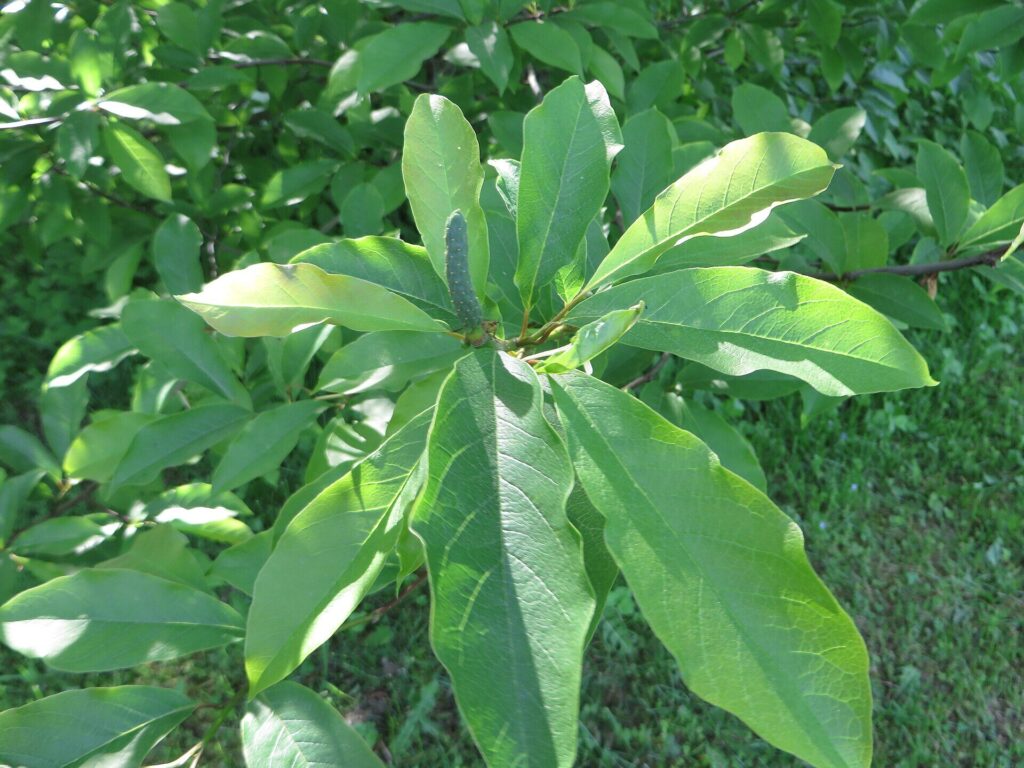
Are there any other similar types?
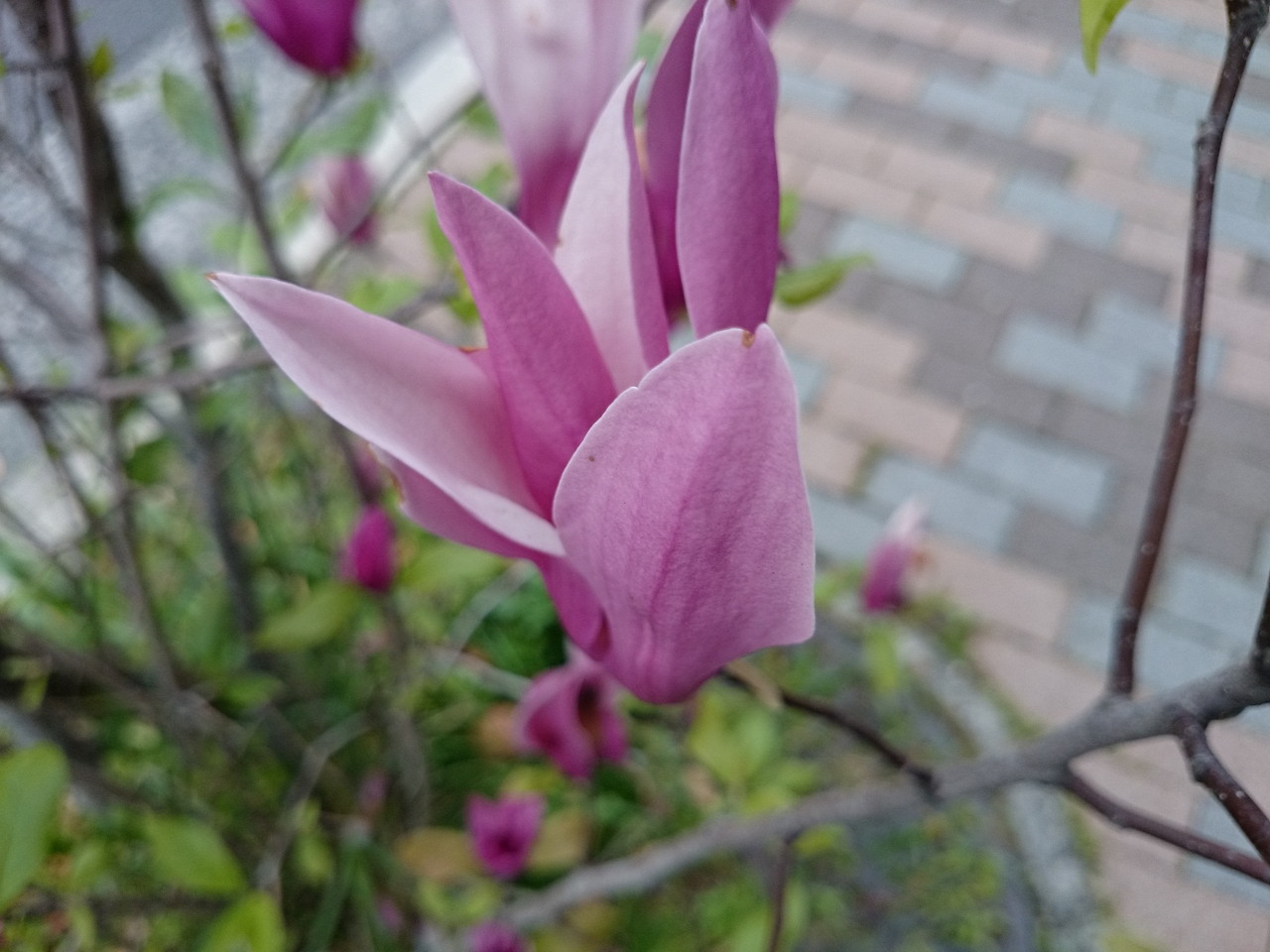
The genus Magnolia includes a great many species, such as purple magnolia, southern magnolia, and large-leaved magnolia, but only a very limited number are deciduous and produce white flowers.
False Magnolia Magnolia kobus f. Genkobus Only one individual of this variety has been reported from Tokushima Prefecture in Shikoku, where Magnolia kobus is not found, and that wild individual is already extinct. Currently, clones propagated by cuttings are preserved outside of the wild (Tamaki, 2021). Originally, Magnolia pseudokobus It was previously thought to be a triploid, but recent research has revealed that it is actually a triploid, and it is now treated as a different variety.
Magnolia obovata Magnolia obovata It is easy to distinguish because it flowers after its leaves unfold, its leaves are arranged almost in a whorl at the tips of the branches and are over 20 cm long.
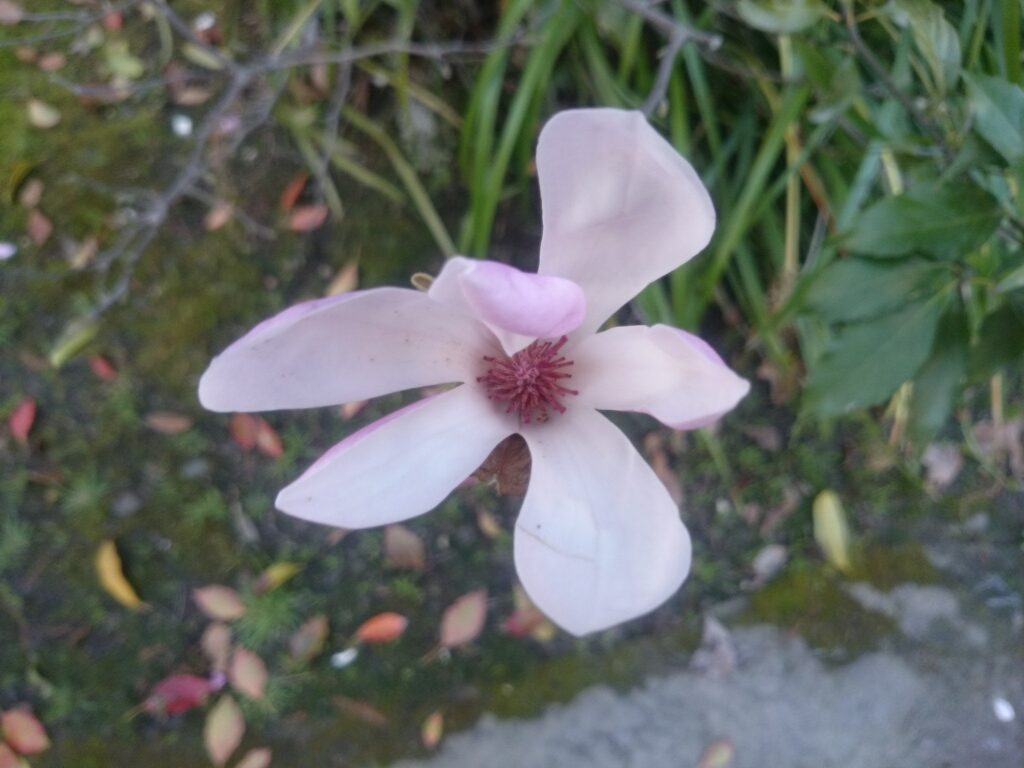
Magnolia serrata Magnolia x soulangeana It is also known as Sarasa Magnolia, Nishiki Magnolia, and Sotobeni Hakumokuren. It is a hybrid of Hakumokuren and Shimokuren (a species with reddish-purple outer petals), and its petals are mostly pink to purple on the outside and white on the inside.
How is it pollinated? Is the claim that it's a "primitive flower" a lie?!
Magnoliaceae flowers are large and usually have numerous stamens and pistils arranged in a spiral. This characteristic is also found in Nymphaeaceae and Illiciaceae, and is often considered a primitive feature of Permian angiosperms (Higashi, 2004). In fact, recent molecular phylogenetic analyses have shown that magnoliids are a group that branched off quite early among angiosperms, and the existence of similar flower fossils seems to support this.
It is generally well known that large, simple white flowers like these are primarily pollinated by beetles (insects with hard wings, such as scarab beetles) (Higashi, 2004). Many species in the Magnoliaceae family also exhibit this characteristic, and it has been confirmed that beetles are indeed the primary visitors to their flowers.
For these reasons, the hypothesis that "the ancestors of angiosperms had flowers similar in shape to those of the Magnoliaceae family, and that primitive beetles visited and pollinated them in the very beginning, and that the flowers of the Magnoliaceae family are a remnant of that!" was strongly supported.
However, the prevailing view now is that these characteristics are derived traits from a botanical perspective, particularly within the Magnoliaceae family or parts of the Magnoliales order (Judd et al., 2008). In other words, the ancestors of angiosperms did not originally have such flower shapes; rather, these characteristics evolved independently of the Nymphaeaceae and Illiciaceae families.
Furthermore, from an entomological perspective, it has become clear that most existing groups of beetles originated during the Early Cretaceous period, when the Magnoliidae family arose (Hernandez-Vera et al., 2021).
For these reasons, it is believed that the flowers of the Magnoliaceae family evolved after a diverse range of beetles emerged. Beetles that parasitized gymnosperms gradually settled there, feeding, mating, and taking refuge within the flowers, which is thought to have promoted the diversification of Magnoliaceae flowers we see today.
In other words, the flowers of the Magnolia family are not remnants, but rather a new species that arose through parallel evolution.
Magnoliaceae flowers are known to exhibit protandry (female-first maturation), heat production, fragrance, and petal movement, and these features are thought to have evolved specifically for beetles.
Protigmatism is a phenomenon in which the sex of a flower changes over time, transitioning from a female phase to a male phase. While its effect on beetles is unknown, it is known that approximately 90% of protigmatism is pollinated by beetles, and it generally prevents self-pollination.
The flowers open during the female and male phases, and close during the period in between when pollen and nectar are produced, thereby controlling the entry and exit of beetles.
Thermogenesis in flower petals occurs in early spring when the petals reflect sunlight, warming the inside of the flower and providing warmth, which attracts beetles seeking thermal energy.
The four species of Magnolia mentioned above are no exception; it is believed that beetles play a central role in flower visitation, pollination, and fertilization.
There is still no specific research on white magnolias.
Magnolia kobus is known to be most effectively pollinated by several species of small beetles that forage for pollen (Ishida, 1996). Female flowers, which do not receive rewards, may be engaging in "hermaphroditism," mimicking male flowers, which do receive rewards.
It is known that Magnolia stellata is primarily pollinated by insects of the orders Coleoptera (Staphylinidae), Thysanoptera, and Diptera (Hirayama et al., 2005; Suzuki et al., 2009).
Magnolia salicifolia has been reported to be pollinated by various species including Hymenoptera (Bombus genus and bees), Coleoptera (Nitidulidae), and Diptera (Empididae and Syrphidae) (Yasukawa et al., 1992).
Despite these flowers being quite similar, the pollinating insects that visit them differ slightly. This may be related to subtle differences in the color and shape of the flowers, but as mentioned above, it has also been suggested that the scent of the flowers may play a role (Higashi, 2004).
It has been found that the white magnolia, which is native to China, strongly releases pentadecane, a type of hydrocarbon, as its main component (80-95%).
On the other hand, it has been found that the main components of Magnolia kobus, which is distributed mainly in Japan, are the terpenoid linalool (22%) and its oxides (66%), the main component of Magnolia hornbeam is methyl benzoate (100%), and the main components of Magnolia salicifolia are benzenoides such as 1,2-dimethoxybenzene (65%), benzyl alcohol (17%), and benzaldehyde (10%).
The relationship between these components and the insects they attract hasn't been specifically studied, but it may be an important factor.
What are the seed dispersal methods?
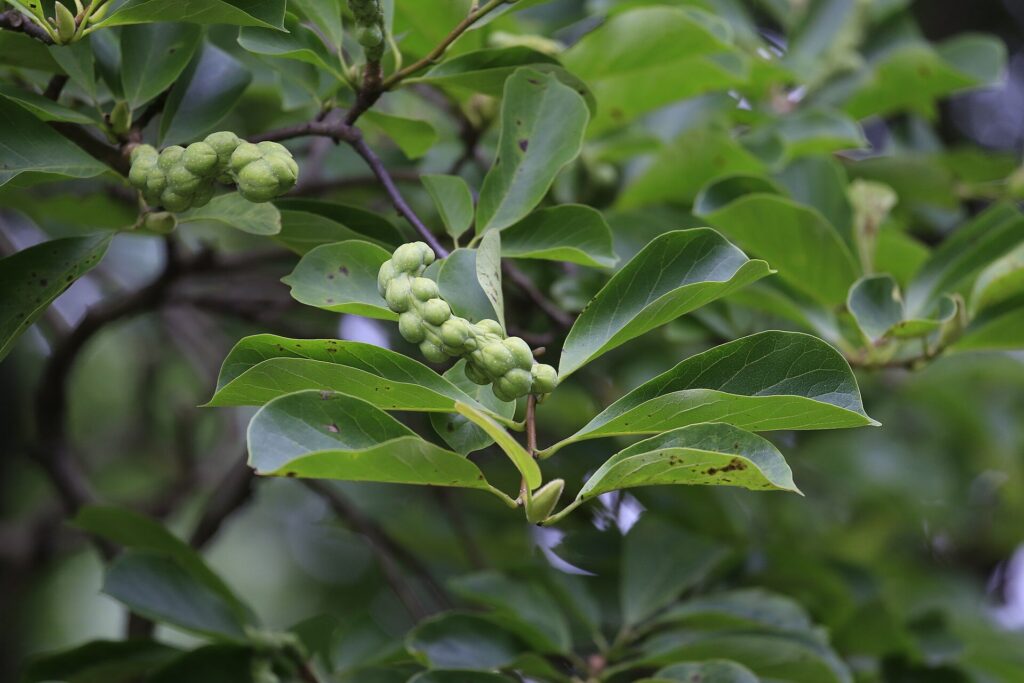
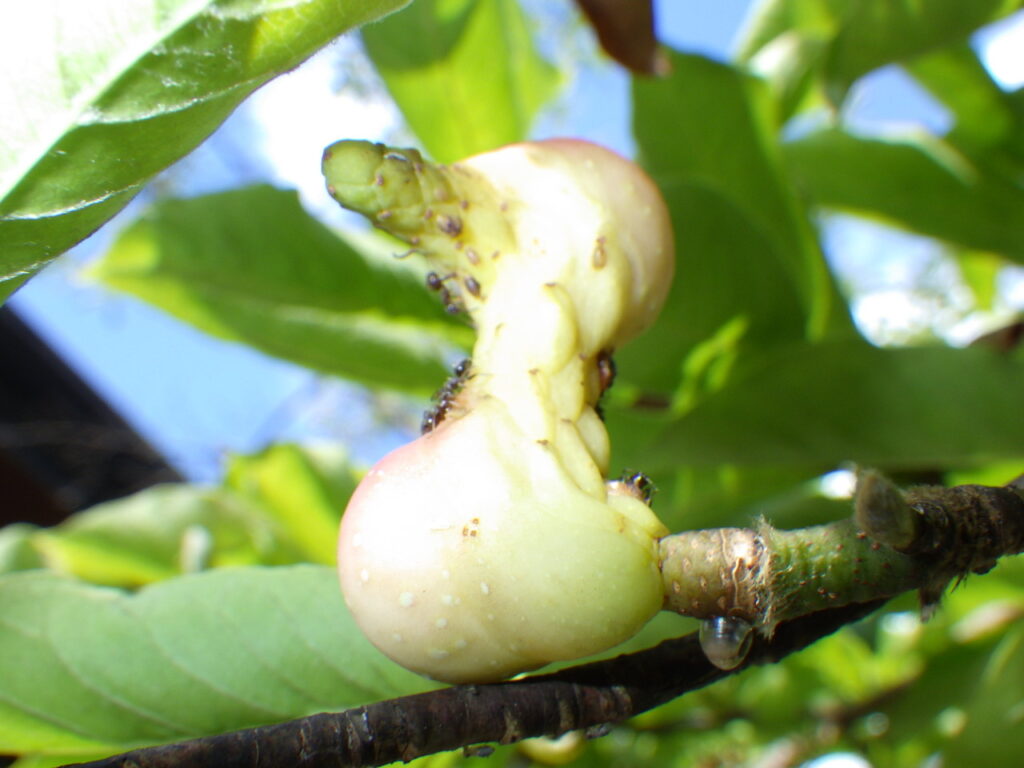
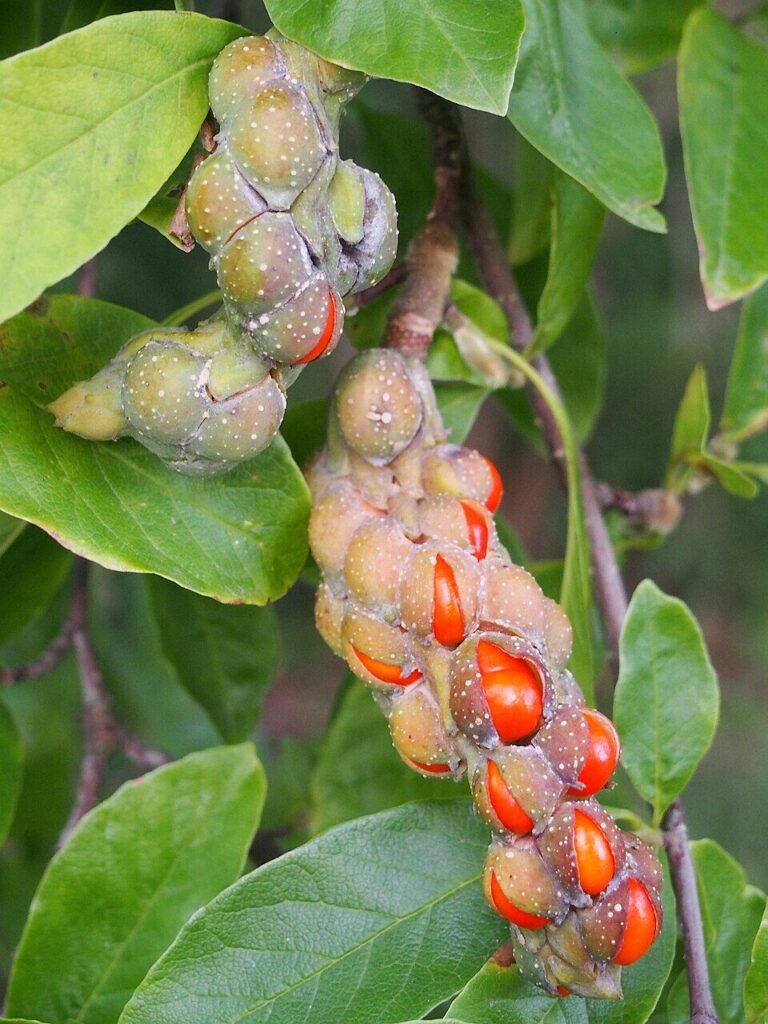
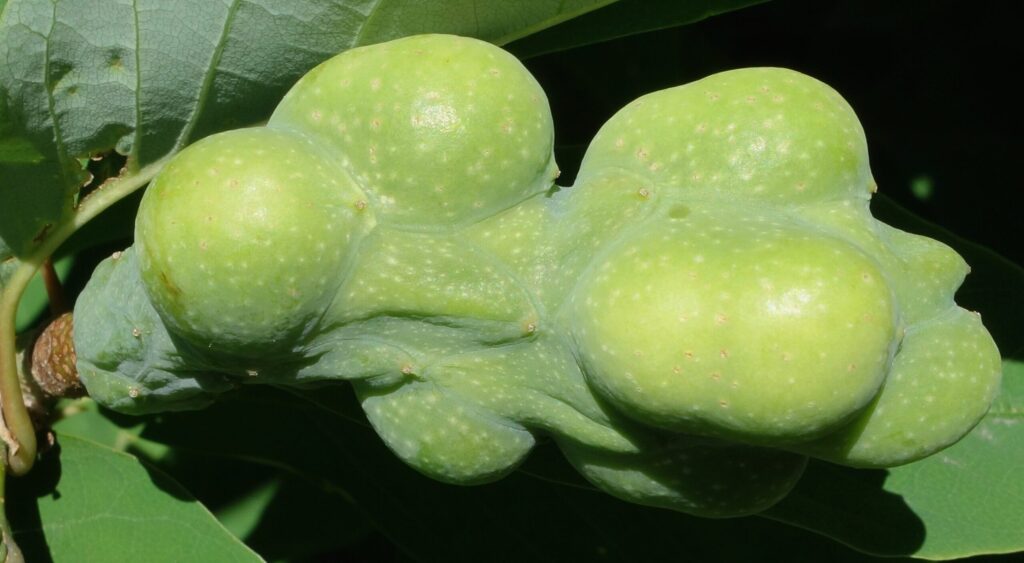
The fruit, common to the Magnolia genus, is an aggregate fruit composed of follicles. The aggregate fruit has an irregular shape, resembling an insect gall, and is a very unique shape not found in other plants.
The young aggregate fruit is an irregular green color, but as it ripens, it gradually turns red, and finally, each individual follicle of the brown aggregate fruit splits open, exposing bright red seeds. Some websites mistakenly refer to these red seeds as the "fruit," so please be aware of this error.
The reason for this misunderstanding is that these soft, red seeds can be split open, revealing hard, black, woody seeds underneath.
For a long time, there was a conflicting hypothesis as to whether this structure consists of a "red arilate" and a "black seed coat," or a "red fleshy seed coat (sarcotesta)" and a "black hard seed coat (sclerotesta)." It is now understood that the latter is true (Feng et al., 2024).
Magnolia seeds are dispersed by animal feeding. The red fleshy seed coat attracts animals, especially birds that can see red, while the black hard seed coat prevents the embryo from being digested after being eaten by birds. This allows the seeds to be dispersed over long distances, expanding their distribution and preventing competition with the parent tree.
The same is thought to be true for the four types mentioned above.
There is no data available on seed dispersal of white magnolia.
Magnolia kobus seeds are mainly dispersed by birds, although there have been reports of dispersal by martens (Tamaki, 2021).
The seeds of Magnolia stellata are dispersed by birds or gravity (Tamaki, 2016).
The seeds of Magnolia salicifolia are dispersed by birds and rodents (Tamaki, 2020).
References
Higashi, Koji. 2004. Scent and phylogenetic evolution of Magnoliaceae flowers. Classification 4(1): 49-61. https://doi.org/10.18942/bunrui.KJ00004649594
Feng, Q., Cai, M., Li, H., & Zhang, X. 2024. How seeds attract and protect: Seed coat development of magnolia. Plants 13(5): 688. https://doi.org/10.3390/plants13050688
Hayashi, Masayuki. 2025. Tree Leaves, 3rd Edition: Identifying 1390 Species Through Real-Life Scans. Yama-kei Publishers, Tokyo. 840pp. ISBN: 9784635070447
Hernandez-Vera, G., Navarrete-Heredia, JL, & Vazquez-Garcia, JA 2021. Beetles as floral visitors in the Magnoliaceae: an evolutionary perspective. Arthropod-Plant Interactions 15(3): 273-283. https://doi.org/10.1007/s11829-021-09819-3
Hirayama, K., Ishida, K., & Tomaru, N. 2005. Effects of pollen shortage and self-pollination on seed production of an endangered tree, Magnolia stellata. Annals of Botany 95(6): 1009-1015. https://doi.org/10.1093/aob/mci107
Ishida, K. 1996. Beetle pollination of Magnolia praecocissima var. borealis. Plant Species Biology 11(2-3): 199-206. https://doi.org/10.1111/j.1442-1984.1996.tb00146.x
Judd, WS, Campbell, CS, Kellogg, EA, Stevens, PF, Donoghue, & MJ 2008. Plant Systematics: A Phylogenetic Approach (3rd ed.). Sinauer Associates Inc., Sunderland. 611pp. ISBN: 9780878934072
Kanagawa Prefecture Flora Survey Association. 2018. Kanagawa Prefecture Flora 2018 (Electronic Edition). Kanagawa Prefecture Flora Survey Association, Odawara. 1803pp. ISBN: 9784991053726
Suzuki, Setsuko; Ishida, Kiyoshi; and Tomaru, Nobuhiro. 2009. Relationship between successful female reproduction in Magnolia stellata and pollinating insects. Abstracts of the Annual Meeting of the Ecological Society of Japan 56: PB2-647. https://www.esj.ne.jp/meeting/abst/56/PB2-647.html
Tamaki, Ichiro. 2016. Geographical genetic structure of forest trees in Japan (12) Magnolia stellata (Magnolia genus, Magnoliaceae). Forest Genetics and Breeding 5(2): 83-87. https://doi.org/10.32135/fgtb.5.2_83
Tamaki, Ichiro. 2020. Geographical genetic structure of forest trees in Japan (28) Magnolia salicifolia (Magnolia genus, Magnoliaceae). Forest Genetics and Breeding 9(3): 105-109. https://doi.org/10.32135/fgtb.9.3_105
Tamaki, Ichiro. 2021. Geographical genetic structure of forest trees in Japan (32) Magnolia kobus (Magnolia genus, Magnoliaceae). Forest Genetics and Breeding 10(2): 116-119. https://doi.org/10.32135/fgtb.10.2_116
Yasukawa, S., Kato, H., Yamaoka, R., Tanaka, H., Arai, H., & Kawano, S. 1992. Reproductive and pollination biology of Magnolia and its allied genera (Magnoliaceae). I. Floral volatiles of several Magnolia and Michelia species and their roles in attracting insects. Plant Species Biology 7(2-3): 121-140. https://doi.org/10.1111/j.1442-1984.1992.tb00225.x