Living things

Sponsored Link
plant

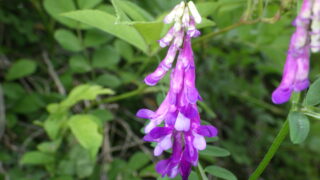
What are the differences between Vicia cracca, Hairy Vetch, Slender Vicia cracca, and Velvet Vicia? We explain how to distinguish between similar species! Was the nectar stolen from the flowers without restraint?!

Vicia cracca, hairy vetch, slender vetch, and velvet vetch all belong to the Vicia genus of the Fabaceae family. They are characterized by numerous purple, butterfly-shaped flowers (10-30 in number) arranged in racemes in spring, and by having five or more pairs of leaflets. From a distance, they are very similar...
plant

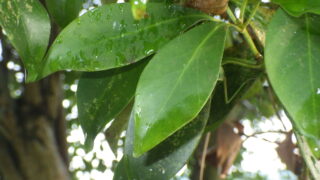
シキミと八角(スターアニス・トウシキミ)の違いは?似た種類の見分け方を解説!シキミは墓を守りハッカクは命を守る!?

シキミとハッカク(八角・スターアニス・トウシキミ)はいずれもマツブサ科シキミ属に含まれ、常緑で光沢のある葉を持ち、最大の特徴は果実が袋果で、放射状に8個並んだ集合果である点が共通しています。どちらの国内外で非常に重要な植物として扱われていま...
plant

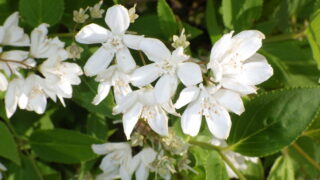
What are the differences between Deutzia, Deutzia crenata, and Deutzia gracilis? We'll explain how to distinguish between similar species! Could Deutzia be the origin of hedges?

Deutzia, Deutzia gracilis, and Deutzia crenata all belong to the Deutzia genus of the Hydrangeaceae family. It is believed that their name, "Utsugi" (hollow tree), comes from the fact that, except for the young branches, the inside of the branches is hollow. In Japan, they have a history of being planted as a guide for rice planting, and are also said to be the origin of hedges...
plant

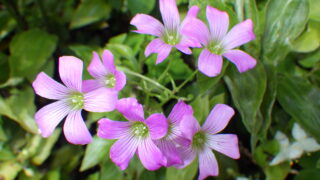
オキザリス・ムラサキカタバミ・イモカタバミ・ベニカタバミ・ハナカタバミの違いは?似た種類の見分け方を解説!

ムラサキカタバミ・イモカタバミ・ベニカタバミ・ハナカタバミはいずれもカタバミ科カタバミ属(オキザリス)に含まれ、膨大なカタバミ属の中でも小葉が倒卵形で角は円くて、花が赤色~ピンク色系統の仲間で、園芸で観賞用に栽培されていたものが帰化した外来...
plant

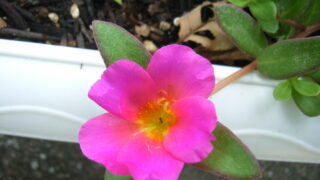
What are the differences between purslane, portulaca, and moss rose? We'll explain how to distinguish between similar species! The secret to their strength lies in the simultaneous use of two special types of photosynthesis!?

Purslane, Portulaca grandiflora, and Portulaca oleracea all belong to the Portulacaceae family and Portulaca genus. Their most distinctive feature is their glossy, succulent leaves. Due to their hardiness, they are cultivated and naturalized in urban areas, especially Portulaca grandiflora and Portulaca oleracea...
plant

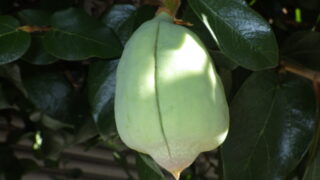
ヒメイタビ・オオイタビ・イタビカズラの違いは?似た種類の見分け方を解説!「実」のような「花嚢」にやってくる特殊なコバチとは!?

ヒメイタビ・オオイタビ・イタビカズラはいずれもクワ科イチジク属に含まれ、イチジク属の中でもつる性となる点から区別され、木の幹や岩に絡みつくことで着生する仲間です。最大の特徴は他のイチジク属と同様にまるで果実のような部位を形成することで、これ...
plant

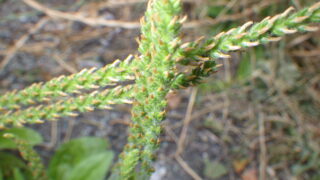
What are the differences between plantain, broadleaf plantain, budded plantain, and psyllium? We'll explain how to distinguish between similar species! How do they become stronger when stepped on?

オオバコ・ヘラオオバコ・ツボミオオバコはいずれもオオバコ科オオバコ属に含まれ、路傍に極めて普通に生える多年草です。踏み固められた地面を好んでおり、「踏み跡植物」の一種として知られています。これらは混同されますが葉と花序の形に注目すれば比較的...
plant

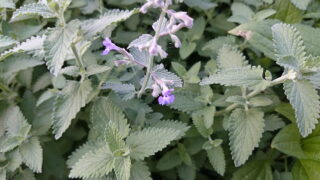
What's the difference between catmint and catnip? How does it differ from mint? We'll explain how to distinguish between similar species! Why does it intoxicate cats? And is it actually a mosquito repellent?!

Catmint and catnip belong to the genus Nepeta in the Lamiaceae family and are perennial plants widely cultivated in Japan as herbs or for ornamental purposes. While their large corolla with a protruding upper lip is a distinctive feature, their most notable characteristic is the "silver vine reaction" that intoxicates felines...
plant

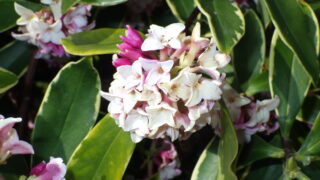
What are the differences between daphne and pepper tree? What are the differences between lilac, white jasmine, gardenia, and rhododendron? We'll explain how to distinguish between similar species! Why did the fragrance of flowers evolve?

Daphne odora and pepper trees both belong to the genus Daphne in the family Thymelaeaceae, and share the characteristics of wrinkled, distorted leaves and fragrant flowers. While they may appear similar, Daphne odora is only cultivated, while pepper trees only grow wild, and morphologically they also differ...
plant

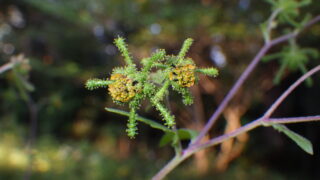
What are the differences between Menamomi, Komenamomi, and Onamomi? We explain how to distinguish between similar species! The mucus-secreting bracts are for sticking to animals!?

Both *Menamomi* and *Komenamomi* belong to the genus *Menamomi* in the Asteraceae family. Their most distinctive features are their small, yellow ray florets and the presence of stalked glandular hairs on their involucral bracts. While not particularly common, both species grow in open areas, and *Menamomi* in particular was historically used by the Japanese as a fermented food. However...
Sponsored Link