plant

Sponsored Link
plant

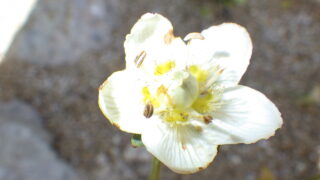
What are the differences between Parnassia palustris, Parnassia japonica, and Parnassia japonica? We'll explain how to distinguish between similar species! What are the structures of their flowers and fruits?

Parnassia palustris, Parnassia japonica, and Parnassia japonica are all perennial herbs belonging to the genus Parnassia in the family Celastraceae. Their names are similar, and their leaves and flowers are morphologically alike, which can sometimes make identification difficult. These three species can be distinguished primarily by the number of lobes in the staminodes of the flower...
plant

What are the differences between Malabar spinach, Okinawa spinach (also known as red spinach), and New Zealand spinach? An explanation of how to distinguish between similar species.

Malabar spinach (Tsurumurasaki) and Okinawa spinach (Okawakame/Akazakazura) are both climbing herbs belonging to the Basellaceae family, cultivated for ornamental and edible purposes. They share many similarities, such as having thick, oval-shaped leaves that are green on both the upper and lower surfaces, and because they are relatively minor species, they can be difficult to distinguish. However, Malabar spinach...
plant

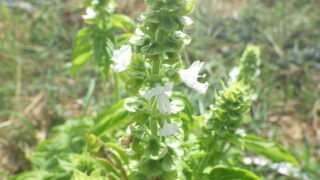
What are the differences between basil, sweet basil, holy basil, and lemon basil? We'll explain how to distinguish between similar varieties! What are the structures of their flowers and fruits?

Basil, sweet basil, holy basil, and lemon basil all belong to the Ocimum genus of the Lamiaceae family, are native to Asia, and share the common characteristic of having edible leaves. Therefore, many people may not know the differences in their shapes or uses. When we say "basil," we are generally referring to all members of the Ocimum genus of the Lamiaceae family...
plant

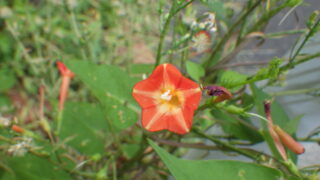
What are the differences between Ipomoea quamoclit, Ipomoea quamoclit, Ipomoea quamoclit, and Ipomoea quamoclit? We'll explain how to distinguish between similar species! What are the structures of their flowers and fruits?

Ipomoea quamoclit, Ipomoea quamoclit, Ipomoea quamoclit, and Ipomoea quamoclit all belong to the Ipomoea genus of the Convolvulaceae family. These climbing annuals, native to tropical America, were cultivated as ornamental plants in Japan and have since become naturalized...
plant

What are the differences between Lantana (Lantana scabrida), Lantana bicolor, and Lippia nodiflora? We'll explain how to distinguish between similar species! What are the structures of their flowers and fruits?

Lantana (Lantana camtschatica) and Lantana camtschatica var. japonica both belong to the genus Lantana in the family Verbenaceae, and are evergreen shrubs characterized above all by their colorful and showy flowers. In Japan, both are frequently planted and can also be found growing wild. Therefore, it can sometimes be confusing to distinguish between them...
plant

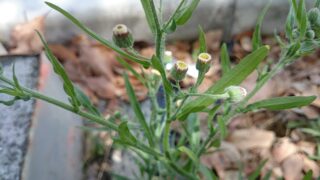
What are the differences between Erigeron annuus, Erigeron philoxeroides, Erigeron strigosus, and Erigeron strigosus? We'll explain how to distinguish between similar species! What are the structures of their flowers and fruits?

Erigeron annuus, Erigeron strumarium, Erigeron philadelphicus, and Erigeron philadelphicus are all members of the Asteraceae family, genus Erigeron, and are annual to biennial herbs that spread from the Americas to the rest of the world. They are frequently found in Japan, from dry fields to urban areas. Distinguishing between them can be difficult at first...
plant

What are the differences between Lilium longiflorum, Lilium longiflorum, and Lilium formosanum? We'll explain how to distinguish between similar species! What are the structures of their flowers and fruits?

Lilium longiflorum, Lilium longiflorum, and Lilium formosanum are all members of the Liliaceae family, genus Lilium, and are three species that could be called "The Lily" due to their relatively simple appearance and pure white flowers. However, these three species are extremely often confused. This is understandable, as researchers and research institutions handle them differently...
plant

What are the differences between Angelica keiskei, Angelica pubescens, and Angelica japonica? We'll explain how to distinguish between similar species! What are the structures of their flowers and fruits?

Angelica keiskei, Angelica pubescens, and Angelica japonica all belong to the Angelica genus of the Apiaceae family and are medium to large perennial herbs with thick stems and broad leaves. They all share similar leaf, flower, and fruit structures, characteristic of the Apiaceae family. Furthermore, the swollen, sac-like base of the petiole and the flattened fruit are typical features of this group...
plant

What are the differences between Geranium thunbergii, Geranium carolinianum, Geranium thunbergii, and Geranium erianthum? We'll explain how to distinguish between similar species! What are the structures of their flowers and fruits?

Geranium thunbergii, American cranesbill, three-leaved cranesbill, and common cranesbill all belong to the Geranium genus of the Geraniaceae family. Their flowers and leaves are very similar, making identification difficult. More than 18 species have been confirmed in Japan, so it's impossible to introduce them all here, but those found in lowland areas...
plant

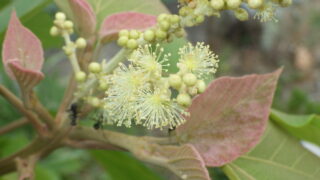
What are the differences between Mallotus japonicus, Mallotus japonicus, and Quercus dentata? We'll explain how to distinguish between similar species! Mallotus japonicus has hairs on its surface and an impenetrable defense against ants!?

Both *Mallotus japonicus* and *Mallotus japonicus* are deciduous trees belonging to the Euphorbiaceae family, and they share the characteristic of having extrafloral nectaries at the base of their leaves. Therefore, it can sometimes be difficult to distinguish between them. Furthermore, the Japanese name "Akamegashiwa" includes the word "kashiwa," which is similar to oak...
Sponsored Link